
This guide is a written journey inspired by our documentary that showcases 100 of the planet’s most extraordinary places. From glaciers and deserts to ancient cities and secret islands, I invite you to walk with me—through words and images—across landscapes that feel unreal and yet are vividly, stubbornly real.
“Beauty hides in every corner of our planet, ready to enchant anyone who discovers it.”
How this guide is organised
This article follows a thematic and geographical route: major natural wonders, legendary peaks and deserts, island paradises, historic cities and archaeological sites, and finally, remote frontiers and unique ecosystems. Each entry picks up the essence from the original film—the facts, the feeling, and practical highlights that make each place unmissable.
Patagonia & Southern Wonders
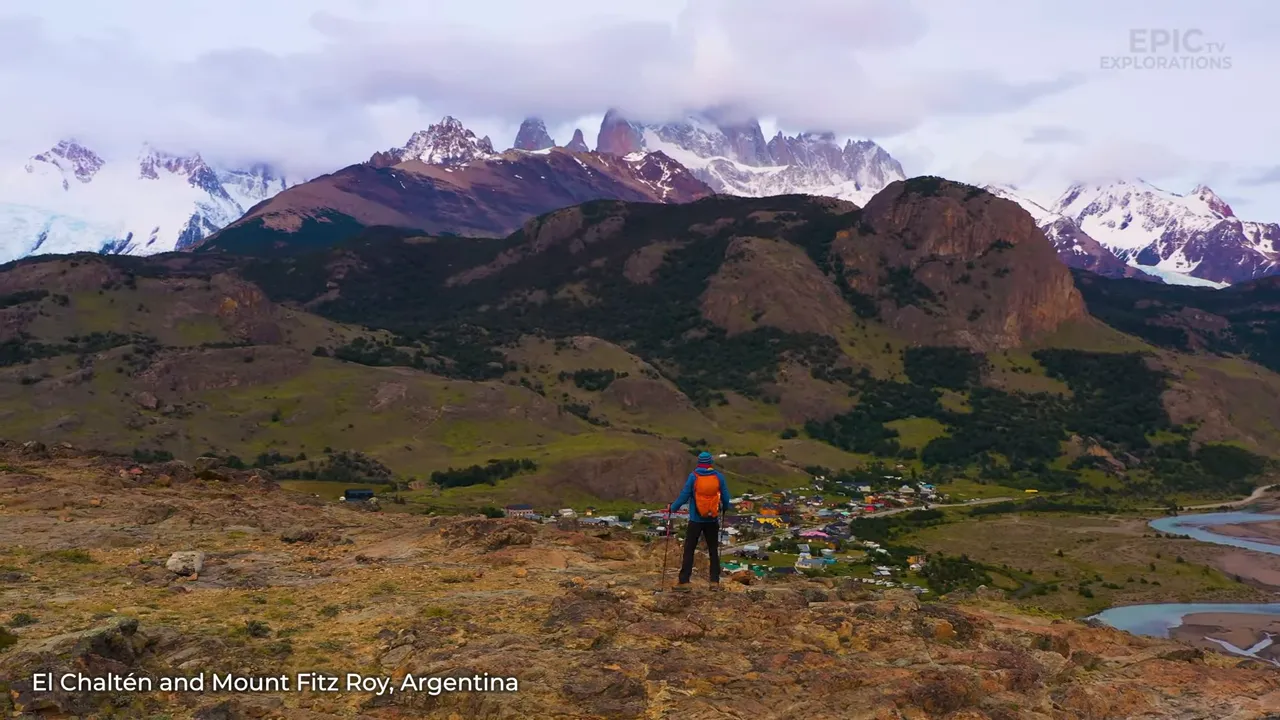
El Chaltén and Mount Fitz Roy (Argentina)
El Chaltén sits like a weathered lighthouse in Patagonia’s windswept steppe. It exists to serve Mount Fitz Roy—an iconic, razor-edged granite massif that so often wears a cap of lenticular clouds that the indigenous name Chaltén means “smoking mountain.” At 11,171 feet (about 3,400 metres), Fitz Roy is a magnet for technical climbers: mirror-smooth granite faces rise more than 3,000 feet with few natural rests. Yet you don’t need to climb to be moved—trails from the tiny mountain town (population roughly 1,500) open into valleys alive with condors and glacial rivers.
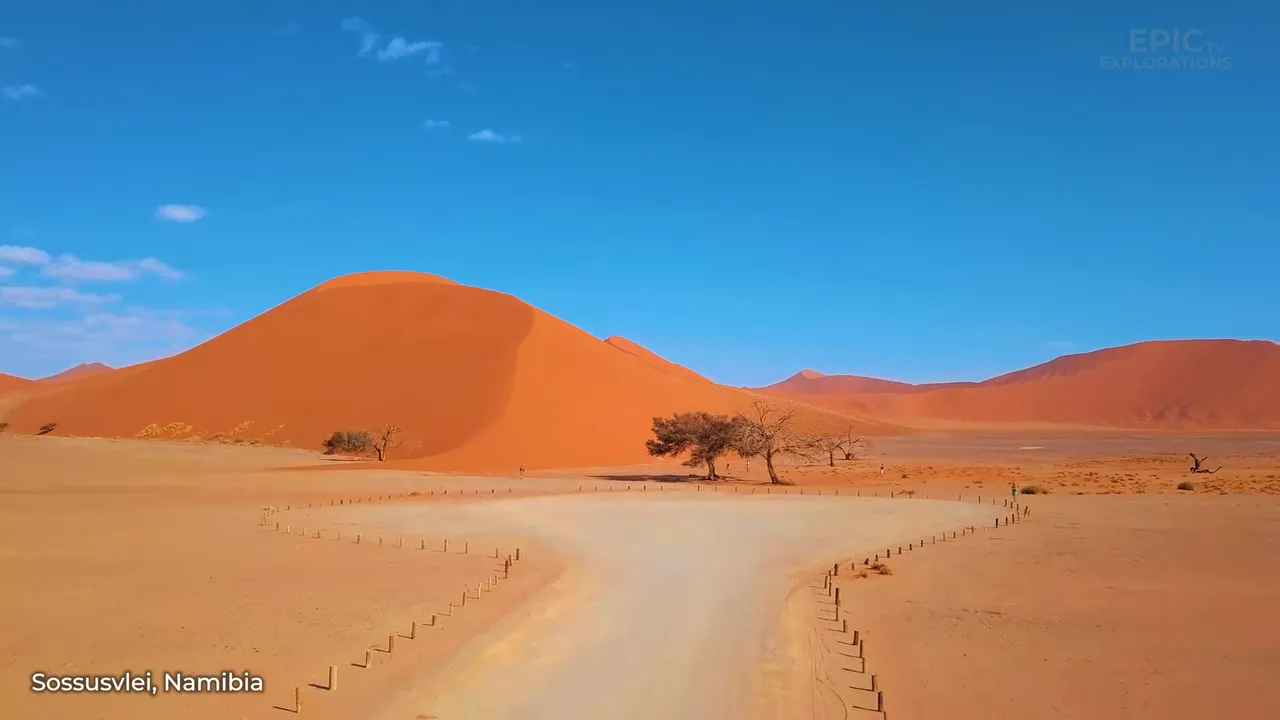
Sossusvlei & Dead Vlei (Namibia)
The Namib Desert’s dunes rival any sculpture. Some climb to roughly 1,312 feet (400 metres), shifting from bright orange to deep red depending on the hour. Dead Vlei—an ancient clay pan—presents blackened acacia skeletons in stark silhouette against white calcareous floor and red dunes: a photographer’s dream. Sunrise and sunset tours accentuate the dunes’ curves and colours.
Fjords and Islands of the Arctic
Beyond the Arctic Circle, archipelagos linked by tunnels and bridges crown raw, fjord-cut coasts. Red fishermen’s houses still hint at a cod-fishing past. Winters bring storms and auroras; summers deliver the midnight sun. Life here still follows seasonal rhythms tied to the sea.
Coastal Highways & Oceanic Margins
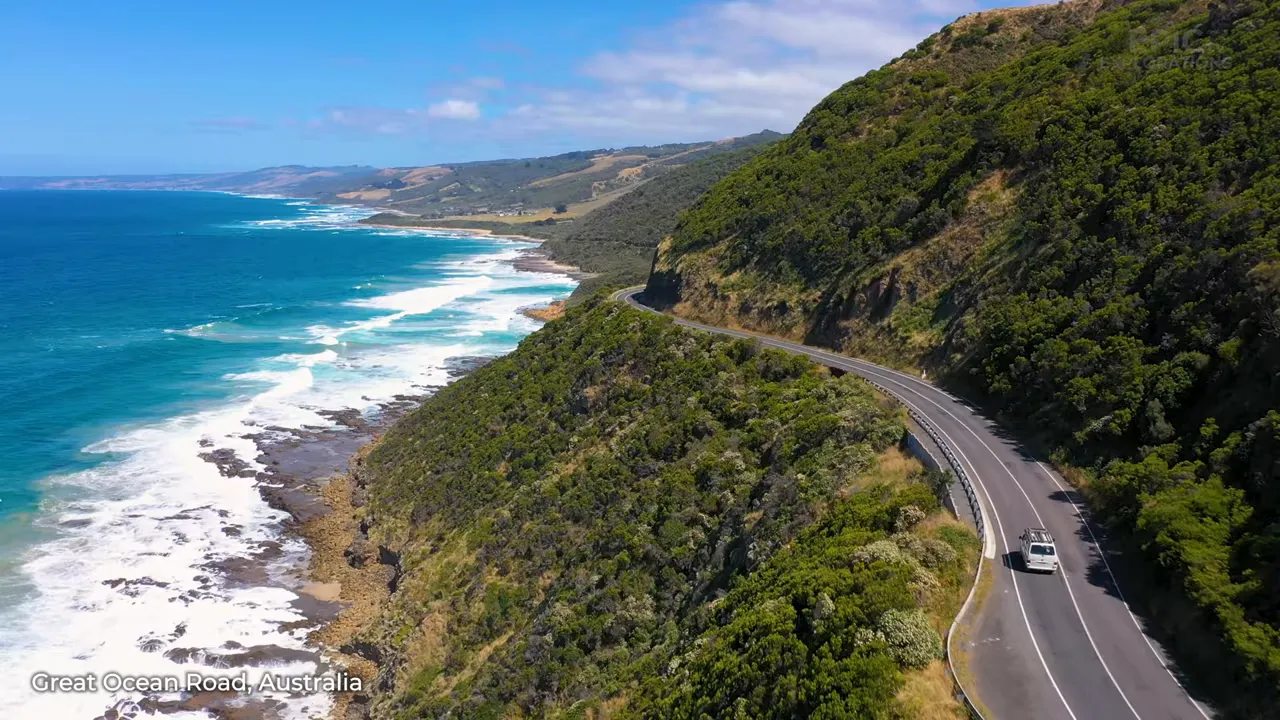
Great Ocean Road (Australia)
Built by returned World War I veterans as a memorial, the Great Ocean Road traces 240 kilometres (149 miles) of dramatic coastline—cliffs, beach coves, and forests. The Twelve Apostles—now only eight clearly visible—stand as wind-carved pillars offshore. Keep binoculars ready for koalas amid eucalypt trees in the Kennett River stretch.
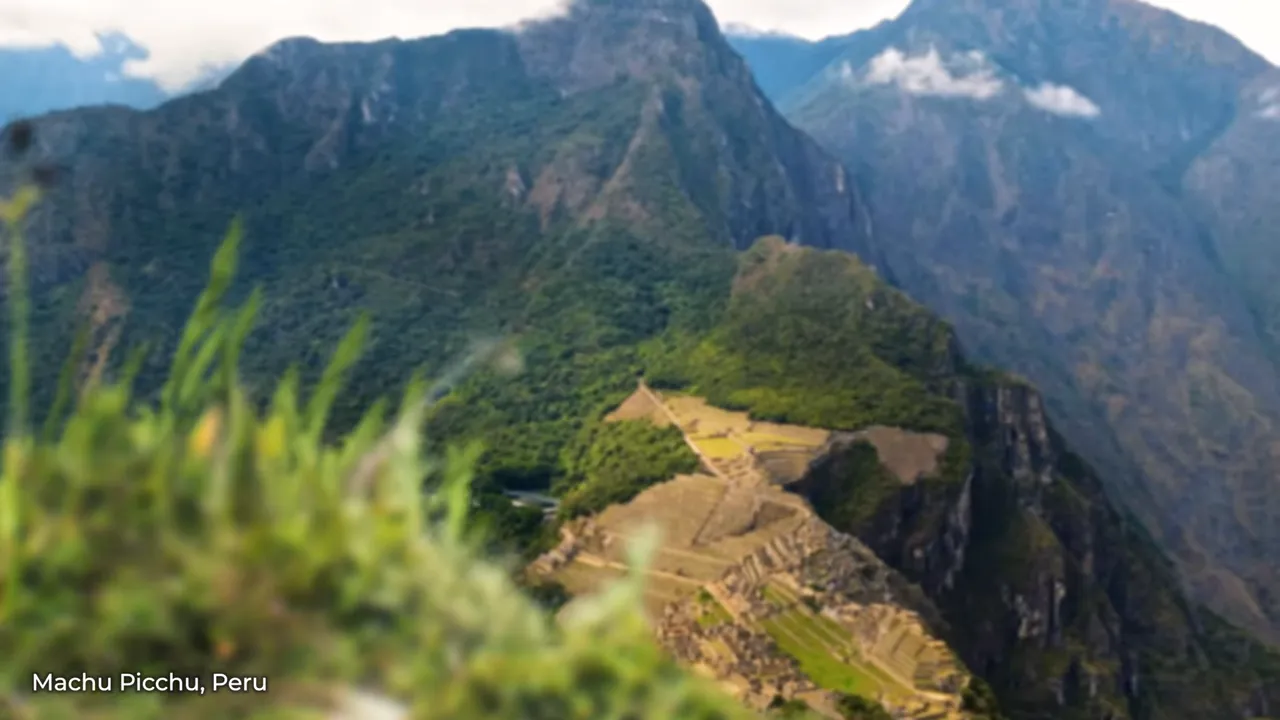
Machu Picchu & the Inca Trail (Peru)
Arriving at Machu Picchu is a jump back into Inca time. Nestled in the Peruvian Andes, the stone city unspools terraces and temples that reveal agricultural ingenuity and ceremonial life. Hiking the Inca Trail at sunrise remains an unmatched rite of passage—local guides enrich the experience with history of rituals and Inca astronomy.
Venice, Italy
Built across 118 islands and 177 canals in a Venetian lagoon, Venice is a city made of water and stones. Landmarks like the Rialto Bridge and St. Mark’s Square carry centuries of art and trade. Gondolas—each weighing around 600 kilos—still ply the canals; meanwhile bacari (Venetian tapas bars) serve tiny bites from dawn to night.
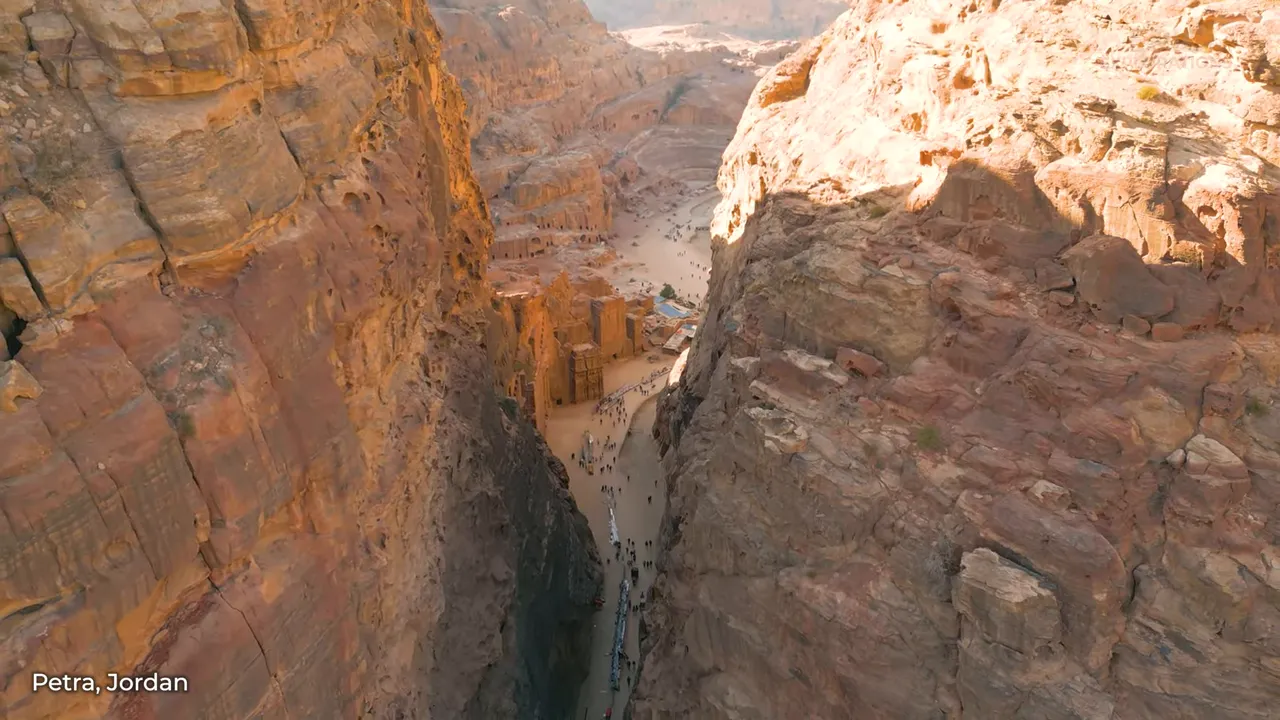
Petra (Jordan)
Petra—the Rose City—reveals itself through the narrow Siq: a cinematic corridor carved between towering rock walls. Its façade, “the Treasury”, leads to an archaeological maze of tombs, temples and an amphitheatre carved into pink sandstone. For panoramic reward, hike to the Monastery.
Mountain Parks & Alpine Lakes
Banff National Park (Canada)
Banff is the archetype of alpine grandeur: snow-dusted peaks mirror in turquoise lakes like Moraine and Louise. Established in 1885 as Canada’s first national park, it spans glaciers, hot springs, and deep valleys where elk and bison still roam, and the Bow Valley Parkway offers bison sightings and sacred places to local indigenous peoples.
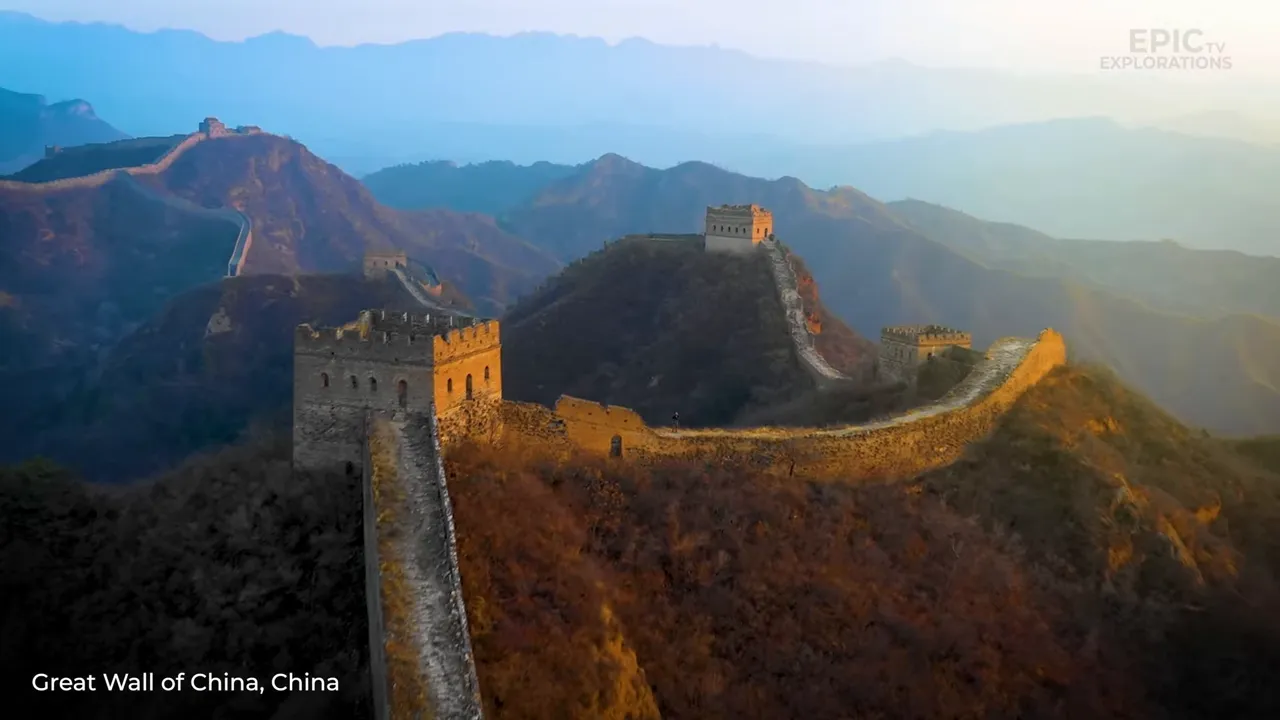
Great Wall of China
Stretching more than 12,427 miles (20,000 kilometres) through mountains and deserts, the Great Wall is a monumental human endeavour—assembled and rebuilt over 2,000 years. Stories cling to its stones: rice mortar in some sections, ancient logistics, and the whispered legend that many lives were sacrificed in its construction. Walking its steps is an immersion through centuries of dynasties, wars and trade.
Maui, Hawaii
Maui’s patchwork includes golden Kaanapali beaches, lush Hana rainforests, and the sunrise spectacle from Haleakalā crater. Surf breaks like Pá‘ia deliver world-class waves while warm island evenings feature hula and music—Hawaiian hospitality at its best.
Great African Plains & Waterfalls
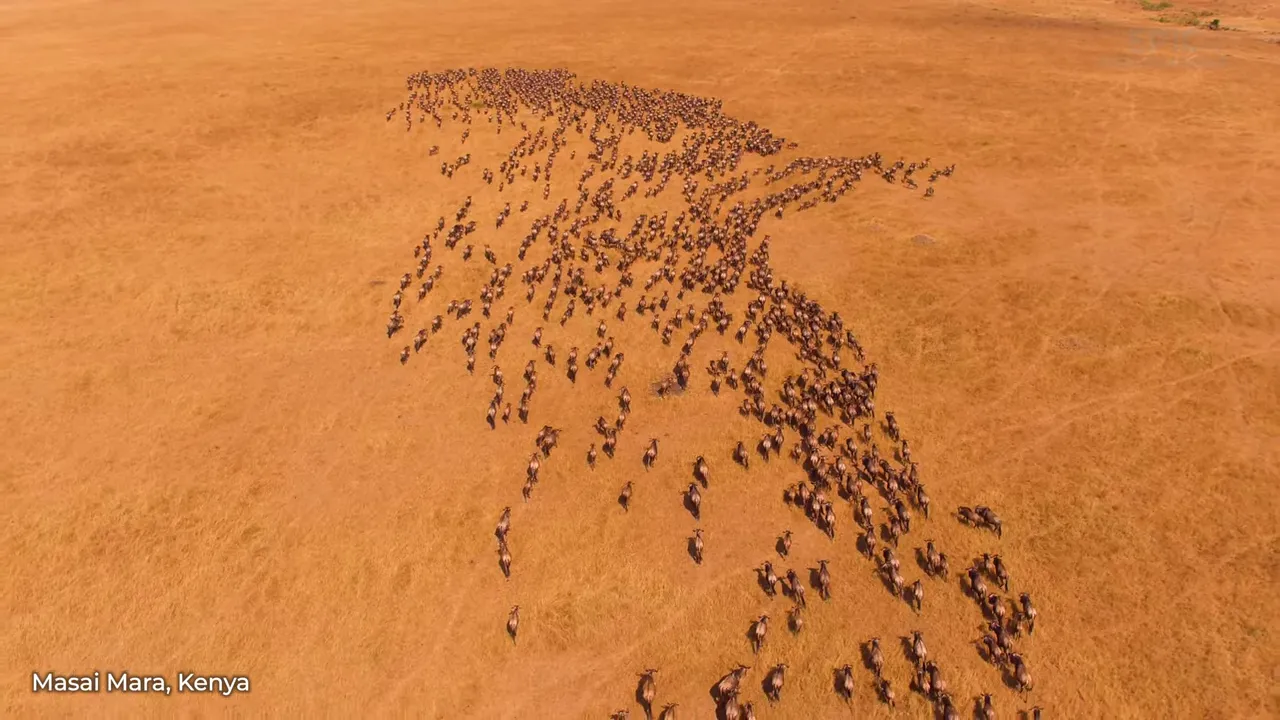
Masai Mara (Kenya)
The Masai Mara and the Serengeti stage the planet’s great mammal migration. From July to October roughly 1.5 million wildebeests (with zebras and gazelles) cross rivers—often into crocodile‑filled waters. Hot-air balloons at dawn unveil a living mosaic; Maasai communities coexist with lions, cheetahs and leopards in a landscape where time feels unchanged by modernity.
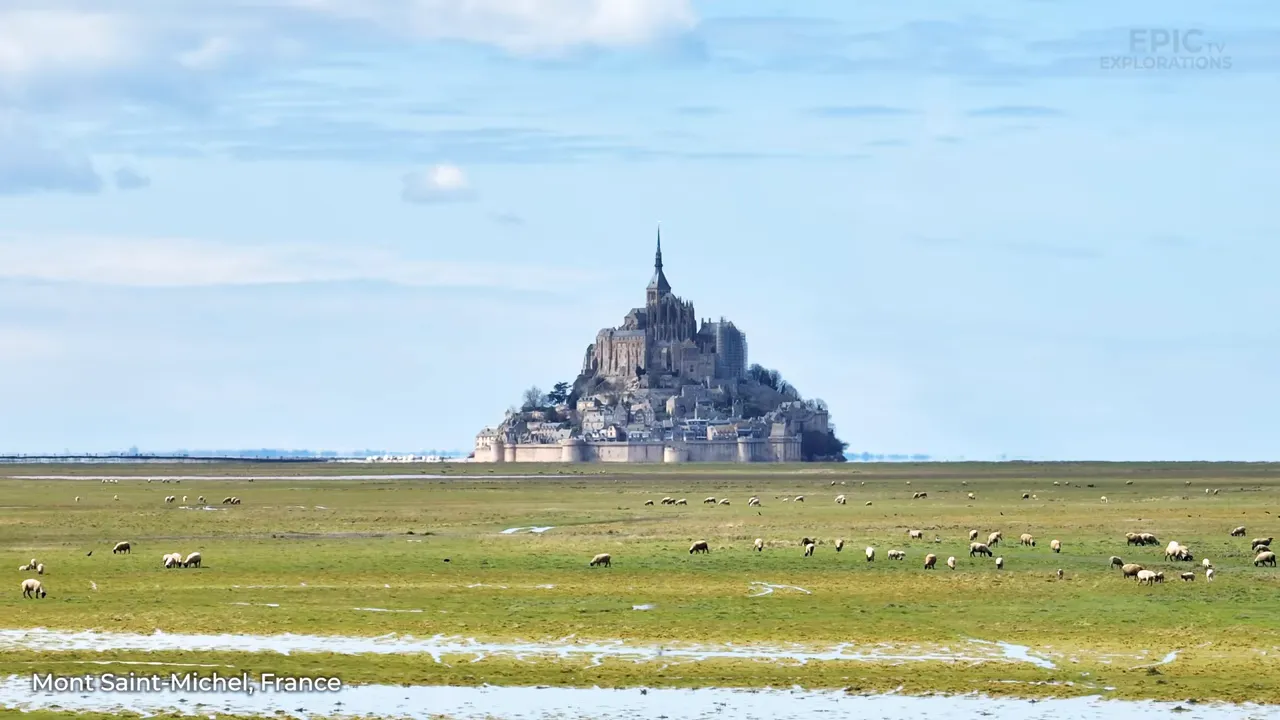
Mont Saint-Michel (France)
This rocky islet rises and retreats with tides, crowned by a medieval abbey that dominates the bay. For centuries a pilgrimage destination and an impregnable fortress, Mont Saint-Michel appears almost to float at low tide and reflects into the wet sands at night, creating an almost surreal atmosphere.
Sahara Desert
The Sahara is a continent-sized sea of sand that moves daily. Beneath the dunes, archaeologists uncover ancient riverbeds and lakes; it was once greener and populated by elephants and giraffes. Tuareg caravans still cross its silence, guided by ancestrally inherited navigation methods.
Vibrant Cities, Lanterns & Living Heritage
Hoi An (Vietnam)
By day, artisans weave bamboo lanterns in coloured silk; by night, thousands of lanterns light narrow stone streets and the Thu Bồn River—red, yellow, blue and green reflections turning bridges and merchant houses into magic.
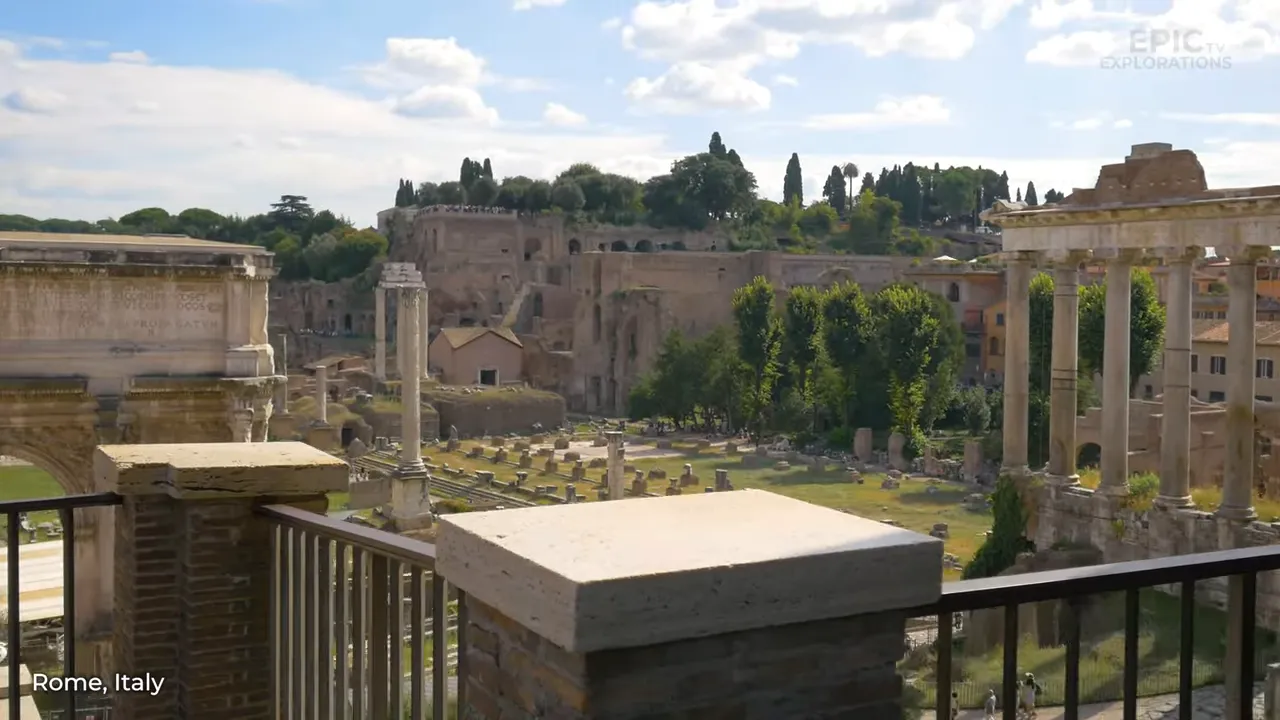
Rome (Italy)
Rome is an open stage of history—Colosseum, St. Peter’s, and piazzas layered with centuries of art and culture. But Rome is living: pizzerias, gelaterias and historic cafés join ancient monuments to create an irresistible urban rhythm.
Prague (Czech Republic)
Prague reads like a book of stone: the castle complex and St. Vitus Cathedral, the 14th-century Charles Bridge guarded by saintly statues, and the astronomical clock in Old Town Square that performs its mechanical show every hour.
Kyoto (Japan)
In Kyoto, time breathes differently. Over 1,600 temples, Zen gardens like Ryoanji, geisha districts such as Gion with Maiko at dawn, and the reflective beauty of Kinkakuji (Golden Pavilion) and Fushimi Inari’s thousand torii gates—Kyoto measures life by tradition and quiet rituals like the tea ceremony.
Oceanic Ecosystems & Island Paradises
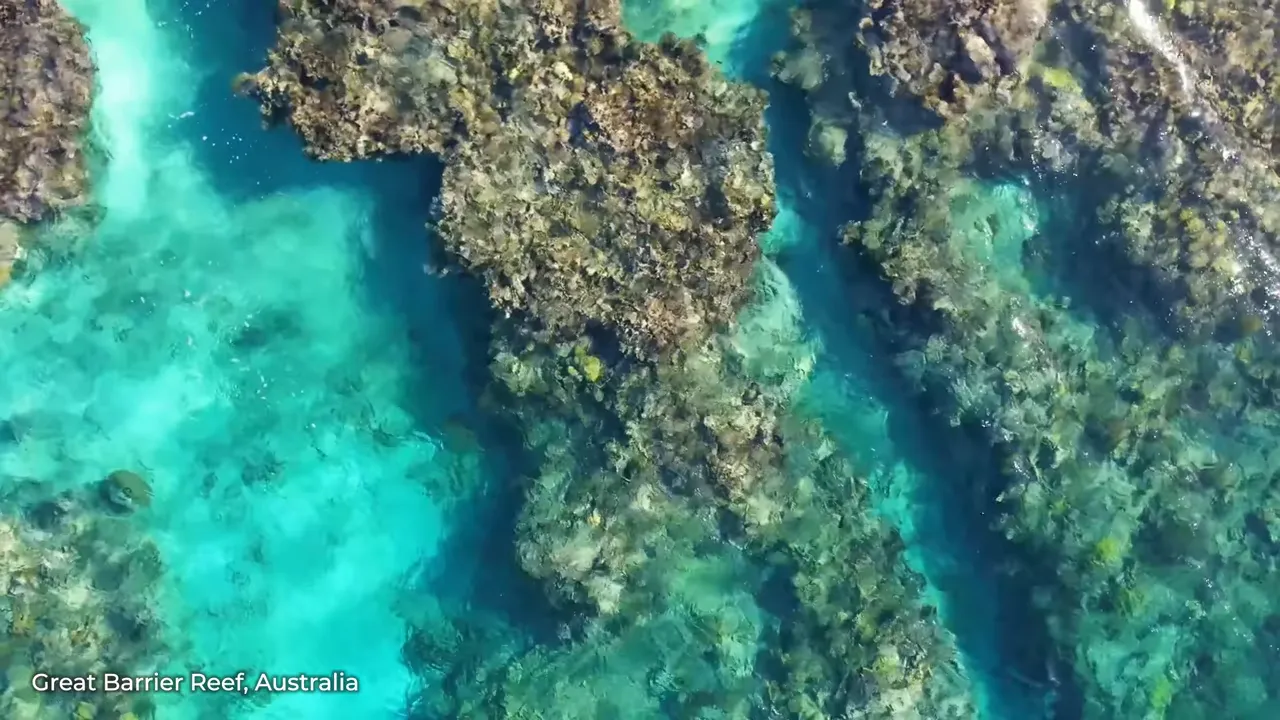
Great Barrier Reef (Australia)
Stretching over 1,429 miles (2,300 kilometres) along Australia’s northeast coast, the Great Barrier Reef is Earth’s largest coral formation. It hosts green turtles, whale sharks and manta rays, but climate change threatens widespread coral bleaching. Ongoing conservation programs aim to protect this world heritage.
New York City (USA)
“The city that never sleeps” pulses with global culture—Statue of Liberty, Times Square, Broadway and neighbourhoods such as Harlem. At dawn the “Manhattan Hinge” slices light between skyscrapers; at night the city becomes a glittering universe.
Svalbard & Arctic Outposts
Halfway to the North Pole, Longyearbyen anchors an archipelago of glaciers, tundra, and wildlife. Polar bears, reindeer and seabirds share this fragile habitat where scientists, miners and explorers coexist under months of polar night and endless summer days.
Angkor Wat (Cambodia)
The jewel of Khmer architecture, Angkor Wat was built in the 12th century and transitioned from Hindu temple to Buddhist centre. At sunrise its towers and bas‑reliefs glow in golden light—an unforgettable vision of stone and jungle.
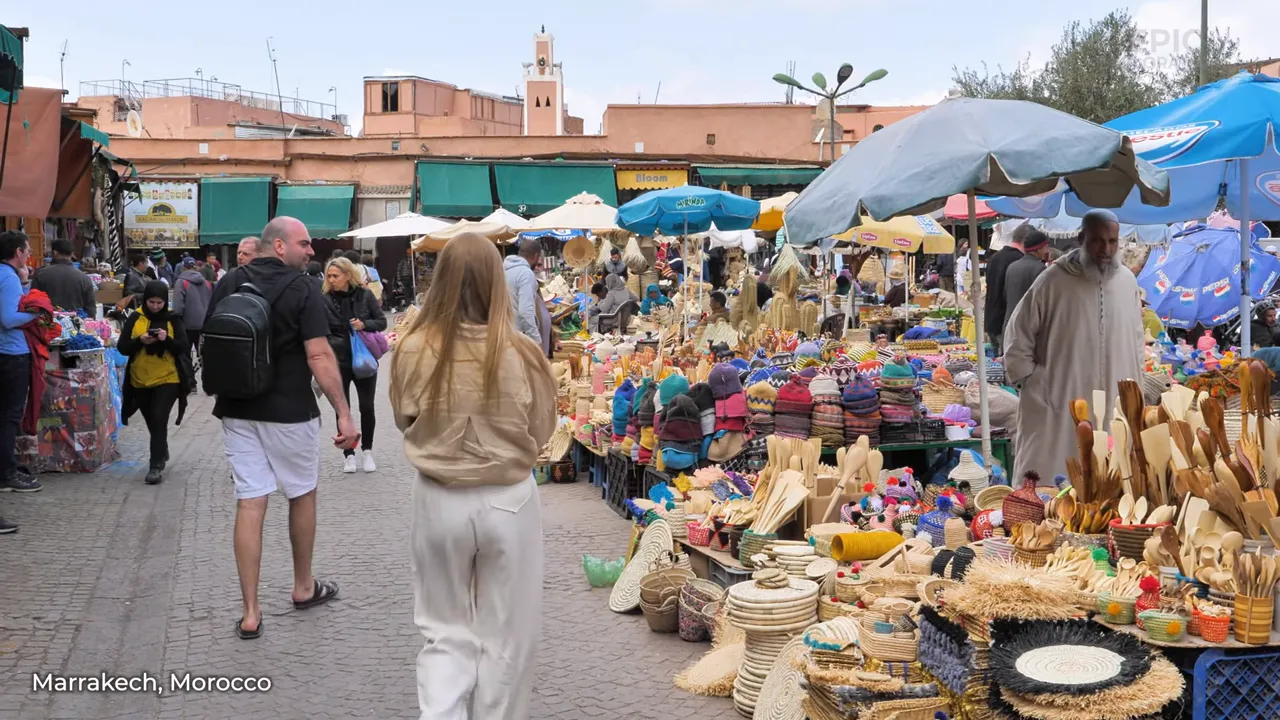
Marrakesh (Morocco)
Marrakesh is a sensory whirlwind: Jemaa el‑Fna’s storytellers, spice vendors, snake charmers, and a labyrinth of souks where generations craft leather and metal. At evening the square becomes a bustling culinary theatre as smoke and music rise into night.
Amalfi Coast (Italy)
Amalfi’s highway carves terraced towns into cliffs—Positano’s houses cling to rock, and Ravello’s villas like Villa Rufolo offer terraces “suspended over the void.” The Path of the Gods walks between sky and sea, passing lemon groves and ancient stone walls.
Galápagos Islands (Ecuador)
Darwin’s living laboratory: volcanic islands host giant tortoises, marine iguanas and finches that inspired evolutionary theory. Snorkel with sea lions, hike volcanic trails, and observe species that evolved in isolation.
Maldives
An archipelago of 26 atolls set in the Indian Ocean, the Maldives are coral gardens, overwater villas and luminous sunsets. Luxury and marine biodiversity combine in waters rich with reef life, but also vulnerable to sea-level rise.
Supervolcanoes & Thermal Worlds
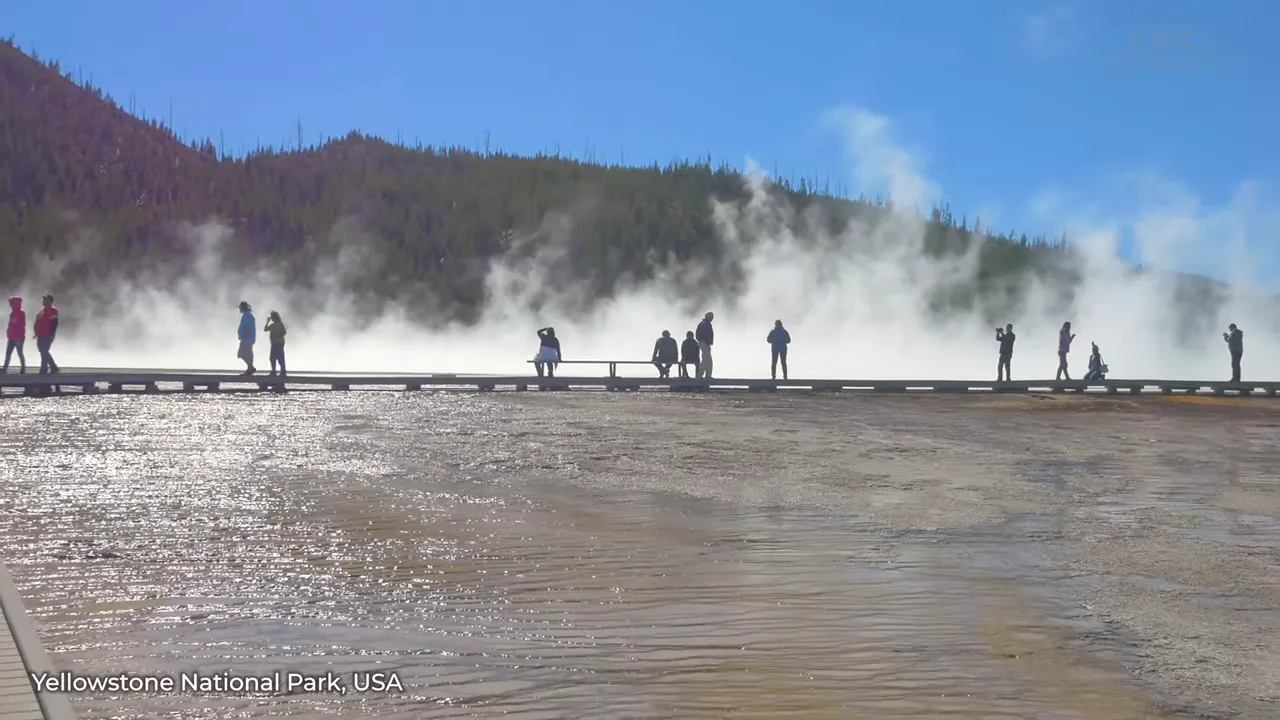
Yellowstone National Park (USA)
Built on a supervolcano, Yellowstone is a theatre of geysers, mud pots and the Grand Prismatic Spring’s impossible colours. Reintroduced wolves, roaming bison, and ancient geothermal systems make Yellowstone a primordial living laboratory.
Rio de Janeiro (Brazil)
Between granite peaks and Atlantic beaches, Rio moves to samba. Christ the Redeemer watches over Copacabana and Ipanema, while Tijuca Forest, the world’s largest urban rainforest, cushions the city with green. At sunset Sugarloaf glows and the city becomes electric.
Iguazú Falls (Argentina/Brazil)
Iguazú’s 275 individual falls drop up to around 82 metres (269 feet), creating a curtain of spray visible miles away. The “Devil’s Throat” combines fourteen falls into a thunderous U-shaped gorge—boardwalks deliver visceral proximity to surging water and mist.
Rock Cities, Canyons & Underground Light
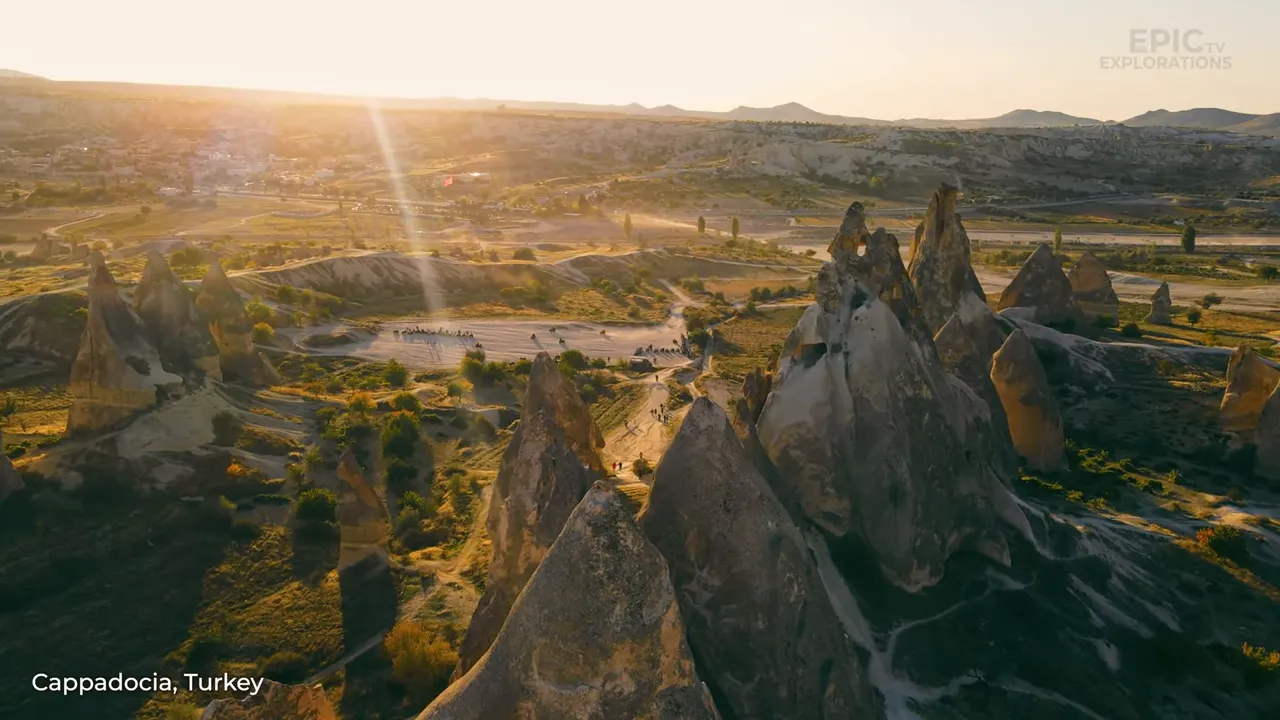
Cappadocia (Turkey)
Cappadocia’s lunar valleys are sculpted by erosion into “fairy chimneys.” Cave hotels and rock-carved churches keep early Christian frescoes safe; hot-air balloons at sunrise offer surreal aerial panoramas over settlements carved into tuff.
Dubrovnik (Croatia)
The “Pearl of the Adriatic” is encircled by a stout medieval wall, its limestone streets dotted with palaces, Baroque churches and sculpted fountains. Walking the ramparts rewards you with sea views and the memory of a maritime republic.
Antelope Canyon (USA)
A slot canyon in Arizona carved by flash floods into smooth sandstone ribbons. Sunbeams seep in from above and create laser-like shafts; walls shift colours from orange to violet as the day progresses. In storm season, water still roars through its narrow corridors.
Lake Bled (Slovenia)
Lake Bled’s tiny island church and clifftop medieval castle set against Julian Alps create a postcard-perfect scene. Row a traditional pletna boat to the island or stroll the lake’s rim for reflective tranquillity.
Samarkand (Uzbekistan)
Samarkand is Silk Road grandeur: the Registan’s tiled madrasas, colourful necropolises and the Bibi-Khanum Mosque show an architectural blend of cultures that made this city a crossroad for merchants and ideas.
Bali (Indonesia)
Bali—the “Island of the Gods”—weaves rice-terraced hills, ritual temples, surf beaches and volcanoes. The Subak irrigation system shapes terraced fields, Ubud cultivates cultural arts, and Mount Agung and Batur call trekkers to sunrise ascents.
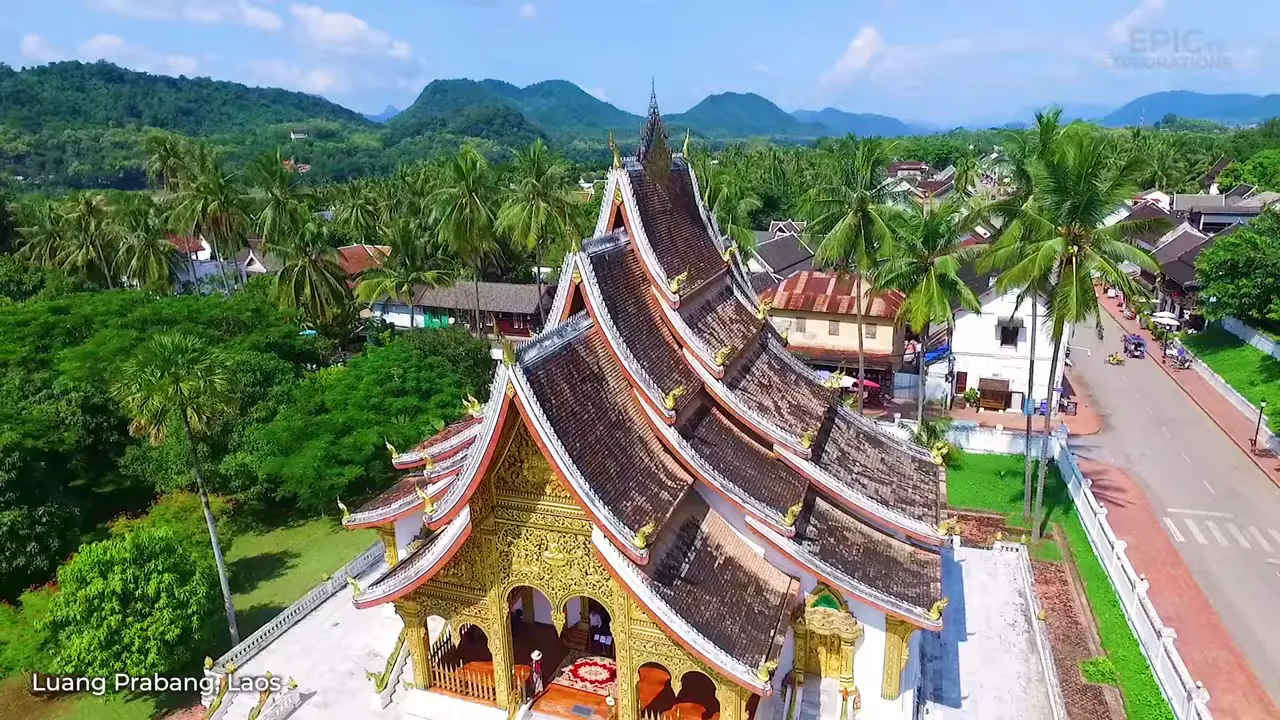
Luang Prabang (Laos)
Luang Prabang remains a serene UNESCO town of orange-robed monks, colonial architecture and nearby Kuang Si waterfalls with turquoise pools. Morning alms and slow riverside life define its meditative rhythm.
Modern Skylines & Desert Marvels
Barcelona (Spain)
From Gaudí’s Sagrada Família and Park Güell to the Gothic Quarter and La Rambla’s bustle, Barcelona mixes modernist imagination with Mediterranean life, street markets and avant-garde museums.
Dubai (UAE)
Dubai’s ambition reads in its skyline: Burj Khalifa, Burj Al Arab and man-made islands. Urban extremes—from indoor ski slopes to desert safaris and skydiving over the Palm—set Dubai apart as a playground of modernism.
Palawan (Philippines)
Palawan’s limestone karsts and turquoise bays (El Nido, Bacuit, and the Bacuit archipelago) are model examples of sustainable tourism and biodiverse marine habitats. Local communities work to protect endemic species like the rare Palawan curlew.
Québec City (Canada)
Europe in North America: fortified stone walls, Château Frontenac on its hill, and cobbled lanes of Petit-Champlain preserve centuries of French colonial architecture and a seasonal winter charm that transforms into a fairytale snowscape.
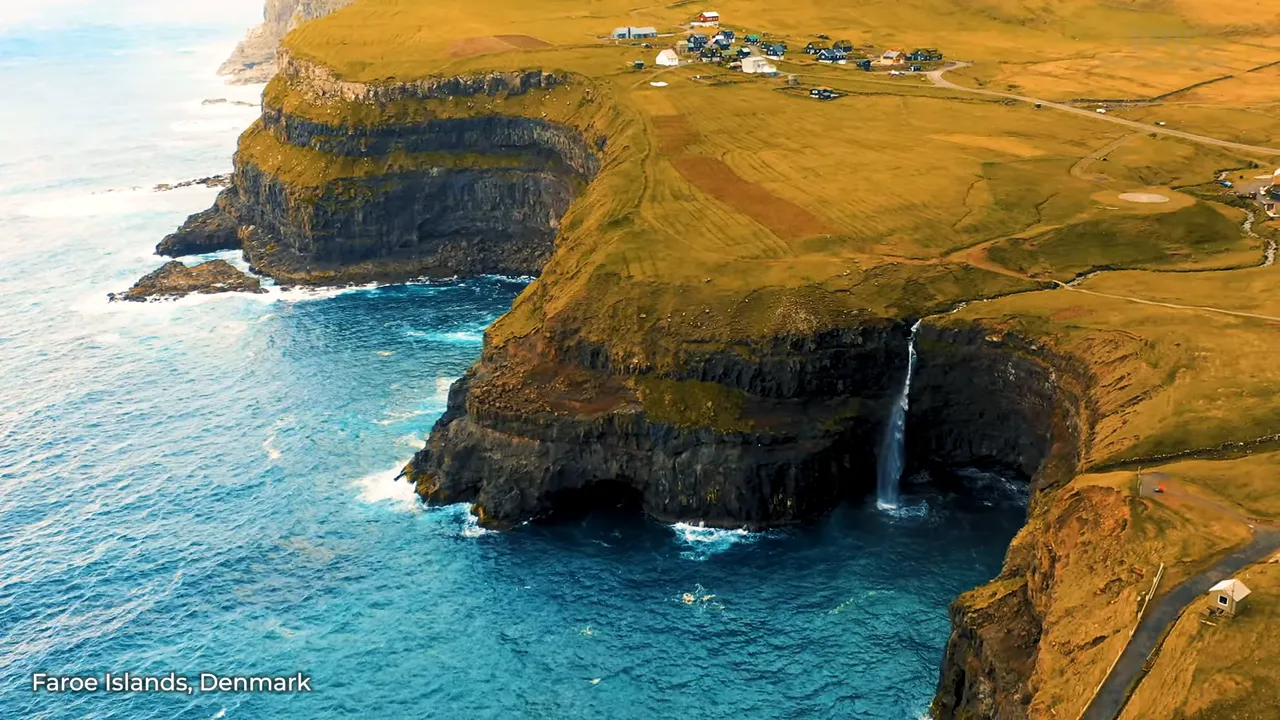
Faroe Islands
Remote, rugged and dramatically beautiful, the Faroes combine plunging cliffs, tumbling waterfalls and colourful turf-roofed villages with a Viking-rooted culture and exceptional hiking routes.
Bora Bora (French Polynesia)
Turquoise lagoons and overwater bungalows give Bora Bora its postcard persona. Snorkelling, diving with rays and Polynesian cultural nights complete an island escape built on marine beauty and hospitality.
Victoria Falls (Zambia/Zimbabwe)
“The Smoke That Thunders” is a curtain of water over 100 metres high, producing a permanent mist and vivid rainbows. Adventure options like bungee jumping and white-water rafting add adrenaline to wildlife-rich national parks.
Hong Kong
East meets West in Hong Kong’s skyline, markets and temple pockets. The Peak offers sweeping harbour views while urban markets and tranquil temples sit shoulder-to-shoulder with neon skyscrapers.
Istanbul (Turkey)
Straddling two continents, Istanbul is a palimpsest of empires: Hagia Sophia’s dome, the Blue Mosque’s blue-tiled interior and the Grand Bazaar’s spice-scented alleys tell the city’s layered cultural story.
Historic Wonders of the Americas & Asia
Cancún & Riviera Maya (Mexico)
White-sand coasts run along a coral reef; cenotes (sea‑only caves) and the Tulum ruins perched over the sea link modern resorts to legacy Maya landscapes and underwater sacred sites.
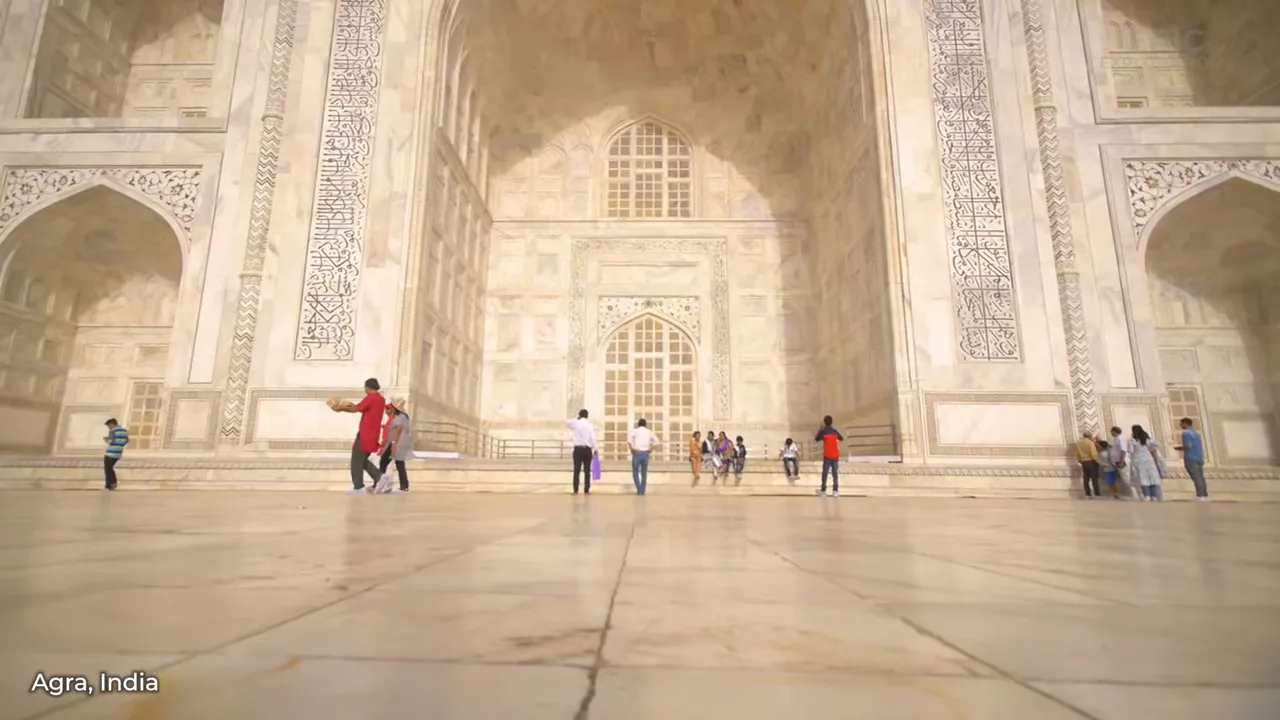
Agra (India)
The Taj Mahal remains a peerless monument to love—white marble inlays and calligraphy—while Agra Fort and nearby Fatehpur Sikri recall Mughal splendour.
Porto (Portugal)
Hills of terracotta roofs adjoin the Douro River where port wine cellars keep centuries-old traditions. Ribeira’s colourful façades and São Bento’s azulejos create an atmosphere rich in flavour and character.
Sydney (Australia)
Sydney’s Opera House and Harbour Bridge define an iconic skyline; Bondi Beach and multicultural neighbourhoods add lifestyle flavour to the harbour city’s cosmopolitan mix.
Seychelles
Granite outcrops sculpt wind-carved beaches that defy adjectives—Anse Source d’Argent and Anse Lazio sit beside coral seascapes and endemic wildlife, fragments of Gondwana that evolved in long isolation.
Florence (Italy)
The cradle of the Renaissance: sculptures (Michelangelo’s David), painting (Botticelli), Brunelleschi’s dome and Ponte Vecchio’s jewel shops all make Florence a living museum of art and architecture.
Grand Canyon (USA)
The canyon is a geological diary—layers of time exposed in red, orange and ochre. South Rim trails, guided descents and helicopter flights offer different perspectives on scale and strata.
Amsterdam (Netherlands)
Canals, art (Van Gogh, Rijksmuseum) and the Anne Frank House define Amsterdam’s cultural map. Biking culture and floating markets add local colour to an accessible, compact city.
Chichén Itzá (Mexico)
El Castillo (Kukulkan pyramid) demonstrates Mayan astronomical insight: during equinoxes a serpent illusion slides down its steps. Ball courts and El Caracol observatory reveal a civilization calibrated to celestial cycles.
Quito (Ecuador)
At 9,350 feet (2,850 metres) Quito’s colonial core is among the best preserved in the Americas and a gateway to both the Amazon and the Galápagos.
Vienna (Austria)
Music and imperial architecture suffuse Vienna: concert halls, palace life at Schönbrunn and the warmth of coffeehouse culture, with winter markets and waltzes giving the city seasonal magic.
Lisbon (Portugal)
Tagus views, yellow trams, Fado’s melancholy and the towers of the Age of Discoveries (Belém Tower) combine in a city that hums with history and modern life alike.
Moscow (Russia)
The Kremlin, Red Square and St. Basil’s colourful domes embody Russian narrative and culture; museums and theatres anchor a vibrant contemporary arts scene.
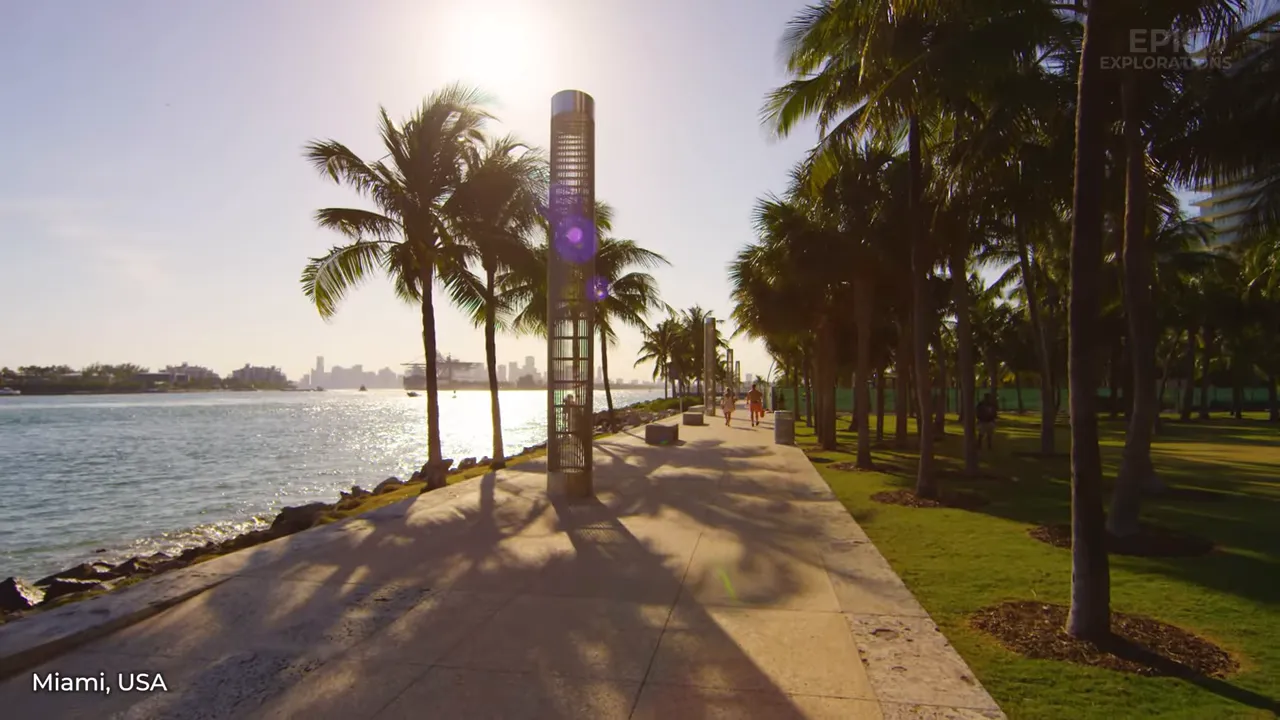
Miami (USA)
Miami is a sunlit cultural melting pot: South Beach, Art Deco architecture, Little Havana’s Cuban rhythms and Wynwood’s mural‑driven arts district make this a city of contrasts.
Athens (Greece)
The Acropolis and Parthenon anchor Athens’ ancient identity; contemporary museums and Plaka’s lanes animate a city where antiquity and urban life converse.
Jaipur (India)
The “Pink City” of Rajasthan presents Amber Fort, City Palace and bazaars for crafts and textiles—an immersion in royal heritage and artisanry.
Savannahs, Glaciers & Volcanic Islands
Serengeti (Tanzania)
Open savannahs host one of Earth’s largest migrations: wildebeest, zebra and gazelle sweep across plains, while predators sharpen the scene into daily spectacle.
Iceland
Where tectonic plates meet, Iceland’s glaciers, volcanoes and geothermal pools create an elemental landscape. Vatnajökull glacier and ice caves transform each year; Reykjavik blends geothermal living with northern lights above steaming pools.
Berlin (Germany)
From the Brandenburg Gate to the Reichstag’s glass dome and Museum Island’s treasures, Berlin is a city of memory, street life and continual reinvention.
Beijing (China)
Forbidden City’s palaces and Tiananmen Square carry millennia of imperial and modern history; hutongs and modern avenues create an ever-shifting urban tapestry.
Amazon Rainforest
The Amazon is a vertical ocean of life—layers from soil to emergent treetops harbour unique ecosystems. Flooded igapó forests, pink river dolphins and canopy biodiversity make the Amazon essential to planetary health.
Mount Everest (Nepal/Tibet)
Everest is the world’s rooftop—a mountaineering challenge but also a cultural corridor for Sherpa hospitality. Trekking to base camp reveals glaciers, monasteries and Himalayan vistas.
Paris (France)
Parisians live architecture and streets as a way of life: the Seine divides Rive Droite and Rive Gauche, while museums, boulevards and Montmartre’s stair‑front sunsets illustrate a city of endless discovery.
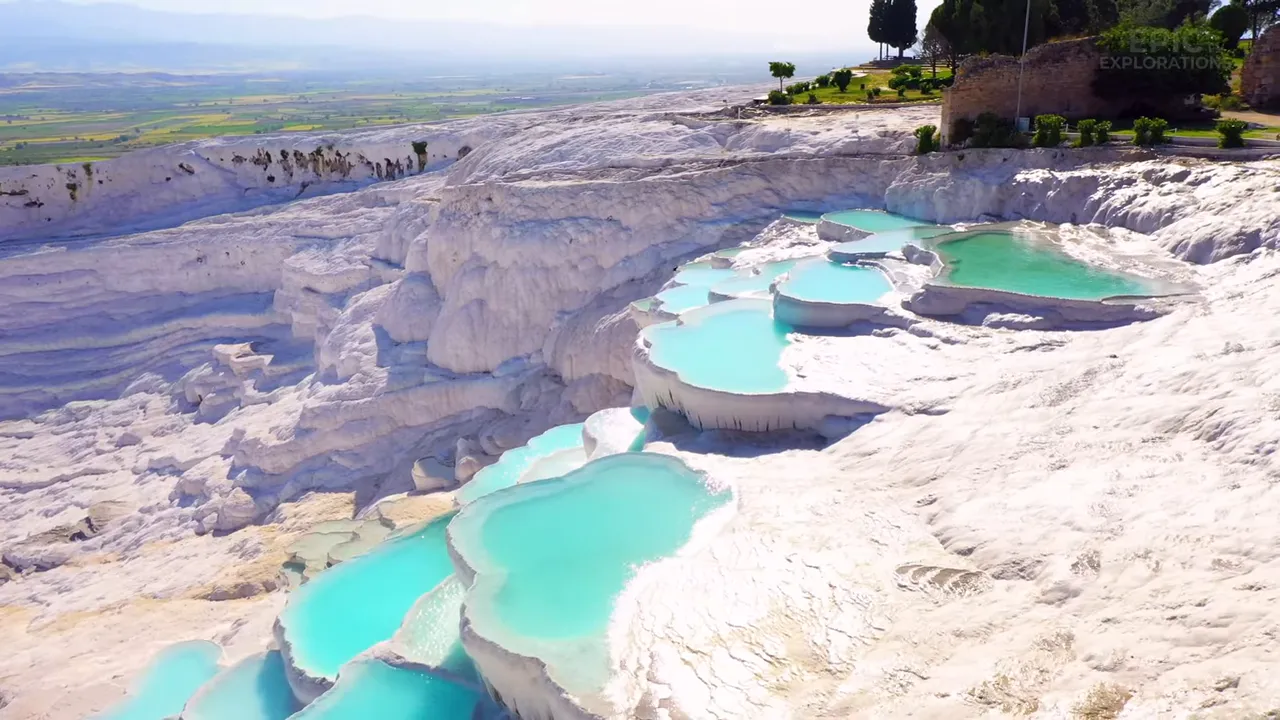
Pamukkale (Turkey)
Mineral-rich thermal waters have sculpted white travertine terraces for 14,000 years. Romans built Hierapolis atop them—now visitors walk barefoot across warm calcium pools as sunsets paint the water gold.
Mu Cang Chai (Vietnam)
Rice terraces climb mountains like stripes of green and gold. Hmong farmers tend the slopes in cycles of mirrored water, deep green growth and golden harvest—landscapes shaped by generations.
Ha Long Bay (Vietnam)
Over 1,600 limestone islands rise like sentinels from jade waters, with hidden caves, floating fishing villages and junks gliding through marine canyons at sunrise and sunset.
Bagan (Myanmar)
Thousands of Buddhist temples stud the plain; sunrise balloon flights reveal a carpet of stupas and weathered brick crowned by the day’s golden light.
Fernando de Noronha (Brazil)
A volcanic archipelago where dolphins gather daily and sea turtles nest on protected beaches. Visitor limits keep this a rare marine sanctuary with nurse sharks and coral communities below the waves.
Giza Pyramid Complex (Egypt)
The Great Pyramid of Khufu (Cheops) and its companions rise as the only surviving wonders of the ancient world. Built with millions of limestone blocks, these colossi still broadcast ancient engineering and funerary symbolism.
Antarctica
The world’s final frontier: endless icefields, colossal icebergs and a marine world of penguins, seals and whales. Expeditions from Ushuaia let travellers glimpse summer’s endless day and raw polar silence.
Sigiriya (Sri Lanka)
Rising from the plain, a fortress palace atop a volcanic rock remains a marvel of 5th-century engineering. Frescoes, carved steps and royal remains make the climb part history lesson, part pilgrimage.
Uyuni Salt Flats (Bolivia)
Salar de Uyuni—Earth’s largest salt flat—becomes a glass mirror in the wet season and a cracked white expanse in dry months. The reflective seasons produce optical illusions of infinity.
Whitsunday Islands (Australia)
Within the Great Barrier Reef, 74 islands offer silken silica sands like Whitehaven Beach and Hill Inlet’s tidal sand sculptures—sailing is the perfect way to explore.
Meteora (Greece)
Monasteries perch on towering sandstone pillars—human devotion carved into the cliffline. Trails and cable cars lead to spiritual panoramas between sky and valley.
Tianzi Mountains (China)
Mist-draped sandstone pillars inspired cinematic landscapes; cable cars and narrow paths reveal peaks that seem to float, covered in cloud and forest.
Islands, Caves & Gorges
London (United Kingdom)
From Tower Bridge to the Shard, London blends imperial treasures (British Museum) with green refuges (Hyde Park), underground history (the Tube) and vibrant neighbourhoods from Borough Market to Shoreditch’s street art.
Socotra (Yemen)
Often called alien, Socotra’s endemic flora—like dragon’s blood trees—make it a unique ecological island: beaches, caves and rugged mountains await ecologists and adventurous travellers.
Dolomites (Italy)
Jagged limestone peaks and alpine meadows are UNESCO‑listed; summer wildflowers, winter ski runs and year‑round climbing make the Dolomites an outdoor playground.
Ice Caves (Iceland)
Blue ice caverns form beneath glaciers like dynamic cathedrals. Stable in winter, their translucent walls shift annually, offering ephemeral photo opportunities.
Verdon Gorge (France)
Carved by the Verdon River, the gorges are one of Europe’s most spectacular canyons—turquoise waters framed by limestone cliffs over 700 metres high, with routes for kayaking and climbing.
Mauritius
A volcanic island with coral lagoons, giant mantas and the “underwater waterfall” optical illusion off Le Morne. Natural reserves shelter giant tortoises and dramatic volcanic outcrops.
Plitvice Lakes (Croatia)
Terraced lakes connected by waterfalls form a turquoise cascade across woodland. Wooden walkways lead through a UNESCO‑listed maze of water and forest that changes with the seasons.
Easter Island (Rapa Nui, Chile)
Remote, enigmatic moai statues stare inland from coastal platforms. Volcanic craters, black and pink sand beaches, and a living Rapa Nui culture define the island’s aura.
Giant’s Causeway (Northern Ireland)
About 40,000 hexagonal basalt columns created by cooling lava rise from the sea—geology and myth collide in this UNESCO coastal wonder.
Tuscany (Italy)
Rolling hills, vineyards, olive groves and cities like Florence and Siena illustrate Tuscany’s blend of pastoral beauty, culinary tradition and cultural heritage—home to Chianti and Brunello wines.
Rock Islands of Palau
Karst islands and turquoise lagoons hide world-class coral reefs—Jellyfish Lake and remote dive sites make Palau a marine conservation model and diver’s paradise.
Santorini (Greece)
Cliffside whitewashed villages and blue domes perched over a volcanic caldera, with sunsets in Oia considered among the world’s most photographed.
Okavango Delta (Botswana)
An inland delta where channels fan into islands and lagoons—seasonal floods transform the Kalahari edge into a watery haven for elephants, predators and birds. Makoro canoe trips provide silent, intimate wildlife encounters.
Madagascar
An island evolutionary archipelago: lemurs, baobabs and endemic reptiles define habitats that evolved in isolation. Coral reefs and rainforests create diverse exploration opportunities.
Danakil Depression (Ethiopia)
One of Earth’s lowest, hottest and most chemically active regions—sulfur springs, colourful mineral deposits and tectonic rifts reveal planetary processes and extremophile lifeforms.
Cape Town (South Africa)
Sitting between Table Mountain and two oceans, Cape Town mixes dramatic coastal drives, unique marine ecosystems (African penguins) and cultural richness in a compact, scenic setting.
Sardinia (Italy)
Mediterranean clarity, Costa Smeralda’s turquoise coves and rugged interior landscapes combine with beaches like Cala Luna to create an island mosaic of sea and mountains.
Andalusia (Spain)
Southern Spain’s Moorish legacy is visible in the Alhambra, the Mezquita of Córdoba and Seville’s Giralda. Flamenco, olive oil, white pueblos and mountain trails make Andalusia richly layered.
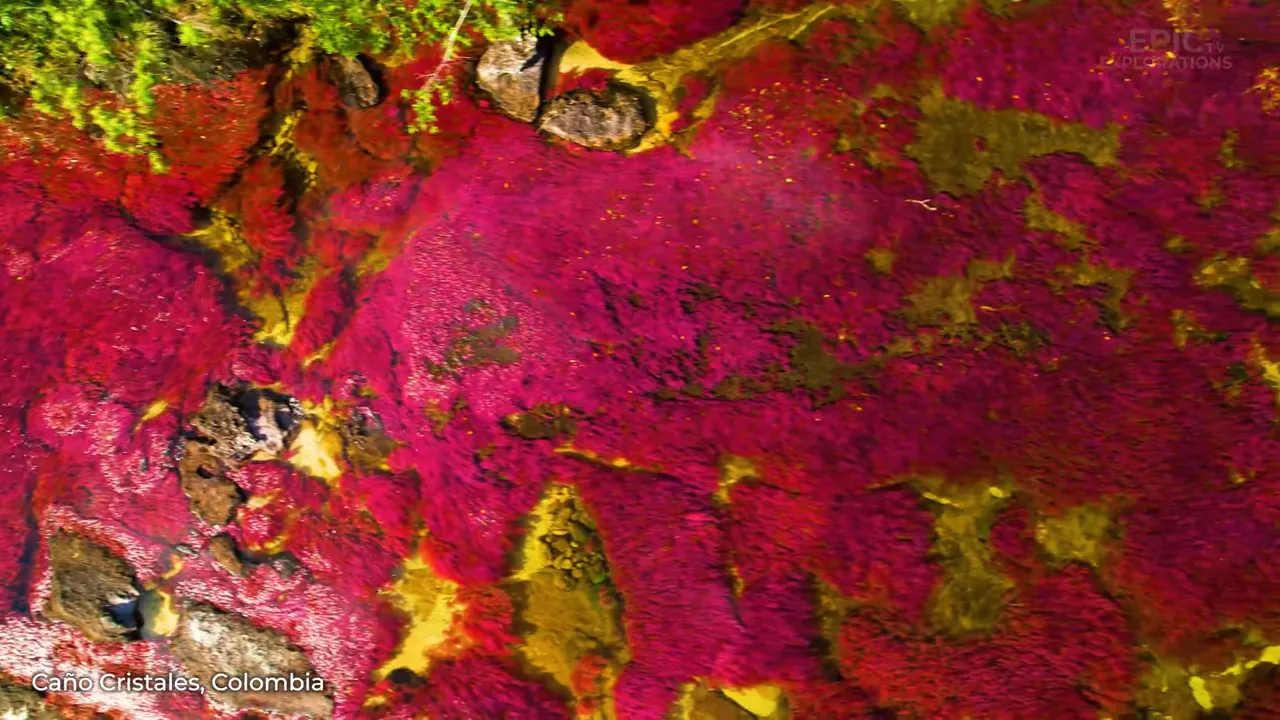
Caño Cristales (Colombia)
Known as the “river of five colours”, algae bloom under sunlight create swathes of red, blue, yellow and green in a short seasonal window—access is controlled to protect this delicate ecosystem.
Bern (Switzerland)
Arcaded streets line a limestone-town centre protected by UNESCO, with a medieval clock tower and river swimming traditions that connect locals to their landscape.
Waitomo Caves (New Zealand)
Glowworm-studded limestone caverns light the ceilings like a star field; boat tours drift beneath the luminescent spectacle while spelunking extends the adventure beyond main chambers.
Responsible Travel & Conservation
Many of the places above are fragile—coral reefs bleach, glaciers retreat, and wildlife suffers under over‑tourism. Responsible travel means respecting local rules, supporting conservation initiatives, choosing certified guides, and travelling with a light footprint. When visiting sites like the Great Barrier Reef, Galápagos, Salar de Uyuni, or Caño Cristales, book authorised tours, follow park rules, and consider offsetting carbon from flights.
Frequently Asked Questions (FAQ)
Which time of year is best to visit these places?
Timing depends on the destination: Patagonia’s summer (December–February) offers hiking windows, Masai Mara’s migration peaks July–October, the Namib dunes are best at sunrise/sunset year-round, and Caño Cristales shines after the rainy season during a specific few months. Check local seasonal patterns for weather and wildlife cycles.
How can I see remote places responsibly?
Choose small-group operators, obey permit systems, stay on marked trails, avoid single-use plastics, and engage local guides who reinvest income into community conservation. In biodiverse areas, follow strict biosecurity rules to avoid introducing invasive species.
What should I pack for visiting varied terrains?
Layered clothing, sturdy boots, sun protection and a reusable water bottle are universal essentials. Specifics: thermal layers for polar and high-altitude trips, snorkelling gear for reefs, and insect protection for jungles and wetlands.
Are permits or advanced bookings necessary?
Yes—popular or fragile sites often limit numbers (Galápagos, Fernando de Noronha, Machu Picchu, Caño Cristales). Book well in advance, especially in high season, and verify whether guides are mandatory.
How do I choose between cultural cities and natural wonders?
Balance both: pair an urban cultural hub with a nearby natural escape. For instance, combine Rome or Florence with a Tuscan countryside drive, or Cape Town with a marine wildlife excursion. Consider travel time and season when planning.
Conclusion
Walking across 100 extraordinary locations is a reminder that our planet’s beauty is diverse and fragile—but always powerful enough to move us. Whether you are drawn to the silence of deserts, the thunder of waterfalls, the hush of ice caves, or the mosaic of an ancient city, each place is a story, a living page in Earth’s book. Travel with curiosity, humility and a commitment to protect these wonders for future generations. If one destination above calls to you, start there—and prepare to be enchanted.