


When embarking on an adventure through the Australian Outback, meticulous route planning is essential to ensure a smooth and enjoyable journey. The vastness of the Outback can be both exhilarating and daunting, with its sprawling landscapes and remote locations. Begin by identifying key destinations that pique your interest, such as Uluru, Alice Springs, or Kings Canyon.
Each of these locations offers unique experiences, from the spiritual significance of Uluru to the stunning geological formations at Kings Canyon. Utilize maps and digital navigation tools to chart a course that connects these highlights while allowing for flexibility in your itinerary. Consider the distances between destinations, as the Outback is characterized by long stretches of road with limited services.
It’s wise to allocate ample time for travel between stops, factoring in potential delays due to weather or road conditions. Additionally, research the best times to visit each location, as seasonal variations can significantly impact accessibility and the overall experience. For instance, the cooler months from May to September are generally more favorable for travel, as temperatures can soar during the summer months.
By carefully planning your route, you can maximize your time exploring the breathtaking landscapes and cultural treasures of the Outback.
Key Takeaways
- Plan your route carefully to ensure you make the most of your outback adventure and don’t miss any must-see destinations.
- Don’t miss out on iconic outback destinations such as Uluru, the Great Barrier Reef, and the Sydney Opera House.
- Pack essentials such as plenty of water, sunscreen, insect repellent, and sturdy walking shoes for your outback trip.
- Stay safe in the outback by informing others of your plans, carrying a first aid kit, and being aware of wildlife and weather conditions.
- Budget for your outback adventure by considering costs such as vehicle rental, fuel, accommodation, and activities.
Must-See Destinations
The Australian Outback is home to a plethora of must-see destinations that showcase its natural beauty and rich cultural heritage. One of the most iconic sites is Uluru, also known as Ayers Rock, which rises majestically from the surrounding plains. This sandstone monolith is not only a geological wonder but also holds deep spiritual significance for the Anangu people, the traditional custodians of the land.
Visitors can engage in guided walks around the base of Uluru, learning about its cultural stories and significance while witnessing its stunning color changes at sunrise and sunset. Another remarkable destination is Kings Canyon, located in Watarrka National Park. The canyon features towering sandstone walls that soar up to 100 meters high, creating a dramatic landscape that is perfect for hiking enthusiasts.
The Rim Walk offers breathtaking views and takes approximately three to four hours to complete, allowing trekkers to explore the lush Garden of Eden and ancient rock formations along the way. For those seeking a more leisurely experience, the shorter Creek Bed Walk provides a glimpse into the canyon’s beauty without the strenuous effort.
Packing Essentials

Packing for an Outback adventure requires careful consideration of the unique environment and conditions you will encounter. Start with clothing that is suitable for both hot days and cool nights. Lightweight, breathable fabrics are essential for daytime wear, while warmer layers are necessary for evenings when temperatures can drop significantly.
A wide-brimmed hat and sunglasses are crucial for sun protection, as the Australian sun can be intense, especially in remote areas where shade is scarce. In addition to clothing, ensure you have adequate supplies of water and food, as services can be sparse in the Outback. A high-quality cooler or insulated water bottle will help keep your drinks cold during long drives.
First aid kits are also vital; they should include basic supplies such as band-aids, antiseptic wipes, and any personal medications you may need. Furthermore, consider bringing a reliable GPS device or offline maps, as mobile reception can be unreliable in remote regions. By packing thoughtfully, you can enhance your comfort and safety throughout your journey.
Safety Tips for the Outback
| Category | Tips |
|---|---|
| Navigation | Carry a map and compass |
| Water | Always carry enough water |
| Communication | Carry a satellite phone or EPIRB |
| Vehicle | Ensure your vehicle is in good condition |
| Weather | Be prepared for extreme weather conditions |
Safety should be a top priority when exploring the Australian Outback due to its remote nature and potential hazards. One of the most critical aspects of safety is ensuring that your vehicle is in good working condition before setting out on long drives. Regularly check tire pressure, fluid levels, and brakes to avoid breakdowns in isolated areas where help may be far away.
It’s also advisable to inform someone of your travel plans and expected return time, especially if you plan to venture into less-traveled regions. Wildlife encounters are another consideration; while many animals are fascinating to observe, they can pose risks if approached carelessly. Kangaroos and emus often cross roads unexpectedly, so maintaining a safe speed and being vigilant while driving is essential.
Additionally, familiarize yourself with local emergency numbers and services available in case of an accident or medical issue. Carrying a satellite phone or emergency beacon can provide peace of mind in case you find yourself in a situation where traditional communication methods fail.
Budgeting for Your Adventure
Budgeting for an Outback adventure requires careful planning to ensure you can enjoy all that this unique region has to offer without financial strain. Start by estimating costs associated with transportation, accommodation, food, and activities. Fuel expenses can add up quickly given the distances involved; therefore, it’s wise to research fuel prices along your route and plan refueling stops accordingly.
Consider using apps that track fuel prices to find the best deals. Accommodation options vary widely in the Outback, from luxury lodges to budget-friendly campsites. Determine what type of lodging suits your needs and budget best; booking in advance can often secure better rates.
Food costs should also be factored into your budget; dining out in remote areas may be pricier than in urban centers. To save money, consider purchasing groceries and preparing meals at campsites or accommodations with kitchen facilities. By creating a detailed budget that accounts for all aspects of your trip, you can enjoy your adventure without financial worries.
Renting a Vehicle
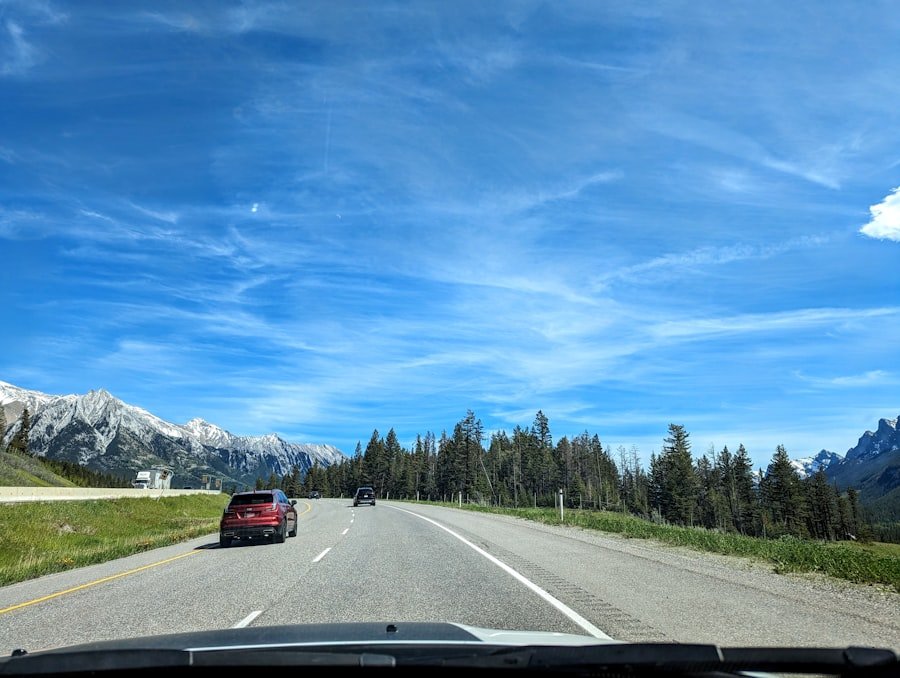
Renting a vehicle is one of the most practical ways to explore the Australian Outback, providing you with the freedom to travel at your own pace. When selecting a rental company, look for one that specializes in 4WD vehicles, as many Outback roads are unsealed and require a sturdy vehicle capable of handling rough terrain. Ensure that you understand the rental agreement thoroughly, including insurance coverage and any restrictions on where you can drive.
Before hitting the road, familiarize yourself with the vehicle’s features and controls. Many rental companies offer vehicles equipped with GPS systems designed for off-road navigation; take advantage of this technology to enhance your travel experience. Additionally, inquire about roadside assistance services provided by the rental company; having access to support in case of a breakdown can alleviate stress during your journey.
By choosing the right vehicle and understanding its capabilities, you can navigate the Outback with confidence.
Camping and Accommodation Options
The Australian Outback offers a diverse range of camping and accommodation options that cater to various preferences and budgets. For those seeking an immersive experience in nature, camping under the stars is an unforgettable way to connect with the landscape. National parks often have designated campgrounds equipped with basic facilities such as toilets and picnic tables.
Some popular camping spots include Kings Canyon Resort Campground and Ayers Rock Campground, both of which provide stunning views and proximity to major attractions. For travelers who prefer more comfort, there are numerous lodges and hotels available throughout the Outback. Many of these accommodations offer unique experiences that reflect local culture and history.
For instance, Longitude 131° near Uluru provides luxury tented accommodations with breathtaking views of the rock formation while incorporating Indigenous cultural experiences into their offerings. Regardless of your choice between camping or staying in lodges, it’s essential to book accommodations in advance during peak travel seasons to secure your preferred options.
Embracing Aussie Culture and Cuisine
Experiencing Aussie culture and cuisine is an integral part of any Outback adventure. The culinary landscape is diverse, influenced by Indigenous traditions as well as modern Australian fare. Be sure to sample local delicacies such as kangaroo steak or barramundi fish when dining at local restaurants or cafes.
Many establishments pride themselves on using fresh produce sourced from nearby farms or markets, providing an authentic taste of regional flavors. Engaging with Indigenous culture adds depth to your journey through the Outback. Participate in guided tours led by Indigenous guides who share their knowledge of traditional practices, stories, and art forms.
Many communities offer cultural experiences that include bush tucker tours where you can learn about native plants used for food and medicine. Additionally, visiting art galleries showcasing Indigenous artwork allows travelers to appreciate the rich heritage and contemporary expressions of Australia’s First Nations peoples. By immersing yourself in local culture and cuisine, you enrich your understanding of this remarkable region while creating lasting memories of your adventure in the Outback.
If you’re planning an unforgettable road trip in Australia, you might find inspiration in the scenic routes highlighted in this article about the drive from Montreal to Quebec City. The breathtaking landscapes and charming towns along that route can offer ideas for your own journey down under. For more details, check out the article here.
FAQs
What are some popular road trip destinations in Australia?
Some popular road trip destinations in Australia include the Great Ocean Road, the Red Centre, the Great Barrier Reef Drive, and the East Coast.
What are some important things to consider before going on a road trip in Australia?
Before going on a road trip in Australia, it is important to plan your route, check the weather conditions, ensure your vehicle is in good condition, and pack essentials such as water, food, and emergency supplies.
What are the driving rules and regulations in Australia?
In Australia, vehicles drive on the left-hand side of the road. Speed limits vary depending on the location, and seat belts are mandatory for all passengers. It is also important to be aware of wildlife and livestock on the roads, especially in rural areas.
What are some safety tips for road trips in Australia?
Some safety tips for road trips in Australia include staying hydrated, taking regular breaks, and being mindful of the distance between destinations. It is also important to have a fully charged phone and a first aid kit in case of emergencies.
What are some must-see attractions along the Australian highways?
Some must-see attractions along the Australian highways include the Twelve Apostles along the Great Ocean Road, Uluru in the Red Centre, and the Daintree Rainforest in Queensland.