
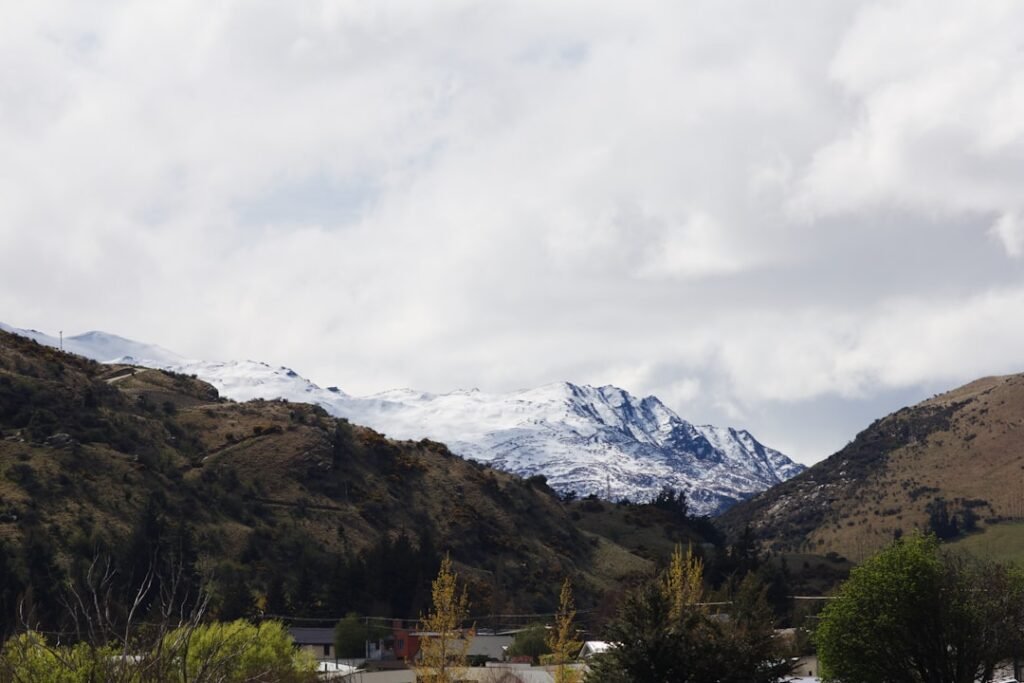

The weather and climate of a region play a pivotal role in shaping the experiences of both residents and visitors. Understanding the nuances of local weather patterns can significantly enhance one’s travel experience. For instance, in temperate regions, the four distinct seasons offer a variety of activities and sights throughout the year.
Spring often brings blooming flowers and mild temperatures, making it an ideal time for outdoor exploration. Conversely, summer can be characterized by warmer temperatures and increased humidity, which may lead to a bustling atmosphere as tourists flock to popular destinations.
Climate also influences the types of flora and fauna that thrive in a region. In tropical climates, for example, the warm temperatures and abundant rainfall create lush environments teeming with biodiversity. This can lead to unique opportunities for eco-tourism, where visitors can engage in activities such as bird watching or exploring rainforests.
In contrast, arid climates may offer stunning desert landscapes and unique geological formations, attracting those interested in geology or photography. Understanding these climatic conditions not only helps travelers prepare for their trips but also allows them to appreciate the natural beauty and ecological diversity of the areas they visit.
Key Takeaways
- The weather in the region is generally mild and pleasant, with warm summers and cool winters.
- The peak tourist season is during the summer months, when the weather is most favorable for outdoor activities.
- Outdoor activities such as hiking, biking, and water sports are popular during the summer months.
- The region hosts several festivals and events throughout the year, including music festivals and cultural celebrations.
- Accommodation options can fill up quickly during the peak tourist season, so it’s important to book in advance.
- Budget travelers can find affordable accommodation and dining options in the region.
- Wildlife viewing opportunities abound in the region, with the chance to see a variety of native species in their natural habitat.
- Local cuisine options include fresh seafood, farm-to-table dining, and a variety of international cuisine options.
Peak Tourist Season
The peak tourist season is often defined by a combination of favorable weather conditions, school holidays, and local events that draw visitors from near and far. In many destinations, this season coincides with summer months when families are free from school commitments, leading to crowded attractions and higher prices for accommodations. For example, coastal towns may see an influx of tourists during July and August as families seek beach vacations.
This surge in visitors can create a vibrant atmosphere filled with activities, but it can also mean longer wait times at popular sites and a more competitive environment for securing reservations at restaurants and hotels. Conversely, some regions experience peak seasons during shoulder months—those transitional periods between high and low seasons. For instance, spring and fall may attract tourists looking to avoid the summer heat or winter chill while still enjoying pleasant weather.
These shoulder seasons often provide a more relaxed experience with fewer crowds, allowing visitors to explore attractions at their own pace. Additionally, traveling during these times can lead to cost savings on accommodations and activities, making it an appealing option for budget-conscious travelers.
Outdoor Activities

Outdoor activities are often a major draw for tourists seeking adventure and connection with nature. Depending on the geographical features of a region, the options can vary widely. In mountainous areas, hiking, rock climbing, and mountain biking are popular pursuits that allow individuals to immerse themselves in breathtaking landscapes.
For example, national parks like Yosemite in California offer an extensive network of trails that cater to all skill levels, from leisurely walks to challenging climbs. The thrill of reaching a summit or discovering hidden waterfalls can create lasting memories for adventurers. In coastal regions, water-based activities such as kayaking, snorkeling, and surfing are prevalent.
The allure of the ocean draws many to engage in these exhilarating experiences. Destinations like Hawaii or the Caribbean are renowned for their crystal-clear waters and vibrant marine life, making them ideal spots for snorkeling enthusiasts eager to explore coral reefs. Additionally, fishing charters provide opportunities for both novice and experienced anglers to catch local species while enjoying the scenic beauty of the coastline.
The variety of outdoor activities available not only caters to different interests but also encourages visitors to appreciate the natural environment in diverse ways.
Festivals and Events
| Event Name | Location | Date | Attendance |
|---|---|---|---|
| Coachella | Indio, California | April 10-19, 2020 | 99,000 |
| Glastonbury Festival | Pilton, Somerset, England | June 24-28, 2020 | 135,000 |
| Burning Man | Black Rock City, Nevada | August 30 – September 7, 2020 | 80,000 |
Festivals and events serve as cultural touchstones that reflect the traditions and values of a community while providing entertainment for locals and tourists alike. These gatherings often celebrate historical milestones, seasonal changes, or specific cultural practices. For instance, cities around the world host music festivals that attract international artists and audiences, creating a vibrant atmosphere filled with diverse sounds and performances.
Events like the Coachella Valley Music and Arts Festival in California showcase not only musical talent but also art installations and culinary experiences that highlight local culture. In addition to music festivals, many regions celebrate their agricultural heritage through food festivals that feature local produce and culinary traditions. The annual Garlic Festival in Gilroy, California, is a prime example where visitors can indulge in garlic-infused dishes while enjoying live entertainment and cooking demonstrations.
Such events not only promote local cuisine but also foster community spirit as residents come together to share their culture with visitors. Engaging in these festivals allows travelers to gain deeper insights into the local way of life while enjoying unique experiences that may not be available at other times of the year.
Accommodation Availability
Accommodation availability is a crucial factor that can significantly impact a traveler’s experience. The type of lodging chosen can vary widely based on personal preferences, budget constraints, and desired proximity to attractions. In popular tourist destinations, hotels often fill up quickly during peak seasons, leading travelers to book well in advance to secure their preferred options.
From luxury resorts offering all-inclusive packages to budget-friendly hostels catering to backpackers, the range of accommodations reflects the diverse needs of visitors. Moreover, alternative lodging options such as vacation rentals have gained popularity in recent years due to platforms like Airbnb and Vrbo. These services allow travelers to rent homes or apartments, providing a more personalized experience compared to traditional hotels.
This trend has also led to increased competition in the hospitality sector, prompting hotels to enhance their offerings with unique amenities or personalized services to attract guests. Understanding accommodation availability not only helps travelers plan their trips effectively but also allows them to choose options that align with their travel style and budget.
Budget Considerations

Budget considerations are paramount when planning any trip, as they dictate choices regarding transportation, accommodation, dining, and activities. Travelers must assess their financial resources and prioritize their spending based on what experiences matter most to them. For instance, some may choose to allocate a larger portion of their budget toward unique experiences such as guided tours or adventure activities while opting for more economical lodging options.
Others might prefer splurging on upscale accommodations while seeking out affordable dining options. Additionally, understanding the cost of living in a destination can help travelers make informed decisions about their budgets. In some regions, dining out may be relatively inexpensive due to local markets offering fresh produce at lower prices.
Conversely, urban centers may have higher costs associated with meals and entertainment. Travelers should also consider off-peak travel times when prices for flights and accommodations tend to drop significantly. By strategically planning their budgets around these factors, travelers can maximize their experiences without overspending.
Wildlife Viewing
Wildlife viewing is an exhilarating aspect of travel that allows individuals to connect with nature in profound ways. Many destinations offer unique opportunities to observe animals in their natural habitats, whether it be through guided safaris in Africa or whale watching excursions along coastal regions. National parks often serve as prime locations for wildlife enthusiasts seeking encounters with diverse species ranging from majestic elephants to elusive mountain lions.
For example, Yellowstone National Park is renowned for its bison herds roaming freely across vast landscapes, providing visitors with unforgettable sights. In addition to traditional wildlife viewing experiences, eco-tourism has gained traction as travelers seek sustainable ways to engage with nature while supporting conservation efforts. Programs that focus on responsible wildlife tourism emphasize minimizing human impact on ecosystems while educating visitors about local species and habitats.
This approach not only enhances the viewing experience but also fosters a sense of responsibility toward preserving wildlife for future generations. Engaging in wildlife viewing can deepen one’s appreciation for biodiversity while contributing positively to conservation initiatives.
Local Cuisine and Dining Options
Local cuisine is often considered one of the most enriching aspects of travel, offering insights into a region’s culture through its flavors and ingredients. Each destination boasts its own culinary traditions shaped by historical influences, geography, and available resources. For instance, Italian cuisine is celebrated for its emphasis on fresh ingredients such as tomatoes, basil, and olive oil—reflecting the agricultural practices of the Mediterranean region.
Travelers exploring Italy can indulge in authentic pasta dishes prepared using age-old recipes passed down through generations. Dining options can range from street food stalls offering quick bites to fine dining establishments showcasing gourmet creations by renowned chefs. Street food markets often provide an opportunity for adventurous eaters to sample local delicacies at affordable prices while immersing themselves in the vibrant atmosphere of bustling neighborhoods.
Exploring local cuisine not only satisfies hunger but also fosters connections with communities through shared meals and cultural exchanges. Food tours or cooking classes allow travelers to engage directly with local chefs or home cooks, learning about traditional cooking methods while gaining insights into cultural practices surrounding food preparation and consumption.
Ultimately, indulging in local cuisine enriches the travel experience by creating lasting memories tied to flavors that evoke a sense of place long after the journey has ended.
If you’re planning a trip to New Zealand, it’s essential to consider the best time to visit for optimal weather and activities. For more travel inspiration, you might find it helpful to read about the most beautiful cities in the world, which can provide insights into stunning destinations that could complement your New Zealand adventure.
FAQs
What is the best month to visit New Zealand?
The best month to visit New Zealand is during the summer months of December to February, when the weather is warm and the days are long.
What is the weather like in New Zealand during the best month to visit?
During the best month to visit New Zealand, the weather is generally warm and sunny, with temperatures ranging from 20-30°C (68-86°F) in the North Island and 15-25°C (59-77°F) in the South Island.
What are the popular activities to do in New Zealand during the best month to visit?
Popular activities to do in New Zealand during the best month to visit include hiking, beach activities, water sports, wildlife watching, and exploring the country’s stunning natural landscapes.
Are there any events or festivals during the best month to visit New Zealand?
Yes, there are several events and festivals that take place in New Zealand during the best month to visit, including the New Year’s Eve celebrations, music festivals, and outdoor concerts.
Is it crowded during the best month to visit New Zealand?
Yes, New Zealand can be quite crowded during the best month to visit, especially in popular tourist destinations and during major events and festivals. It is advisable to book accommodations and activities in advance.