
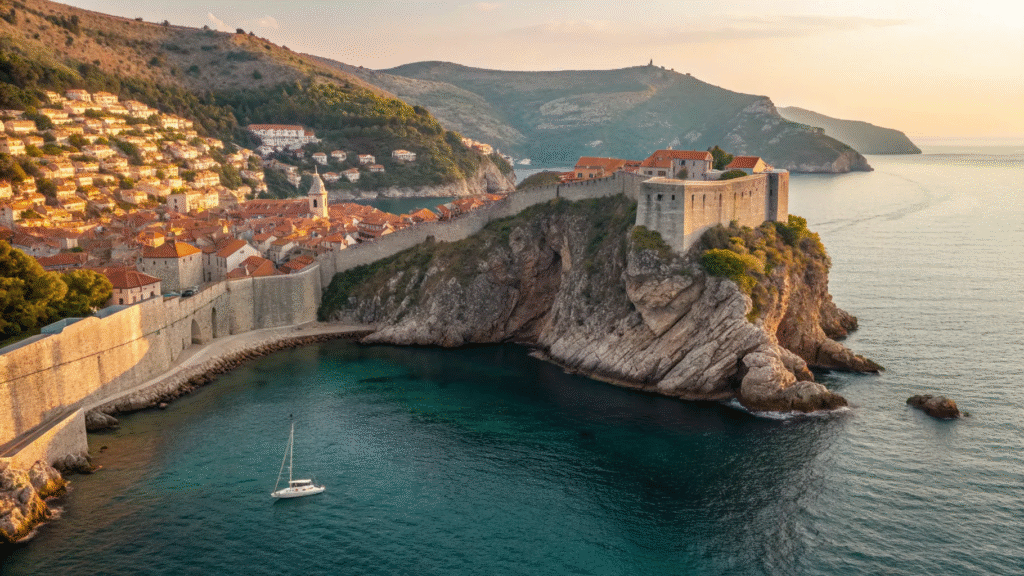

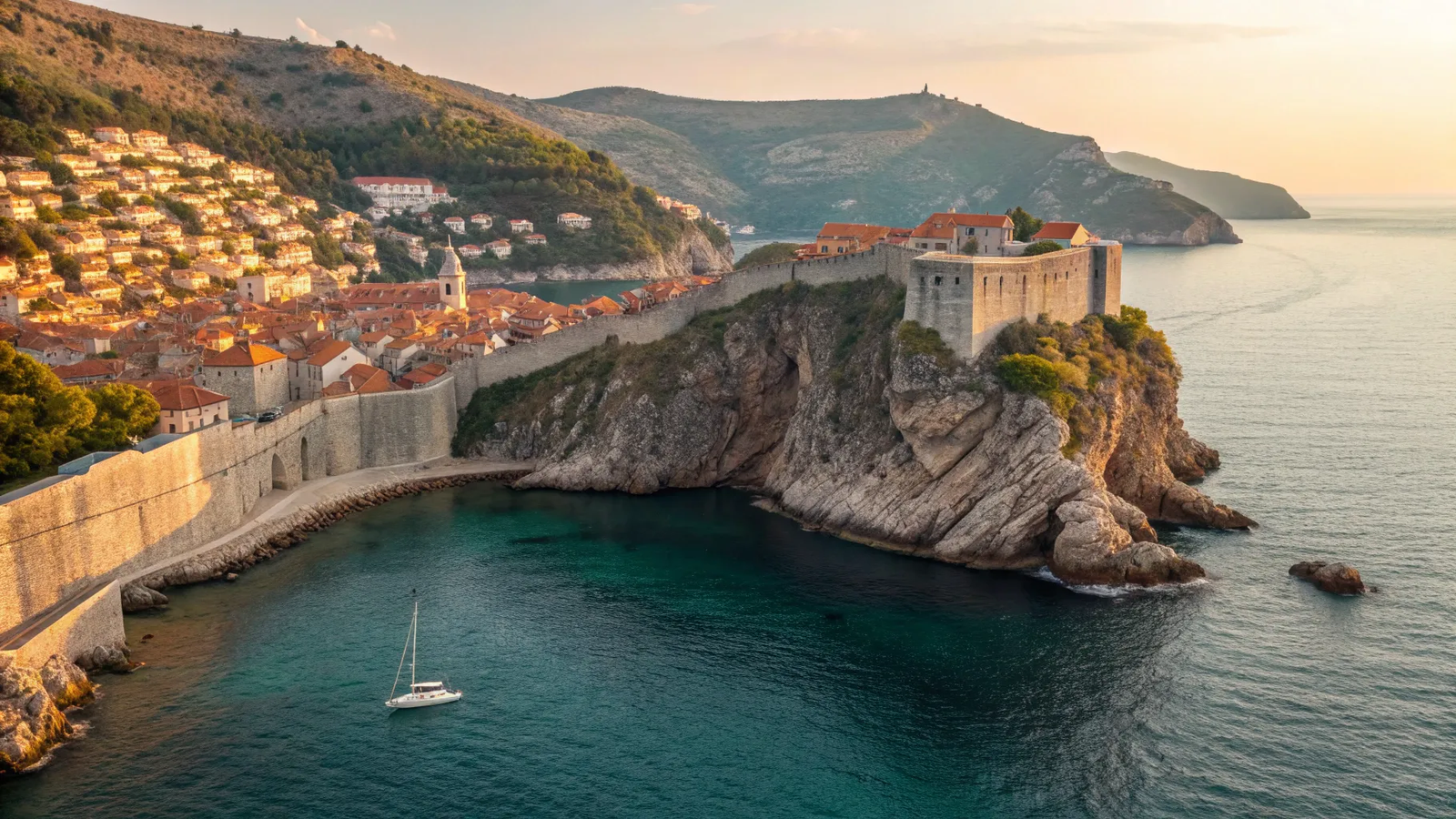
A panoramic journey through Croatia, a country that packs medieval walls, turquoise waters, ancient seafaring traditions and a surprising number of delights into a compact and endlessly varied landscape. In this guide I’ll share the highlights from my video exploration, expanding on each destination with practical tips, local curiosities and reasons why you should add these places to your travel plans. Whether you’re planning a week-long island hop or a relaxed month-long road trip, this article will help you picture the best of Croatia and decide where to go first.
“Croatia: Land of medieval walls, land of turquoise waters, land of ancient seafarers and maritime traditions.”
Why Croatia? Quick facts and cultural snapshots
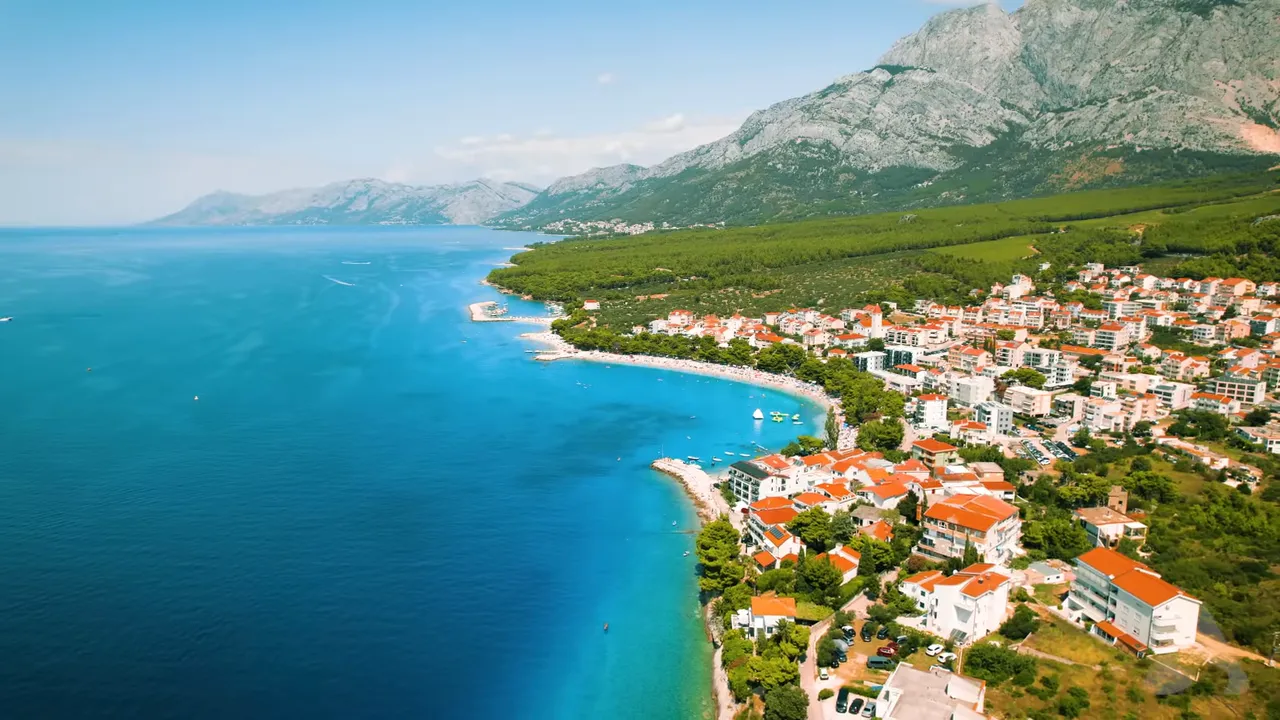
Croatia may be small in size, but it delivers big on variety. From the air the coastline looks like a ribbon that hugs the Adriatic Sea, speckled with islands—1,244 in total. Surprisingly, only 48 of these islands are permanently inhabited, leaving a host of pristine islands and hidden coves to explore by boat.
Here are a few numbers and facts that sum up Croatia’s unique appeal:
- Approximately 1,244 islands; only 48 permanently inhabited.
- Over 21 million tourists visit annually—more than five times Croatia’s population.
- 8 national parks and 11 nature parks protect roughly 10% of the territory.
- 10 UNESCO World Heritage Sites sprinkled across a nation the size of a large county in Europe.
- More than 1,000 native grape varieties—and a proud wine-making tradition from Istria to Dalmatia.
- Three major dialects of Croatian: Štokavian, Kajkavian and Čakavian—each a window into regional culture.
- Fun trivia: the modern necktie traces back to scarves worn by Croatian soldiers in the 17th century, and the Dalmatian dog comes from Dalmatia.
- High literacy (99.3%) and a largely homogeneous population (about 91% Croatian), contributing to a strong sense of national identity and cultural continuity.
These facts hint at the many reasons Croatia captivates travellers: natural beauty, layered history, delicious local food and wine, and a coastline that’s a playground for sailors, divers and sun-lovers.
How to approach your trip
Croatia’s diversity makes it a great destination for different travel styles. If you love beaches and nightlife, plan island days on Hvar and Novalja. If history and architecture pull you in, base yourself in Dubrovnik, Split or Pula. For nature lovers, the national parks (Plitvice, Krka, Mljet, Kornati) provide unforgettable landscapes.
Practical travel tips:
- Best seasons: late spring (May–June) and early autumn (September) offer warm weather, lower crowds and better value. July and August are peak season—expect high temperatures and busy ferries.
- Island hopping: ferries and catamarans connect most islands; renting a small boat gives you access to hidden coves and quieter anchorages.
- Driving: Croatia’s coastal roads are scenic but often narrow. Consider a combination of driving and ferries for maximum flexibility.
- National parks: buy tickets in advance during high season; early mornings are the best time for photography and quieter trails.
- Language: English is widely spoken in tourist areas, but learning a few Croatian greetings goes a long way with locals.
Regional snapshot: Five distinct Croatian personalities
Croatia is traditionally divided into five historical regions, each with its own character:
- Central Croatia
- Slavonia (eastern plains)
- Istria (Italian-flavoured peninsula)
- Dalmatia (coastal jewels and islands)
- Zagreb (the vibrant capital with Central European flair)
Moving between these regions feels like crossing small countries—flavours, dialects and traditions shift. Istria’s truffle-rich forests and Italianate villages contrast with Dalmatia’s limestone coasts and olive terraces. Slavonia brings continental cuisine and flatter landscapes to the mix.
Plitvice Lakes National Park: A living cascade
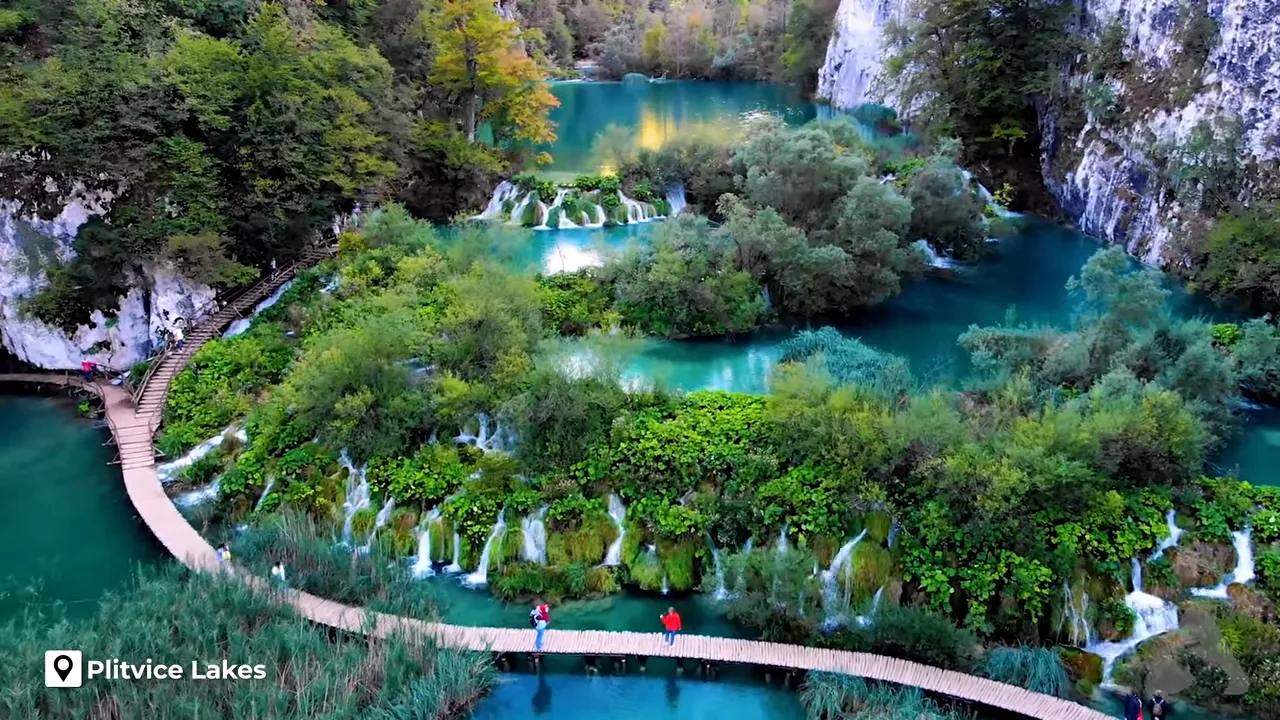
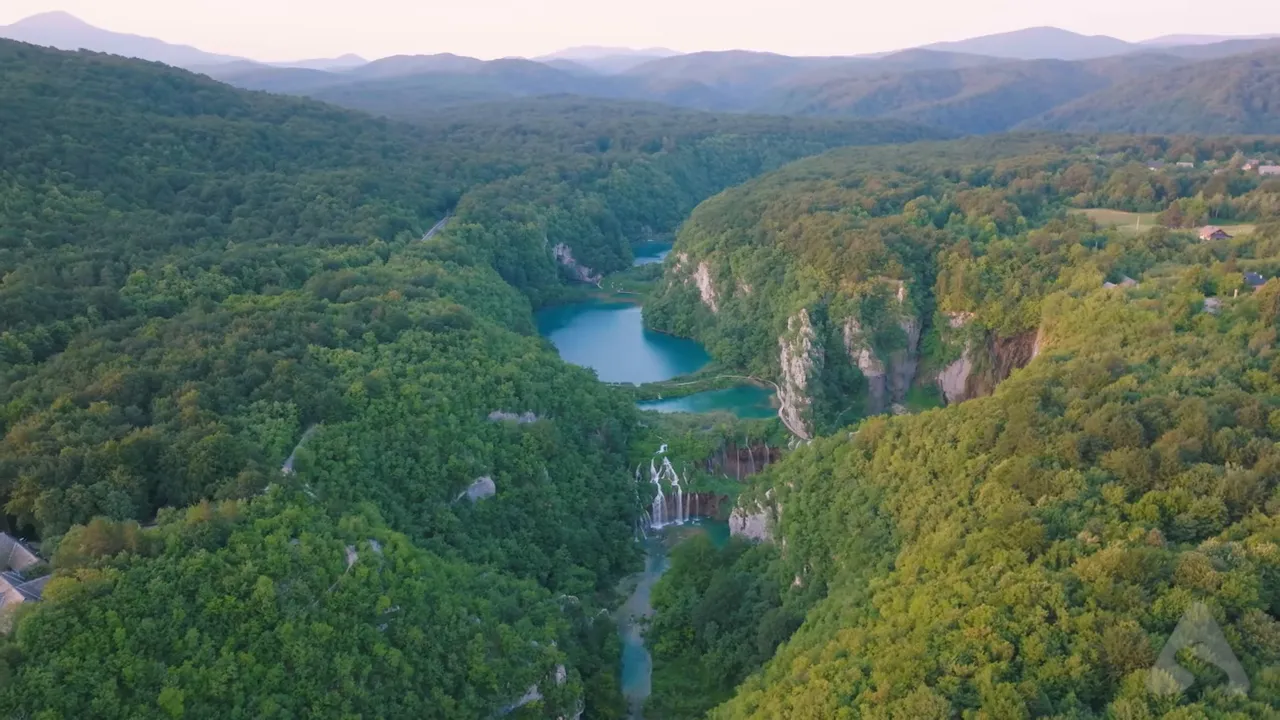
Plitvice is often top of mind for first-time visitors—and for good reason. Sixteen terraced lakes spill into one another through a sequence of waterfalls that alternate between turquoise and deep blue. The park is a UNESCO World Heritage Site and a geological wonder; travertine formations constantly evolve as mineral-rich water builds natural dams and channels.
Highlights and tips:
- Walking trails are varied: choose longer loops for a full day of exploration and shorter routes if you have limited time. Wooden walkways get you close to the water without disturbing the fragile environment.
- Seasons change the mood drastically. Spring is riotous and green, summer is dense with life and tourists, autumn paints the park in gold and orange, while winter freezes the falls into sculptural ice.
- Wildlife includes deer, birds of prey and, in remote corners, brown bears. Respect park rules—stay on marked paths and don’t feed animals.
Plitvice can be busy, so arrive early or visit outside of peak months to enjoy more serene moments by the water.
Hvar: Sun, lavender and nightlife
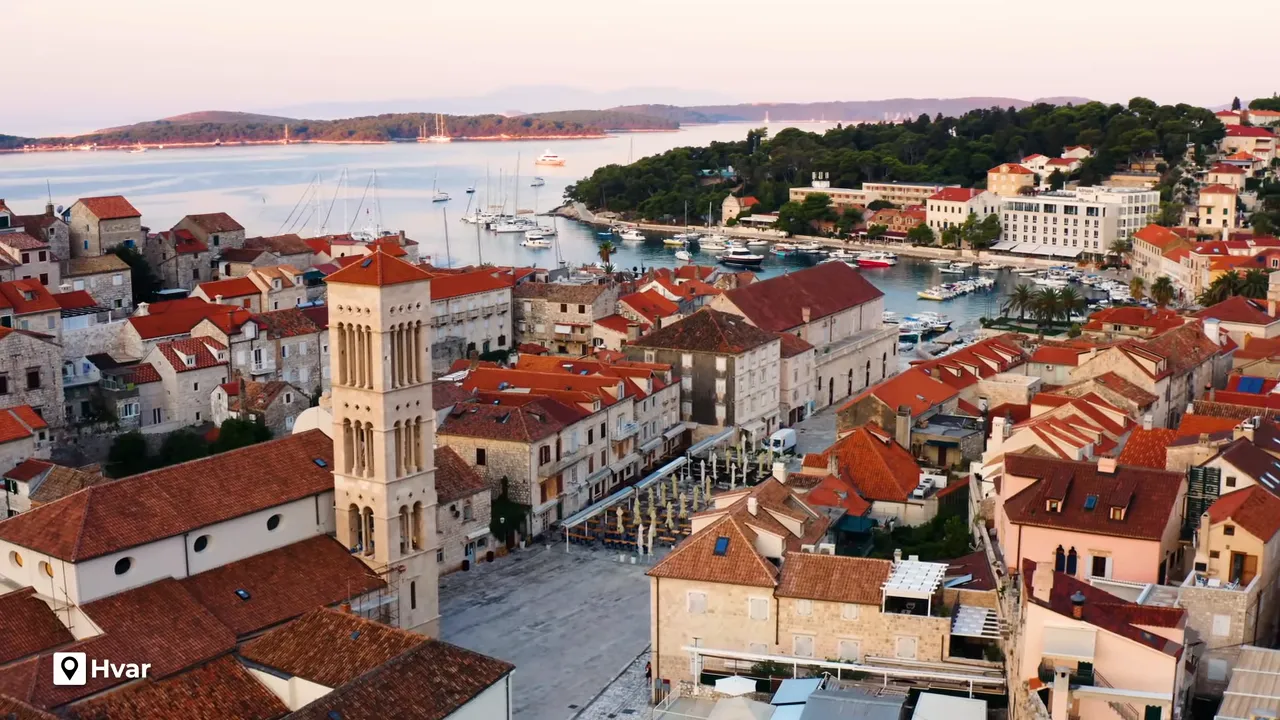
Known as the Pearl of Dalmatia, Hvar blends sunshine, lavender fields and a lively social scene. With over 2,800 hours of sunshine a year, it’s a magnet for beachgoers, boaters and those who love warm evenings.
What to do in Hvar:
- Stroll St. Stephen’s Square—Hvar’s heart—where the Renaissance cathedral presides over cafes and terraces.
- Walk up to the Spanish Fortress for sweeping views of the town, the Pakleni islands and the Adriatic horizon.
- Explore lavender fields and small wineries; Hvar offers centuries-old vineyards and a taste of Dalmatian wine culture.
- Evening life: waterfront bars and clubs energise the promenade after sunset—Hvar suits both relaxed travellers and party-seekers.
Dubrovnik: The Pearl of the Adriatic
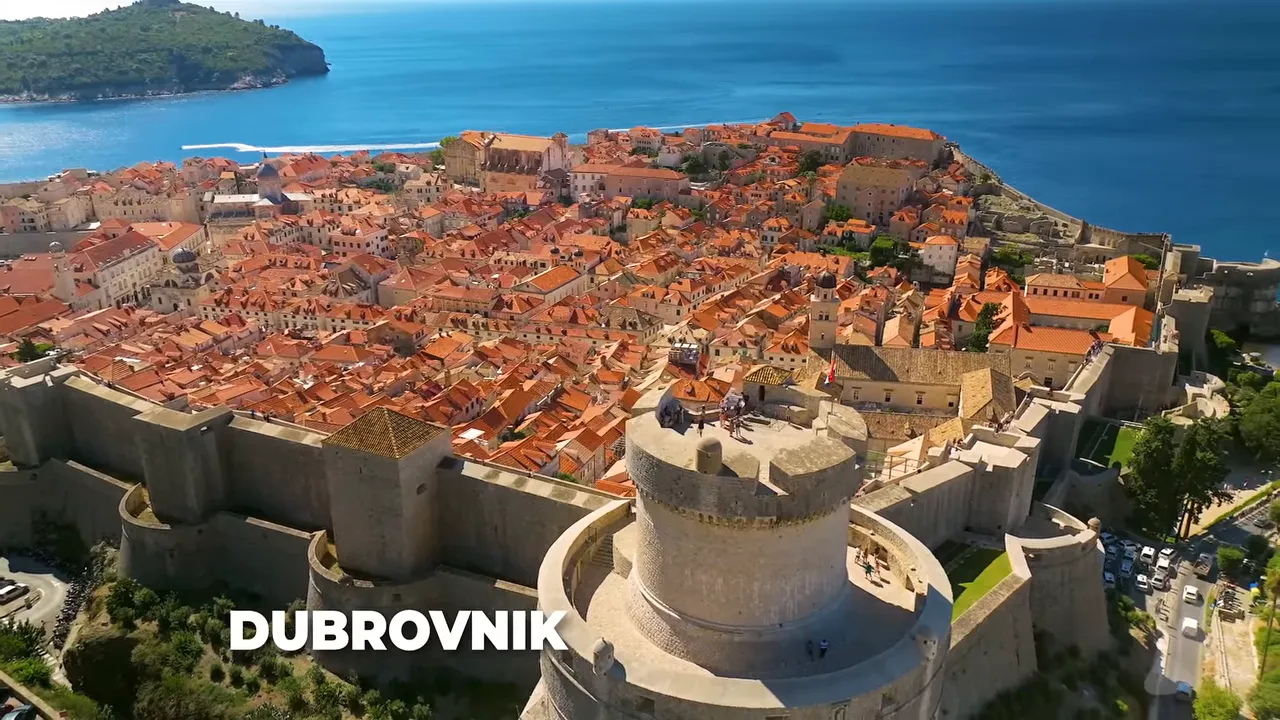
Dubrovnik is one of the most iconic cities in the Mediterranean. Its imposing medieval walls encircle an Old Town of gleaming marble streets, palaces and churches. Walking the walls is a must—every step reveals a new vista of terracotta roofs blending into the Adriatic blue.
Top experiences:
- Walk the city walls for panoramic views and a sense of the city’s strategic maritime past.
- Wander Stradun (the main thoroughfare) and get lost in narrow alleys lined with shops and cafes.
- Visit the Rector’s Palace and the Cathedral of the Assumption to glimpse Dubrovnik’s cultural wealth.
- Photography tip: twilight is magical as golden light softens the limestone façades and the city glows.
Kornati Islands: Sailing into raw, lunar beauty
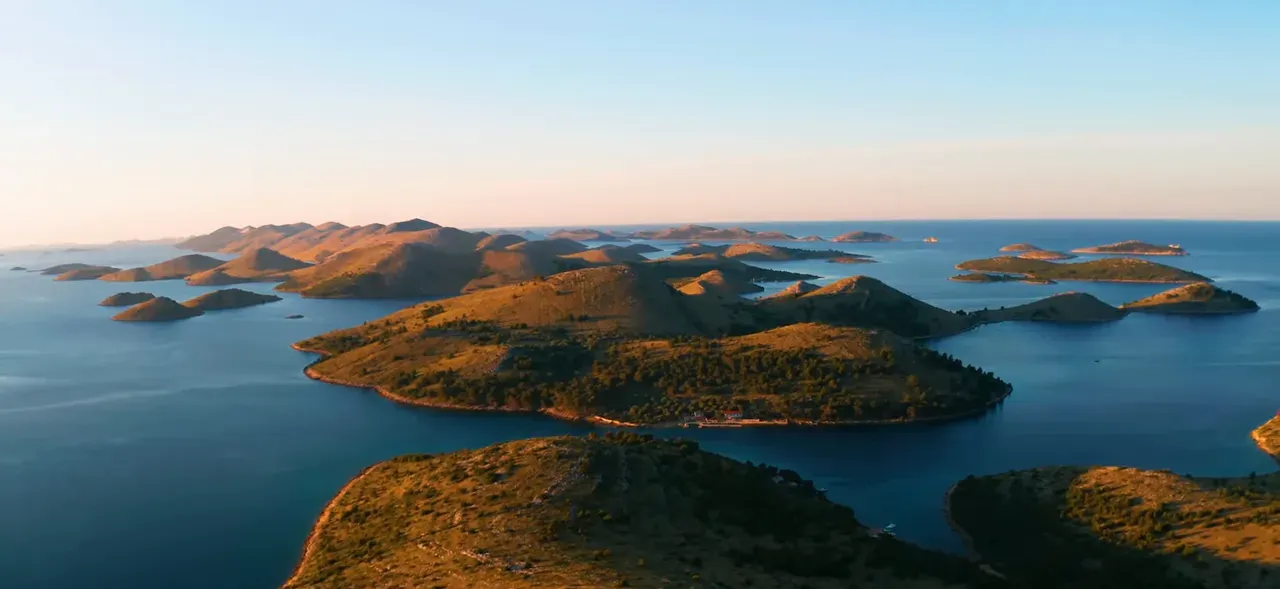
The Kornati archipelago is a sailor’s dream: about 140 islands and islets, mostly uninhabited, rising from clear Adriatic waters. The landscape is stark—wind-sculpted vegetation, limestone cliffs and quiet coves. The National Park protects the islands’ fragile marine ecosystems and offers some of Croatia’s best sailing routes.
Why visit Kornati?
- Seclusion: anchor in sheltered bays away from crowds.
- Underwater life: snorkeling and diving reveal rich marine life.
- Photography: the contrast between sea blues and pale limestone is dramatic at sunrise and sunset.
Zadar: Where ancient stones meet modern sound
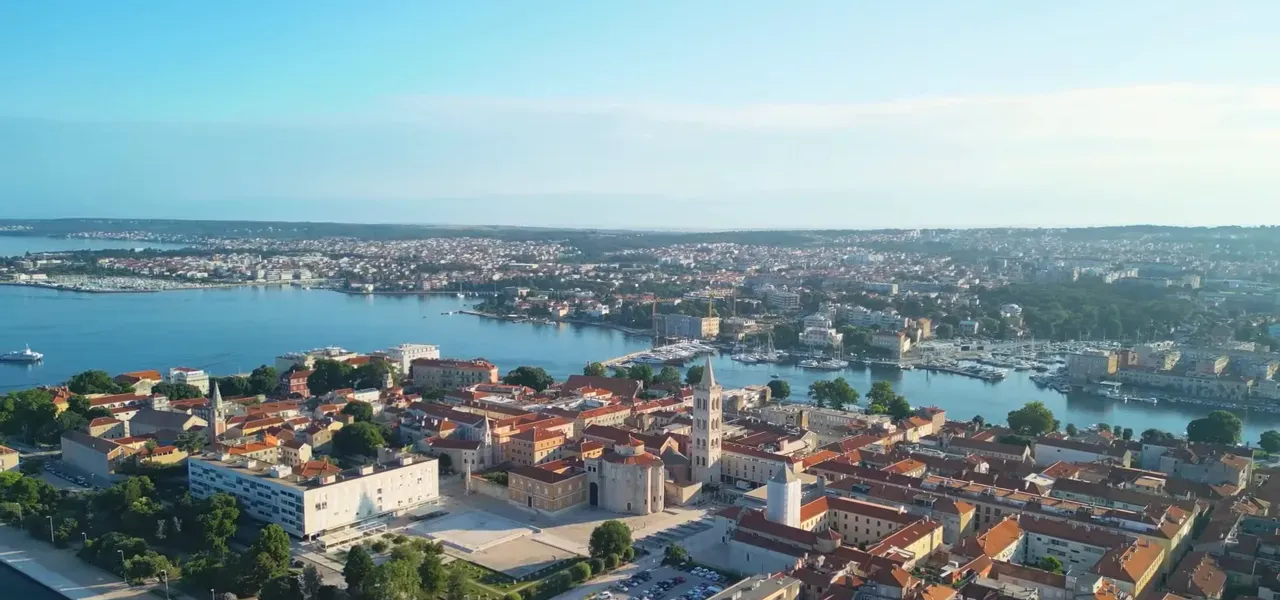
Zadar balances ancient history and modern creativity. Roman ruins and the Church of St. Donatus stand near contemporary installations that sing with the sea. At sunset the Sea Organ—an architectural instrument—plays harmonic notes as waves enter its submerged pipes, while the Greeting to the Sun lights up with a colourful display powered by solar panels.
Musts in Zadar:
- Visit the Roman forum and St. Donatus for a sense of the city’s deep past.
- Experience the Sea Organ and the Greeting to the Sun at dusk—these modern works create a unique Zadar memory.
- Sample local seafood and enjoy the city’s relaxed waterfront cafés.
Krka National Park: Waterfalls, history and serene swims
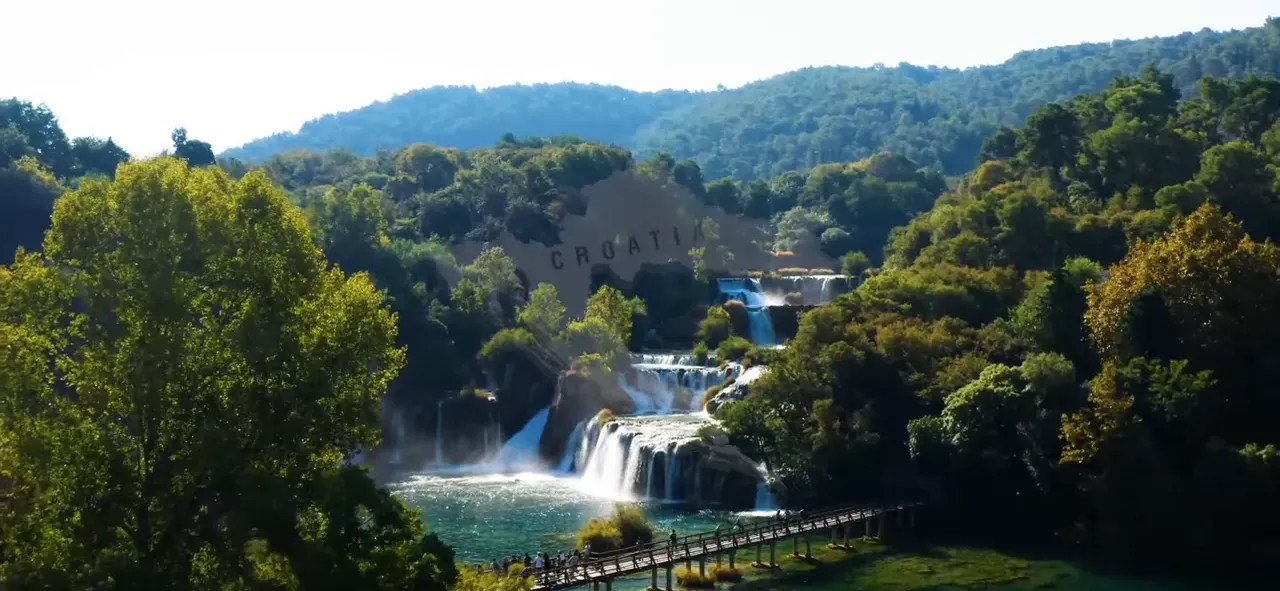
Krka National Park is another water-dominated landscape, where the Krka River carves dramatic gorges and forms natural pools. Skradinski Buk, a cascade of 17 travertine steps, is the park’s most photographed spot—water dances and forms rainbows across the amphitheatre of stone.
Highlights:
- Swim in designated areas at Krka (where allowed) to cool off under the falls.
- Visit Visovac Island with its 15th-century Franciscan monastery—a tranquil, mystical setting.
- Follow trails that wind past watermills and dense vegetation—perfect for family-friendly hikes.
Rovinj: Venetian romance on the Istrian coast
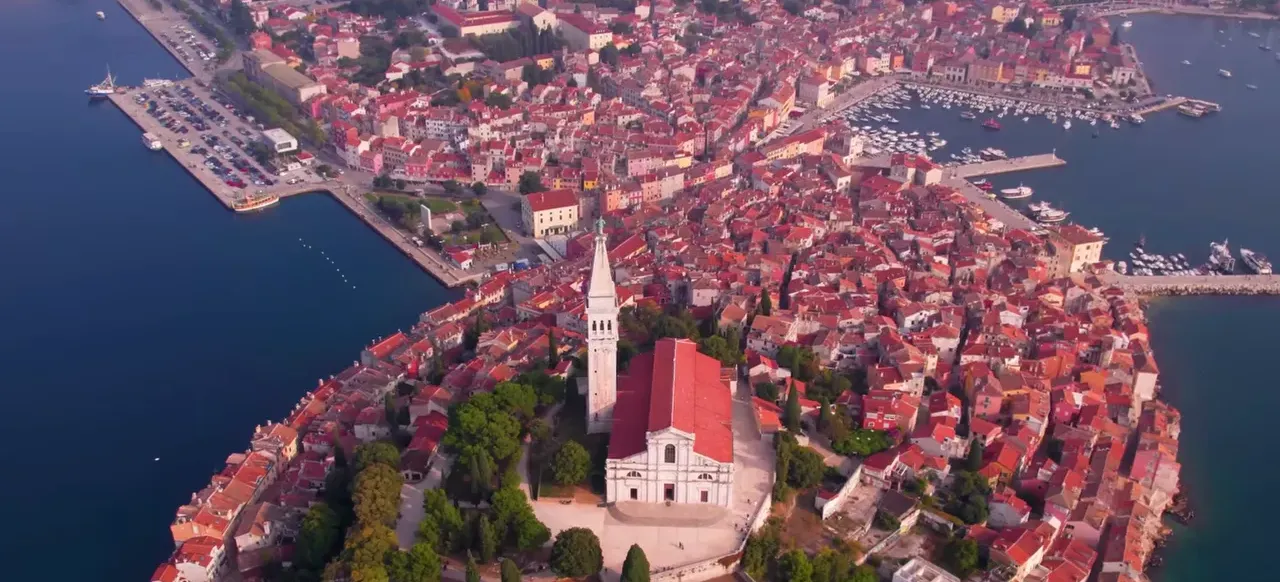
Rovinj feels like a painting come to life. Perched on a rocky peninsula, its pastel houses and narrow cobbled lanes climb toward St. Euphemia’s Church and its bell tower (inspired by St. Mark’s in Venice). The town retains a distinctly Venetian air—look for Gothic windows and winged lions carved into buildings.
What to enjoy:
- Lose yourself in the maze of alleys and find a waterfront café for fresh-caught seafood.
- Explore local galleries—Rovinj has a thriving arts scene.
- Use Rovinj as a base to sample Istrian wine and truffle dishes inland.
Split: Living history inside Diocletian’s Palace
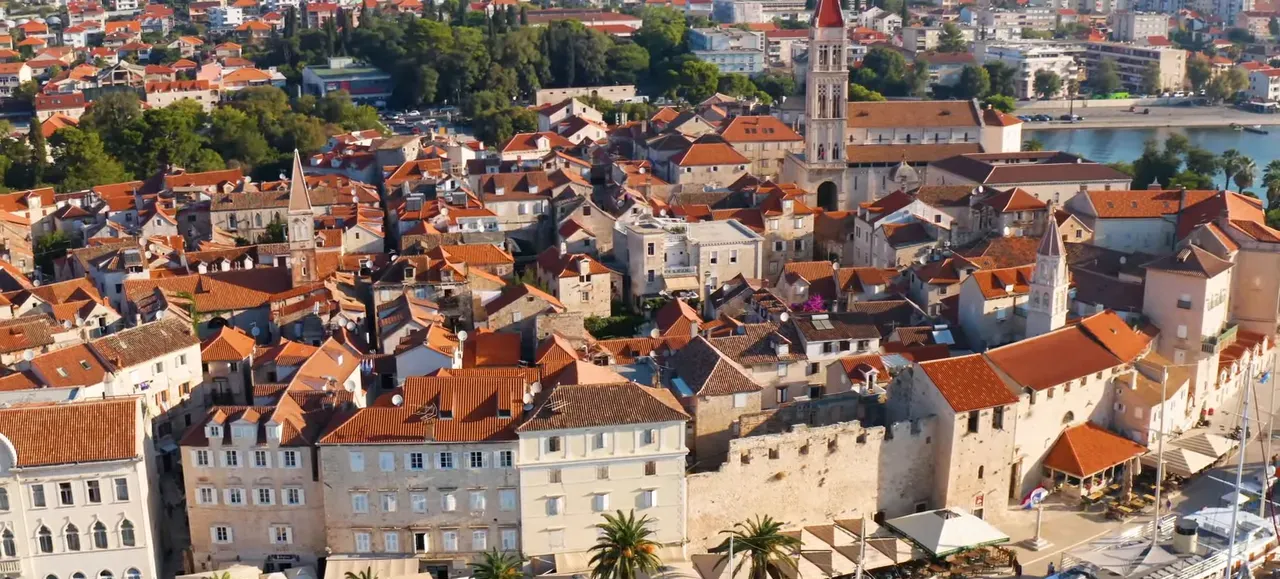
Split is built around the colossal Diocletian’s Palace, a 4th-century Roman complex that has evolved into the city’s bustling centre. Rather than a closed archaeological site, the palace is a living neighbourhood: shops, cafes and homes fill the ancient corridors. The peristyle still hosts concerts and gatherings, blending ancient architecture with modern life.
Don’t miss:
- Climb the bell tower of Saint Domnius for sweeping views over Split and the Adriatic.
- Wander the Riva promenade and enjoy palm-lined cafés and local pastries.
- Use Split as a transportation hub for ferries to nearby islands like Brač, Hvar and Vis.
Korčula and Novalja: Two islands, two moods
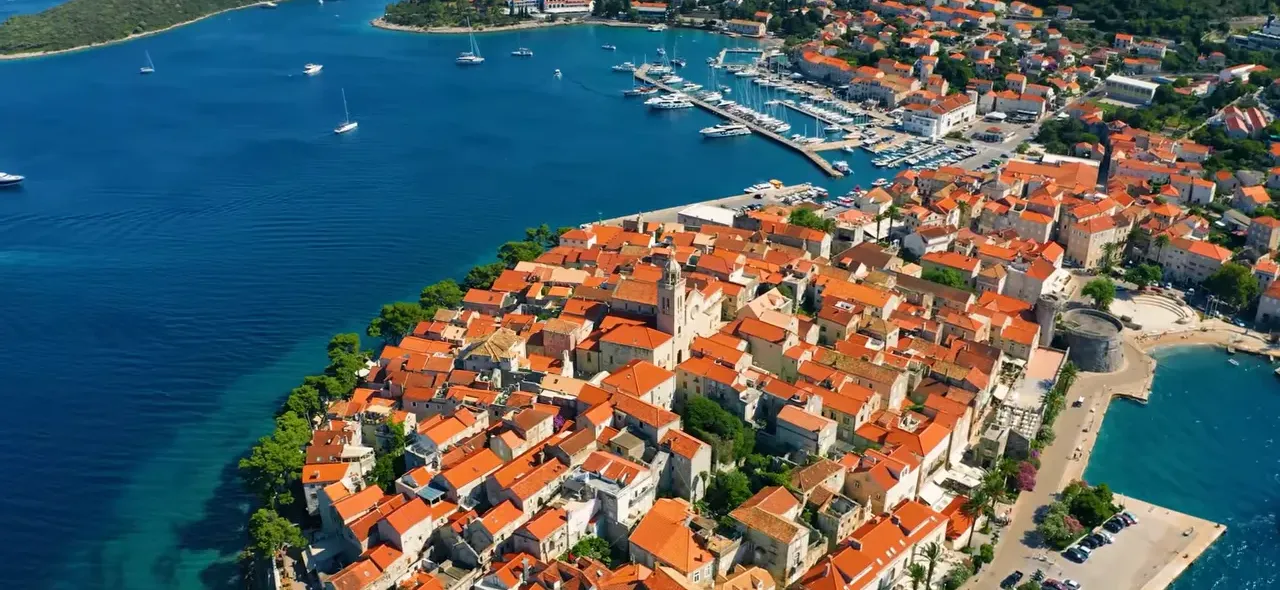
Korčula and Novalja offer a study in contrasts. Korčula is serene and historic—narrow medieval streets arranged like a fishbone, Gothic and Renaissance palaces and olive-scented hills. A local legend claims Marco Polo was born here; a small museum commemorates the connection.
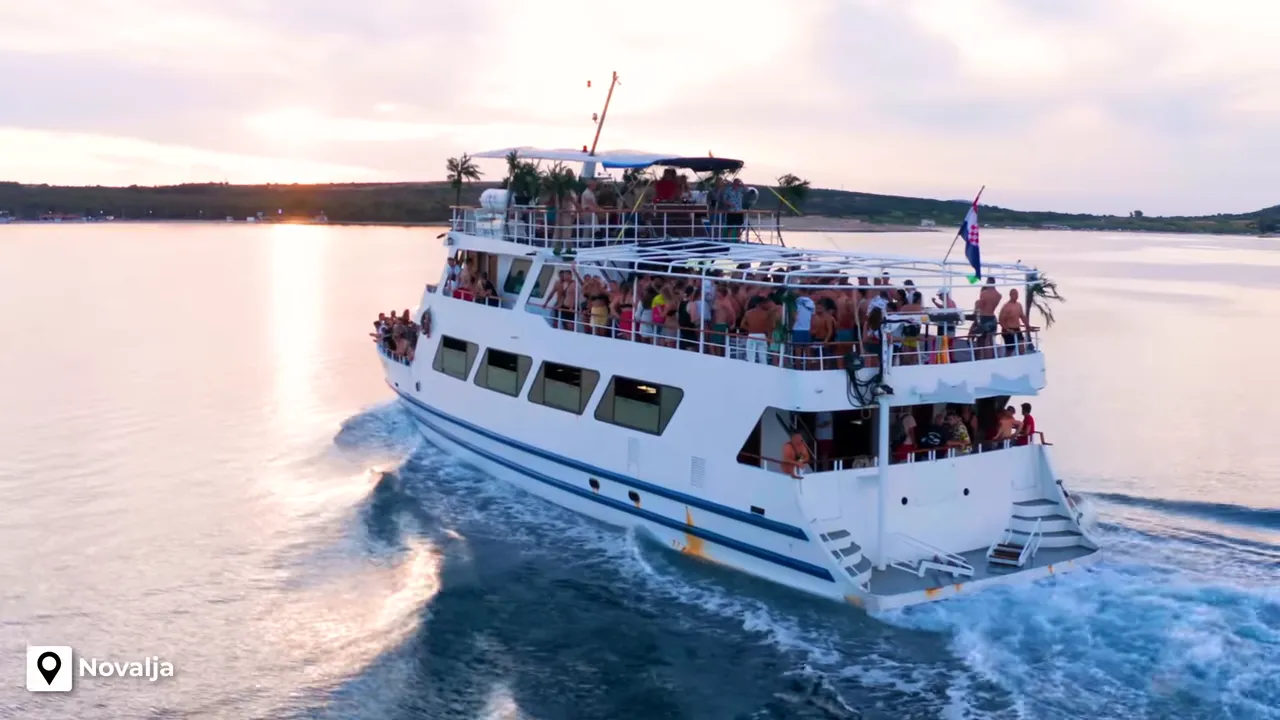
Novalja, on the island of Pag, is the opposite: youthful, loud and festival-oriented. Zrće Beach attracts international DJs and summer crowds, while daytime the clear waters and white pebble shores soothe the spirits. Pag’s interior, with sage-scented landscapes, produces famed sheep cheese—a gastronomic draw.
Pula: Amphitheatre, history, and Adriatic beaches
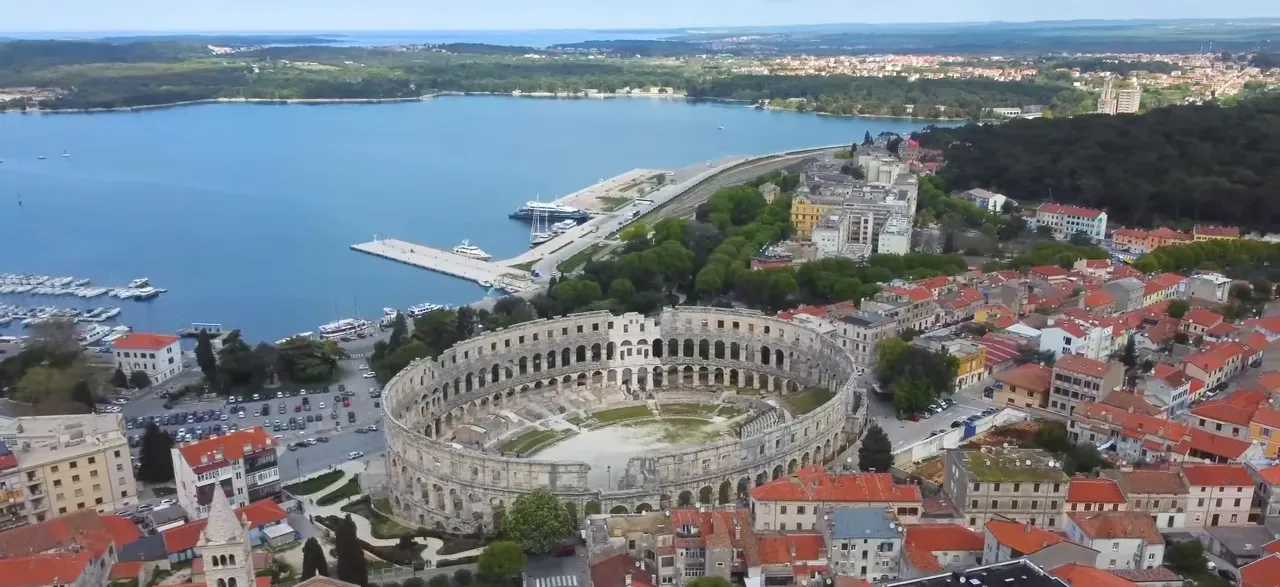
Pula’s Roman Arena is one of the best-preserved amphitheatres in the world. It still hosts concerts and events, making ancient stone a modern stage. The city is an open book of history—temples, arches and Venetian façades layer over each other.
Why Pula is special:
- Attend an evening concert at the Arena for a cinematic experience.
- Explore the Arch of the Sergii and the Temple of Augustus for Roman-era splendour.
- Pair cultural days with trips to quiet pebble beaches on the Istrian coast.
Mljet: Myth and silence
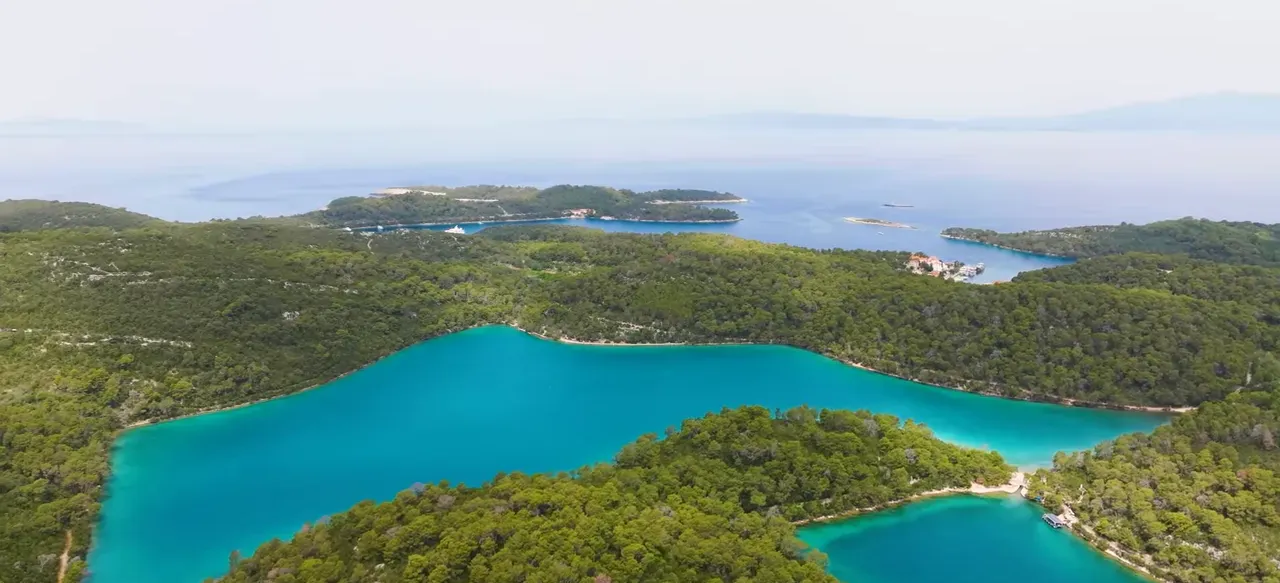
Mljet’s green forests and saltwater lakes create an island of calm. The National Park protects two lakes—linked by a narrow channel to the sea—and the larger one houses an islet with a Benedictine monastery. The island’s mythological tint is strong: it’s said that Odysseus was once enchanted here by the nymph Calypso.
Activities and ambience:
- Cycle or hike around the lakes and enjoy shaded trails through pine and oak.
- Visit the monastery and linger on the quiet waters by kayak or small boat.
Trogir: A compact medieval gem
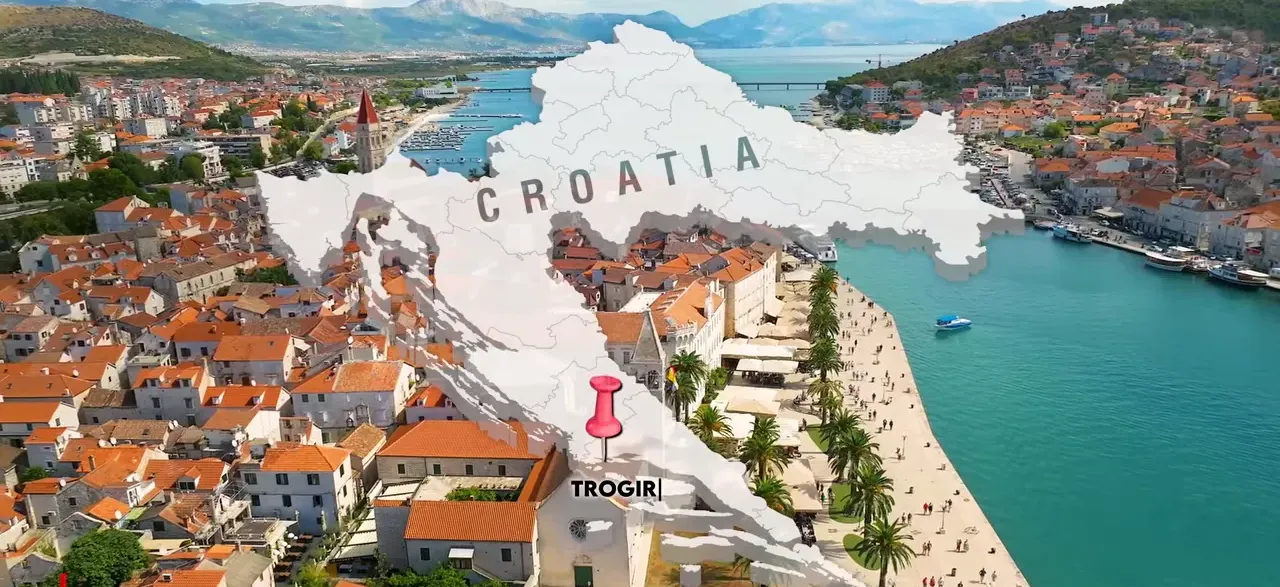
Trogir sits on a small island between Čiovo and the mainland and preserves two millennia of history within a compact medieval town. The Cathedral of St. Lawrence and its Radovan portal are sculptural masterpieces, while Kamerlengo Castle keeps watch over the sea.
Trogir highlights:
- Stroll tiny streets that feel frozen in time and stop at waterfront cafés for people-watching.
- Explore fortresses and climb for views that capture the Adriatic and surrounding islands.
Zlatni Rat (Golden Horn): Nature’s shifting peninsula
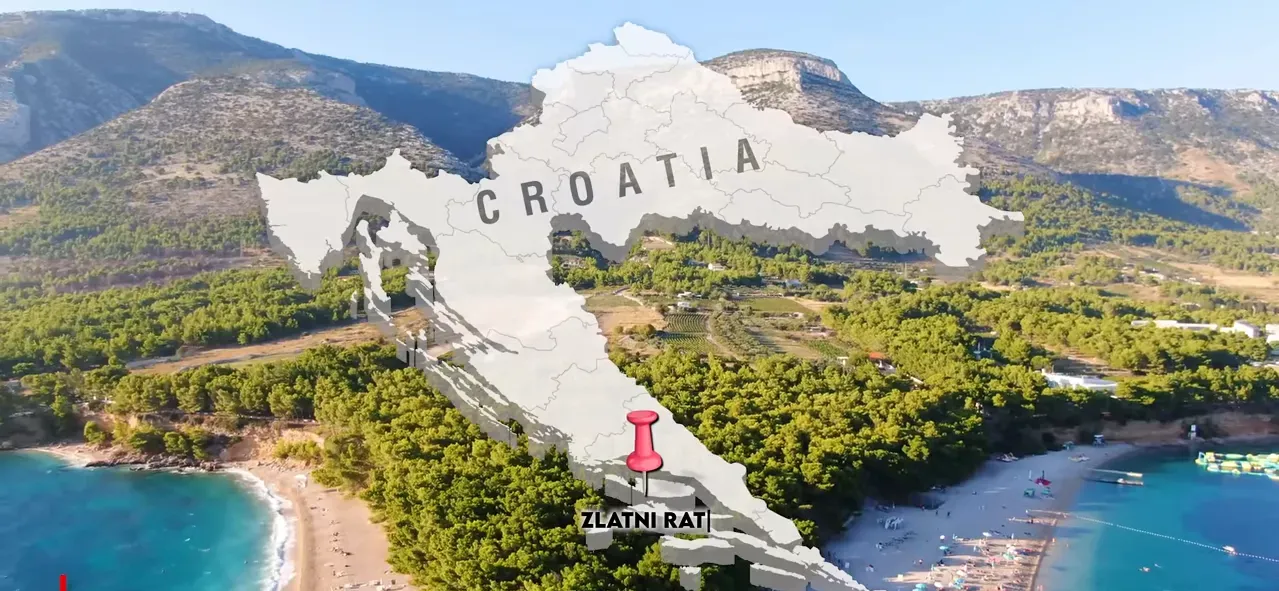
Zlatni Rat on Brač is a striking natural phenomenon: a narrow spit of fine white pebbles that changes direction with currents and wind. Nearly 600 metres long, it juts into the sea like a golden horn surrounded by crystalline water and pine forest. Windsurfers and kitesurfers favour the spot for consistent winds.
Zagreb: Capital with two souls
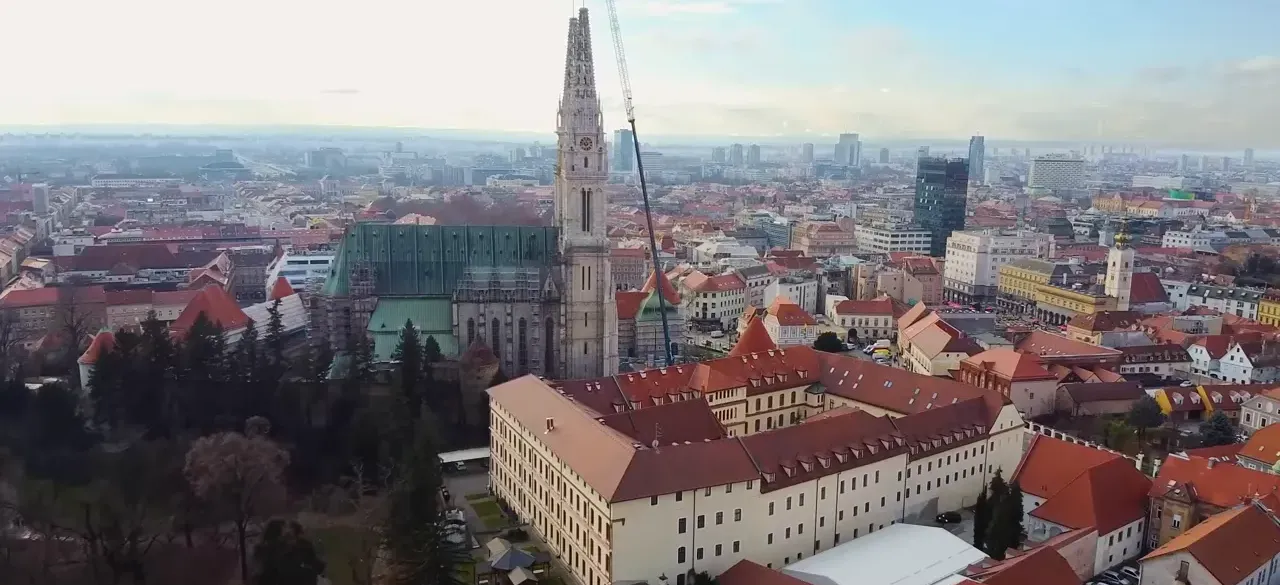
Zagreb blends Central European elegance with Mediterranean friendliness. The city splits into the medieval Upper Town—home to St. Mark’s Church with its colourful roof and the Lotrščak cannon—and the 19th-century Lower Town with broad boulevards, Austro-Hungarian palaces and lively squares like Ban Jelačić.
What to do in Zagreb:
- Ride the funicular to the Upper Town and linger at viewpoints.
- Explore museums, galleries and the bustling outdoor markets for local food and crafts.
- Relax in café culture—Zagreb’s open-air terraces and cultural scene are vibrant year-round.
Šibenik: Stone, light and 71 sculpted heads
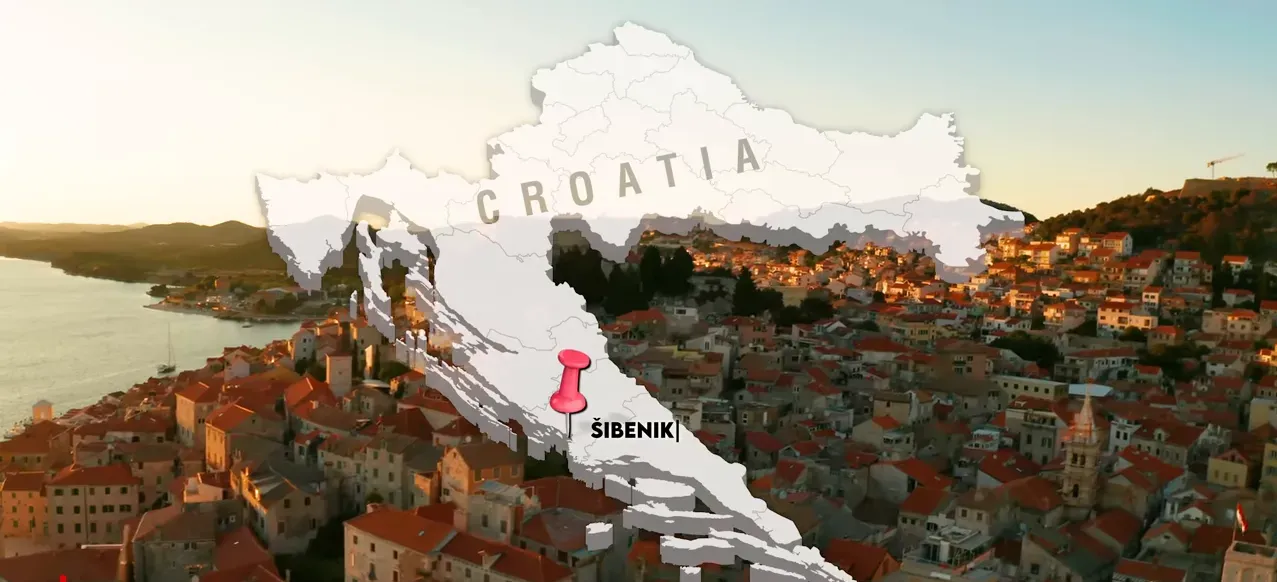
Šibenik is defined by stone and light. Its Cathedral of St. James, a UNESCO site, is carved from local stone without mortar and is famous for a frieze of 71 sculpted heads. Fortresses climb the hills above the old town and offer commanding views over the bay and islands.
Why Šibenik matters:
- Architectural uniqueness: the mortar-free cathedral is a rare example of Dalmatian Renaissance craftsmanship.
- Cultural life: festivals and events animate the old town and fortresses, especially in summer.
- Gateway to Krka: Šibenik makes a convenient base for day trips to the national park.
Makarska Riviera and Biokovo massif
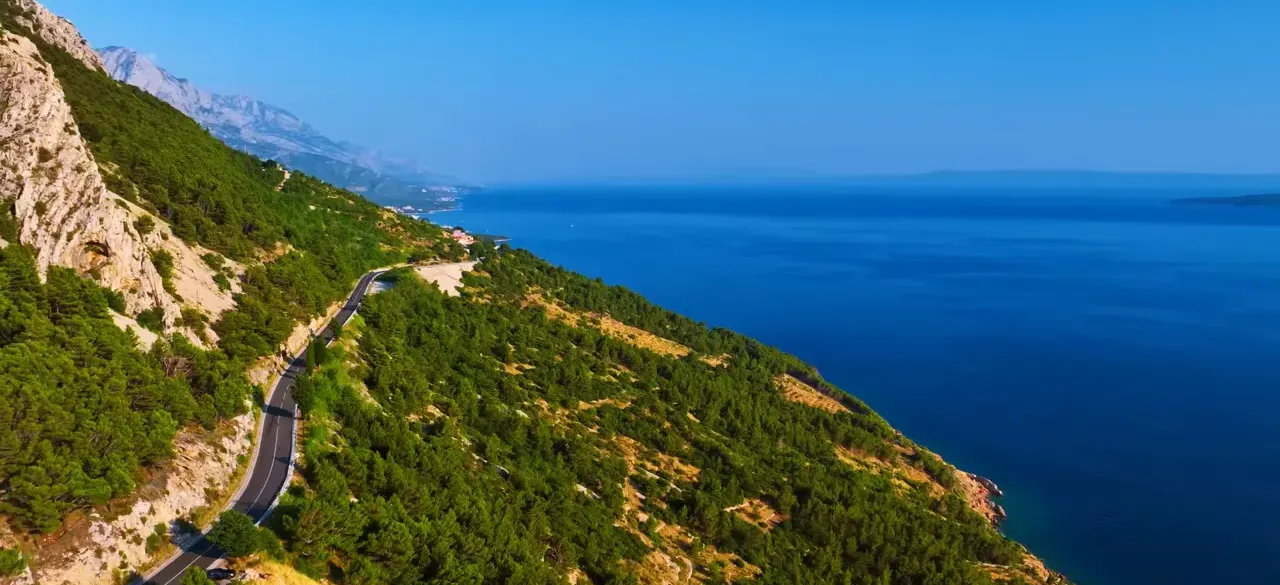
The Makarska Riviera is a coastal strip of white pebble beaches backed by the dramatic Biokovo mountain range. Towns like Brela, Baška Voda and Tučepi line the sea, while Biokovo Nature Park offers dramatic hikes and panoramic viewpoints.
Activities and tips:
- Beach hop along the Riviera—each small town has its own personality and shoreline charm.
- Hike or drive the Biokovo Skywalk for vertiginous views of the Adriatic.
Vis Island: Time capsule of sea and vineyards
Vis remained closed to foreign visitors for much of the 20th century, which helped preserve its atmosphere. Hidden coves, marine caves of intense blue and terraced vineyards (producing the Vugava grape) make Vis a destination of calm authenticity.
Insider tips:
- Book boat trips to Blue Cave-like sites and secluded beaches—many coves are accessible only by sea.
- Try Vugava wine and island-produced olive oil for a taste of local terroir.
Motovun and Istrian truffle country
Motovun sits on a hill overlooking the Mirna valley, protected by Venetian walls. The surrounding forests are famed for their white Istrian truffles—prized by chefs and food lovers worldwide. Motovun is intimate and atmospheric: narrow lanes, panoramic views, and a festival scene that celebrates food and film.
Omiš: Pirates, gorges and river adventures
Omiš is where the Cetina River meets the Adriatic, and history of Dalmatian pirates still echoes in its medieval fortresses. The river has carved dramatic gorges, offering rafting, canyoning and climbing for adventurous travellers.
Opatija: Austro-Hungarian elegance and wellness
Opatija was the Adriatic’s first seaside resort, frequented by European nobility. Austro-Hungarian palaces line the seafront, and botanic gardens, camellias and a mild microclimate give it a refined, restorative atmosphere. Opatija’s legacy is wellness tourism dating back to the 19th century.
Lošinj: Dolphins, flora and a unique microclimate
Lošinj’s waters host resident dolphins and the island’s flora includes more than 1,100 aromatic and medicinal plant species. The island’s microclimate drew Austro-Hungarian aristocracy and remains a tranquil sanctuary for those seeking nature, sea life and botanical variety.
Brijuni National Park: History, nature and diplomatic luxury
Brijuni is an archipelago of 14 islands where history and nature converge. Veliki Brijun reveals dinosaur footprints, Roman remains, and a curious safari park once associated with diplomatic gifts. Rich vegetation and submerged archaeological sites round out the appeal.
Food, wine and small pleasures
Croatian cuisine is as diverse as its geography. Expect fresh Adriatic seafood along the coast, hearty continental dishes inland, and Istrian specialties like truffles, fuži pasta and malvazija wine. Dalmatia’s olive oil and island wines—from Brač, Hvar, Korčula and Vis—are essential complements to any meal.
Wine lovers: Croatia produces over 1,000 varieties, and every coastal region has local varietals worth tasting. Try Istrian malvasia and Teran, Dalmatian plavac mali, and the island varieties like vugava on Vis.
Responsible travel and conservation
Croatia protects a significant portion of its territory through national and nature parks. When visiting:
- Respect protected areas—stick to trails and follow park regulations.
- Reduce single-use plastics—bring a refillable water bottle and a reef-safe sunscreen for swimming and snorkeling.
- Support local businesses—small family-run konobas (taverns), wineries and artisans benefit directly from tourism.
Final thoughts: How Croatia stays with you
After spending time traveling Croatia and telling its stories on guide, what stays with me is the country’s ability to surprise. You fly in expecting sunshine and beaches, but you leave with memories of marble streets, mountain viewpoints, isolated islands and recipes that tasted like history. The blend of Mediterranean warmth and Central European formality creates a travel experience that suits many moods and trip types.
Whether you’re drawn to UNESCO-listed old towns, national parks that feel primeval, islands that hide secret coves, or coastal towns with nightlife and culture, Croatia is a destination that encourages slow discovery. Plan with flexibility, respect nature, taste local wines, and let the coastline reveal itself—one bay, one town and one festival at a time.
Where to start? If you have one week: choose Dubrovnik + Korčula/Hvar. Two weeks: add Split, Krka and some northern islands. A relaxed month: include Plitvice, Istria, the Kvarner islands and slow inland travel to Motovun and Slavonia.
Safe travels and may your next journey be filled with turquoise waters, stone streets and unforgettable sunsets.


Pingback: Scenic Drive: Sydney to Melbourne
Pingback: New Zealand Honeymoon: A Romantic Adventure
Pingback: Top Europe Travel Spots: Discover the Best Destinations