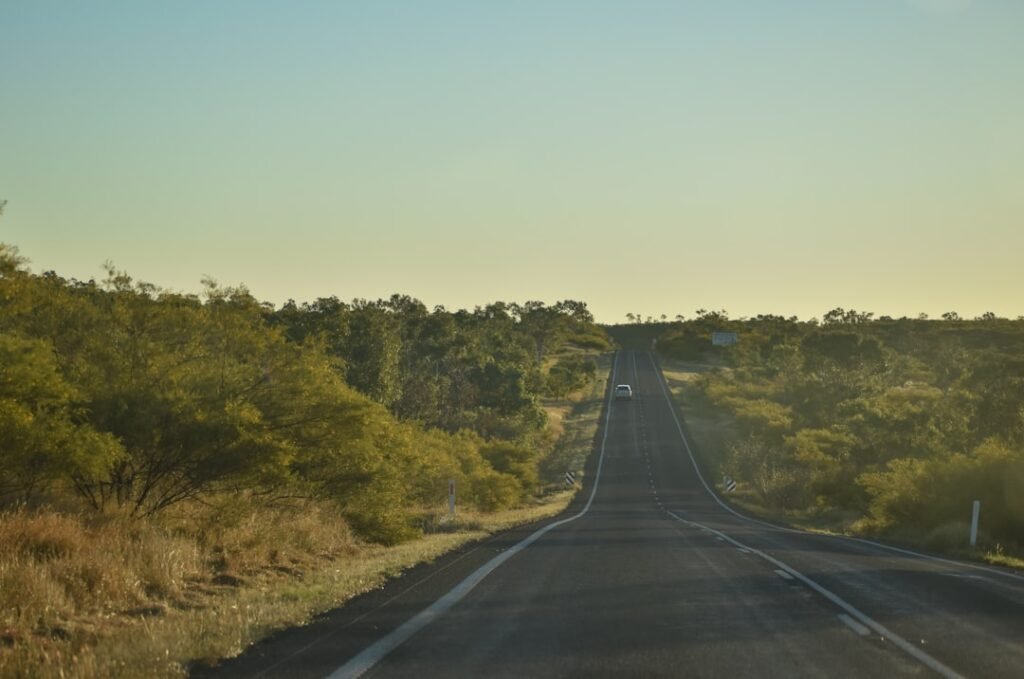

The Great Ocean Road is one of Australia’s most iconic coastal drives, stretching over 240 kilometers along the southeastern coast of Victoria. This scenic route is renowned for its breathtaking views of the Southern Ocean, dramatic cliffs, and lush rainforests. The journey begins in the charming town of Torquay, famous for its surf culture and as the birthplace of Australian surfing.
As travelers embark on this picturesque drive, they are greeted by a series of stunning lookouts, each offering unique perspectives of the rugged coastline and the powerful waves crashing against the cliffs. One of the highlights along the Great Ocean Road is the Twelve Apostles, a collection of limestone stacks that rise majestically from the ocean. These natural formations have been sculpted by erosion over millions of years, creating a striking landscape that draws visitors from around the globe.
The best time to view the Twelve Apostles is during sunrise or sunset when the golden light casts a warm glow on the rocks, enhancing their beauty. Nearby, the Loch Ard Gorge offers a glimpse into Australia’s maritime history, with its dramatic cliffs and tranquil waters providing a stark contrast to the tumultuous tales of shipwrecks that occurred in the area.
Key Takeaways
- The Great Ocean Road offers stunning coastal scenery and iconic landmarks.
- The Red Centre Way provides an immersive Outback experience with unique desert landscapes.
- The Great Alpine Road features mountainous terrain ideal for adventure seekers.
- The Pacific Coast Touring Route combines beautiful beaches with lush rainforests.
- The Savannah Way crosses northern Australia’s Top End, showcasing diverse ecosystems.
The Red Centre Way: Exploring the Outback
The Red Centre Way is a journey into the heart of Australia’s Outback, offering an immersive experience in one of the world’s most unique landscapes. This route takes travelers through the Northern Territory, showcasing iconic landmarks such as Uluru (Ayers Rock) and Kata Tjuta (The Olgas). The drive begins in Alice Springs, a remote town that serves as a gateway to the vast desert expanses and rich Aboriginal culture that define this region.
As visitors venture along the Red Centre Way, they are enveloped by the striking red earth, expansive skies, and an array of wildlife that thrives in this arid environment. Uluru is undoubtedly the centerpiece of this journey, standing at 348 meters tall and measuring over 9 kilometers in circumference. This sacred site holds immense cultural significance for the Anangu people, the traditional custodians of the land.
Visitors can explore the base of Uluru on foot, taking in its ancient rock art and learning about its spiritual importance through guided tours led by Indigenous rangers. The changing colors of Uluru at dawn and dusk create a mesmerizing spectacle, as the rock transforms from deep reds to vibrant oranges and purples. Kata Tjuta, located approximately 50 kilometers away, offers equally stunning views and hiking opportunities through its domed formations, allowing travelers to connect with the ancient landscape.
The Great Alpine Road: A Mountainous Adventure
The Great Alpine Road is a spectacular journey through Victoria’s high country, offering a blend of breathtaking mountain scenery and charming alpine towns. Spanning approximately 300 kilometers from Wangaratta to Bairnsdale, this route takes travelers through lush valleys, rolling hills, and snow-capped peaks. The road is particularly popular among outdoor enthusiasts, as it provides access to numerous national parks and recreational activities year-round.
In winter, visitors flock to Mount Hotham and Falls Creek for skiing and snowboarding, while summer brings opportunities for hiking, mountain biking, and fishing. As travelers navigate the Great Alpine Road, they will encounter quaint towns such as Bright and Mount Beauty, each with its own unique character and attractions. Bright is known for its vibrant autumn foliage and offers a range of outdoor activities, including cycling along the Murray to Mountains Rail Trail.
Mount Beauty serves as a gateway to the Alpine National Park, where visitors can explore stunning landscapes filled with wildflowers during spring or embark on challenging hikes to summit Mount Bogong, Victoria’s highest peak. The road also features numerous lookout points that provide panoramic views of the surrounding mountains and valleys, making it a photographer’s paradise.
The Pacific Coast Touring Route: Beaches and Rainforests
| Location | Type | Length (miles) | Average Temperature (°F) | Annual Visitors (thousands) | Notable Features |
|---|---|---|---|---|---|
| Pacific Beach | Beach | 3.5 | 65 | 150 | White sand, surfing spots |
| Redwood National Park | Rainforest | 40 | 58 | 600 | Ancient redwoods, hiking trails |
| Seaside Cove | Beach | 2.2 | 63 | 90 | Rock pools, tide watching |
| Olympic National Forest | Rainforest | 50 | 55 | 450 | Diverse flora, waterfalls |
| Sunset Bay | Beach | 4.0 | 67 | 120 | Sunset views, picnic areas |
The Pacific Coast Touring Route is a captivating drive that showcases Australia’s diverse landscapes along the eastern coastline. Stretching from Sydney to Brisbane, this route offers an array of experiences, from pristine beaches to lush rainforests. Travelers can immerse themselves in coastal towns such as Byron Bay, known for its laid-back atmosphere and stunning beaches that attract surfers and sunbathers alike.
The iconic Cape Byron Lighthouse provides breathtaking views of the coastline and is a popular spot for whale watching during migration seasons. As visitors continue along the Pacific Coast Touring Route, they will encounter several national parks that protect the region’s rich biodiversity. The Dorrigo National Park features ancient rainforests with towering trees and cascading waterfalls, accessible via well-maintained walking trails.
The park is home to an array of wildlife, including lyrebirds and wallabies, making it an ideal destination for nature lovers. Further north, the Nambucca Heads area offers beautiful beaches and opportunities for kayaking along its tranquil rivers. This route not only highlights Australia’s stunning coastal scenery but also emphasizes the importance of preserving its natural heritage.
The Savannah Way: Crossing the Top End
The Savannah Way is an adventurous route that traverses northern Australia from Cairns in Queensland to Broome in Western Australia. Spanning over 3,700 kilometers, this journey takes travelers through diverse landscapes ranging from tropical rainforests to arid savannahs. The Savannah Way is not just a drive; it’s an exploration of Australia’s rich Indigenous culture and natural wonders.
Along the way, visitors can experience unique attractions such as the World Heritage-listed Kakadu National Park, which boasts ancient rock art sites and diverse ecosystems. Kakadu National Park is a highlight of the Savannah Way, offering visitors a chance to witness stunning landscapes filled with wetlands, escarpments, and abundant wildlife. The park is home to over 280 species of birds and various reptiles and mammals.
Guided tours led by Indigenous rangers provide insights into traditional land management practices and cultural significance tied to the land. As travelers continue their journey westward, they will encounter other remarkable sites such as Litchfield National Park with its cascading waterfalls and thermal springs. The Savannah Way encapsulates the spirit of adventure while showcasing Australia’s natural beauty and cultural heritage.
The Grand Pacific Drive: Sydney to Wollongong
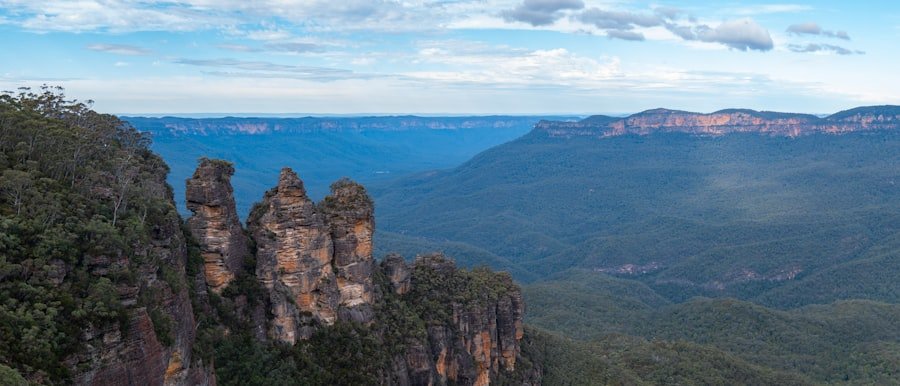
The Grand Pacific Drive is a breathtaking coastal route that stretches from Sydney to Wollongong along New South Wales’ stunning coastline. This drive is characterized by its dramatic cliffs overlooking the Pacific Ocean and lush rainforests that line the route. One of its most iconic features is the Sea Cliff Bridge, a spectacular cantilevered bridge that offers panoramic views of the ocean below.
As travelers traverse this engineering marvel, they are treated to sweeping vistas that make for unforgettable photo opportunities. Along the Grand Pacific Drive, visitors can explore charming coastal towns such as Kiama and Shellharbour. Kiama is famous for its blowhole, which shoots water high into the air during high tide—a natural phenomenon that attracts many tourists.
Shellharbour offers beautiful beaches perfect for swimming and surfing, as well as opportunities for whale watching during migration seasons. The drive also provides access to several national parks where visitors can hike through lush forests or relax on secluded beaches. The Grand Pacific Drive encapsulates the essence of coastal living in Australia while providing ample opportunities for adventure and relaxation.
The Nullarbor Plain: A Remote and Unique Landscape
The Nullarbor Plain is one of Australia’s most remote and unique landscapes, stretching across 1,200 kilometers between South Australia and Western Australia. This vast expanse of flat land is characterized by its arid conditions and sparse vegetation, creating an otherworldly atmosphere that captivates adventurous travelers. The Nullarbor is not just a drive; it’s an experience that allows visitors to connect with Australia’s rugged beauty while traversing one of the longest straight roads in the world—the Eyre Highway.
Travelers crossing the Nullarbor will encounter fascinating landmarks such as the Nullarbor Caves and the Head of Bight, where visitors can witness southern right whales during their migration season from June to October. The stark beauty of this landscape is complemented by its rich history; it was once traversed by Indigenous peoples who adapted to its challenging conditions long before European settlement. Roadhouses dotting the highway provide essential services for travelers while also serving as hubs for stories about life on this remote stretch of land.
The Nullarbor Plain offers a unique opportunity to experience solitude amidst vastness while appreciating Australia’s diverse environments.
The Great Southern Touring Route: Vineyards and Coastal Views
The Great Southern Touring Route is a delightful journey through Victoria’s southern regions, combining stunning coastal views with world-class vineyards. This route takes travelers through picturesque towns such as Geelong and Apollo Bay before leading them into wine country around Margaret River. The region is known for producing some of Australia’s finest wines, particularly cool-climate varietals like Pinot Noir and Chardonnay.
As visitors explore this route, they can indulge in wine tastings at renowned wineries nestled among rolling hills adorned with grapevines. Many vineyards offer cellar door experiences where guests can sample local produce paired with exquisite wines while enjoying breathtaking views of vineyards stretching towards distant mountains or ocean vistas. In addition to wine tasting, travelers can explore coastal attractions such as Great Otway National Park with its towering trees and scenic waterfalls or take leisurely walks along pristine beaches dotted with rock formations shaped by centuries of erosion.
The Great Southern Touring Route encapsulates Victoria’s diverse offerings—combining culinary delights with natural beauty—making it an ideal destination for those seeking both relaxation and adventure amidst stunning landscapes.
If you’re looking for breathtaking scenic drives in Australia, you might also be interested in exploring the stunning landscapes of other countries. For instance, check out this article on the top 12 destinations in Argentina, which highlights some of the most picturesque routes and natural wonders that can be found in South America. Whether you’re planning a road trip in Australia or dreaming of adventures abroad, these scenic routes are sure to inspire your wanderlust.
FAQs
What are some of the most popular scenic drives in Australia?
Some of the most popular scenic drives in Australia include the Great Ocean Road in Victoria, the Pacific Coast Touring Route in New South Wales and Queensland, the Red Centre Way in the Northern Territory, and the Tasmania’s East Coast Drive.
When is the best time to go on a scenic drive in Australia?
The best time for scenic drives in Australia depends on the region. Generally, spring (September to November) and autumn (March to May) offer mild weather and fewer crowds. Coastal drives are pleasant year-round, while desert routes are best in cooler months to avoid extreme heat.
Are scenic drives in Australia suitable for all types of vehicles?
Most popular scenic drives are accessible by standard vehicles. However, some remote or off-road routes may require a 4WD vehicle. It is important to check road conditions and vehicle requirements before embarking on a drive.
Can I find accommodation along scenic drives in Australia?
Yes, there are numerous accommodation options along major scenic routes, including hotels, motels, caravan parks, and camping sites. It is advisable to book in advance during peak travel seasons.
Are there any safety tips for driving on scenic routes in Australia?
Yes, some safety tips include obeying speed limits, watching for wildlife especially at dawn and dusk, carrying sufficient water and supplies in remote areas, and ensuring your vehicle is in good condition. Mobile phone coverage may be limited in some regions.
Do scenic drives in Australia offer opportunities for sightseeing and activities?
Absolutely. Scenic drives often pass through national parks, coastal towns, and cultural sites, offering opportunities for hiking, wildlife viewing, photography, and exploring local attractions.
Is it necessary to have an international driving permit to drive in Australia?
Visitors with a valid overseas driver’s license can usually drive in Australia for up to three months. An International Driving Permit (IDP) is recommended if the license is not in English. It is important to check specific requirements before traveling.
Are toll roads common on scenic drives in Australia?
Toll roads are more common in urban areas and less so on scenic routes. However, some drives near major cities may include toll sections. It is advisable to research the route beforehand to be prepared for any tolls.