


Tasmania, the island state of Australia, is renowned for its breathtaking landscapes, rich biodiversity, and unique cultural heritage. One of the most captivating ways to experience the natural beauty and historical significance of this region is through its scenic drives. These routes not only provide access to stunning vistas but also offer a glimpse into the diverse ecosystems and charming towns that dot the landscape.
From rugged coastlines to serene lakes, Tasmania’s scenic drives are a tapestry of experiences waiting to be explored. The allure of these drives lies in their ability to connect travelers with the essence of Tasmania. Each route tells a story, whether it be of ancient forests, coastal cliffs, or the remnants of colonial history.
As you traverse these roads, you are invited to slow down and appreciate the intricate details of the environment around you. The winding paths lead to hidden gems, from secluded beaches to quaint villages, making every journey a unique adventure. With a mix of natural wonders and cultural landmarks, Tasmania’s scenic drives are an invitation to discover the island’s soul.
Key Takeaways
- Tasmania offers a variety of scenic drives that showcase the diverse landscapes and attractions of the island.
- The Great Eastern Drive takes travelers along Tasmania’s stunning east coast, with opportunities to explore beaches, national parks, and charming seaside towns.
- The Western Wilds drive offers a journey through Tasmania’s remote wilderness, featuring rugged mountains, ancient rainforests, and unique wildlife.
- The Tarkine Drive allows visitors to discover Tasmania’s ancient rainforests, with opportunities for bushwalking, wildlife spotting, and exploring Aboriginal heritage sites.
- The Heritage Highway provides a chance to explore Tasmania’s historic towns and landscapes, with attractions such as colonial architecture, heritage sites, and local produce.
- The Huon Trail takes travelers through Tasmania’s fruit growing region, offering scenic drives, local produce, and opportunities for outdoor activities such as kayaking and fishing.
- The Cradle Country drive allows visitors to explore Tasmania’s central highlands and lakes, with opportunities for hiking, fishing, and wildlife spotting in a pristine natural environment.
- The Southern Trove drive offers a chance to discover Tasmania’s southern coastline and national parks, with opportunities for coastal walks, wildlife encounters, and exploring convict history sites.
The Great Eastern Drive: Exploring Tasmania’s East Coast
The Great Eastern Drive is a remarkable journey that stretches along Tasmania’s picturesque east coast, showcasing some of the island’s most stunning coastal scenery. Spanning approximately 175 kilometers from Orford to St. Helens, this drive is a feast for the senses, offering breathtaking views of azure waters, white sandy beaches, and lush hinterlands.
Along the way, travelers can indulge in a variety of activities, from swimming and surfing to hiking and wildlife spotting. One of the highlights of the Great Eastern Drive is the Freycinet National Park, home to the iconic Wineglass Bay. This crescent-shaped beach is often hailed as one of the world’s most beautiful beaches, with its pristine sands and turquoise waters framed by granite peaks.
The park offers numerous walking trails that cater to all fitness levels, allowing visitors to immerse themselves in the stunning natural environment. The climb to the Wineglass Bay lookout is particularly popular, rewarding hikers with panoramic views that are nothing short of spectacular. As you continue along the drive, charming towns such as Bicheno and Swansea beckon with their unique character and local attractions.
Bicheno is famous for its blowhole and resident penguin population, providing opportunities for wildlife enthusiasts to witness these adorable creatures in their natural habitat. Swansea, on the other hand, is known for its vineyards and wineries, where visitors can sample exquisite Tasmanian wines while enjoying views of the surrounding countryside. The Great Eastern Drive encapsulates the essence of Tasmania’s east coast, blending natural beauty with cultural experiences that leave a lasting impression.
The Western Wilds: A Journey through Tasmania’s Remote Wilderness
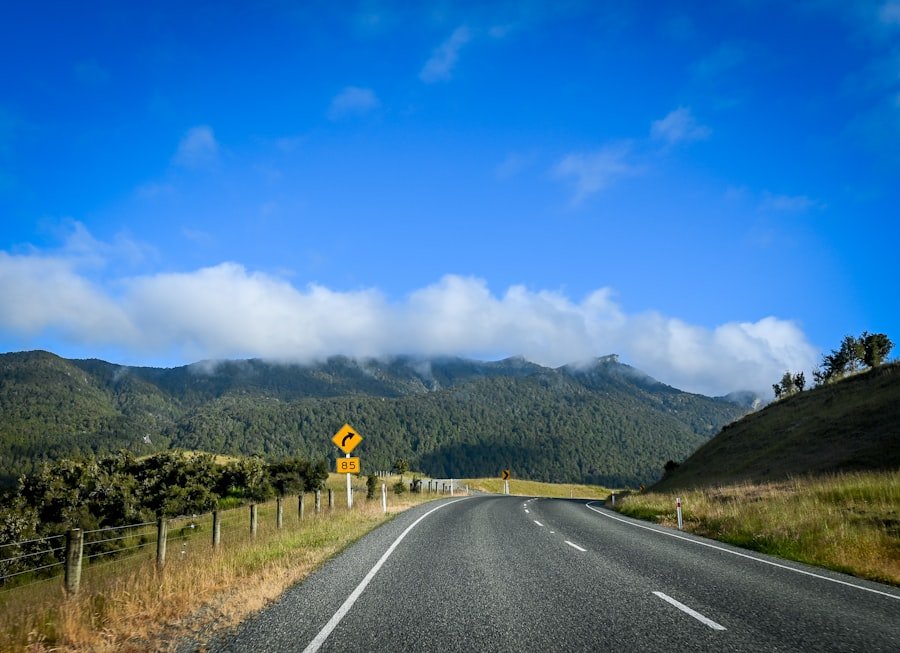
For those seeking adventure and solitude, the Western Wilds offers an unparalleled experience through Tasmania’s remote wilderness. This drive takes you deep into the heart of one of Australia’s last true wilderness areas, characterized by rugged mountains, dense forests, and pristine rivers. The journey begins in Queenstown and meanders through breathtaking landscapes that seem untouched by time.
One of the most striking features of the Western Wilds is its dramatic topography. The drive traverses the Franklin-Gordon Wild Rivers National Park, where visitors can witness the raw power of nature in action. The park is home to some of Tasmania’s most significant rivers, including the Franklin River, which is renowned for its challenging white-water rafting opportunities.
Adventurers can embark on guided rafting tours or opt for multi-day wilderness hikes that showcase the park’s stunning scenery and diverse flora and fauna. As you navigate through this remote region, you’ll encounter charming towns like Strahan, which serves as a gateway to the magnificent Gordon River. A cruise along this river reveals ancient rainforests and towering cliffs that rise dramatically from the water’s edge.
The tranquility of the river contrasts with the rugged wilderness surrounding it, creating a sense of serenity that is hard to find elsewhere. The Western Wilds is not just a drive; it is an invitation to connect with nature in its purest form.
The Tarkine Drive: Discovering Tasmania’s Ancient Rainforests
| Location | Distance | Duration |
|---|---|---|
| Tarkine Drive | 447 km | 2-3 days |
| Corinna | – | 1 day |
| Waratah | – | 1 day |
| Philosopher Falls | – | 1-2 hours |
The Tarkine Drive offers an extraordinary opportunity to explore one of Tasmania’s most significant natural treasures: the Tarkine wilderness. This drive takes you through ancient rainforests that are home to some of the tallest trees in the world, as well as unique wildlife found nowhere else on Earth. Spanning approximately 100 kilometers along Tasmania’s northwest coast, this route is a haven for nature lovers and those seeking a deeper understanding of Australia’s ecological heritage.
As you journey through the Tarkine region, you’ll be captivated by the lush greenery and diverse ecosystems that thrive in this temperate rainforest. The drive features several stops where visitors can immerse themselves in nature through short walks and interpretive trails. One such highlight is the Sumac Lookout, which provides stunning views over the expansive rainforest canopy and the wild coastline beyond.
The area is also rich in Aboriginal history, with numerous sites that reflect the cultural significance of this land to its traditional custodians. Wildlife enthusiasts will find plenty to marvel at in Tarkine’s diverse habitats. Keep an eye out for rare species such as the orange-bellied parrot and the Tasmanian devil, both of which are emblematic of Tasmania’s unique fauna.
The Tarkine Drive not only showcases breathtaking landscapes but also serves as a reminder of the importance of conservation efforts in preserving these irreplaceable ecosystems for future generations.
The Heritage Highway: Exploring Tasmania’s Historic Towns and Landscapes
The Heritage Highway is a captivating route that weaves through Tasmania’s rich history and heritage, connecting several historic towns that tell the story of early colonial settlement. Stretching approximately 200 kilometers from Hobart to Launceston, this drive invites travelers to step back in time and explore well-preserved architecture, charming streetscapes, and fascinating museums. One of the standout towns along this route is Richmond, known for its iconic sandstone bridge—the oldest in Australia—dating back to 1823.
Richmond’s historic buildings and quaint shops create an atmosphere reminiscent of a bygone era. Visitors can explore local galleries showcasing Tasmanian art or enjoy a leisurely stroll along the picturesque streets lined with heritage-listed buildings. Continuing northward, you will encounter Campbell Town, another town steeped in history.
Here, you can visit the Campbell Town Heritage Museum, which offers insights into the region’s past through exhibits featuring artifacts from early settlers. The town also boasts beautifully preserved convict-built structures that serve as a testament to Tasmania’s convict history. The Heritage Highway not only provides a scenic drive but also serves as a living museum that celebrates Tasmania’s rich cultural tapestry.
The Huon Trail: A Scenic Drive through Tasmania’s Fruit Growing Region
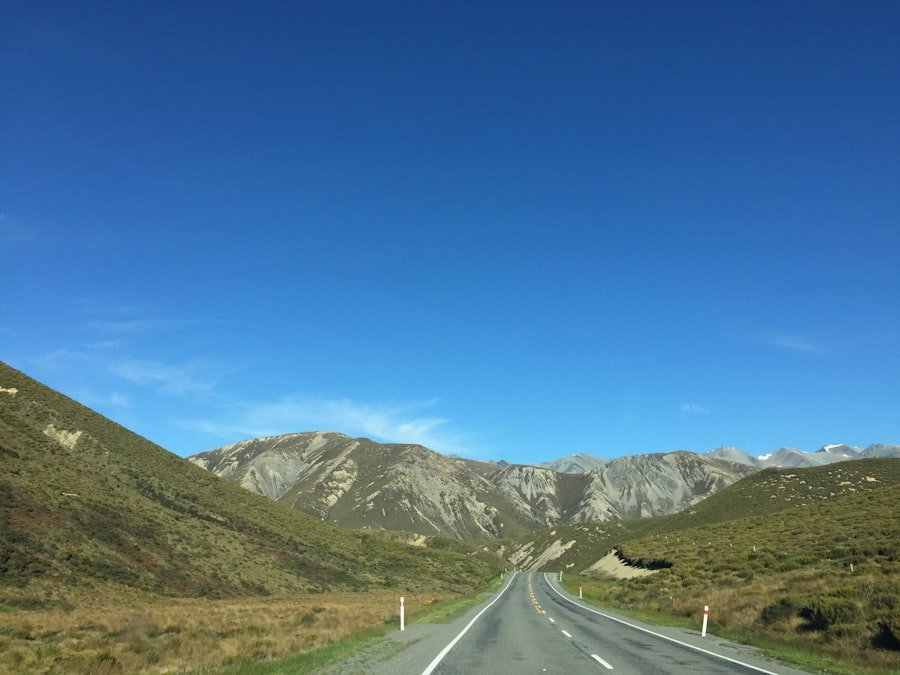
The Huon Trail is a delightful journey through one of Tasmania’s most fertile regions, known for its bountiful orchards and stunning river landscapes. This scenic drive takes you along the Huon River and showcases the area’s agricultural heritage while offering breathtaking views of rolling hills and lush valleys. Spanning approximately 170 kilometers from Hobart to Franklin, this route is perfect for those who appreciate fresh produce and rural charm.
As you travel along the Huon Trail, you’ll encounter numerous fruit farms where visitors can pick their own apples, cherries, and berries during harvest season. The region is particularly famous for its apple orchards, which have been cultivated since early European settlement. Many farms offer tastings and farm-gate sales, allowing travelers to savor the flavors of Tasmania while supporting local producers.
In addition to its agricultural offerings, the Huon Trail features picturesque towns such as Cygnet and Geeveston. Cygnet is known for its vibrant arts community and hosts various festivals celebrating local produce and crafts throughout the year. Geeveston serves as a gateway to the Hartz Mountains National Park, where visitors can explore stunning hiking trails that lead to breathtaking vistas and pristine wilderness areas.
The Huon Trail encapsulates Tasmania’s agricultural richness while providing an opportunity to connect with nature and local culture.
The Cradle Country: Exploring Tasmania’s Central Highlands and Lakes
The Cradle Country drive takes you into Tasmania’s Central Highlands, an area renowned for its dramatic landscapes and pristine lakes. This route offers an unforgettable experience for nature enthusiasts and outdoor adventurers alike. Spanning approximately 100 kilometers from Sheffield to Cradle Mountain-Lake St Clair National Park, this drive showcases some of Tasmania’s most iconic natural features.
Cradle Mountain itself stands as a sentinel over this breathtaking landscape, with its jagged peaks rising dramatically above glacial lakes and ancient forests. The area is a UNESCO World Heritage site and offers numerous walking trails catering to all levels of fitness. One popular option is the Dove Lake Circuit, which provides stunning views of Cradle Mountain while meandering through diverse ecosystems filled with unique flora and fauna.
The Central Highlands are also home to several picturesque lakes such as Lake St Clair—the deepest lake in Australia—where visitors can engage in activities like fishing or kayaking amidst serene surroundings. The region’s rich biodiversity includes endemic species such as the Tasmanian devil and various bird species that thrive in this unique environment. The Cradle Country drive not only highlights Tasmania’s natural beauty but also serves as a reminder of the importance of preserving these fragile ecosystems for future generations.
The Southern Trove: Discovering Tasmania’s Southern Coastline and National Parks
The Southern Trove drive offers an exploration of Tasmania’s southern coastline, where dramatic cliffs meet pristine beaches and lush national parks abound. This route takes you from Hobart down to Port Arthur and beyond, revealing some of Tasmania’s most stunning coastal scenery along with significant historical sites related to Australia’s convict past. One notable stop along this journey is Port Arthur Historic Site—a former penal colony that has been meticulously preserved as a UNESCO World Heritage site.
Visitors can explore well-preserved buildings that tell stories of hardship and resilience while taking guided tours that delve into the lives of convicts who once inhabited this area. The haunting beauty of Port Arthur’s ruins set against a backdrop of rugged coastline creates an atmosphere steeped in history. As you continue along the Southern Trove route, you’ll encounter national parks such as Tasman National Park—home to breathtaking coastal landscapes characterized by towering cliffs and secluded beaches like Wineglass Bay or Fortescue Bay—ideal spots for hiking or simply soaking up nature’s beauty.
Wildlife enthusiasts may spot seals basking on rocky outcrops or dolphins frolicking in nearby waters during their journey along this captivating coastline. The Southern Trove drive encapsulates both natural beauty and historical significance—making it an essential part of any Tasmanian adventure.
If you’re planning a road trip to explore the best drives in Tasmania, you might also be interested in discovering other breathtaking destinations around the world. For instance, if you’re looking to explore vibrant cities with stunning landscapes, consider reading about the top tourist attractions in San Francisco. This city offers a unique blend of natural beauty and urban charm, much like Tasmania. You can find more information in this related article: San Francisco Top Tourist Attractions Guide. Whether you’re navigating the scenic routes of Tasmania or the iconic streets of San Francisco, both destinations promise unforgettable experiences.
FAQs
What are the best drives in Tasmania?
Some of the best drives in Tasmania include the East Coast Drive, the Great Western Tiers Drive, the Huon Trail, and the Tamar Valley Wine Route.
What can I see and do on the East Coast Drive in Tasmania?
The East Coast Drive in Tasmania offers stunning coastal scenery, beautiful beaches, and opportunities for outdoor activities such as hiking, fishing, and wildlife spotting. Visitors can also explore charming seaside towns and enjoy fresh seafood.
What are the highlights of the Great Western Tiers Drive in Tasmania?
The Great Western Tiers Drive takes travelers through picturesque countryside, past historic towns, and to the base of the Great Western Tiers mountain range. Highlights include the town of Deloraine, Liffey Falls, and the Mole Creek Caves.
What attractions can I visit along the Huon Trail in Tasmania?
The Huon Trail in Tasmania features attractions such as the Tahune Airwalk, Hastings Caves and Thermal Springs, and the charming town of Cygnet. Visitors can also explore the Huon Valley’s orchards, vineyards, and artisan food producers.
What can I expect to experience on the Tamar Valley Wine Route in Tasmania?
The Tamar Valley Wine Route in Tasmania offers the opportunity to visit numerous wineries and cellar doors, where visitors can sample a variety of cool-climate wines. The route also passes through scenic countryside and historic towns, with opportunities for dining and exploring local produce.