
New Zealand, an island nation located in the southwestern Pacific Ocean, is renowned for its breathtaking landscapes, rich cultural heritage, and diverse ecosystems. Comprising two main landmasses, the North Island and the South Island, along with numerous smaller islands, New Zealand offers a unique blend of natural beauty and vibrant urban life. The country is characterized by its stunning fjords, majestic mountains, lush forests, and pristine beaches, making it a paradise for nature lovers and adventure seekers alike.
The indigenous Māori culture adds a rich layer of history and tradition to the nation, influencing everything from art and language to cuisine and social customs. The geographical diversity of New Zealand is matched by its climatic variations, which range from subtropical in the north to temperate in the south. This variety not only contributes to the country’s stunning scenery but also supports a wide range of outdoor activities and agricultural practices.
New Zealand is often referred to as “Godzone,” a colloquial term that reflects the awe-inspiring beauty of its landscapes. With a population of just over five million people, the country boasts a welcoming atmosphere, where visitors can experience both the tranquility of nature and the vibrancy of urban life in cities like Auckland, Wellington, and Christchurch.
Key Takeaways
- New Zealand is a stunning island country in the southwestern Pacific Ocean, known for its breathtaking landscapes and rich Maori culture.
- The North Island offers diverse destinations such as Auckland, Rotorua, and Wellington, each with its own unique attractions and activities.
- The South Island is famous for its natural beauty, including Fiordland National Park, Queenstown, and the Abel Tasman National Park, perfect for outdoor enthusiasts.
- Adventure seekers can enjoy a wide range of activities in New Zealand, from bungee jumping and skydiving to hiking, skiing, and water sports.
- Travelers can immerse themselves in Maori culture and heritage through traditional performances, visits to historic sites, and engaging with local communities.
North Island Destinations
The North Island is home to some of New Zealand’s most iconic destinations, each offering unique experiences that showcase the island’s diverse landscapes and cultural heritage.
Visitors can explore the Sky Tower for panoramic views of the city or take a ferry to nearby Waiheke Island, known for its picturesque vineyards and beautiful beaches.
The city’s multicultural atmosphere is reflected in its neighborhoods, where one can find everything from trendy cafes to traditional Māori cultural experiences. Further south lies Rotorua, a geothermal wonderland famous for its bubbling mud pools, geysers, and hot springs. The region is steeped in Māori culture, offering visitors opportunities to engage with local traditions through performances, guided tours, and authentic feasts known as hāngī.
The Whakarewarewa Thermal Village provides an immersive experience into Māori life while showcasing the natural geothermal phenomena that define the area. Additionally, the nearby Lake Taupo, the largest lake in New Zealand, offers a plethora of recreational activities such as fishing, boating, and hiking along the scenic Tongariro Alpine Crossing.
South Island Destinations
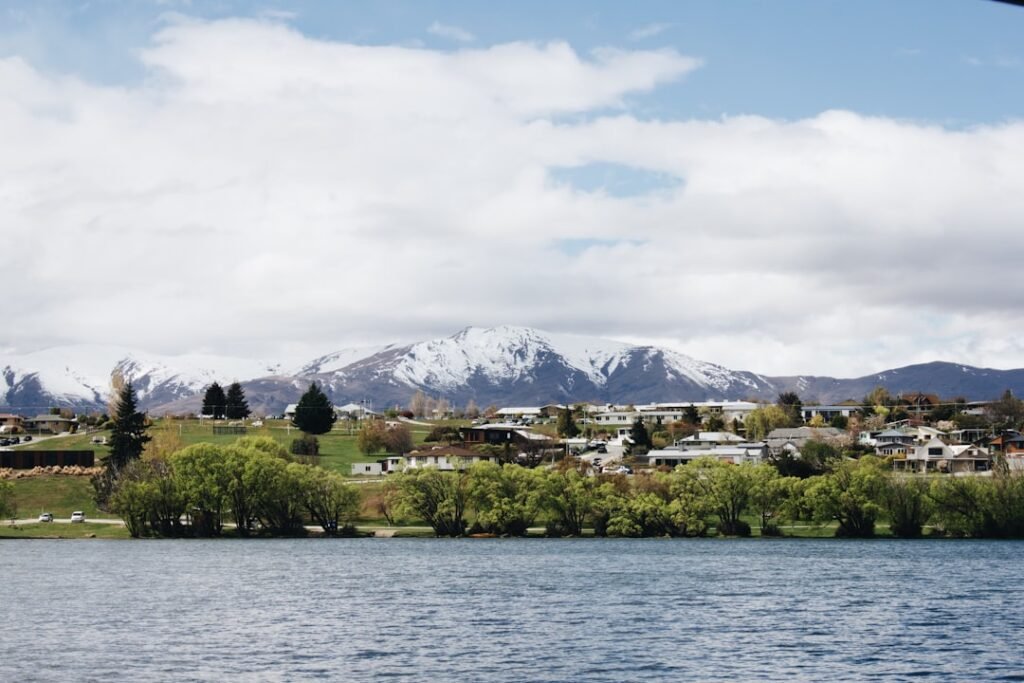
The South Island is often regarded as the crown jewel of New Zealand’s natural beauty, featuring dramatic landscapes that range from rugged mountains to serene coastlines. Queenstown, known as the adventure capital of the world, attracts thrill-seekers with its array of adrenaline-pumping activities such as bungee jumping, skydiving, and jet boating on the Shotover River. Nestled beside Lake Wakatipu and surrounded by the Southern Alps, Queenstown also offers stunning views and a vibrant nightlife scene that draws visitors year-round.
Another must-visit destination on the South Island is Fiordland National Park, home to some of New Zealand’s most breathtaking fjords, including Milford Sound and Doubtful Sound. These natural wonders are characterized by towering cliffs, cascading waterfalls, and lush rainforests. Boat cruises through these fjords provide an unparalleled opportunity to witness the dramatic scenery up close while keeping an eye out for wildlife such as dolphins and seals.
The park also offers numerous hiking trails, including the famous Milford Track, which takes trekkers through some of the most pristine wilderness in the country.
Adventure and Outdoor Activities
| Activity | Participants | Duration |
|---|---|---|
| Hiking | 100 | 3 hours |
| Rock Climbing | 50 | 4 hours |
| Kayaking | 75 | 2 hours |
| Mountain Biking | 80 | 5 hours |
New Zealand’s diverse landscapes make it an ideal playground for outdoor enthusiasts. From skiing in the Southern Alps during winter to hiking through lush rainforests in summer, there is no shortage of adventure activities available throughout the year. The country is particularly famous for its hiking trails, known as “tracks,” which range from easy walks to multi-day treks.
The Tongariro Alpine Crossing on the North Island is often hailed as one of the best day hikes in the world, taking trekkers through volcanic landscapes with stunning views of emerald lakes and rugged terrain. Water sports are also incredibly popular in New Zealand due to its extensive coastline and numerous lakes and rivers. Kayaking in Abel Tasman National Park allows visitors to explore golden beaches and crystal-clear waters while observing marine life such as seals and dolphins.
For those seeking a more exhilarating experience, white-water rafting on rivers like the Kaituna or Shotover provides an adrenaline rush as participants navigate through thrilling rapids surrounded by stunning scenery. Additionally, New Zealand’s unique geography offers opportunities for rock climbing, mountain biking, and even paragliding in places like Wanaka and Queenstown.
Maori Culture and Heritage
Māori culture is an integral part of New Zealand’s identity, deeply influencing its art, language, customs, and social structures. The Māori people are the indigenous inhabitants of New Zealand, with a rich history that dates back over a thousand years. Visitors can immerse themselves in Māori culture through various experiences that highlight traditional practices such as weaving, carving, and performing haka—a ceremonial dance that embodies strength and unity.
One of the best ways to experience Māori culture is by visiting a marae (a communal meeting place) or participating in a cultural performance at places like Te Puia in Rotorua or Tamaki Māori Village. These experiences often include traditional songs, dances, and storytelling that convey the history and values of the Māori people. Additionally, visitors can enjoy a hāngī feast—food cooked underground using heated stones—providing a unique culinary experience that reflects Māori traditions.
Food and Wine Experiences
New Zealand’s culinary scene has gained international acclaim for its fresh ingredients and innovative approaches to cooking. The country’s diverse climate allows for a wide range of agricultural products, including fruits, vegetables, seafood, and meats. Visitors can indulge in farm-to-table dining experiences that showcase local produce while enjoying stunning views of vineyards or coastal landscapes.
The wine regions of Marlborough on the South Island and Hawke’s Bay on the North Island are particularly renowned for their exceptional wines, especially Sauvignon Blanc and Pinot Noir. In addition to wine tasting tours that allow visitors to sample some of New Zealand’s finest wines paired with gourmet meals, food festivals celebrate local cuisine throughout the year. Events like the Wellington On a Plate festival highlight the capital’s vibrant food scene with pop-up restaurants, food trucks, and culinary competitions.
Seafood lovers can also enjoy fresh catches from the ocean at coastal towns like Kaikoura or Gisborne, where local fishermen provide an array of delectable options ranging from crayfish to green-lipped mussels.
Unique Accommodation Options
New Zealand offers a plethora of accommodation options that cater to various tastes and budgets while providing unique experiences that enhance any visit. For those seeking luxury amidst nature, eco-lodges nestled in remote locations offer stunning views and sustainable practices that allow guests to connect with their surroundings. Properties like The Lindis in Ahuriri Valley provide opulent accommodations with floor-to-ceiling windows overlooking breathtaking landscapes.
For travelers looking for something more adventurous or unconventional, glamping has become increasingly popular across New Zealand. Luxurious tents equipped with comfortable beds and en-suite bathrooms can be found in picturesque settings such as national parks or vineyards. Additionally, staying in a traditional Māori wharenui (meeting house) or a cozy cabin in a remote forest can provide an authentic experience that immerses guests in New Zealand’s culture and natural beauty.
Tips for Traveling in New Zealand
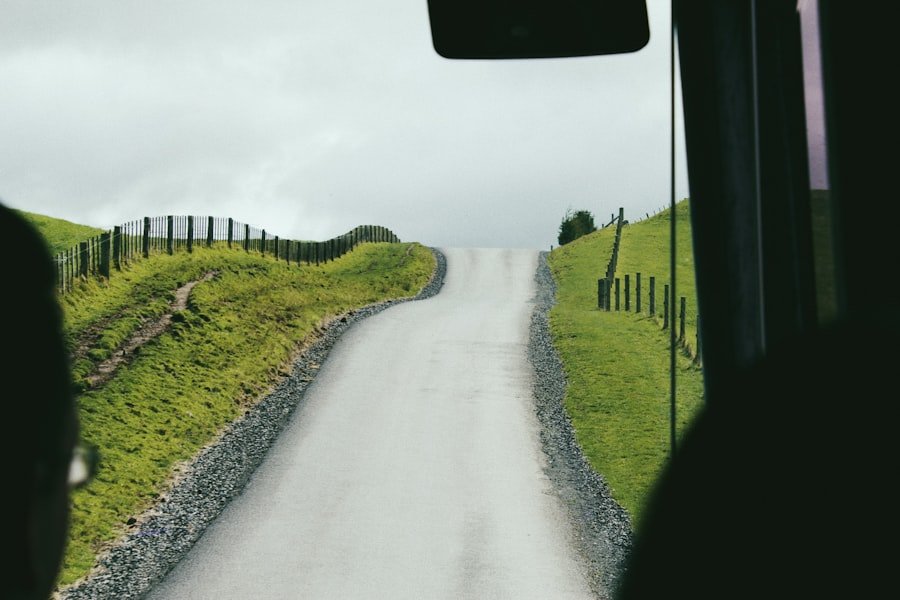
Traveling in New Zealand requires some planning to make the most of your experience while navigating its diverse landscapes and attractions. One essential tip is to rent a car or campervan for greater flexibility when exploring both islands. The scenic drives are among the most beautiful in the world; routes like State Highway 6 along the West Coast offer breathtaking views of mountains and coastline.
When planning your itinerary, consider the seasons as they significantly impact weather conditions and activities available. Summer (December to February) is ideal for outdoor adventures like hiking and beach activities; however, winter (June to August) attracts ski enthusiasts to resorts like Queenstown and Wanaka. Additionally, booking accommodations and popular activities in advance is advisable during peak tourist seasons to ensure availability.
Understanding local customs is also crucial for respectful interactions with Māori culture. Learning basic Māori phrases can enhance your experience while showing appreciation for their heritage. Lastly, be prepared for varying weather conditions; packing layers will help you stay comfortable regardless of whether you’re exploring lush rainforests or traversing alpine terrains.
For instance, you can discover the ancient treasures of Jordan, which offers a rich tapestry of history and culture. Check out this article for more information: Discover Jordan’s Ancient Treasures. Whether you’re hiking through breathtaking landscapes or immersing yourself in local traditions, both New Zealand and Jordan promise unforgettable experiences.
FAQs
What are the best places to visit in New Zealand?
Some of the best places to visit in New Zealand include Queenstown, Milford Sound, Bay of Islands, Rotorua, Auckland, Wellington, and Christchurch.
What are the must-see attractions in New Zealand?
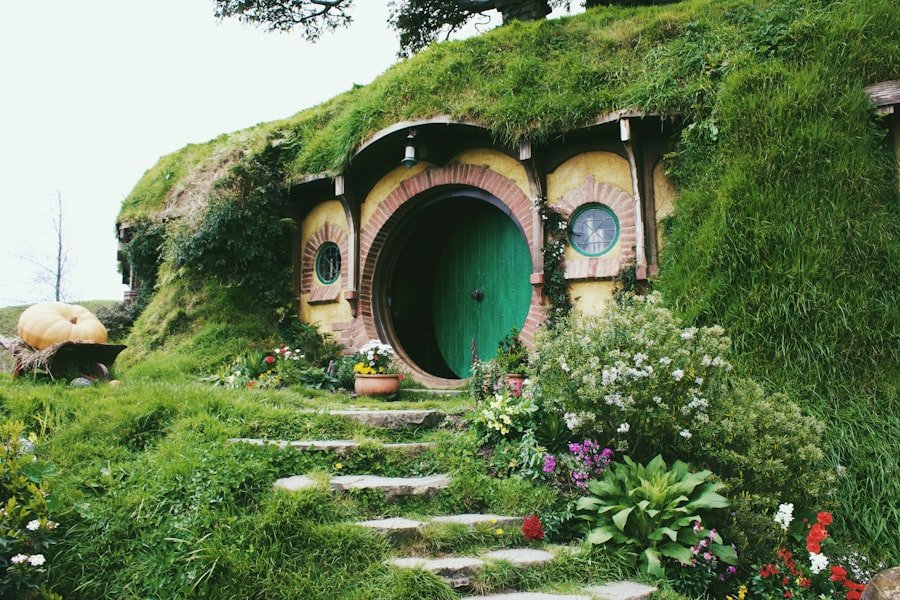
Must-see attractions in New Zealand include Fiordland National Park, Tongariro National Park, Hobbiton Movie Set, Waitomo Glowworm Caves, and Abel Tasman National Park.
What are the best outdoor activities to do in New Zealand?
New Zealand offers a wide range of outdoor activities such as hiking in the national parks, bungee jumping, skydiving, skiing, surfing, and kayaking in the pristine waters.
What is the best time to visit New Zealand?
The best time to visit New Zealand is during the summer months of December to February when the weather is warm and ideal for outdoor activities. However, the country offers something unique in every season.
What are the best ways to get around New Zealand?
The best ways to get around New Zealand are by renting a car, taking domestic flights, using intercity buses, or traveling by train. Each mode of transportation offers its own unique experience.
What are the top cultural experiences in New Zealand?
Some of the top cultural experiences in New Zealand include visiting Maori cultural sites, attending a traditional Maori cultural performance, exploring art galleries and museums, and experiencing the local food and wine scene.