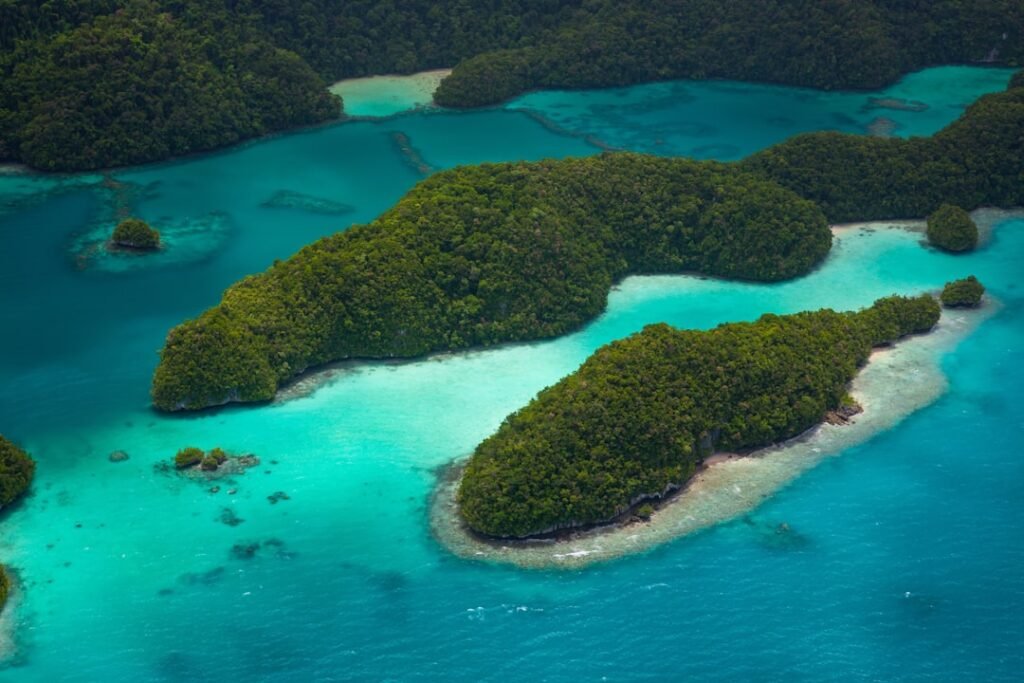

The Cook Islands, a stunning archipelago located in the South Pacific Ocean, is a hidden gem that often escapes the radar of mainstream tourism. Comprising 15 islands, the Cook Islands are divided into two groups: the Northern and Southern Cook Islands. The capital, Avarua, is situated on Rarotonga, the largest island, which serves as the primary gateway for visitors.
The islands are known for their breathtaking landscapes, vibrant culture, and warm hospitality, making them an ideal destination for travelers seeking both adventure and relaxation. The Cook Islands are not just a paradise for beach lovers; they also boast a rich history and a unique blend of Polynesian traditions. The islands were named after Captain James Cook, who visited them in the late 18th century.
However, the indigenous people have inhabited these islands for centuries, developing a distinct identity that is deeply rooted in their ancestral heritage. With a population of around 17,000, the Cook Islands offer a sense of community that is palpable, where visitors can experience the genuine warmth of the locals and their way of life.
Key Takeaways
- Cook Islands is a stunning South Pacific destination known for its natural beauty, rich culture, and delicious cuisine.
- The unique culture of Cook Islands is characterized by traditional dance, music, and art, and is deeply rooted in Polynesian heritage.
- The cuisine of Cook Islands is a delightful blend of fresh seafood, tropical fruits, and traditional Polynesian flavors, offering a unique culinary experience for visitors.
- Popular activities and attractions in Cook Islands include snorkeling in crystal-clear waters, exploring ancient marae sites, and relaxing on pristine beaches.
- The influence of New Zealand on Cook Islands is evident in the government, education, and economy, as Cook Islands is a self-governing territory in free association with New Zealand.
The Unique Culture of Cook Islands
The culture of the Cook Islands is a vibrant tapestry woven from ancient Polynesian traditions and modern influences. The islands are renowned for their traditional dance, music, and art forms, which play a significant role in community life. One of the most celebrated cultural expressions is the ‘ura’ dance, characterized by its rhythmic hip movements and colorful costumes.
This dance is often performed during festivals and special occasions, showcasing the islands’ rich storytelling traditions and connection to their ancestors. Language is another vital aspect of Cook Islands culture. The official languages are English and Cook Islands Maori (Rarotongan), with the latter being spoken by the majority of the population.
The preservation of the Maori language is crucial for maintaining cultural identity, and efforts are ongoing to promote its use in schools and community events. Traditional crafts such as weaving and carving are also integral to the culture, with artisans creating intricate pieces that reflect the islands’ natural beauty and spiritual beliefs. Visitors can often witness these crafts being made firsthand, providing insight into the skills passed down through generations.
The Delicious Cuisine of Cook Islands
Cook Islands cuisine is a delightful fusion of flavors influenced by Polynesian traditions and ingredients sourced from the surrounding ocean and land. Fresh seafood is a staple, with dishes featuring fish such as tuna, snapper, and marlin prepared in various ways. One popular dish is ‘ika mata,’ a refreshing ceviche made from raw fish marinated in lime juice and mixed with coconut cream, tomatoes, and onions.
This dish exemplifies the islands’ emphasis on fresh ingredients and simple preparation methods that highlight natural flavors. In addition to seafood, root vegetables like taro and kumara (sweet potato) are commonly used in traditional meals. These ingredients are often cooked in an underground oven called an ‘umu,’ which imparts a unique smoky flavor to the food.
Another beloved dish is ‘rori,’ a type of coconut pudding that showcases the islands’ abundant coconuts. Meals are typically enjoyed communally, reflecting the strong sense of community that characterizes life in the Cook Islands. Visitors can indulge in local cuisine at various eateries or participate in a traditional feast known as an ‘island night,’ where they can experience not only the food but also the accompanying music and dance.
Popular Activities and Attractions in Cook Islands
| Activity/Attraction | Description | Location |
|---|---|---|
| Muri Lagoon | A beautiful lagoon with crystal clear water, perfect for snorkeling and kayaking. | Rarotonga |
| Te Vara Nui Village | Experience traditional Cook Islands culture, including dance performances and a delicious island feast. | Rarotonga |
| Aitutaki Lagoon | Known for its stunning turquoise waters and pristine beaches, a must-visit for water activities and relaxation. | Aitutaki |
| Maire Nui Botanical Gardens | Explore a diverse range of tropical plants and flowers in a lush garden setting. | Rarotonga |
| Tapuaetai (One Foot Island) | An idyllic island with a picturesque sandbar, perfect for swimming and sunbathing. | Aitutaki |
The Cook Islands offer a plethora of activities that cater to diverse interests, making it an ideal destination for adventure seekers and those looking to unwind. Snorkeling and diving are among the most popular activities, with crystal-clear waters teeming with vibrant marine life. The lagoons surrounding Rarotonga and Aitutaki are particularly renowned for their coral reefs, where visitors can encounter colorful fish, sea turtles, and even manta rays.
Guided snorkeling tours often take travelers to some of the best spots, ensuring an unforgettable underwater experience. For those who prefer land-based activities, hiking trails on Rarotonga provide stunning views of lush landscapes and dramatic mountain ranges. The trek to the summit of Te Rua Manga, also known as the Needle, is a challenging yet rewarding hike that offers panoramic vistas of the island’s coastline.
Additionally, cultural experiences such as visiting local markets or participating in traditional craft workshops allow visitors to immerse themselves in the daily life of the Cook Islands. Whether it’s exploring hidden waterfalls or enjoying a leisurely day on pristine beaches, there is no shortage of activities to engage in.
The Influence of New Zealand on Cook Islands
The relationship between New Zealand and the Cook Islands is deeply rooted in history and continues to shape various aspects of life on the islands today. As a self-governing territory in free association with New Zealand, the Cook Islands benefit from political stability and economic support while maintaining their own distinct identity. This unique status allows for cultural exchanges that enrich both nations; many Cook Islanders have family ties to New Zealand, leading to a blending of cultures that is evident in music, dance, and even cuisine.
New Zealand’s influence can also be seen in education and healthcare systems within the Cook Islands.
This partnership fosters a sense of unity between the two nations while allowing the Cook Islands to preserve their cultural heritage amidst modern influences.
Exploring the Natural Beauty of Cook Islands
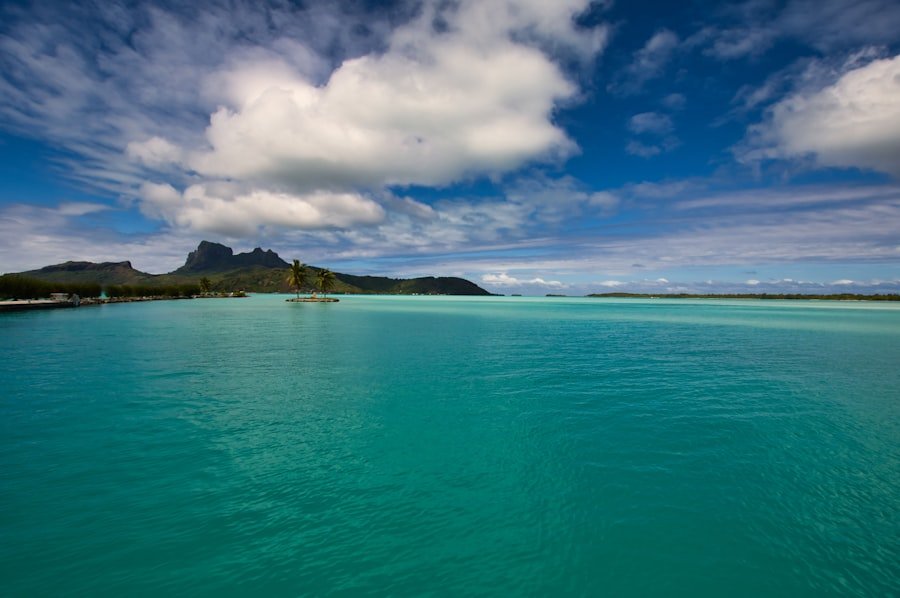
The natural beauty of the Cook Islands is nothing short of breathtaking, characterized by lush landscapes, pristine beaches, and vibrant coral reefs. Each island has its own unique charm; Rarotonga features dramatic mountains covered in dense rainforest, while Aitutaki is famous for its stunning lagoon surrounded by small motus (islets). The turquoise waters are not only visually striking but also provide essential habitats for diverse marine life.
One of the most iconic natural attractions is Aitutaki Lagoon, often regarded as one of the most beautiful lagoons in the world. Visitors can take boat tours to explore its many motus or simply relax on its white sandy beaches while soaking up the sun. The island’s coral reefs offer excellent snorkeling opportunities where one can witness an array of marine species in their natural habitat.
On Rarotonga, the Avana Valley provides hiking trails that lead to hidden waterfalls and panoramic views over the island’s lush interior. The combination of mountains, beaches, and lagoons creates an idyllic setting that captivates all who visit.
Tips for Traveling to Cook Islands
Traveling to the Cook Islands requires some planning to ensure a smooth experience. First and foremost, it’s essential to check visa requirements based on your nationality; many travelers can enter without a visa for stays up to 31 days. Flights typically connect through New Zealand or Tahiti, so booking well in advance can help secure better rates.
Once on the islands, renting a scooter or bicycle is a popular way to explore at your own pace while enjoying scenic views along coastal roads. When packing for your trip, consider bringing lightweight clothing suitable for warm weather along with swimwear for beach activities. Sunscreen is crucial due to high UV levels; reef-safe options are recommended to protect marine ecosystems.
Additionally, while many establishments accept credit cards, having some cash on hand for local markets or smaller vendors can enhance your experience. Engaging with locals can lead to discovering hidden gems off the beaten path—whether it’s a secluded beach or a family-run eatery serving authentic cuisine.
Why Cook Islands is a Must-Visit Destination
The allure of the Cook Islands lies not only in their stunning landscapes but also in their rich cultural heritage and warm community spirit. From indulging in delicious local cuisine to exploring breathtaking natural wonders, every aspect of this destination offers something unique for travelers seeking both adventure and relaxation. The islands’ blend of traditional Polynesian culture with modern influences creates an enriching experience that resonates long after visitors return home.
Whether you’re snorkeling in crystal-clear lagoons or participating in vibrant cultural festivals, each moment spent in the Cook Islands contributes to an unforgettable journey. With their welcoming atmosphere and breathtaking scenery, it’s no wonder that more travelers are discovering this Pacific paradise as a must-visit destination on their travel itineraries.
The Cook Islands, a stunning tropical paradise in the South Pacific, offer a unique blend of rich culture and breathtaking landscapes, making them a perfect destination for travelers seeking adventure and relaxation. For those interested in exploring more beautiful destinations around the world, you might find inspiration in this article about the most beautiful cities in the world. Each location showcases its own charm and allure, much like the enchanting islands of the Cook Islands.
FAQs
What is the relationship between the Cook Islands and New Zealand?
The Cook Islands is a self-governing territory in free association with New Zealand. This means that the Cook Islands is not fully independent, but it has its own government and is responsible for its own domestic and foreign affairs. New Zealand is responsible for the defense and foreign relations of the Cook Islands.
Do Cook Islanders have New Zealand citizenship?
Yes, Cook Islanders are New Zealand citizens. This means they have the right to live and work in New Zealand, and they are also entitled to New Zealand government services and support.
What is the population of the Cook Islands?
As of 2021, the estimated population of the Cook Islands is around 17,500 people. The majority of the population lives on the island of Rarotonga.
What is the economy of the Cook Islands like?
The economy of the Cook Islands is heavily reliant on tourism, with the tourism industry contributing a significant portion of the country’s GDP. Agriculture, particularly the cultivation of tropical fruits and fishing, also plays a role in the economy.
What is the culture of the Cook Islands like?
The culture of the Cook Islands is Polynesian, and it is characterized by traditional music, dance, and art. The people of the Cook Islands are known for their hospitality and strong sense of community. The Cook Islands also has a rich tradition of storytelling and oral history.