
The Great Barrier Reef, an awe-inspiring natural wonder, stretches over 2,300 kilometers along the northeastern coast of Australia. It is not only the largest coral reef system in the world but also a UNESCO World Heritage site, recognized for its extraordinary biodiversity and ecological significance. Comprising approximately 2,900 individual reefs and 900 islands, the reef is home to an astonishing variety of marine life, including over 1,500 species of fish, 400 species of coral, and numerous species of mollusks and sea turtles.
The vibrant colors and intricate structures of the corals create a mesmerizing underwater landscape that attracts divers and snorkelers from around the globe. Diving into the Great Barrier Reef offers an unparalleled experience for both novice and experienced divers. The crystal-clear waters provide excellent visibility, allowing divers to explore the intricate coral formations and encounter a plethora of marine species.
Popular dive sites such as the Cod Hole and Osprey Reef are renowned for their rich marine life, including large schools of fish, majestic manta rays, and even the occasional shark. For those who prefer to stay closer to the surface, snorkeling provides an equally captivating experience, with opportunities to swim alongside colorful clownfish, graceful sea turtles, and vibrant coral gardens. The reef’s delicate ecosystem is not only a feast for the eyes but also a vital resource for scientific research and conservation efforts aimed at preserving this natural treasure for future generations.
Key Takeaways
- The Great Barrier Reef is the world’s largest coral reef system, ideal for diving enthusiasts.
- Australia’s Outback offers unique trekking experiences through its iconic Red Center.
- Milford Sound in New Zealand features breathtaking fjords perfect for scenic cruises.
- Uluru is a majestic rock formation central to Australian cultural and natural heritage.
- Queenstown is renowned as the adventure capital, offering thrilling outdoor activities.
The Outback: Trekking through the Red Center of Australia
The Australian Outback is a vast and rugged expanse that embodies the spirit of adventure and exploration. Known for its striking red landscapes, unique wildlife, and rich Indigenous culture, the Outback offers trekkers an opportunity to immerse themselves in one of the world’s last great wilderness areas. The Red Center, in particular, is home to iconic landmarks such as Uluru (Ayers Rock) and Kata Tjuta (The Olgas), which hold deep cultural significance for the Anangu people, the traditional custodians of the land.
One of the most popular trekking routes in the Outback is the Larapinta Trail, which spans approximately 223 kilometers through the West MacDonnell Ranges. This multi-day hike offers breathtaking views of rugged mountains, deep gorges, and stunning waterholes.
The trail is well-marked and provides a range of camping options, allowing adventurers to experience the tranquility of the Outback under a blanket of stars. As hikers traverse this remote landscape, they are often struck by the profound sense of solitude and connection to nature that permeates the air, making it a truly transformative experience.
Milford Sound: Cruising through the Spectacular Fjord of New Zealand
Milford Sound, often heralded as one of New Zealand’s most breathtaking natural wonders, is a fjord located in Fiordland National Park on the South Island. Carved by glacial activity over millions of years, this stunning landscape features towering cliffs that rise dramatically from the water’s edge, cascading waterfalls that plunge into the fjord below, and lush rainforests that thrive in this temperate climate. The area is renowned for its stunning scenery and diverse wildlife, including seals, dolphins, and even penguins.
A cruise through Milford Sound offers visitors an unparalleled opportunity to witness this majestic environment up close. The experience of cruising through Milford Sound is nothing short of magical. As boats glide through the calm waters, passengers are treated to panoramic views of iconic landmarks such as Mitre Peak and Bowen Falls.
The sheer scale of the cliffs can be overwhelming; some rise over 1,600 meters above sea level. The sound is often shrouded in mist, creating an ethereal atmosphere that enhances its beauty. Many cruises also offer opportunities for kayaking or small boat excursions that allow visitors to explore hidden coves and get closer to the wildlife that inhabits this pristine environment.
The combination of dramatic landscapes and abundant wildlife makes Milford Sound a must-visit destination for nature lovers and adventure seekers alike.
Uluru: Witnessing the Majestic Rock Formation in the Heart of Australia
| Metric | Details |
|---|---|
| Location | Uluru-Kata Tjuta National Park, Northern Territory, Australia |
| Height | 348 meters (1,142 feet) |
| Circumference | 9.4 kilometers (5.8 miles) |
| Geological Type | Sandstone monolith |
| Age | Approximately 550 million years |
| Cultural Significance | Sacred site for the Anangu Aboriginal people |
| Visitor Numbers (Annual) | Over 300,000 visitors |
| Best Time to Visit | May to September (mild weather) |
| Sunset Color Change | Rock changes from ochre to deep red and purple hues |
| Accessibility | Accessible by road; nearest airport is Ayers Rock Airport |
Uluru, also known as Ayers Rock, is one of Australia’s most iconic landmarks and holds immense cultural significance for Indigenous Australians. Rising 348 meters above the surrounding plains, this massive sandstone monolith is renowned for its striking red hue that changes color throughout the day as sunlight shifts across its surface. Uluru is not just a geological marvel; it is a sacred site for the Anangu people, who have lived in harmony with this land for thousands of years.
Visitors to Uluru are encouraged to respect its cultural importance by engaging with local Indigenous guides who share stories about its significance and traditional practices. Exploring Uluru can be done through various means, including guided walks around its base or scenic helicopter flights that provide a bird’s-eye view of this magnificent formation. The base walk is particularly popular as it allows visitors to appreciate Uluru’s size and intricate details up close while learning about its cultural history.
Along the way, interpretive signs provide insights into Indigenous beliefs and practices associated with Uluru, enhancing visitors’ understanding of this sacred site. Additionally, witnessing the sunrise or sunset at Uluru is an unforgettable experience; as the sun dips below the horizon or rises in the morning sky, the rock transforms into a brilliant palette of reds and oranges that captivates all who are present.
Sydney Harbor: Sailing and Exploring the Iconic Landmarks of Australia’s Largest City
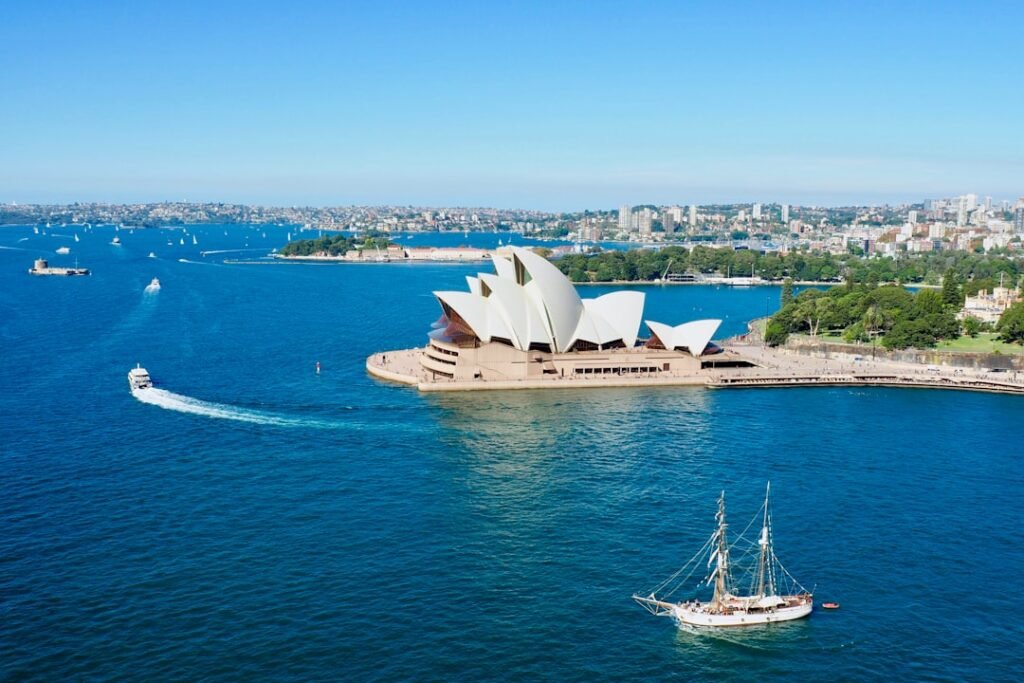
Sydney Harbor is often regarded as one of the most beautiful natural harbors in the world, framed by stunning coastal landscapes and dotted with iconic landmarks such as the Sydney Opera House and Sydney Harbour Bridge. The harbor serves as a vibrant hub for both locals and tourists alike, offering a plethora of activities ranging from sailing to dining at waterfront restaurants. A sailing excursion on Sydney Harbor provides an exhilarating way to experience its beauty while enjoying panoramic views of the city skyline and surrounding beaches.
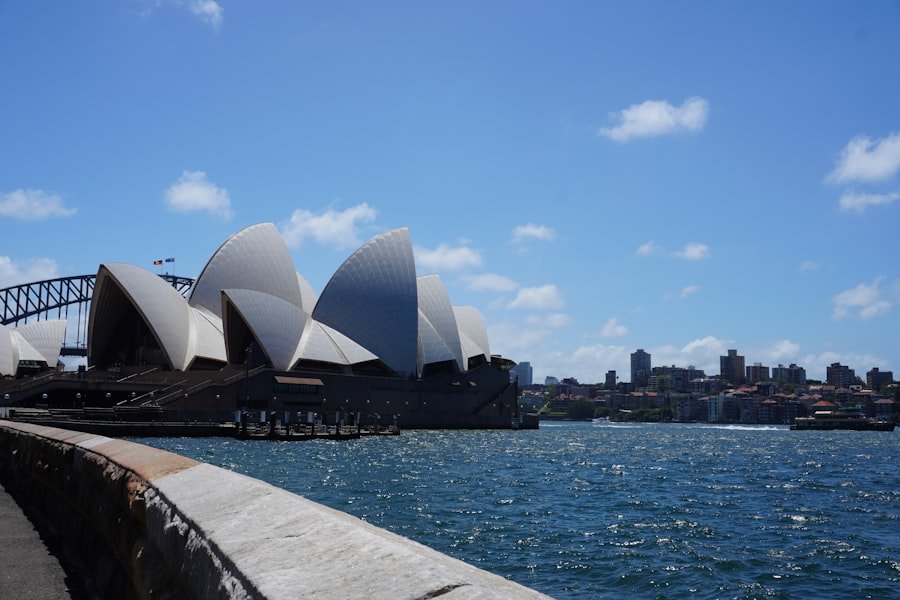
As visitors set sail across the sparkling waters of Sydney Harbor, they are treated to breathtaking vistas that showcase both natural beauty and architectural marvels. The Sydney Opera House stands out with its distinctive sail-like design, while the Sydney Harbour Bridge offers a striking contrast with its steel arch structure. Many sailing tours also include stops at picturesque beaches such as Manly Beach or Watsons Bay, where guests can take a dip in the ocean or enjoy a leisurely stroll along sandy shores.
The combination of stunning scenery and vibrant city life makes Sydney Harbor an essential destination for anyone looking to experience Australia’s largest city.
Queenstown: Embracing Adventure in the Adventure Capital of the World
Nestled on the shores of Lake Wakatipu and surrounded by majestic mountains, Queenstown is often referred to as the adventure capital of New Zealand. This picturesque town offers an array of adrenaline-pumping activities that cater to thrill-seekers from all walks of life. From bungee jumping off the iconic Kawarau Bridge to skydiving over breathtaking landscapes, Queenstown provides endless opportunities for adventure enthusiasts to push their limits while soaking in some of New Zealand’s most stunning scenery.
In addition to extreme sports, Queenstown also offers more leisurely pursuits such as hiking and wine tasting in nearby vineyards. The Remarkables mountain range provides numerous hiking trails that vary in difficulty, allowing visitors to explore alpine landscapes adorned with wildflowers during summer months or snow-capped peaks in winter. For those seeking relaxation after a day filled with adventure, Queenstown’s vibrant dining scene features an array of restaurants offering local cuisine paired with fine wines from nearby vineyards.
Whether it’s heart-pounding thrills or serene moments surrounded by nature, Queenstown truly embodies the spirit of adventure.
The Great Ocean Road: Road Tripping along the Stunning Coastline of Southern Australia
The Great Ocean Road is one of Australia’s most scenic coastal drives, stretching over 240 kilometers along Victoria’s southern coastline. This iconic route winds through lush rainforests, charming seaside towns, and dramatic cliffs overlooking the Southern Ocean. One of its most famous attractions is the Twelve Apostles—limestone stacks that rise majestically from the ocean floor—offering breathtaking views that draw visitors from around the world.
The journey along this coastal road is not just about reaching a destination; it’s about experiencing the diverse landscapes and rich history that define this remarkable region. As travelers embark on their road trip along the Great Ocean Road, they encounter numerous points of interest that showcase both natural beauty and cultural heritage. The coastal town of Lorne offers stunning beaches perfect for swimming or surfing, while Apollo Bay serves as a gateway to the Otways National Park—a haven for hiking enthusiasts seeking lush rainforests filled with waterfalls and wildlife.
Alongside these natural wonders are historical sites such as the Memorial Arch at Eastern View, which commemorates those who built this remarkable road during World War
Hobbiton: Stepping into the Magical World of The Lord of the Rings in New Zealand’s Countryside
Hobbiton is a film set located in Matamata on New Zealand’s North Island that brings J.R.R. Tolkien’s enchanting world to life. As one of the most beloved locations from “The Lord of the Rings” and “The Hobbit” film trilogies directed by Peter Jackson, Hobbiton offers fans an immersive experience where they can wander through meticulously crafted hobbit holes, lush gardens, and charming pathways reminiscent of Middle-earth itself.
The set has been preserved as a tourist attraction since filming concluded in 2012, allowing visitors to step into a fantastical realm filled with whimsy and wonder. Guided tours through Hobbiton provide insights into both its cinematic history and real-life agricultural roots. Visitors can explore iconic locations such as Bag End—the home of Bilbo Baggins—and enjoy a refreshing beverage at The Green Dragon Inn while soaking in views of rolling hills dotted with sheep grazing peacefully nearby.
The attention to detail in every aspect—from hand-painted signs to authentic props—creates an enchanting atmosphere that captivates fans young and old alike. For those seeking a unique blend of film magic and natural beauty, Hobbiton stands as a testament to New Zealand’s rich storytelling heritage while offering an unforgettable journey into a world where fantasy becomes reality.
If you’re planning a trip to Australia and New Zealand, you might find it helpful to explore some of the top tourist attractions in other destinations as well. For instance, check out this article on the top tourist attractions in San Francisco, which can provide inspiration for your travel itinerary and help you appreciate the diverse experiences that different regions offer.
FAQs
What are the best times to visit Australia and New Zealand?
The best time to visit Australia is during its spring (September to November) and autumn (March to May) when the weather is mild and pleasant. For New Zealand, the ideal time is during its summer months (December to February) for outdoor activities, though spring and autumn also offer good weather and fewer tourists.
Do I need a visa to travel to Australia and New Zealand?
Most travelers require a visa or travel authorization to enter Australia and New Zealand. Visitors from many countries can apply for an Electronic Travel Authority (ETA) for Australia and a New Zealand Electronic Travel Authority (NZeTA) for New Zealand. It is important to check the specific visa requirements based on your nationality before traveling.
What are the main attractions in Australia and New Zealand?
In Australia, popular attractions include the Sydney Opera House, Great Barrier Reef, Uluru, and the beaches of the Gold Coast. In New Zealand, key attractions are Fiordland National Park, Rotorua’s geothermal areas, Queenstown for adventure sports, and the Hobbiton movie set.
What currency is used in Australia and New Zealand?
Australia uses the Australian Dollar (AUD), while New Zealand uses the New Zealand Dollar (NZD). Both currencies are separate and not interchangeable.
Is it safe to travel to Australia and New Zealand?
Both Australia and New Zealand are considered safe travel destinations with low crime rates. However, travelers should always take standard precautions such as safeguarding personal belongings and being aware of local safety advice, especially when engaging in outdoor activities.
What languages are spoken in Australia and New Zealand?
English is the primary language spoken in both Australia and New Zealand. Additionally, in New Zealand, the Māori language is also an official language and is commonly used in cultural contexts.
What kind of transportation is available for tourists in Australia and New Zealand?
Both countries offer extensive transportation options including domestic flights, buses, trains, car rentals, and ferries. Renting a car is popular for exploring rural and scenic areas, while cities have reliable public transport systems.
Are there any health considerations for travelers to Australia and New Zealand?
Travelers should ensure they have appropriate travel insurance and check for any recommended vaccinations before traveling. Both countries have high standards of healthcare. It is also advisable to take sun protection seriously due to strong UV radiation in the region.
Can I use my mobile phone in Australia and New Zealand?
Most international mobile phones work in Australia and New Zealand, but it is recommended to check with your service provider about roaming charges or consider purchasing a local SIM card for better rates and coverage.
What is the time difference between Australia and New Zealand?
New Zealand is generally 2 to 3 hours ahead of the eastern states of Australia, depending on daylight saving time changes. Time zones vary across both countries due to their large geographic size.