
New Zealand’s South Island, often referred to as Te Waipounamu in the Māori language, is a land of breathtaking contrasts and stunning natural beauty. Spanning approximately 150,000 square kilometers, it is the larger of New Zealand’s two main islands and is renowned for its dramatic landscapes, ranging from towering mountains to serene lakes and lush forests. The South Island is not just a geographical marvel; it is a cultural tapestry woven with the rich history of the Māori people and the influences of European settlers.
This island serves as a canvas for adventure seekers, nature lovers, and those looking to immerse themselves in the unique heritage of New Zealand. The South Island is home to some of the most iconic landmarks in New Zealand, including the Southern Alps, which stretch along the spine of the island. These mountains are not only a playground for outdoor enthusiasts but also a vital part of the island’s ecosystem.
The region’s climate varies significantly, with coastal areas enjoying a temperate maritime climate while the interior experiences more extreme conditions. This diversity in climate contributes to the rich variety of flora and fauna found throughout the island, making it a prime destination for ecotourism and exploration.
Key Takeaways
- New Zealand’s South Island is renowned for its stunning and diverse landscapes, from mountains to coastlines.
- The island hosts unique wildlife, including rare bird species and marine life.
- Outdoor activities like hiking, skiing, and kayaking are popular attractions for adventure seekers.
- Conservation efforts focus on preserving natural habitats and promoting sustainable tourism.
- The South Island is rich in Maori culture and history, offering cultural experiences alongside natural beauty.
The Remarkable Landscapes of the South Island
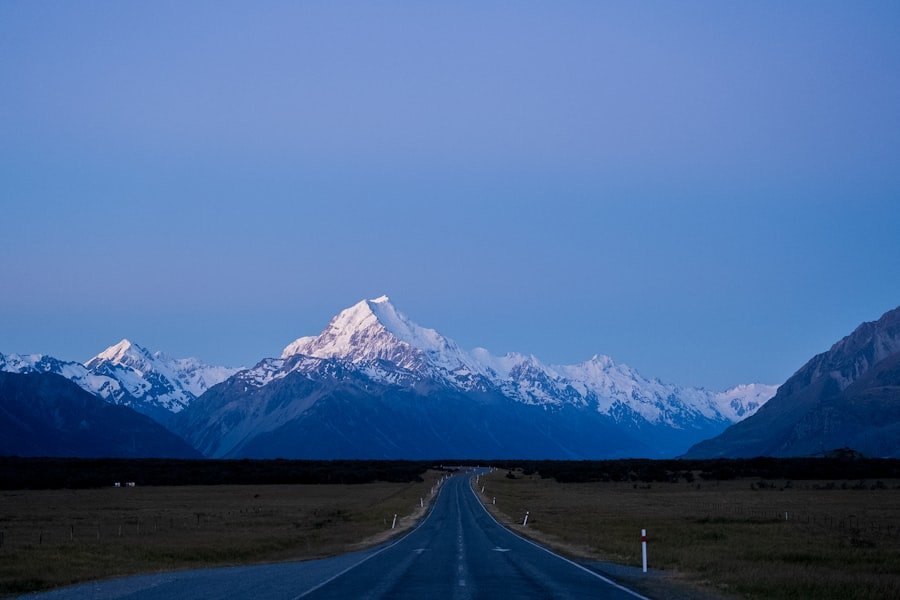
The landscapes of the South Island are nothing short of extraordinary, characterized by their dramatic topography and stunning vistas. The Southern Alps dominate the skyline, with peaks such as Aoraki/Mount Cook standing as the highest point in New Zealand at 3,724 meters. This majestic mountain is surrounded by a national park that features glaciers, alpine meadows, and crystal-clear lakes, creating a paradise for photographers and nature enthusiasts alike.
Beyond the mountains, the South Island boasts an array of stunning natural features. Fiordland National Park, a UNESCO World Heritage site, is famous for its deep fiords carved by ancient glaciers.
Milford Sound and Doubtful Sound are two of the most visited fiords, offering breathtaking views of sheer cliffs rising from the water and cascading waterfalls that plunge into the depths below. The region’s unique geography creates microclimates that support diverse ecosystems, making it a hotspot for biodiversity. The interplay of light and shadow across these landscapes creates an ethereal quality that draws artists and adventurers alike.
The Diverse Wildlife of the South Island
The South Island is a sanctuary for a wide variety of wildlife, some of which are endemic to New Zealand. The island’s diverse habitats range from coastal regions to alpine environments, providing homes for numerous species. One of the most iconic birds found here is the Kiwi, a flightless bird that has become a national symbol.
Kiwis are nocturnal and are often spotted in protected areas such as Okarito Forest or Stewart Island, where conservation efforts have been implemented to ensure their survival. In addition to Kiwis, the South Island is home to other unique species such as the Kea, a highly intelligent parrot known for its playful behavior and curiosity. These birds can often be seen in alpine regions, where they interact with hikers and explore their surroundings.
The marine life surrounding the South Island is equally impressive; dolphins, seals, and even whales can be spotted along the coastlines. Kaikoura, in particular, is famous for its whale-watching tours, where visitors can witness sperm whales and other marine mammals in their natural habitat.
Outdoor Adventures in the South Island
| Activity | Location | Average Duration | Difficulty Level | Best Season | Popular Spots |
|---|---|---|---|---|---|
| Hiking | Fiordland National Park | 4-8 hours | Moderate to Hard | Summer (Dec-Feb) | Milford Track, Routeburn Track |
| Bungee Jumping | Queenstown | 30 minutes | Moderate | Year-round | Kawarau Bridge, Nevis Bungy |
| Kayaking | Abel Tasman National Park | 2-6 hours | Easy to Moderate | Summer (Dec-Feb) | Coastal Bays, Marahau |
| Skiing/Snowboarding | Southern Alps | Full day | Varies (Beginner to Expert) | Winter (Jun-Aug) | Coronet Peak, Treble Cone |
| Mountain Biking | Queenstown | 2-5 hours | Moderate to Hard | Spring to Autumn | Queenstown Bike Park, Around the Basin |
| Skydiving | Wanaka | 1 hour | Moderate | Year-round | Wanaka Airfield |
For those seeking adventure, the South Island offers an abundance of outdoor activities that cater to all levels of experience. Hiking is one of the most popular pursuits, with trails ranging from leisurely walks to challenging multi-day treks. The Routeburn Track and the Abel Tasman Coast Track are two renowned Great Walks that showcase the island’s stunning scenery while providing opportunities for wildlife encounters and cultural experiences along the way.
In addition to hiking, adrenaline junkies can indulge in activities such as bungee jumping in Queenstown or skydiving over Lake Wakatipu. The region’s rivers also provide thrilling white-water rafting experiences, particularly on the Shotover River, where visitors can navigate through narrow canyons and experience exhilarating rapids. For those who prefer a more tranquil experience, kayaking in the serene waters of Abel Tasman National Park allows for close encounters with marine life while enjoying the stunning coastal scenery.
Conservation and Sustainability Efforts in the South Island
As tourism continues to grow in popularity on the South Island, so too does the need for sustainable practices to protect its unique ecosystems. Conservation efforts are paramount in preserving the delicate balance between human activity and environmental integrity. Various organizations and government initiatives focus on protecting endangered species and restoring habitats that have been impacted by invasive species or human development.
One notable example is the Department of Conservation (DOC), which manages numerous national parks and reserves across the South Island. DOC implements programs aimed at eradicating invasive pests such as rats and stoats that threaten native bird populations. Community involvement plays a crucial role in these efforts; local volunteers often participate in tree planting and habitat restoration projects to help safeguard their natural heritage.
By promoting responsible tourism practices and raising awareness about conservation issues, visitors can contribute positively to preserving the South Island’s remarkable landscapes for future generations.
The Maori Culture and History in the South Island
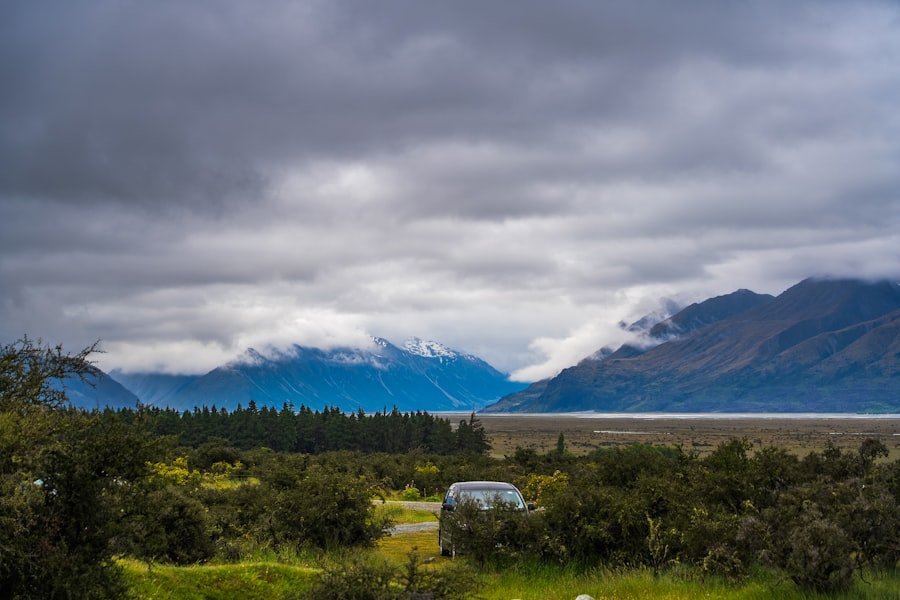
The Māori culture is deeply intertwined with the history and identity of New Zealand’s South Island. The indigenous Māori people arrived in New Zealand over a thousand years ago, bringing with them rich traditions, language, and customs that continue to thrive today. The South Island is home to several iwi (tribes), each with its own unique stories and connections to the land.
The Ngāi Tahu iwi is one of the largest tribes on the South Island and has played a significant role in shaping its cultural landscape. Māori legends often speak of creation stories tied to specific geographical features on the island. For instance, Aoraki/Mount Cook holds great significance in Māori mythology as it is believed to be the son of Ranginui (the sky father) and Papatūānuku (the earth mother).
Visitors can engage with Māori culture through guided tours that offer insights into traditional practices such as weaving, carving, and storytelling. These experiences provide a deeper understanding of how Māori people have historically interacted with their environment and how they continue to advocate for their cultural heritage today.
Must-Visit National Parks and Reserves in the South Island
The South Island boasts an impressive array of national parks and reserves that showcase its diverse landscapes and ecosystems. Fiordland National Park is perhaps one of the most famous, known for its dramatic fiords and pristine wilderness. Visitors can explore its vast network of hiking trails or take boat tours through its stunning waterways to witness towering cliffs and cascading waterfalls up close.
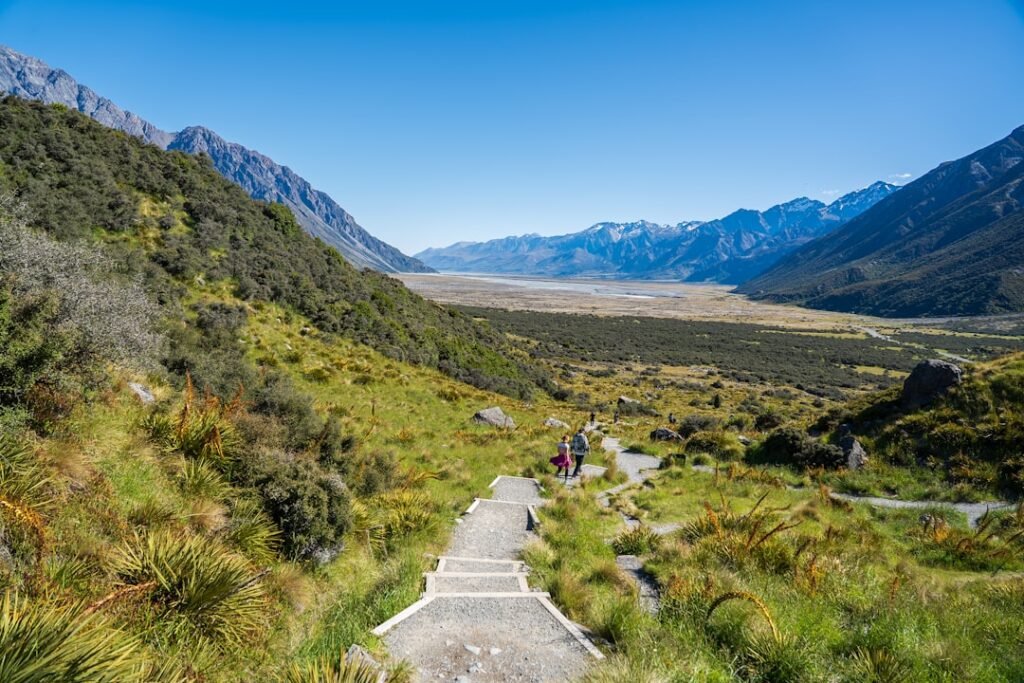
Another must-visit destination is Aoraki/Mount Cook National Park, which offers breathtaking views of New Zealand’s highest peak along with numerous hiking opportunities. The Hooker Valley Track is particularly popular among hikers for its relatively easy access to stunning glacial views and alpine scenery. Additionally, Arthur’s Pass National Park provides a unique opportunity to experience both lush beech forests and rugged mountain terrain within a single area.
Each park offers distinct experiences that highlight the natural beauty and ecological diversity found throughout the South Island.
Tips for Exploring the South Island of New Zealand
Exploring New Zealand’s South Island requires careful planning to make the most of your adventure while ensuring safety and enjoyment.
Layered clothing is advisable to accommodate varying temperatures while hiking or engaging in outdoor activities.
Transportation options vary widely across the island; renting a car or campervan provides flexibility to explore remote areas at your own pace. However, be mindful of road conditions, especially in mountainous regions where weather can impact travel times. Additionally, consider booking accommodations in advance during peak tourist seasons to secure your preferred lodging options.
Engaging with local communities can enhance your experience significantly; many towns offer cultural events or markets where visitors can learn about local crafts and cuisine. Lastly, always respect nature by following Leave No Trace principles—this includes disposing of waste properly and staying on designated trails—to help preserve the pristine environment that makes New Zealand’s South Island so special.
The South Island of New Zealand is renowned for its breathtaking landscapes, from the majestic peaks of the Southern Alps to the stunning fjords of Milford Sound. For those interested in exploring beautiful destinations around the world, you might find inspiration in this article about the most beautiful cities in the world, which highlights urban gems that complement the natural beauty found in places like New Zealand’s South Island.
FAQs
Where is the South Island located in New Zealand?
The South Island is the larger of the two main islands of New Zealand, situated to the south of the North Island, separated by the Cook Strait.
What are the major cities on the South Island?
The major cities on the South Island include Christchurch, Dunedin, Nelson, and Invercargill.
What is the climate like on the South Island?
The South Island has a varied climate, ranging from oceanic on the west coast with high rainfall, to drier and cooler conditions in the east. The Southern Alps influence weather patterns significantly.
What are some popular natural attractions on the South Island?
Popular natural attractions include Fiordland National Park, Aoraki / Mount Cook, Abel Tasman National Park, and the Southern Alps.
Is the South Island suitable for outdoor activities?
Yes, the South Island is renowned for outdoor activities such as hiking, skiing, mountain biking, fishing, and water sports.
How can one travel between the North and South Islands?
Travel between the islands is commonly done by ferry across the Cook Strait or by domestic flights connecting major cities.
What is the population of the South Island?
The South Island has a population of approximately 1.2 million people, making it less populated than the North Island.
Are there any unique wildlife species on the South Island?
Yes, the South Island is home to unique wildlife such as the kiwi bird, kea (a mountain parrot), and various marine mammals like seals and dolphins.
What languages are spoken on the South Island?
English is the predominant language, with Māori also recognized as an official language and spoken by some communities.
What is the best time to visit the South Island?
The best time to visit depends on activities; summer (December to February) is ideal for hiking and outdoor activities, while winter (June to August) is best for skiing.