
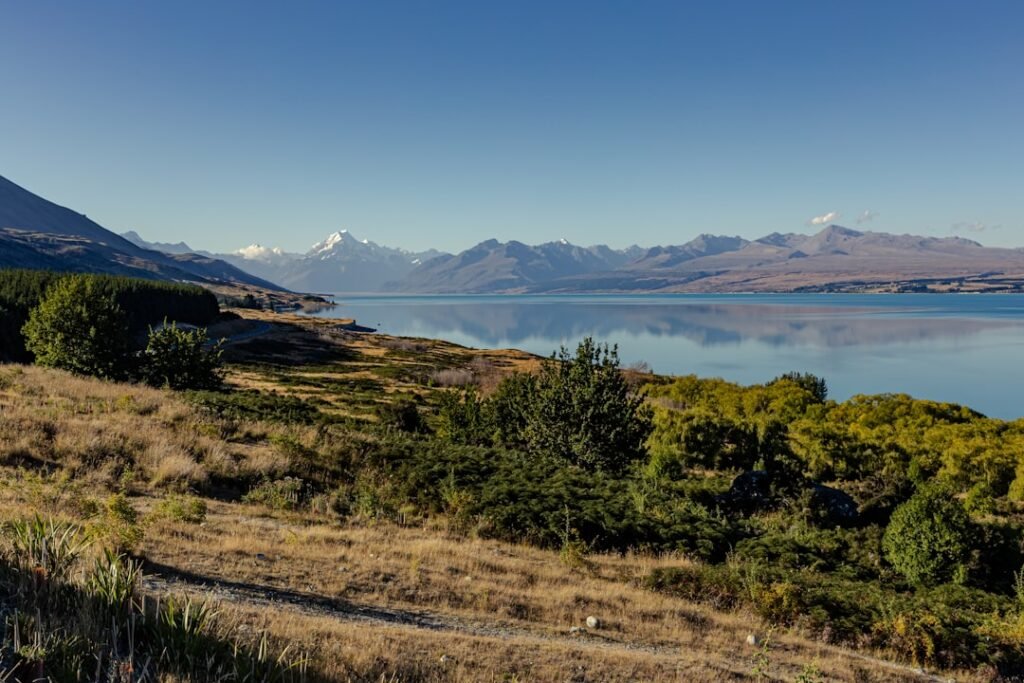

New Zealand, an island nation located in the southwestern Pacific Ocean, is renowned for its breathtaking landscapes, rich cultural heritage, and diverse ecosystems. Comprising two main landmasses, the North Island and the South Island, along with numerous smaller islands, New Zealand offers a unique blend of natural beauty and vibrant urban life. The country is characterized by its stunning fjords, towering mountains, lush forests, and pristine beaches, making it a paradise for nature lovers and adventure seekers alike.
With a population of just over five million people, New Zealand boasts a welcoming atmosphere that reflects its indigenous Maori culture and the influences of European settlers. The nation’s history is as diverse as its geography. The Maori were the first inhabitants, arriving from Polynesia around the 13th century.
Their rich traditions and customs continue to play a significant role in New Zealand’s identity today. European exploration began in the 17th century, with Dutch navigator Abel Tasman being the first European to reach the islands. Later, British colonization in the 19th century led to significant changes in the social and political landscape.
Today, New Zealand is celebrated for its progressive values, including a strong commitment to environmental conservation and social equity, making it an attractive destination for travelers seeking both adventure and cultural enrichment.
Key Takeaways
- New Zealand offers diverse natural wonders, from fjords to geothermal areas.
- Maori culture is integral to the New Zealand experience, with rich traditions and performances.
- Adventure activities like bungee jumping and hiking are popular for thrill-seekers.
- Cities like Auckland and Wellington provide vibrant cultural and culinary experiences.
- Sustainable travel practices are encouraged to preserve New Zealand’s unique environment.
Must-See Natural Wonders
New Zealand is home to some of the most awe-inspiring natural wonders on the planet. One of the most iconic sites is Milford Sound, located in Fiordland National Park on the South Island. Often described as the “eighth wonder of the world,” this stunning fjord features towering cliffs, cascading waterfalls, and an array of wildlife, including dolphins and seals.
Visitors can explore Milford Sound by taking a scenic cruise or kayaking through its tranquil waters, allowing them to fully appreciate the dramatic scenery that has captivated travelers for generations. Another remarkable natural wonder is the geothermal region of Rotorua on the North Island. This area is famous for its bubbling mud pools, steaming geysers, and vibrant mineral lakes.
The most famous geyser, Pohutu, erupts up to 30 meters high and is a testament to the geothermal activity that defines this region. Rotorua is also a hub for Maori culture, where visitors can experience traditional performances and feasts while surrounded by stunning landscapes. The combination of geothermal phenomena and cultural experiences makes Rotorua a must-visit destination for anyone traveling to New Zealand.
Experiencing Maori Culture
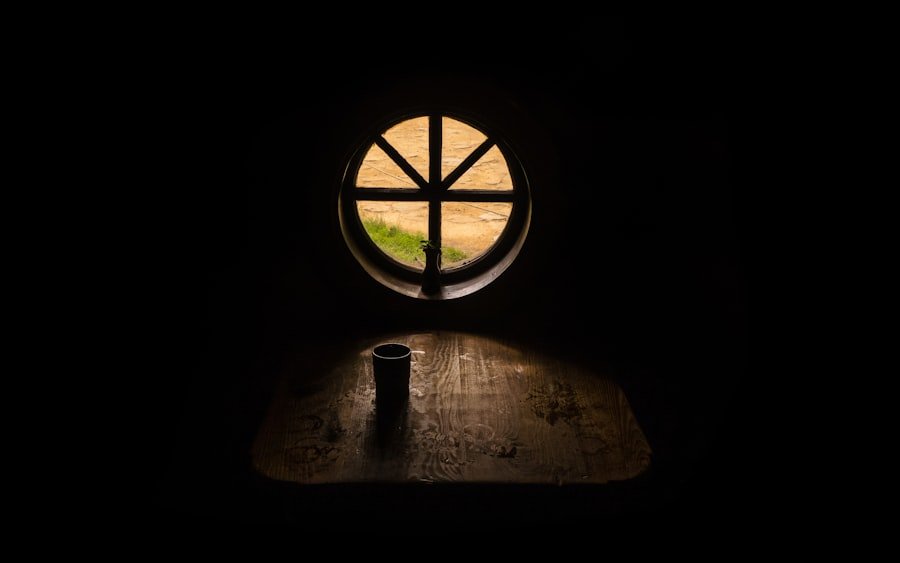
To truly understand New Zealand, one must delve into its rich Maori culture. The Maori people have a deep connection to the land and their traditions are woven into the fabric of New Zealand’s identity. One of the best ways to experience Maori culture is by visiting a marae, a communal meeting ground that serves as a focal point for Maori communities.
Many marae offer guided tours where visitors can learn about Maori customs, language, and art forms such as carving and weaving. Engaging with local iwi (tribes) provides insight into their history and contemporary issues facing Maori communities today. Cultural performances are another excellent way to immerse oneself in Maori traditions.
The haka, a traditional war dance characterized by vigorous movements and chanting, is perhaps the most well-known aspect of Maori culture. Visitors can witness this powerful performance at various cultural centers across the country, such as Te Puia in Rotorua or Tamaki Maori Village. These experiences not only entertain but also educate visitors about the significance of these rituals in Maori society.
By participating in a hangi feast—where food is cooked underground using heated stones—travelers can savor traditional Maori cuisine while gaining a deeper appreciation for their customs.
Adventure Activities in New Zealand
| Activity | Location | Average Duration | Difficulty Level | Popular Season | Typical Group Size |
|---|---|---|---|---|---|
| Bungee Jumping | Queenstown | 1-2 hours | Moderate | Year-round | 1-4 |
| Skydiving | Lake Taupo | 3-4 hours | High | Summer (Dec-Feb) | 1-2 |
| White Water Rafting | Rotorua | 2-3 hours | Moderate to High | Spring to Autumn | 4-8 |
| Hiking (Tramping) | Milford Track | 3-4 days | Moderate to High | Summer (Dec-Feb) | 1-10 |
| Jet Boating | Queenstown | 30-60 minutes | Low to Moderate | Year-round | 4-10 |
| Caving | Waitomo | 2-3 hours | Moderate | Year-round | 4-12 |
| Paragliding | Wanaka | 1-2 hours | Moderate | Summer to Autumn | 1-2 |
For thrill-seekers, New Zealand is an adventure playground offering an array of adrenaline-pumping activities set against stunning backdrops. Queenstown, often referred to as the “Adventure Capital of the World,” is a prime destination for those looking to push their limits. Here, visitors can try bungee jumping from the iconic Kawarau Bridge or take a leap from the Nevis Bungy, one of the highest jumps in the world at 134 meters.
The breathtaking views of Lake Wakatipu and the surrounding mountains add an extra layer of excitement to these heart-stopping experiences. In addition to bungee jumping, Queenstown offers opportunities for skiing and snowboarding during the winter months at nearby resorts like Coronet Peak and The Remarkables. In summer, activities shift to hiking and mountain biking on scenic trails that wind through lush landscapes.
The Routeburn Track and Ben Lomond Track are popular hiking routes that showcase New Zealand’s diverse flora and fauna while providing panoramic views that are nothing short of spectacular. For those who prefer water-based adventures, jet boating on the Shotover River or white-water rafting on the Kawarau River offers exhilarating experiences that highlight New Zealand’s rugged terrain.
Exploring New Zealand’s Cities
While New Zealand is celebrated for its natural beauty, its cities also offer unique experiences that reflect the country’s diverse culture and history. Auckland, the largest city in New Zealand, is often referred to as the “City of Sails” due to its stunning harbor filled with yachts and sailboats. Visitors can explore the Sky Tower for breathtaking views of the city skyline or take a ferry to nearby Waiheke Island, known for its vineyards and beautiful beaches.
Wellington, the capital city located at the southern tip of the North Island, is known for its creative spirit and vibrant atmosphere. The city’s compact size makes it easy to explore on foot, with highlights including Te Papa Tongarewa, New Zealand’s national museum that offers interactive exhibits on Maori culture and natural history.
The waterfront area is perfect for leisurely strolls or enjoying local coffee at one of the many cafes lining the harbor. Wellington’s thriving film industry is also evident in its many studios and film festivals, making it a hub for cinema enthusiasts.
Sampling New Zealand Cuisine
New Zealand’s culinary scene is as diverse as its landscapes, influenced by both indigenous Maori traditions and international flavors brought by immigrants over centuries. The country is known for its high-quality produce, fresh seafood, and world-class wines. One of the quintessential dishes to try is lamb, which is renowned for its tenderness and flavor due to New Zealand’s free-range farming practices.
Many restaurants feature lamb dishes prepared with local herbs and spices that highlight its natural taste. Seafood lovers will find plenty to indulge in as well; green-lipped mussels and crayfish are particularly popular choices. The coastal regions offer an abundance of fresh fish that can be enjoyed grilled or in traditional Maori dishes like ika mata—a raw fish salad marinated in lime juice with coconut cream.
Additionally, New Zealand’s wine regions produce exceptional wines, particularly Sauvignon Blanc from Marlborough and Pinot Noir from Central Otago. Wine tours through these regions provide an opportunity to sample local varietals while enjoying picturesque vineyard landscapes.
Tips for Sustainable Travel in New Zealand
As travelers increasingly seek ways to minimize their environmental impact, New Zealand stands out as a leader in sustainable tourism practices. Visitors are encouraged to respect local ecosystems by following guidelines such as staying on marked trails while hiking to protect native flora and fauna. Additionally, many national parks have implemented measures to preserve their natural beauty; adhering to these regulations ensures that future generations can enjoy these pristine environments.
Choosing eco-friendly accommodations is another way travelers can contribute to sustainability efforts in New Zealand. Many lodges and hotels prioritize environmentally responsible practices such as using renewable energy sources, minimizing waste through recycling programs, and sourcing food locally. Engaging with local communities through cultural experiences not only enriches one’s travel but also supports indigenous businesses and promotes cultural preservation.
By making conscious choices during their travels, visitors can help protect New Zealand’s unique landscapes while enjoying all that this remarkable country has to offer.
Making the Most of Your New Zealand Adventure
Embarking on an adventure in New Zealand promises an unforgettable experience filled with stunning landscapes, rich cultural encounters, and thrilling activities. From exploring natural wonders like Milford Sound and Rotorua’s geothermal parks to immersing oneself in Maori traditions and savoring local cuisine, every moment spent in this beautiful country offers something unique. Whether you’re seeking adrenaline-pumping adventures or tranquil moments in nature, New Zealand caters to all types of travelers.
By engaging with local cultures and supporting eco-friendly initiatives, you can enhance your travel experience while contributing positively to New Zealand’s communities and ecosystems. With so much to see and do across its diverse landscapes and vibrant cities, your adventure in New Zealand will undoubtedly leave you with lasting memories and a deeper appreciation for this extraordinary part of the world.
New Zealand is renowned for its stunning landscapes and vibrant culture, making it a top destination for travelers seeking adventure and natural beauty. If you’re looking for more travel inspiration, you might find it interesting to explore the most beautiful cities in the world, which showcases some breathtaking urban destinations that could complement your New Zealand itinerary.
FAQs
What are the best times to visit New Zealand as a tourist?
The best times to visit New Zealand are during the spring (September to November) and autumn (March to May) seasons when the weather is mild, and tourist crowds are smaller. Summer (December to February) is also popular but can be busy and more expensive.
Do I need a visa to travel to New Zealand?
Visa requirements depend on your nationality. Many countries’ citizens can enter New Zealand visa-free for short stays, but others need to apply for a visitor visa. It is recommended to check the official New Zealand immigration website for the most current information.
What are some must-see tourist attractions in New Zealand?
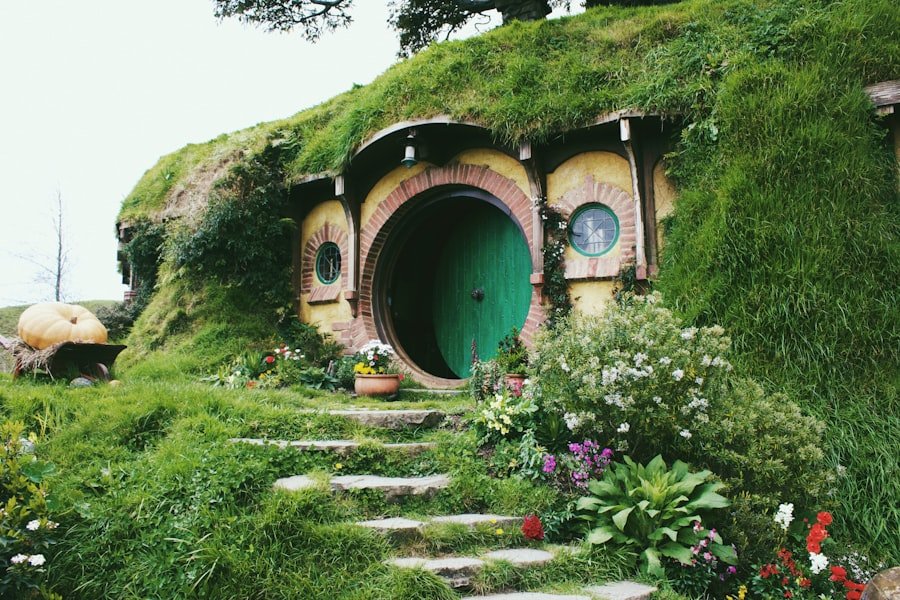
Popular attractions include Fiordland National Park and Milford Sound, Rotorua’s geothermal areas, Queenstown for adventure sports, the Hobbiton Movie Set, and the vibrant cities of Auckland and Wellington.
Is New Zealand safe for tourists?
Yes, New Zealand is generally considered a very safe destination for tourists. However, visitors should always take standard precautions, especially when engaging in outdoor activities or traveling in remote areas.
What currency is used in New Zealand?
The official currency is the New Zealand Dollar (NZD).
What language is spoken in New Zealand?
English is the predominant language spoken in New Zealand. Maori is also an official language and is used in cultural contexts.
What kind of outdoor activities can tourists enjoy in New Zealand?
Tourists can enjoy hiking, skiing, bungee jumping, skydiving, kayaking, whale watching, and many other outdoor and adventure activities.
Do I need travel insurance when visiting New Zealand?
While not mandatory, travel insurance is highly recommended to cover medical expenses, trip cancellations, and other unforeseen events.
What is the electrical plug type used in New Zealand?
New Zealand uses Type I electrical plugs with a standard voltage of 230V and frequency of 50Hz.
Are there any health precautions for travelers to New Zealand?
No specific vaccinations are required for entry, but it is advisable to be up to date on routine vaccines. Travelers should also be prepared for sun protection due to high UV levels.