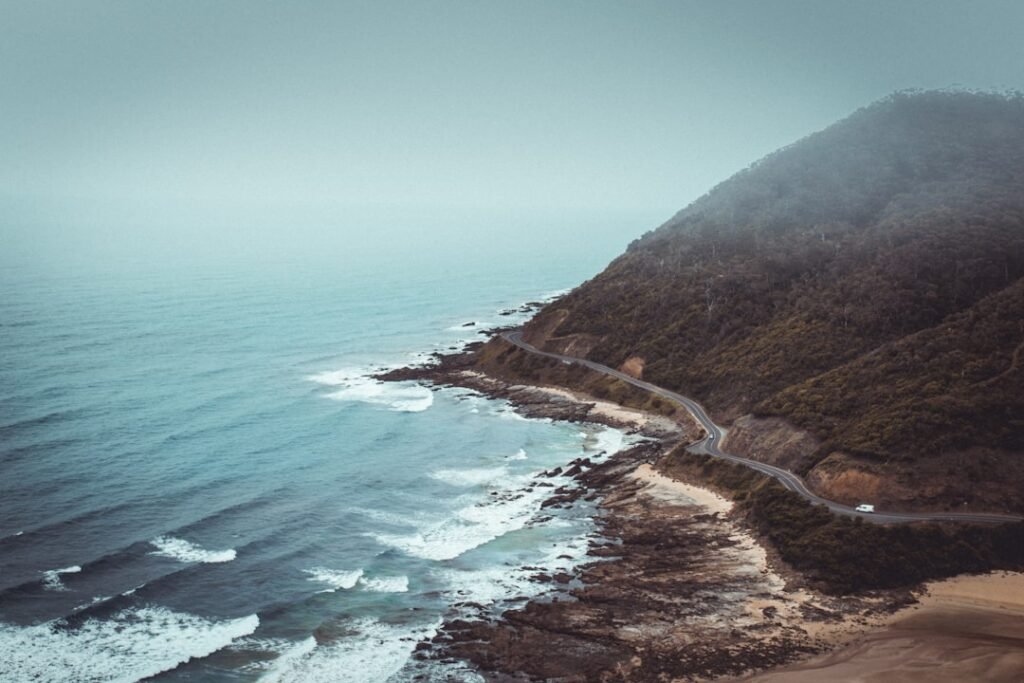

The Great Ocean Road, a stunning coastal drive in Victoria, Australia, is not only a marvel of engineering but also a testament to the resilience and vision of those who built it. Construction began in 1919 and was completed in 1932, primarily as a memorial to the soldiers who fought in World War
The road was designed to connect the coastal towns of Torquay and Allansford, providing access to the breathtaking scenery of the southern coastline. The project was spearheaded by returned soldiers, who faced numerous challenges, including harsh weather conditions and rugged terrain. Their determination and hard work resulted in a road that would become one of Australia’s most iconic tourist attractions.
The historical significance of the Great Ocean Road extends beyond its construction. It symbolizes the post-war era’s spirit of rebuilding and progress. The road has played a crucial role in the development of the region, transforming small fishing villages into thriving tourist destinations.
Over the decades, it has attracted millions of visitors from around the world, drawn by its natural beauty and cultural heritage. The Great Ocean Road is not just a route; it is a journey through time, showcasing the evolution of the Australian landscape and the communities that inhabit it.
Key Takeaways
- The Great Ocean Road was built by returned soldiers between 1919 and 1932, and is dedicated to soldiers killed during World War I.
- Must-see attractions along the Great Ocean Road include the Twelve Apostles, Loch Ard Gorge, and the London Arch.
- Wildlife encounters on the Great Ocean Road include spotting koalas at Kennett River and watching for whales at Logan’s Beach.
- The best beaches to visit on the Great Ocean Road are Bells Beach, Apollo Bay, and Lorne Beach.
- Adventure activities to try on the Great Ocean Road include surfing at Bells Beach, zip-lining in the Otway Ranges, and skydiving in Torquay.
- Exploring the rainforests and waterfalls along the Great Ocean Road can be done at Maits Rest, Melba Gully, and Erskine Falls.
- Hidden gems and local secrets of the Great Ocean Road include the Bay of Martyrs, the Grotto, and the Redwoods Forest.
- Tips for planning your Great Ocean Road adventure include allowing plenty of time for the journey, checking for road closures, and packing for changing weather conditions.
Must-See Attractions Along the Great Ocean Road
As travelers embark on their journey along the Great Ocean Road, they are greeted by a plethora of attractions that highlight the region’s natural beauty and cultural significance. One of the most famous landmarks is the Twelve Apostles, a collection of limestone stacks that rise majestically from the Southern Ocean. These towering formations were created through years of erosion and are best viewed at sunrise or sunset when they are bathed in golden light.
The visitor center nearby offers informative displays about the geological history of the area, making it an educational stop as well. Another must-see attraction is the Loch Ard Gorge, named after a shipwreck that occurred in 1878. This stunning gorge features dramatic cliffs and secluded beaches, providing a picturesque setting for exploration.
Visitors can take a short walk along the well-maintained paths to witness the breathtaking views from various lookout points. The area is steeped in history, with interpretive signs detailing the tragic tale of the Loch Ard shipwreck and its survivors. The combination of natural beauty and historical significance makes Loch Ard Gorge a highlight for many travelers.
Wildlife Encounters on the Great Ocean Road
| Year | Number of Wildlife Encounters | Types of Wildlife |
|---|---|---|
| 2018 | 120 | Koalas, Kangaroos, Echidnas |
| 2019 | 150 | Koalas, Wallabies, Possums |
| 2020 | 100 | Koalas, Kangaroos, Wombats |
The Great Ocean Road is not only renowned for its stunning landscapes but also for its rich biodiversity. The region is home to an array of wildlife, making it an ideal destination for nature enthusiasts and wildlife lovers alike. One of the best places to observe native Australian animals is in the Great Otway National Park, where visitors can spot koalas lounging in eucalyptus trees and kangaroos grazing in open fields.
The park’s diverse ecosystems provide habitats for various species, including wallabies, echidnas, and an impressive variety of birdlife. In addition to terrestrial wildlife, the coastal waters along the Great Ocean Road are teeming with marine life. Whale watching is a popular activity during migration seasons, particularly between June and September when southern right whales can be seen breaching and playing off the coast.
Several tour operators offer whale-watching excursions that provide an up-close experience with these magnificent creatures. For those interested in marine biodiversity, snorkeling or diving at locations like Port Campbell National Park reveals vibrant underwater ecosystems filled with colorful fish and unique marine species.
The Best Beaches to Visit on the Great Ocean Road
The Great Ocean Road boasts some of Australia’s most beautiful beaches, each offering its own unique charm and appeal. One standout destination is Bells Beach, famous for its powerful surf breaks and as a hotspot for surfers from around the globe. This iconic beach hosts annual surfing competitions, including the Rip Curl Pro, attracting elite surfers who come to test their skills against formidable waves.
Even for non-surfers, Bells Beach provides stunning views and a vibrant atmosphere, making it a perfect spot for sunbathing or enjoying a picnic. Another gem along the coastline is Lorne Beach, known for its picturesque setting framed by lush hills and vibrant coastal vegetation. This family-friendly beach offers calm waters ideal for swimming and is equipped with amenities such as cafes and playgrounds.
Lorne also serves as a gateway to nearby attractions like Erskine Falls, where visitors can take a short hike through the rainforest to witness cascading waters in a serene environment. The combination of beach relaxation and nature exploration makes Lorne Beach a favorite among families and outdoor enthusiasts alike.
Adventure Activities to Try on the Great Ocean Road
For those seeking adventure, the Great Ocean Road offers an abundance of thrilling activities that cater to adrenaline junkies and outdoor lovers. One popular option is surfing at various beaches along the route, with lessons available for beginners looking to catch their first wave. Experienced surfers can challenge themselves at renowned surf spots like Jan Juc or Anglesea, where consistent swells provide excellent conditions year-round.
Hiking is another exhilarating way to experience the natural beauty of the region. The Great Ocean Walk stretches over 100 kilometers along the coastline, offering breathtaking views of cliffs, beaches, and forests. Hikers can choose to tackle sections of the trail or embark on multi-day treks that allow for immersive experiences in nature.
Along the way, walkers may encounter diverse wildlife and stunning landscapes that change with each step. For those who prefer a bird’s-eye view, helicopter tours provide an unforgettable perspective of the coastline’s dramatic cliffs and rock formations.
Exploring the Rainforests and Waterfalls Along the Great Ocean Road
The Great Ocean Road is not solely defined by its coastal scenery; it also features lush rainforests and stunning waterfalls that showcase Victoria’s diverse ecosystems. The Otway Ranges are home to ancient rainforests filled with towering trees, ferns, and unique flora. Visitors can explore these enchanting forests through well-marked walking trails that lead to breathtaking viewpoints and hidden gems.
One of the highlights of this region is Triplet Falls, where water cascades down rocky cliffs into serene pools below. The surrounding rainforest creates a tranquil atmosphere perfect for relaxation or contemplation. Another notable waterfall is Hopetoun Falls, which plunges dramatically into a lush valley surrounded by dense vegetation.
Both falls are accessible via short hikes that allow visitors to immerse themselves in nature while enjoying spectacular views.
Hidden Gems and Local Secrets of the Great Ocean Road
While many attractions along the Great Ocean Road are well-known, there are also hidden gems waiting to be discovered by intrepid travelers willing to venture off the beaten path. One such secret is the picturesque town of Aireys Inlet, which boasts stunning coastal views and charming cafes. The Split Point Lighthouse here offers guided tours that provide insight into maritime history while rewarding visitors with panoramic vistas from its summit.
Another lesser-known treasure is the quaint village of Port Fairy, located at the end of the Great Ocean Road. This historic fishing port features beautifully preserved colonial architecture and a vibrant arts scene. Visitors can stroll along its charming streets lined with galleries and boutiques or relax at one of its many cafes overlooking the water.
Port Fairy also hosts various festivals throughout the year, showcasing local culture and creativity.
Tips for Planning Your Great Ocean Road Adventure
Planning a trip along the Great Ocean Road requires careful consideration to ensure an enjoyable experience. One essential tip is to allocate sufficient time for exploration; while some may attempt to complete the drive in a single day, taking two or three days allows for leisurely stops at attractions and hidden gems along the way. This approach enables travelers to fully appreciate the breathtaking scenery without feeling rushed.
Additionally, consider traveling during shoulder seasons—spring (September to November) or autumn (March to May)—to avoid peak tourist crowds while still enjoying pleasant weather conditions. Booking accommodations in advance is advisable, especially during peak seasons when popular spots can fill up quickly. Lastly, be sure to pack essentials such as sunscreen, water bottles, and comfortable walking shoes to make the most of outdoor activities along this iconic coastal route.
The Great Ocean Road in Australia is renowned for its breathtaking coastal views and iconic landmarks such as the Twelve Apostles. This scenic drive offers a unique experience similar to other famous road trips around the world. For those interested in exploring more scenic routes, a related article worth reading is about the picturesque journey from Montreal to Quebec City. This drive offers its own set of stunning landscapes and cultural experiences. You can find more details in the article titled “Scenic Road Trip: Montreal to Quebec City Drive” by visiting this link.
FAQs
What is the Great Ocean Road in Australia?
The Great Ocean Road is a 243-kilometer stretch of road along the southeastern coast of Australia, known for its stunning ocean views and natural attractions.
What are some of the main attractions along the Great Ocean Road?
Some of the main attractions along the Great Ocean Road include the Twelve Apostles rock formations, the Loch Ard Gorge, the Otway National Park, and the seaside towns of Lorne and Apollo Bay.
How long does it take to drive the Great Ocean Road?
It typically takes about 3-4 hours to drive the entire length of the Great Ocean Road without stopping. However, most visitors take at least a full day to explore the various attractions and scenic viewpoints along the way.
What is the best time of year to visit the Great Ocean Road?
The best time to visit the Great Ocean Road is during the Australian summer months of December to February, when the weather is warm and the days are long. However, it can be busy during this time, so some visitors prefer to visit during the shoulder seasons of spring and autumn.
Are there any guided tours available for the Great Ocean Road?
Yes, there are numerous guided tours available for the Great Ocean Road, ranging from day trips to multi-day excursions. These tours often include transportation, knowledgeable guides, and visits to the main attractions along the road.
What are some activities to do along the Great Ocean Road?
Some popular activities along the Great Ocean Road include surfing at Bells Beach, hiking in the Otway National Park, visiting the Cape Otway Lightstation, and wildlife spotting, including koalas and kangaroos.