
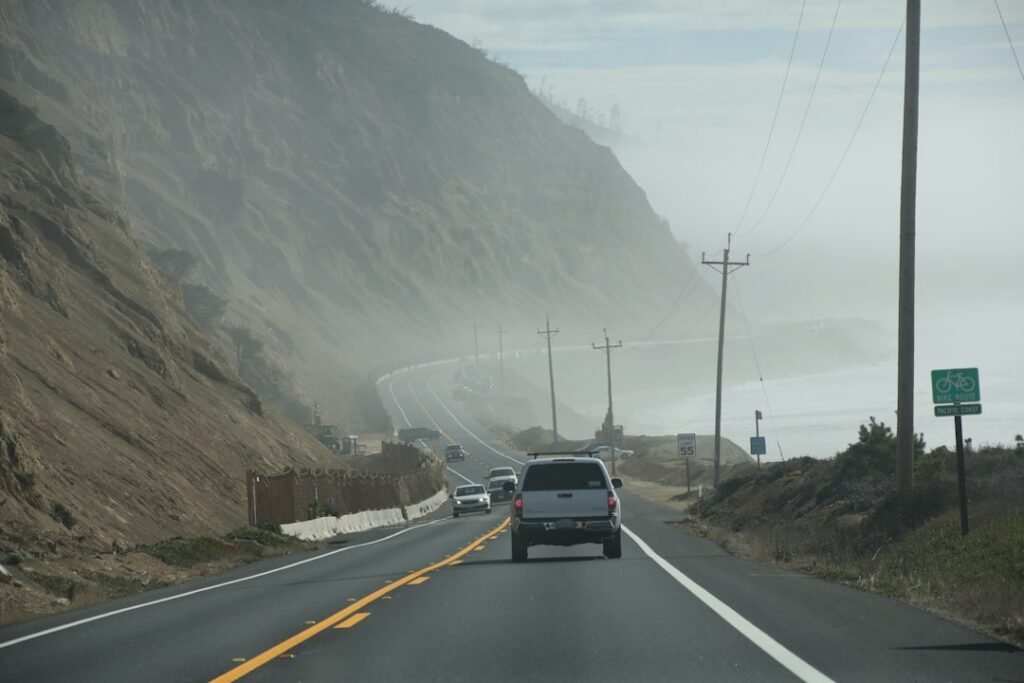

The Great Ocean Road, a stunning coastal drive in Victoria, Australia, is not only a marvel of engineering but also a testament to the resilience and vision of those who built it. Construction began in 1919, primarily as a memorial to the soldiers who fought in World War
The road was built by returned soldiers, who faced the daunting task of carving a path through rugged terrain and dense forests. This monumental project took over 13 years to complete, with the final section opening in 1932. The road stretches approximately 243 kilometers along the southeastern coast of Australia, from Torquay to Allansford, and has since become one of the most iconic scenic drives in the world.
The historical significance of the Great Ocean Road extends beyond its construction. It symbolizes the spirit of community and determination, as local residents rallied together to support the project. The road not only provided a vital link between isolated coastal towns but also opened up the region to tourism, which has since flourished.
The Great Ocean Road is now recognized as a National Heritage site, reflecting its cultural and historical importance. Over the decades, it has attracted millions of visitors, drawn by its breathtaking landscapes, rich history, and diverse ecosystems.
Key Takeaways
- The Great Ocean Road was built by returned soldiers between 1919 and 1932, and is dedicated to soldiers killed during World War I.
- The top attractions along the Great Ocean Road include the Twelve Apostles, Loch Ard Gorge, and the Great Otway National Park.
- Outdoor activities and adventures along the Great Ocean Road include surfing at Bells Beach, hiking in the Otway Ranges, and zip-lining through the treetops.
- Wildlife and nature encounters are abundant along the Great Ocean Road, with opportunities to spot koalas, kangaroos, and native bird species.
- The best places to eat and drink along the Great Ocean Road include seafood restaurants in Apollo Bay, wineries in the Hinterland, and cafes in Lorne.
The Top Attractions along the Great Ocean Road
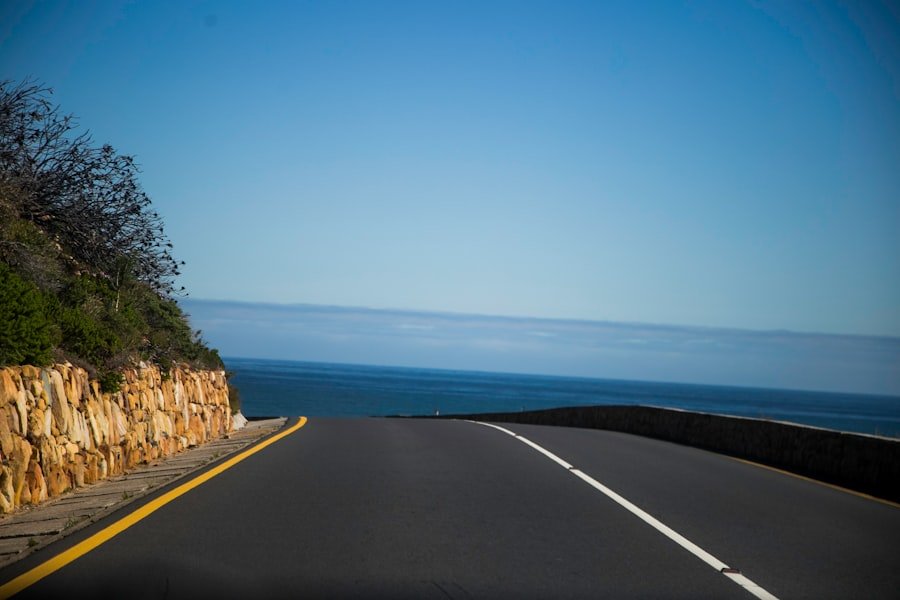
As travelers embark on their journey along the Great Ocean Road, they are greeted by a plethora of attractions that showcase the region’s natural beauty and cultural heritage. One of the most famous landmarks is the Twelve Apostles, a collection of limestone stacks that rise majestically from the Southern Ocean. These towering formations were created through centuries of erosion and are best viewed at sunrise or sunset when they are bathed in golden light.
The visitor center nearby offers informative displays about the geological processes that shaped this stunning coastline. Another must-see attraction is the Loch Ard Gorge, named after a shipwreck that occurred in 1878. This dramatic gorge features towering cliffs and a secluded beach, providing a picturesque setting for exploration.
Visitors can take a short walk along the well-maintained trails that lead to various lookout points, offering breathtaking views of the rugged coastline and crashing waves below. The area is steeped in history, with interpretive signs detailing the tragic tale of the Loch Ard shipwreck and its survivors, adding depth to the natural beauty surrounding it.
Outdoor Activities and Adventures
| Activity | Number of Participants | Distance (miles) | Duration (hours) |
|---|---|---|---|
| Hiking | 100 | 5 | 3 |
| Camping | 50 | N/A | 2 days |
| Kayaking | 30 | 10 | 4 |
| Rock Climbing | 20 | N/A | 6 |
The Great Ocean Road is a paradise for outdoor enthusiasts, offering a wide range of activities that cater to all levels of adventure seekers. Surfing is one of the most popular pastimes along this stretch of coastline, with world-renowned surf breaks such as Bells Beach attracting surfers from around the globe. The beach hosts annual surfing competitions, including the Rip Curl Pro, which showcases some of the best talent in the sport.
For those new to surfing, numerous schools offer lessons and equipment rentals, making it accessible for beginners. Hiking is another fantastic way to experience the natural wonders of the Great Ocean Road. The Great Ocean Walk stretches over 100 kilometers from Apollo Bay to the Twelve Apostles, providing hikers with an immersive experience in nature.
This trail winds through lush rainforests, along dramatic cliffs, and past pristine beaches. Along the way, walkers can encounter diverse flora and fauna while enjoying panoramic views of the coastline. For those looking for shorter hikes, there are numerous trails that lead to scenic lookouts and hidden coves, allowing visitors to tailor their experience based on their fitness levels and time constraints.
Wildlife and Nature Encounters
The Great Ocean Road is not only renowned for its stunning landscapes but also for its rich biodiversity. The region is home to an array of wildlife, making it an ideal destination for nature lovers and wildlife enthusiasts. One of the highlights is witnessing koalas in their natural habitat at Kennett River.
This small coastal town is famous for its resident koalas that can often be spotted lounging in eucalyptus trees along Grey River Road. Visitors can take a leisurely stroll through this area while keeping an eye out for these adorable marsupials. In addition to koalas, the Great Ocean Road offers opportunities to see kangaroos, emus, and various bird species in their natural environments.
The Otways National Park is particularly noteworthy for its diverse ecosystems, where visitors can explore lush rainforests teeming with life. Guided tours are available for those interested in learning more about the local flora and fauna, providing insights into conservation efforts and the importance of preserving these unique habitats. For marine life enthusiasts, whale watching tours operate during migration seasons, offering a chance to see these magnificent creatures up close as they breach and play in the waters off the coast.
The Best Places to Eat and Drink
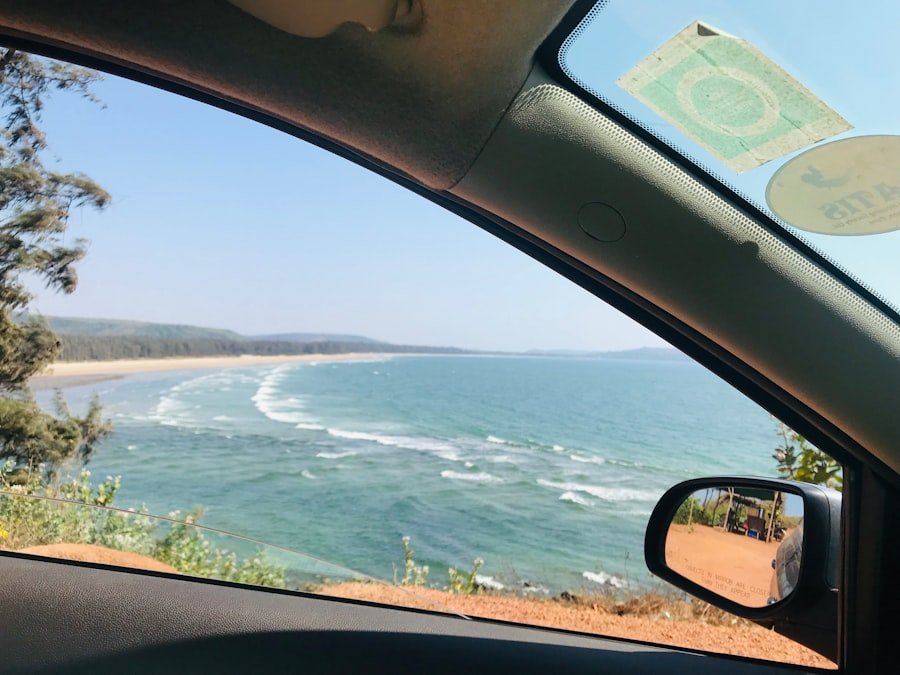
Culinary experiences along the Great Ocean Road are as diverse as its landscapes. From fresh seafood to artisanal cheeses and local wines, there is something to satisfy every palate. One standout destination is Apollo Bay, where visitors can indulge in freshly caught fish and chips at local eateries overlooking the harbor.
The town’s vibrant food scene also includes cafes serving locally roasted coffee and bakeries offering delectable pastries made from regional ingredients. For those seeking a more refined dining experience, several restaurants along the route focus on farm-to-table concepts, showcasing seasonal produce sourced from local farms. The Otway Harvest Trail is a culinary journey that highlights gourmet food producers in the region, including cheese makers, chocolatiers, and wineries.
Visitors can sample award-winning wines at vineyards nestled in picturesque settings while enjoying stunning views of rolling hills and vineyards. This emphasis on local produce not only enhances the dining experience but also supports sustainable practices within the community.
Accommodation Options along the Great Ocean Road
Travelers exploring the Great Ocean Road will find a wide range of accommodation options to suit various preferences and budgets. From luxury resorts with ocean views to cozy bed-and-breakfasts nestled in charming towns, there is something for everyone. For those seeking a unique experience, eco-friendly lodges and glamping sites offer an opportunity to immerse oneself in nature while enjoying modern comforts.
In towns like Lorne and Apollo Bay, visitors can choose from beachfront motels that provide easy access to sandy shores or self-contained apartments perfect for families or groups traveling together. For a more rustic experience, camping grounds are available within national parks, allowing guests to connect with nature under starry skies. Regardless of where one chooses to stay, each accommodation option provides a gateway to explore the breathtaking landscapes and attractions that define this iconic coastal drive.
Tips for Exploring the Great Ocean Road
To make the most of a journey along the Great Ocean Road, planning ahead is essential. Given its popularity among tourists, it’s advisable to start early in the day to avoid crowds at major attractions like the Twelve Apostles and Loch Ard Gorge. Additionally, taking time to explore lesser-known spots can lead to delightful discoveries away from the hustle and bustle.
Scenic lookouts such as Gibson Steps or London Arch offer stunning views without the crowds. Travelers should also consider their mode of transportation carefully; while driving is popular for flexibility, guided tours are available for those who prefer not to navigate themselves. These tours often include knowledgeable guides who share insights about local history and culture that enhance the experience.
Lastly, be sure to check weather conditions before embarking on outdoor activities; coastal weather can be unpredictable, so dressing in layers and being prepared for sudden changes can ensure a more enjoyable adventure.
Sustainable Travel Practices along the Great Ocean Road
As tourism continues to grow along the Great Ocean Road, it becomes increasingly important for visitors to adopt sustainable travel practices that protect this precious environment. One effective way to contribute is by minimizing waste; travelers are encouraged to carry reusable water bottles and shopping bags while avoiding single-use plastics whenever possible. Many towns along the route have recycling programs in place, making it easier for visitors to dispose of waste responsibly.
Engaging with local conservation efforts can also enhance one’s travel experience while supporting environmental sustainability. Participating in guided eco-tours led by knowledgeable locals not only provides insights into conservation practices but also fosters a deeper appreciation for the region’s unique ecosystems. Additionally, choosing accommodations that prioritize sustainability—such as those utilizing renewable energy sources or supporting local communities—can further contribute to preserving this iconic landscape for future generations.
By embracing these sustainable practices while exploring the Great Ocean Road, travelers can enjoy its breathtaking beauty while ensuring that it remains unspoiled for years to come.
If you’re planning a trip along the stunning Great Ocean Road in Victoria, you might also be interested in exploring other remarkable destinations. For instance, check out this article on the 50 Greatest Man-Made Wonders, which highlights incredible architectural feats around the world that could inspire your travel itinerary.
FAQs
What is the Great Ocean Road?
The Great Ocean Road is a 243-kilometer stretch of road along the southeastern coast of Australia, known for its stunning coastal scenery and natural landmarks.
Where does the Great Ocean Road start and end?
The Great Ocean Road starts at Torquay and ends at Allansford, near Warrnambool, in the state of Victoria, Australia.
What are some of the main attractions along the Great Ocean Road?
Some of the main attractions along the Great Ocean Road include the Twelve Apostles, Loch Ard Gorge, The Grotto, London Arch, and the Otway National Park.
How long does it take to drive the Great Ocean Road?
It typically takes around 3-4 hours to drive the Great Ocean Road without stopping, but most visitors take at least a full day to explore the area and its attractions.
What are some activities to do along the Great Ocean Road?
Visitors can enjoy activities such as hiking, surfing, wildlife spotting, visiting lighthouses, and exploring the coastal towns and villages along the Great Ocean Road.
When is the best time to visit the Great Ocean Road?
The best time to visit the Great Ocean Road is during the Australian summer (December to February) when the weather is warm and the days are longer. However, it can be busy during this time, so some visitors prefer to visit during the shoulder seasons of spring and autumn.