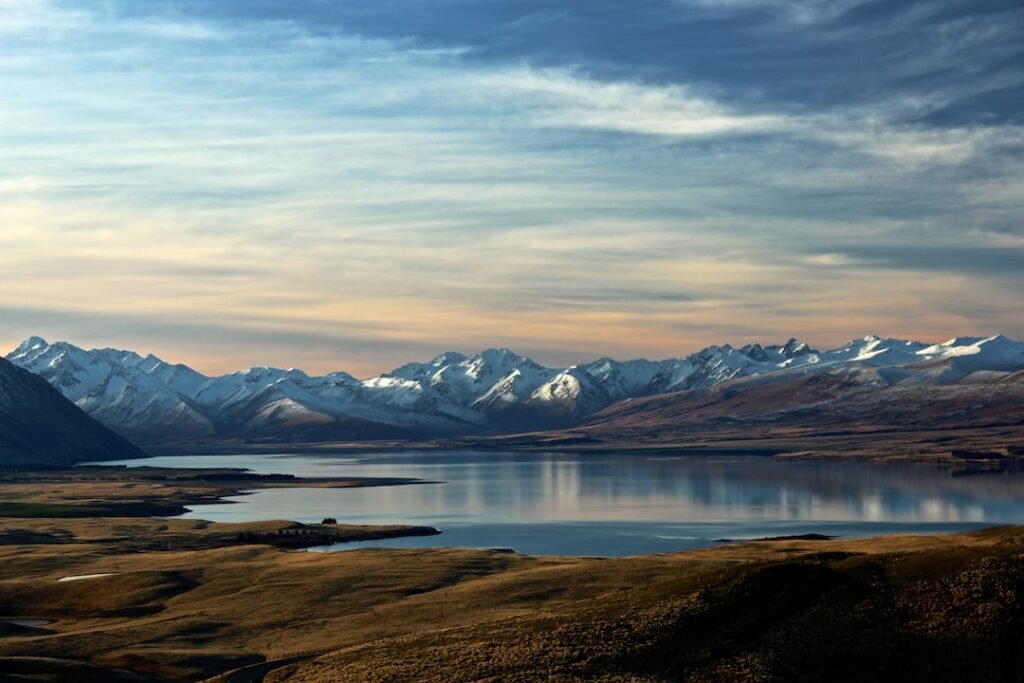

Fiordland National Park, located in the southwestern corner of New Zealand’s South Island, is a breathtaking expanse of natural beauty that showcases some of the most dramatic landscapes in the world. Established in 1952, this UNESCO World Heritage site spans over 1.2 million acres and is characterized by its steep mountains, deep fiords, and lush rainforests. The park is home to a variety of ecosystems, ranging from alpine environments to temperate rainforests, making it a biodiversity hotspot.
The iconic fiords, such as Milford Sound and Doubtful Sound, are carved by ancient glaciers and are surrounded by towering cliffs that rise dramatically from the water’s edge. Visitors to Fiordland National Park can engage in a multitude of outdoor activities that allow them to immerse themselves in its stunning scenery. Hiking is particularly popular, with trails like the Routeburn Track and the Kepler Track offering breathtaking views of the surrounding landscapes.
The park is also a haven for wildlife enthusiasts; it is home to unique species such as the endangered takahe and the kea, a highly intelligent alpine parrot. Kayaking in the serene waters of the fiords provides an intimate experience with nature, allowing paddlers to glide past waterfalls and observe marine life, including seals and dolphins. The combination of dramatic topography and rich biodiversity makes Fiordland National Park a must-visit destination for nature lovers and adventure seekers alike.
Key Takeaways
- Fiordland National Park offers stunning fjords and diverse wildlife.
- The Bay of Islands is known for its beautiful beaches and marine activities.
- The Tongariro Alpine Crossing is a popular and challenging hiking trail.
- The Hobbiton Movie Set provides a unique glimpse into the world of The Lord of the Rings.
- The Waitomo Glowworm Caves feature mesmerizing glowworm displays underground.
The Bay of Islands
The Bay of Islands, situated in the Northland region of New Zealand, is a stunning maritime playground that consists of over 140 islands and islets. This area is renowned for its crystal-clear waters, sandy beaches, and vibrant marine life, making it a popular destination for both locals and tourists. The Bay of Islands is steeped in history; it was one of the first areas settled by Europeans in New Zealand and played a significant role in the country’s early interactions with Māori culture.
The town of Russell, once known as Okiato, was the first capital of New Zealand and is rich in historical significance. Exploring the Bay of Islands offers a plethora of activities that cater to various interests. For those seeking adventure, sailing, fishing, and diving are popular pursuits that allow visitors to experience the region’s abundant marine life up close.
The area is famous for its dolphin-watching tours, where visitors can encounter playful pods of dolphins in their natural habitat. Additionally, the Bay of Islands is dotted with charming towns and villages, each offering unique experiences. Paihia serves as a gateway to the bay and features beautiful beaches and cultural attractions, while Kerikeri is known for its artisan markets and historic sites like the Stone Store and Kemp House.
The Bay of Islands encapsulates the essence of New Zealand’s coastal beauty and rich heritage.
The Tongariro Alpine Crossing
The Tongariro Alpine Crossing is often hailed as one of the best day hikes in New Zealand and is located within Tongariro National Park on the North Island. This 19.4-kilometer trek takes adventurers through a diverse landscape that includes volcanic craters, emerald lakes, and rugged mountain terrain. The park itself is a UNESCO World Heritage site, recognized for its cultural significance to the Māori people as well as its geological features.
The crossing offers hikers an opportunity to witness the raw power of nature, with active volcanoes such as Mount Tongariro and Mount Ngauruhoe dominating the skyline. Hiking the Tongariro Alpine Crossing requires a good level of fitness due to its challenging terrain and variable weather conditions. The trail begins at Mangatepopo Valley and ascends steeply to the Red Crater, which provides panoramic views of the surrounding landscape.
One of the highlights of the hike is the stunning Emerald Lakes, which are formed from volcanic activity and are known for their vibrant turquoise color. As hikers traverse the crossing, they may encounter unique geological formations such as steam vents and sulfur deposits, showcasing the area’s volcanic activity. The experience culminates in a descent through lush vegetation back to the valley floor, providing a stark contrast to the alpine environment encountered earlier in the hike.
The Tongariro Alpine Crossing is not just a physical challenge; it is an immersive journey through one of New Zealand’s most remarkable natural wonders.
The Hobbiton Movie Set
| Metric | Details |
|---|---|
| Location | Matamata, New Zealand |
| Established | 1999 |
| Area Covered | 12 acres |
| Number of Hobbit Holes | 44 |
| Annual Visitors | Approximately 250,000 |
| Tour Duration | 2 hours |
| Guided Tours Available | Yes |
| Original Film Use | The Lord of the Rings & The Hobbit trilogies |
| On-site Amenities | Green Dragon Inn, gift shop, café |
Nestled in the picturesque countryside of Matamata on the North Island lies the Hobbiton Movie Set, an enchanting destination that transports visitors into the world of J.R.R. Tolkien’s Middle-earth. This meticulously crafted film set was created for Peter Jackson’s adaptation of “The Lord of the Rings” and “The Hobbit” trilogies.
The set features 44 unique hobbit holes, each with its own distinct character and charm, along with iconic locations such as Bag End, the Green Dragon Inn, and the Party Tree. The attention to detail in Hobbiton is astounding; from the lush gardens to the intricate doorways, every aspect has been designed to create an authentic experience. Visitors to Hobbiton can take guided tours that delve into both the filmmaking process and the rich lore behind Tolkien’s works.
During these tours, guests can explore the charming village at their own pace while learning about how various scenes were filmed. The experience is enhanced by knowledgeable guides who share behind-the-scenes stories and insights into the production process. Additionally, guests have the opportunity to enjoy a meal or drink at the Green Dragon Inn, where they can savor traditional fare inspired by the films.
The Hobbiton Movie Set not only celebrates cinematic history but also captures the imagination of fans from around the world, making it a must-visit destination for those enchanted by Tolkien’s literary legacy.
The Waitomo Glowworm Caves
The Waitomo Glowworm Caves are a natural wonder located on New Zealand’s North Island that offer a mesmerizing underground experience unlike any other. These limestone caves are famous for their population of glowworms (Arachnocampa luminosa), which emit a bioluminescent light that creates a magical atmosphere within the caverns. Discovered in 1887 by local Māori chief Tane Tinorau and his wife, these caves have since become a popular tourist attraction that draws visitors eager to witness this unique phenomenon.
Exploring the Waitomo Glowworm Caves typically involves guided boat tours that navigate through dark passages illuminated by thousands of tiny glowing lights overhead. As visitors glide silently along the underground river, they are treated to an ethereal display reminiscent of a starry night sky. The glowworms’ light serves not only as a captivating sight but also as a means for them to attract prey; they use silk threads to ensnare small insects that are drawn to their glow.
In addition to glowworm viewing, visitors can also explore other sections of the cave system that feature stunning stalactites and stalagmites formed over thousands of years. For those seeking adventure, options such as black-water rafting or abseiling provide an adrenaline-fueled way to experience this subterranean wonderland.
The Franz Josef Glacier
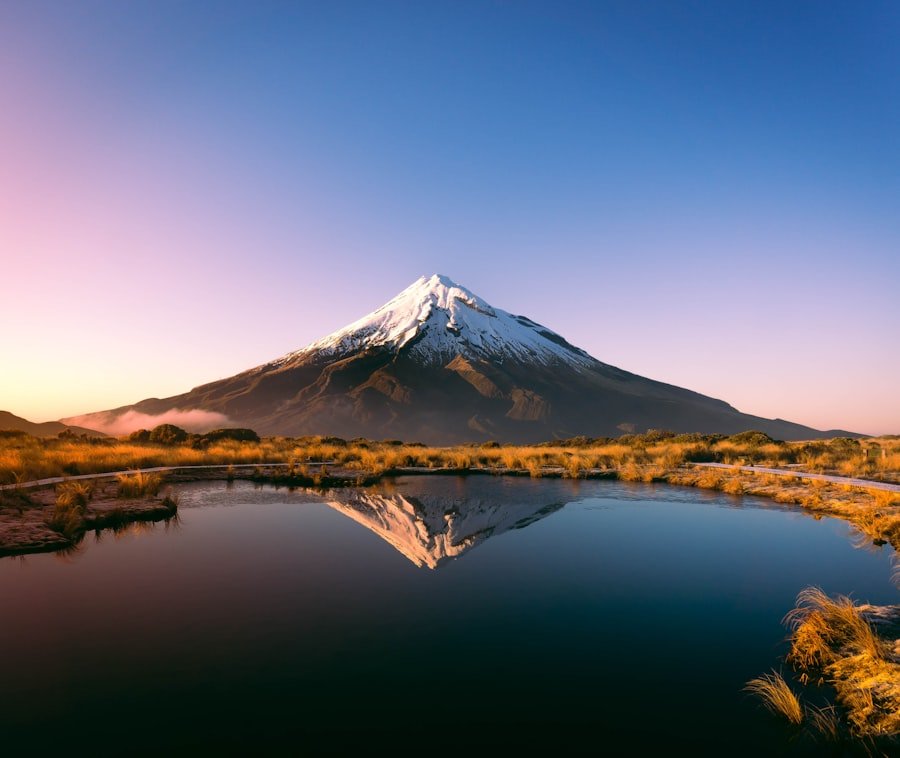
Franz Josef Glacier is one of New Zealand’s most accessible glaciers and is located within Westland Tai Poutini National Park on the South Island’s West Coast. This remarkable glacier descends from the Southern Alps into lush temperate rainforest, creating a striking contrast between ice and greenery. Spanning approximately 12 kilometers in length, Franz Josef Glacier is renowned for its dynamic nature; it advances rapidly compared to other glaciers around the world due to its unique climatic conditions.
Visitors to Franz Josef Glacier can engage in various activities that allow them to explore this icy wonder up close. Guided glacier hikes provide an opportunity for adventurers to traverse crevasses and ice formations while learning about glaciology from experienced guides. For those seeking an aerial perspective, helicopter tours offer breathtaking views of both the glacier itself and the surrounding landscape, including nearby peaks and rainforests.
Additionally, visitors can soak in hot pools at Franz Josef Glacier Village after a day of exploration, providing a relaxing way to unwind amidst stunning scenery. The combination of adventure and natural beauty makes Franz Josef Glacier an unforgettable destination for those looking to experience New Zealand’s dramatic landscapes.
The Abel Tasman National Park
Abel Tasman National Park is located at the northern tip of New Zealand’s South Island and is celebrated for its stunning coastal scenery and diverse ecosystems. Established in 1942, this national park encompasses golden sandy beaches, crystal-clear waters, lush forests, and vibrant marine life. It is named after Dutch explorer Abel Tasman, who was the first European to sight New Zealand in 1642.
The park’s unique combination of land and sea makes it an ideal destination for outdoor enthusiasts seeking adventure amidst breathtaking natural beauty. One of the most popular ways to explore Abel Tasman National Park is through its renowned coastal track, which stretches approximately 60 kilometers along the coastline. Hikers can experience pristine beaches, tidal estuaries, and lush native bush while encountering wildlife such as seals, dolphins, and various bird species along the way.
Kayaking is another popular activity that allows visitors to navigate sheltered bays and discover hidden coves while enjoying close encounters with marine life. For those looking for a more leisurely experience, boat cruises offer scenic views of the coastline while providing opportunities for swimming or snorkeling in crystal-clear waters. Abel Tasman National Park embodies New Zealand’s commitment to preserving its natural heritage while offering visitors an array of activities that celebrate its stunning landscapes.
The Milford Sound
Milford Sound is often regarded as one of New Zealand’s most iconic natural attractions and is located within Fiordland National Park on the South Island. This breathtaking fiord features towering cliffs that rise dramatically from deep blue waters, creating a stunning visual spectacle that has captivated travelers for generations. Formed by glacial activity during the last Ice Age, Milford Sound boasts numerous waterfalls that cascade down its sheer rock faces during periods of rainfall, adding to its ethereal beauty.
Visitors can explore Milford Sound through various means, including scenic cruises that provide an up-close view of its majestic landscapes. These cruises often include opportunities to spot wildlife such as fur seals basking on rocks or dolphins swimming alongside boats. For those seeking adventure on land, hiking trails like the Milford Track offer stunning vistas while traversing lush rainforests and alpine environments leading up to breathtaking viewpoints overlooking the fiord itself.
Additionally, kayaking provides an intimate way to experience Milford Sound’s tranquil waters while allowing paddlers to navigate into secluded areas often missed by larger vessels. With its dramatic scenery and rich biodiversity, Milford Sound stands as a testament to New Zealand’s unparalleled natural beauty and remains an essential destination for anyone exploring this remarkable country.
If you’re planning a trip to New Zealand and looking for breathtaking landscapes and unique experiences, you might also be interested in exploring other stunning destinations around the world. For instance, you can check out this article on the top places to visit in Croatia, which offers a glimpse into the beautiful coastal towns and rich history of the region. You can read more about it in this Croatia travel guide.
FAQs
What are some must-visit places in New Zealand?
New Zealand is known for its stunning natural landscapes. Must-visit places include Fiordland National Park, Milford Sound, Rotorua, Queenstown, the Bay of Islands, Tongariro National Park, and the Franz Josef Glacier.
When is the best time to visit New Zealand?
The best time to visit New Zealand depends on your interests. Summer (December to February) is ideal for outdoor activities and beaches, while winter (June to August) is perfect for skiing and snowboarding. Spring and autumn offer mild weather and fewer tourists.
How can I travel around New Zealand?
Travel options include renting a car or campervan, domestic flights, buses, and guided tours. Driving is popular for flexibility, but distances can be long, so plan accordingly.
Are there any famous hiking trails in New Zealand?
Yes, New Zealand is famous for its hiking trails, known as “Great Walks.” Popular ones include the Tongariro Alpine Crossing, Routeburn Track, Milford Track, and Abel Tasman Coast Track.
Do I need a visa to visit New Zealand?
Visa requirements depend on your nationality. Many countries’ citizens can enter New Zealand visa-free for short stays, but others need to apply for a visa or a New Zealand Electronic Travel Authority (NZeTA) before arrival.
What currency is used in New Zealand?
The currency used in New Zealand is the New Zealand Dollar (NZD).
Is New Zealand safe for tourists?
Yes, New Zealand is generally very safe for tourists. However, standard travel precautions should be taken, especially when engaging in outdoor activities or traveling in remote areas.
What languages are spoken in New Zealand?
English is the predominant language spoken in New Zealand. Maori is also an official language and is commonly used in cultural contexts.
Are there any unique wildlife experiences in New Zealand?
Yes, New Zealand offers unique wildlife experiences such as spotting kiwi birds, visiting penguin colonies, and marine life tours including dolphin and whale watching.
What cultural experiences can I enjoy in New Zealand?
Visitors can experience Maori culture through traditional performances, hangi feasts, art, and visiting cultural centers such as Te Puia in Rotorua.