
New Zealand, an island nation located in the southwestern Pacific Ocean, is renowned for its breathtaking landscapes, rich cultural heritage, and diverse ecosystems. Comprising two main landmasses, the North Island and the South Island, along with numerous smaller islands, New Zealand is a haven for nature lovers and adventure seekers alike. The country is characterized by its stunning geographical features, ranging from majestic mountains and lush forests to pristine beaches and vibrant cities.
The indigenous Māori culture adds a unique dimension to the nation’s identity, with its traditions, language, and art deeply woven into the fabric of New Zealand society. The country’s relatively small population of around five million people contributes to its charm, allowing for a sense of community and connection with nature that is often hard to find in more densely populated regions. New Zealand’s economy is largely driven by agriculture, tourism, and technology, with the latter two sectors increasingly gaining prominence.
The nation has positioned itself as a global leader in sustainable practices, making significant strides in conservation and environmental protection. This commitment to preserving its natural beauty is evident in the numerous national parks and protected areas that dot the landscape, each offering unique experiences for visitors.
Key Takeaways
- New Zealand offers diverse natural attractions, from national parks to unique geological sites.
- Fiordland National Park and Milford Sound are renowned for stunning fjords and dramatic landscapes.
- Hobbiton Movie Set provides a popular cultural experience linked to the “Lord of the Rings” films.
- Tongariro National Park features active volcanoes and is a UNESCO World Heritage site.
- Waitomo Caves and Abel Tasman National Park showcase unique underground formations and coastal beauty.
Fiordland National Park
Fiordland National Park, located in the southwestern corner of the South Island, is one of New Zealand’s most spectacular natural wonders. Spanning over 1.2 million hectares, it is home to some of the most dramatic scenery in the world, characterized by towering peaks, deep fiords, and cascading waterfalls. The park is part of the Te Wahipounamu World Heritage Site, recognized for its outstanding natural beauty and ecological significance.
Visitors to Fiordland are often awestruck by the sheer scale of the landscape, where ancient glaciers have carved out deep valleys that are now filled with seawater. One of the most iconic features of Fiordland National Park is Milford Sound, a stunning fiord that attracts thousands of tourists each year. The journey to Milford Sound itself is an adventure, with winding roads that offer breathtaking views of mountains and lakes.
Once at the fiord, visitors can embark on boat cruises that provide an up-close look at the towering cliffs and waterfalls that define the area. The park is also home to a variety of wildlife, including rare species such as the kea, a highly intelligent parrot known for its playful behavior. Hiking enthusiasts can explore the numerous trails within the park, including the famous Milford Track, often referred to as one of the finest walks in the world.
Hobbiton Movie Set

For fans of J.
R. Tolkien’s literary works and Peter Jackson’s film adaptations, a visit to the Hobbiton Movie Set is a must. Located near Matamata on the North Island, this enchanting site brings to life the idyllic village of Hobbiton as depicted in “The Lord of the Rings” and “The Hobbit” trilogies.
The set was meticulously constructed to reflect the whimsical architecture and lush landscapes described in Tolkien’s novels. Visitors can wander through the charming streets lined with hobbit holes, each uniquely designed with colorful doors and vibrant gardens. The experience at Hobbiton goes beyond mere sightseeing; guided tours provide insights into the filmmaking process and the attention to detail that went into creating this magical world.
Tour guides share fascinating anecdotes about the actors’ experiences on set and the challenges faced during production. One highlight of the tour is a visit to the Green Dragon Inn, where guests can enjoy a complimentary beverage while soaking in the atmosphere of this iconic location. The set is not only a tribute to Tolkien’s imagination but also a testament to New Zealand’s prowess in film production, drawing fans from around the globe who wish to immerse themselves in this cinematic wonderland.
Tongariro National Park
| Metric | Value | Unit |
|---|---|---|
| Location | North Island, New Zealand | – |
| Area | 797 | km² |
| Established | 1887 | Year |
| UNESCO World Heritage Site | Yes | – |
| Highest Peak | Mount Ruapehu | – |
| Elevation of Highest Peak | 2,797 | meters |
| Annual Visitors | 300,000 | people |
| Main Activities | Hiking, Skiing, Volcanic sightseeing | – |
Tongariro National Park holds a special place in New Zealand’s cultural and natural heritage as it was established in 1887 as the country’s first national park and is recognized as a dual World Heritage Site for both its cultural significance to Māori and its outstanding natural features. The park is dominated by three active volcanoes: Mount Tongariro, Mount Ngauruhoe, and Mount Ruapehu. These majestic peaks not only provide a stunning backdrop for outdoor activities but also hold deep spiritual significance for the local Māori people.
The Tongariro Alpine Crossing is one of New Zealand’s most famous day hikes, attracting adventurers from around the world. This challenging trek takes hikers through diverse landscapes, including volcanic craters, emerald lakes, and alpine meadows. Along the way, trekkers are treated to panoramic views that showcase the park’s dramatic topography.
The crossing typically takes around seven to eight hours to complete and is best undertaken during the summer months when weather conditions are more favorable. For those seeking a more leisurely experience, there are numerous shorter walks within the park that offer equally stunning vistas without the strenuous effort required for the full crossing.
Milford Sound
Milford Sound is often heralded as one of New Zealand’s crown jewels, captivating visitors with its breathtaking beauty and dramatic scenery. This fiord, carved by glaciers during the last Ice Age, features towering cliffs that rise steeply from deep blue waters, creating an awe-inspiring landscape that seems almost otherworldly. The area receives significant rainfall throughout the year, which contributes to its lush vegetation and numerous waterfalls that cascade down the cliffs after heavy rains.
One of the most famous waterfalls is Stirling Falls, which plunges over 150 meters into the sound below. Exploring Milford Sound can be done through various means—boat cruises are particularly popular as they allow visitors to navigate through the fiord’s serene waters while taking in views of its majestic surroundings. Kayaking offers a more intimate experience, allowing paddlers to glide quietly through the waters while observing wildlife such as seals and dolphins.
For those who prefer to stay on land, scenic flights provide an aerial perspective of Milford Sound’s dramatic landscape, showcasing its rugged beauty from above. Regardless of how one chooses to experience this natural wonder, Milford Sound leaves an indelible mark on all who visit.
Bay of Islands
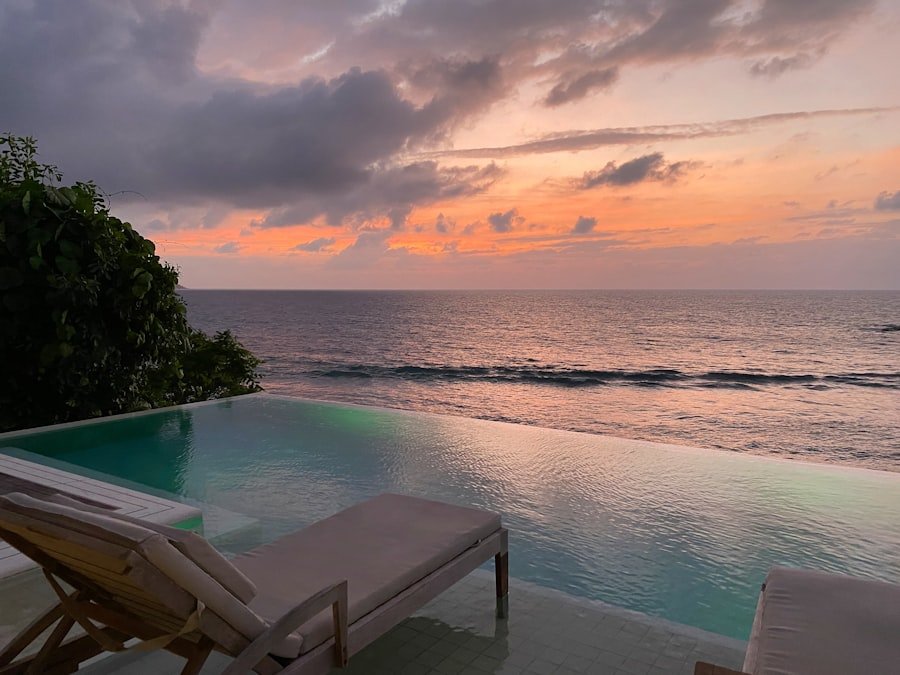
The Bay of Islands is a subtropical paradise located in Northland, known for its stunning coastline dotted with over 140 islands. This region is rich in history and culture, playing a significant role in New Zealand’s early European settlement and interactions with Māori tribes. The Bay of Islands offers a plethora of activities for visitors seeking adventure or relaxation alike.
From sailing and fishing to swimming with dolphins or simply lounging on pristine beaches, there is something for everyone in this idyllic setting. One of the highlights of visiting the Bay of Islands is exploring its historical sites, such as Russell—the first capital of New Zealand—where visitors can learn about early colonial history at sites like Pompallier Mission and Christ Church. The Waitangi Treaty Grounds are also located here; this site holds immense significance as it was where the Treaty of Waitangi was signed in 1840 between Māori chiefs and representatives of the British Crown.
The grounds feature a museum that provides insights into New Zealand’s history and culture through interactive exhibits and guided tours. Whether indulging in water sports or immersing oneself in history, the Bay of Islands offers a captivating blend of experiences.
Abel Tasman National Park
Abel Tasman National Park is celebrated for its stunning coastal scenery and vibrant marine life. Located at the northern tip of New Zealand’s South Island, this national park encompasses golden sandy beaches, crystal-clear waters, and lush native forests. It is named after Dutch explorer Abel Tasman, who was the first European to sight New Zealand in 1642.
The park’s unique combination of land and sea makes it an ideal destination for outdoor enthusiasts seeking both adventure and tranquility. The Abel Tasman Coast Track is one of New Zealand’s Great Walks and offers hikers an unforgettable journey through diverse landscapes. Spanning approximately 60 kilometers along the coastline, this track features well-maintained paths that wind through forests filled with native birds such as tui and bellbirds while providing stunning views of secluded beaches and turquoise waters.
Many visitors choose to combine hiking with kayaking to explore hidden coves and marine reserves teeming with life. The park is also home to various wildlife species including seals and dolphins that can often be spotted frolicking in the waters off its shores.
Waitomo Caves
The Waitomo Caves are a remarkable underground wonder located on the North Island of New Zealand, famous for their stunning limestone formations and bioluminescent glowworms that illuminate the dark caverns like stars in a night sky. This subterranean network attracts adventure seekers from around the world who come to explore its unique geological features through guided tours or more adventurous activities such as black water rafting. The caves were formed over millions of years through erosion processes that created intricate passageways adorned with stalactites and stalagmites.
One of the most popular experiences within Waitomo Caves is a boat ride through the Glowworm Grotto, where visitors can marvel at thousands of glowworms hanging from cave ceilings—an enchanting sight that leaves many in awe. For those looking for an adrenaline rush, black water rafting offers an exhilarating journey through underground rivers while navigating through narrow passages and cascading waterfalls. This combination of adventure and natural beauty makes Waitomo Caves a must-visit destination for anyone traveling through New Zealand, showcasing yet another facet of this diverse country’s allure.
If you’re planning a trip to New Zealand and looking for breathtaking sights, you might also be interested in exploring other stunning destinations around the world.