
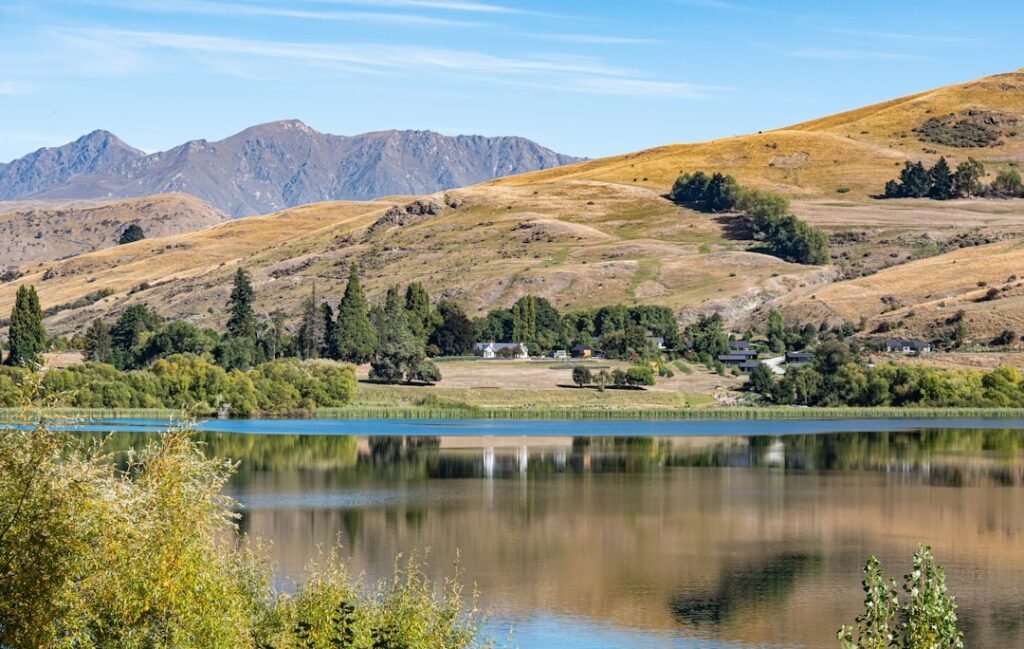

New Zealand, an island nation located in the southwestern Pacific Ocean, is renowned for its breathtaking landscapes, rich cultural heritage, and unique biodiversity. Comprising two main landmasses, the North Island and the South Island, along with numerous smaller islands, New Zealand offers a diverse array of experiences for travelers and locals alike. The country is characterized by its stunning natural beauty, ranging from lush forests and rolling hills to dramatic mountains and pristine beaches.
The indigenous Māori culture, which is deeply woven into the fabric of New Zealand’s identity, adds a layer of depth to the nation’s allure. The geographical isolation of New Zealand has fostered a unique ecosystem, home to many species that are found nowhere else on Earth. This biodiversity is complemented by a temperate climate that varies across regions, making it an ideal destination for outdoor enthusiasts.
From the vibrant urban centers to the serene countryside, New Zealand invites exploration and adventure. The country’s commitment to environmental conservation and sustainable tourism further enhances its appeal, ensuring that its natural wonders can be enjoyed by future generations.
Key Takeaways
- New Zealand offers diverse landscapes across its North and South Islands, each with unique attractions.
- The North Island features vibrant cities like Auckland and Wellington, alongside natural wonders such as Rotorua and the Bay of Islands.
- The South Island is renowned for adventure tourism in Queenstown and stunning natural parks like Fiordland and Aoraki/Mount Cook.
- Stewart Island provides a remote, wildlife-rich experience distinct from the main islands.
- The Coromandel Peninsula is known for its beautiful beaches and scenic coastal walks, adding to New Zealand’s varied beauty.
North Island: Auckland and Rotorua
Auckland, often referred to as the “City of Sails,” is New Zealand’s largest city and a vibrant hub of culture and commerce. Nestled between two harbors, Auckland boasts a stunning waterfront and a skyline punctuated by the iconic Sky Tower. The city is a melting pot of cultures, with a rich tapestry of influences from Māori heritage to European settlers.
Visitors can explore the bustling Viaduct Harbour, indulge in world-class dining, or take a ferry to nearby islands such as Waiheke Island, known for its vineyards and beautiful beaches. The Auckland War Memorial Museum offers insights into the country’s history and Māori culture, making it a must-visit for those seeking to understand New Zealand’s past. Just a short drive from Auckland lies Rotorua, a geothermal wonderland that showcases the country’s volcanic activity.
Known for its bubbling mud pools, geysers, and hot springs, Rotorua is a place where nature’s power is on full display. The area is also significant in Māori culture, with several marae (tribal meeting grounds) open to visitors.
Rotorua’s unique landscape is not only visually stunning but also offers numerous outdoor activities such as mountain biking in the Whakarewarewa Forest or hiking around Lake Rotorua.
North Island: Wellington and Bay of Islands
Wellington, the capital city of New Zealand, is often celebrated for its vibrant arts scene and café culture.
The city’s compact size makes it easy to explore on foot; visitors can wander through the picturesque streets of Cuba Street, lined with eclectic shops and eateries.
The iconic Wellington Cable Car offers stunning views as it ascends to the Botanic Garden, where one can enjoy a peaceful retreat amidst native flora. Further north lies the Bay of Islands, a stunning region known for its picturesque landscapes and rich maritime history. Comprising over 140 islands, this area is a paradise for water enthusiasts.
Visitors can embark on sailing trips to explore hidden coves or partake in dolphin watching tours in the clear blue waters. The historic town of Russell, once known as the “Hell Hole of the Pacific,” offers charming streets lined with colonial architecture and a glimpse into New Zealand’s early European settlement. The Bay of Islands is also significant for its role in the signing of the Treaty of Waitangi in 1840, which established the foundation for New Zealand’s governance and relationship with Māori tribes.
South Island: Queenstown and Fiordland National Park
| Location | Metric | Value | Unit |
|---|---|---|---|
| Queenstown | Average Annual Visitors | 3,000,000 | people |
| Queenstown | Average Summer Temperature | 22 | °C |
| Queenstown | Average Winter Temperature | 3 | °C |
| Queenstown | Altitude | 310 | meters |
| Fiordland National Park | Area | 12,607 | km² |
| Fiordland National Park | Number of Fiords | 14 | fiords |
| Fiordland National Park | Annual Rainfall | 7,000 | mm |
| Fiordland National Park | Highest Peak (Mount Tūtoko) | 2,723 | meters |
Queenstown, often dubbed the adventure capital of New Zealand, is nestled on the shores of Lake Wakatipu and surrounded by majestic mountains. This resort town attracts thrill-seekers from around the globe with its plethora of adrenaline-pumping activities such as bungee jumping, skydiving, and jet boating. The Remarkables mountain range provides a stunning backdrop for skiing in winter and hiking during the warmer months.
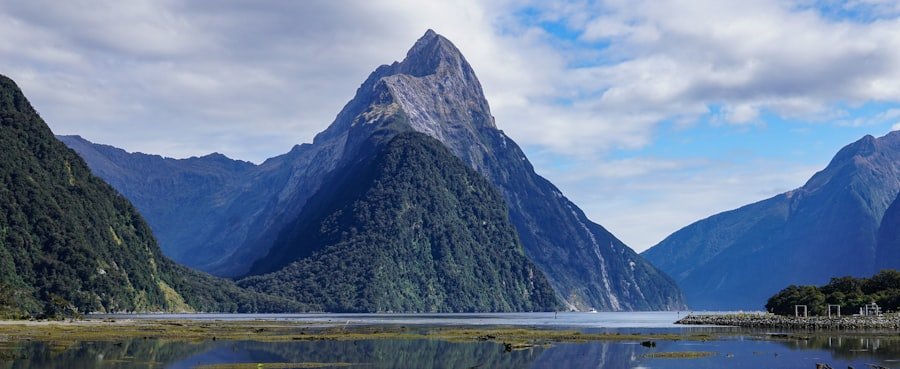
Beyond adventure sports, Queenstown also offers a vibrant nightlife scene and an array of dining options that showcase local produce and wines. Adjacent to Queenstown lies Fiordland National Park, one of New Zealand’s most spectacular natural wonders. This UNESCO World Heritage site is characterized by its dramatic fjords, towering cliffs, and cascading waterfalls.
Milford Sound and Doubtful Sound are two of the most famous fjords within the park, attracting visitors with their breathtaking scenery and abundant wildlife. Boat cruises through these fjords provide opportunities to spot seals, dolphins, and even penguins in their natural habitat. Hiking enthusiasts can explore the renowned Milford Track or Routeburn Track, both offering stunning vistas and encounters with New Zealand’s unique flora and fauna.
South Island: Christchurch and Aoraki/Mount Cook National Park
Christchurch, known as the “Garden City,” is the largest city in the South Island and serves as a gateway to many of New Zealand’s natural attractions. Following the devastating earthquakes in 2010 and 2011, Christchurch has undergone significant rebuilding efforts that have revitalized its urban landscape while preserving its historical charm. Visitors can explore the beautiful Botanic Gardens or take a punt ride along the Avon River for a leisurely view of the city’s greenery.
The innovative Cardboard Cathedral stands as a symbol of resilience and creativity in post-earthquake Christchurch. A short drive from Christchurch leads to Aoraki/Mount Cook National Park, home to New Zealand’s highest peak, Aoraki/Mount Cook. This national park is renowned for its stunning alpine scenery, featuring snow-capped mountains, glacial lakes, and starry night skies that are perfect for stargazing.
The Hooker Valley Track offers an accessible hiking experience with breathtaking views of Mount Cook and its surrounding glaciers. For those seeking adventure, mountaineering expeditions are available for experienced climbers looking to conquer Aoraki itself. The park is also rich in biodiversity; visitors may encounter rare species such as the kea parrot or the endangered yellow-eyed penguin.
Stewart Island
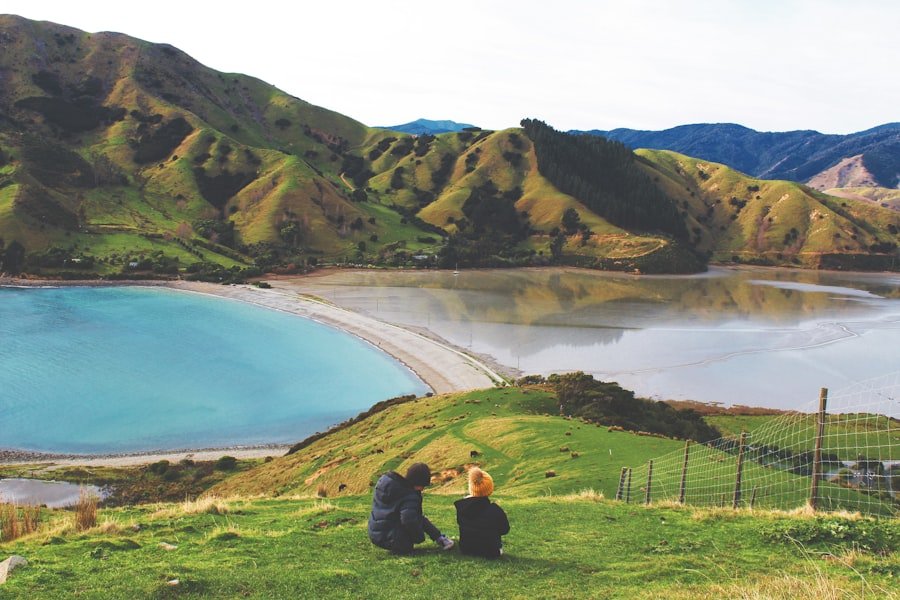
Stewart Island, located south of the South Island across Foveaux Strait, is New Zealand’s third-largest island and offers an unspoiled wilderness experience that feels worlds away from urban life. Approximately 85% of Stewart Island is designated as Rakiura National Park, which showcases pristine forests, rugged coastlines, and diverse wildlife. The island is particularly famous for its birdlife; it is one of the best places in New Zealand to see the elusive kiwi in its natural habitat.
Birdwatchers can also spot other native species such as the yellow-eyed penguin and various seabirds. The small settlement of Oban serves as the island’s main hub where visitors can find accommodations and dining options. Stewart Island is ideal for those seeking tranquility and connection with nature; hiking trails such as the Rakiura Track offer stunning coastal views and opportunities for solitude amidst lush landscapes.
Fishing enthusiasts can enjoy some of the best fishing spots in New Zealand while exploring the island’s waters by kayak or boat. Stewart Island’s remote charm makes it a hidden gem for those willing to venture off the beaten path.
The Coromandel Peninsula
The Coromandel Peninsula is another jewel in New Zealand’s crown, known for its stunning beaches, lush forests, and laid-back atmosphere. Located on the North Island’s eastern coast, this region attracts visitors seeking both relaxation and adventure. One of its most famous attractions is Hot Water Beach, where visitors can dig their own hot pools in the sand during low tide due to geothermal activity beneath the surface.
This unique experience allows guests to soak in naturally heated water while enjoying views of the ocean. The Coromandel also boasts beautiful hiking trails such as the Pinnacles Track, which leads adventurers through native bush to breathtaking panoramic views from the summit. The region’s coastline features picturesque beaches like Cathedral Cove, accessible only by foot or boat; this iconic spot is famous for its striking rock formations and crystal-clear waters ideal for swimming or snorkeling.
With charming towns like Whitianga and Coromandel Town offering local crafts and fresh seafood dining options, this peninsula encapsulates New Zealand’s coastal beauty.
Exploring the diverse beauty of New Zealand
New Zealand’s diverse landscapes offer an unparalleled array of experiences that cater to every type of traveler. From the bustling urban life in Auckland to the serene wilderness of Stewart Island, each region presents its own unique charm and attractions. The rich cultural heritage intertwined with stunning natural beauty creates an environment that invites exploration and appreciation for both nature and history.
As travelers journey through this remarkable country, they encounter not only breathtaking vistas but also warm hospitality from locals who are proud of their heritage and environment. Whether it’s indulging in adventure sports in Queenstown or immersing oneself in Māori culture in Rotorua, New Zealand promises unforgettable memories at every turn. The commitment to preserving its natural wonders ensures that future generations will continue to enjoy this extraordinary destination for years to come.
If you’re planning a trip to New Zealand, you might also be interested in exploring some of the world’s most remarkable sites. For a broader perspective on travel destinations, check out this article on the 50 Greatest Man-Made Wonders. It highlights incredible human achievements that can inspire your travel itinerary, whether you’re looking for architectural marvels or cultural landmarks to complement your New Zealand adventure.
FAQs
What are some must-visit cities in New Zealand?
Some must-visit cities in New Zealand include Auckland, Wellington, Christchurch, and Queenstown. Each city offers unique attractions, cultural experiences, and access to natural beauty.
When is the best time to visit New Zealand?
The best time to visit New Zealand depends on your interests. Summer (December to February) is ideal for outdoor activities and beach visits, while winter (June to August) is perfect for skiing and snowboarding in the South Island.
What natural attractions should I see in New Zealand?
Key natural attractions include Fiordland National Park, Milford Sound, Tongariro National Park, Rotorua’s geothermal areas, and the Franz Josef and Fox Glaciers.
Is New Zealand suitable for adventure tourism?
Yes, New Zealand is renowned for adventure tourism, offering activities like bungee jumping, skydiving, white-water rafting, hiking, and skiing.
Do I need a visa to visit New Zealand?
Visa requirements vary by nationality. Many visitors can enter New Zealand visa-free for short stays, but it is important to check the official New Zealand immigration website for specific visa requirements before traveling.
What is the best way to travel around New Zealand?
Traveling by car or campervan is popular for flexibility and access to remote areas. Domestic flights and buses are also available for longer distances between major cities.
Are there any cultural experiences to explore in New Zealand?
Yes, visitors can experience Maori culture through performances, traditional hangi meals, and visits to marae (Maori meeting grounds) in various parts of the country.
Is New Zealand family-friendly for tourists?
New Zealand is very family-friendly, with many attractions and activities suitable for children, including wildlife parks, beaches, and interactive museums.
What currency is used in New Zealand?
The currency used in New Zealand is the New Zealand Dollar (NZD).
Is New Zealand safe for tourists?
New Zealand is generally considered a safe destination for tourists, with low crime rates and well-maintained infrastructure. However, standard travel precautions should always be observed.