
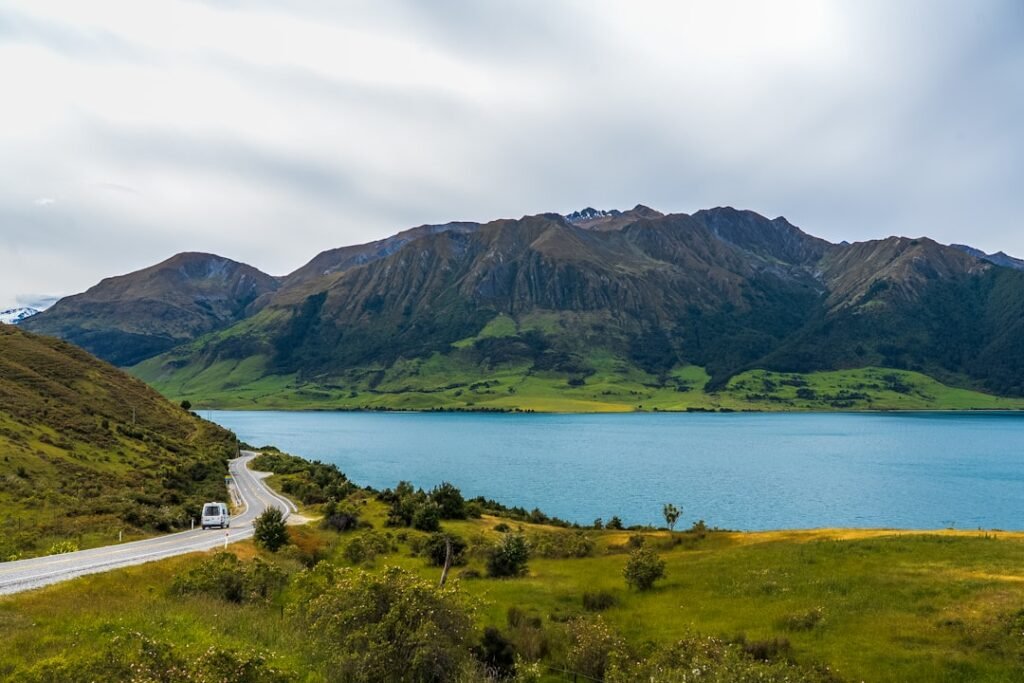

Fiordland National Park, located in the southwestern corner of New Zealand’s South Island, is a breathtaking expanse of natural beauty that showcases some of the most dramatic landscapes in the world. Established in 1952, this UNESCO World Heritage site spans over 1.2 million acres and is characterized by its steep mountains, deep fiords, and lush rainforests. The park is home to iconic features such as Milford Sound and Doubtful Sound, both of which are renowned for their stunning scenery and unique ecosystems.
The towering cliffs, cascading waterfalls, and serene waters create a picturesque environment that attracts visitors from around the globe. The park’s diverse flora and fauna are equally impressive. Fiordland is home to several endemic species, including the endangered takahe and the rare Fiordland crested penguin.
The region’s unique climate, influenced by the surrounding Tasman Sea, contributes to its rich biodiversity. Visitors can explore the park through a network of hiking trails, including the famous Milford Track, often referred to as one of the finest walks in the world. This multi-day trek takes adventurers through lush rainforests, past glacial lakes, and over mountain passes, offering unparalleled views of the stunning landscape.
The combination of natural beauty and ecological significance makes Fiordland National Park a must-visit destination for nature lovers and outdoor enthusiasts alike.
Key Takeaways
- Fiordland National Park offers stunning fjords and diverse wildlife.
- The Bay of Islands is known for its beautiful beaches and marine activities.
- Queenstown is a hub for adventure sports and vibrant nightlife.
- Tongariro National Park features volcanic landscapes and hiking trails.
- Abel Tasman National Park is famous for golden beaches and coastal walks.
The Bay of Islands
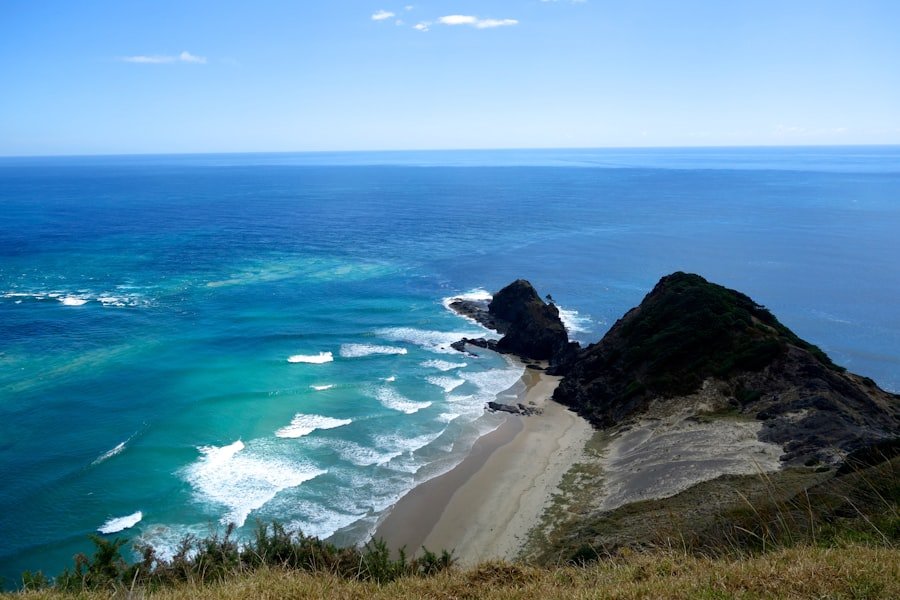
The Bay of Islands, situated in the Northland region of New Zealand, is a stunning maritime playground that boasts over 140 islands and islets. This area is celebrated for its crystal-clear waters, sandy beaches, and vibrant marine life, making it a popular destination for sailing, fishing, and water sports. The Bay of Islands is not only a haven for outdoor activities but also holds significant historical importance as one of the first areas settled by Europeans in New Zealand.
The town of Russell, once known as Okiato, was the first capital of New Zealand and is rich in colonial history. Visitors to the Bay of Islands can engage in a variety of activities that highlight the region’s natural beauty. Dolphin watching tours are particularly popular, allowing tourists to encounter these playful creatures in their natural habitat.
Additionally, the area is renowned for its excellent diving spots, where divers can explore underwater caves and vibrant coral reefs teeming with marine life. The subtropical climate ensures that visitors can enjoy outdoor activities year-round, while the picturesque scenery provides a perfect backdrop for relaxation. Whether it’s sailing through the islands or lounging on a secluded beach, the Bay of Islands offers an idyllic escape for those seeking adventure or tranquility.
Queenstown
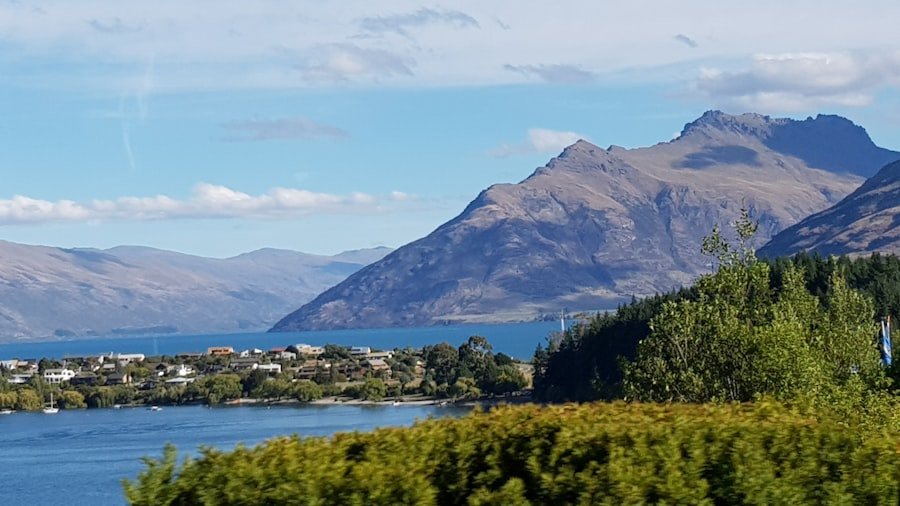
Queenstown is often referred to as the adventure capital of New Zealand, and for good reason. Nestled on the shores of Lake Wakatipu and surrounded by the Southern Alps, this vibrant resort town offers an array of adrenaline-pumping activities set against a backdrop of stunning natural beauty. From bungee jumping off the historic Kawarau Bridge to skydiving over breathtaking landscapes, Queenstown caters to thrill-seekers looking for an unforgettable experience.
The town’s reputation as an adventure hub has attracted visitors from all corners of the globe, eager to test their limits in this picturesque setting. Beyond its reputation for adventure sports, Queenstown also boasts a rich cultural scene and culinary delights. The town is home to numerous award-winning restaurants and wineries that showcase the best of New Zealand’s local produce and wines.
Visitors can indulge in gourmet dining experiences while enjoying panoramic views of the surrounding mountains and lake. Additionally, Queenstown serves as a gateway to several nearby attractions, including the stunning landscapes of Glenorchy and the historic gold mining town of Arrowtown. Whether one seeks heart-pounding adventures or a leisurely exploration of local culture and cuisine, Queenstown offers a diverse range of experiences that cater to every type of traveler.
The Tongariro National Park
| Metric | Data |
|---|---|
| Location | North Island, New Zealand |
| Established | 1887 |
| Area | 786 square kilometers |
| UNESCO World Heritage Site | Yes (since 1990) |
| Main Features | Volcanoes, alpine meadows, native forests, lakes |
| Popular Hiking Trail | Tongariro Alpine Crossing (19.4 km) |
| Annual Visitors | Approximately 100,000 |
| Highest Peak | Mount Ruapehu (2,797 meters) |
| Flora and Fauna | Native birds, alpine plants, unique volcanic ecosystems |
Tongariro National Park holds a special place in New Zealand’s natural heritage as the country’s first national park and a UNESCO World Heritage site. Established in 1887, it encompasses an area of approximately 786 square kilometers and is home to three active volcanoes: Mount Tongariro, Mount Ngauruhoe, and Mount Ruapehu. This unique geological landscape is not only significant for its volcanic activity but also for its cultural importance to the Māori people, who consider these mountains sacred.
The park’s diverse ecosystems range from alpine meadows to lush forests, providing habitats for various plant and animal species.
This challenging trek takes hikers through dramatic volcanic landscapes, past emerald lakes, and across rugged terrain.
Along the way, trekkers are treated to breathtaking views of the surrounding mountains and valleys. The park also offers opportunities for skiing and snowboarding during winter months at Mount Ruapehu, making it a year-round destination for outdoor enthusiasts. With its rich cultural history and diverse landscapes, Tongariro National Park stands as a testament to New Zealand’s natural wonders.
The Abel Tasman National Park
Abel Tasman National Park is renowned for its stunning coastal scenery and golden sandy beaches, making it one of New Zealand’s most beloved national parks. Located at the northern tip of the South Island, this park covers approximately 22,530 hectares and features a network of walking tracks that wind through lush forests and along pristine coastlines. The park’s unique combination of marine and terrestrial environments supports a rich diversity of wildlife, including seals, dolphins, and various bird species.
Its temperate climate allows for year-round exploration, attracting visitors seeking both relaxation and adventure.
Hikers can choose to complete the entire track or opt for shorter sections that highlight specific areas of interest.
Kayaking is another popular activity in this region; paddling through crystal-clear waters allows visitors to get up close to marine life while enjoying breathtaking views of the coastline. The park’s commitment to conservation ensures that its natural beauty remains preserved for future generations to enjoy. Whether exploring on foot or by kayak, Abel Tasman National Park offers an unforgettable experience immersed in nature.
Rotorua
Rotorua is a geothermal wonderland located in the central North Island of New Zealand. Known for its bubbling mud pools, steaming geysers, and vibrant Maori culture, Rotorua attracts visitors seeking both adventure and relaxation. The region sits atop a volcanic hotspot, resulting in unique geothermal features that create an otherworldly landscape.
One of Rotorua’s most famous attractions is Te Puia, home to the iconic Pohutu Geyser, which erupts regularly and reaches heights of up to 30 meters. Visitors can explore this geothermal park while learning about Maori culture and traditions. In addition to its geothermal wonders, Rotorua offers a plethora of outdoor activities that cater to all interests.
Mountain biking enthusiasts can take advantage of world-class trails at Whakarewarewa Forest, while those seeking relaxation can indulge in therapeutic spa treatments at one of the many hot springs in the area. Rotorua is also known for its rich Maori heritage; visitors can experience traditional performances and feasts at cultural villages such as Tamaki Maori Village or Mitai Maori Village. This blend of natural beauty and cultural experiences makes Rotorua a unique destination that captivates travelers from around the world.
The Coromandel Peninsula
The Coromandel Peninsula is a stunning region located on New Zealand’s North Island known for its rugged coastline, pristine beaches, and lush forests. This area has become increasingly popular among both locals and tourists seeking an escape from urban life. The peninsula features numerous hiking trails that lead through native bushland and offer breathtaking views of the surrounding landscape.
One of the most famous hikes is the Pinnacles Track, which rewards hikers with panoramic vistas from its summit. In addition to hiking opportunities, the Coromandel Peninsula is famous for its beautiful beaches such as Cathedral Cove and Hot Water Beach. Cathedral Cove is renowned for its striking rock formations and clear waters ideal for swimming or kayaking.
Hot Water Beach offers a unique experience where visitors can dig their own hot pools in the sand during low tide due to geothermal activity beneath the surface. This combination of natural beauty and recreational activities makes the Coromandel Peninsula an ideal destination for those looking to immerse themselves in New Zealand’s stunning landscapes while enjoying outdoor adventures.
The Waitomo Caves
The Waitomo Caves are a remarkable underground wonder located on New Zealand’s North Island that draws visitors from around the world with their stunning limestone formations and bioluminescent glowworms. Discovered in 1887 by local Māori chief Tane Tinorau and his companion Fred Mace, these caves have since become one of New Zealand’s most popular tourist attractions. The intricate network of caves features impressive stalactites and stalagmites formed over thousands of years through geological processes.
One of the most popular activities within Waitomo Caves is taking guided boat tours through the Glowworm Grotto, where visitors can witness thousands of glowworms illuminating the cave walls like stars in a night sky. This enchanting experience provides insight into the life cycle of these fascinating creatures while showcasing nature’s beauty in an extraordinary setting. For those seeking more adventure, options such as black-water rafting allow visitors to navigate through underground rivers while experiencing thrilling rapids amidst stunning cave formations.
The Waitomo Caves offer a unique glimpse into New Zealand’s geological history while providing unforgettable experiences that highlight nature’s wonders.
If you’re planning a trip to New Zealand and looking for inspiration on where to go, you might also be interested in exploring some hidden gems in Europe. Check out this article on the 10 most underrated capitals in Europe, which highlights lesser-known destinations that offer unique experiences beyond the typical tourist spots.
FAQs
What are some must-visit places in New Zealand?
Some must-visit places in New Zealand include Fiordland National Park, Queenstown, Rotorua, Tongariro National Park, Milford Sound, Abel Tasman National Park, Bay of Islands, Mount Cook, Wellington, and Auckland.
When is the best time to visit New Zealand?
The best time to visit New Zealand depends on your interests. Summer (December to February) is ideal for outdoor activities and beaches, while winter (June to August) is perfect for skiing and snow sports. Spring and autumn offer mild weather and fewer tourists.
How do I get around New Zealand to visit these top places?
You can get around New Zealand by renting a car, using domestic flights, buses, or guided tours. Driving is popular for flexibility, especially for exploring scenic routes.
Are these top places suitable for families?
Yes, many of the top places in New Zealand are family-friendly, offering activities like hiking, wildlife viewing, cultural experiences, and adventure sports suitable for various age groups.
Do I need a visa to visit New Zealand?
Visa requirements depend on your nationality. Many countries’ citizens can enter New Zealand visa-free for short stays, but others need to apply for a visa or a New Zealand Electronic Travel Authority (NZeTA) before arrival.
What kind of activities can I do at these top destinations?
Activities include hiking, skiing, wildlife watching, boating, cultural tours, adventure sports like bungee jumping and skydiving, and exploring natural landscapes such as fjords, beaches, and mountains.
Is New Zealand safe for tourists?
Yes, New Zealand is generally very safe for tourists. It has low crime rates and well-maintained tourist facilities, but visitors should always take standard precautions.
What is the currency used in New Zealand?
The currency used in New Zealand is the New Zealand Dollar (NZD).
Are there any cultural considerations when visiting New Zealand?
Visitors should respect the indigenous Māori culture, including customs, language, and sacred sites. It is polite to learn basic Māori greetings and follow guidelines when visiting cultural landmarks.
How long should I plan to stay to see the top 10 places in New Zealand?
To comfortably visit the top 10 places, a trip of at least two to three weeks is recommended, allowing time to travel between locations and enjoy activities without rushing.