
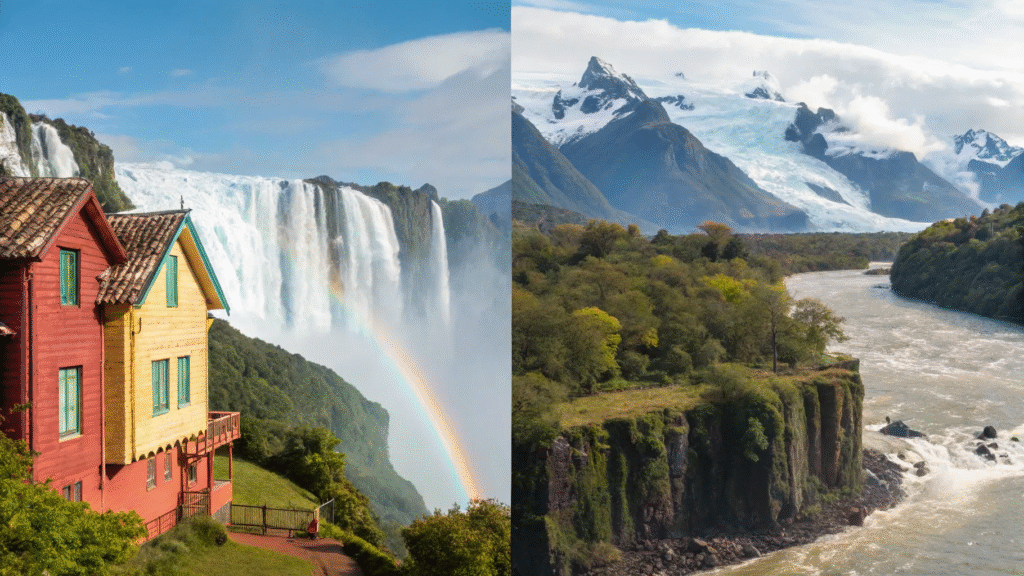

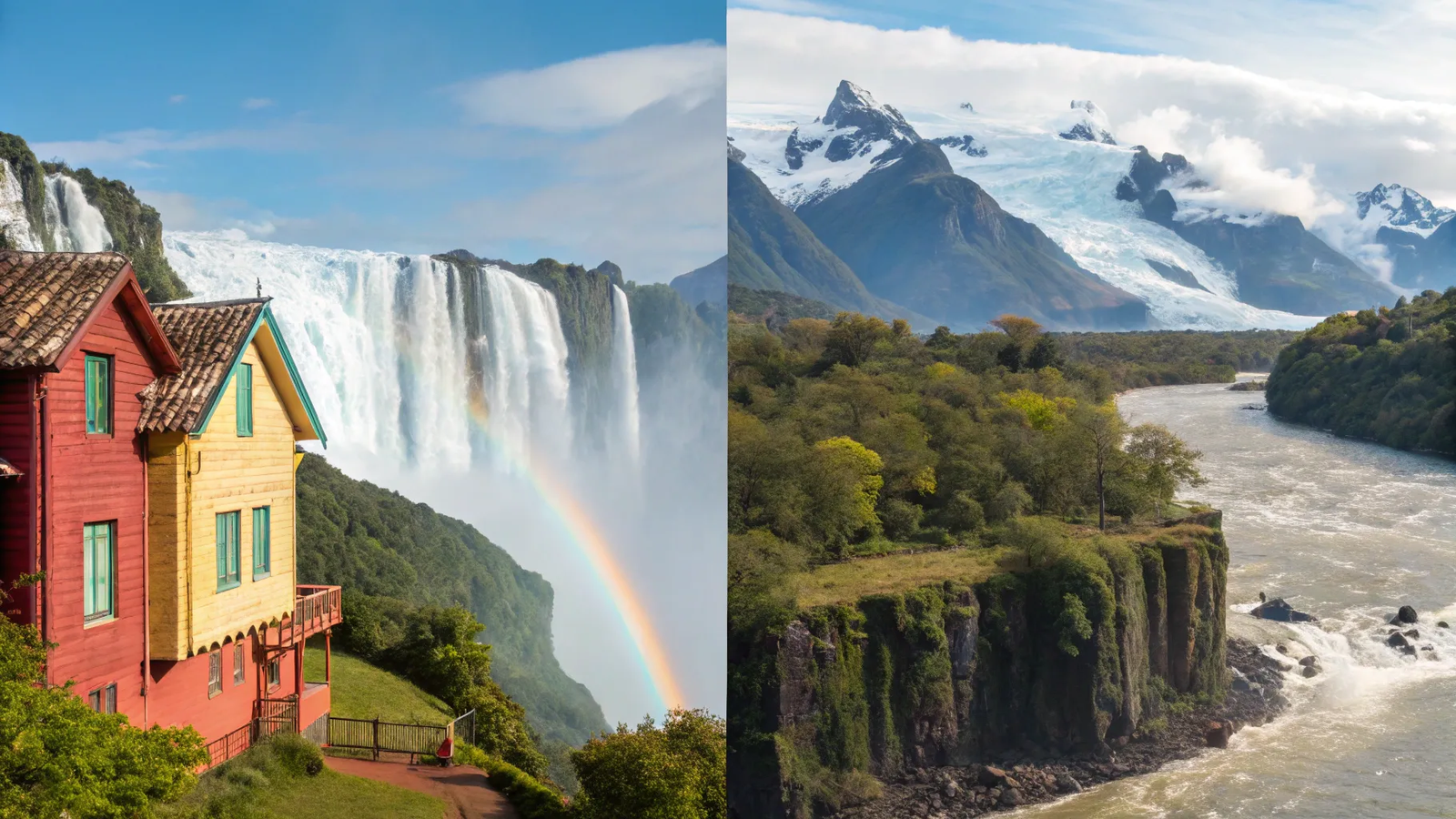
I created a travel video for touropia highlighting the very best places to Visit in Argentina, and this article expands on that story with practical details, local colour and insider tips. Argentina is a country of extremes — from roaring waterfalls to windswept deserts, bustling capital streets to silent glacial ice — and in this guide I’ll walk you through twelve destinations you shouldn’t miss when you Visit in Argentina. Whether you are planning a first trip or returning to discover something new, this piece is designed to help you plan memorable days and craft your own route across the country.
Throughout this article you’ll find historical context, recommended activities, the best times to go, local dining and accommodation tips, and short practical notes so you can turn inspiration into an itinerary. I’ll use snapshots of the video to illustrate each place, so you can match what you read with the moments I captured. If you have limited time, read the short summaries and use the recommended must-dos to structure a compact trip. If you’re a slow traveller, the deeper notes will help you linger in the right places.
Why Visit in Argentina? A Quick Overview
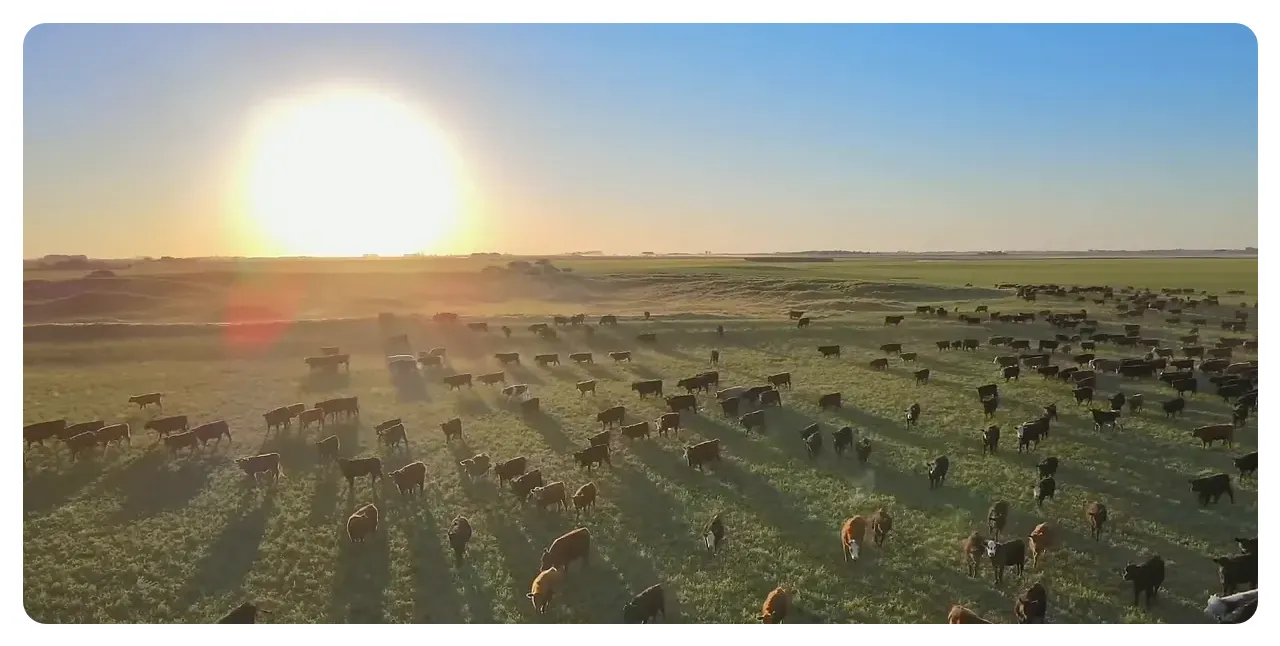
Argentina occupies a dramatic swathe of South America, elongated north to south so it includes many climates and landscapes. The country was sparsely populated by indigenous peoples prior to Spanish colonisation in the 16th and 17th centuries. Today it is an independent republic famous for spectacular natural scenery, rich cultural life and excellent cuisine — notably beef and world-class wines.
When you Visit in Argentina you’ll encounter varied terrains: the fertile Pampas, subtropical jungle, Andean peaks, windswept Patagonia and the Atlantic coastline. Travel distances are large, so most trips select a region or two. If you want to experience a cross-section of Argentina, pair a city stay in Buenos Aires with a nature-based visit such as Iguazu, Patagonia or the Ibera Wetlands.
Timing matters. Argentina’s seasons are the reverse of Europe or North America: summer is December to February and winter is June to August. Some attractions are best at specific times — whale season in Puerto Madryn runs in the austral winter (July–September) and the Ibera wetlands are best in the dry season when wildlife concentrates around water. Plan routes to reduce long internal flights by grouping destinations geographically.
How I structured this list
I selected destinations that capture Argentina’s diversity: urban culture, beaches, mountain drama, wildlife hotspots, and unforgettable natural spectacles. Each entry includes the essentials, signature experiences and a few tips so you can plan a day, a long weekend or a longer stay. Remember: to Visit in Argentina successfully, mix slow exploration with a few logistical realities like internal flights and weather-dependent activities.

12. Mar del Plata — Argentina’s Classic Seaside Resort
Mar del Plata was once a playground for Argentina’s aristocracy and remains the country’s most popular beach resort. Located on the Atlantic coast, it attracts millions in summer with wide sandy beaches, lively promenades and a strong seafood scene. If you Visit in Argentina during summer and head to Mar del Plata expect crowds, music on the boardwalk and a busy port where fishing boats come and go.
Highlights and activities:
- Stroll the waterfront promenade (the rambla) early morning for quieter views and good light for photography.
- Try fresh seafood at a local parrilla or seafood grill — calamari and grilled fish are local favourites.
- Explore the port and nearby markets to watch the day’s catches being landed.
- Outside peak summer you’ll find a more relaxed rhythm, ideal for longer stays and day trips along the coast.
Travel tip: If your time is limited and you still want a coastline experience, a day trip from Buenos Aires is possible but an overnight stay lets you appreciate the town’s architecture and food scene.
11. Quebrada de Humahuaca — Colour, Culture and Ancient Routes
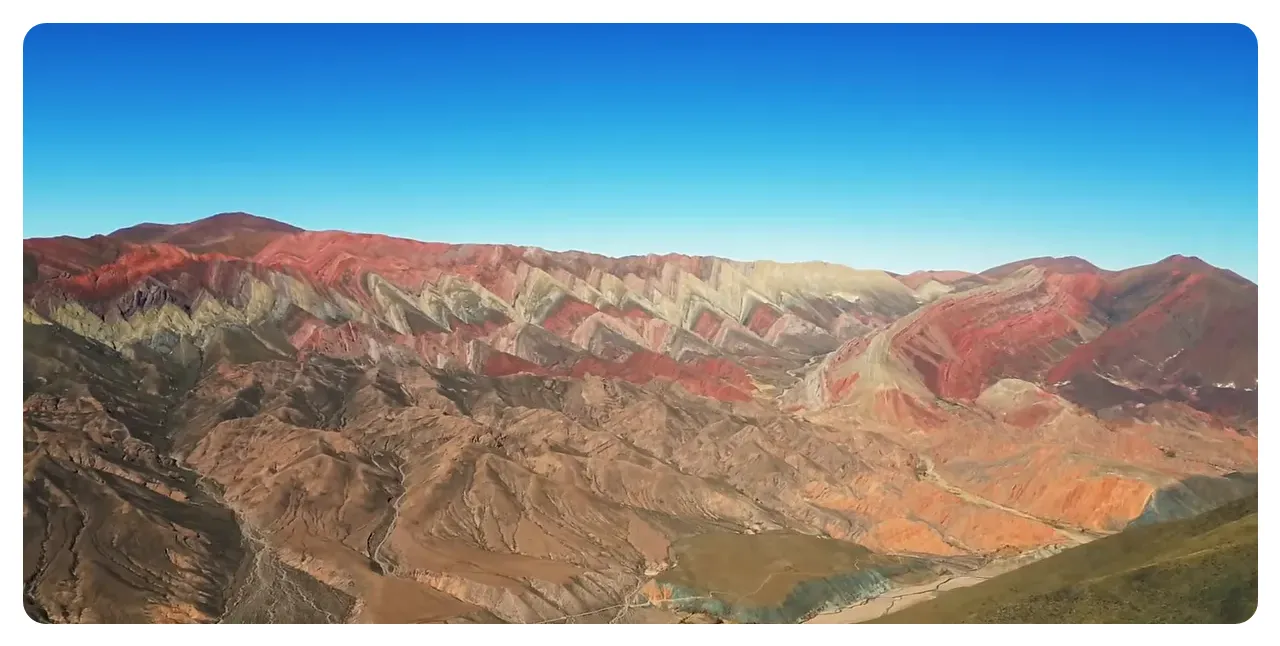
Nestled in the Argentine Andes, Quebrada de Humahuaca is a narrow mountain valley that was once part of an important caravan road used during the Inca Empire. When you Visit in Argentina and travel to the Quebrada, expect dramatic, multicoloured rock formations and a ribbon of villages whose adobe houses and artisan markets feel timeless.
Highlights and activities:
- Visit the famous Hill of Seven Colors outside Purmamarca — the layered minerals produce a striking banded effect at certain daylight angles.
- Explore small towns like Tilcara and Humahuaca for markets, pottery and local textiles.
- Walk short mountain paths and seek out pre-Columbian sites and colonial churches.
- Combine a visit to the Quebrada with a drive along the winding Andean roads for spectacular vistas.
Travel tip: The altitude is significant in this region; take a day to acclimatise if you’re coming from sea level. Mornings and evenings are the best time to photograph the coloured hills.
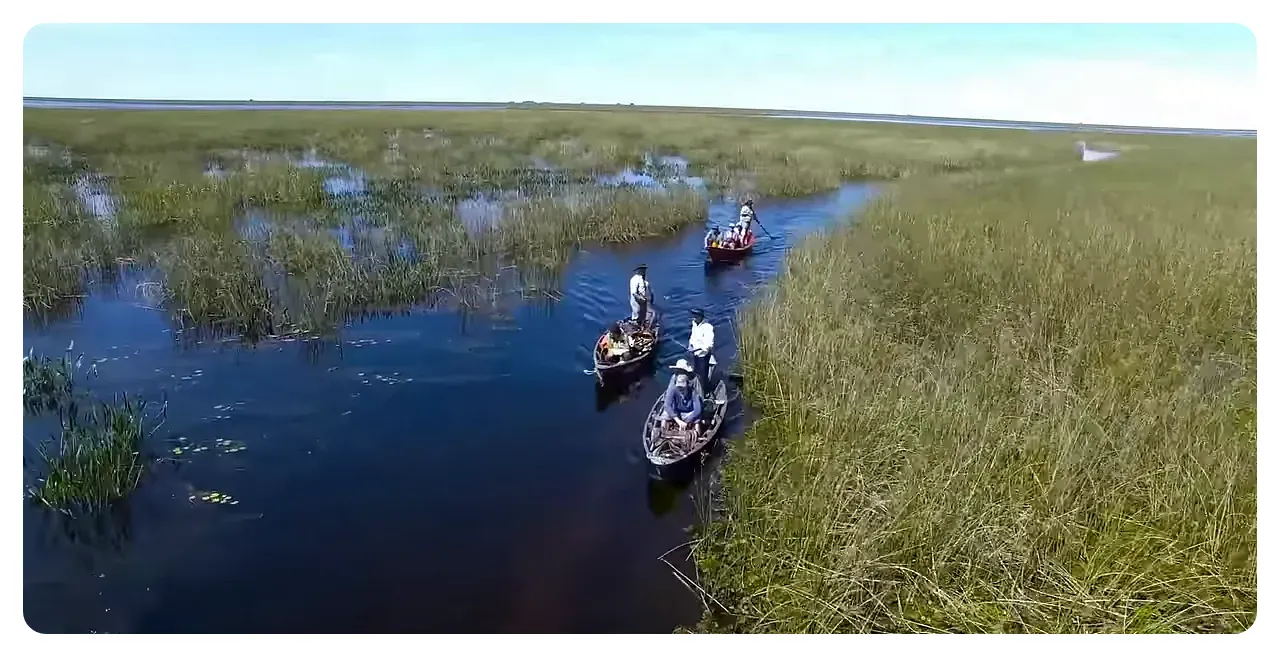
10. Ibera Wetlands — The Quiet Jungle of the Pampas
The Ibera (Esteros del Iberá) wetlands lie in north-eastern Argentina, just south of Paraguay. This enormous network of rivers, lakes and marshes is a paradise for wildlife lovers. When you Visit in Argentina and include Ibera on your route you’ll discover a watery world best explored slowly — on foot, horseback or by kayak — where each bend can reveal a capybara, caiman or a flamboyance of birds.
Highlights and activities:
- Boat tours at dawn and dusk for birdwatching; over 350 species have been recorded here.
- Look for iconic mammals: capybaras, armadillos, howler monkeys and — for the brave — the occasional anaconda.
- Horseback riding across marshy plains is a traditional way to see the wetlands.
- Stay in an estancia (a working ranch) to experience local hospitality and gaucho traditions.
Travel tip: The Ibera experience is remote; access often requires a short flight to Corrientes or Posadas followed by road travel. Guide-led excursions optimise wildlife sightings and safety.
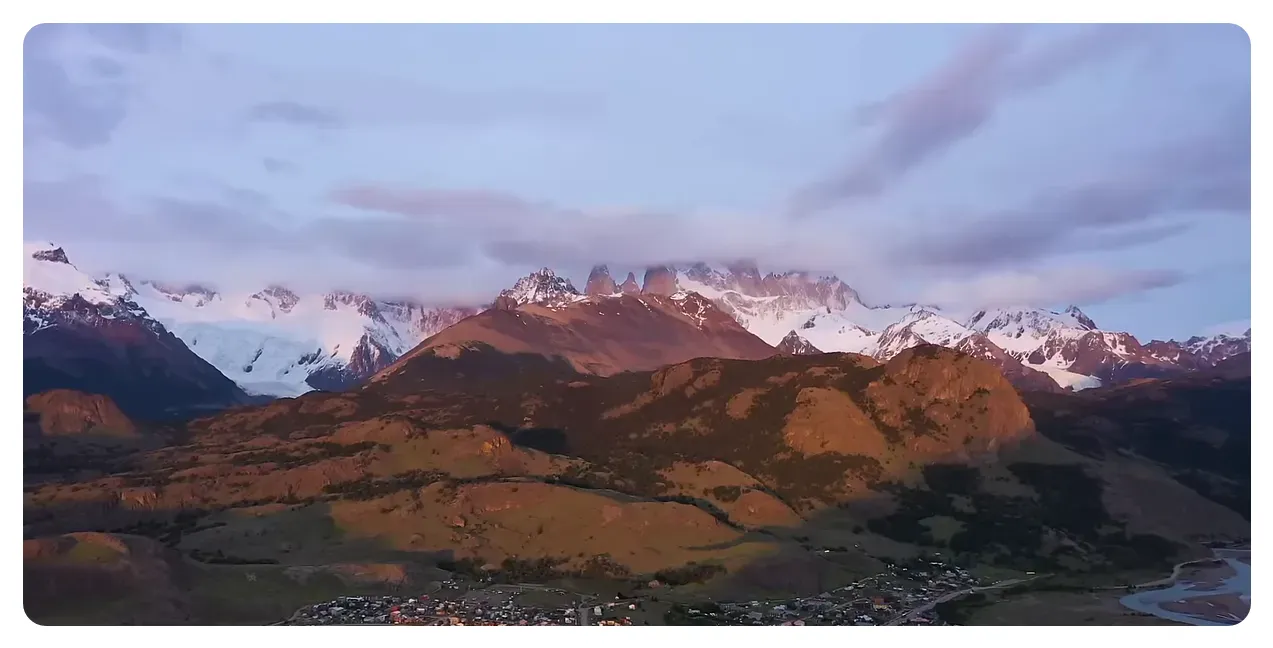
9. Mount Fitzroy — Granite Majesty in Southern Patagonia
Mount Fitzroy (Cerro Fitz Roy) is one of the Andes’ most iconic peaks, rising sharply near the Chilean border in southern Patagonia. This granite giant, often silhouetted in photographs, is adored by climbers for its technical faces and by photographers for its uncompromising beauty. When you Visit in Argentina and travel to Fitz Roy you’ll find access from the base town of El Chaltén, which serves as a hiking hub.
Highlights and activities:
- Day hikes: Laguna de los Tres offers one of the most famous vantage points for Fitz Roy with mirror-like lakes in front of the peak.
- Multi-day treks: link trails to explore remote valleys and glaciers in the Los Glaciares National Park.
- Photograph the peak at sunrise when light transforms the granite faces.
- For climbers, Fitz Roy is a world-class technical challenge requiring experience and support.
Travel tip: El Chaltén is small but well-equipped for trekkers. Book accommodation in high season and carry warm layers — weather can change rapidly even in summer.
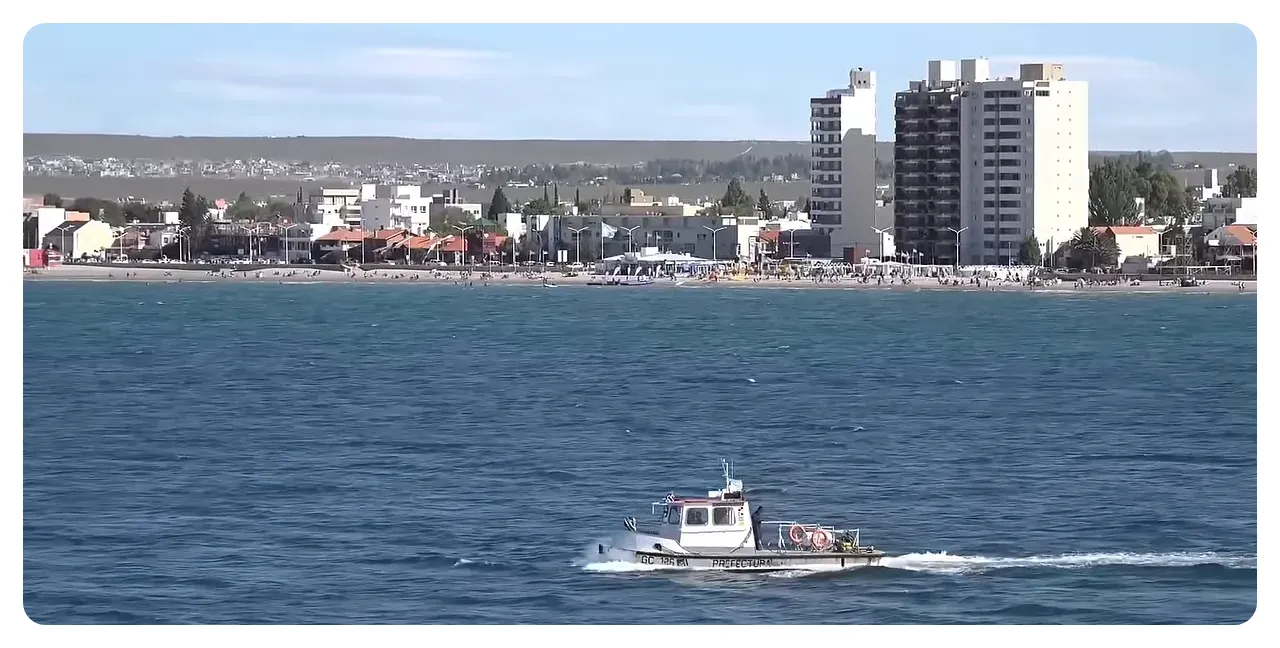
8. Puerto Madryn — Marine Wildlife and the Valdés Peninsula
Puerto Madryn sits on the shores of the Golfo Nuevo and is your gateway to the Valdés Peninsula, a UNESCO-listed wildlife sanctuary. This Atlantic coast town has grown rapidly with tourism and is especially popular for whale-watching. When you Visit in Argentina and choose Puerto Madryn in winter months (July–September), you can often see southern right whales from the shore as they come to breed and calve.
Highlights and activities:
- Whale watching by boat or from coastal lookouts when whales come close to the coast.
- Day trips to Peninsula Valdés to spot sea lions, elephant seals, penguins and orcas (seasonal).
- Visit Rada Tilly and nearby beaches for coastal walks and seafood.
- Combine wildlife watching with diving or snorkelling in clear coastal waters.
Travel tip: The water is cold even in summer. Book wildlife tours with reputable operators and respect protected area rules to avoid disturbing breeding animals.
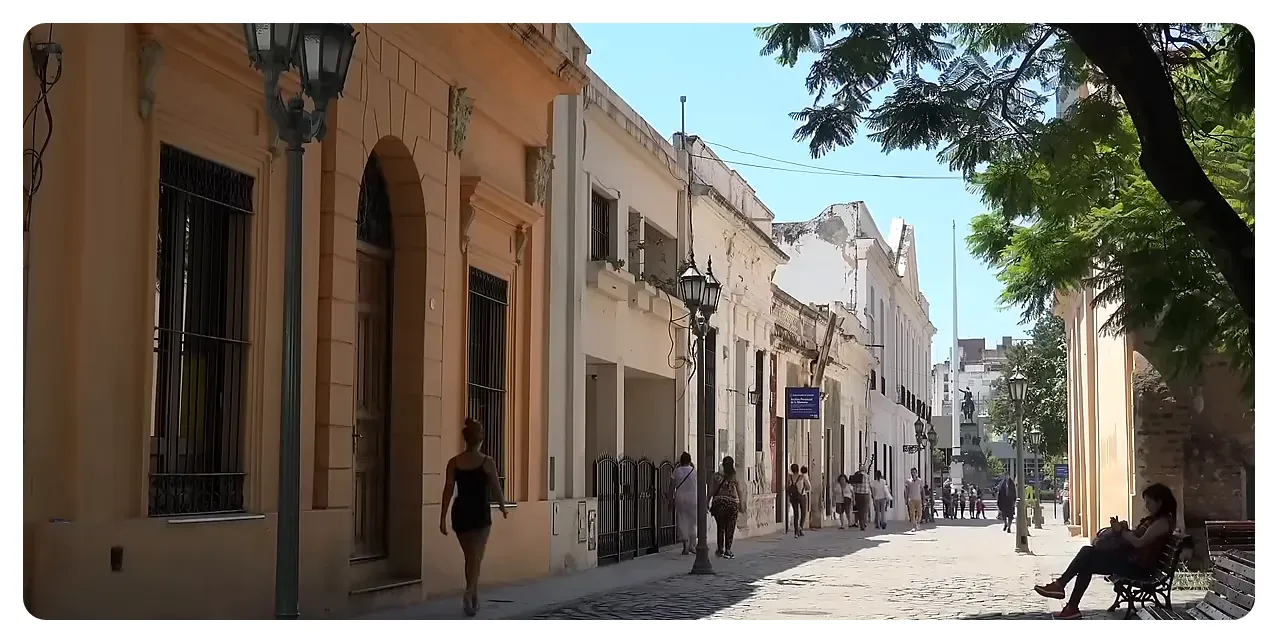
7. Córdoba — Colonial Heart and University Buzz
At the geographic centre of Argentina, Córdoba is the country’s second largest city and a hub for culture, history and student life. With a concentration of Spanish colonial churches and monuments clustered around the Jesuit Block, Córdoba offers architectural riches and a lively nightlife driven by its large student population. If you Visit in Argentina and have time for an inland city, Córdoba offers a balanced urban experience amid surrounding valleys and sierras.
Highlights and activities:
- Explore the Jesuit Block and its historic buildings, churches and courtyards.
- Venture into the nearby Sierras de Córdoba for hiking, rock-climbing and scenic drives.
- Enjoy the city’s café culture and a dynamic calendar of festivals and concerts.
- Visit local craft markets to discover regional leatherwork and textiles.
Travel tip: Córdoba’s student population gives the city a youthful energy; evenings come alive with tapas, small bars and live music. It’s also a practical base for exploring rural Argentina’s scenic interior.

6. Ushuaia — The Southernmost City and Antarctic Gateway
Once a penal colony, Ushuaia is prized today for its dramatic, remote location on the Beagle Channel and as the launching point for Antarctic cruises. When you Visit in Argentina and reach Ushuaia, you’re at the edge of the world — short hikes lead to panoramic ridgelines and in winter the nearby slopes become a snow-sports playground.
Highlights and activities:
- Embark on an Antarctic expedition or shorter wildlife cruises on the Beagle Channel.
- Hike in Tierra del Fuego National Park — trails range from short walks to mountain routes.
- Wildlife viewing: sea birds, cormorants and sometimes seals are visible from the shoreline.
- Try local cuisine with Patagonian lamb and hearty stews to warm you after cold days.
Travel tip: Flights to Ushuaia are seasonal and weather-dependent. If your plan includes an Antarctic cruise, allow extra days in case of schedule changes due to weather.
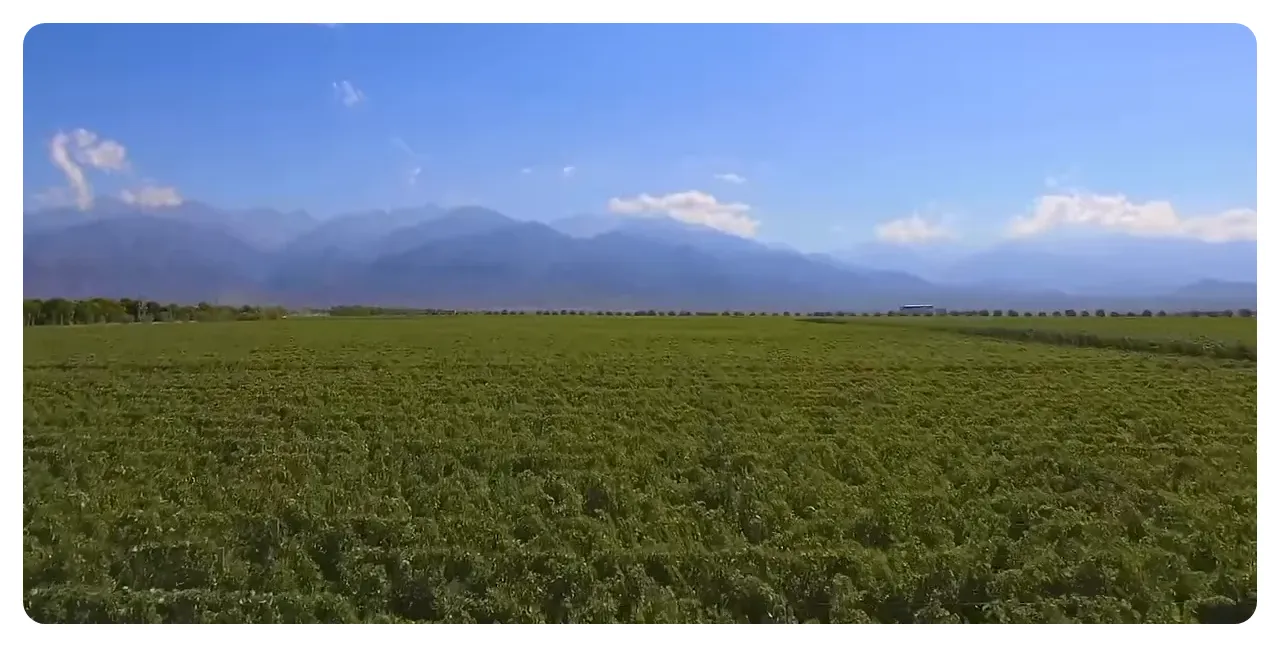
5. Mendoza — Vineyards, Mountains and Aconcagua Views
Mendoza sits in the largest wine-producing region in Latin America and is famed for Malbec and world-class wineries. It is also the logical base for excursions to Aconcagua, the highest mountain in the Americas. When you Visit in Argentina and go to Mendoza, you can combine oenological indulgence with river rafting and hiking against the backdrop of the Andes.
Highlights and activities:
- Wine tours and tastings in the Luján de Cuyo and Maipú subregions — many bodegas offer cellar tours and gourmet lunches.
- Day trips towards the Andes and Aconcagua Provincial Park for scenic drives and mountain views.
- Enjoy Independence Plaza (Plaza Independencia) — the city’s lively central square with markets and street life.
- Adventure sports: rafting, mountain biking and horseback rides in nearby valleys.
Travel tip: Mendoza is best visited outside peak summer heat (December–February) if you plan outdoor activities. Spring and autumn offer agreeable temperatures for both vineyards and trekking.
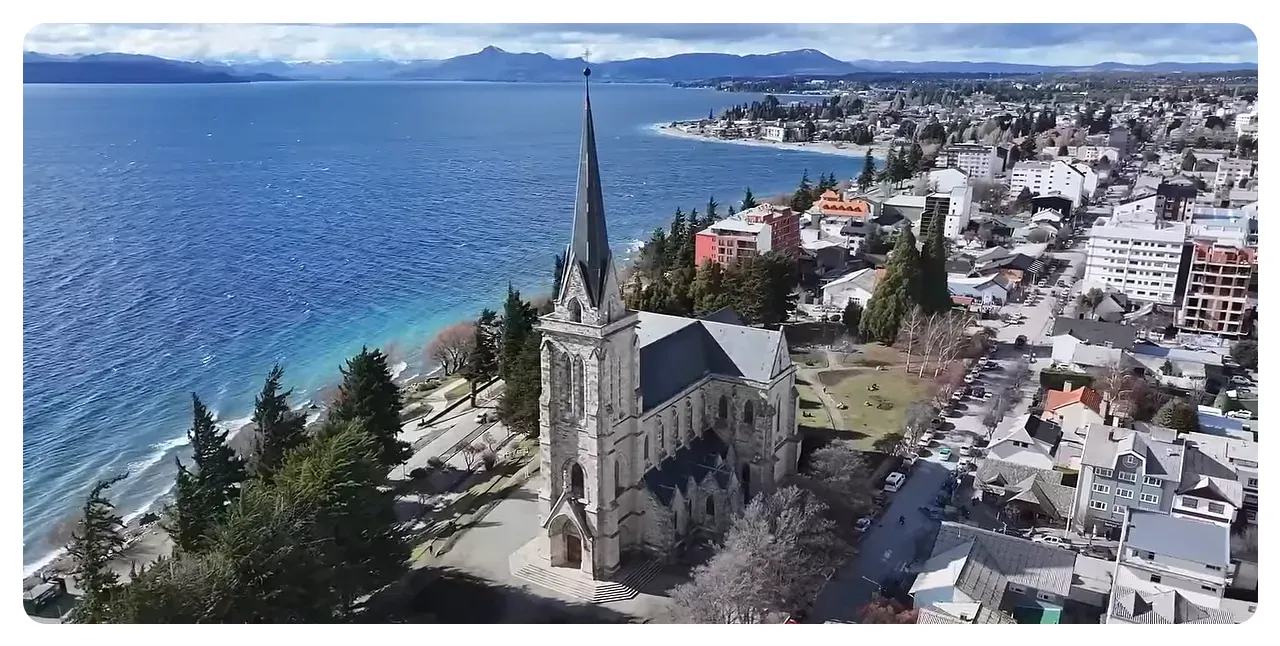
4. San Carlos de Bariloche — Alpine Chocolate and Lakes
Bariloche’s chocolate shops, Swiss-style architecture and stunning lakeside setting make it feel like a village in the European Alps. Located in Río Negro province, Bariloche is a gateway to Nahuel Huapi National Park and a major centre for skiing and outdoor adventure. When you Visit in Argentina and come to Bariloche, expect excellent hiking trails in summer and top-tier skiing in winter at Cerro Catedral.
Highlights and activities:
- Sample artisan chocolate and explore the central walkways lined with chocolate boutiques.
- Ski Cerro Catedral in winter — it’s one of South America’s largest ski centres.
- Boat trips on Lake Nahuel Huapi reveal hidden coves and remote forested shores.
- Take scenic drives on the Circuito Chico for panoramic lake and mountain viewpoints.
Travel tip: Bariloche is a favorite for Argentine families and international visitors. Book hotels and ski rentals well in advance for July–August.
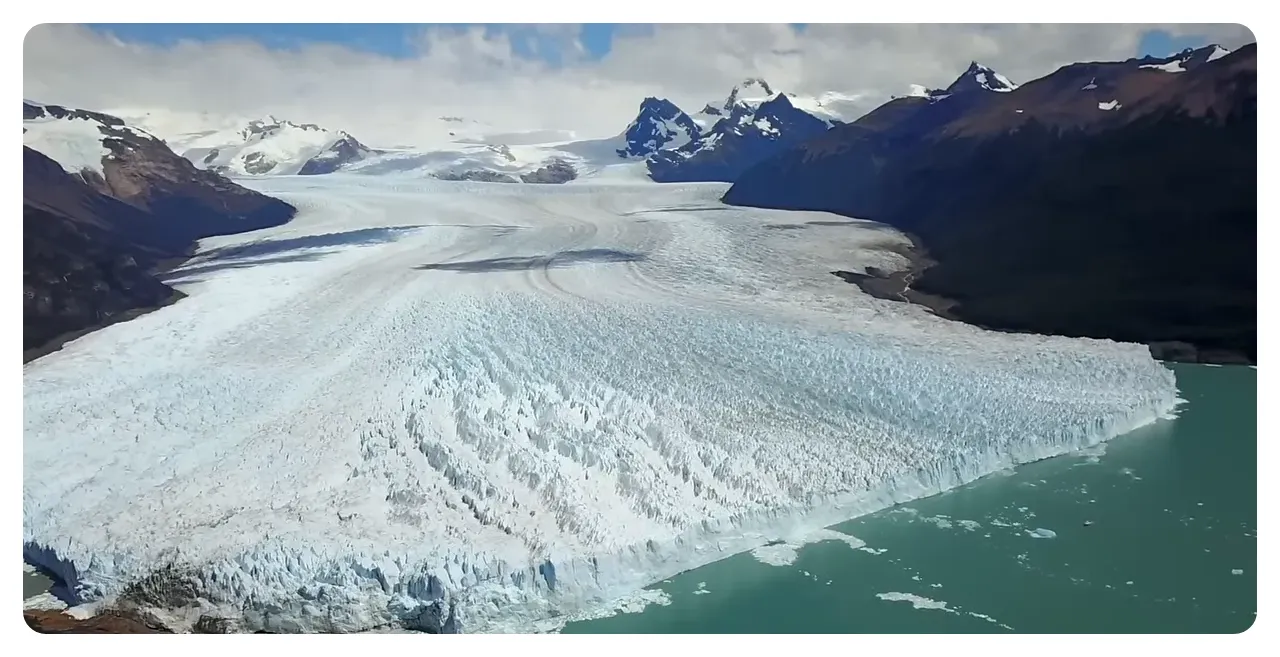
3. Los Glaciares National Park — Ice, Sound and Scale
Los Glaciares National Park in Santa Cruz province contains some of the largest and most dramatic glaciers outside Greenland and Antarctica. When you Visit in Argentina and set foot in this vast park you’ll witness the perpetual theatre of advancing and retreating ice as bergs crack away and crash into turquoise lakes. The sound and spectacle are unforgettable.
Highlights and activities:
- Perito Moreno Glacier is accessible and offers walkways that bring you close to the calving front; boat trips take you even nearer.
- Further north, hikes and climbs around Mount Fitz Roy offer mountain adventures and unparalleled photography.
- Guided ice-trekking excursions are available on select glaciers for experienced hikers.
- Combine glacier viewing with wildlife spotting and quiet evenings in small mountain towns like El Calafate.
Travel tip: Perito Moreno’s accessibility makes it one of Patagonia’s most visited sights. Arrive early or late in the day to avoid peak tour crowds, and wear layered clothing for wind and cold near the ice.
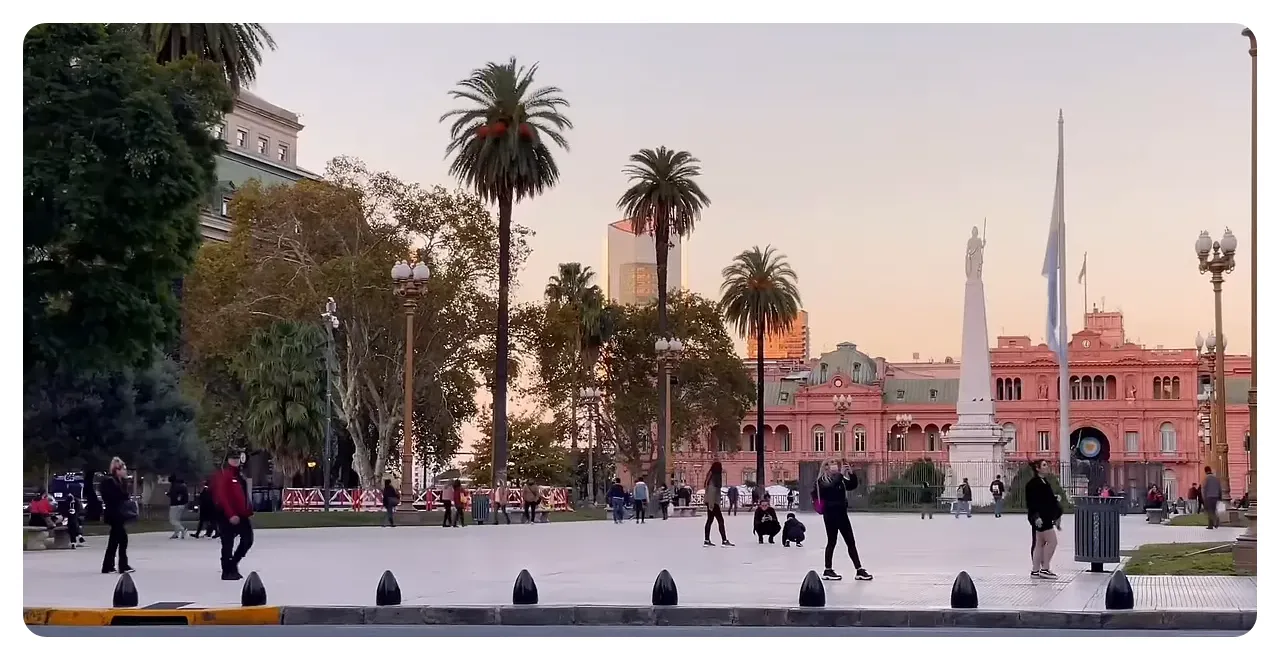
2. Buenos Aires — Tango, Architecture and Nightlife
Buenos Aires is Argentina’s capital and one of Latin America’s most vibrant cities. From European-inspired avenues to animated neighbourhoods and sizzling nightlife, the city gave the world tango and continues to pulse with cultural energy. When you Visit in Argentina and spend time in Buenos Aires, you’ll find barrios (districts) each with a unique character — the microcentro with its obelisk, San Telmo’s flea markets, and La Boca’s colourful streets and tango performers.
Highlights and activities:
- Explore Recoleta Cemetery where Evita Perón’s tomb draws visitors, and stroll nearby cultural institutions and parks.
- Spend an afternoon in Palermo for boutique shopping, cafés and botanical gardens.
- Watch or take a tango lesson in San Telmo or at a milonga (dancing club) for an authentic local experience.
- Indulge in world-class dining: parrillas (steakhouses) are essential, but the city’s gastronomic scene is diverse and experimental.
Travel tip: Buenos Aires is a walkable city in parts, but taxis and ride-hailing services are common. Keep an eye on opening hours — museums and shops often open later than in Europe. Nightlife typically starts late.
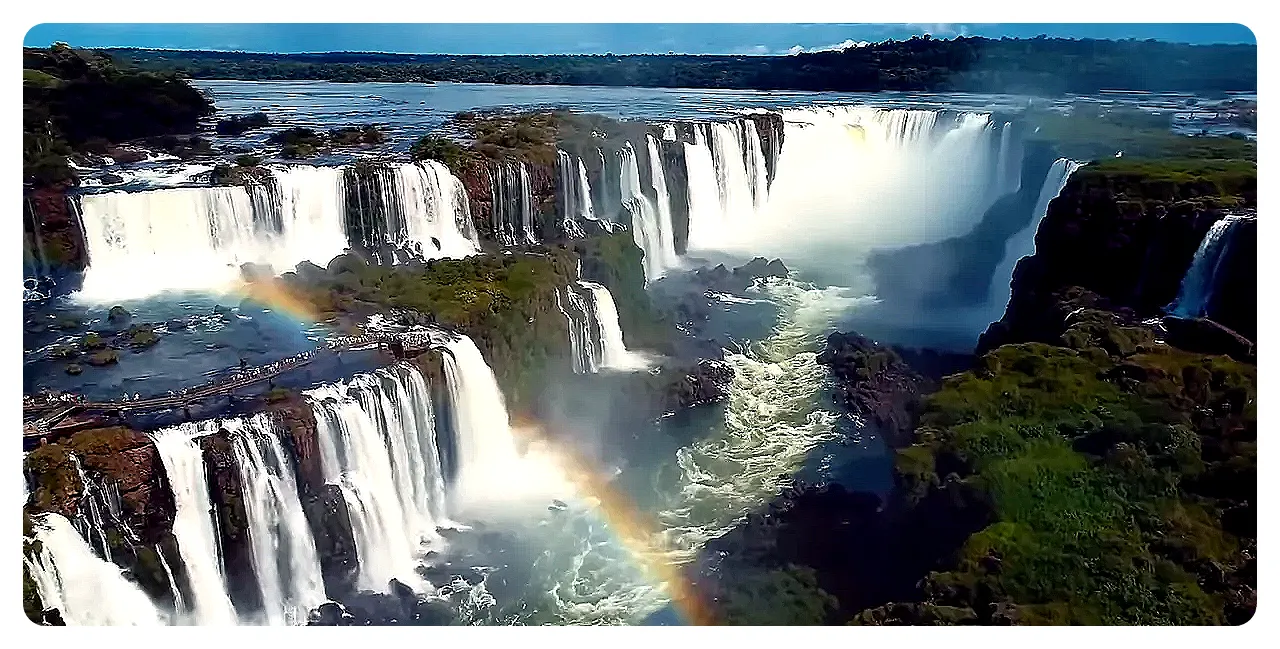
1. Iguazu Falls — The Crown Jewel of Argentina’s Natural Wonders
Iguazu Falls, straddling the border with Brazil on the Iguazu River, are one of the world’s most spectacular waterfall complexes. When you Visit in Argentina and go to Iguazu National Park, the scale and power of the falls are overwhelming — walkways and viewing platforms bring you close to thunderous cascades and persistent spray, while jungle trails reveal exotic wildlife.
Highlights and activities:
- Devil’s Throat (Garganta del Diablo) is the most dramatic viewpoint — the platform here places you at a dizzying vantage above foaming water.
- Boat rides from Puerto Iguazú get you wetly close to the falls for an adrenaline-infused perspective.
- Explore rainforest trails to see toucans, coatis and butterflies; early morning walks offer quieter wildlife viewing.
- Stay in Puerto Iguazú on the Argentine side for top-end hotels and easy access to the national park entrances.
Travel tip: The falls are busy in high season. Arrive early for the best light and fewer crowds. Consider combining Iguazu with a cultural stop in the nearby town or a short flight to Buenos Aires.
Planning Your Trip: Practical Tips to Visit in Argentina
Argentina’s size means sensible planning will make the difference between a rushed overview and a relaxed trip. Here are the core practicalities I recommend when you Visit in Argentina:
- Distances and transport: Domestic flights can save time — Buenos Aires to Patagonia or Iguazu can be long by road. Book internal flights in advance during peak seasons.
- Visa and entry: Check entry requirements for your nationality well in advance. Argentina typically has straightforward visitor procedures but rules do change.
- Language: Spanish is predominant. A few phrases go a long way — locals appreciate simple Spanish greetings and thanks. Many tourism operators speak English in major centres.
- Money: Cash and cards are widely used in tourist areas, but in smaller towns cash is essential. Keep an eye on official exchange rates and ATM availability.
- Weather and packing: Pack layers. Even summer days can have chilly evenings in Patagonia, and the sun is strong in the north. Prepare for insect repellent in humid areas like Iguazu and the Ibera wetlands.
- Health and safety: Standard travel vaccines and travel insurance are recommended. For remote adventures, check medical evacuation coverage if you plan technical climbs or prolonged wilderness trips.
When you Visit in Argentina, remember to combine a few high-profile sights with slow, local experiences: a market morning in Buenos Aires, a winery lunch in Mendoza, a sunset by a Patagonian lake. These little moments make a trip unforgettable.
Suggested Itineraries: Tailor Your Time to How You Travel
Picking where to Visit in Argentina depends on how much time you have. Here are three sample itineraries to match typical trip lengths.
10–14 Days: Essential Argentina
- Buenos Aires (3–4 days): Historic centre, tango, neighbourhoods.
- Iguazu Falls (2–3 days): Full-day park visits and boat trip.
- Mendoza or Bariloche (3–4 days): Wine region or lakes and mountains.
- Choose one internal flight to save time and balance urban and nature experiences.
2 Weeks +: Patagonia and Nature Focus
- Buenos Aires (2 nights) then fly south.
- El Calafate & Perito Moreno (2–3 nights).
- El Chaltén and Mount Fitz Roy (3–4 nights) for hikes.
- Ushuaia (2–3 nights) if you want the Antarctic gateway or extra wilderness.
Extended Explorers (3+ Weeks)
- Combine north and south: Iguazu, the Ibera wetlands, Salta and the Quebrada de Humahuaca in the northwest, then fly south for Patagonia and the Lake District.
- Include slow stays in towns like Córdoba, Bariloche and Puerto Madryn to experience regional culture and wildlife.
FAQ — Frequently Asked Questions about Where to Visit in Argentina
Q: What is the best time to Visit in Argentina?
A: It depends what you want to see. For Patagonia and skiing, southern winter (June–August) is ideal. Iguazu and the north are best in dry months (April–September) for comfortable humidity. Buenos Aires is pleasant in spring (September–November) and autumn (March–May). If you plan to Visit in Argentina and combine regions, think seasonally and pick a time that suits the majority of your chosen destinations.
Q: How long should I stay in each place when I Visit in Argentina?
A: Urban centres like Buenos Aires deserve at least 3 full days; Iguazu needs 2–3 days for both sides of the falls; Mendoza and Bariloche each reward 3–4 days for wine, mountains and activities. Patagonia is best explored slowly — plan at least a week if you want to include El Calafate and El Chaltén.
Q: Is Argentina safe for solo travellers planning to Visit in Argentina?
A: Many solo travellers visit Argentina safely each year. Practise common-sense precautions: avoid empty streets at night in unfamiliar areas, keep valuables discreet, use registered taxis or ride-hailing apps and ask hotels about safe neighbourhoods. In rural places, let someone know your plans if you go hiking alone.
Q: Do I need to rent a car to Visit in Argentina?
A: Not always. Major cities and tourist circuits have good domestic flight connections and organised tours. However, to explore regions like the Ibera wetlands, Valdés Peninsula or northwestern quebradas at your own pace, a car is useful. In Patagonia, some roads are long and remote — check vehicle insurance and road conditions.
Q: What are some cultural tips when you Visit in Argentina?
A: Argentines value warmth and direct conversation. Mealtimes are later than in many places — dinner often begins after 9pm. Tipping modestly in restaurants is customary. When meeting people, a kiss on the cheek is common in social settings. Learning a few Spanish phrases shows respect and is appreciated.
Final Thoughts: Make the Most of Your Trip to Visit in Argentina
Argentina is a country that rewards curiosity and slow exploration. If you Visit in Argentina with an open mind you’ll find dramatic landscapes, vibrant cities and warm hospitality. From the thunder of Iguazu to the hush of a Patagonian morning by a glacier, each part of Argentina offers a distinct experience. Use this guide to prioritise the places that speak to you, then leave space for small discoveries — cafes, markets, local festivals and unexpected viewpoints.
Thank you for reading — I put together the original video with touropia to highlight these places, and I hope this article helps you plan a trip that captures both the big spectacles and the quiet moments that make Argentina unforgettable. Wherever you choose to Visit in Argentina, travel thoughtfully, respect local environments and enjoy the richness this country offers.


Pingback: Discovering the Stunning 12 Apostles on a Melbourne Tour
Pingback: Discovering Waiheke: A Day Trip from Auckland
Pingback: Discover Australia's Breathtaking Scenic Drives
Pingback: Exploring Vietnam and Cambodia: A Southeast Asian Adventure
Pingback: Discover the Best Myanmar Tours
Pingback: Top Italian Travel Destinations: Best Cities to Explore