
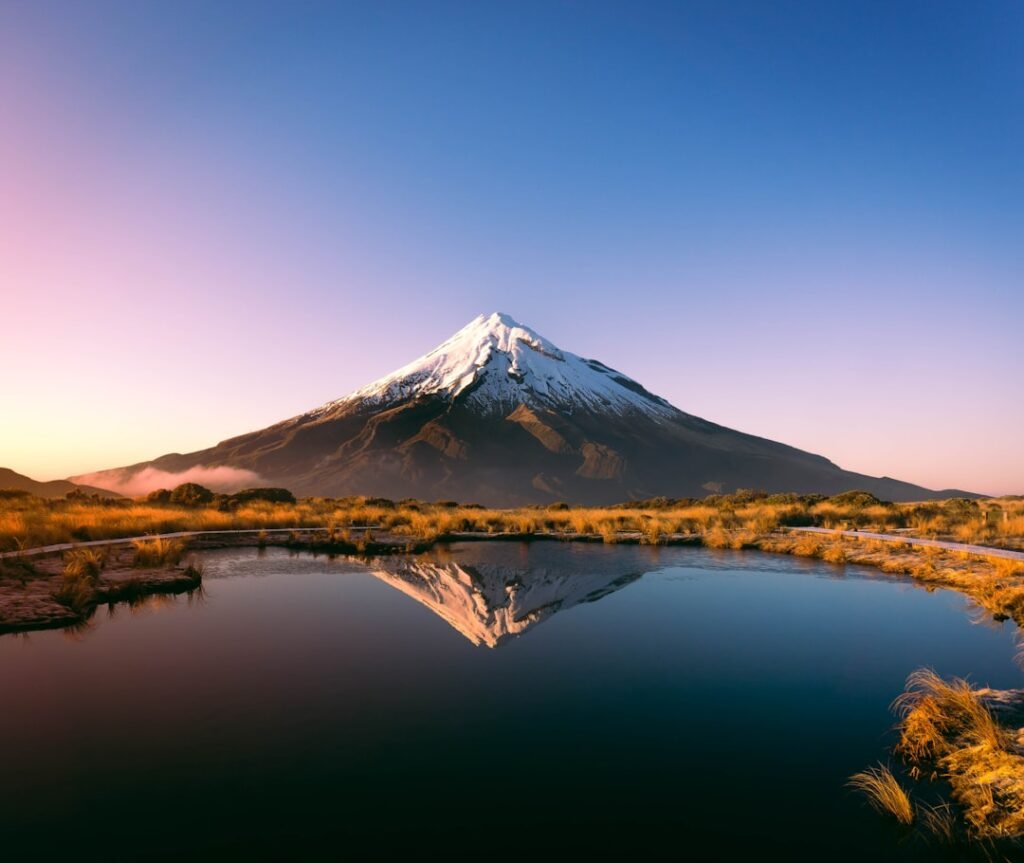

New Zealand, an island nation located in the southwestern Pacific Ocean, is renowned for its breathtaking landscapes, rich cultural heritage, and diverse ecosystems. Comprising two main landmasses, the North Island and the South Island, along with numerous smaller islands, New Zealand offers a unique blend of natural beauty and vibrant urban life. The country is characterized by its stunning fjords, rolling hills, and pristine beaches, making it a paradise for nature lovers and adventure seekers alike.
The indigenous Māori culture adds a rich layer of history and tradition to the nation, providing visitors with a deeper understanding of its identity. The geographical diversity of New Zealand is matched by its climatic variations, which range from subtropical in the north to temperate in the south. This variety not only influences the lifestyle of its inhabitants but also contributes to the country’s agricultural richness.
New Zealand is famous for its dairy products, wine, and lamb, which are exported worldwide. The nation’s commitment to environmental conservation is evident in its numerous national parks and protected areas, which serve as sanctuaries for unique flora and fauna. As a destination, New Zealand captivates travelers with its blend of adventure, culture, and natural wonders.
Key Takeaways
- New Zealand offers diverse landscapes and rich cultural experiences across its North and South Islands.
- The North Island features iconic sites like geothermal parks and vibrant cities, while the South Island is known for stunning fjords and mountains.
- Outdoor adventures such as hiking, bungee jumping, and water sports are popular activities for visitors.
- Maori culture is integral to New Zealand, with many heritage sites and cultural experiences available.
- Travelers should explore lesser-known destinations and follow practical tips for a smooth and memorable trip.
North Island: Must-see Destinations
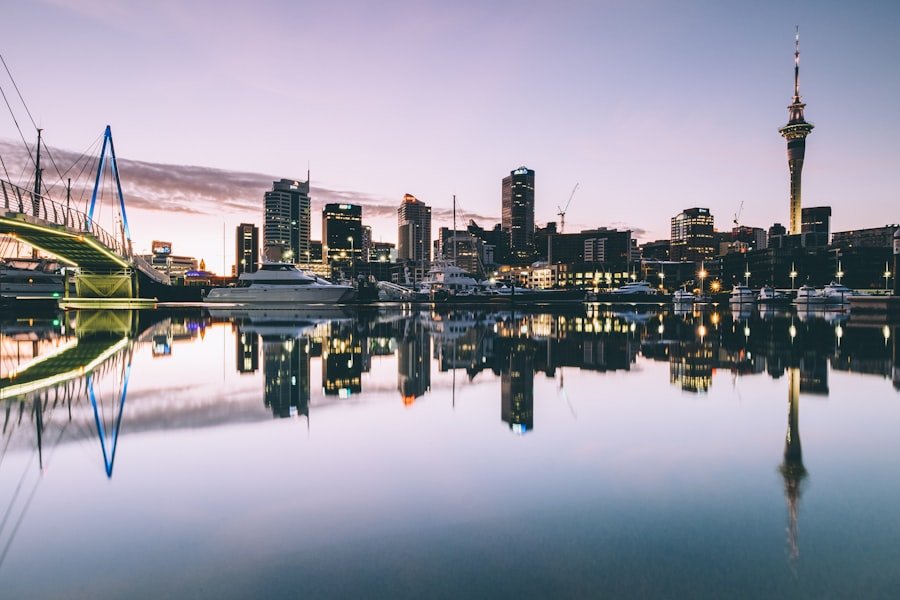
The North Island is home to some of New Zealand’s most iconic destinations, each offering a unique glimpse into the country’s diverse landscapes and cultural heritage. One of the most notable locations is Auckland, often referred to as the “City of Sails.” This vibrant metropolis boasts a stunning waterfront, a thriving arts scene, and a plethora of dining options. Visitors can ascend the Sky Tower for panoramic views of the city and its surrounding islands or explore the nearby Waiheke Island, known for its picturesque vineyards and olive groves.
The bustling Viaduct Harbour is perfect for enjoying fresh seafood while soaking in the lively atmosphere.
The area is dotted with bubbling mud pools, geysers, and hot springs, providing a unique opportunity to witness the earth’s natural wonders.
Visitors can immerse themselves in Māori traditions by attending a cultural performance or enjoying a traditional hangi feast cooked in an underground oven. The nearby Whakarewarewa Thermal Village offers insights into the daily lives of the Māori people while showcasing the region’s geothermal features. Rotorua serves as a gateway to adventure activities such as mountain biking and zip-lining through lush forests.
South Island: Must-see Destinations
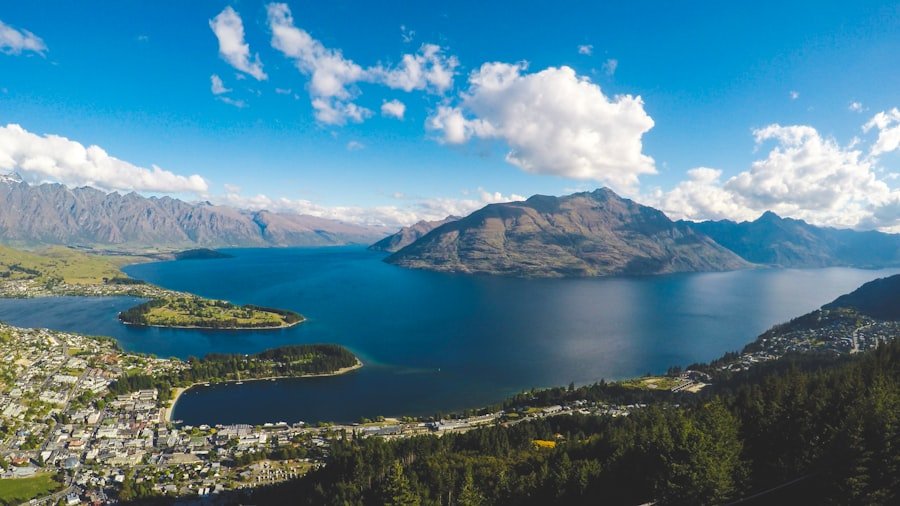
The South Island is often regarded as the crown jewel of New Zealand, boasting some of the most dramatic landscapes in the world. Queenstown, known as the adventure capital of New Zealand, attracts thrill-seekers from around the globe. Nestled between the Remarkables mountain range and Lake Wakatipu, Queenstown offers an array of adrenaline-pumping activities such as bungee jumping, skydiving, and jet boating.
The town’s vibrant nightlife and culinary scene further enhance its appeal, making it a perfect base for exploring the surrounding natural wonders. Another highlight of the South Island is Fiordland National Park, home to the breathtaking Milford Sound and Doubtful Sound. These stunning fjords are characterized by towering cliffs, cascading waterfalls, and lush rainforests.
A cruise through Milford Sound reveals dramatic scenery that has inspired countless artists and photographers. The park is also a UNESCO World Heritage site, recognized for its ecological significance and pristine wilderness. Hiking enthusiasts can explore the famous Milford Track or the Routeburn Track, both offering unparalleled views of the region’s natural beauty.
Outdoor Adventures in New Zealand
| Activity | Popular Locations | Average Duration | Difficulty Level | Best Season | Key Metrics |
|---|---|---|---|---|---|
| Hiking / Tramping | Milford Track, Tongariro Alpine Crossing, Routeburn Track | 4-6 hours to multi-day | Moderate to Hard | Summer (Dec-Feb) | Track length: 19-53 km, Elevation gain: 500-1,300 m |
| Bungee Jumping | Queenstown, Auckland, Taupo | 5-10 minutes per jump | Extreme | Year-round | Jump height: 43-134 m |
| White Water Rafting | Shotover River, Rangitata River, Kaituna River | 2-4 hours | Moderate to Extreme | Spring to Autumn (Sep-Apr) | Rapids grade: III-IV, River length: 10-20 km |
| Skiing / Snowboarding | Queenstown, Wanaka, Mt. Ruapehu | Full day | Beginner to Expert | Winter (Jun-Aug) | Elevation: 1,000-2,300 m, Runs: 20-50 |
| Skydiving | Queenstown, Wanaka, Taupo | 10-20 minutes (including freefall) | Extreme | Year-round | Jump altitude: 12,000-15,000 ft, Freefall time: 40-60 sec |
| Kayaking | Abel Tasman National Park, Marlborough Sounds, Bay of Islands | Half day to full day | Easy to Moderate | Summer (Dec-Feb) | Distance: 5-20 km, Water type: Coastal and river |
New Zealand is synonymous with outdoor adventures, attracting enthusiasts eager to explore its diverse landscapes.
The Tongariro Alpine Crossing on the North Island is often hailed as one of the best day hikes in the world.
This challenging trek takes adventurers through volcanic landscapes, past emerald lakes, and offers stunning views of Mount Ngauruhoe. The trail’s unique geological features make it a must-do for those seeking an unforgettable outdoor experience. On the South Island, outdoor adventures abound in places like Aoraki/Mount Cook National Park.
Home to New Zealand’s highest peak, Aoraki/Mount Cook offers numerous hiking trails that cater to all skill levels. The Hooker Valley Track is particularly popular for its relatively easy access and breathtaking views of glaciers and alpine meadows. For those seeking winter sports, Queenstown transforms into a skiing haven during the colder months, with nearby resorts like Coronet Peak and The Remarkables offering excellent slopes for skiing and snowboarding.
Maori Culture and Heritage Sites
Māori culture is an integral part of New Zealand’s identity, deeply woven into the fabric of everyday life. Visitors have numerous opportunities to engage with this rich heritage through various cultural experiences and heritage sites across the country. One significant location is Te Puia in Rotorua, where visitors can learn about Māori traditions through guided tours that include demonstrations of traditional carving and weaving techniques.
The site also features geothermal wonders like geysers and hot springs that hold cultural significance for the Māori people. Another important site is Waitangi Treaty Grounds in the Bay of Islands, where the Treaty of Waitangi was signed in 1840 between Māori chiefs and representatives of the British Crown. This historic site offers insights into New Zealand’s colonial history and its impact on Māori communities.
Visitors can explore the museum exhibits that detail the treaty’s significance while enjoying traditional Māori performances that celebrate their culture through song and dance. Engaging with these cultural experiences allows travelers to gain a deeper appreciation for New Zealand’s history and its indigenous people.
Food and Wine Experiences in New Zealand
New Zealand’s culinary scene is as diverse as its landscapes, offering a delightful array of flavors influenced by both local ingredients and international cuisines. The country’s agricultural bounty provides fresh produce that forms the foundation of many dishes. Seafood lovers will find an abundance of options along the coastlines, with green-lipped mussels, snapper, and crayfish being particularly popular.
Farmers’ markets across New Zealand showcase seasonal fruits and vegetables, allowing visitors to taste local delicacies while supporting sustainable practices. Wine enthusiasts will be captivated by New Zealand’s burgeoning wine industry, particularly in regions like Marlborough on the South Island and Hawke’s Bay on the North Island. Marlborough is renowned for its Sauvignon Blanc, characterized by vibrant acidity and tropical fruit flavors.
Wine tours in this region often include tastings at picturesque vineyards set against stunning backdrops of rolling hills and mountains. In Hawke’s Bay, visitors can indulge in rich red wines such as Merlot and Syrah while enjoying gourmet food pairings at local wineries. Culinary festivals throughout the year celebrate New Zealand’s food culture, providing opportunities to sample dishes crafted by talented chefs using locally sourced ingredients.
Off-the-Beaten-Path Destinations
While popular tourist spots offer incredible experiences, New Zealand also boasts numerous off-the-beaten-path destinations that provide a more intimate connection with nature and local culture. One such hidden gem is Stewart Island, located south of the South Island. Known for its rugged beauty and abundant wildlife, Stewart Island is a haven for birdwatchers seeking to spot rare species like the kiwi in their natural habitat.
The island’s walking tracks offer stunning coastal views and opportunities to explore its pristine forests. Another lesser-known destination is the Coromandel Peninsula on the North Island, famous for its stunning beaches and lush rainforests. Hot Water Beach is a unique attraction where visitors can dig their own hot pools in the sand during low tide due to geothermal activity beneath the surface.
The nearby Cathedral Cove features dramatic rock formations and crystal-clear waters ideal for swimming or kayaking. These off-the-beaten-path locations allow travelers to escape the crowds while experiencing New Zealand’s natural beauty in a more personal way.
Tips for Traveling in New Zealand
Traveling in New Zealand requires some planning to ensure an enjoyable experience amidst its diverse landscapes and attractions. One essential tip is to consider renting a car or campervan for greater flexibility in exploring both popular sites and hidden gems at your own pace. The country’s well-maintained road network makes it easy to navigate between destinations while enjoying scenic drives that showcase breathtaking views.
Another important aspect to keep in mind is New Zealand’s variable weather conditions; packing layers is advisable as temperatures can change rapidly throughout the day. Additionally, travelers should be aware of local customs and etiquette when interacting with Māori communities or visiting sacred sites; showing respect for their traditions enhances cultural exchanges significantly. Lastly, taking advantage of local tourism information centers can provide valuable insights into current events or lesser-known attractions that may enrich your travel experience in this remarkable country.
If you’re planning a trip to New Zealand and looking for the best places to explore, you might also find inspiration in other travel destinations. For instance, you can check out this article on the top places to visit in Croatia, which highlights stunning landscapes and cultural experiences that could complement your travel itinerary. Whether you’re drawn to New Zealand’s breathtaking scenery or Croatia’s rich history, both destinations offer unique adventures for every traveler.
FAQs
What are some of the best places to visit in New Zealand?
Some of the best places to visit in New Zealand include Queenstown, Rotorua, Milford Sound, Auckland, Wellington, Christchurch, and the Bay of Islands. Each location offers unique landscapes and activities, from adventure sports to cultural experiences.
When is the best time to visit New Zealand?
The best time to visit New Zealand depends on your interests. Summer (December to February) is ideal for outdoor activities and beach visits, while winter (June to August) is perfect for skiing and snowboarding. Spring and autumn offer mild weather and fewer tourists.
Do I need a visa to travel to New Zealand?
Visa requirements vary depending on your nationality. Many countries’ citizens can enter New Zealand visa-free for short stays, but others need to apply for a visa in advance. It is recommended to check the official New Zealand immigration website for the most current information.
What are popular outdoor activities in New Zealand?
Popular outdoor activities in New Zealand include hiking (tramping), bungee jumping, skiing, kayaking, whale watching, and exploring national parks. The country is known for its stunning natural scenery and adventure tourism.
Is New Zealand safe for tourists?
Yes, New Zealand is generally considered a safe destination for tourists. It has low crime rates and a well-developed infrastructure. However, visitors should always take standard precautions and be aware of natural hazards like weather changes and outdoor terrain.
What currency is used in New Zealand?
The currency used in New Zealand is the New Zealand Dollar (NZD).
What languages are spoken in New Zealand?
English is the predominant language spoken in New Zealand. Maori is also an official language and is commonly used in cultural contexts.
How can I get around New Zealand?
Travelers can get around New Zealand by car, bus, domestic flights, and ferries. Renting a car or campervan is popular for exploring the country at your own pace.
Are there any cultural customs I should be aware of when visiting New Zealand?
Visitors should respect Maori culture and traditions, which are an important part of New Zealand’s identity. It is polite to learn basic greetings and be respectful when visiting marae (Maori meeting grounds) or cultural sites.