
Understanding the weather and climate of a destination is crucial for any traveler, as it significantly influences the overall experience. Different regions exhibit distinct climatic patterns, which can affect everything from clothing choices to activity planning. For instance, tropical climates are characterized by high humidity and temperatures that rarely dip below 20°C (68°F), while temperate zones experience four distinct seasons, each with its own unique weather conditions.
In contrast, arid regions may present extreme temperature variations between day and night, making it essential for travelers to prepare accordingly. In many popular tourist destinations, the climate can vary dramatically throughout the year. For example, in Mediterranean regions, summers are typically hot and dry, while winters are mild and wetter.
This seasonal variation not only impacts the natural landscape but also influences local flora and fauna, which can be a significant draw for nature enthusiasts. Travelers should consider these climatic nuances when planning their trips, as they can dictate the best times for outdoor activities, sightseeing, and even culinary experiences that are often tied to seasonal ingredients.
Key Takeaways
- Understanding local weather and climate helps plan the best travel time.
- Peak tourist seasons offer vibrant events but come with higher costs and crowds.
- Off-peak seasons provide budget-friendly options and a more relaxed experience.
- Engaging in cultural festivals enriches the travel experience with authentic local traditions.
- Outdoor activities vary by season, so timing your visit can maximize adventure opportunities.
Peak Tourist Season
The peak tourist season is often defined by a combination of favorable weather conditions, school holidays, and local events that attract visitors. During this time, destinations can become bustling hubs of activity, with attractions operating at full capacity and accommodations often fully booked. For instance, in many European cities, summer months like June through August see an influx of tourists eager to explore historical sites, enjoy outdoor festivals, and bask in the sun.
This surge in visitors can lead to crowded attractions and longer wait times, which may detract from the overall experience. Traveling during peak season also comes with its own set of challenges. Prices for flights and accommodations tend to skyrocket as demand increases, making it essential for travelers to book well in advance to secure the best deals.
Additionally, popular tourist spots may implement measures to manage crowds, such as timed entry tickets or limited access to certain areas. While the vibrant atmosphere of peak season can be exhilarating, travelers should weigh the pros and cons carefully, considering whether they prefer a lively environment or a more tranquil experience.
Off-Peak Season
Conversely, the off-peak season presents a unique opportunity for travelers seeking a more relaxed experience. During this time, destinations often see a significant drop in visitor numbers, allowing for a more intimate exploration of local culture and attractions. For example, many beach resorts experience a lull in tourism during the fall and winter months when temperatures may be cooler or when rain is more frequent.
This can be an ideal time for those looking to avoid crowds and enjoy lower prices on accommodations and activities. Traveling during the off-peak season also allows for a deeper connection with the local community. With fewer tourists around, travelers may find it easier to engage with residents, participate in local traditions, and discover hidden gems that are often overlooked during busier times.
Additionally, many attractions offer discounted rates or special promotions during off-peak months to encourage visitation. This not only makes travel more affordable but also enhances the overall experience by providing opportunities for unique interactions and discoveries.
Festivals and Events
Festivals and events play a significant role in shaping the cultural landscape of a destination. They offer travelers a chance to immerse themselves in local traditions, cuisine, and art forms that might otherwise remain hidden. For instance, attending a traditional harvest festival can provide insight into agricultural practices and local produce while allowing visitors to sample regional dishes prepared by local chefs.
Events such as music festivals or art fairs can also showcase the talents of local artists and musicians, creating a vibrant atmosphere that celebrates community spirit. Moreover, many destinations have signature events that draw international attention. The Carnival in Rio de Janeiro is a prime example; this world-renowned festival features elaborate parades, samba music, and vibrant costumes that attract millions of visitors each year.
Similarly, the Diwali festival in India illuminates cities with lights and fireworks while celebrating the triumph of light over darkness. Participating in such events not only enriches the travel experience but also fosters a sense of connection with the local culture and its people.
Budget Considerations
| Country | Best Month(s) to Visit | Average Temperature (°C) | Rainfall (mm) | Notes |
|---|---|---|---|---|
| Vietnam | February to April | 20 – 28 | 30 – 80 | Dry season in most regions, pleasant weather for sightseeing |
| Vietnam | September to November | 22 – 27 | 50 – 100 | End of rainy season, cooler temperatures, less humidity |
| Cambodia | November to February | 21 – 30 | 10 – 50 | Cool and dry season, ideal for outdoor activities and temple visits |
| Cambodia | March to May | 28 – 35 | 10 – 20 | Hot season, fewer tourists but high temperatures |
Budget considerations are paramount when planning any trip, as they dictate where travelers can go and what experiences they can afford.
For instance, cities like Tokyo or Zurich are known for their high living costs, which can significantly impact accommodation and dining expenses.
Conversely, destinations in Southeast Asia or Eastern Europe often provide excellent value for money, allowing travelers to stretch their budgets further. In addition to accommodation and food costs, travelers should also factor in transportation expenses, entrance fees for attractions, and potential guided tours. Many destinations offer city passes that provide access to multiple attractions at a discounted rate, which can be an economical choice for those looking to explore extensively.
Furthermore, being mindful of currency exchange rates can help travelers make informed decisions about spending while abroad. By carefully considering these budgetary factors, travelers can create a realistic financial plan that allows them to enjoy their trip without overspending.
Cultural Experiences
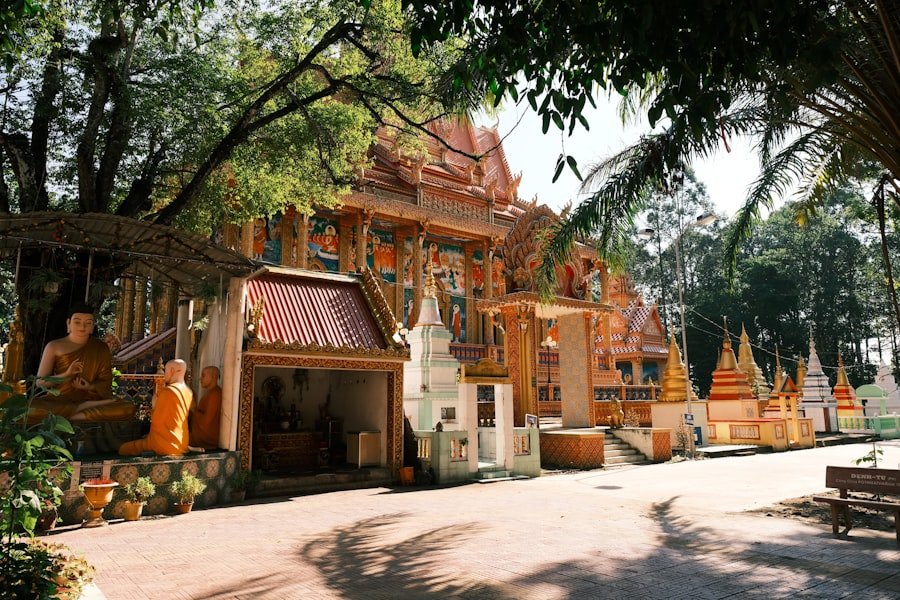
Cultural experiences are at the heart of travel; they provide insight into the history, traditions, and daily lives of people in different regions. Engaging with local customs can transform a standard trip into an enriching journey filled with learning opportunities. For example, participating in a cooking class can offer hands-on experience with traditional recipes while fostering connections with local chefs who share their culinary secrets.
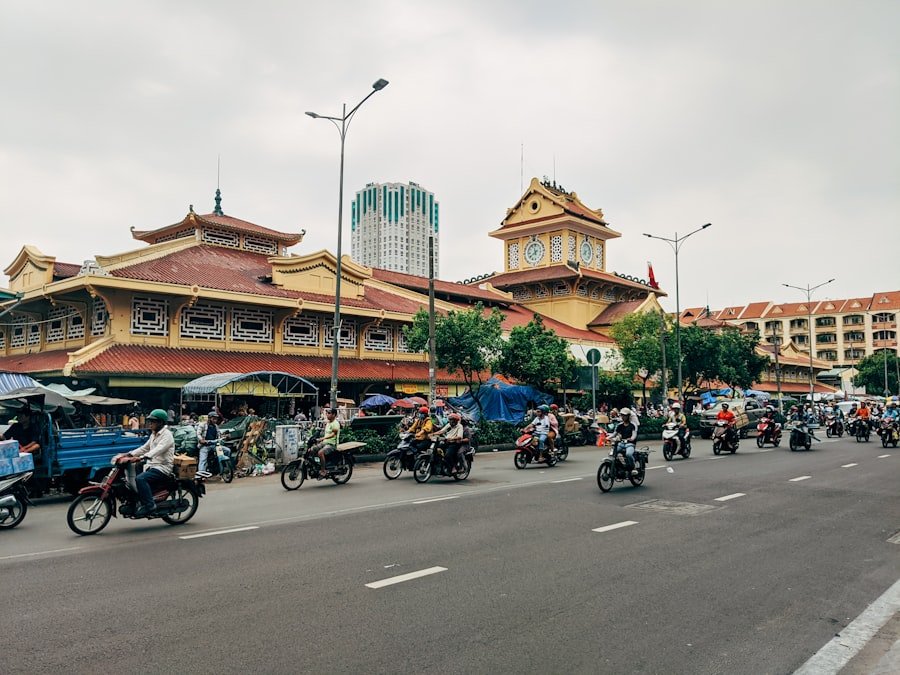
Similarly, attending a traditional dance performance or art workshop allows travelers to appreciate the artistic expressions that define a culture. Moreover, cultural experiences often extend beyond formal activities; they can be found in everyday interactions with locals. Visiting markets or street fairs provides an authentic glimpse into daily life while offering opportunities to sample local delicacies or purchase handmade crafts.
Engaging in conversations with residents can lead to unexpected discoveries about the area’s history or hidden gems that are not typically found in guidebooks. These interactions not only enhance the travel experience but also promote cultural exchange and understanding.
Outdoor Activities
Outdoor activities are an integral part of many travel experiences, offering opportunities for adventure and exploration in natural settings. From hiking through national parks to kayaking along scenic coastlines, outdoor pursuits allow travelers to connect with nature while enjoying breathtaking landscapes. For instance, trekking through the rugged terrain of Patagonia provides not only physical challenges but also stunning views of glaciers and mountains that leave lasting impressions.
In addition to traditional outdoor activities like hiking or biking, many destinations offer unique experiences that cater to various interests. For example, wildlife safaris in Africa provide thrilling encounters with exotic animals in their natural habitats while promoting conservation efforts. Similarly, scuba diving in coral reefs allows travelers to explore vibrant underwater ecosystems teeming with marine life.
These outdoor adventures not only foster a sense of adventure but also encourage appreciation for the environment and its preservation.
Tips for Travelers
Traveling can be an exhilarating yet challenging experience; therefore, having practical tips at hand can enhance the journey significantly. One essential tip is to research local customs and etiquette before arriving at a destination. Understanding cultural norms—such as appropriate dress codes or dining etiquette—can help avoid unintentional faux pas and foster positive interactions with locals.
Additionally, learning a few basic phrases in the local language can go a long way in building rapport and demonstrating respect for the culture. Another valuable tip is to remain flexible with travel plans. While having an itinerary is beneficial for ensuring that key attractions are visited, being open to spontaneous experiences can lead to unexpected adventures.
Whether it’s discovering a hidden café or stumbling upon a local festival, these unplanned moments often become cherished memories that define a trip. Lastly, staying connected through technology—whether via travel apps for navigation or social media for sharing experiences—can enhance communication and provide valuable resources during travels. By keeping these tips in mind, travelers can navigate their journeys more effectively while maximizing enjoyment along the way.
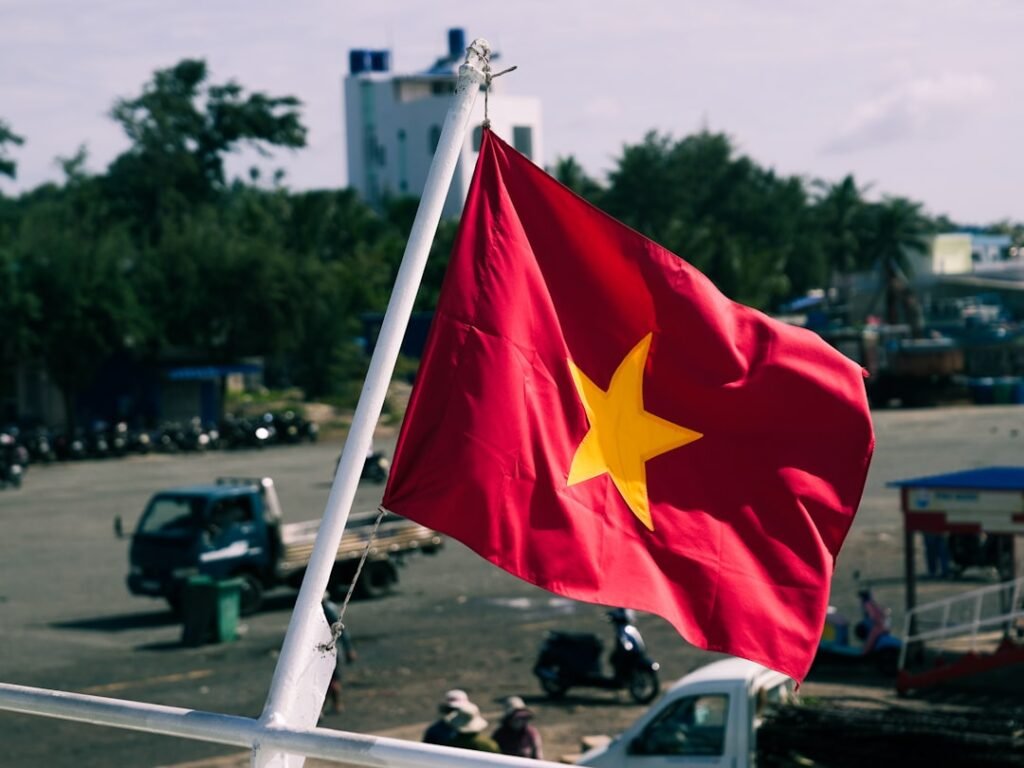
If you’re planning a trip to Vietnam and Cambodia, it’s essential to consider the best time to visit these beautiful countries to make the most of your experience. For more travel inspiration, you might find it helpful to read about the 23 most beautiful islands in the USA, which can provide insights into stunning destinations and travel tips that could enhance your journey in Southeast Asia.
FAQs
What is the best month to visit Vietnam?
The best months to visit Vietnam are generally from February to April and August to October. During these periods, the weather is typically pleasant with moderate temperatures and less rainfall, making it ideal for sightseeing and outdoor activities.
When is the best time to visit Cambodia?
The best time to visit Cambodia is from November to February. This is the dry season when the weather is cooler and more comfortable for exploring temples and other attractions.
Can I visit both Vietnam and Cambodia in the same trip?
Yes, you can visit both countries in the same trip. The overlapping best travel months are generally from November to February, which is a good time to experience favorable weather in both Vietnam and Cambodia.
What weather conditions should I expect when visiting Vietnam and Cambodia?
Vietnam has diverse climates depending on the region, with the north experiencing cooler winters and the south being tropical year-round. Cambodia has a tropical climate with a distinct wet season from May to October and a dry season from November to April.
Are there any months to avoid when traveling to Vietnam and Cambodia?
It is advisable to avoid the peak rainy season, which is typically from May to October, especially in Cambodia and southern Vietnam, as heavy rains can disrupt travel plans and outdoor activities.
How does the weather vary between northern and southern Vietnam?
Northern Vietnam experiences four distinct seasons, including a cooler winter from December to February, while southern Vietnam has a tropical climate with a wet season from May to November and a dry season from December to April.
Is it crowded during the best months to visit Vietnam and Cambodia?
The best months to visit often coincide with peak tourist seasons, so popular destinations may be crowded. Booking accommodations and tours in advance is recommended during these times.
What activities are best during the recommended months to visit Vietnam and Cambodia?
During the best months, outdoor activities such as trekking, sightseeing, visiting temples, and beach outings are ideal due to favorable weather conditions. Festivals and cultural events also often take place during these periods.