
Indonesia, an archipelago of over 17,000 islands, is a nation that boasts a rich tapestry of cultures, languages, and natural wonders. Spanning across the equator, it is the fourth most populous country in the world, with more than 270 million inhabitants. The diversity of its people is reflected in the multitude of ethnic groups, each with its own unique traditions and customs.
From the bustling streets of Jakarta to the serene rice terraces of Bali, Indonesia offers a myriad of experiences that cater to every type of traveler. The country is not only known for its stunning landscapes but also for its vibrant arts scene, traditional music, and intricate crafts that have been passed down through generations. The geographical diversity of Indonesia is equally impressive.
It encompasses everything from volcanic mountains and lush rainforests to pristine beaches and coral reefs. This natural wealth has made Indonesia a hotspot for tourism, attracting millions of visitors each year who come to explore its breathtaking scenery and immerse themselves in its rich cultural heritage. The country’s strategic location along ancient trade routes has also contributed to its historical significance, making it a melting pot of influences from various civilizations.
As travelers embark on their journeys through this enchanting archipelago, they are often met with warm hospitality and a sense of adventure that is uniquely Indonesian.
Key Takeaways
- Indonesia offers diverse travel experiences, from cultural to adventure tours.
- Visitors can explore rich wildlife and pristine beaches across the archipelago.
- Culinary tours highlight Indonesia’s unique and flavorful local cuisine.
- Historical and heritage tours provide insight into Indonesia’s ancient traditions.
- Eco-tours promote sustainable travel and environmental awareness in Indonesia.
Cultural Tours in Indonesia
Cultural tours in Indonesia provide an immersive experience into the heart of its diverse traditions and practices. One of the most popular destinations for cultural exploration is Bali, where visitors can witness traditional Balinese ceremonies, dance performances, and art forms that are integral to the island’s identity. The Barong dance, for instance, is a captivating performance that depicts the eternal battle between good and evil, showcasing intricate costumes and rhythmic music that resonate with the audience.
Tourists can also participate in workshops to learn traditional crafts such as batik painting or silver jewelry making, allowing them to take home a piece of Indonesian culture. Beyond Bali, other regions offer unique cultural experiences as well. In Yogyakarta, known as the cultural capital of Java, travelers can explore the majestic Borobudur and Prambanan temples, both UNESCO World Heritage Sites that reflect the architectural brilliance of ancient civilizations.
The city is also famous for its traditional markets where visitors can engage with local artisans and sample regional delicacies. Cultural tours often include visits to local villages where travelers can interact with residents, learn about their daily lives, and participate in age-old customs such as rice planting or weaving. These experiences foster a deeper understanding of Indonesia’s rich heritage and the values that shape its communities.
Adventure Tours in Indonesia
For thrill-seekers and outdoor enthusiasts, Indonesia is a paradise filled with opportunities for adventure. The country’s diverse landscapes provide the perfect backdrop for a variety of activities ranging from trekking and climbing to surfing and diving. One of the most iconic adventure experiences is trekking up Mount Rinjani on Lombok Island.
This active volcano stands at 3,726 meters and offers breathtaking views from its summit. The trek typically takes several days and includes camping under the stars, navigating through lush forests, and witnessing stunning sunrises that illuminate the surrounding landscape. Surfing enthusiasts flock to Indonesia for its world-class waves, particularly in places like Uluwatu and Kuta Beach in Bali.
Surf schools cater to all skill levels, making it accessible for beginners while also challenging seasoned surfers with more advanced breaks. Additionally, Indonesia’s extensive coastline features numerous hidden coves and pristine beaches that are perfect for kayaking or stand-up paddleboarding.
For those seeking underwater adventures, diving in places like Raja Ampat or Komodo National Park reveals some of the most biodiverse marine ecosystems on the planet, where divers can encounter vibrant coral reefs and an array of marine life.
Wildlife Tours in Indonesia
| Tour Name | Location | Duration | Key Wildlife | Best Season | Average Group Size |
|---|---|---|---|---|---|
| Komodo Dragon Safari | Komodo National Park | 3 Days | Komodo Dragons, Sea Eagles, Manta Rays | April to December | 8-12 |
| Orangutan Trekking Adventure | Gunung Leuser National Park, Sumatra | 4 Days | Orangutans, Pygmy Elephants, Hornbills | May to September | 6-10 |
| Borneo Wildlife Expedition | Tanjung Puting National Park, Kalimantan | 5 Days | Orangutans, Proboscis Monkeys, Gibbons | June to October | 5-8 |
| Birdwatching in Bali Barat | Bali Barat National Park | 2 Days | Javan Kingfisher, Bali Starling, Eagles | April to October | 10-15 |
| Sumatran Tiger Tracking | Kerinci Seblat National Park | 6 Days | Sumatran Tigers, Clouded Leopards, Tapirs | March to September | 4-6 |
Indonesia is home to an astonishing variety of wildlife, much of which is endemic to its islands. Wildlife tours offer an opportunity to observe these unique species in their natural habitats while promoting conservation efforts. One of the most sought-after experiences is trekking through the rainforests of Sumatra or Borneo to see orangutans in the wild.
These intelligent primates are critically endangered due to habitat loss, making responsible wildlife tourism crucial for their survival. Guided tours often include visits to rehabilitation centers where visitors can learn about conservation initiatives aimed at protecting these remarkable creatures.
Komodo National Park is famous for its namesake inhabitants—the Komodo dragons—who are the largest lizards on Earth. Guided tours allow visitors to observe these prehistoric creatures in their natural environment while learning about their behavior and habitat conservation efforts. Birdwatching tours are also popular in Indonesia, particularly in areas like Bali and Sumatra, where birders can spot rare species such as the Bali myna or the Sumatran ground-cuckoo.
These wildlife encounters not only provide unforgettable memories but also contribute to the preservation of Indonesia’s rich biodiversity.
Beach and Island Tours in Indonesia
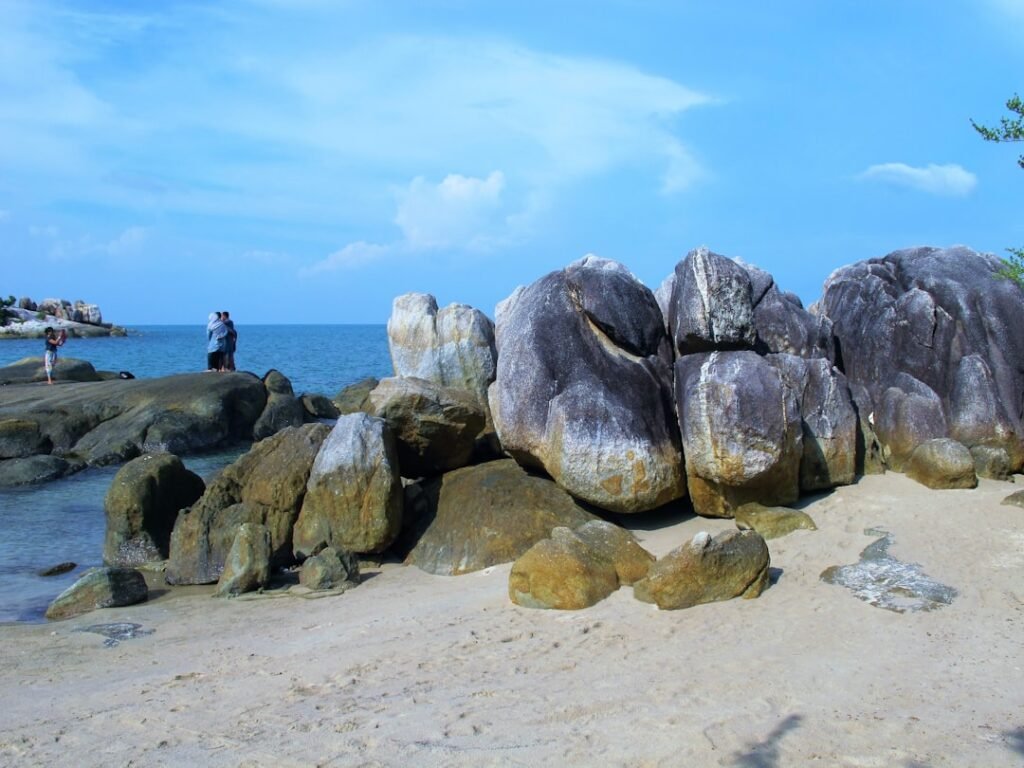
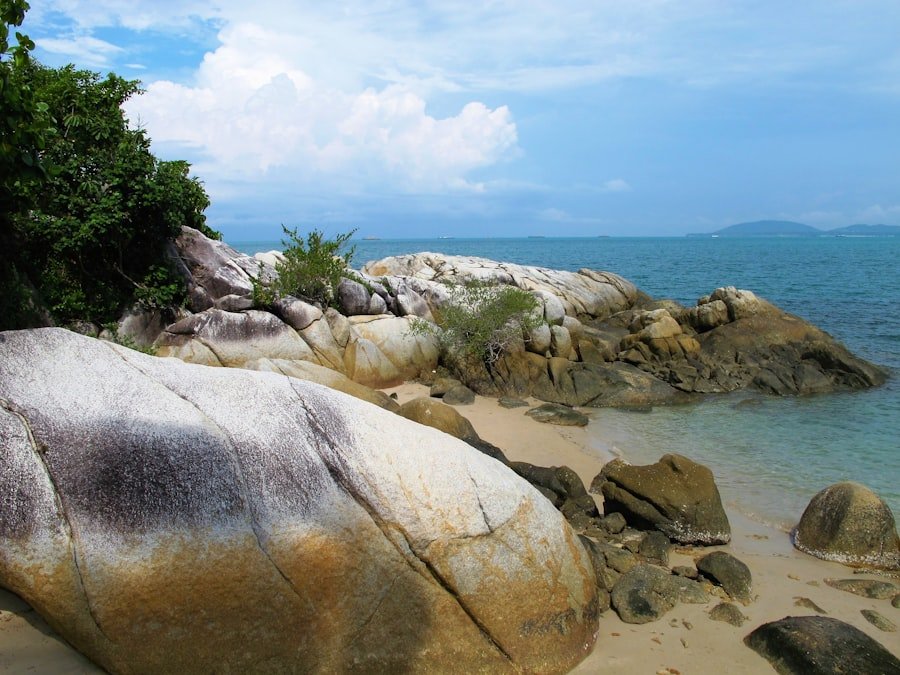
With thousands of islands scattered across its vast expanse, Indonesia is renowned for its stunning beaches and idyllic island getaways. Beach tours often take travelers to some of the most picturesque locations in the world, where crystal-clear waters meet powdery white sands. Bali remains a top destination for beach lovers, offering a mix of lively beach clubs and tranquil spots like Nusa Dua or Sanur.
Visitors can indulge in sunbathing, swimming, or engaging in water sports such as snorkeling and jet skiing. Beyond Bali, islands like Gili Trawangan and Nusa Penida have gained popularity for their unspoiled beauty and laid-back atmosphere. Gili Trawangan is known for its vibrant nightlife and coral reefs teeming with marine life, making it a favorite among backpackers and party-goers alike.
Nusa Penida offers dramatic cliffs and secluded beaches like Kelingking Beach, which has become an Instagram sensation due to its breathtaking views. Island-hopping tours allow travelers to explore multiple destinations within a short time frame, providing opportunities for snorkeling with manta rays or simply relaxing on pristine shores.
Culinary Tours in Indonesia
Indonesian cuisine is as diverse as its culture, with each region offering distinct flavors and culinary traditions that reflect local ingredients and influences. Culinary tours provide an opportunity for food enthusiasts to delve into this rich gastronomic landscape through cooking classes, market visits, and tastings at local eateries. In Bali, for example, visitors can participate in traditional cooking classes where they learn to prepare dishes such as nasi goreng (fried rice) or rendang (spicy beef stew) using fresh ingredients sourced from local markets.
Street food is an integral part of Indonesian culinary culture, and food tours often include sampling local delicacies from bustling street vendors. In Jakarta, travelers can savor dishes like satay (grilled skewered meat) or gado-gado (vegetable salad with peanut sauce) while exploring vibrant neighborhoods filled with culinary delights. Additionally, regions like West Sumatra are known for their Padang cuisine, characterized by bold flavors and an array of dishes served family-style on tables covered with banana leaves.
Culinary tours not only tantalize the taste buds but also provide insights into the cultural significance of food in Indonesian society.
Historical and Heritage Tours in Indonesia
Indonesia’s history is rich and complex, shaped by centuries of trade, colonization, and cultural exchange. Historical and heritage tours offer travelers a glimpse into this fascinating past through visits to ancient temples, colonial architecture, and museums that showcase Indonesia’s journey through time. The Borobudur Temple in Central Java stands as one of the most significant historical sites in the country; built in the 9th century, it is a monumental Buddhist temple adorned with intricate carvings that tell stories from Buddhist teachings.
In addition to temples, cities like Jakarta feature remnants of Dutch colonial architecture that reflect the country’s colonial past. The Old Town area (Kota Tua) is home to well-preserved buildings such as the Fatahillah Museum and Café Batavia, where visitors can enjoy a cup of coffee while soaking in the historical ambiance. Heritage tours often include visits to local communities where traditional crafts such as batik making or wood carving are practiced, allowing travelers to appreciate the skills passed down through generations.
These experiences foster a deeper understanding of Indonesia’s cultural evolution and the influences that have shaped its identity.
Eco-Tours in Indonesia
As environmental awareness grows globally, eco-tours in Indonesia have emerged as a sustainable way to explore its natural beauty while supporting conservation efforts. These tours focus on minimizing environmental impact while promoting responsible travel practices that benefit local communities. One notable example is visiting national parks such as Bromo Tengger Semeru National Park or Ujung Kulon National Park, where guided treks allow visitors to experience stunning landscapes while learning about conservation initiatives aimed at protecting endangered species like the Javan rhinoceros.
Eco-tours often incorporate community engagement by involving local guides who share their knowledge about traditional practices related to land management and biodiversity conservation. In places like Flores or Sumba Island, travelers can participate in community-based tourism initiatives that empower local residents while preserving their cultural heritage. Activities may include participating in reforestation projects or learning about sustainable farming practices that promote environmental stewardship.
By choosing eco-tours, travelers contribute to preserving Indonesia’s natural wonders while fostering positive relationships with local communities dedicated to sustainable development.
If you’re planning an adventure in Indonesia, you might find it interesting to explore the rich history and culture of other destinations as well. For instance, you can read about the top attractions in Rome, which offers a glimpse into ancient civilizations and stunning architecture. Check out the article on the top 10 attractions in Rome to inspire your travel plans and discover how different cultures can enhance your travel experience.
FAQs
What are the best times to visit Indonesia for tours?
The best time to visit Indonesia is during the dry season, which typically runs from April to October. This period offers pleasant weather and is ideal for outdoor activities and island hopping.
Do I need a visa to travel to Indonesia?
Visa requirements vary depending on your nationality. Many countries are eligible for a visa-free entry or visa on arrival for short stays. It is recommended to check with the Indonesian embassy or official government websites before traveling.
What are some popular tourist destinations in Indonesia?
Popular destinations include Bali, Jakarta, Yogyakarta, Komodo Island, Lombok, Raja Ampat, and the cultural sites of Borobudur and Prambanan temples.
Is it safe to travel in Indonesia?
Indonesia is generally safe for tourists, but it is advisable to take standard precautions such as avoiding isolated areas at night, safeguarding valuables, and staying informed about local conditions.
What languages are spoken in Indonesia?
The official language is Bahasa Indonesia. English is widely spoken in tourist areas, hotels, and by tour operators.
What currency is used in Indonesia?
The official currency is the Indonesian Rupiah (IDR). Credit cards are accepted in many places, but cash is preferred in smaller towns and markets.
What kind of tours are available in Indonesia?
Indonesia offers a variety of tours including cultural tours, nature and wildlife tours, diving and snorkeling trips, hiking and trekking adventures, and city tours.
Do I need vaccinations before traveling to Indonesia?
Routine vaccinations are recommended, and some travelers may need additional vaccines such as Hepatitis A, Typhoid, or Malaria prophylaxis depending on the areas visited. Consult a healthcare provider before your trip.
What is the electrical voltage in Indonesia?
Indonesia uses a 230V supply voltage and 50Hz frequency. The power plugs and sockets are of type C and F.
Are there any cultural customs tourists should be aware of?
Yes, Indonesians are generally conservative. It is respectful to dress modestly, especially when visiting religious sites, and to remove shoes before entering homes or temples. Public displays of affection are also discouraged in some areas.