


Japan and Korea are two East Asian nations located on the Korean Peninsula and Japanese archipelago respectively. Japan consists of four primary islands: Honshu, Hokkaido, Kyushu, and Shikoku, with a total land area of approximately 377,975 square kilometers. The country has a population of about 125 million people and maintains a constitutional monarchy with Tokyo as its capital.
Japan’s economy ranks as the world’s third-largest by nominal GDP, with significant contributions from manufacturing, technology, and automotive industries. The nation is recognized for its technological innovations, including robotics, electronics, and high-speed rail systems. Cultural landmarks include over 1,600 Buddhist temples and Shinto shrines, with notable sites in Kyoto, Nara, and other historic cities.
Korea is divided into two sovereign states: the Republic of Korea (South Korea) and the Democratic People’s Republic of Korea (North Korea), separated along the 38th parallel since 1945. South Korea covers 100,210 square kilometers with a population of approximately 51 million, while North Korea spans 120,540 square kilometers with about 25 million inhabitants. South Korea operates as a democratic republic with Seoul as its capital and has developed into a major economic power, ranking among the world’s top 15 economies.
The country is notable for its shipbuilding, steel production, and technology sectors, including major corporations like Samsung and LG. North Korea maintains a socialist state system under single-party rule, with Pyongyang as its capital, and has a centrally planned economy with limited international trade relationships.
Key Takeaways
- Japan and Korea offer rich cultural heritage and modern attractions for travelers.
- Tour packages highlight iconic landmarks, cultural experiences, and diverse activities.
- Visitors can enjoy traditional cuisine and unique dining experiences in both countries.
- Adventure options include hiking, outdoor sports, and exploring natural landscapes.
- Efficient transportation and varied accommodations make travel convenient and comfortable.
Highlights of Japan and Korea Tour Packages
Tour packages for Japan and Korea are designed to provide travelers with a comprehensive experience that highlights the best of both countries. Many itineraries include iconic landmarks such as Tokyo Tower, the historic city of Kyoto with its stunning temples, and the bustling markets of Seoul. A typical package might start in Tokyo, where visitors can explore the vibrant neighborhoods of Shibuya and Harajuku, known for their fashion-forward culture and youth trends.
From there, travelers often venture to Kyoto to witness the breathtaking cherry blossoms in spring or the vibrant autumn foliage. In Korea, tour packages frequently include visits to significant sites such as Gyeongbokgung Palace in Seoul, where visitors can witness the changing of the guard ceremony. Additionally, many itineraries incorporate cultural experiences like traditional tea ceremonies in Japan or hanbok-wearing experiences in Korea.
These packages often provide guided tours that delve into the history and significance of each location, ensuring that travelers gain a deeper understanding of the cultural context behind what they see.
Cultural Experiences in Japan and Korea
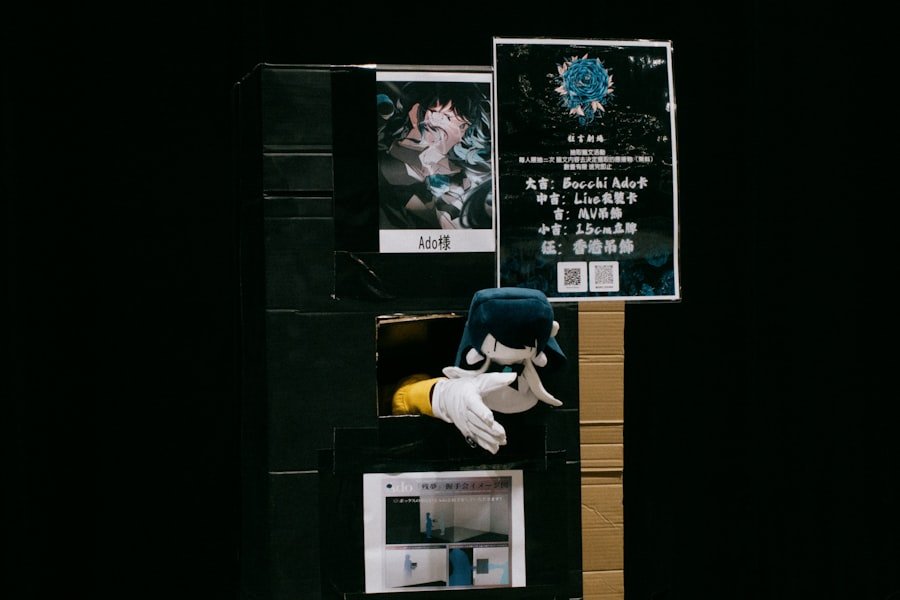
Cultural immersion is a cornerstone of any visit to Japan and Korea. In Japan, travelers can participate in various traditional activities that reflect the country’s rich heritage. For instance, attending a sumo wrestling match offers a glimpse into this ancient sport’s rituals and traditions.
Visitors can also engage in a kintsugi workshop, where they learn the art of repairing broken pottery with lacquer mixed with gold powder—a practice that embodies the Japanese philosophy of embracing imperfections. Korea offers its own array of cultural experiences that highlight its unique traditions. One popular activity is participating in a traditional Korean cooking class, where visitors learn to prepare dishes like kimchi or bibimbap.
This hands-on experience not only teaches culinary skills but also provides insight into the importance of food in Korean culture. Additionally, visitors can explore traditional hanok villages, where they can experience life as it was during the Joseon Dynasty, complete with traditional music performances and folk games.
Cuisine and Dining in Japan and Korea
The culinary landscapes of Japan and Korea are as diverse as their cultures, offering an array of flavors that tantalize the taste buds. Japanese cuisine is characterized by its emphasis on fresh ingredients and presentation. Sushi and sashimi are perhaps the most famous dishes globally, but there is much more to explore.
Ramen, with its rich broth and various toppings, is a beloved comfort food that varies by region. In addition to these staples, travelers should not miss trying okonomiyaki—a savory pancake filled with various ingredients—and kaiseki dining, which showcases seasonal ingredients through multiple courses. Korean cuisine is equally vibrant and flavorful, known for its bold use of spices and fermentation techniques.
Kimchi is a staple side dish made from fermented vegetables, often served with every meal. Barbecue is another highlight; Korean BBQ allows diners to grill their own meat at the table, creating a communal dining experience that is both interactive and delicious. Dishes like bulgogi (marinated beef) and galbi (short ribs) are popular choices.
Street food also plays a significant role in Korean culinary culture; vendors offer everything from tteokbokki (spicy rice cakes) to hotteok (sweet pancakes), providing an authentic taste of local flavors.
Adventure and Outdoor Activities in Japan and Korea
| Tour Package | Duration | Destinations Covered | Price Range | Highlights | Best Season |
|---|---|---|---|---|---|
| Japan Classic & Korea Explorer | 12 Days | Tokyo, Kyoto, Osaka, Seoul, Busan | 1500 – 2200 | Mount Fuji, Gyeongbokgung Palace, N Seoul Tower | Spring (Mar-May), Autumn (Sep-Nov) |
| Cherry Blossom Japan & Korea Tour | 10 Days | Tokyo, Hiroshima, Seoul, Jeju Island | 1400 – 2000 | Cherry Blossoms, Peace Memorial Park, Jeju Volcanic Island | Spring (Mar-Apr) |
| Winter Wonderland: Japan & Korea | 9 Days | Sapporo, Nagano, Seoul, Gangwon Province | 1300 – 1900 | Snow Festivals, Skiing, Hot Springs | Winter (Dec-Feb) |
| Luxury Japan & Korea Experience | 14 Days | Tokyo, Hakone, Kyoto, Seoul, Jeju Island | 3000 – 4500 | Luxury Hotels, Private Tours, Fine Dining | Year-round |
| Budget Japan & Korea Highlights | 8 Days | Osaka, Kyoto, Seoul | 900 – 1300 | Temples, Street Food, Shopping Districts | Spring, Autumn |
For those seeking adventure, both Japan and Korea offer a plethora of outdoor activities that cater to thrill-seekers and nature lovers alike. In Japan, hiking enthusiasts can explore the majestic trails of Mount Fuji or venture into the Japanese Alps for breathtaking views and serene landscapes. The country’s numerous national parks provide opportunities for camping, birdwatching, and even hot spring bathing after a long day of hiking.
Korea also boasts stunning natural beauty with its mountainous terrain and coastal regions. The Seoraksan National Park is a popular destination for hiking, featuring rugged peaks and diverse flora and fauna. For those interested in water sports, Jeju Island offers opportunities for surfing, snorkeling, and diving in its crystal-clear waters.
Additionally, winter sports enthusiasts can enjoy skiing or snowboarding at resorts like Yongpyong or Alpensia during the colder months.
Shopping and Entertainment in Japan and Korea
Shopping in Japan and Korea is an experience unto itself, with each country offering unique products that reflect their cultures. In Japan, districts like Ginza in Tokyo are famous for high-end shopping, featuring luxury brands alongside traditional crafts such as ceramics and textiles. Akihabara is a haven for electronics enthusiasts and anime fans alike, while Harajuku showcases quirky fashion trends that appeal to younger generations.
Korea’s shopping scene is equally dynamic. Myeongdong in Seoul is renowned for its cosmetics shops and street food stalls, making it a must-visit for beauty enthusiasts. Dongdaemun Market offers a more traditional shopping experience with its vast array of fabrics and clothing options available at all hours.
Additionally, the rise of K-pop has led to an increase in merchandise related to popular music groups, making it easy for fans to find memorabilia. Entertainment options abound in both countries as well. In Japan, visitors can enjoy traditional performances such as kabuki or noh theater while also experiencing modern entertainment like themed cafes or arcades that showcase the latest gaming technology.
In Korea, K-pop concerts are a major draw for tourists; many fans travel specifically to attend live performances or visit entertainment companies’ buildings in hopes of catching a glimpse of their favorite idols.
Accommodation and Transportation in Japan and Korea
When it comes to accommodation options in Japan and Korea, travelers are spoiled for choice. In Japan, traditional ryokans offer an authentic experience with tatami mat flooring and futon bedding, often accompanied by kaiseki meals prepared using local ingredients. For those seeking modern amenities, international hotel chains provide comfort alongside Japanese hospitality.
Capsule hotels have also gained popularity among budget travelers looking for a unique lodging experience. Korea offers a range of accommodations from luxury hotels to guesthouses that cater to different budgets. Hanok stays allow visitors to experience traditional Korean architecture while enjoying modern comforts.
Transportation in both countries is efficient and user-friendly.
The Japan Rail Pass is an economical option for tourists planning to travel extensively by train. In Korea, the subway system is one of the most efficient globally; it covers major cities like Seoul and Busan while providing easy access to attractions.
Tips for Planning a Japan and Korea Tour
Planning a tour to Japan and Korea requires careful consideration to ensure a smooth experience. First and foremost, travelers should research visa requirements well in advance; many nationalities can enter South Korea visa-free for short stays while Japan has specific entry regulations that may vary based on nationality. It’s advisable to travel during shoulder seasons—spring (March to May) or autumn (September to November)—to enjoy pleasant weather while avoiding peak tourist crowds.
Booking accommodations early can also help secure better rates during these times. Language can be a barrier; however, many signs are available in English in major cities. Learning basic phrases in Japanese or Korean can enhance interactions with locals.
Additionally, downloading translation apps can be beneficial for navigating menus or asking for directions. Lastly, consider purchasing travel insurance that covers health emergencies or trip cancellations; this provides peace of mind while exploring these fascinating countries. With careful planning and an open mind, travelers can embark on an unforgettable journey through Japan and Korea’s rich landscapes and cultures.
If you’re considering an exciting journey through Asia, Japan and Korea offer a rich tapestry of culture, history, and modern attractions. For those looking to explore more travel inspiration, you might find it interesting to read about some of the world’s greatest man-made wonders in this article: 50 Greatest Man-Made Wonders. This piece highlights incredible sites that could complement your travel itinerary, making your trip to Japan and Korea even more memorable.
FAQs
What are Japan and Korea tour packages?
Japan and Korea tour packages are pre-arranged travel deals that include transportation, accommodation, guided tours, and sometimes meals, designed to help travelers explore popular destinations in both Japan and South Korea.
What are the popular destinations included in Japan and Korea tour packages?
Popular destinations in Japan often include Tokyo, Kyoto, Osaka, Hiroshima, and Mount Fuji, while in South Korea, common stops are Seoul, Busan, Jeju Island, and Gyeongju.
How long do Japan and Korea tour packages usually last?
Tour packages typically range from 7 to 14 days, depending on the itinerary and the number of cities covered in both countries.
Do Japan and Korea tour packages include flights?
Some packages include international and domestic flights, but many focus on land transportation within the countries. It is important to check the package details before booking.
What is the best time to visit Japan and Korea on a tour package?
The best times to visit are generally spring (March to May) for cherry blossoms and autumn (September to November) for fall foliage, as the weather is pleasant and scenic.
Are Japan and Korea tour packages suitable for first-time travelers?
Yes, these packages are ideal for first-time travelers as they provide structured itineraries, local guides, and support, making it easier to navigate cultural and language differences.
What types of accommodations are included in these tour packages?
Accommodations can range from budget hotels to luxury hotels and traditional inns (ryokan in Japan and hanok stays in Korea), depending on the package level.
Do Japan and Korea tour packages offer cultural experiences?
Yes, many packages include cultural activities such as tea ceremonies, kimchi making, traditional performances, temple visits, and local market tours.
Is it necessary to have a visa for Japan and Korea tours?
Visa requirements depend on your nationality. Many countries have visa exemption agreements with Japan and South Korea, but travelers should verify current visa policies before booking.
Can Japan and Korea tour packages be customized?
Some travel agencies offer customizable packages to suit individual preferences, including duration, destinations, and activities, while others provide fixed itineraries.