

Kyrgyzstan, a landlocked country nestled in the heart of Central Asia, is often overshadowed by its more prominent neighbors. However, this mountainous nation boasts a rich tapestry of culture, history, and natural beauty that captivates travelers seeking authentic experiences. With its rugged terrain, soaring peaks, and vast steppes, Kyrgyzstan is a paradise for adventurers and nature lovers alike.
The country is home to the majestic Tien Shan mountain range, which offers breathtaking landscapes and a plethora of outdoor activities. The capital city, Bishkek, serves as a vibrant hub where Soviet-era architecture meets modern developments, providing a glimpse into the country’s complex past and dynamic present. Kyrgyzstan’s history is deeply intertwined with the Silk Road, the ancient trade route that connected East and West.
This historical significance has left an indelible mark on the culture and traditions of the Kyrgyz people. The country is known for its warm hospitality, where visitors are often welcomed with open arms and offered traditional dishes and drinks. As you traverse through its diverse regions, you will encounter a mosaic of ethnic groups, languages, and customs that reflect the rich heritage of this Central Asian gem.
From the bustling bazaars to the serene mountain lakes, Kyrgyzstan invites travelers to explore its unique identity and discover the stories that shape its landscape.
Key Takeaways
- Kyrgyzstan offers a rich blend of cultural, historical, and nomadic experiences for travelers.
- Adventure tours include activities like trekking, horseback riding, and exploring rugged landscapes.
- Nature tours highlight the country’s stunning mountains, lakes, and diverse wildlife.
- Culinary tours provide a taste of traditional Kyrgyz food and local culinary practices.
- The unique nomadic lifestyle and welcoming culture make Kyrgyzstan an emerging must-visit destination.
Cultural and Historical Tours
Cultural and historical tours in Kyrgyzstan offer an immersive experience into the traditions and heritage of the Kyrgyz people. One of the most significant sites is the Burana Tower, an ancient minaret that dates back to the 11th century. Located near the town of Tokmok, this UNESCO World Heritage site provides insight into the region’s Islamic architecture and history.
Visitors can climb to the top of the tower for panoramic views of the surrounding countryside, where remnants of ancient settlements can still be seen. The nearby open-air museum features balbals, stone sculptures that mark graves and commemorate warriors, further enriching the historical narrative of the area. In addition to historical landmarks, cultural tours often include visits to local villages where traditional crafts are still practiced.
For instance, in the village of Kochkor, travelers can witness the intricate art of felt-making, a craft that has been passed down through generations. Here, artisans create beautiful felt carpets and yurts using techniques that have remained unchanged for centuries. Participating in workshops allows visitors to engage directly with local artisans, gaining a deeper appreciation for their skills and cultural significance.
These experiences not only highlight Kyrgyzstan’s rich artistic heritage but also foster connections between travelers and the local community.
Adventure Tours
For thrill-seekers, Kyrgyzstan is an adventure playground waiting to be explored. The country’s diverse landscapes provide ample opportunities for activities such as trekking, rock climbing, and white-water rafting. One of the most popular trekking routes is the Ala-Kul trek, which takes adventurers through stunning alpine scenery, past glacial lakes, and over high mountain passes.
The trek culminates at Ala-Kul Lake, a breathtaking turquoise body of water surrounded by towering peaks. This challenging yet rewarding hike attracts both seasoned trekkers and those looking to experience the raw beauty of nature. In addition to trekking, Kyrgyzstan offers exhilarating opportunities for rock climbing enthusiasts.
The Suusamyr Valley is renowned for its limestone cliffs that provide routes for climbers of all skill levels. The valley’s stunning backdrop of snow-capped mountains adds to the thrill of scaling these natural formations.
With varying levels of rapids, this activity caters to both beginners and experienced rafters looking for an exhilarating ride through pristine wilderness.
Nature Tours
Kyrgyzstan’s natural beauty is nothing short of spectacular, making it a prime destination for nature tours. The country is home to numerous national parks and nature reserves that showcase its diverse ecosystems. One such gem is Ala Archa National Park, located just a short drive from Bishkek.
This park features dramatic gorges, alpine meadows, and glacial rivers, offering visitors a chance to hike amidst stunning landscapes while observing local wildlife such as ibex and golden eagles. The park’s well-marked trails cater to various fitness levels, making it accessible for families and solo travelers alike. Another highlight for nature enthusiasts is Lake Issyk-Kul, one of the largest alpine lakes in the world.
Surrounded by mountains and dotted with charming resorts, Issyk-Kul is a popular destination for swimming, sailing, and sunbathing during the summer months. The lake’s unique saline properties allow it to remain warm even in winter, making it a year-round attraction. Nature tours around Issyk-Kul often include visits to nearby hot springs and picturesque villages where visitors can learn about local traditions and enjoy traditional Kyrgyz hospitality.
Food and Culinary Tours
| Tour Package | Duration | Popular Destinations | Average Cost | Best Season | Difficulty Level |
|---|---|---|---|---|---|
| Classic Kyrgyzstan | 10 days | Bishkek, Issyk-Kul, Ala-Archa National Park | 1200 | June – September | Moderate |
| Nomad Experience | 7 days | Son-Kul Lake, Tash Rabat, Naryn | 900 | July – August | Easy to Moderate |
| Adventure Trekking | 14 days | Jyrgalan Valley, Sary-Chelek, Altyn Arashan | 1500 | June – September | Challenging |
| Family Friendly Tour | 8 days | Bishkek, Burana Tower, Issyk-Kul | 1100 | May – September | Easy |
| Winter Ski Tour | 6 days | Karven, Bokonbaevo, Cholpon-Ata | 1300 | December – February | Moderate |
Kyrgyz cuisine is a reflection of the country’s nomadic heritage and diverse cultural influences. Culinary tours in Kyrgyzstan provide an opportunity to savor traditional dishes while learning about their historical significance. One staple dish is plov, a hearty rice dish typically cooked with meat and vegetables that showcases the flavors of Central Asia.
Another culinary highlight is kumis, a fermented drink made from mare’s milk that has been consumed by nomadic tribes for centuries. Tasting kumis is an essential part of experiencing Kyrgyz culture; it is often served during celebrations and gatherings as a symbol of hospitality.
Culinary tours may also include visits to local bazaars where travelers can sample fresh produce, spices, and traditional sweets like chak-chak—fried dough soaked in honey syrup. These experiences not only tantalize the taste buds but also provide insight into the agricultural practices and culinary traditions that define Kyrgyz life.
Nomadic Lifestyle Tours
The nomadic lifestyle remains an integral part of Kyrgyz culture, with many families still practicing traditional ways of life in the mountains during summer months. Nomadic lifestyle tours offer visitors a unique glimpse into this fascinating way of living. Travelers can stay in yurts—traditional felt tents used by nomads—while exploring the stunning landscapes that have shaped their culture for centuries.
These tours often include opportunities to participate in daily activities such as herding sheep or milking goats, allowing visitors to engage directly with local families. One of the most captivating aspects of nomadic culture is the celebration of traditional sports such as kok-boru (a form of horseback polo) and eagle hunting. Tourists can witness these thrilling events firsthand during festivals or local competitions held in rural areas.
Engaging with nomadic families provides insights into their customs, music, and storytelling traditions that have been passed down through generations. This immersive experience fosters a deeper understanding of how geography influences lifestyle choices while highlighting the resilience and adaptability of the Kyrgyz people.
Horseback Riding Tours
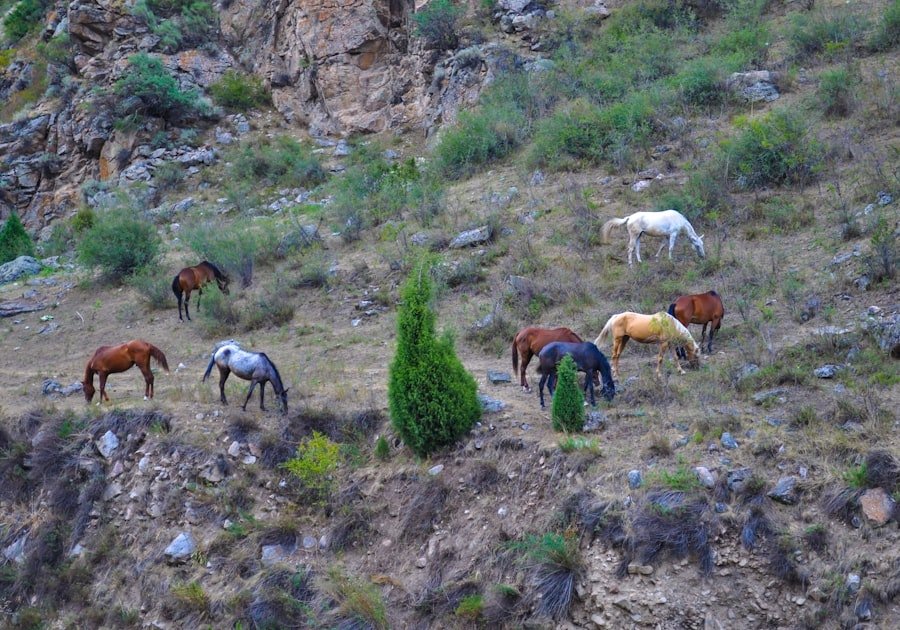
Horseback riding is deeply embedded in Kyrgyz culture, making it one of the best ways to explore the country’s breathtaking landscapes. With vast open spaces and rugged terrain, horseback riding tours offer an authentic experience that connects travelers with both nature and local traditions. The Tien Shan mountains provide an ideal backdrop for these adventures; riders can traverse high mountain passes while enjoying panoramic views that are simply unforgettable.
One popular route is the journey from Song-Kul Lake to Jeti-Oguz Valley, where riders can experience diverse landscapes ranging from lush meadows to rocky outcrops. Along the way, riders may encounter herders tending to their flocks or families living in yurts who are eager to share their stories and hospitality. Horseback riding tours often include opportunities to learn about traditional horsemanship techniques that have been practiced by Kyrgyz nomads for centuries.
This connection with horses not only enhances the travel experience but also deepens appreciation for their role in Kyrgyz culture.
Why Kyrgyzstan is the Next Must-Visit Destination
Kyrgyzstan stands out as a must-visit destination for those seeking adventure, culture, and natural beauty all in one place. Its rich history along the Silk Road has left an indelible mark on its cultural landscape while its stunning geography offers endless opportunities for exploration. From trekking through majestic mountains to savoring traditional dishes prepared by local families, every experience in Kyrgyzstan is infused with authenticity.
The warmth and hospitality of the Kyrgyz people further enhance this unique travel experience. Visitors are not merely tourists; they become part of a vibrant tapestry woven from centuries-old traditions and contemporary life. Whether you are drawn by adventure sports or cultural immersion, Kyrgyzstan promises an unforgettable journey that will leave lasting memories long after you return home.
As more travelers discover this hidden gem in Central Asia, it is poised to become one of the most sought-after destinations on the global travel map.
If you’re considering a trip to Kyrgyzstan, you might also be interested in exploring some of the most beautiful cities around the world. These urban gems offer unique experiences and stunning architecture that can complement your travel itinerary. For inspiration, check out this article on the most beautiful cities in the world.
FAQs
What is the best time to visit Kyrgyzstan for tours?
The best time to visit Kyrgyzstan is from late May to early October when the weather is warm and most mountain passes are open, making it ideal for trekking and outdoor activities.
What are the popular destinations included in Kyrgyzstan tours?
Popular destinations in Kyrgyzstan tours include Issyk-Kul Lake, Ala-Archa National Park, the Tien Shan mountains, Song-Kul Lake, and the capital city Bishkek.
Do I need a visa to travel to Kyrgyzstan?
Visa requirements vary by nationality. Many countries have visa-free access for short stays, but it is recommended to check the latest visa regulations before traveling.
What kind of activities can I expect on a Kyrgyzstan tour?
Activities often include hiking, horseback riding, cultural visits to nomadic villages, exploring ancient Silk Road sites, and experiencing traditional Kyrgyz hospitality.
Is Kyrgyzstan safe for tourists?
Kyrgyzstan is generally considered safe for tourists. However, travelers should take standard precautions, avoid remote border areas, and stay informed about local conditions.
What languages are spoken in Kyrgyzstan?
The official languages are Kyrgyz and Russian. English is increasingly spoken in tourist areas, but it is helpful to know some basic Russian or Kyrgyz phrases.
What currency is used in Kyrgyzstan and can I use credit cards?
The currency is the Kyrgyzstani Som (KGS). Cash is widely used, especially in rural areas, while credit cards are accepted in larger hotels and shops in cities.
Are there any health precautions to consider before traveling to Kyrgyzstan?
No specific vaccinations are required, but it is advisable to be up to date on routine vaccines. Travelers should drink bottled or boiled water and be prepared for altitude changes.
How accessible is Kyrgyzstan for independent travelers?
Kyrgyzstan is accessible for independent travelers, but some remote areas may require guides or special transport. Infrastructure is improving, but planning ahead is recommended.
What kind of accommodation can I expect on Kyrgyzstan tours?
Accommodation ranges from basic guesthouses and yurts to mid-range hotels and luxury lodges, depending on the tour and location. Yurt stays offer a unique cultural experience.