
Myanmar, officially known as the Republic of the Union of Myanmar and formerly called Burma, is a Southeast Asian nation that shares borders with India and Bangladesh to the west, China to the north, and Laos and Thailand to the east. The country encompasses approximately 676,578 square kilometers and has a population of over 54 million people representing more than 135 officially recognized ethnic groups, with the Bamar people constituting the majority. Following independence from British colonial rule in 1948, Myanmar experienced decades of military governance until 2011, when a civilian government was established.
However, the military regained control through a coup in February 2021, leading to ongoing political instability and international sanctions. These developments have significantly impacted tourism and economic conditions. Myanmar’s geography features diverse landscapes including the Irrawaddy River delta, central plains, and mountainous regions.
The Irrawaddy River, stretching 2,170 kilometers, serves as the country’s primary waterway and supports agriculture and transportation. The archaeological zone of Bagan contains over 2,000 Buddhist temples and pagodas dating from the 9th to 13th centuries, representing one of the world’s largest concentrations of Buddhist structures. Theravada Buddhism is practiced by approximately 88% of the population, influencing the country’s architecture, festivals, and daily life.
The official language is Burmese, though numerous minority languages are spoken throughout different regions.
Key Takeaways
- Myanmar offers rich cultural heritage and diverse landscapes for travelers.
- Top destinations include Bagan, Inle Lake, Mandalay, Yangon, and Ngapali Beach.
- Visitors can enjoy unique cultural experiences like traditional festivals and local crafts.
- Adventure tours such as trekking, boating, and wildlife spotting are popular activities.
- Planning a trip involves considering the best travel seasons and embracing sustainable tourism practices.
Top 5 Must-See Destinations in Myanmar
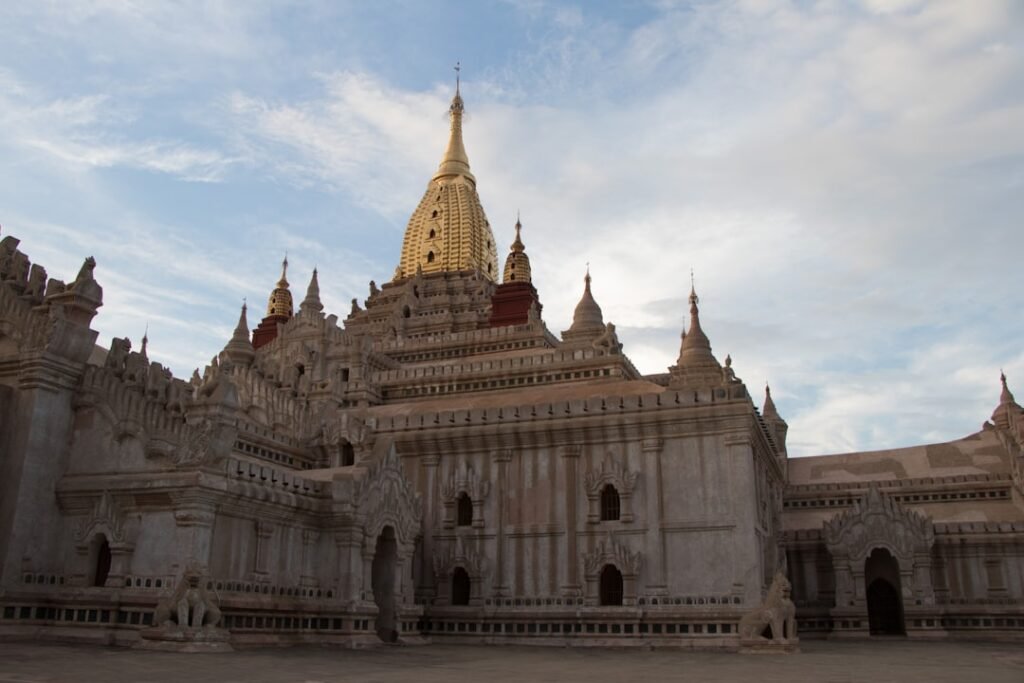
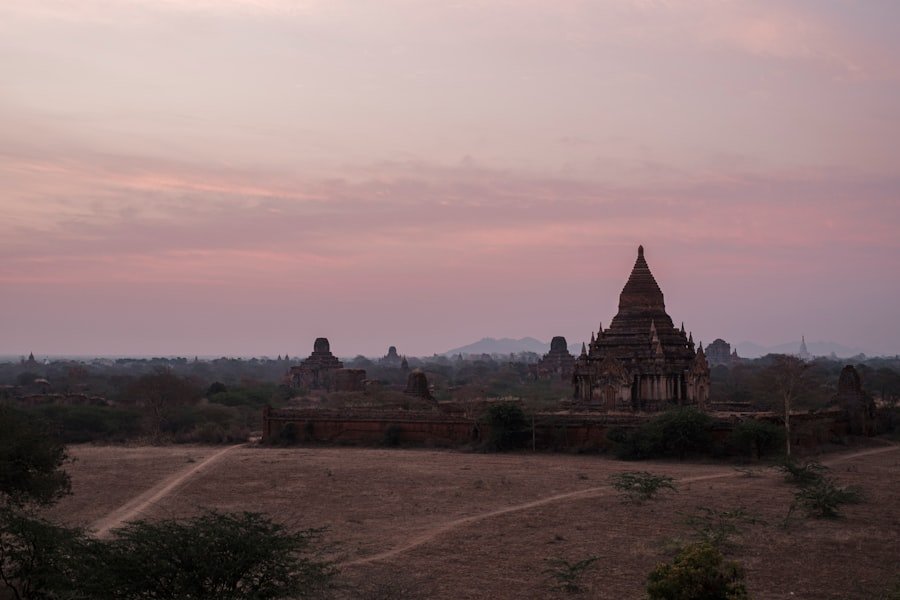
One of the most iconic destinations in Myanmar is Bagan, an ancient city that was once the capital of the Pagan Kingdom. This UNESCO World Heritage site is renowned for its vast expanse of over 2,000 temples and pagodas, many of which date back to the 11th and 12th centuries. Visitors can explore these architectural marvels by bicycle or hot air balloon, providing a breathtaking view of the sunrise illuminating the temple-studded plains.
The sheer scale and beauty of Bagan’s temples make it a must-visit for anyone traveling to Myanmar. Another essential stop is Inle Lake, a picturesque body of water surrounded by lush mountains and dotted with floating gardens. The lake is home to the Intha people, who are known for their unique leg-rowing technique while fishing.
Travelers can take a boat tour to witness the daily life of the Intha community, visit local markets, and explore the stilted villages that line the lake’s shores. The serene atmosphere and stunning natural beauty make Inle Lake a perfect retreat for those seeking tranquility amidst nature. Yangon, the former capital of Myanmar, is another destination that should not be missed.
The city is home to the magnificent Shwedagon Pagoda, a golden stupa that towers over the skyline and is considered one of the most sacred Buddhist sites in the country. Visitors can wander through bustling markets, sample street food, and experience the vibrant nightlife that Yangon has to offer. The juxtaposition of colonial architecture and modern developments creates a unique urban landscape that reflects Myanmar’s evolving identity.
Mandalay, known as the cultural capital of Myanmar, offers a wealth of historical sites and experiences. The Mandalay Hill provides panoramic views of the city and is home to several important monasteries and pagodas. The nearby ancient city of Amarapura is famous for its U Bein Bridge, the longest teak bridge in the world, which is particularly stunning at sunset.
Mandalay’s rich heritage is evident in its traditional crafts, including silk weaving and marble carving, making it an ideal destination for those interested in local artistry. Lastly, Ngapali Beach presents a different side of Myanmar with its pristine coastline and crystal-clear waters. This idyllic beach destination is perfect for relaxation and water activities such as snorkeling and diving.
The laid-back atmosphere allows visitors to unwind while enjoying fresh seafood at beachfront restaurants. Ngapali Beach offers a refreshing contrast to the cultural exploration found in other parts of Myanmar.
Cultural Experiences in Myanmar
Experiencing the culture of Myanmar is an integral part of any visit to this enchanting country. One of the most profound ways to immerse oneself in local traditions is through participation in religious ceremonies.
Visitors can witness monks collecting alms in the early morning hours or participate in meditation retreats at monasteries. These experiences provide insight into the spiritual practices that shape daily life in Myanmar. Festivals are another vibrant aspect of Myanmar’s culture that travelers should not miss.
The Thingyan Water Festival, celebrated during the Burmese New Year in April, is a lively event marked by water fights and street parties. Locals and tourists alike take to the streets armed with buckets and water guns to celebrate the arrival of spring. This festival not only showcases the joyous spirit of the people but also serves as an opportunity for cultural exchange as visitors join in the festivities.
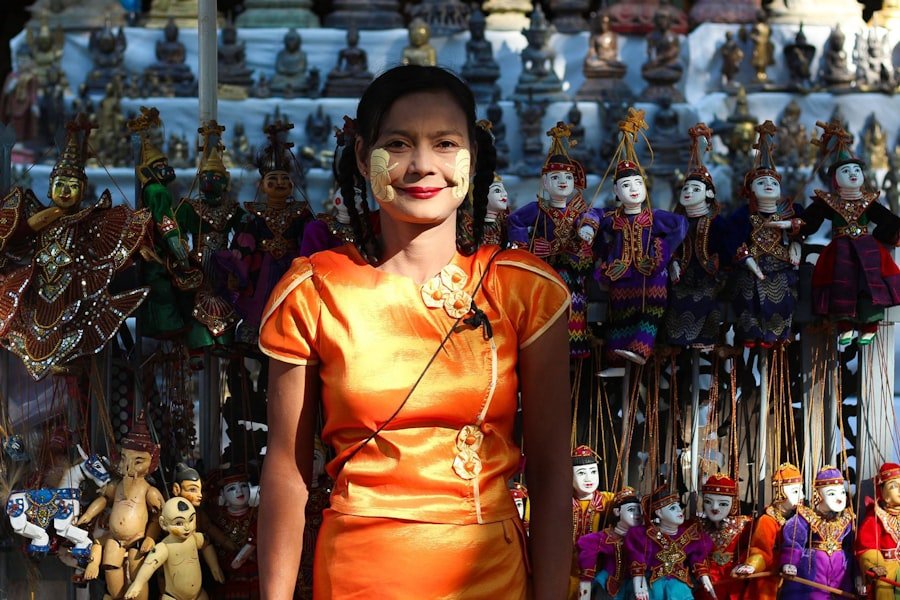
Traditional arts and crafts are also deeply embedded in Myanmar’s cultural identity. The country is renowned for its intricate lacquerware, which has been produced for centuries using techniques passed down through generations. Visitors can explore workshops where artisans create stunning pieces that reflect both traditional designs and contemporary influences.
Additionally, traditional puppet shows offer a glimpse into Myanmar’s storytelling heritage, with intricately crafted puppets performing tales from folklore and history. Cuisine is another vital aspect of cultural immersion in Myanmar. The country’s culinary landscape is diverse, influenced by neighboring countries such as Thailand and India while maintaining its unique flavors.
Street food stalls offer an array of dishes, from mohinga (a fish soup served with rice noodles) to tea leaf salad (lahpet), which showcases the use of fermented tea leaves mixed with nuts and vegetables. Dining experiences can range from casual street food to upscale restaurants serving traditional dishes with a modern twist.
Adventure Tours in Myanmar
For those seeking adventure beyond cultural exploration, Myanmar offers a plethora of outdoor activities that cater to thrill-seekers and nature enthusiasts alike.
The Kalaw to Inle Lake trek is particularly popular among hikers, taking them through lush forests, terraced fields, and charming villages inhabited by various ethnic groups.
Cycling tours are another exhilarating way to explore Myanmar’s diverse terrain. Bagan’s flat landscape makes it ideal for cycling enthusiasts who wish to navigate between temples at their own pace. Guided cycling tours often include stops at local markets and villages, allowing travelers to interact with residents and gain insight into their way of life.
The combination of physical activity and cultural immersion creates a memorable experience for adventurers. For those drawn to water sports, kayaking on Inle Lake offers a unique perspective on this stunning region. Paddling through floating gardens and stilted villages allows adventurers to appreciate the beauty of nature while observing daily life on the lake.
Additionally, diving opportunities in areas like Ngapali Beach provide access to vibrant coral reefs teeming with marine life, making it an ideal destination for underwater exploration. Wildlife enthusiasts can embark on eco-tours that focus on conservation efforts within Myanmar’s national parks. The Hkakabo Razi National Park, home to Southeast Asia’s highest peak, offers trekking routes that showcase diverse ecosystems and endemic species.
Guided tours often include opportunities for birdwatching and wildlife spotting, allowing visitors to appreciate Myanmar’s rich biodiversity while supporting sustainable tourism initiatives.
Best Time to Visit Myanmar
| Tour Package | Duration | Main Destinations | Activities | Average Rating | Best Season |
|---|---|---|---|---|---|
| Classic Myanmar | 10 days | Yangon, Bagan, Mandalay, Inle Lake | Temple visits, boat rides, cultural tours | 4.7/5 | November to February |
| Adventure Myanmar | 14 days | Hpa-An, Kalaw, Inle Lake, Bagan | Trekking, cycling, cave exploration | 4.5/5 | October to March |
| Luxury Myanmar | 12 days | Yangon, Bagan, Mandalay, Ngapali Beach | Private tours, fine dining, spa treatments | 4.8/5 | November to February |
| Budget Myanmar | 8 days | Yangon, Bagan, Mandalay | Group tours, local markets, temple visits | 4.3/5 | November to February |
| Cultural Immersion | 15 days | Yangon, Bagan, Mandalay, Shan State | Village stays, traditional crafts, festivals | 4.6/5 | December to February |
The best time to visit Myanmar largely depends on regional climates and personal preferences regarding weather conditions. Generally speaking, the dry season from November to February is considered ideal for travel across most parts of the country. During these months, temperatures are cooler and more comfortable for outdoor activities such as trekking and sightseeing.
In Bagan and Mandalay, daytime temperatures during this period typically range from 20°C to 30°C (68°F to 86°F), making it pleasant for exploring ancient temples without the sweltering heat often experienced during other months. Additionally, this season coincides with various festivals that showcase local culture and traditions, providing visitors with unique experiences. The monsoon season from June to October brings heavy rainfall to many regions in Myanmar, particularly along the coast and in lower-lying areas.
While this period may deter some travelers due to potential flooding or muddy conditions, it can also present opportunities for those seeking fewer crowds and lower prices on accommodations. The lush landscapes during this time are particularly beautiful; however, travelers should be prepared for sudden downpours. For those interested in specific events or festivals, planning around these dates can enhance their experience in Myanmar.
For instance, visiting during the Thadingyut Festival (the Festival of Lights) in October allows travelers to witness stunning displays of lanterns illuminating cities across the country.
Tips for Planning a Myanmar Tour
Planning a trip to Myanmar requires careful consideration of various factors to ensure a smooth travel experience. First and foremost, obtaining a visa is essential for most travelers before entering the country. E-visas are available for many nationalities and can be easily obtained online prior to departure.
It’s advisable to check current visa regulations well ahead of time as policies may change. Travelers should also consider their mode of transportation within Myanmar. While major cities like Yangon and Mandalay have domestic flights connecting them efficiently, road travel can be challenging due to varying road conditions.
Buses are a popular option for intercity travel; however, they may not always adhere to strict schedules or comfort levels expected by international travelers. Booking transportation in advance during peak tourist seasons can help avoid last-minute hassles. Accommodations range from budget hostels to luxury hotels; thus, researching options based on personal preferences is crucial.
Many travelers opt for boutique hotels that offer unique experiences while supporting local businesses. It’s advisable to read reviews on platforms like TripAdvisor or Booking.com before making reservations. Cultural sensitivity is paramount when visiting Myanmar; understanding local customs can enhance interactions with residents significantly.
Dress modestly when visiting religious sites—covering shoulders and knees is generally expected—and always ask permission before taking photographs of people or sacred spaces.
Local Cuisine and Dining Experiences in Myanmar
Myanmar’s culinary scene is as diverse as its culture, offering an array of flavors influenced by neighboring countries while maintaining distinct local characteristics. Street food plays an integral role in daily life; vendors serve up delicious snacks such as samosas filled with spiced potatoes or grilled skewers marinated in flavorful sauces. Exploring street food markets provides an authentic taste of local cuisine while allowing travelers to engage with vendors who take pride in their culinary creations.
One must-try dish is mohinga—a fragrant fish soup served over rice noodles—often considered the national dish of Myanmar. Each region has its own variation; some may include ingredients like chickpea flour or banana stem for added texture and flavor. Sampling mohinga at breakfast stalls alongside locals offers insight into daily routines while indulging in one of Myanmar’s most beloved dishes.
Tea houses are another essential aspect of dining culture in Myanmar; these establishments serve as social hubs where friends gather over cups of sweetened tea accompanied by snacks like fried dough or savory pastries. Visitors can immerse themselves in local customs by enjoying tea with residents while engaging in conversation about daily life or current events. For those seeking more formal dining experiences, upscale restaurants in cities like Yangon offer contemporary interpretations of traditional dishes using fresh ingredients sourced from local markets.
Dining at these establishments allows travelers to appreciate how chefs blend traditional flavors with modern culinary techniques while enjoying stunning views of city skylines or riverside settings.
Sustainable Tourism in Myanmar
As tourism continues to grow in Myanmar, there is an increasing emphasis on sustainable practices that benefit both local communities and the environment. Sustainable tourism initiatives focus on minimizing negative impacts while promoting responsible travel behaviors among visitors. One such initiative involves supporting community-based tourism projects that empower local residents by providing them with opportunities to showcase their culture through guided tours or homestays.
Travelers can contribute positively by choosing eco-friendly accommodations that prioritize sustainability through practices such as waste reduction or energy conservation measures. Many hotels now implement programs aimed at reducing plastic usage or sourcing food locally—practices that align with responsible tourism principles. Participating in conservation efforts during visits can also enhance awareness about environmental issues facing regions like Inle Lake or Bagan due to increased tourism pressure on natural resources.
Engaging with organizations dedicated to preserving wildlife habitats or participating in reforestation projects allows travelers not only to give back but also gain deeper insights into local ecosystems. Ultimately, embracing sustainable tourism practices ensures that future generations will have the opportunity to experience all that Myanmar has to offer while preserving its rich cultural heritage and natural beauty for years to come.
If you’re considering a trip to Myanmar, you might also be interested in exploring other captivating destinations around the world. For instance, check out this article on the top 12 destinations in Argentina, which highlights some of the most breathtaking places to visit in South America. Whether you’re drawn to the vibrant culture of Buenos Aires or the stunning landscapes of Patagonia, Argentina offers a diverse range of experiences that can complement your travels in Myanmar.
FAQs
What are Myanmar tours?
Myanmar tours are organized travel experiences that allow visitors to explore the cultural, historical, and natural attractions of Myanmar, also known as Burma. These tours often include visits to ancient temples, bustling markets, scenic landscapes, and traditional villages.
When is the best time to visit Myanmar?
The best time to visit Myanmar is during the dry season, which typically runs from November to February. During this period, the weather is cooler and more comfortable for sightseeing and outdoor activities.
Do I need a visa to travel to Myanmar?
Yes, most travelers require a visa to enter Myanmar. Visitors can apply for an e-visa online before their trip or obtain a visa through Myanmar embassies or consulates. It is important to check the latest visa requirements before traveling.
What are some popular destinations included in Myanmar tours?
Popular destinations in Myanmar tours include Yangon (Rangoon), Bagan with its thousands of ancient pagodas, Mandalay, Inle Lake, and the Golden Rock (Kyaiktiyo Pagoda). Each location offers unique cultural and historical experiences.
Is it safe to travel to Myanmar?
Myanmar is generally safe for tourists, but travelers should stay informed about current political and social conditions. It is advisable to follow travel advisories from official sources and respect local customs and regulations.
What languages are spoken in Myanmar?
The official language of Myanmar is Burmese. English is commonly spoken in tourist areas, hotels, and by tour guides, making it easier for international travelers to communicate.
What currency is used in Myanmar?
The official currency of Myanmar is the Myanmar Kyat (MMK). It is recommended to carry some local currency for small purchases, although US dollars are also widely accepted in many tourist areas.
Are Myanmar tours suitable for solo travelers?
Yes, Myanmar tours can be suitable for solo travelers. Many tour operators offer group tours that provide opportunities to meet other travelers, as well as private tours for those who prefer a more personalized experience.
What should I pack for a Myanmar tour?
Travelers should pack lightweight, breathable clothing suitable for warm weather, comfortable walking shoes, sun protection, insect repellent, and modest attire for visiting religious sites. It is also advisable to bring any necessary medications and travel documents.
Can I use credit cards in Myanmar?
Credit card acceptance is limited in Myanmar, especially outside major cities and tourist areas. It is advisable to carry cash in local currency or US dollars for most transactions. ATMs are available in larger cities but may not always be reliable.