
Vietnam and Cambodia are two adjacent nations located in Southeast Asia, each possessing distinct historical backgrounds, cultural traditions, and geographical features. Vietnam extends along the eastern coast of the Indochinese Peninsula, featuring a 3,444-kilometer coastline, mountainous regions, and major urban centers including Ho Chi Minh City and Hanoi. The country has experienced substantial economic and social development since the implementation of economic reforms in the 1980s.
Notable geographical attractions include Ha Long Bay, recognized as a UNESCO World Heritage site for its limestone karsts and emerald waters. Cambodia is situated to the west of Vietnam and is renowned for the Angkor Archaeological Park, which contains the 12th-century temple complex of Angkor Wat, attracting approximately 2.6 million international visitors annually. Both countries share historical experiences of foreign occupation and internal conflict that have significantly influenced their contemporary development.
Vietnam was under French colonial administration from 1887 to 1954, followed by the Vietnam War (1955-1975), which resulted in national reunification under communist governance. Cambodia experienced French colonial rule from 1863 to 1953, and subsequently endured the Khmer Rouge regime from 1975 to 1979, during which an estimated 1.5 to 2 million people died. Since the 1990s, both nations have focused on economic reconstruction and tourism development.
Vietnam’s tourism industry generated approximately $62 billion in 2019, while Cambodia’s tourism sector contributed about 19% to its GDP in the same year, demonstrating the economic significance of these industries to both countries.
Key Takeaways
- Vietnam and Cambodia offer rich cultural heritage and stunning landscapes for travelers.
- Key attractions in Vietnam include Ha Long Bay, Hanoi, and Ho Chi Minh City.
- Cambodia’s must-see sites feature Angkor Wat, Phnom Penh, and the Tonle Sap Lake.
- Unique experiences include river cruises, traditional cooking classes, and local market visits.
- Travelers should consider guided tours for a comprehensive and hassle-free exploration.
Must-see attractions in Vietnam
Vietnam is replete with must-see attractions that showcase its natural beauty and cultural richness. One of the most iconic destinations is Ha Long Bay, renowned for its emerald waters dotted with thousands of limestone islands and islets. A UNESCO World Heritage site, Ha Long Bay offers opportunities for boat cruises, kayaking, and exploring hidden caves.
The bay’s stunning scenery has inspired countless artists and poets, making it a symbol of Vietnam’s natural heritage. Visitors can embark on overnight cruises to fully immerse themselves in the tranquil beauty of the bay, enjoying fresh seafood meals while watching the sunset over the water. Another essential stop is the ancient town of Hoi An, a well-preserved trading port that dates back to the 15th century.
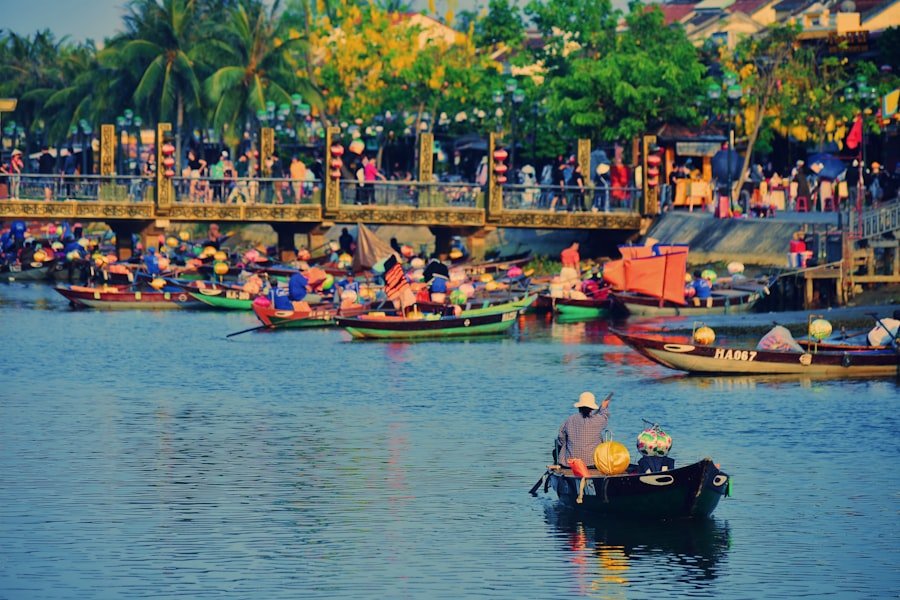
Hoi An is famous for its charming streets lined with lantern-lit shops, traditional wooden houses, and vibrant markets. The town’s unique blend of Vietnamese, Chinese, and Japanese architectural influences creates a picturesque setting that feels like stepping back in time. Visitors can participate in cooking classes to learn about local cuisine or take part in lantern-making workshops to create their own souvenirs.
The annual Hoi An Lantern Festival is a highlight, where the town transforms into a magical display of colorful lights floating on the river. In addition to these natural and historical wonders, Vietnam’s bustling cities offer a wealth of attractions. Ho Chi Minh City (formerly Saigon) is a vibrant metropolis where modern skyscrapers coexist with historic landmarks such as the War Remnants Museum and the Notre-Dame Cathedral Basilica of Saigon.
The city’s street food scene is legendary, with vendors serving up delicious dishes like pho and banh mi at every corner. Hanoi, the capital city, boasts its own unique charm with its centuries-old architecture and rich cultural heritage. The Hoan Kiem Lake area is a popular gathering spot for locals and tourists alike, providing a serene escape from the city’s hustle and bustle.
Must-see attractions in Cambodia
Cambodia’s most famous attraction is undoubtedly Angkor Wat, an architectural marvel that stands as a testament to the ingenuity of the Khmer Empire. Built in the early 12th century as a Hindu temple dedicated to the god Vishnu, Angkor Wat is the largest religious monument in the world. Its intricate bas-reliefs and towering spires draw visitors from all corners of the globe.
Exploring Angkor Wat at sunrise is a breathtaking experience as the first rays of light illuminate its majestic silhouette against the backdrop of a colorful sky. Beyond Angkor Wat, the Angkor Archaeological Park encompasses numerous other temples, including Bayon Temple with its enigmatic stone faces and Ta Prohm, famously entwined with massive tree roots. Phnom Penh, Cambodia’s capital city, offers a glimpse into the country’s tumultuous history and vibrant culture.
The Royal Palace complex is a highlight, showcasing stunning Khmer architecture and lush gardens. The Silver Pagoda within the palace grounds houses an impressive collection of Buddhist artifacts, including a life-sized gold Buddha adorned with thousands of diamonds. A visit to the Tuol Sleng Genocide Museum provides a sobering insight into Cambodia’s past under the Khmer Rouge regime.
This former school turned prison serves as a memorial to the victims and a reminder of the resilience of the Cambodian people. Another must-see destination is Siem Reap, which serves as the gateway to Angkor Wat but also offers its own unique attractions. The vibrant night markets are perfect for shopping for handicrafts and sampling local street food.
The Phare Circus showcases talented performers who tell stories through acrobatics and music, providing an entertaining way to learn about Cambodian culture. For those seeking adventure beyond the temples, Tonle Sap Lake offers opportunities for boat tours to visit floating villages where communities live on stilts amidst stunning natural surroundings.
Unique experiences and activities in Vietnam and Cambodia
Traveling through Vietnam and Cambodia presents numerous unique experiences that go beyond traditional sightseeing. In Vietnam, one can take part in a motorbike tour through the countryside to witness daily life in rural villages. Riding alongside rice paddies and lush landscapes allows travelers to connect with locals and gain insight into their way of life.
Additionally, participating in a traditional Vietnamese tea ceremony offers an intimate glimpse into the country’s customs and hospitality. In Cambodia, engaging with local artisans can provide a deeper understanding of traditional crafts such as silk weaving or pottery making. Workshops led by skilled craftsmen allow visitors to try their hand at creating their own pieces while learning about the cultural significance behind each craft.
For those interested in wildlife conservation, visiting projects focused on protecting endangered species like elephants or tigers can be both educational and rewarding. Adventure seekers will find plenty of opportunities for outdoor activities in both countries. In Vietnam’s Phong Nha-Ke Bang National Park, visitors can explore some of the world’s largest caves through guided tours that include trekking and zip-lining experiences.
Meanwhile, Cambodia’s Cardamom Mountains offer trekking routes that lead to stunning waterfalls and pristine rainforests teeming with biodiversity.
Culinary delights of Vietnam and Cambodia
| Tour Package | Duration | Main Destinations | Activities Included | Average Group Size | Customer Rating (out of 5) |
|---|---|---|---|---|---|
| Classic Vietnam & Cambodia | 14 days | Hanoi, Halong Bay, Hue, Hoi An, Ho Chi Minh City, Phnom Penh, Siem Reap | City tours, boat cruise, temple visits, cultural shows | 12 | 4.7 |
| Vietnam & Cambodia Highlights | 10 days | Hanoi, Halong Bay, Ho Chi Minh City, Phnom Penh, Siem Reap | City tours, boat cruise, Angkor Wat visit, local markets | 10 | 4.5 |
| Adventure Vietnam & Cambodia | 12 days | Hanoi, Sapa, Hue, Ho Chi Minh City, Phnom Penh, Siem Reap | Trekking, cycling, boat trips, temple tours | 8 | 4.8 |
| Luxury Vietnam & Cambodia Tour | 15 days | Hanoi, Halong Bay, Hue, Hoi An, Ho Chi Minh City, Phnom Penh, Siem Reap | Luxury cruises, fine dining, private guides, spa treatments | 6 | 4.9 |
| Budget Vietnam & Cambodia | 9 days | Hanoi, Ho Chi Minh City, Phnom Penh, Siem Reap | Hostel stays, city tours, local transport, temple visits | 15 | 4.3 |
The culinary landscapes of Vietnam and Cambodia are as diverse as their cultures, offering an array of flavors that reflect regional ingredients and cooking techniques. Vietnamese cuisine is characterized by its balance of fresh herbs, spices, and textures.
Each region has its own variations; for instance, northern pho tends to be simpler with fewer garnishes compared to its southern counterpart. Banh mi sandwiches are another culinary highlight that showcases French influence on Vietnamese cuisine. These delicious sandwiches are made with crispy baguettes filled with various ingredients such as grilled meats, pickled vegetables, cilantro, and spicy sauces.
Street food stalls throughout cities like Ho Chi Minh City offer an endless array of options for adventurous eaters looking to sample local delicacies. In Cambodia, traditional dishes often feature rice as a staple ingredient accompanied by flavorful curries and fresh vegetables. Amok fish is one of the country’s signature dishes—a fragrant curry made with coconut milk and spices steamed in banana leaves.
Another popular dish is lok lak, which consists of marinated beef stir-fried with vegetables served alongside rice or fries. Both countries also boast vibrant markets where visitors can immerse themselves in local food culture. In Vietnam’s Ben Thanh Market or Cambodia’s Psar Thmei (Central Market), travelers can sample street food delicacies while shopping for fresh produce or handicrafts.
These bustling markets provide an authentic taste of daily life in both nations.
Tips for traveling in Vietnam and Cambodia
Traveling in Vietnam and Cambodia requires some preparation to ensure a smooth experience. First and foremost, obtaining necessary visas is essential; many travelers can apply for e-visas online before their trip or obtain visas upon arrival at certain airports. It’s advisable to check specific entry requirements based on nationality well in advance.
When navigating cities like Ho Chi Minh City or Phnom Penh, using ride-hailing apps such as Grab can be convenient for getting around without language barriers. Public transportation options are available but may be less reliable than private services. Additionally, travelers should be mindful of local customs; dressing modestly when visiting temples or religious sites shows respect for local traditions.
Health precautions are also important when traveling in these countries. Staying hydrated is crucial due to hot weather conditions; bottled water is widely available but should be purchased from reputable sources to avoid contamination risks. Travelers should also consider vaccinations for diseases such as hepatitis A or typhoid before their trip.
Simple greetings or expressions of gratitude can go a long way in fostering positive connections during your travels.
Our top recommended tours in Vietnam and Cambodia
For those looking to maximize their experience in Vietnam and Cambodia, several guided tours cater to various interests and travel styles. In Vietnam, an immersive 10-day tour could include highlights such as exploring Hanoi’s Old Quarter before heading to Ha Long Bay for an overnight cruise among its stunning limestone islands. This itinerary might also feature visits to historic sites like the Cu Chi Tunnels near Ho Chi Minh City or cultural experiences such as cooking classes in Hoi An.
In Cambodia, a comprehensive tour could focus on exploring Angkor Wat over several days while also incorporating visits to lesser-known temples like Banteay Srei or Preah Vihear Temple situated on a mountaintop offering breathtaking views. Additionally, including time in Phnom Penh allows travelers to delve into Cambodia’s history through visits to sites like the Killing Fields or Tuol Sleng Museum. For those seeking adventure activities combined with cultural experiences, multi-day treks through rural areas or cycling tours along scenic routes can provide unique insights into local life while enjoying breathtaking landscapes.
Why Vietnam and Cambodia should be your next travel destination
Vietnam and Cambodia stand out as compelling travel destinations that offer an extraordinary blend of history, culture, natural beauty, and culinary delights. From exploring ancient temples to savoring street food delicacies amidst bustling markets, every moment spent in these countries promises unforgettable experiences that resonate long after your journey ends. Whether you are drawn by the allure of iconic landmarks like Angkor Wat or captivated by Vietnam’s stunning landscapes from Ha Long Bay to terraced rice fields in Sapa, both nations invite exploration at every turn.
The warmth and hospitality of their people further enhance these experiences; engaging with locals provides deeper insights into their traditions while fostering connections that transcend borders. As you embark on your travels through Vietnam and Cambodia, you will discover not only breathtaking sights but also stories woven into every corner—stories that reflect resilience amid adversity and celebrate vibrant cultures thriving today. With so much to offer—from breathtaking landscapes to rich histories—Vietnam and Cambodia should undoubtedly be at the top of your travel list for your next adventure!
If you’re considering a trip to Southeast Asia, exploring the rich cultural heritage and stunning landscapes of Vietnam and Cambodia can be an unforgettable experience. For those looking to enhance their travel inspiration, you might find it interesting to read about some of the most beautiful islands in the USA, which can provide a contrasting perspective on travel destinations. Check out this article on the 23 Most Beautiful Islands in the USA for some breathtaking ideas that could complement your travel plans.
FAQs
What are Vietnam Cambodia tours?
Vietnam Cambodia tours are organized travel packages that allow visitors to explore the cultural, historical, and natural attractions of both Vietnam and Cambodia in a single trip. These tours typically include visits to famous sites such as Angkor Wat in Cambodia and Ha Long Bay in Vietnam.
How long do Vietnam Cambodia tours usually last?
The duration of Vietnam Cambodia tours can vary widely, but most commonly they last between 7 to 14 days. The length depends on the itinerary, the number of destinations included, and the pace of travel.
What are the must-see attractions on a Vietnam Cambodia tour?
Key attractions often included are Angkor Wat and the Angkor Archaeological Park in Cambodia, the Cu Chi Tunnels and Ho Chi Minh City in Vietnam, the ancient town of Hoi An, the Mekong Delta, and Ha Long Bay.
Do I need a visa to travel to Vietnam and Cambodia?
Yes, most travelers require visas to enter both Vietnam and Cambodia. Visa requirements vary by nationality, and travelers can often obtain e-visas or visas on arrival, but it is advisable to check the latest regulations before traveling.
What is the best time of year to take a Vietnam Cambodia tour?
The best time to visit both countries is generally during the dry season, from November to April, when the weather is cooler and less humid. However, specific regions may have different peak seasons.
Are Vietnam Cambodia tours suitable for solo travelers?
Yes, many tour operators offer group tours that welcome solo travelers. There are also private tours available for those who prefer a more personalized experience.
What languages are commonly spoken on Vietnam Cambodia tours?
The official languages are Vietnamese in Vietnam and Khmer in Cambodia. However, English is widely spoken in the tourism industry, and most tours are conducted in English.
What types of accommodations are included in Vietnam Cambodia tours?
Accommodations vary depending on the tour package and budget, ranging from budget hotels and guesthouses to luxury resorts and boutique hotels.
Is it safe to travel on Vietnam Cambodia tours?
Both Vietnam and Cambodia are generally safe for tourists. Standard travel precautions should be taken, such as safeguarding personal belongings and avoiding risky areas at night.
What should I pack for a Vietnam Cambodia tour?
Travelers should pack lightweight, breathable clothing suitable for warm weather, comfortable walking shoes, sun protection, insect repellent, and any personal medications. Modest clothing is recommended for visiting temples and religious sites.