
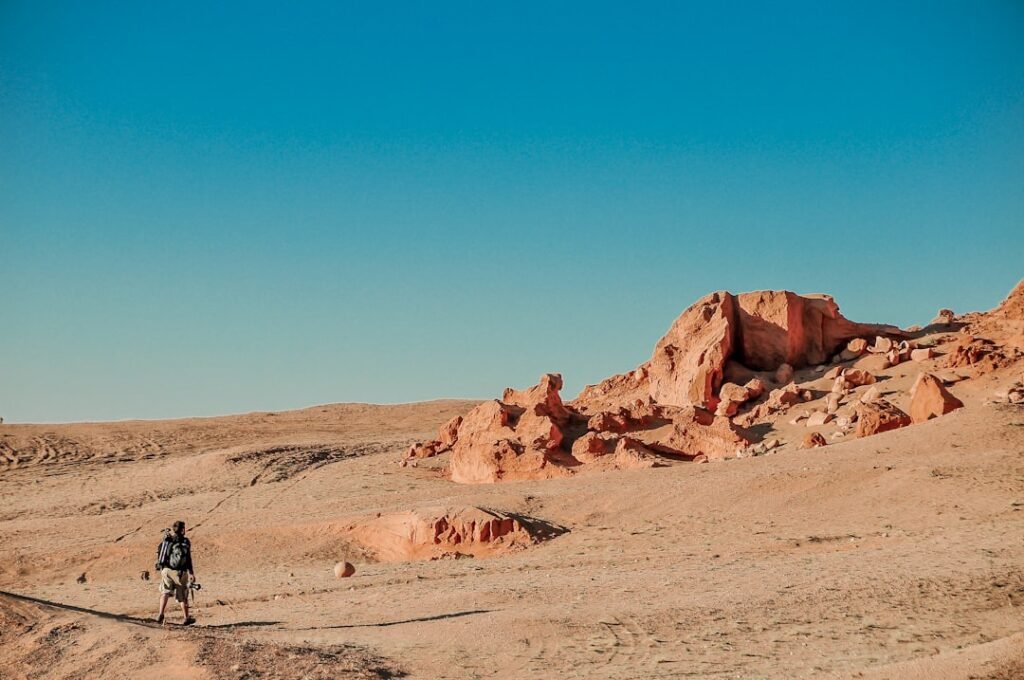

Embarking on a solo trip to Asia requires careful planning and consideration, as the continent is vast and diverse, offering a myriad of experiences that cater to different interests and preferences. The first step in this journey is to define your travel goals. Are you seeking adventure, cultural immersion, relaxation, or perhaps a combination of these?
Understanding your motivations will help you narrow down your destinations and activities. For instance, if you are drawn to vibrant city life and culinary experiences, cities like Tokyo or Bangkok may be ideal. Conversely, if you prefer serene landscapes and spiritual retreats, places like Bali or Bhutan could be more suitable.
Once you have established your travel goals, the next step is to research potential destinations. Each country in Asia has its own unique culture, language, and customs, which can significantly impact your travel experience. For example, while Japan is known for its punctuality and orderliness, India offers a more chaotic yet vibrant atmosphere.
Consider factors such as climate, local festivals, and visa requirements when selecting your destinations. Additionally, it’s wise to create a rough itinerary that includes must-see attractions, local cuisine to try, and activities that align with your interests. This will not only help you stay organized but also ensure that you make the most of your time in each location.
Key Takeaways
- Plan your solo trip to Asia carefully, considering destinations and personal interests.
- Explore top solo travel destinations in Asia known for safety and cultural richness.
- Use practical tips to navigate transportation, language barriers, and local customs.
- Engage deeply with Asian culture through local experiences and respectful interactions.
- Prioritize safety, budget wisely, and choose accommodations that cater to solo travelers.
Top Destinations for Solo Travelers in Asia
Asia is home to numerous destinations that are particularly welcoming to solo travelers. One standout location is Thailand, renowned for its friendly locals and rich cultural heritage. Cities like Chiang Mai offer a blend of ancient temples and modern cafes, making it easy for solo travelers to explore at their own pace.
The famous night markets provide an excellent opportunity to sample local street food while mingling with fellow travelers. Additionally, Thailand’s well-established tourist infrastructure means that navigating the country is relatively straightforward, with plenty of resources available for those traveling alone. Another exceptional destination is Vietnam, where the stunning landscapes and vibrant cities create an inviting atmosphere for solo adventurers.
The bustling streets of Hanoi are filled with history and culture, from the ancient architecture of the Old Quarter to the serene beauty of Hoan Kiem Lake. Solo travelers can easily join group tours to explore the breathtaking Halong Bay or take cooking classes to learn about Vietnamese cuisine. The affordability of Vietnam also makes it an attractive option for those on a budget, allowing for a rich experience without breaking the bank.
Solo Travel Tips for Navigating Asia

Navigating Asia as a solo traveler can be both exhilarating and challenging. One essential tip is to familiarize yourself with local transportation options before arriving at your destination.
In cities like Tokyo, the subway system is not only extensive but also user-friendly, with signs in English and clear maps available.
Language barriers can also pose challenges when traveling solo in Asia.
While English is widely spoken in tourist areas, it may not be as common in more remote locations. Learning a few basic phrases in the local language can go a long way in enhancing your travel experience. Simple greetings or expressions of gratitude can help you connect with locals and show respect for their culture.
Additionally, carrying a translation app on your smartphone can assist in overcoming communication hurdles when necessary.
Immersing Yourself in Asian Culture as a Solo Traveler
One of the most rewarding aspects of solo travel in Asia is the opportunity to immerse yourself in diverse cultures. Engaging with local traditions can provide deeper insights into the places you visit. Participating in cultural workshops—such as traditional dance classes in Bali or pottery-making sessions in Japan—can offer hands-on experiences that enrich your understanding of local customs.
These activities not only allow you to learn new skills but also create opportunities to meet other travelers and locals who share similar interests. Food is another vital component of cultural immersion in Asia. Each country boasts its own culinary delights that reflect its history and traditions.
As a solo traveler, consider joining food tours or cooking classes where you can learn about local ingredients and cooking techniques while enjoying delicious meals. In Thailand, for example, taking a cooking class in a local market allows you to select fresh produce while learning about the significance of each dish within Thai culture. Such experiences not only satisfy your palate but also foster connections with fellow food enthusiasts.
Safety Considerations for Solo Travelers in Asia
| Country | Popular Solo Destinations | Average Daily Cost | Safety Rating (1-10) | Best Time to Visit | Solo Traveler Tips |
|---|---|---|---|---|---|
| Thailand | Bangkok, Chiang Mai, Phuket | 30-50 | 8 | November to February | Use public transport, stay in hostels, try street food |
| Japan | Tokyo, Kyoto, Osaka | 60-100 | 9 | March to May, September to November | Learn basic Japanese phrases, use rail passes, respect local customs |
| Vietnam | Hanoi, Ho Chi Minh City, Hoi An | 20-40 | 7 | February to April, August to October | Be cautious with traffic, try local markets, carry a map |
| Indonesia | Bali, Yogyakarta, Jakarta | 25-45 | 7 | May to September | Respect religious sites, stay hydrated, use reputable transport |
| South Korea | Seoul, Busan, Jeju Island | 50-80 | 8 | April to June, September to November | Use T-money card for transport, try local cuisine, visit cafes |
Safety is a paramount concern for solo travelers, especially when exploring unfamiliar territories. While many Asian countries are generally safe for tourists, it’s essential to remain vigilant and take precautions to ensure your well-being. Researching the safety situation of your chosen destinations ahead of time can provide valuable insights into any potential risks or areas to avoid.
For instance, while cities like Singapore are known for their low crime rates, others may have neighborhoods that are best navigated during daylight hours. Staying connected is another crucial aspect of safety while traveling alone. Having a reliable means of communication can help you stay informed about your surroundings and maintain contact with friends or family back home.
Consider purchasing a local SIM card or an international roaming plan to ensure you have access to maps and emergency contacts at all times. Additionally, sharing your itinerary with someone you trust can provide an extra layer of security; they will know where you are supposed to be at any given time.
Budgeting and Saving Money on Your Solo Trip to Asia

Budgeting effectively is key to maximizing your experience while traveling solo in Asia. The first step is to establish a realistic budget based on your travel style and preferences. Consider factors such as accommodation costs, daily expenses for food and activities, transportation fees, and any additional costs for excursions or tours.
Countries like Thailand and Vietnam are known for being budget-friendly, allowing travelers to enjoy rich experiences without overspending. To save money during your trip, consider staying in hostels or guesthouses that cater specifically to solo travelers. These accommodations often provide communal spaces where you can meet other travelers and share tips on exploring the area.
Additionally, eating at local street food stalls rather than restaurants can significantly reduce your food expenses while offering authentic culinary experiences. Utilizing public transportation instead of taxis or private transfers can also help keep costs down while allowing you to experience the local way of life.
Solo Traveler-Friendly Accommodations in Asia
Finding suitable accommodations is crucial for solo travelers seeking comfort and safety during their journey through Asia. Hostels have become increasingly popular among solo adventurers due to their affordability and social atmosphere. Many hostels offer private rooms as well as dormitory-style accommodations, allowing travelers to choose based on their comfort level and budget.
In cities like Bangkok and Hanoi, hostels often organize group activities such as city tours or pub crawls, providing opportunities for socializing with fellow travelers. In addition to hostels, boutique hotels and guesthouses can offer unique experiences tailored for solo travelers. These establishments often emphasize personalized service and local charm, allowing guests to feel more connected to their surroundings.
For instance, staying at a traditional ryokan in Japan not only provides comfortable lodging but also immerses you in Japanese culture through tatami mat rooms and kaiseki dining experiences. Researching accommodations that prioritize solo travelers can enhance your overall experience by ensuring comfort and fostering connections with others.
Making Meaningful Connections as a Solo Traveler in Asia
One of the most enriching aspects of solo travel is the opportunity to forge meaningful connections with people from diverse backgrounds. Engaging with locals can provide insights into their way of life and create lasting memories that go beyond typical tourist experiences. Participating in community events or volunteering opportunities can be an excellent way to meet locals while contributing positively to the community you are visiting.
Additionally, leveraging technology can facilitate connections with fellow travelers. Social media platforms and travel apps often have features that allow users to connect based on shared interests or travel plans. Joining group tours or classes not only enhances your experience but also opens doors to friendships with like-minded individuals who share your passion for exploration.
Whether it’s bonding over a shared meal or embarking on an adventure together, these connections can enrich your journey through Asia and create lasting memories long after your trip has ended.
If you’re considering a solo trip to Asia, you might find it helpful to explore travel guides that highlight must-see destinations. For instance, while not directly related to Asia, this article on a scenic road trip from Montreal to Quebec City offers insights into planning an adventurous journey, which can be quite similar to navigating through the diverse landscapes of Asia. You can read more about it here: Scenic Road Trip from Montreal to Quebec City.
FAQs
What are the best countries in Asia for a solo trip?
Some of the best countries in Asia for solo travelers include Japan, Thailand, Vietnam, South Korea, and Malaysia. These countries are known for their safety, friendly locals, and well-developed tourist infrastructure.
Is Asia safe for solo female travelers?
Many parts of Asia are safe for solo female travelers, especially popular tourist destinations like Japan, Singapore, and Taiwan. However, it is important to research specific areas, stay aware of your surroundings, and follow local customs to ensure safety.
What is the best time to plan a solo trip to Asia?
The best time to visit Asia depends on the region. Generally, the dry season from November to March is ideal for Southeast Asia, while spring (March to May) and autumn (September to November) are good for East Asia. Weather and climate vary widely across the continent.
What are essential items to pack for a solo trip in Asia?
Essential items include a valid passport, travel insurance, comfortable clothing suitable for the climate, a universal power adapter, a first aid kit, copies of important documents, a portable charger, and any necessary medications. It’s also helpful to have a local SIM card or portable Wi-Fi device.
How can solo travelers stay connected while traveling in Asia?
Solo travelers can stay connected by purchasing local SIM cards, using portable Wi-Fi devices, or relying on free Wi-Fi available in many cafes, hotels, and public areas. Messaging apps like WhatsApp and LINE are popular for communication.
What are common cultural etiquette tips for solo travelers in Asia?
Common etiquette tips include dressing modestly, removing shoes before entering homes or temples, respecting local customs and traditions, asking permission before taking photos of people, and using polite greetings. Learning a few basic phrases in the local language is also appreciated.
How can solo travelers manage their budget while traveling in Asia?
To manage a budget, solo travelers can use public transportation, eat at local markets or street food stalls, stay in hostels or guesthouses, and plan activities in advance. Many Asian countries offer affordable accommodation and food options suitable for budget travelers.
Are there any health precautions solo travelers should take when visiting Asia?
Solo travelers should check recommended vaccinations before traveling, drink bottled or purified water, avoid raw or undercooked food, and carry any necessary medications. It’s also advisable to have travel insurance that covers medical emergencies.
What are some popular activities for solo travelers in Asia?
Popular activities include exploring historical sites and temples, hiking and nature treks, attending cultural festivals, trying local cuisine, joining group tours or cooking classes, and visiting bustling markets and street fairs.
How can solo travelers meet other people while traveling in Asia?
Solo travelers can meet others by staying in hostels, joining group tours or activities, attending social events or meetups, using travel apps designed for meeting people, and engaging with locals in cafes or community spaces.