
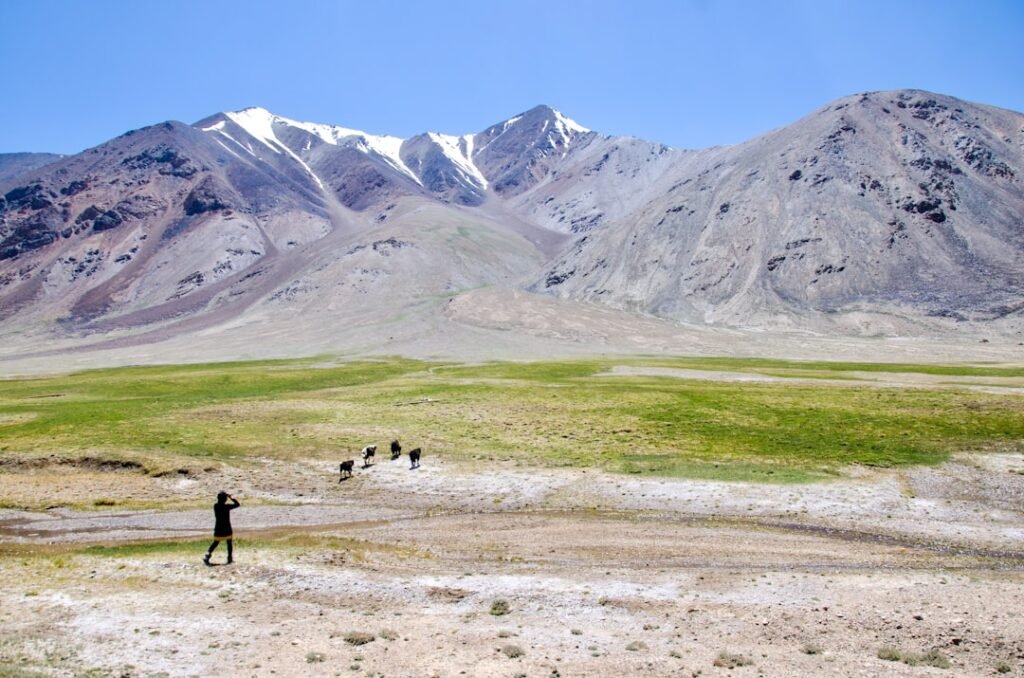

Tajikistan, a landlocked country nestled in the heart of Central Asia, is often overshadowed by its more prominent neighbors. Bordered by Afghanistan to the south, Uzbekistan to the west, Kyrgyzstan to the north, and China to the east, Tajikistan is a tapestry of rugged mountains, lush valleys, and rich cultural history. The country is predominantly mountainous, with the Pamir Mountains, often referred to as the “Roof of the World,” dominating its landscape.
This geographical feature not only shapes the climate and biodiversity of the region but also influences the lifestyle and traditions of its people. The capital city, Dushanbe, serves as a vibrant hub of culture and politics. With a population of over 800,000, it is a blend of Soviet-era architecture and modern developments.
The city is home to several museums, parks, and monuments that reflect Tajikistan’s rich history and cultural diversity. Despite its challenges, including economic struggles and political instability in the past, Tajikistan has emerged as a destination for those seeking authentic experiences away from the typical tourist trails. The warmth of its people and the beauty of its landscapes make it an intriguing place for travelers looking to explore a unique corner of the world.
Key Takeaways
- Tajikistan offers a rich blend of cultural heritage and natural beauty for travelers.
- The country is home to stunning landscapes, including mountains and lakes ideal for adventure activities.
- Visitors can enjoy unique local cuisine that reflects Tajikistan’s diverse cultural influences.
- Traditional festivals provide deep insights into the country’s customs and vibrant community life.
- Practical travel tips are essential for navigating Tajikistan’s Silk Road routes and remote areas safely.
Exploring the Cultural Heritage
Tajikistan’s cultural heritage is a rich amalgamation of Persian influences, Soviet history, and indigenous traditions. The country boasts a wealth of historical sites that tell the story of its past. One of the most significant is the ancient city of Penjikent, which dates back to the 5th century.
This archaeological site reveals remnants of Sogdian civilization, showcasing intricate frescoes and artifacts that highlight the artistic prowess of its inhabitants. Visitors can wander through the ruins and imagine life in this once-thriving trade center along the Silk Road. Another cultural gem is the Ismaili Center in Dushanbe, which serves as a focal point for the Ismaili community and promotes cultural dialogue.
The center features stunning architecture that blends traditional Tajik elements with modern design. It hosts various cultural events, exhibitions, and educational programs aimed at fostering understanding among different cultures. The center stands as a testament to Tajikistan’s commitment to preserving its heritage while embracing contemporary influences.
Uncovering Natural Wonders
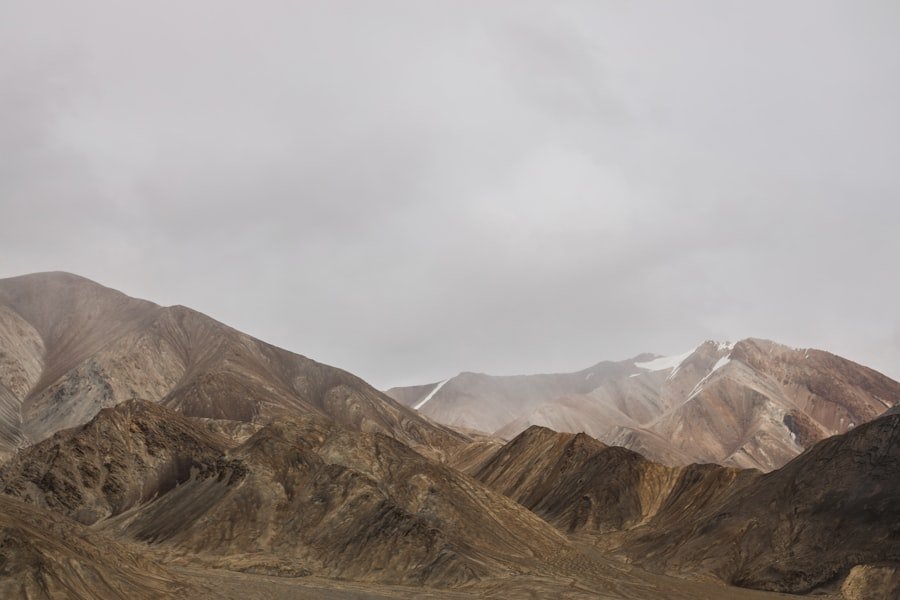
Tajikistan’s natural beauty is nothing short of breathtaking. The country is home to some of the highest peaks in the world, including Ismoil Somoni Peak, which rises to 7,495 meters. The Pamir Highway, one of the highest paved roads globally, offers travelers an unparalleled journey through stunning landscapes characterized by towering mountains, deep gorges, and pristine lakes.
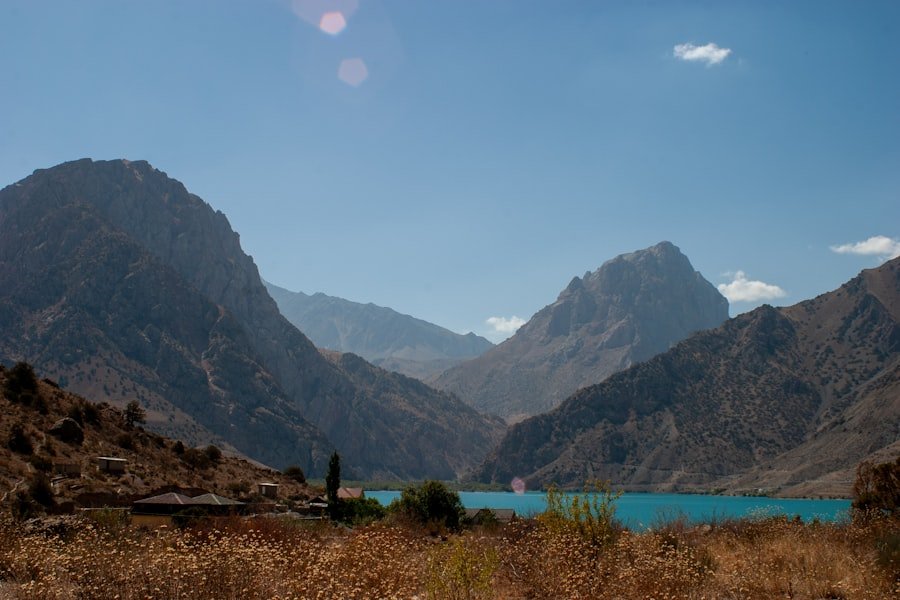
The journey along this route is not just about reaching a destination; it is an adventure that immerses travelers in the raw beauty of nature. One of the most remarkable natural wonders is Lake Iskanderkul, named after Alexander the Great. This glacial lake is surrounded by majestic mountains and lush forests, making it a popular spot for hiking and picnicking.
The turquoise waters reflect the sky’s hues, creating a picturesque setting that captivates visitors. The area around Iskanderkul is also rich in biodiversity, with various species of flora and fauna that thrive in this unique ecosystem. Exploring these natural wonders provides a deeper appreciation for Tajikistan’s environmental significance and its role in preserving biodiversity.
Sampling Local Cuisine
Tajik cuisine is a delightful reflection of its cultural diversity and geographical influences. The food is characterized by hearty dishes that often feature rice, meat, and fresh vegetables. One of the most iconic dishes is plov, a fragrant rice dish typically cooked with lamb or beef, carrots, and spices.
Each region has its own variation of plov, making it a staple that brings families together during celebrations and gatherings. Another must-try dish is qurutob, made from layers of bread soaked in a yogurt-based sauce topped with vegetables and herbs. This dish showcases the importance of dairy products in Tajik cuisine and highlights local agricultural practices.
Street food also plays a significant role in Tajik culinary culture; vendors sell everything from samosas to kebabs, providing an opportunity for travelers to experience authentic flavors on the go. Sampling local cuisine not only satisfies hunger but also offers insight into the traditions and customs that shape Tajik society.
Navigating the Silk Road
| Metric | Details |
|---|---|
| Best Time to Visit | April to October |
| Main Attractions | Pamir Mountains, Iskanderkul Lake, Fann Mountains, Dushanbe City |
| Popular Activities | Trekking, Mountaineering, Cultural Tours, Wildlife Watching |
| Visa Requirement | Visa on arrival for some countries; e-visa available |
| Currency | Tajikistani Somoni (TJS) |
| Language | Tajik (official), Russian widely spoken |
| Average Daily Cost | 30-50 (budget traveler) |
| International Airports | Dushanbe International Airport, Khujand Airport |
| Safety Level | Generally safe with normal travel precautions |
| Electricity | 220V, 50Hz, European plugs (Type C and F) |
The Silk Road was not merely a trade route; it was a conduit for cultural exchange that shaped civilizations across continents.
The historical significance of towns like Khorog and Dushanbe can be traced back to their roles as waypoints along this ancient route. Travelers can explore caravanserais—roadside inns where merchants would rest—and learn about the goods that were traded: silk, spices, precious stones, and more. Today, remnants of this vibrant history can be found in local markets where artisans sell handmade crafts that echo centuries-old traditions.
Engaging with local artisans provides travelers with a tangible connection to this storied past.
Experiencing Traditional Festivals
Tajikistan’s calendar is filled with vibrant festivals that celebrate its rich cultural heritage and agricultural cycles. One of the most significant events is Navruz, the Persian New Year celebrated on March 21st. This festival marks the arrival of spring and symbolizes renewal and rebirth.
Families come together to prepare traditional dishes, engage in communal activities, and participate in various cultural performances that showcase music, dance, and poetry. Another notable festival is the Pamir Music Festival held in Khorog, which celebrates the unique musical traditions of the Pamiri people. This event features performances by local musicians who play traditional instruments such as the rubab and doira.
The festival not only highlights the region’s rich musical heritage but also fosters community spirit as locals gather to share their love for music and dance. Participating in these festivals allows travelers to immerse themselves in Tajik culture while forging connections with local communities.
Engaging in Adventure Activities
For adventure enthusiasts, Tajikistan offers an array of thrilling activities set against its stunning natural backdrop. Trekking in the Pamir Mountains is one of the most popular pursuits; trails vary from easy walks to challenging multi-day hikes that lead to remote villages and breathtaking vistas. The Fann Mountains are another trekking hotspot known for their dramatic landscapes dotted with glacial lakes and towering peaks.
In addition to trekking, rock climbing has gained popularity among adventurers seeking adrenaline-fueled experiences. The rugged terrain provides ample opportunities for climbers of all skill levels to test their abilities against some of Central Asia’s most challenging cliffs. For those who prefer water sports, white-water rafting on rivers like the Panj offers an exhilarating way to experience Tajikistan’s wild beauty while navigating through stunning gorges.
Practical Tips for Traveling in Tajikistan
Traveling in Tajikistan requires some preparation due to its unique geographical and cultural landscape. First and foremost, obtaining a visa is essential for most travelers; it’s advisable to apply well in advance through Tajik embassies or consulates. Additionally, understanding local customs and etiquette can enhance interactions with locals—greeting people with respect and showing appreciation for their hospitality goes a long way.
Transportation can be challenging due to limited infrastructure outside major cities; however, shared taxis (marshrutkas) are a common means of travel between towns. It’s wise to plan routes ahead of time and be flexible with schedules as road conditions can vary significantly depending on weather conditions. Lastly, while English is not widely spoken outside urban areas, learning basic phrases in Tajik or Russian can facilitate communication and enrich your travel experience.
In conclusion, Tajikistan offers an extraordinary blend of cultural richness, natural beauty, culinary delights, historical significance along the Silk Road, vibrant festivals, adventure activities, and practical travel insights that make it an enticing destination for those willing to explore its depths.
If you’re considering a trip to Tajikistan, you might find inspiration in the article about the most beautiful cities in the world. This piece highlights stunning destinations that could complement your travel plans, showcasing the breathtaking landscapes and rich cultures that await you. To explore more about these captivating places, check out the article here: Most Beautiful Cities in the World.
FAQs
What is the best time to visit Tajikistan?
The best time to visit Tajikistan is from late spring to early autumn, typically May through September, when the weather is warm and most mountain passes are open.
Do I need a visa to travel to Tajikistan?
Visa requirements vary by nationality. Many travelers need to obtain a visa before arrival, but some countries are eligible for visa-free entry or e-visa. It is recommended to check the latest visa policies before traveling.
What languages are spoken in Tajikistan?
The official language is Tajik, a variety of Persian. Russian is also widely spoken, especially in urban areas and for business purposes.
Is Tajikistan safe for tourists?
Tajikistan is generally safe for tourists, but travelers should exercise normal precautions, especially in remote areas. It is advisable to stay informed about local conditions and follow travel advisories.
What currency is used in Tajikistan?
The currency used in Tajikistan is the Tajikistani Somoni (TJS).
What are the main attractions in Tajikistan?
Key attractions include the Pamir Mountains, Iskanderkul Lake, the capital city Dushanbe, ancient Silk Road sites, and the Fann Mountains.
How can I get around within Tajikistan?
Transportation options include domestic flights, shared taxis, minibuses (marshrutkas), and private car hires. Road conditions can vary, especially in mountainous regions.
Is it necessary to have travel insurance when visiting Tajikistan?
While not mandatory, it is highly recommended to have comprehensive travel insurance covering health, accidents, and trip cancellations due to the remote and rugged nature of many areas.
What kind of climate does Tajikistan have?
Tajikistan has a continental climate with hot summers and cold winters. Mountainous regions experience cooler temperatures and significant snowfall in winter.
Are there any cultural customs travelers should be aware of in Tajikistan?
Visitors should respect local customs, dress modestly, especially in rural areas, and be mindful of religious practices, as Tajikistan is predominantly Muslim.