
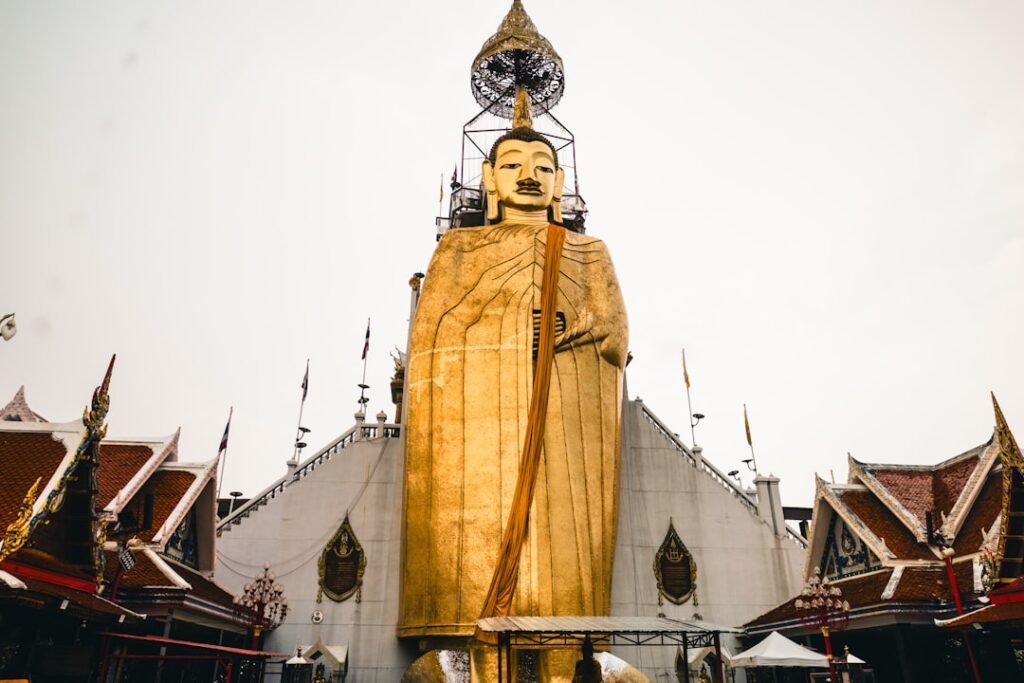

Thailand, often referred to as the “Land of Smiles,” is a Southeast Asian nation that captivates travelers with its rich tapestry of culture, history, and natural beauty. Nestled in the heart of the region, it boasts a unique blend of ancient traditions and modern influences, making it a fascinating destination for tourists from around the globe. With its stunning landscapes, vibrant cities, and warm hospitality, Thailand has become one of the most sought-after travel destinations in recent years.
From the bustling streets of Bangkok to the serene beaches of Phuket, each corner of Thailand offers a distinct experience that leaves an indelible mark on visitors. The country’s geographical diversity is equally impressive, featuring lush jungles, mountainous terrains, and idyllic coastlines. Thailand’s climate is predominantly tropical, characterized by three main seasons: the cool season, the hot season, and the rainy season.
This climate allows for year-round tourism, with each season offering unique experiences. Whether one seeks adventure in the northern mountains or relaxation on southern beaches, Thailand caters to a wide array of interests and preferences. The allure of this enchanting country lies not only in its physical beauty but also in its rich cultural heritage and the warmth of its people.
Key Takeaways
- Thailand offers a unique blend of rich culture, history, and natural beauty.
- Visitors can enjoy diverse experiences from bustling city life to serene outdoor adventures.
- Thai cuisine is a highlight, known for its flavorful and diverse culinary delights.
- Spiritual and wellness practices provide opportunities for relaxation and cultural immersion.
- Proper planning and local tips are essential for a memorable and smooth trip to Thailand.
Exploring the Rich Culture and History
Thailand’s culture is a vibrant amalgamation of influences from neighboring countries and indigenous traditions. The nation’s history dates back thousands of years, with evidence of early civilizations found in archaeological sites across the region. The Kingdom of Sukhothai, established in the 13th century, is often regarded as the birthplace of Thai civilization.
It was during this period that many cultural elements, such as language, art, and religion, began to take shape. The subsequent Ayutthaya Kingdom further solidified these foundations, becoming a major center for trade and diplomacy in Southeast Asia. Visitors to Thailand can immerse themselves in this rich history by exploring its numerous temples and historical sites.
The ancient city of Ayutthaya, a UNESCO World Heritage Site, is home to impressive ruins that reflect the grandeur of its past. The iconic Wat Phra Si Sanphet and Wat Mahathat are must-visit sites that showcase intricate architecture and historical significance. In addition to Ayutthaya, the northern city of Chiang Mai offers a glimpse into Thailand’s Lanna Kingdom heritage, with its well-preserved temples and traditional festivals.
The annual Yi Peng Lantern Festival is a spectacular event where thousands of lanterns are released into the night sky, symbolizing the release of misfortunes and the welcoming of good luck.
Experiencing the Natural Beauty of Thailand
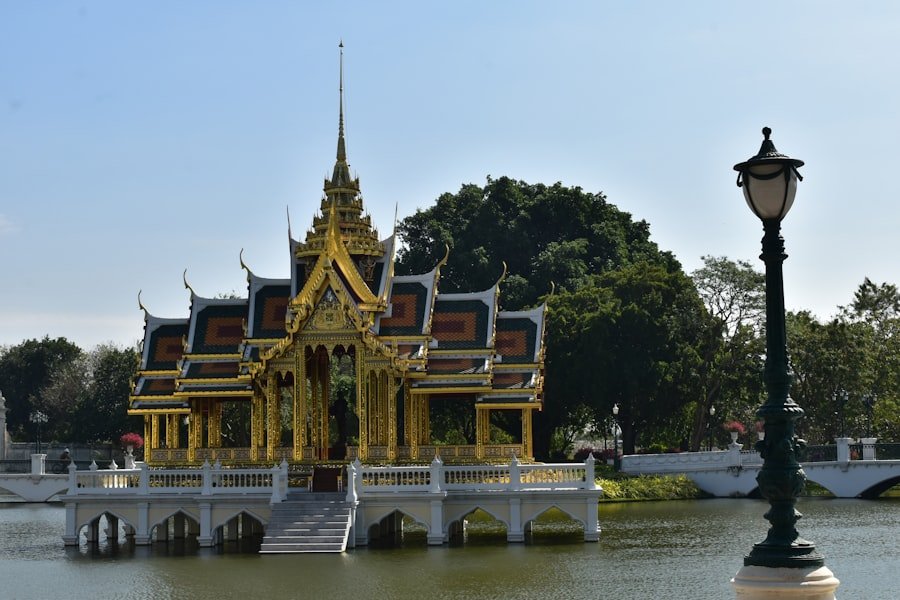
Thailand’s natural beauty is nothing short of breathtaking, with diverse landscapes that range from verdant mountains to pristine beaches. The northern region is characterized by its mountainous terrain, where lush forests and hill tribes create a picturesque backdrop for outdoor enthusiasts. Doi Inthanon National Park, home to Thailand’s highest peak, offers stunning views and a chance to explore cascading waterfalls and diverse flora and fauna.
Trekking through this region allows visitors to connect with nature while experiencing the unique cultures of indigenous communities. In stark contrast, the southern part of Thailand is renowned for its idyllic beaches and crystal-clear waters. The islands of Koh Phi Phi and Koh Samui are famous for their stunning scenery and vibrant marine life.
Snorkeling and diving enthusiasts flock to these areas to explore vibrant coral reefs teeming with colorful fish. Railay Beach, accessible only by boat, is another gem that captivates visitors with its dramatic limestone cliffs and tranquil atmosphere. Whether lounging on a sun-kissed beach or hiking through lush jungles, Thailand’s natural beauty offers endless opportunities for exploration and relaxation.
Indulging in Thai Cuisine and Culinary Delights
| Metric | Details |
|---|---|
| Popular Dishes | Pad Thai, Tom Yum Goong, Green Curry, Som Tum, Massaman Curry |
| Key Ingredients | Chili, Lemongrass, Kaffir Lime Leaves, Fish Sauce, Coconut Milk, Galangal |
| Flavor Profile | Spicy, Sour, Sweet, Salty, Umami |
| Average Spice Level | Medium to High (Scoville Heat Units: 1,000 – 50,000) |
| Common Cooking Techniques | Stir-frying, Grilling, Boiling, Steaming |
| Typical Meal Components | Rice or Noodles, Protein (Chicken, Seafood, Tofu), Fresh Herbs, Vegetables |
| Popular Street Food Items | Satay, Mango Sticky Rice, Thai Iced Tea, Fried Insects |
| Health Benefits | Rich in antioxidants, low in fat, high in fresh herbs and vegetables |
| Average Preparation Time | 15-45 minutes per dish |
| Regional Variations | Central Thai (mild and sweet), Northern Thai (herbal and less spicy), Southern Thai (very spicy and coconut-based) |
Thai cuisine is celebrated worldwide for its bold flavors and aromatic ingredients. A harmonious blend of sweet, sour, salty, and spicy elements defines many traditional dishes, making each meal a delightful experience for the senses. Street food culture thrives in Thailand, with bustling markets offering an array of culinary delights that reflect regional specialties.
From the iconic Pad Thai to the fragrant Tom Yum Goong (spicy shrimp soup), each dish tells a story of Thailand’s culinary heritage. Bangkok’s street food scene is particularly renowned, with vendors lining the streets offering everything from skewered meats to fresh fruit smoothies. The night markets come alive with sizzling woks and enticing aromas that beckon passersby to indulge in local delicacies.
For those seeking a more immersive experience, cooking classes are widely available throughout the country. Participants can learn to prepare traditional dishes using fresh ingredients while gaining insight into Thai culinary techniques and cultural significance.
Discovering the Vibrant City Life
Thailand’s urban centers pulsate with energy and vibrancy, offering a stark contrast to its tranquil rural landscapes. Bangkok, the capital city, is a bustling metropolis that seamlessly blends tradition with modernity. Skyscrapers tower over ancient temples, while street markets coexist alongside luxury shopping malls.
The city’s dynamic atmosphere is palpable as locals and tourists navigate its busy streets filled with tuk-tuks and motorbikes. Exploring Bangkok’s cultural landmarks is a must for any visitor. The Grand Palace stands as a testament to Thailand’s royal heritage, showcasing intricate architecture and stunning gardens.
Nearby, Wat Pho houses the famous Reclining Buddha statue and serves as a center for traditional Thai massage training. As night falls, Bangkok transforms into a vibrant nightlife hub with rooftop bars offering panoramic views of the city skyline. Areas like Khao San Road are known for their lively atmosphere, attracting backpackers and party-goers alike.
Engaging in Adventure and Outdoor Activities

For those seeking adventure, Thailand offers an abundance of outdoor activities that cater to thrill-seekers and nature lovers alike. The northern region is particularly popular for trekking and mountain biking, with trails winding through lush jungles and picturesque villages. Guided treks often include visits to local hill tribe communities, providing an opportunity to learn about their customs and way of life.
Water sports are also a significant draw in Thailand’s coastal areas. Kayaking through the limestone caves of Phang Nga Bay or rock climbing at Railay Beach presents exhilarating experiences for adventure enthusiasts. Scuba diving in Koh Tao is renowned for its vibrant underwater ecosystems, attracting divers from around the world eager to explore coral reefs and encounter marine life such as turtles and reef sharks.
Whether zip-lining through treetops or embarking on a jungle safari, Thailand’s diverse landscapes provide endless opportunities for adventure.
Immersing in the Spiritual and Wellness Practices
Thailand is not only known for its natural beauty and vibrant culture but also for its deep-rooted spiritual practices that permeate daily life. Buddhism plays a significant role in Thai society, influencing everything from architecture to social customs. Visitors can immerse themselves in this spiritual atmosphere by visiting temples where monks engage in meditation and rituals.
Wellness tourism has gained popularity in recent years as travelers seek rejuvenation through traditional Thai massage and holistic therapies. Many resorts offer wellness retreats that combine yoga sessions with spa treatments using natural ingredients such as herbal compresses and essential oils. The serene environment of places like Koh Samui provides an ideal backdrop for relaxation and self-discovery.
Engaging in mindfulness practices such as meditation or participating in local ceremonies can offer profound insights into Thai spirituality while promoting personal well-being.
Tips for Planning a Memorable Trip to Thailand
Planning a trip to Thailand requires careful consideration to ensure an enriching experience that captures the essence of this diverse country. First and foremost, understanding the best time to visit is crucial; while Thailand can be visited year-round, the cool season from November to February is often considered ideal due to pleasant weather conditions. Travelers should also familiarize themselves with local customs and etiquette to show respect for Thai culture.
For instance, dressing modestly when visiting temples is essential; shoulders and knees should be covered as a sign of respect. Learning basic Thai phrases can enhance interactions with locals and demonstrate appreciation for their language. When it comes to transportation within Thailand, options abound ranging from domestic flights to buses and trains.
While public transport is efficient in urban areas like Bangkok, renting a scooter can provide greater flexibility for exploring rural regions or islands at one’s own pace. Lastly, budgeting for various experiences is essential; while street food offers affordable dining options, indulging in fine dining or unique culinary experiences can elevate one’s trip significantly. By planning ahead and embracing spontaneity during their journey, travelers can create lasting memories that reflect the beauty and diversity of Thailand.
If you’re planning a trip to Thailand, you might also be interested in exploring other vibrant destinations around the world. For instance, Rome offers a rich tapestry of history and culture, making it a must-visit city. You can discover the top 10 attractions in Rome by checking out this article: