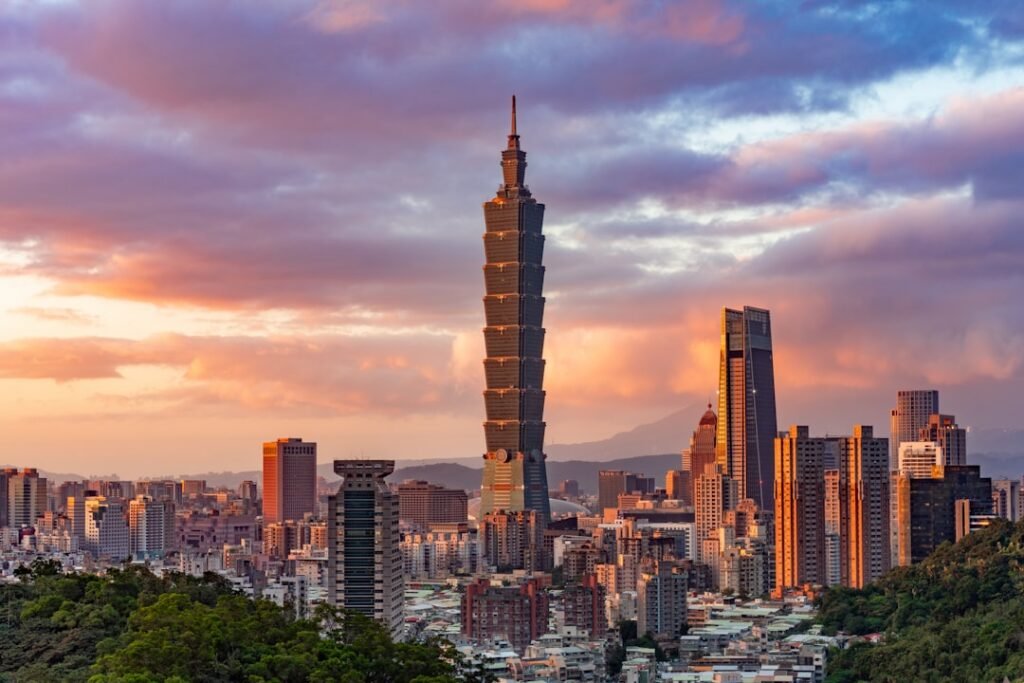

Asia is the world’s largest continent by both area and population, covering approximately 44.58 million square kilometers and housing over 4.6 billion people, representing nearly 60% of the global population. The continent comprises 49 countries, each with distinct cultural, historical, and traditional characteristics. Major urban centers include Tokyo and Shanghai, while the continent also features significant religious and cultural sites such as Kyoto’s temples and Mongolia’s extensive steppes.
The continent encompasses diverse geographical regions, ranging from Siberia’s arctic tundra to Southeast Asia’s tropical rainforests. This geographical diversity supports varied ecosystems and wildlife populations across different climate zones. Asia holds considerable historical importance as the birthplace of several ancient civilizations, including Mesopotamian, Indus Valley, and Chinese civilizations.
The continent demonstrates a notable integration of traditional cultural practices with contemporary technological and social developments.
Key Takeaways
- Asia is a vast continent rich in cultural diversity and history.
- Asian cuisine offers a wide range of unique and flavorful dishes.
- Adventure travel opportunities abound, from mountains to tropical jungles.
- Traditional festivals and practices highlight Asia’s deep cultural heritage.
- Key travel tips include respecting local customs and preparing for diverse climates.
Cultural Diversity in Asia
The cultural diversity found in Asia is one of its most remarkable features. With thousands of ethnic groups and languages spoken across the continent, each region boasts its own customs, beliefs, and artistic expressions. For instance, India alone is home to over 2,000 distinct ethnic groups and more than 1,600 spoken languages.
The cultural practices in India vary significantly from state to state; in the north, one might encounter the vibrant festivals of Diwali and Holi, while in the south, traditional dance forms like Bharatanatyam and Kathakali take center stage. In East Asia, countries like China, Japan, and Korea have rich cultural heritages that are deeply intertwined with their histories. The Confucian values that permeate Chinese society emphasize respect for family and education, while Japan’s unique blend of Shinto and Buddhist traditions shapes its festivals and rituals.
In contrast, Southeast Asia presents a different cultural landscape where influences from Indian, Chinese, and indigenous traditions converge. Countries like Thailand and Indonesia showcase this blend through their art, music, and dance forms, creating a vibrant cultural tapestry that reflects their historical interactions.
Asian Cuisine: A Culinary Adventure
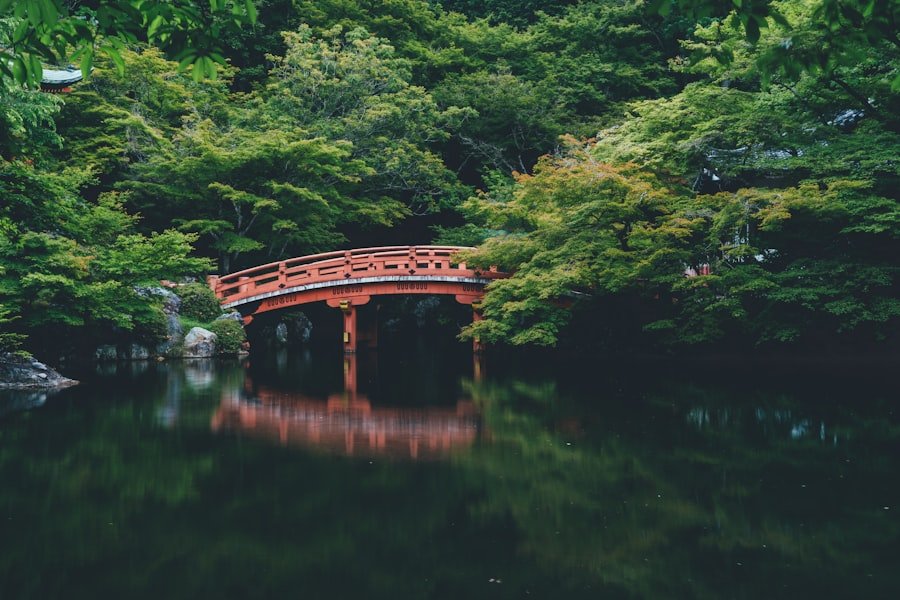
Asian cuisine is a culinary adventure that tantalizes the taste buds with its incredible variety and depth of flavors. Each country within Asia offers its own unique dishes that reflect local ingredients, climate, and cultural influences. For example, in Thailand, the balance of sweet, sour, salty, and spicy flavors is epitomized in dishes like Pad Thai and Tom Yum soup.
The use of fresh herbs such as cilantro and basil adds layers of complexity to these meals, making Thai food a favorite among many. In contrast, Japanese cuisine emphasizes simplicity and presentation. Sushi and sashimi are not just meals; they are art forms that highlight the freshness of fish and the skill of the chef.
The meticulous preparation involved in creating these dishes reflects a deep respect for nature and seasonal ingredients. Meanwhile, Indian cuisine showcases an array of spices that create rich flavors in dishes like biryani and curry. The use of spices such as cumin, coriander, and turmeric not only enhances taste but also carries health benefits that have been recognized for centuries.
Adventure Travel in Asia
For those seeking adventure, Asia is a playground filled with opportunities for exploration and excitement. The continent offers a diverse range of activities that cater to thrill-seekers and nature lovers alike. In Nepal, the majestic Himalayas provide some of the best trekking experiences in the world.
The Annapurna Circuit and Everest Base Camp treks attract thousands of hikers each year who are eager to witness breathtaking landscapes while challenging their physical limits. In Southeast Asia, activities such as scuba diving in the coral reefs of Thailand or rock climbing in the limestone cliffs of Vietnam offer adrenaline-pumping experiences against stunning backdrops. The jungles of Borneo invite adventurers to explore their rich biodiversity through canopy walks or river cruises where one can spot orangutans in their natural habitat.
Each destination presents unique challenges and rewards that make adventure travel in Asia an unforgettable experience.
Must-See Destinations in Asia
| Country | Popular Activity | Best Time to Visit | Average Duration | Top Destination |
|---|---|---|---|---|
| Japan | Cherry Blossom Viewing | March to April | 3-5 days | Tokyo, Kyoto |
| Thailand | Beach and Island Hopping | November to February | 5-7 days | Phuket, Krabi |
| China | Great Wall Hiking | April to May, September to October | 2-4 days | Beijing |
| India | Historical and Cultural Tours | October to March | 7-10 days | Agra, Jaipur, Delhi |
| Vietnam | Halong Bay Cruises | October to April | 2-3 days | Halong Bay |
| Indonesia | Diving and Snorkeling | April to October | 4-6 days | Bali, Raja Ampat |
| South Korea | City Tours and Food Exploration | April to June, September to November | 3-5 days | Seoul, Busan |
Asia is dotted with must-see destinations that showcase its rich history, culture, and natural beauty. The Great Wall of China stands as an iconic symbol of ancient engineering prowess and offers visitors a glimpse into China’s storied past. Stretching over 13,000 miles across northern China, this UNESCO World Heritage site provides breathtaking views and a sense of connection to history.
In India, the Taj Mahal is another essential stop for travelers. This stunning mausoleum built by Emperor Shah Jahan in memory of his wife Mumtaz Mahal is renowned for its exquisite architecture and romantic backstory. Visitors flock to Agra to witness its beauty at sunrise when the marble glows with a soft pink hue.
Meanwhile, in Japan, Kyoto’s historic temples and shrines offer a serene escape into traditional Japanese culture. The Fushimi Inari Shrine with its thousands of vermilion torii gates is particularly captivating for those seeking both spiritual reflection and stunning photography opportunities.
Traditional Practices and Festivals in Asia
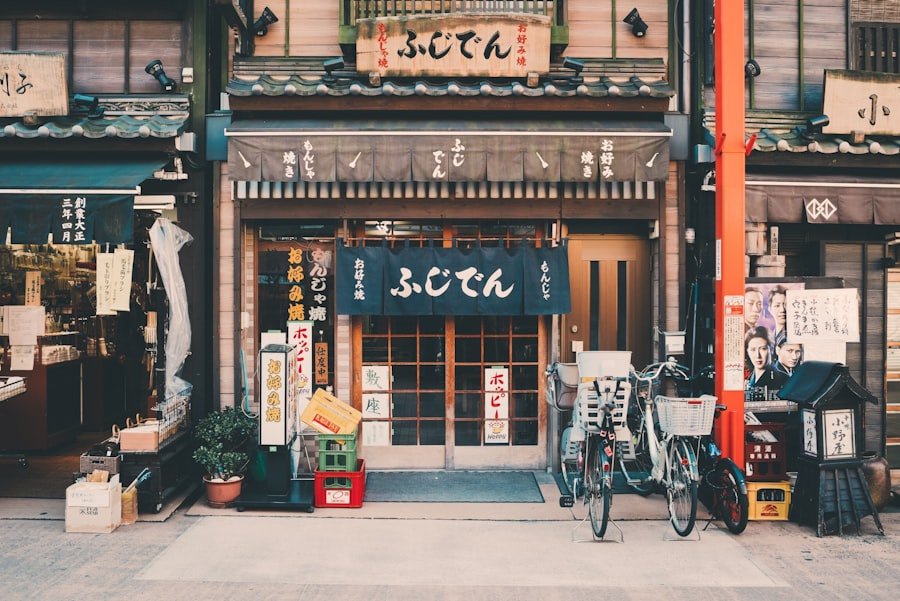
Traditional practices and festivals in Asia are vibrant expressions of cultural identity that bring communities together in celebration. In India, Diwali—the Festival of Lights—marks the triumph of light over darkness and good over evil. Families decorate their homes with oil lamps called diyas and share sweets with neighbors as fireworks light up the night sky.
This festival not only showcases India’s rich cultural heritage but also emphasizes values such as unity and generosity. In Japan, the cherry blossom festival known as Hanami celebrates the fleeting beauty of sakura blossoms each spring. People gather in parks for picnics under blooming cherry trees, reflecting on the transient nature of life—a concept deeply rooted in Japanese philosophy.
Similarly, in Thailand, Songkran marks the traditional New Year with water fights that symbolize purification and renewal. These festivals are not merely events; they are vital components of cultural continuity that foster community bonds across generations.
Exploring Asia’s Natural Wonders
Asia’s natural wonders are as diverse as its cultures, offering breathtaking landscapes that inspire awe and reverence for nature. The Great Barrier Reef off the coast of Australia is one such marvel; it is the largest coral reef system in the world and a UNESCO World Heritage site teeming with marine life. Snorkelers and divers flock to this underwater paradise to witness its vibrant coral formations and diverse species.
In contrast, the serene beauty of Halong Bay in Vietnam captivates visitors with its emerald waters dotted with limestone islands topped with lush greenery. A cruise through this UNESCO World Heritage site reveals hidden caves and floating fishing villages that provide insight into local life. Additionally, Mongolia’s vast steppes offer an entirely different experience; here, travelers can immerse themselves in nomadic culture while exploring expansive grasslands under an endless sky.
Tips for Traveling in Asia
Traveling in Asia can be an enriching experience if approached with an open mind and a bit of preparation. One essential tip is to familiarize oneself with local customs and etiquette before arriving at a destination. For instance, in many Asian cultures, showing respect through gestures such as bowing or removing shoes before entering homes or temples is crucial for building rapport with locals.
Another important consideration is transportation; while major cities often have efficient public transit systems, rural areas may require alternative modes of travel such as buses or trains. Booking tickets in advance can save time and ensure availability during peak travel seasons.
Travelers should also be mindful of health precautions when visiting different regions in Asia. Vaccinations may be recommended depending on specific destinations, so consulting with a healthcare professional before departure is advisable. Lastly, embracing flexibility can lead to unexpected adventures; some of the best experiences often arise from spontaneous decisions made along the journey.
Asia’s vastness offers an endless array of experiences waiting to be discovered by those willing to explore its rich tapestry of cultures, landscapes, and traditions. Each journey through this remarkable continent promises not only adventure but also profound insights into humanity’s shared heritage.
If you’re looking for exciting things to do in Asia, you might find inspiration in exploring hidden gems around the world.