
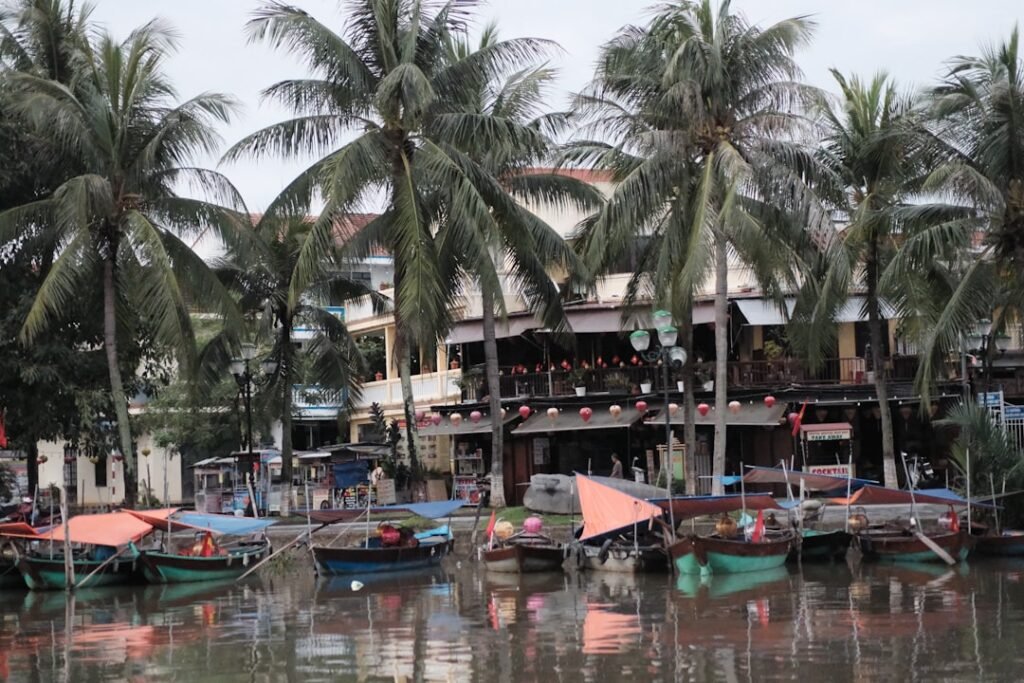

Vietnam, a country that stretches along the eastern edge of the Indochinese Peninsula, is a land of stunning contrasts and rich history. With its lush landscapes, vibrant cities, and a culture steeped in tradition, Vietnam has become an increasingly popular destination for travelers seeking both adventure and relaxation. The country is characterized by its diverse geography, ranging from the mountainous regions in the north to the flat plains of the Mekong Delta in the south.
This geographical diversity not only contributes to Vietnam’s breathtaking scenery but also influences its cultural practices, culinary traditions, and lifestyle. The history of Vietnam is as complex as its geography, marked by centuries of foreign influence and internal strife. From ancient dynasties to colonial rule and the Vietnam War, each chapter of its past has left an indelible mark on the nation’s identity.
Today, Vietnam stands as a testament to resilience and transformation, where ancient temples coexist with modern skyscrapers. The warm hospitality of its people, combined with a rich tapestry of traditions and customs, makes Vietnam a captivating destination for those eager to explore its many facets.
Key Takeaways
- Vietnam offers diverse travel experiences, from rich history to vibrant culture.
- Adventure seekers can explore stunning natural landscapes and outdoor activities.
- Food lovers will enjoy authentic culinary tours showcasing Vietnamese cuisine.
- Beach and island tours provide relaxing escapes with beautiful coastal scenery.
- Urban and unique tours reveal both bustling cities and hidden gems off the beaten path.
Historical and Cultural Tours
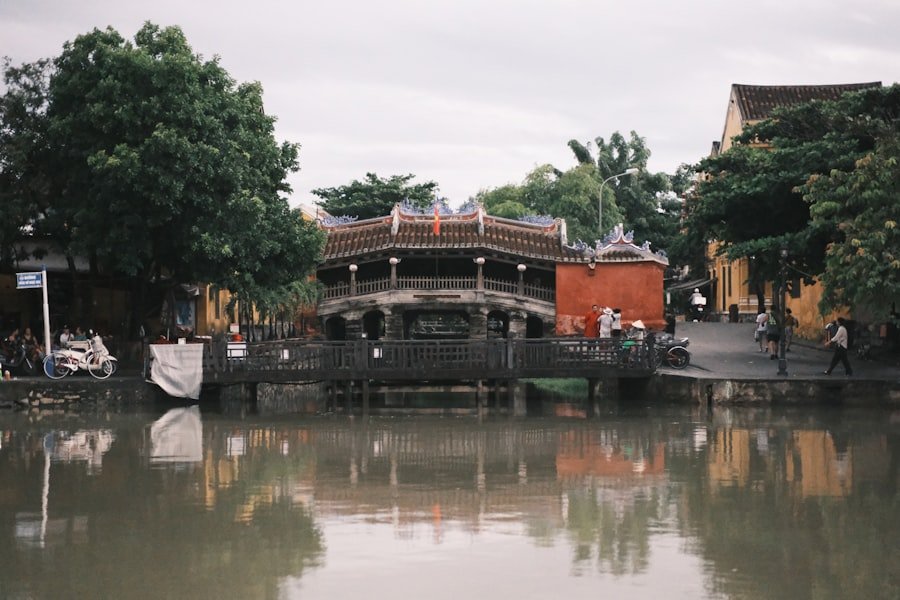
Vietnam’s historical and cultural tours offer an immersive experience into the country’s past, allowing visitors to explore ancient sites and learn about the traditions that have shaped Vietnamese society. One of the most significant historical landmarks is the ancient town of Hoi An, a UNESCO World Heritage site that showcases well-preserved architecture from the 15th to 19th centuries. Walking through its narrow streets lined with colorful lanterns, travelers can witness the fusion of different cultures, including Chinese, Japanese, and French influences.
The town’s historic buildings, such as the Japanese Covered Bridge and the Phuc Kien Assembly Hall, provide insight into the rich trading history that once flourished here. Another essential stop on a historical tour is the Cu Chi Tunnels near Ho Chi Minh City. This extensive network of underground tunnels played a crucial role during the Vietnam War, serving as hiding spots for Viet Cong soldiers and facilitating communication and supply routes.
Guided tours through these tunnels offer a glimpse into the harsh realities of war and the ingenuity of those who lived through it. Visitors can crawl through sections of the tunnels, learn about the various traps used during the conflict, and gain a deeper understanding of Vietnam’s tumultuous history.
Adventure and Nature Tours
For those seeking adrenaline-pumping experiences, Vietnam offers a plethora of adventure and nature tours that cater to thrill-seekers. The northern region is home to stunning landscapes, particularly in places like Sapa and Ha Giang. Sapa, known for its terraced rice fields and towering mountains, provides opportunities for trekking through picturesque villages inhabited by ethnic minorities such as the Hmong and Dao people.
Guided treks can range from easy walks to challenging hikes that lead to breathtaking viewpoints overlooking valleys and cascading rice paddies. In addition to trekking, adventure enthusiasts can explore the stunning karst formations of Ha Long Bay, another UNESCO World Heritage site. Kayaking through emerald waters surrounded by towering limestone cliffs offers a unique perspective of this natural wonder.
Many tour operators provide overnight cruises that allow travelers to spend a night on traditional wooden junks while enjoying activities such as swimming, snorkeling, and exploring hidden caves. The combination of adventure and natural beauty makes Ha Long Bay an unforgettable experience for those looking to connect with Vietnam’s stunning landscapes.
Culinary and Food Tours
| Tour Name | Location | Duration | Number of Stops | Average Cost | Popular Cuisine | Customer Rating (out of 5) |
|---|---|---|---|---|---|---|
| Gourmet Paris Food Walk | Paris, France | 3 hours | 6 | 120 | French | 4.8 |
| Tokyo Street Food Tour | Tokyo, Japan | 4 hours | 8 | 95 | Japanese | 4.7 |
| Rome Pasta and Gelato Experience | Rome, Italy | 3.5 hours | 5 | 110 | Italian | 4.9 |
| New Orleans Cajun Food Tour | New Orleans, USA | 4 hours | 7 | 85 | Cajun | 4.6 |
| Bangkok Street Eats | Bangkok, Thailand | 3 hours | 6 | 70 | Thai | 4.7 |
Vietnamese cuisine is renowned for its vibrant flavors and fresh ingredients, making culinary tours an essential part of any visit to the country. The food culture in Vietnam is deeply rooted in tradition, with each region offering its own specialties. In Hanoi, for instance, visitors can indulge in iconic dishes such as pho, a fragrant noodle soup made with beef or chicken broth, rice noodles, and fresh herbs.
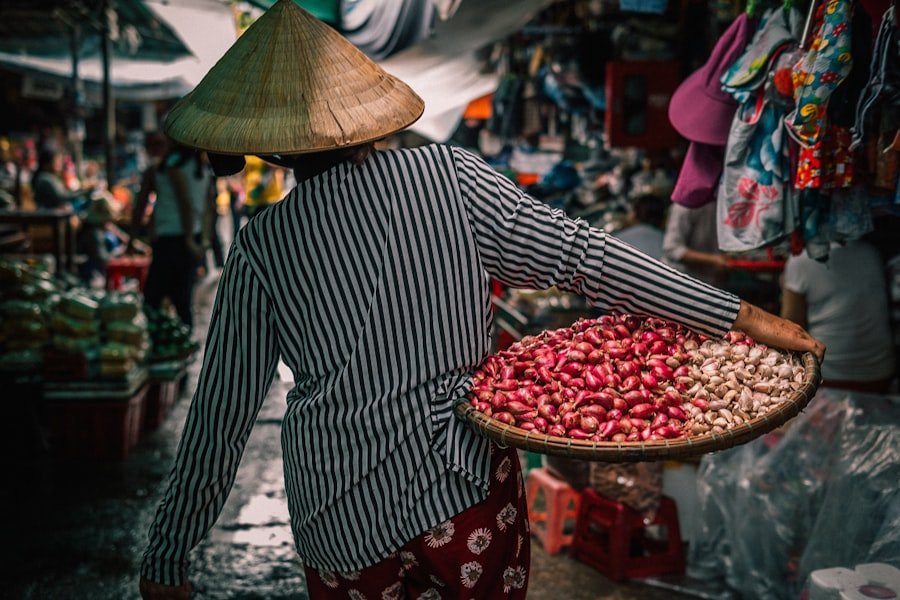
Street food tours in Hanoi allow travelers to sample various local delicacies while learning about their origins from knowledgeable guides. In contrast, Ho Chi Minh City boasts a bustling food scene that reflects its cosmopolitan nature. Culinary tours here often include visits to local markets where visitors can witness the vibrant colors and aromas of fresh produce and spices.
Dishes like banh mi—a Vietnamese sandwich filled with meats, pickled vegetables, and herbs—are must-tries for anyone exploring the city’s culinary landscape. Cooking classes are also popular among tourists who wish to take home a piece of Vietnamese culture; these classes often involve shopping for ingredients at local markets before preparing traditional dishes under the guidance of skilled chefs.
Beach and Island Tours
Vietnam’s coastline stretches over 3,000 kilometers, offering an array of stunning beaches and idyllic islands perfect for relaxation and exploration. One of the most famous beach destinations is Da Nang, known for its pristine sandy shores and vibrant nightlife. The nearby Marble Mountains provide opportunities for hiking and exploring caves adorned with Buddhist shrines.
For those seeking a more tranquil escape, the islands of Phu Quoc are an ideal choice. Located in the Gulf of Thailand, Phu Quoc is celebrated for its crystal-clear waters and white sandy beaches.
Tourists can engage in snorkeling or diving excursions to discover vibrant coral reefs teeming with marine life. The island also offers opportunities for eco-tourism; visitors can explore national parks filled with lush jungles and diverse wildlife. Whether lounging on the beach or embarking on aquatic adventures, Vietnam’s coastal offerings cater to all types of beachgoers.
Urban and City Tours
Vietnam’s urban centers are dynamic hubs that blend tradition with modernity, making city tours an exciting way to experience contemporary Vietnamese life. Ho Chi Minh City, formerly known as Saigon, is a bustling metropolis characterized by its vibrant street life and historical landmarks. A visit to the War Remnants Museum provides insight into the impact of war on Vietnamese society through powerful exhibits and photographs.
The city’s skyline is dominated by modern skyscrapers like the Bitexco Financial Tower, which offers panoramic views from its observation deck. Hanoi, the capital city, presents a different atmosphere with its charming old quarter filled with narrow streets and colonial architecture. A guided walking tour through this area allows visitors to experience local life firsthand while sampling street food from vendors along the way.
The Hoan Kiem Lake serves as a serene escape amidst the urban hustle, where locals gather for tai chi sessions at dawn or leisurely strolls in the evening. Exploring these cities reveals not only their historical significance but also their role as vibrant centers of culture and commerce.
Unique and Off-the-Beaten-Path Tours
For travelers looking to venture beyond typical tourist routes, Vietnam offers unique experiences that delve into lesser-known destinations. The Mekong Delta is one such area that provides an authentic glimpse into rural life in Vietnam. A boat tour through its intricate waterways reveals floating markets where locals sell fresh produce directly from their boats.
Visitors can also explore traditional villages where artisans create handicrafts or engage in farming activities alongside local families. Another off-the-beaten-path destination is Phong Nha-Ke Bang National Park, home to some of the world’s largest caves. Adventurous travelers can embark on guided cave expeditions that take them deep into these natural wonders.
The Son Doong Cave, in particular, has gained international acclaim for its immense size and unique ecosystem. Exploring these caves not only offers thrilling adventures but also highlights Vietnam’s incredible natural heritage.
Why Vietnam is a Must-Visit Destination
Vietnam stands out as a must-visit destination due to its rich tapestry of history, culture, natural beauty, and culinary delights. Each region offers distinct experiences that cater to diverse interests—whether one seeks adventure in the mountains or relaxation on pristine beaches. The warmth of Vietnamese hospitality enhances every journey, making travelers feel welcomed as they explore this captivating country.
Its culinary scene tantalizes taste buds with flavors that reflect regional diversity while offering opportunities for hands-on experiences through cooking classes or street food tours. As travelers uncover hidden gems off the beaten path or immerse themselves in cultural heritage sites, they discover that Vietnam is not just a destination but an experience that lingers long after departure.
If you’re considering a trip to Vietnam, you might also be interested in exploring other beautiful destinations around the world. For instance, check out this article on the top 12 destinations in Argentina, which highlights some breathtaking locations that could inspire your travel plans. Whether you’re drawn to the vibrant culture of Vietnam or the stunning landscapes of Argentina, there’s a world of adventure waiting for you.
FAQs
What are the best times of year to go on Vietnam tours?
The best times to visit Vietnam are generally from February to April and August to October. These months offer mild weather and less rainfall, making it ideal for sightseeing and outdoor activities.
Do Vietnam tours include visits to major cities and natural attractions?
Yes, most Vietnam tours cover major cities like Hanoi, Ho Chi Minh City, and Hue, as well as natural attractions such as Ha Long Bay, the Mekong Delta, and Sapa.
What types of Vietnam tours are available?
Vietnam tours range from cultural and historical tours, adventure and trekking tours, culinary tours, to beach and island tours. Options include group tours, private tours, and customized itineraries.
Is it necessary to have a visa to travel to Vietnam?
Most travelers require a visa to enter Vietnam. Visa requirements vary by nationality, and options include e-visas, visa on arrival, or obtaining a visa through a Vietnamese embassy or consulate.
What languages are commonly spoken on Vietnam tours?
Vietnamese is the official language, but most tour guides speak English. In popular tourist areas, you may also find guides who speak French, Chinese, or other languages.
Are Vietnam tours suitable for families and children?
Yes, many Vietnam tours are family-friendly and offer activities suitable for children. It is advisable to choose tours that match the interests and energy levels of your family members.
What should I pack for a Vietnam tour?
Pack lightweight, breathable clothing, comfortable walking shoes, a hat, sunscreen, insect repellent, and a rain jacket. Depending on the season and region, you may also need warmer clothes for cooler areas like Sapa.
Is it safe to travel on Vietnam tours?
Vietnam is generally a safe destination for tourists. Standard travel precautions such as safeguarding belongings, avoiding isolated areas at night, and following local advice are recommended.
Can I customize my Vietnam tour itinerary?
Yes, many tour operators offer customizable itineraries to suit your interests, budget, and travel pace. You can include specific destinations, activities, and accommodations.
What is the currency used in Vietnam, and can I use credit cards?
The official currency is the Vietnamese Dong (VND). Credit cards are widely accepted in major cities and tourist areas, but it is advisable to carry some cash for smaller vendors and rural locations.