
South East Asia is a vibrant tapestry of cultures, languages, and histories, woven together by centuries of trade, migration, and colonial influences. This region, comprising countries such as Thailand, Vietnam, Indonesia, Malaysia, Singapore, and the Philippines, is renowned for its rich diversity and dynamic societies. Each nation boasts its own unique identity while sharing common threads that reflect the broader cultural heritage of the area.
The geographical landscape is equally diverse, ranging from lush rainforests and pristine beaches to bustling urban centers and serene rural villages. Traveling through South East Asia offers an unparalleled opportunity to experience a blend of ancient traditions and modern innovations. The region is a melting pot of religions, with Buddhism, Islam, Hinduism, and Christianity coexisting harmoniously.
This spiritual diversity is reflected in the architecture, festivals, and daily lives of the people. As globalization continues to influence the region, South East Asia remains a captivating destination for travelers seeking both adventure and cultural enrichment.
Key Takeaways
- South East Asia offers a rich blend of cultural, historical, and natural attractions.
- The region is renowned for its diverse culinary experiences and vibrant local markets.
- Adventure seekers can enjoy a wide range of outdoor activities and breathtaking landscapes.
- Unique traditions and festivals provide deep insights into the local cultures.
- Practical travel tips are essential for navigating and making the most of a trip to South East Asia.
Cultural and Historical Landmarks
The cultural and historical landmarks of South East Asia are a testament to its rich past and the civilizations that have thrived here. One of the most iconic sites is Angkor Wat in Cambodia, a sprawling temple complex that dates back to the 12th century. Originally constructed as a Hindu temple dedicated to the god Vishnu, it later transformed into a Buddhist site.
The intricate bas-reliefs and towering spires of Angkor Wat are not only architectural marvels but also serve as a window into the spiritual and artistic achievements of the Khmer Empire. In Thailand, the Grand Palace in Bangkok stands as a symbol of the country’s royal heritage. This opulent complex features stunning architecture adorned with gold leaf and intricate mosaics.
Within its grounds lies Wat Phra Kaew, home to the revered Emerald Buddha. The palace has been the official residence of Thai kings since the 18th century and continues to be a focal point for national ceremonies and celebrations. Visitors are often awestruck by the grandeur of the palace and its significance in Thai culture.
Vietnam’s historical landmarks also tell compelling stories of resilience and transformation. The ancient town of Hoi An is a UNESCO World Heritage site that showcases well-preserved architecture from various periods, reflecting influences from Chinese, Japanese, and European cultures. The town’s lantern-lit streets and traditional wooden houses create an enchanting atmosphere that transports visitors back in time.
Additionally, the Cu Chi Tunnels near Ho Chi Minh City offer a glimpse into the ingenuity of the Vietnamese during the Vietnam War. These extensive underground networks served as hiding spots, supply routes, and living quarters for soldiers, illustrating the resourcefulness of a nation in conflict.
Natural Wonders and Breathtaking Landscapes
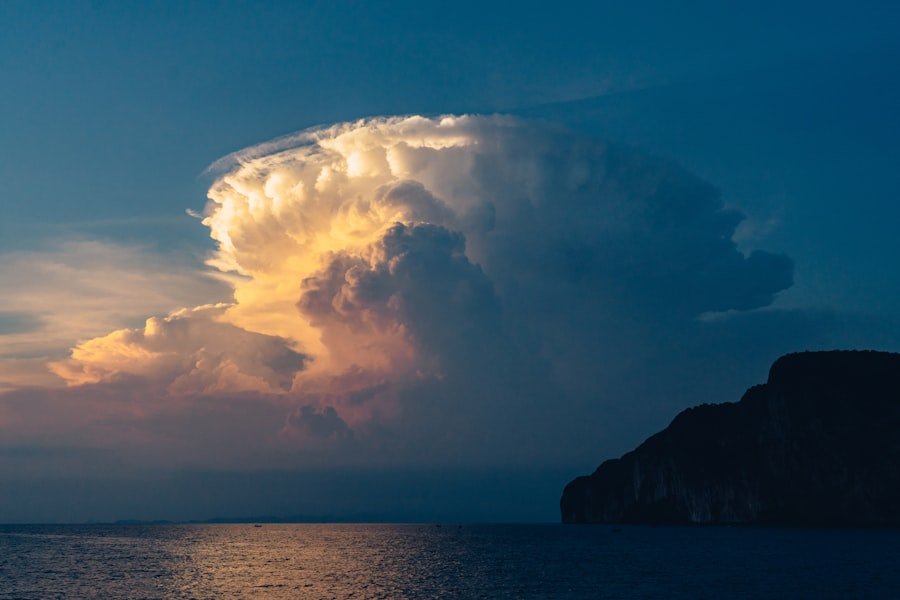
South East Asia is home to some of the most breathtaking natural wonders on the planet. The region’s diverse ecosystems range from tropical rainforests to stunning coastlines, each offering unique experiences for nature enthusiasts. One of the most famous natural attractions is Halong Bay in Vietnam, known for its emerald waters dotted with thousands of limestone islands and karsts.
In Indonesia, Bali’s volcanic landscapes provide a dramatic backdrop for adventure seekers. Mount Batur, an active volcano, attracts hikers eager to witness sunrise from its summit.
The trek offers panoramic views of Lake Batur and surrounding mountains, creating a sense of accomplishment for those who undertake it. Bali’s lush rice terraces in Ubud further showcase the island’s natural beauty, where vibrant green fields cascade down hillsides in a stunning display of agricultural artistry. The Philippines boasts some of the world’s most pristine beaches and coral reefs.
Palawan, often referred to as the “last frontier,” is home to breathtaking landscapes such as the Puerto Princesa Subterranean River National Park, another UNESCO World Heritage site. This underground river flows through a limestone cave system and is surrounded by lush rainforest teeming with wildlife. Snorkeling or diving in El Nido reveals vibrant coral gardens and diverse marine life, making it a paradise for underwater explorers.
Culinary Adventures and Local Cuisine
The culinary landscape of South East Asia is as diverse as its cultures, offering an array of flavors that tantalize the taste buds. Each country presents its own unique dishes influenced by local ingredients, traditions, and historical interactions with other cultures. In Thailand, street food is an integral part of daily life, with vendors serving up mouthwatering dishes such as Pad Thai, Som Tum (green papaya salad), and Tom Yum Goong (spicy shrimp soup).
The bustling markets of Bangkok are a feast for the senses, where aromatic spices mingle with sizzling woks and fresh produce. Vietnamese cuisine is celebrated for its balance of flavors and emphasis on fresh ingredients. Pho, a fragrant noodle soup typically made with beef or chicken broth, is a national dish that has gained international acclaim.
The combination of herbs like basil and cilantro with lime juice creates a refreshing experience that embodies the essence of Vietnamese cooking. Additionally, Banh Mi sandwiches showcase the fusion of French colonial influences with local ingredients, resulting in a delicious blend of flavors. In Malaysia, food reflects its multicultural society, with Malay, Chinese, Indian, and indigenous influences coming together in harmonious dishes.
Nasi Lemak, often considered Malaysia’s national dish, features fragrant rice cooked in coconut milk served with sambal (spicy chili paste), fried anchovies, peanuts, boiled eggs, and cucumber. The vibrant night markets in cities like Penang offer an opportunity to sample an array of street food delights while immersing oneself in the lively atmosphere.
Adventure and Outdoor Activities
| Country | Popular Destinations | Average Daily Cost | Best Travel Season | Activities |
|---|---|---|---|---|
| Thailand | Bangkok, Chiang Mai, Phuket | 40-60 | November to February | Temples, Beaches, Night Markets |
| Vietnam | Hanoi, Ho Chi Minh City, Ha Long Bay | 30-50 | February to April, September to November | Street Food, Cruises, Historical Sites |
| Indonesia | Bali, Jakarta, Yogyakarta | 35-55 | May to September | Surfing, Temples, Volcano Hiking |
| Cambodia | Siem Reap, Phnom Penh | 25-45 | November to February | Angkor Wat, Museums, Markets |
| Malaysia | Kuala Lumpur, Penang, Langkawi | 35-60 | March to October | City Tours, Beaches, Rainforest |
| Singapore | Marina Bay, Sentosa, Orchard Road | 70-100 | February to April | Shopping, Gardens, Theme Parks |
For those seeking adventure, South East Asia offers an abundance of outdoor activities that cater to thrill-seekers and nature lovers alike. Trekking through the lush jungles of northern Thailand provides an exhilarating experience as travelers navigate through dense foliage while encountering diverse wildlife. The hill tribe villages along the way offer insights into local cultures and traditions, making each trek not just an adventure but also an educational journey.
In Indonesia, surfing enthusiasts flock to Bali’s world-renowned beaches such as Kuta and Uluwatu. The island’s consistent waves attract surfers from around the globe looking to ride some of the best swells in Southeast Asia. For those who prefer exploring beneath the waves, diving in Komodo National Park reveals vibrant coral reefs teeming with marine life, including manta rays and colorful fish species.
The Philippines offers unique opportunities for adventure through its stunning landscapes. Canyoneering in Cebu’s Kawasan Falls combines hiking, swimming, and cliff jumping into an adrenaline-pumping experience set against breathtaking waterfalls and turquoise waters. Additionally, exploring the Banaue Rice Terraces—often referred to as the “Eighth Wonder of the World”—provides not only a physical challenge but also a chance to appreciate the ingenuity of ancient agricultural practices that have shaped this region for centuries.
Unique Traditions and Festivals
The cultural richness of South East Asia is vividly expressed through its unique traditions and festivals that celebrate everything from religious beliefs to agricultural cycles. In Thailand, Songkran marks the traditional New Year with water fights that symbolize purification and renewal. During this festival in April, locals and tourists alike take to the streets armed with water guns and buckets to splash water on each other—a joyous celebration that fosters community spirit.
In Indonesia, Bali’s Nyepi Day offers a stark contrast with its day of silence observed by Hindus across the island. This day marks the Balinese New Year when all activities come to a halt; even airports close down as residents engage in self-reflection and meditation. The day before Nyepi features vibrant parades showcasing elaborate Ogoh-Ogoh statues made from bamboo and paper that represent evil spirits.
These statues are paraded through villages before being burned in a symbolic act of purification. Vietnam’s Tet Festival is another significant celebration that marks the Lunar New Year. Families gather to honor their ancestors with offerings at altars while preparing traditional foods such as Banh Chung (square sticky rice cake) to share during family reunions.
The festival is characterized by vibrant decorations featuring peach blossoms in the north and yellow apricot flowers in the south—symbols of prosperity and good fortune for the coming year.
Local Markets and Shopping Experiences
Exploring local markets in South East Asia provides an authentic glimpse into daily life while offering unique shopping experiences that reflect regional craftsmanship and culture. In Thailand, Chatuchak Weekend Market in Bangkok is one of the largest markets in the world, featuring thousands of stalls selling everything from clothing to handicrafts to street food. Visitors can easily spend hours wandering through its labyrinthine alleys while bargaining for souvenirs or sampling local delicacies.
In Vietnam, Ben Thanh Market in Ho Chi Minh City serves as both a shopping hub and cultural landmark. Here, vendors sell fresh produce alongside traditional handicrafts such as lacquerware and silk products. The market buzzes with energy as locals shop for daily necessities while tourists hunt for authentic Vietnamese souvenirs.
The nearby food stalls offer an opportunity to taste local specialties like spring rolls or Vietnamese coffee. The night markets across South East Asia are equally captivating experiences where visitors can immerse themselves in local culture after sunset. In Taiwan’s Shilin Night Market or Malaysia’s Jonker Street Night Market in Melaka, food stalls come alive with sizzling dishes while vendors showcase handmade crafts under colorful lights.
These markets not only provide culinary delights but also foster social interactions among locals and travelers alike.
Tips for Traveling in South East Asia
Traveling through South East Asia can be an enriching experience if approached with some practical tips in mind. First and foremost, understanding local customs and etiquette is crucial for respectful interactions with residents. For instance, when visiting temples or sacred sites in countries like Thailand or Cambodia, it is essential to dress modestly—covering shoulders and knees—as a sign of respect for local traditions.
Navigating transportation options can vary significantly across countries; therefore, researching local modes of transport is advisable before embarking on your journey. In cities like Bangkok or Ho Chi Minh City, using ride-hailing apps can be convenient for getting around efficiently while avoiding language barriers with taxi drivers. Additionally, long-distance buses or trains are popular choices for traveling between cities due to their affordability compared to flights.
Lastly, staying connected while traveling can enhance your experience significantly. Purchasing a local SIM card upon arrival allows you to access maps and travel apps easily while keeping in touch with fellow travelers or family back home. Moreover, being mindful of health precautions—such as drinking bottled water instead of tap water—can help ensure a safe journey through this diverse region filled with unforgettable experiences waiting to be discovered.
If you’re planning a trip to Southeast Asia, you might find inspiration in the article about the most beautiful cities in the world. Exploring vibrant urban landscapes can enhance your travel experience, offering a glimpse into the culture and history of the region. For more details, check out this article on the [most beautiful cities in the world](https://writeronwings.com/destination/travel-inspiration/most-beautiful-cities-world/).
FAQs
What countries are typically included in a South East Asia trip?
South East Asia trips commonly include countries such as Thailand, Vietnam, Cambodia, Laos, Myanmar, Malaysia, Singapore, Indonesia, the Philippines, Brunei, and Timor-Leste.
What is the best time of year to visit South East Asia?
The best time to visit South East Asia is generally during the dry season, which varies by country but typically falls between November and February. This period offers cooler temperatures and less rainfall.
Do I need a visa to travel to South East Asian countries?
Visa requirements vary by country and nationality. Many South East Asian countries offer visa-free entry or visa-on-arrival for short stays to certain nationalities. It is important to check the specific visa policies for each country before traveling.
What vaccinations are recommended before traveling to South East Asia?
Common recommended vaccinations include Hepatitis A and B, Typhoid, Tetanus, and Japanese Encephalitis, depending on the areas visited. Travelers should consult a healthcare provider for personalized advice.
Is it safe to travel in South East Asia?
South East Asia is generally safe for tourists, but travelers should exercise common precautions such as safeguarding belongings, avoiding risky areas at night, and following local laws and customs.
What currency is used in South East Asia?
Each country in South East Asia has its own currency, such as the Thai Baht (THB), Vietnamese Dong (VND), Cambodian Riel (KHR), Malaysian Ringgit (MYR), and Indonesian Rupiah (IDR). US dollars are widely accepted in some countries like Cambodia.
What languages are spoken in South East Asia?
South East Asia is linguistically diverse. Major languages include Thai, Vietnamese, Khmer, Bahasa Indonesia, Malay, Burmese, Tagalog, and English is commonly spoken in tourist areas.
What are popular activities to do on a South East Asia trip?
Popular activities include exploring ancient temples, visiting beaches and islands, trekking in jungles, experiencing local markets and street food, cultural tours, and wildlife watching.
How can I get around within South East Asia?
Transportation options include budget airlines, buses, trains, ferries, taxis, tuk-tuks, and motorbike rentals. Many travelers use a combination of these depending on distance and convenience.
What should I pack for a South East Asia trip?
Pack lightweight, breathable clothing, comfortable walking shoes, a rain jacket, insect repellent, sunscreen, a hat, and any necessary medications. Modest clothing is recommended for visiting religious sites.