
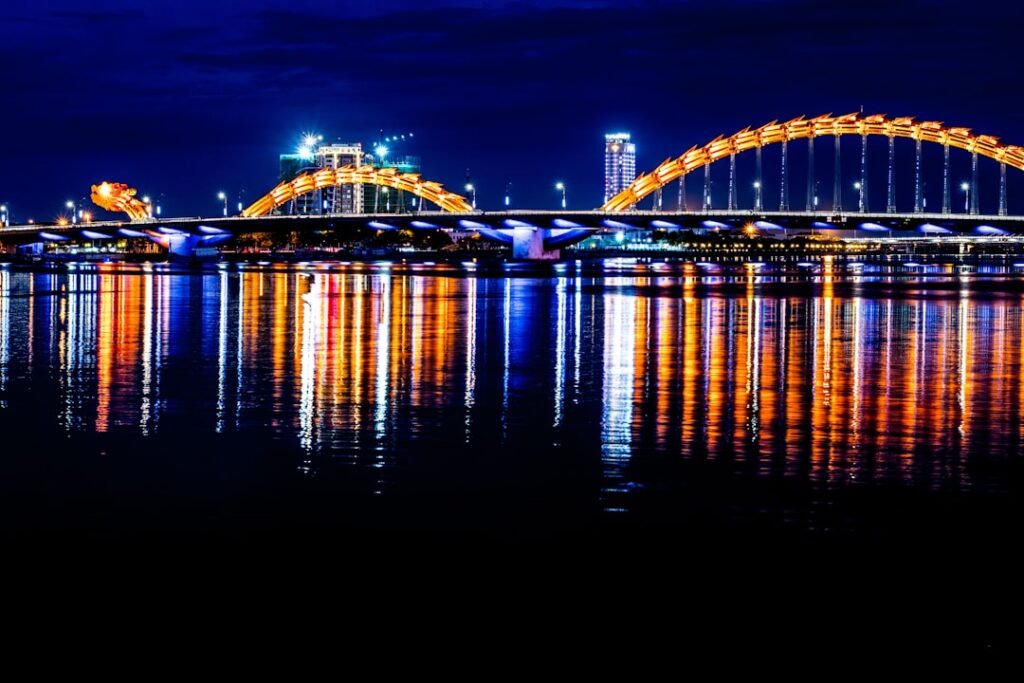

Southeast Asia is a region that captivates the imagination with its rich tapestry of cultures, stunning landscapes, and vibrant histories. Comprising countries such as Thailand, Vietnam, Cambodia, Laos, Malaysia, Singapore, Indonesia, and the Philippines, this area is a melting pot of traditions and influences. The geographical diversity ranges from lush rainforests and pristine beaches to bustling urban centers and ancient temples.
Each nation within Southeast Asia offers a unique glimpse into the past while simultaneously embracing modernity, making it a fascinating destination for travelers seeking both adventure and enlightenment. The region’s history is as varied as its geography. From the ancient Khmer Empire that once ruled over Cambodia to the colonial influences that shaped many of its nations, Southeast Asia is steeped in stories waiting to be uncovered.
The blend of indigenous cultures with foreign influences has created a unique social fabric that is evident in the languages spoken, the festivals celebrated, and the culinary delights savored. As travelers embark on their journey through this enchanting part of the world, they are often met with warm hospitality and a sense of community that transcends borders.
Key Takeaways
- Southeast Asia offers diverse cultural and natural attractions across multiple countries.
- Thailand is renowned for its stunning temples and vibrant street life.
- Cambodia captivates visitors with its ancient ruins and rich history.
- Laos showcases a unique cultural heritage and tranquil landscapes.
- Vietnam features dynamic cities like Ho Chi Minh and serene spots such as Hoi An and Halong Bay.
The Wonders of Thailand
Thailand, often referred to as the “Land of Smiles,” is renowned for its breathtaking landscapes and rich cultural heritage. The country boasts an array of attractions that cater to every type of traveler. From the bustling streets of Bangkok, where modern skyscrapers coexist with ancient temples, to the serene beaches of Phuket and Krabi, Thailand offers a diverse range of experiences.
The Grand Palace in Bangkok stands as a testament to the country’s royal history, showcasing intricate architecture and stunning murals that depict tales from Thai mythology. Beyond the urban allure, Thailand’s natural beauty is equally compelling. The northern region, particularly around Chiang Mai, is famous for its mountainous terrain and lush jungles.
Here, visitors can engage in activities such as trekking through national parks, visiting elephant sanctuaries, or exploring traditional hill tribe villages. The annual Yi Peng Lantern Festival in Chiang Mai is a sight to behold, where thousands of lanterns are released into the night sky, creating a magical atmosphere that draws both locals and tourists alike.
Discovering the Beauty of Cambodia
Cambodia is perhaps best known for the awe-inspiring Angkor Wat, a UNESCO World Heritage site that represents the pinnacle of Khmer architecture. This sprawling temple complex, built in the early 12th century, is not only a symbol of Cambodia but also a testament to the ingenuity and artistry of its builders. Visitors can spend days exploring the intricate carvings and vast grounds of Angkor Archaeological Park, which includes other significant temples such as Bayon and Ta Prohm, the latter famously entwined with massive tree roots.
However, Cambodia’s beauty extends beyond its ancient ruins. The capital city of Phnom Penh offers a glimpse into the country’s tumultuous history through sites like the Royal Palace and the chilling Tuol Sleng Genocide Museum. The vibrant markets and riverside promenades provide a lively atmosphere where one can sample local delicacies such as fish amok or enjoy a refreshing coconut drink.
Additionally, the coastal town of Sihanoukville presents an opportunity to unwind on beautiful beaches or take boat trips to nearby islands like Koh Rong, known for their crystal-clear waters and vibrant marine life.
The Rich Culture of Laos
Laos is often overshadowed by its more touristy neighbors but possesses a charm that is uniquely its own. The country is characterized by its laid-back atmosphere and stunning natural landscapes, including the majestic Mekong River that flows through its heart. Luang Prabang, a UNESCO World Heritage site, is a highlight for many visitors.
This town is famous for its well-preserved architecture that reflects both French colonial influences and traditional Lao styles. The morning alms-giving ceremony, where monks collect offerings from locals and tourists alike, offers a profound insight into the spiritual life of the Laotian people. The culture of Laos is deeply intertwined with Buddhism, which plays a significant role in daily life.
Temples dot the landscape, each with its own unique history and significance. Wat Xieng Thong in Luang Prabang is one such temple that showcases exquisite mosaics and intricate wood carvings. Beyond religious sites, Laos is also known for its vibrant festivals such as Pi Mai (Lao New Year), where water fights and traditional dances create an atmosphere of joy and celebration.
The country’s rich traditions are further reflected in its handicrafts; local artisans produce beautiful textiles and pottery that tell stories of their heritage.
Exploring the Vibrant City of Ho Chi Minh in Vietnam
| Metric | Thailand to Vietnam |
|---|---|
| Distance (Air) | 1,100 km (approx.) |
| Flight Duration | 1 hour 30 minutes (direct flight) |
| Popular Airlines | Thai Airways, Vietnam Airlines, AirAsia |
| Major Airports (Thailand) | Suvarnabhumi Airport (BKK), Don Mueang Airport (DMK) |
| Major Airports (Vietnam) | Noi Bai International Airport (HAN), Tan Son Nhat International Airport (SGN) |
| Visa Requirement | Visa on arrival or e-visa available for Thai citizens |
| Currency Exchange Rate | 1 Thai Baht ≈ 700 Vietnamese Dong (approx.) |
| Popular Travel Purpose | Tourism, Business, Cultural Exchange |
| Transportation Options | Flight, Bus, Train (limited direct routes) |
Ho Chi Minh City, formerly known as Saigon, is a bustling metropolis that embodies the dynamic spirit of Vietnam. As the largest city in the country, it serves as an economic hub and cultural melting pot. The skyline is punctuated by modern skyscrapers like the Bitexco Financial Tower, while historical landmarks such as the War Remnants Museum and Notre-Dame Cathedral Basilica stand as reminders of Vietnam’s complex past.
The juxtaposition of old and new creates an electric atmosphere that draws visitors from around the globe. The culinary scene in Ho Chi Minh City is nothing short of extraordinary. Street food stalls line the streets, offering an array of dishes that reflect Vietnam’s diverse culinary heritage.
Pho, banh mi, and fresh spring rolls are just a few examples of the mouthwatering options available to food enthusiasts. The Ben Thanh Market is a must-visit for those looking to immerse themselves in local flavors while also picking up unique souvenirs. As night falls, the city transforms into a vibrant hub of nightlife with rooftop bars offering stunning views over the bustling streets below.
The Serenity of Hoi An, Vietnam
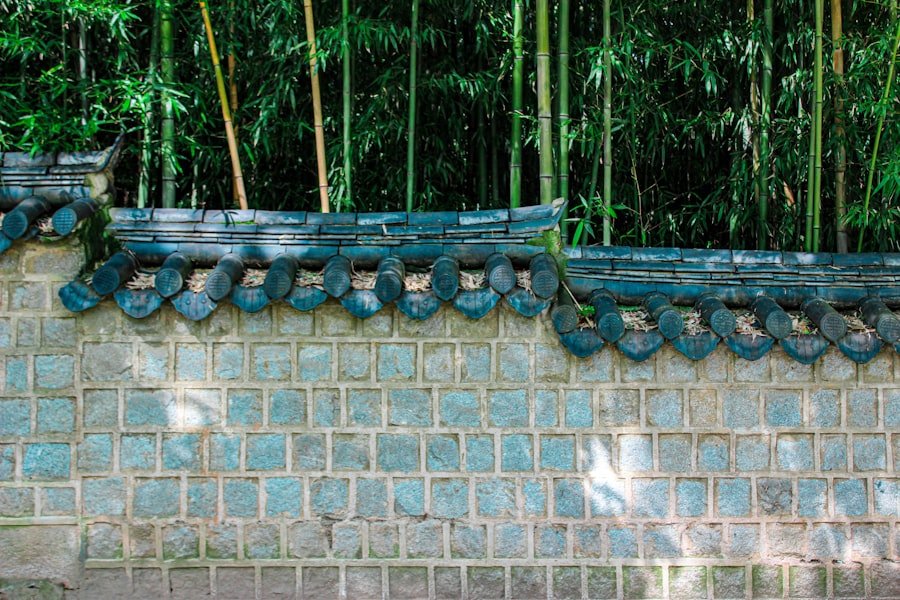
In stark contrast to Ho Chi Minh City’s frenetic pace lies Hoi An, a charming town known for its well-preserved Ancient Town that has been recognized as a UNESCO World Heritage site. Hoi An’s streets are lined with colorful lanterns and traditional wooden houses that reflect its history as a major trading port from the 15th to 19th centuries. Walking through Hoi An feels like stepping back in time; visitors can explore ancient temples, historic merchant houses, and quaint shops selling handmade crafts.
The town is also famous for its culinary offerings, particularly its unique take on Vietnamese cuisine. Dishes such as cao lau—a noodle dish made with local ingredients—are best enjoyed at one of Hoi An’s many eateries or street vendors. Additionally, Hoi An is known for its tailor shops where visitors can have custom clothing made within days.
The annual Lantern Festival further enhances Hoi An’s charm; during this event, locals release lanterns onto the river while enjoying traditional music and dance performances.
The Natural Beauty of Halong Bay, Vietnam
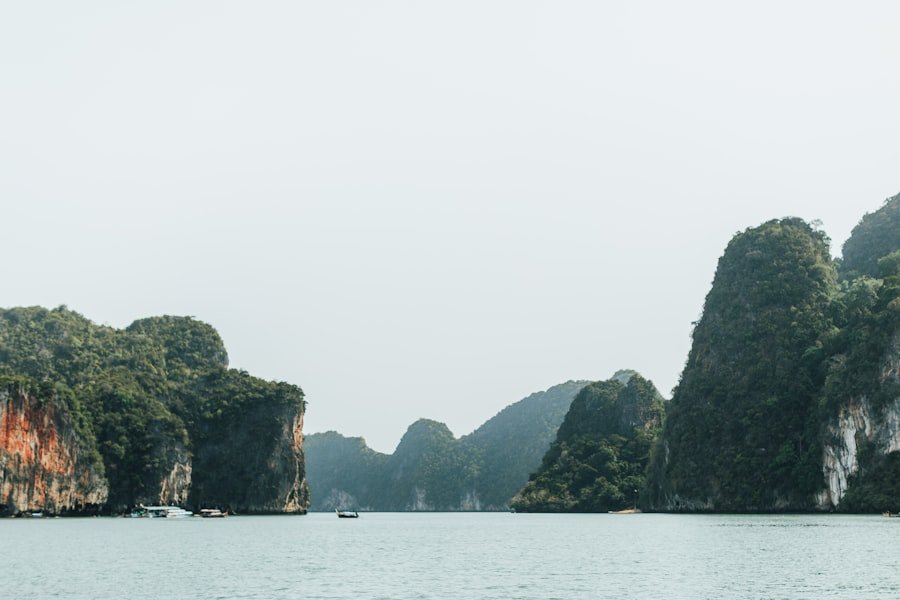
Halong Bay is one of Vietnam’s most iconic natural wonders, characterized by its emerald waters dotted with thousands of limestone islands and karsts that rise dramatically from the sea. This UNESCO World Heritage site offers breathtaking scenery that has inspired countless artists and travelers alike.
The bay is also home to diverse marine life and unique ecosystems; kayaking among the limestone formations allows visitors to connect with nature in an intimate way. Many cruises offer excursions to floating fishing villages where travelers can learn about traditional fishing practices and experience local hospitality firsthand.
A Journey through Southeast Asia
Traveling through Southeast Asia offers an unparalleled opportunity to immerse oneself in diverse cultures while experiencing breathtaking landscapes and rich histories. Each country presents its own unique narrative woven together by shared traditions and influences that transcend borders. From Thailand’s vibrant cities to Cambodia’s ancient temples and Laos’ serene landscapes, every destination invites exploration and discovery.
As travelers navigate through bustling markets in Ho Chi Minh City or find tranquility in Hoi An’s lantern-lit streets, they become part of a larger story—one that celebrates resilience, creativity, and community spirit across this remarkable region. Southeast Asia stands not only as a destination but as an experience that leaves an indelible mark on all who venture into its embrace.
When exploring the vibrant cultures and stunning landscapes of Southeast Asia, a journey from Thailand to Vietnam offers a unique blend of experiences. Travelers can immerse themselves in the rich history and culinary delights of both countries. For those interested in remarkable destinations, you might find inspiration in the article about the world’s greatest man-made wonders, which highlights incredible sites that could complement your travels in Thailand and Vietnam. Check it out here: 50 Greatest Man-Made Wonders.
FAQs
What are the common modes of transportation from Thailand to Vietnam?
Travelers can reach Vietnam from Thailand by air, bus, or train combined with bus services. Flights are the fastest and most convenient option, with several airlines operating direct routes between major cities like Bangkok and Hanoi or Ho Chi Minh City. Overland travel typically involves buses crossing the border at checkpoints such as the one between Nong Khai (Thailand) and Vientiane (Laos), then continuing into Vietnam.
Do I need a visa to travel from Thailand to Vietnam?
Yes, most travelers require a visa to enter Vietnam. Visa requirements depend on your nationality. Some countries are eligible for visa exemptions or e-visas. It is advisable to check the latest visa policies from official Vietnamese government sources or embassies before traveling.
What is the approximate flight duration from Thailand to Vietnam?
A direct flight from Bangkok, Thailand, to Hanoi or Ho Chi Minh City in Vietnam typically takes about 1.5 to 2 hours.
Are there direct flights between Thailand and Vietnam?
Yes, there are direct flights between major cities in Thailand and Vietnam, including Bangkok to Hanoi and Bangkok to Ho Chi Minh City, operated by several airlines.
What are the main border crossings for overland travel between Thailand and Vietnam?
There is no direct land border crossing between Thailand and Vietnam. Travelers usually cross from Thailand into Laos or Cambodia first, then proceed to Vietnam via respective border checkpoints such as the Lao Bao border crossing between Laos and Vietnam.
What currency is used in Thailand and Vietnam?
Thailand uses the Thai Baht (THB), while Vietnam uses the Vietnamese Dong (VND). It is advisable to exchange currency or use international payment methods when traveling between the two countries.
What languages are spoken in Thailand and Vietnam?
The official language of Thailand is Thai, and in Vietnam, it is Vietnamese. English is commonly spoken in tourist areas in both countries.
What are some popular tourist destinations when traveling from Thailand to Vietnam?
Popular destinations in Thailand include Bangkok, Chiang Mai, and Phuket. In Vietnam, travelers often visit Hanoi, Ho Chi Minh City, Ha Long Bay, and Hoi An.
Is it safe to travel from Thailand to Vietnam?
Both Thailand and Vietnam are generally safe for tourists. However, travelers should take standard precautions such as safeguarding personal belongings, avoiding risky areas at night, and following local laws and customs.
What is the best time of year to travel from Thailand to Vietnam?
The best time to visit both countries is during the dry season. In Thailand, this is typically from November to early April, while in Vietnam, the best time varies by region but generally falls between November and April.