
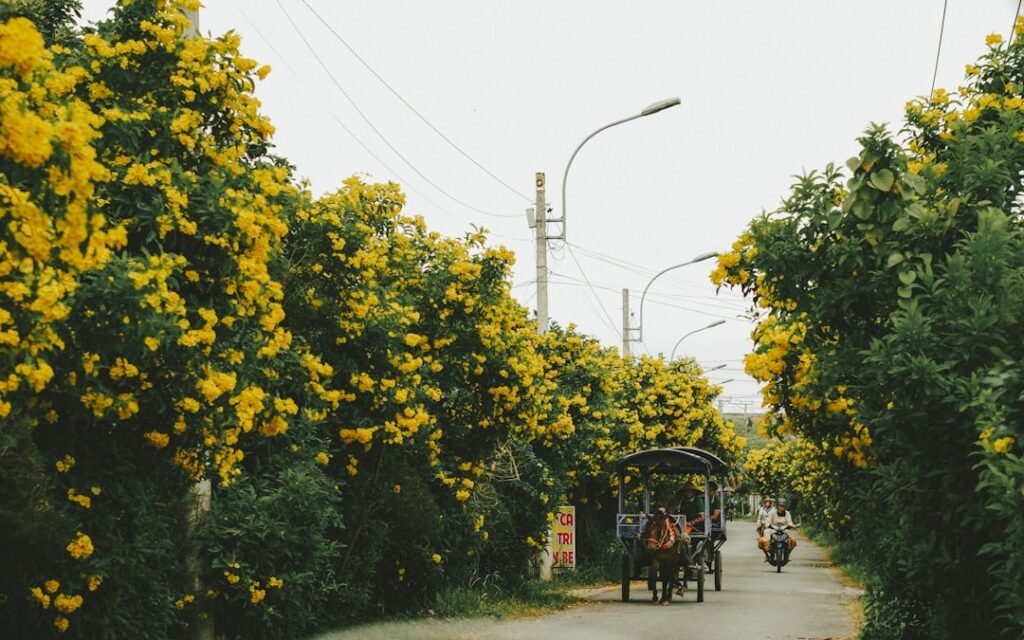

Vietnam is a land of breathtaking beauty, where nature’s artistry is on full display. From the towering limestone karsts of Ha Long Bay to the terraced rice fields of Sapa, the country’s landscapes are as diverse as they are stunning. Ha Long Bay, a UNESCO World Heritage site, is renowned for its emerald waters dotted with over 1,600 limestone islands and islets.
Visitors can embark on boat tours that weave through this otherworldly seascape, allowing them to witness the dramatic cliffs and hidden caves that have inspired countless legends. The bay’s ethereal beauty is best experienced at sunrise or sunset when the light casts a magical glow over the water, creating a scene that feels almost surreal. Inland, the northern highlands offer a different kind of enchantment.
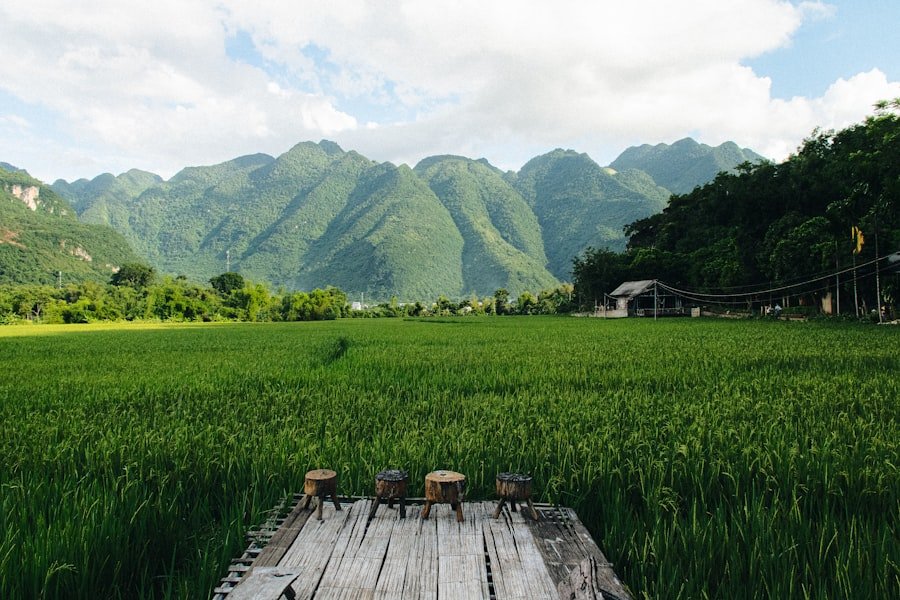
Sapa, perched at an altitude of 1,500 meters, is famous for its terraced rice paddies that cascade down the mountainsides like green ribbons. The region is home to several ethnic minority groups, each with their own unique traditions and customs. Trekking through the lush valleys and interacting with local communities provides an intimate glimpse into the harmonious relationship between the people and their environment.
The cool mountain air and panoramic views make Sapa a haven for nature lovers and adventure seekers alike, while the vibrant colors of the local markets add a lively touch to the serene landscape.
Key Takeaways
- Vietnam offers breathtaking landscapes ranging from mountains to beaches.
- The country boasts a rich cultural heritage and fascinating history to explore.
- Vietnamese cuisine is diverse, flavorful, and a must-try for food lovers.
- Cities in Vietnam blend charm and vibrancy, providing unique urban experiences.
- Warm hospitality and colorful festivals make Vietnam a welcoming destination.
Immerse Yourself in the Rich Culture and History of Vietnam
Vietnam’s culture is a tapestry woven from centuries of history, influenced by various dynasties, colonial powers, and indigenous traditions. The country boasts a rich heritage that is evident in its architecture, art, and daily life. Historical sites such as the ancient town of Hoi An showcase well-preserved buildings that reflect a blend of Vietnamese, Chinese, and Japanese influences.
Walking through its lantern-lit streets feels like stepping back in time, where visitors can explore traditional wooden houses, ancient temples, and bustling markets that have thrived for centuries. The capital city of Hanoi serves as a living museum of Vietnam’s tumultuous past. The Ho Chi Minh Mausoleum stands as a solemn tribute to the revolutionary leader, while the Old Quarter buzzes with life, offering a glimpse into the daily routines of locals.
Museums such as the Vietnam Museum of Ethnology provide insight into the diverse cultures that inhabit the country, showcasing artifacts and exhibits that celebrate Vietnam’s ethnic diversity.
Indulge in the Delicious and Diverse Cuisine of Vietnam
Vietnamese cuisine is a culinary journey that tantalizes the taste buds with its bold flavors and fresh ingredients. The country’s food culture is characterized by a harmonious balance of sweet, sour, salty, and spicy elements, often achieved through the use of herbs and spices. Pho, perhaps Vietnam’s most famous dish, is a fragrant noodle soup that varies from region to region.
In Hanoi, it is typically served with beef and fresh herbs, while in Ho Chi Minh City, chicken is more common. Each bowl tells a story of regional preferences and local ingredients, making it a must-try for any visitor. Street food is an integral part of Vietnamese culinary culture, offering an authentic taste of local life.
Vendors line the streets with carts serving everything from banh mi sandwiches to fresh spring rolls. The experience of eating at a bustling street stall is as much about the atmosphere as it is about the food; the sounds of sizzling pans and lively conversations create an immersive dining experience. Additionally, regional specialties such as bun cha in Hanoi—a dish of grilled pork served with rice noodles—and cao lau in Hoi An—a savory noodle dish with pork and herbs—further showcase the diversity of flavors found throughout Vietnam.
Discover the Charming and Bustling Cities of Vietnam
| City | Population (millions) | Main Attractions | Average Temperature (°C) | Annual Visitors (millions) |
|---|---|---|---|---|
| Hanoi | 8.0 | Old Quarter, Hoan Kiem Lake, Temple of Literature | 22 | 6.5 |
| Ho Chi Minh City | 9.0 | Ben Thanh Market, War Remnants Museum, Notre-Dame Cathedral | 27 | 8.0 |
| Da Nang | 1.2 | My Khe Beach, Marble Mountains, Dragon Bridge | 26 | 3.0 |
| Hue | 0.35 | Imperial City, Perfume River, Thien Mu Pagoda | 25 | 1.5 |
| Hoi An | 0.12 | Ancient Town, Japanese Covered Bridge, Lantern Festival | 26 | 2.0 |
Vietnam’s cities are vibrant hubs of activity that reflect both tradition and modernity. Ho Chi Minh City, formerly known as Saigon, is a bustling metropolis where skyscrapers stand alongside historic French colonial buildings. The city’s energy is palpable as motorbikes zip through crowded streets and street vendors call out to passersby.
The War Remnants Museum offers a poignant look at Vietnam’s history through powerful exhibits that document the impact of war on its people. Meanwhile, the Ben Thanh Market buzzes with life as locals and tourists alike haggle over everything from fresh produce to handcrafted souvenirs. In contrast, Hanoi exudes a more laid-back charm with its tree-lined boulevards and serene lakes.
The city’s rich history is evident in its architecture, from the iconic One Pillar Pagoda to the grand Presidential Palace. Visitors can enjoy leisurely strolls around Hoan Kiem Lake or explore the narrow alleys of the Old Quarter, where traditional shops coexist with modern cafes. The city’s cultural scene thrives with art galleries and theaters showcasing local talent.
Each city offers a unique perspective on Vietnamese life, making them essential stops for anyone looking to understand the country’s dynamic urban landscape.
Unwind and Relax on Vietnam’s Stunning Beaches
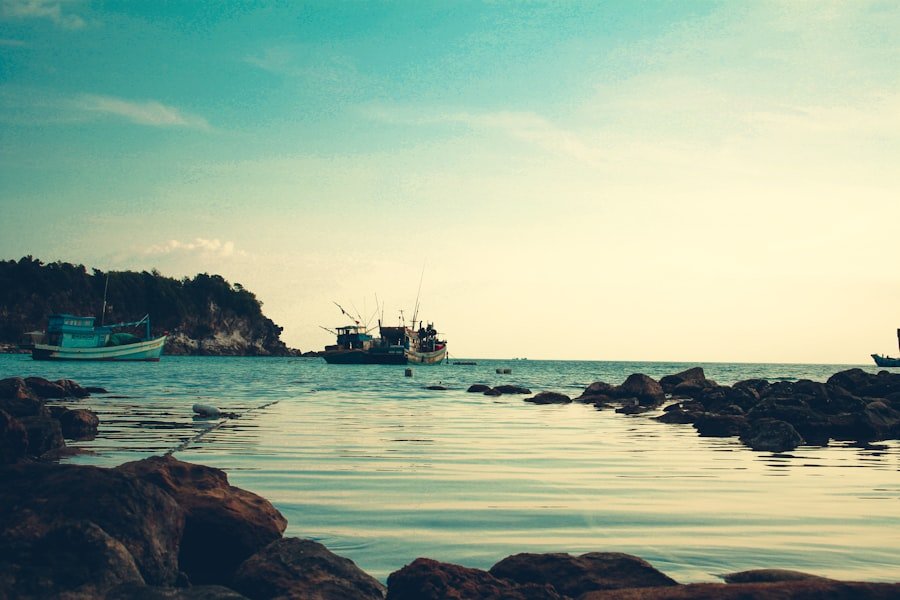
Vietnam’s coastline stretches over 3,000 kilometers, offering an array of stunning beaches that cater to every type of traveler. From the pristine sands of Da Nang to the secluded coves of Phu Quoc Island, beachgoers can find their slice of paradise along this beautiful coastline. Da Nang’s My Khe Beach is often hailed as one of the most beautiful beaches in Asia, where soft white sands meet crystal-clear waters ideal for swimming and sunbathing.
The beach is also conveniently located near cultural attractions such as the Marble Mountains and Hoi An. For those seeking tranquility away from the crowds, Phu Quoc Island presents an idyllic escape. Known for its lush tropical landscapes and unspoiled beaches, Phu Quoc offers opportunities for snorkeling and diving in vibrant coral reefs teeming with marine life.
Visitors can unwind in beachfront resorts or explore local fishing villages to experience authentic island life. The sunsets here are particularly breathtaking, casting hues of orange and pink across the sky as day transitions into night—a perfect backdrop for relaxation after a day spent exploring.
Experience the Vibrant and Colorful Festivals of Vietnam
Vietnam’s festivals are a reflection of its rich cultural heritage and community spirit. Throughout the year, various celebrations take place across the country, each offering unique insights into local traditions and customs. Tet Nguyen Dan, or Lunar New Year, is perhaps the most significant festival in Vietnam.
Families gather to honor their ancestors with offerings and partake in festive meals featuring traditional dishes like sticky rice cakes (bánh chưng). The streets come alive with colorful decorations, lion dances, and fireworks as people celebrate new beginnings with joy and hope. Another notable festival is the Mid-Autumn Festival (Tết Trung Thu), celebrated primarily by children who eagerly await this time for mooncakes and lanterns.
In cities like Hanoi and Ho Chi Minh City, streets are adorned with vibrant lantern displays as families come together to celebrate under the full moon. Traditional performances such as lion dances captivate audiences while children parade with their colorful lanterns in hand. These festivals not only showcase Vietnam’s cultural richness but also foster a sense of community as people come together to celebrate shared traditions.
Explore the Unique and Diverse Wildlife of Vietnam
Vietnam’s diverse ecosystems are home to an array of unique wildlife species that attract nature enthusiasts from around the globe. The country boasts several national parks and protected areas where visitors can observe rare animals in their natural habitats. For instance, Cat Tien National Park is known for its rich biodiversity, including endangered species such as the Javan rhinoceros and various primates like gibbons and langurs.
Guided treks through this lush rainforest provide opportunities to spot wildlife while learning about conservation efforts aimed at protecting these vulnerable species. In addition to terrestrial wildlife, Vietnam’s coastal waters are teeming with marine life that can be explored through snorkeling or diving excursions. The waters around Nha Trang are particularly famous for their vibrant coral reefs inhabited by colorful fish species.
For those interested in birdwatching, places like Tram Chim National Park offer sightings of migratory birds during certain seasons. The country’s commitment to preserving its natural heritage ensures that future generations will continue to enjoy these remarkable ecosystems.
Embrace the Warm Hospitality of the Vietnamese People
One of Vietnam’s most endearing qualities is its people’s warmth and hospitality. Visitors often remark on how welcoming locals are, whether they are sharing a meal or offering directions to lost travelers. This genuine friendliness creates an inviting atmosphere that enhances any travel experience in Vietnam.
The Vietnamese people take great pride in their heritage and traditions, often eager to share stories about their history or local customs with visitors. Engaging with locals at markets or during festivals can lead to meaningful interactions that enrich one’s understanding of Vietnamese culture.
Whether it’s learning how to cook traditional dishes or participating in local ceremonies, these experiences foster a sense of belonging that transcends geographical boundaries. Embracing this hospitality not only enhances travel experiences but also creates lasting memories that travelers carry with them long after they leave Vietnam’s shores.
If you’re planning a trip to Vietnam, you might also be interested in exploring some of the world’s hidden gems. For instance, check out this article on the