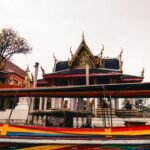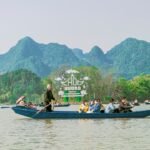
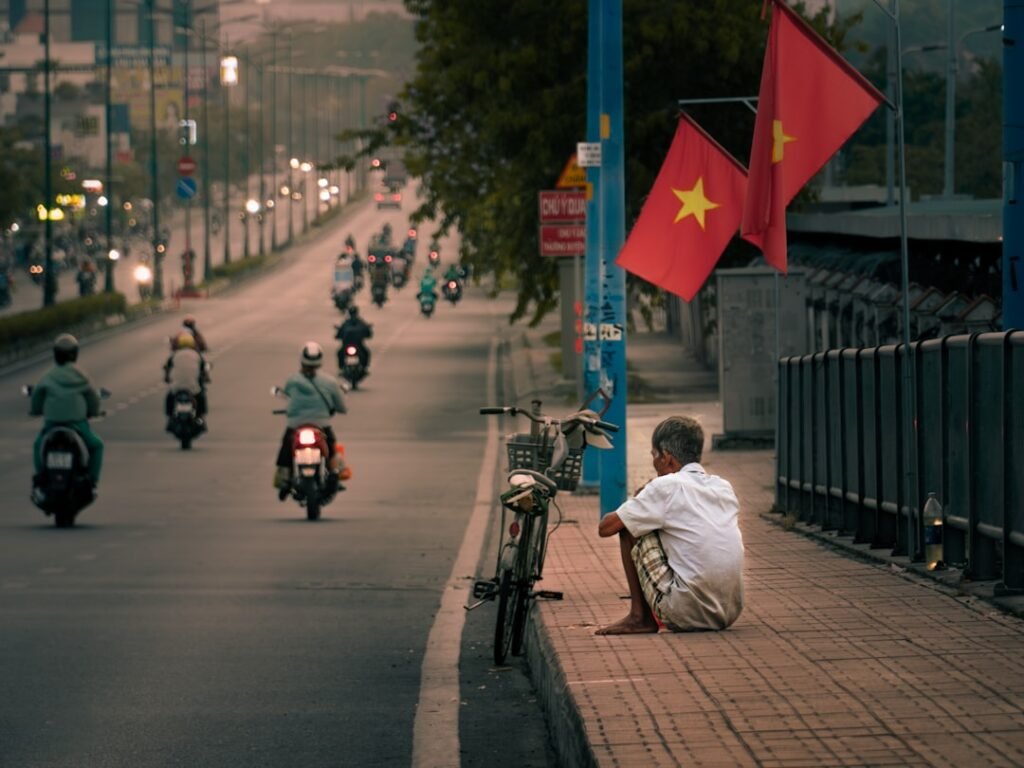

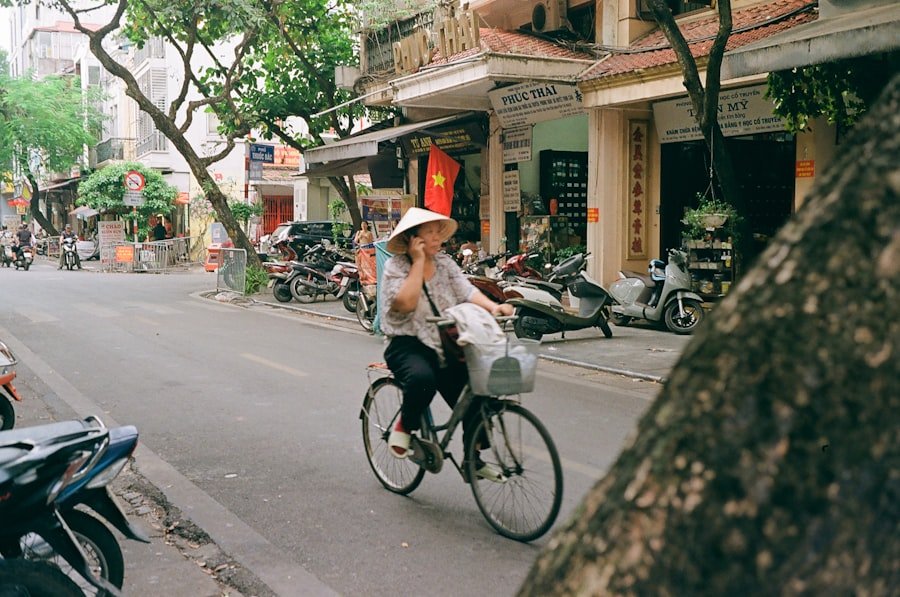
Vietnam and Cambodia, two neighboring countries in Southeast Asia, offer a rich tapestry of history, culture, and natural beauty that captivates travelers from around the globe. Vietnam, with its long coastline, lush landscapes, and bustling cities, presents a unique blend of ancient traditions and modern influences. The country is known for its vibrant street life, where the aroma of street food wafts through the air, and the sounds of motorbikes fill the streets.
In contrast, Cambodia is often recognized for its profound historical significance, particularly the awe-inspiring Angkor Wat temple complex, which stands as a testament to the Khmer Empire’s grandeur. Both nations share a tumultuous past marked by colonialism and conflict, yet they have emerged as resilient societies with a wealth of cultural heritage. Traveling through Vietnam and Cambodia offers an opportunity to explore diverse landscapes, from the terraced rice fields of Sapa to the serene beaches of Phu Quoc.
The Mekong River, which flows through both countries, serves as a vital artery for trade and transportation, while also providing a glimpse into the daily lives of local communities. As travelers navigate through bustling markets, ancient temples, and picturesque countryside, they are often struck by the warmth and hospitality of the people. This article delves into the must-see destinations, cultural experiences, culinary delights, outdoor adventures, historical landmarks, local markets, and essential travel tips for those looking to explore these enchanting Southeast Asian nations.
Key Takeaways
- Vietnam and Cambodia offer rich cultural heritage and diverse travel experiences.
- Top destinations in Vietnam include bustling cities and scenic landscapes.
- Cambodia is renowned for its unique cultural experiences and ancient temples.
- Southeast Asian cuisine, especially street food, is a highlight for travelers.
- Outdoor adventures and historical landmarks provide immersive exploration opportunities.
Must-See Destinations in Vietnam
Vietnam is home to a plethora of breathtaking destinations that cater to various interests. One of the most iconic locations is Ha Long Bay, a UNESCO World Heritage Site renowned for its emerald waters dotted with thousands of limestone islands and islets. Visitors can embark on a cruise to explore hidden caves and floating fishing villages while soaking in the stunning scenery.
The bay’s unique geological formations create a surreal landscape that has inspired countless artists and photographers. Kayaking through the tranquil waters allows travelers to get up close to the towering karsts and experience the bay’s natural beauty firsthand. Another must-visit destination is Hoi An, a charming ancient town that showcases Vietnam’s rich history and cultural fusion.
The town’s well-preserved architecture reflects influences from Chinese, Japanese, and French colonial styles. Strolling through Hoi An’s lantern-lit streets at night is a magical experience, as the vibrant colors create an enchanting atmosphere. The town is also famous for its tailor shops, where visitors can have custom clothing made in just a few days.
Additionally, Hoi An’s proximity to beautiful beaches like An Bang makes it an ideal spot for relaxation after exploring its historical sites. In the north, the bustling capital city of Hanoi offers a blend of old-world charm and modern vibrancy. The Old Quarter is a labyrinth of narrow streets filled with shops, cafes, and street vendors selling everything from traditional handicrafts to delicious local dishes.
A visit to Hanoi would be incomplete without sampling its famous pho or visiting the Ho Chi Minh Mausoleum to pay respects to Vietnam’s revolutionary leader.
Cultural Experiences in Cambodia
Cambodia’s cultural landscape is deeply intertwined with its history and traditions. One of the most profound cultural experiences can be found at Angkor Wat, the largest religious monument in the world. This architectural marvel was originally constructed as a Hindu temple dedicated to the god Vishnu but later transformed into a Buddhist site.
Visitors can explore the intricate bas-reliefs that depict scenes from Hindu mythology and witness breathtaking sunrises over the temple complex. The spiritual significance of Angkor Wat is palpable, making it a must-see for anyone interested in understanding Cambodia’s cultural heritage. Beyond Angkor Wat, travelers can immerse themselves in traditional Cambodian arts by attending performances of Apsara dance.
This classical dance form dates back to the Khmer Empire and is characterized by graceful movements and elaborate costumes. Many cultural centers in Siem Reap offer Apsara dance shows accompanied by traditional music, providing insight into Cambodia’s artistic heritage. Additionally, workshops on silk weaving or pottery allow visitors to engage with local artisans and learn about traditional crafts that have been passed down through generations.
Another enriching cultural experience can be found in Phnom Penh, Cambodia’s capital city. The Royal Palace and Silver Pagoda are stunning examples of Khmer architecture and serve as symbols of the country’s royal heritage. Visitors can explore the beautifully landscaped gardens and admire the intricate details of the buildings.
The National Museum of Cambodia houses an extensive collection of artifacts that showcase the country’s rich history and artistic achievements.
Cuisine and Street Food in Southeast Asia
Southeast Asia is renowned for its vibrant culinary scene, with Vietnam and Cambodia standing out for their unique flavors and street food culture. Vietnamese cuisine is characterized by its fresh ingredients, aromatic herbs, and balance of flavors. Pho, a fragrant noodle soup made with beef or chicken broth, rice noodles, and fresh herbs, is perhaps the most famous dish.
Street vendors serve pho at all hours of the day, making it an accessible and beloved meal for locals and tourists alike. Banh mi, a Vietnamese sandwich filled with various meats, pickled vegetables, and herbs served in a crispy baguette, is another must-try street food item that reflects the country’s French colonial influence. In addition to pho and banh mi, travelers should not miss out on trying bun cha—a dish consisting of grilled pork patties served with rice noodles and fresh herbs—and goi cuon (spring rolls), which are often filled with shrimp or pork and served with a peanut dipping sauce.
The vibrant street food scene in cities like Ho Chi Minh City and Hanoi offers an array of options for adventurous eaters looking to sample local delicacies. Cambodian cuisine also boasts its own distinct flavors influenced by its history and geography. Amok trey is a traditional dish made with fish cooked in coconut milk and curry paste, often served in banana leaves.
This dish exemplifies the use of fresh ingredients and aromatic spices that define Cambodian cooking. Another popular dish is lok lak—stir-fried beef served with rice and a tangy dipping sauce made from lime juice and black pepper. Street food stalls in Phnom Penh offer an array of snacks such as num banh chok (Khmer noodles) served with a green curry sauce made from lemongrass and turmeric.
Exploring local markets like Psar Thmei allows visitors to sample various dishes while experiencing the lively atmosphere filled with vendors selling fresh produce, spices, and traditional sweets.
Outdoor Adventures in Vietnam and Cambodia
| Metric | Vietnam | Cambodia |
|---|---|---|
| Popular Destinations | Hanoi, Ho Chi Minh City, Ha Long Bay, Hoi An | Siem Reap, Phnom Penh, Sihanoukville, Angkor Wat |
| Average Daily Cost (Accommodation + Food) | 30 – 50 | 25 – 45 |
| Best Travel Season | November to April | November to February |
| Currency | Vietnamese Dong (VND) | Cambodian Riel (KHR) / US Dollar widely accepted |
| Language | Vietnamese | Khmer |
| Visa Requirements | e-Visa available for many countries | Visa on arrival and e-Visa available |
| Popular Activities | Street food tours, boat cruises, cultural sites | Temple tours, river cruises, wildlife parks |
| Transportation Options | Motorbikes, buses, trains, domestic flights | Tuk-tuks, buses, boats, domestic flights |
For those seeking outdoor adventures, both Vietnam and Cambodia offer diverse landscapes that cater to various interests. In Vietnam, trekking in Sapa provides an opportunity to explore terraced rice fields nestled among towering mountains. Guided treks lead visitors through remote villages inhabited by ethnic minority groups such as the Hmong and Dao people.
Travelers can immerse themselves in local culture while enjoying breathtaking views of lush valleys and cascading waterfalls. The Phong Nha-Ke Bang National Park is another outdoor gem in Vietnam known for its stunning limestone karst landscapes and extensive cave systems. Adventurers can explore some of the world’s largest caves, including Son Doong Cave—the largest cave on Earth—through guided tours that offer thrilling experiences such as zip-lining or river rafting.
The park’s biodiversity also attracts nature enthusiasts interested in hiking through dense jungles teeming with wildlife. In Cambodia, outdoor activities abound as well. The Cardamom Mountains offer opportunities for trekking, birdwatching, and exploring pristine rainforests rich in biodiversity.
Eco-tourism initiatives allow visitors to engage with local communities while participating in conservation efforts aimed at protecting endangered species such as elephants and gibbons. The Tonle Sap Lake provides another unique outdoor experience where travelers can take boat tours to visit floating villages inhabited by communities that rely on fishing for their livelihoods. Kayaking through mangrove forests allows for close encounters with diverse wildlife while enjoying serene views of the surrounding landscape.
Historical Sites and Landmarks
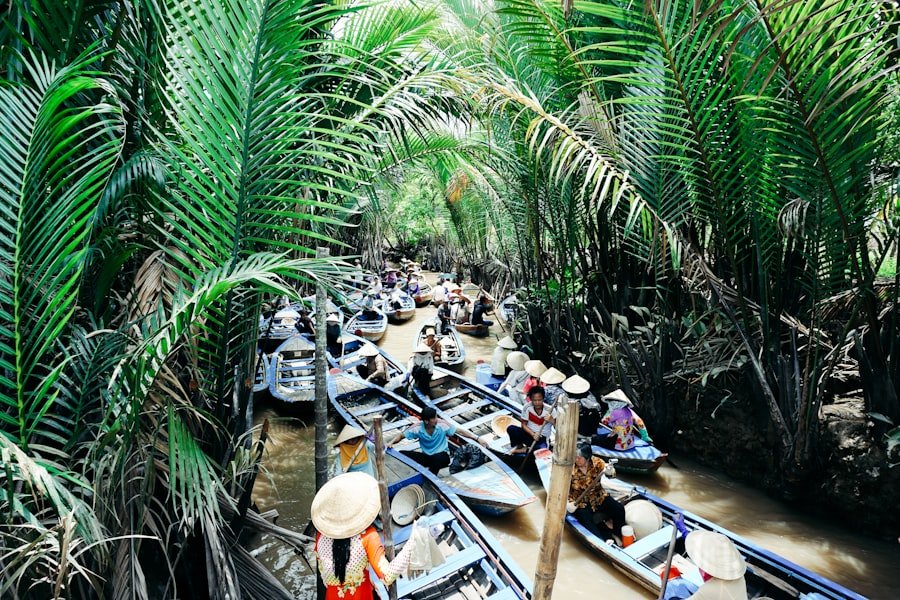
The historical significance of Vietnam and Cambodia is evident in their numerous landmarks that tell stories of resilience and cultural heritage. In Vietnam, the Cu Chi Tunnels near Ho Chi Minh City serve as a haunting reminder of the Vietnam War’s impact on the country. These extensive underground tunnels were used by Viet Cong soldiers for hiding, communication, and storage during wartime.
Guided tours provide insight into life during the war while allowing visitors to crawl through sections of the tunnels for an immersive experience. Another important historical site is the Imperial City in Hue—a UNESCO World Heritage Site that was once the capital of Vietnam during the Nguyen Dynasty. The citadel features impressive architecture surrounded by fortified walls and moats.
Visitors can explore royal palaces, temples, and gardens that reflect Vietnam’s imperial past. In Cambodia, historical landmarks such as Tuol Sleng Genocide Museum serve as poignant reminders of the Khmer Rouge regime’s atrocities during the late 1970s. Once a high school turned prison, Tuol Sleng now stands as a museum dedicated to educating visitors about this dark chapter in Cambodian history.
The Killing Fields near Phnom Penh further illustrate the tragic consequences of war while honoring those who lost their lives. The ancient temples of Angkor are not only architectural wonders but also hold immense historical significance as remnants of one of Southeast Asia’s greatest civilizations. Each temple within the complex tells a story about Khmer culture, religion, and artistry that continues to inspire awe among visitors today.
Local Markets and Shopping
Exploring local markets is an essential part of experiencing Vietnamese and Cambodian culture firsthand. In Vietnam, markets such as Ben Thanh Market in Ho Chi Minh City offer an array of goods ranging from fresh produce to handicrafts. The vibrant atmosphere filled with vendors calling out their wares creates an immersive shopping experience where visitors can practice their bargaining skills while sampling local snacks like fresh spring rolls or tropical fruits.
Hanoi’s Dong Xuan Market is another bustling hub where travelers can find everything from textiles to souvenirs reflecting Vietnamese craftsmanship. The market’s lively ambiance provides insight into daily life as locals shop for their groceries alongside tourists seeking unique finds. In Cambodia, Psar Thmei (Central Market) in Phnom Penh is an architectural marvel known for its Art Deco design.
Here, visitors can browse stalls selling jewelry, clothing, handicrafts, and traditional Khmer products such as silk scarves or carved wooden items. Engaging with local artisans at markets allows travelers to appreciate their craftsmanship while supporting sustainable livelihoods. Siem Reap’s Old Market (Psar Chaa) offers a more intimate shopping experience where visitors can find fresh produce alongside souvenirs like handmade jewelry or traditional textiles.
The market’s vibrant colors and lively atmosphere make it an enjoyable place to explore while interacting with friendly vendors eager to share their stories.
Tips for Traveling in Vietnam and Cambodia
Traveling through Vietnam and Cambodia requires some preparation to ensure a smooth experience. First and foremost, obtaining necessary visas ahead of time is crucial; many travelers can apply online or obtain visas upon arrival depending on their nationality. It’s advisable to check current regulations before planning your trip.
When navigating cities like Hanoi or Phnom Penh, be prepared for bustling traffic—especially motorbikes! Familiarizing yourself with local traffic patterns will help you cross streets safely; it’s common practice to walk steadily across roads while maintaining eye contact with drivers. Language barriers may arise; however, learning basic phrases in Vietnamese or Khmer can enhance interactions with locals who appreciate efforts made to communicate in their language.
Additionally, carrying cash is essential since many small vendors may not accept credit cards; ATMs are widely available but may charge fees for withdrawals. Lastly, respecting local customs is vital when visiting temples or rural communities—dressing modestly when entering sacred sites shows respect for cultural traditions while enhancing your overall experience as you engage with diverse cultures throughout your journey across these captivating countries.
If you’re planning a trip to Vietnam and Cambodia, you might find it helpful to read about other travel destinations to inspire your journey. For instance, check out this article on the top 12 destinations in Argentina, which highlights some incredible places to visit and can give you ideas for your own travel itinerary. Exploring diverse cultures and landscapes can enhance your experience in Southeast Asia as well!
FAQs
What are the best times of year to visit Vietnam and Cambodia?
The best time to visit Vietnam and Cambodia is generally from November to February when the weather is cooler and drier. However, the climate varies by region, so it’s important to consider specific destinations within each country.
Do I need a visa to travel to Vietnam and Cambodia?
Yes, most travelers require visas to enter both Vietnam and Cambodia. Visa requirements vary by nationality. Many travelers can obtain e-visas or visas on arrival, but it’s recommended to check the latest regulations before traveling.
What are the must-see attractions on a Vietnam and Cambodia trip?
In Vietnam, popular attractions include Ha Long Bay, Hanoi Old Quarter, Hoi An Ancient Town, and Ho Chi Minh City. In Cambodia, must-see sites include Angkor Wat, Phnom Penh’s Royal Palace, and the Killing Fields.
How long should I plan for a combined Vietnam and Cambodia trip?
A typical combined trip ranges from 10 to 14 days, allowing time to explore major highlights in both countries without feeling rushed.
What is the currency used in Vietnam and Cambodia?
Vietnam uses the Vietnamese Dong (VND), while Cambodia uses the Cambodian Riel (KHR). US dollars are widely accepted in Cambodia alongside the Riel.
Is it safe to travel in Vietnam and Cambodia?
Both countries are generally safe for tourists. Common precautions include safeguarding belongings, avoiding isolated areas at night, and being cautious with traffic when crossing streets.
What languages are spoken in Vietnam and Cambodia?
Vietnamese is the official language of Vietnam, and Khmer is the official language of Cambodia. English is commonly spoken in tourist areas.
What kind of transportation is available for traveling between Vietnam and Cambodia?
Travelers can move between Vietnam and Cambodia by bus, flight, or boat. Flights are the fastest option, while buses offer budget-friendly overland travel.
Are there any health precautions to consider before traveling?
Travelers should consult a healthcare provider about vaccinations and malaria prevention. It’s also advisable to drink bottled water and eat food from reputable sources.
What cultural etiquette should I be aware of when visiting Vietnam and Cambodia?
Respect local customs such as dressing modestly at religious sites, removing shoes before entering homes or temples, and asking permission before photographing people.