
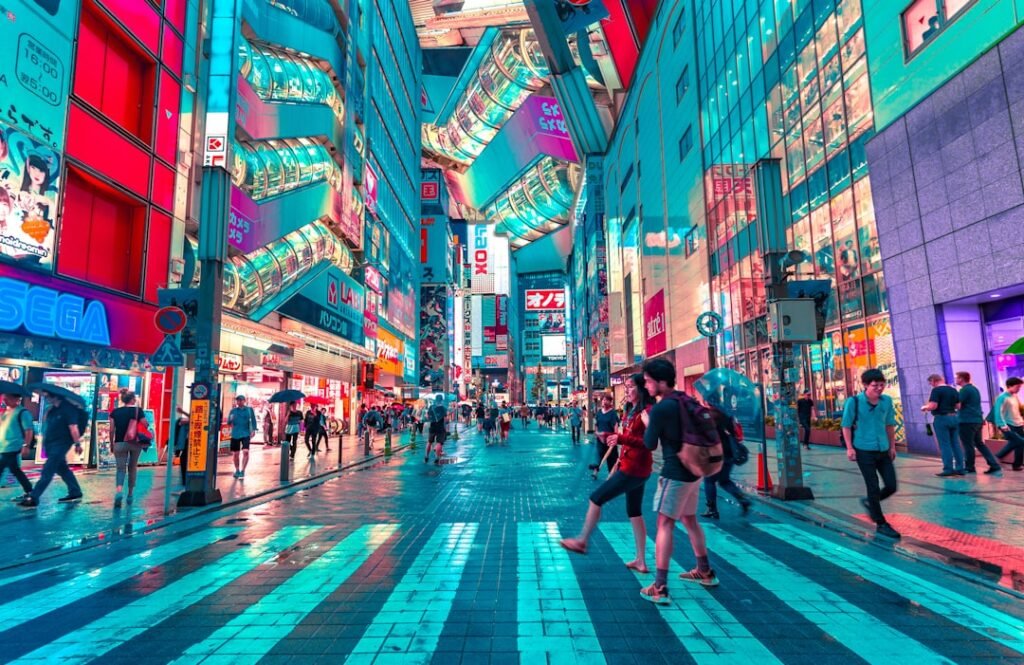

Asia, a continent rich in diversity and culture, boasts some of the most captivating destinations in the world. Among these, one city stands out as a beacon of history, modernity, and vibrancy: Tokyo, Japan. This metropolis is not only the capital of Japan but also a global hub for technology, fashion, and cuisine.
With its unique blend of traditional and contemporary elements, Tokyo offers an unparalleled experience for travelers seeking to immerse themselves in a dynamic urban environment. From ancient temples nestled among skyscrapers to bustling markets filled with tantalizing street food, Tokyo encapsulates the essence of Asia’s multifaceted identity. The allure of Tokyo lies in its ability to seamlessly integrate the past with the present.
Visitors can explore centuries-old shrines and gardens while also indulging in the latest technological innovations. The city’s efficient public transportation system makes it easy to navigate through its various districts, each offering a distinct atmosphere and set of attractions. Whether one is drawn to the serene beauty of cherry blossoms in spring or the electrifying energy of neon-lit streets at night, Tokyo promises an unforgettable journey that caters to all interests and preferences.
Key Takeaways
- Asia’s top destination offers a rich blend of history, culture, and modernity.
- Visitors can enjoy diverse culinary experiences, especially vibrant street food scenes.
- The city boasts a dynamic urban lifestyle alongside stunning natural landscapes.
- Excellent shopping, entertainment options, and convenient transportation enhance the visitor experience.
- Practical tips help travelers make the most of their stay in this premier Asian city.
Historical and Cultural Attractions
Tokyo is steeped in history, with numerous cultural landmarks that tell the story of Japan’s rich heritage. One of the most iconic sites is the Senso-ji Temple, located in Asakusa. This ancient Buddhist temple, founded in 645 AD, is Tokyo’s oldest and one of its most significant religious sites.
Visitors are greeted by the majestic Kaminarimon Gate, adorned with a giant red lantern that symbolizes protection against evil spirits. As one walks through the bustling Nakamise Street leading to the temple, they are treated to a sensory overload of traditional snacks and souvenirs, creating a bridge between the past and present. Another historical gem is the Meiji Shrine, dedicated to Emperor Meiji and Empress Shoken.
Nestled within a tranquil forested area, this Shinto shrine offers a peaceful retreat from the city’s hustle and bustle. The approach to the shrine is lined with towering torii gates, creating a serene atmosphere that invites reflection and reverence. Visitors can participate in traditional Shinto rituals, such as making offerings or writing wishes on wooden plaques known as ema.
The juxtaposition of this sacred space against the backdrop of modern Tokyo exemplifies the city’s unique ability to honor its traditions while embracing contemporary life.
Culinary Delights and Street Food
Tokyo is often hailed as one of the culinary capitals of the world, offering an astonishing array of dining options that cater to every palate. The city’s food scene is a delightful fusion of traditional Japanese cuisine and international influences. Sushi, ramen, tempura, and kaiseki are just a few examples of the exquisite dishes that can be savored in this vibrant metropolis.
Tsukiji Outer Market, once home to the famous fish market, remains a culinary hotspot where visitors can sample fresh seafood and local delicacies. Stalls serving grilled seafood skewers and sushi rolls provide an authentic taste of Japan’s maritime bounty. Street food is an integral part of Tokyo’s culinary landscape, with countless vendors lining the streets offering mouthwatering treats.
One cannot visit without trying takoyaki—delicious octopus-filled balls cooked to perfection and served with savory sauces. Another popular street food item is yakitori, skewered chicken grilled over charcoal and seasoned with salt or tare sauce. The lively atmosphere of street food stalls creates an engaging experience for food lovers, allowing them to interact with vendors while enjoying their meals on-the-go.
The culinary journey through Tokyo is not just about eating; it’s about experiencing the culture and traditions that shape each dish.
Modern and Thriving City Life
Tokyo’s modernity is evident in its skyline, which features an impressive array of architectural marvels. The Tokyo Skytree, standing at 634 meters, is the tallest structure in Japan and offers breathtaking panoramic views of the city from its observation decks. This iconic tower symbolizes Tokyo’s forward-thinking spirit and serves as a testament to Japan’s advancements in technology and design.
Visitors can enjoy dining and shopping experiences within the Skytree complex, making it a multifaceted destination that caters to various interests. The city’s neighborhoods each possess their own unique character, contributing to Tokyo’s vibrant urban tapestry. Shibuya is renowned for its bustling pedestrian scramble and trendy fashion boutiques, while Harajuku is famous for its youth culture and eclectic street style.
In contrast, Akihabara is a haven for anime and gaming enthusiasts, filled with shops dedicated to otaku culture. The nightlife in districts like Roppongi offers an array of bars, clubs, and entertainment venues that come alive after dark.
Natural Beauty and Outdoor Activities
| City | Country | Quality of Life Score | Cost of Living Index | Safety Index | Public Transport Score | Average Temperature (°C) | Population (millions) |
|---|---|---|---|---|---|---|---|
| Singapore | Singapore | 85 | 75 | 90 | 95 | 27 | 5.7 |
| Tokyo | Japan | 82 | 80 | 88 | 90 | 16 | 37.4 |
| Seoul | South Korea | 78 | 70 | 85 | 88 | 13 | 9.7 |
| Bangkok | Thailand | 70 | 55 | 65 | 75 | 29 | 10.5 |
| Hong Kong | China | 75 | 85 | 80 | 92 | 23 | 7.5 |
Despite its reputation as a bustling urban center, Tokyo also offers an abundance of natural beauty and outdoor activities for those seeking respite from city life. Ueno Park is one such oasis, featuring expansive green spaces, tranquil ponds, and beautiful cherry blossom trees that attract visitors during hanami season in spring. The park is home to several museums, including the Tokyo National Museum and Ueno Zoo, making it an ideal destination for families and nature lovers alike.
For those looking to venture beyond the city limits, Mount Takao provides an excellent opportunity for hiking enthusiasts. Located just an hour from central Tokyo, this mountain offers well-marked trails that lead to stunning vistas overlooking the Kanto Plain. The journey up Mount Takao can be enjoyed year-round, with each season presenting its own unique charm—from vibrant autumn foliage to serene winter landscapes blanketed in snow.
Engaging with nature in such a way allows visitors to appreciate Japan’s diverse ecosystems while enjoying physical activity amidst breathtaking scenery.
Shopping and Entertainment

Tokyo is a shopper’s paradise, offering everything from high-end luxury brands to quirky vintage finds. The upscale district of Ginza is synonymous with luxury shopping, featuring flagship stores from renowned international designers alongside traditional Japanese boutiques. Here, visitors can indulge in retail therapy while enjoying the elegant architecture that defines this prestigious area.
The Ginza Six complex combines shopping with art galleries and fine dining options, creating a holistic experience for discerning shoppers. In contrast, areas like Shinjuku and Shibuya cater to younger crowds with their trendy shops and vibrant street fashion. Harajuku’s Takeshita Street is particularly famous for its unique boutiques selling everything from kawaii (cute) fashion to avant-garde styles.
Beyond shopping, Tokyo offers a plethora of entertainment options ranging from themed cafes—such as cat cafes or maid cafes—to world-class theaters showcasing kabuki performances or contemporary plays. The city’s entertainment landscape is as diverse as its shopping scene, ensuring that there is something for everyone.
Accommodation and Transportation
Tokyo provides a wide range of accommodation options that cater to various budgets and preferences. From luxurious five-star hotels overlooking Tokyo Bay to cozy ryokans (traditional Japanese inns) that offer an authentic cultural experience, visitors are spoiled for choice when it comes to lodging. Areas like Shinjuku are particularly popular due to their proximity to major attractions and excellent transportation links.
Capsule hotels have also gained popularity among budget travelers seeking a unique experience; these compact sleeping pods offer privacy without sacrificing affordability. Navigating Tokyo is made easy thanks to its extensive public transportation system, which includes trains, subways, and buses that connect every corner of the city efficiently. The Japan Rail Pass allows tourists unlimited travel on JR trains across the country, making it an economical choice for those wishing to explore beyond Tokyo.
Within the city itself, the Tokyo Metro system is known for its punctuality and cleanliness, providing an efficient means of getting around even during peak hours. Understanding how to utilize this transportation network can significantly enhance one’s experience in this sprawling metropolis.
Tips for Exploring the Best City in Asia
To make the most out of a visit to Tokyo, travelers should consider several practical tips that can enhance their experience.
While many people in Tokyo speak English, especially in tourist areas, making an effort to communicate in Japanese demonstrates respect for the culture and can lead to more enriching encounters.
Additionally, purchasing a prepaid Suica or Pasmo card simplifies travel on public transportation by allowing users to tap in and out without needing cash or tickets for each journey. This convenience extends beyond trains; these cards can also be used at vending machines and convenience stores throughout the city. Lastly, timing one’s visit during off-peak hours can help avoid crowded trains and popular attractions—early mornings or late afternoons are often less busy times for sightseeing.
Exploring Tokyo offers an incredible opportunity to experience one of Asia’s most dynamic cities firsthand. With its rich history, diverse culinary scene, modern urban life, natural beauty, shopping options, and efficient transportation system, visitors are sure to find something that resonates with them at every turn. By embracing both traditional customs and contemporary innovations, Tokyo stands as a testament to Asia’s vibrant spirit—a city where every corner holds a new adventure waiting to be discovered.
When considering the best city in Asia, it’s interesting to explore how urban landscapes can be influenced by remarkable man-made wonders. For instance, the article on the 50 greatest man-made wonders highlights various architectural feats that can be found around the world, including some in Asia. You can read more about these incredible structures in the article here.
FAQs
What criteria are used to determine the best city in Asia?
The best city in Asia is often determined based on various factors such as quality of life, economic opportunities, cultural attractions, safety, infrastructure, cost of living, and environmental sustainability.
Which cities are commonly considered the best in Asia?
Cities frequently recognized as the best in Asia include Tokyo, Singapore, Hong Kong, Seoul, and Bangkok, each known for their unique blend of modern amenities, cultural heritage, and economic significance.
Is the best city in Asia the same for tourists and residents?
Not necessarily. Tourists may prioritize cultural sites, entertainment, and accessibility, while residents might value job opportunities, education, healthcare, and living conditions.
How does cost of living affect the ranking of the best city in Asia?
Cost of living is a significant factor; cities with a high cost of living may rank lower for affordability, impacting their overall desirability for residents and expatriates.
Are safety and cleanliness important in choosing the best city in Asia?
Yes, safety and cleanliness are crucial factors that influence the quality of life and attractiveness of a city for both residents and visitors.
Can the best city in Asia change over time?
Yes, rankings can change due to economic development, infrastructure improvements, political stability, and changes in social and environmental conditions.
Do cultural attractions influence the ranking of the best city in Asia?
Absolutely. Cities rich in cultural heritage, museums, festivals, and culinary experiences often score higher in rankings focused on lifestyle and tourism.
Is public transportation a factor in determining the best city in Asia?
Yes, efficient and accessible public transportation is a key factor that enhances mobility and reduces traffic congestion, contributing to a city’s overall appeal.
How do environmental factors impact the best city in Asia rankings?
Environmental quality, including air and water quality, green spaces, and sustainability initiatives, plays an important role in assessing the livability of a city.
Where can I find updated rankings of the best cities in Asia?
Updated rankings can be found through global reports by organizations such as Mercer, The Economist Intelligence Unit, and various travel and lifestyle publications.