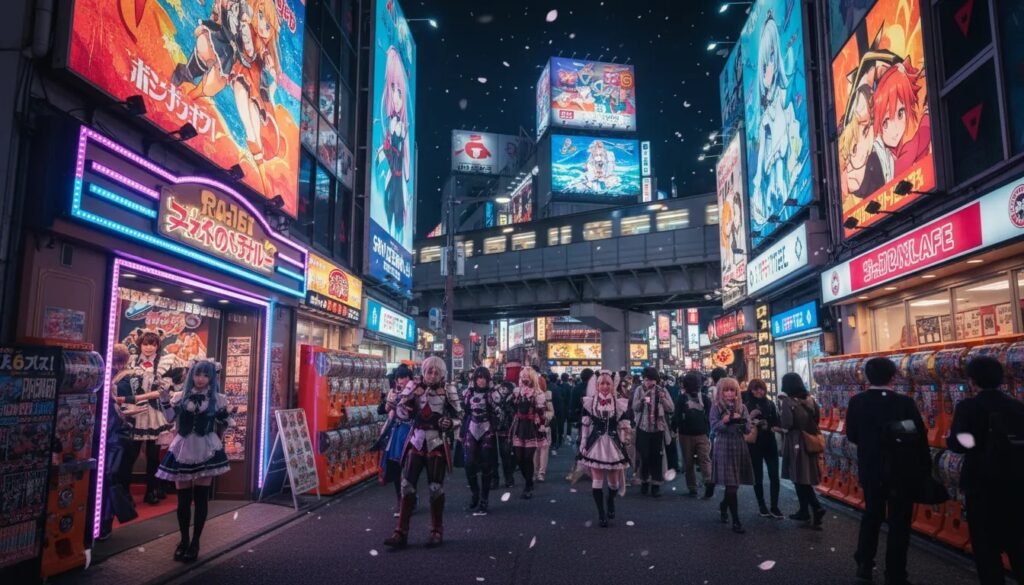

If you love anime, manga, or Japanese pop culture, Tokyo is a concentrated playground of experiences you will not find anywhere else. This guide lists the top 10 attractions and neighborhoods for anime and manga fans, plus practical travel tips, ticketing advice, and common pitfalls to avoid so you can plan an efficient, enjoyable trip.
Why Tokyo is essential for anime and manga fans
Tokyo is where major studios, retail chains, collectors, and fan events converge. Whether you hunt rare doujinshi, want to walk locations from your favorite series, attend large fan conventions, or experience immersive brand stores, Tokyo offers both mainstream and niche destinations. Many attractions also influence global anime culture, so a visit doubles as a cultural deep dive.
How to use this list
Each entry includes what to expect, practical arrival tips (nearest station, typical opening times), and a short “top tips” list so you know when to go and what to look for.
Top 10 anime and manga spots in Tokyo
1. Akihabara Electric Town — the otaku epicenter
What it is: Multi-block area packed with anime stores, figure shops, maid cafes, retro game shops, and electronics retailers. Akihabara is the first stop for many fans.
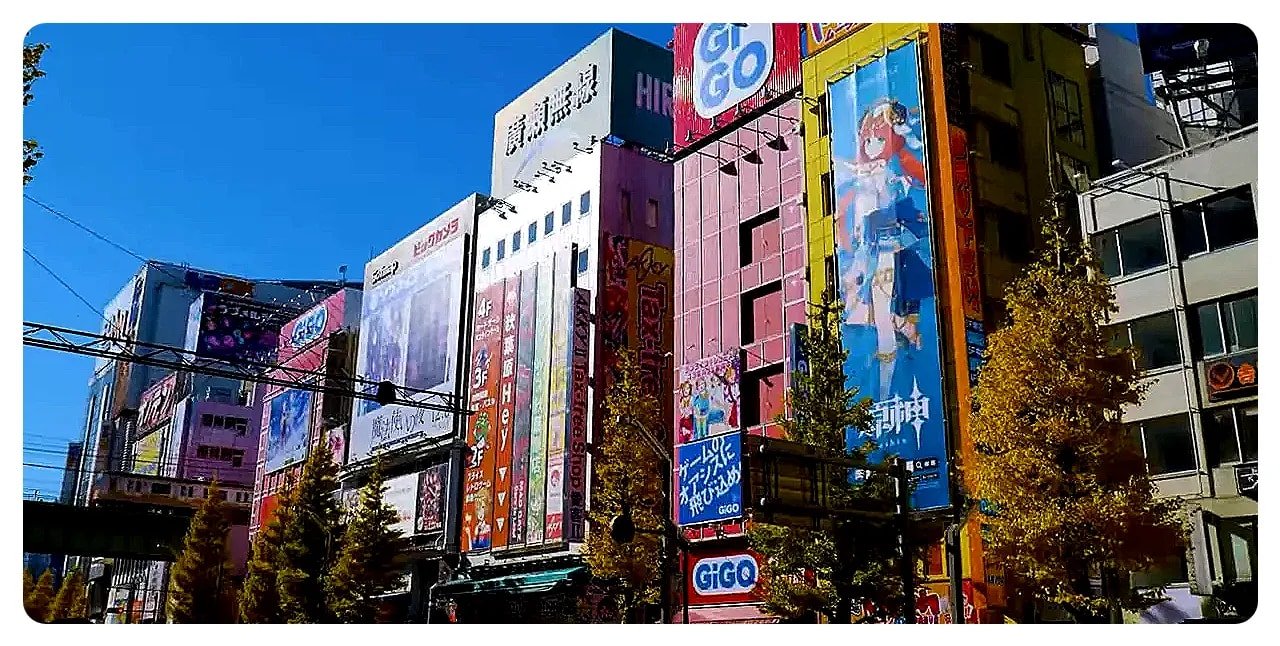
Getting there: Akihabara Station (JR Yamanote, Keihin-Tohoku, Sobu lines).
Hours: Most shops open 10:00–20:00; larger stores may open earlier or close later.
Top tips:
- Start early to avoid heavy afternoon crowds and long lines at limited-release drops.
- Visit specialty stores like Mandarake branches and retro game shops for rare finds.
- Be mindful of photo rules — some stores and cafes forbid photography, especially inside maid cafes or private booths.
2. Odaiba — life-size Gundam, arcades, and themed malls
What it is: A man-made island with large shopping complexes, a full-scale Gundam statue, indoor amusement centers, and pop-culture exhibits.
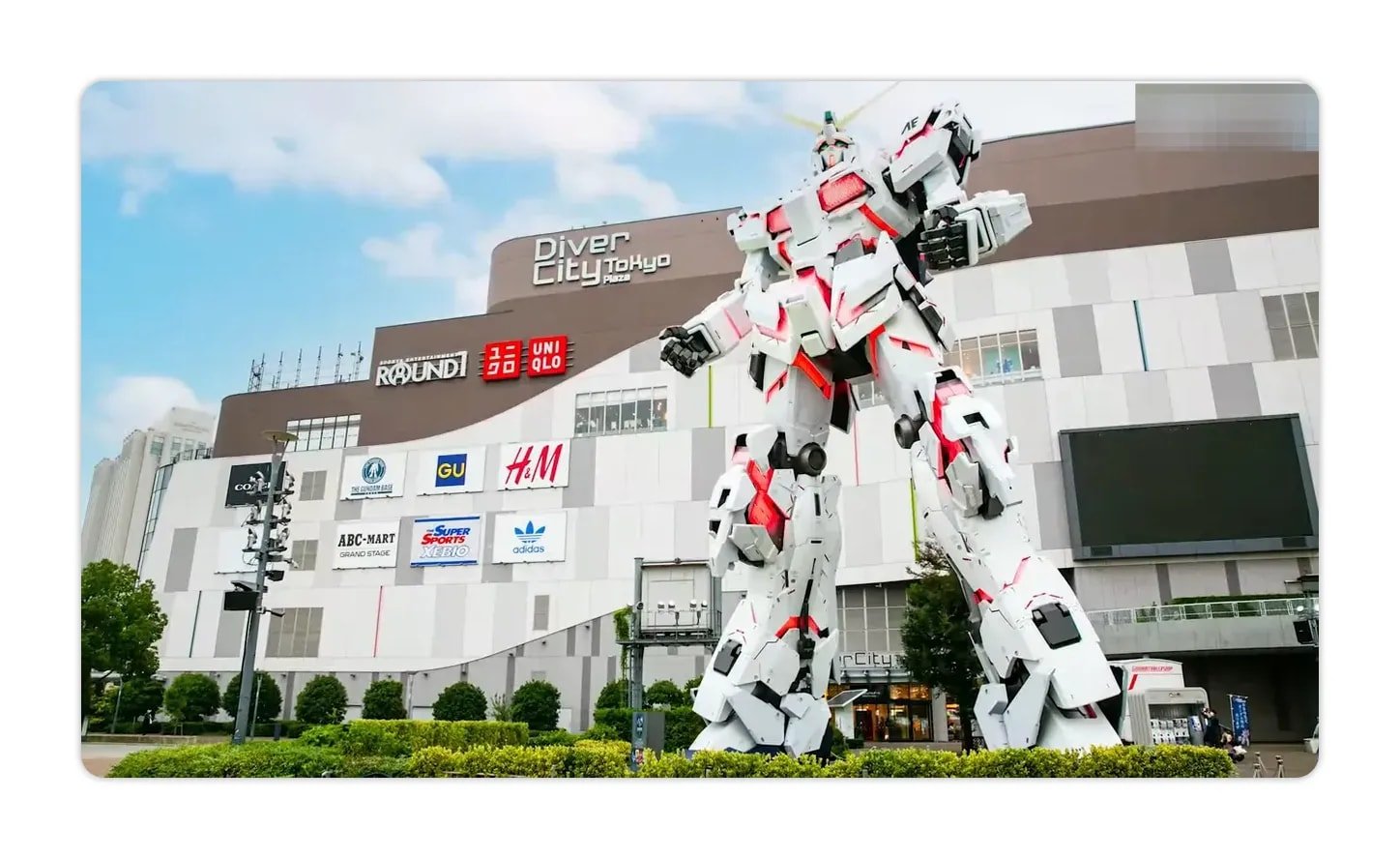
Getting there: Daiba Station (Yurikamome) or Tokyo Teleport Station (Rinkai Line).
Top tips:
- See the Gundam Unicorn at DiverCity and check the plaza schedule for light or transformation shows.
- Tokyo Joypolis is an indoor theme arcade with rides and VR experiences that often host anime collabs.
- Combine shopping and sightseeing — Aqua City and DiverCity have large selection of anime goods and themed cafes.
3. Nakano Broadway — the collector’s maze
What it is: A multi-floor complex specializing in secondhand manga, figures, and vintage collectibles. Ideal for collectors and bargain hunters.
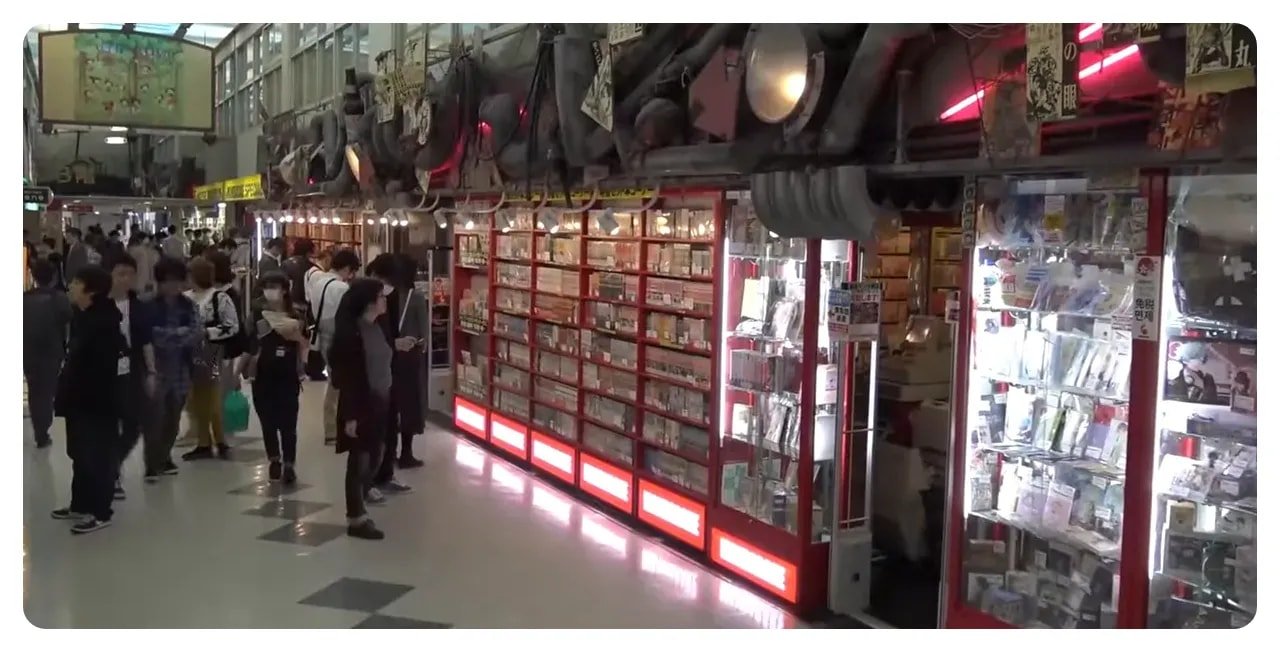
Getting there: Nakano Station (JR Chuo Line).
Top tips:
- Search the basement and lower floors — many used manga and figure shops are there, often with competitive prices.
- Inspect items carefully for damage or missing parts when buying secondhand figures.
- Bring cash — many smaller stores still prefer cash, though larger chains accept cards.
4. AnimeJapan (annual) — industry showcase and fan festival
What it is: One of the world’s largest anime expos with exhibition booths, live stages, exclusive merchandise, and industry announcements.
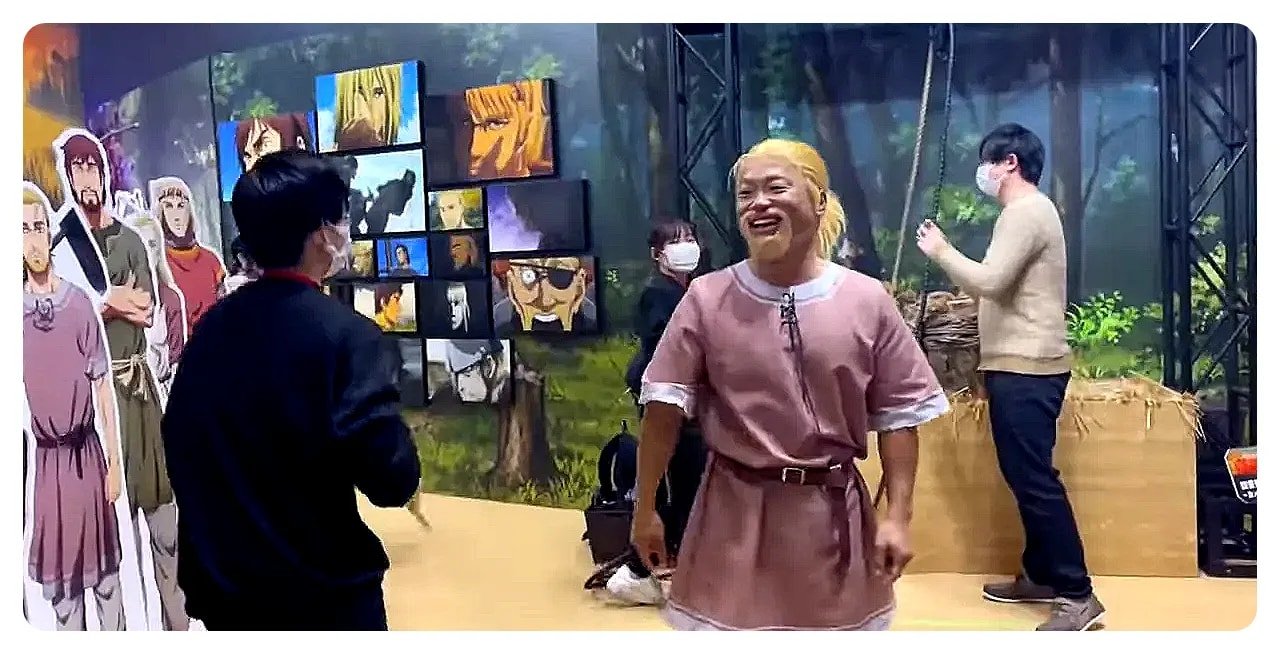
When: Usually held in March at Tokyo Big Sight (check current dates each year).
Top tips:
- Buy tickets early — popular days sell out fast. Check whether you need a “fan day” ticket or a business day pass.
- Plan which booths to visit and arrive early for limited goods or panel seating.
- Expect cosplay and professional photography zones; follow event etiquette and designated areas.
5. Pokémon Center Mega Tokyo — the ultimate Pokémon store
What it is: A flagship Pokémon store with exclusive merchandise, seasonal releases, and experiential areas like Pokémon GO labs or card stations.
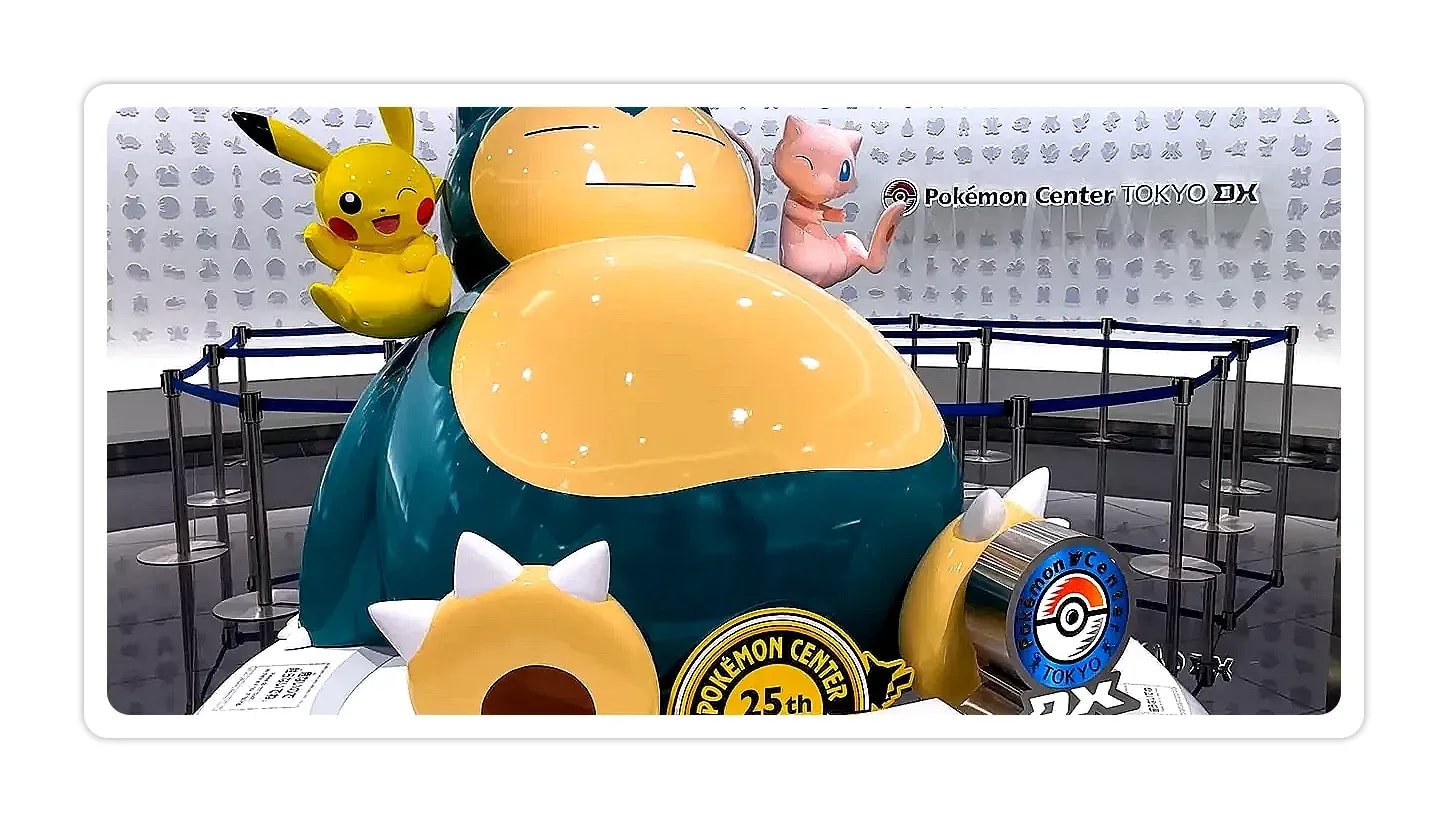
Getting there: Ikebukuro area (Sunshine City location has Mega Tokyo). Check exact branch before you go.
Top tips:
- Arrive for special releases — limited items often generate lines; official socials announce drops.
- Use official packaging and shipping if you plan to ship collectibles home to avoid customs issues.
6. Ikebukuro & Otome Road — girls-oriented anime and doujin culture
What it is: A district focused on “otome” content, BL (boys’ love) goods, romance series, and character cafés. Animate’s flagship stores are a major draw.
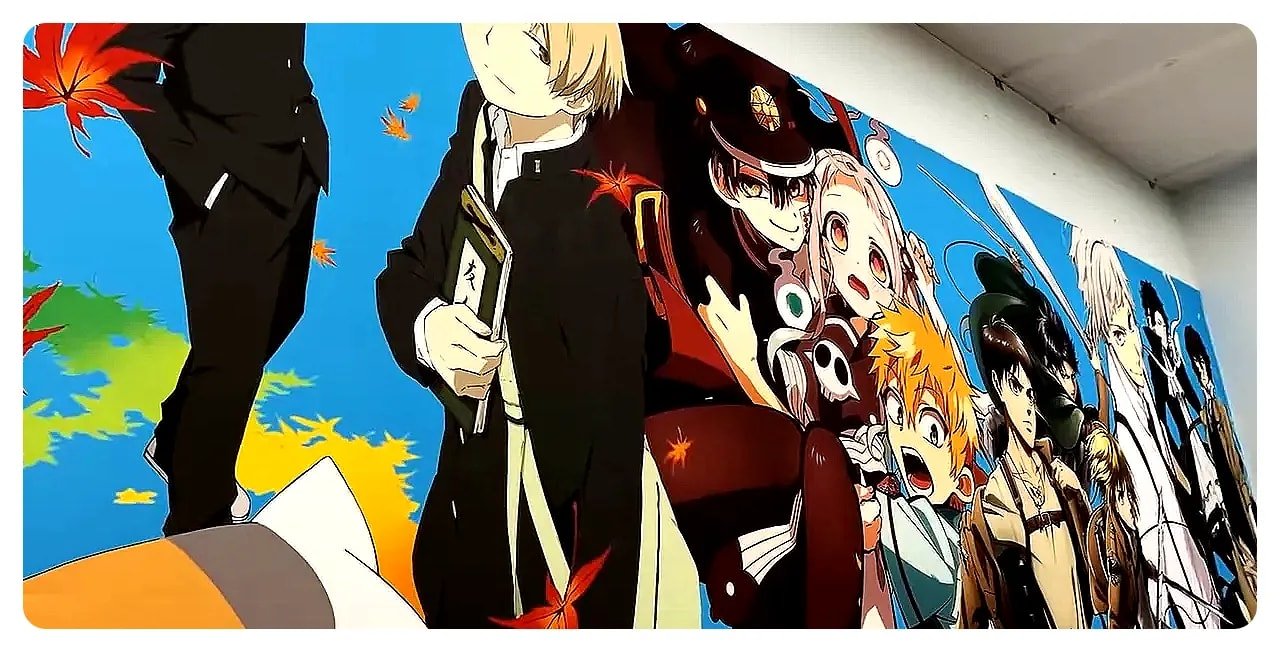
Getting there: Ikebukuro Station (JR and subway lines).
Top tips:
- Visit Otome Road for shops specializing in female-targeted series and fan works.
- Explore Sunshine City for themed events and pop-up stores.
7. Toei Animation Museum (Nerima) — behind-the-scenes history
What it is: A museum at Toei Animation’s historical site showcasing production materials from famous series like Dragon Ball, Sailor Moon, and One Piece.
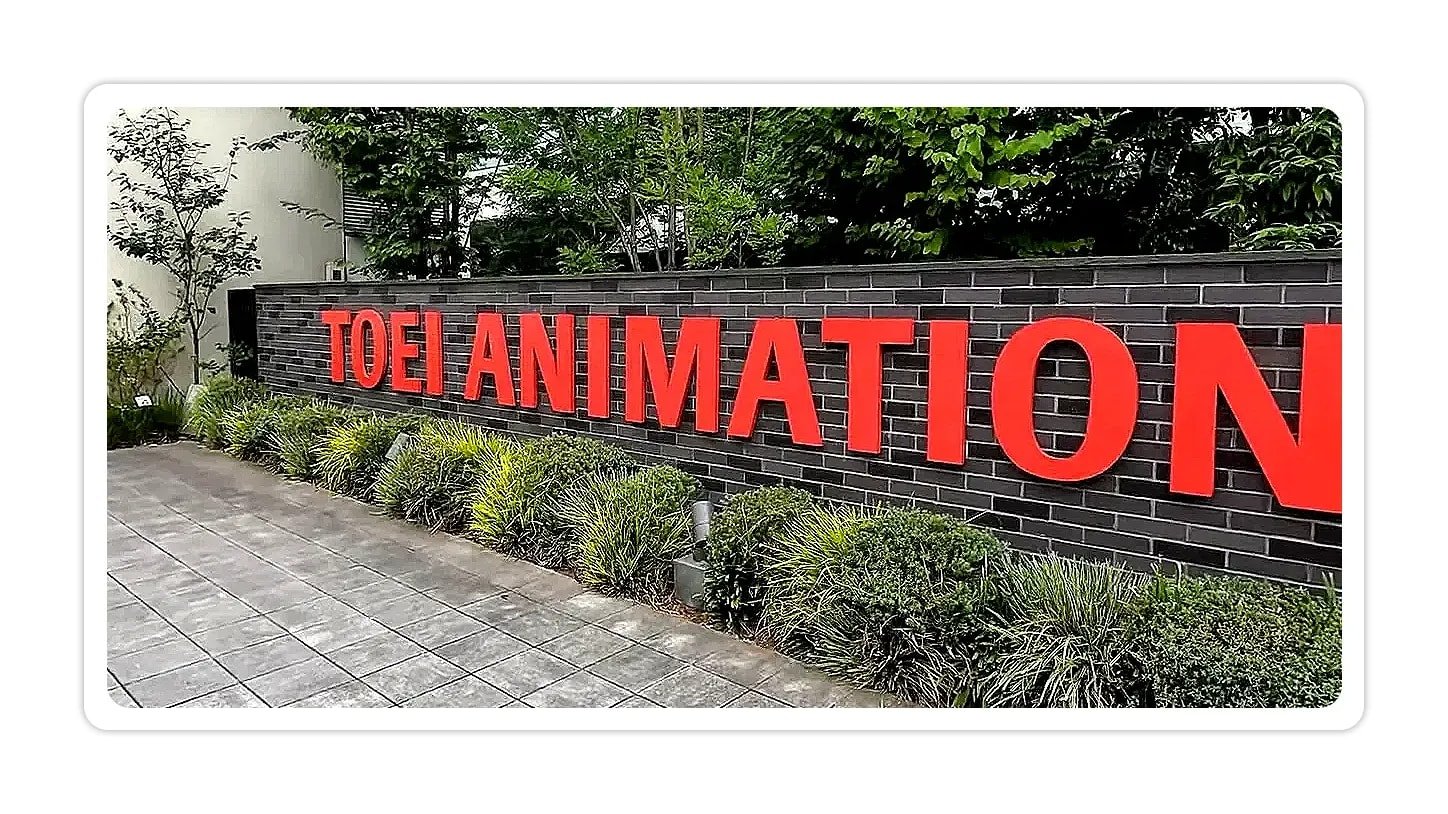
Getting there: Nerima Station (Seibu Ikebukuro Line or Toei Oedo Line connections).
Top tips:
- Check exhibit schedules for rotating displays of actual production cells, storyboards, and props.
- Buy museum merchandise — unique souvenirs are often available only at the museum shop.
8. Ghibli Museum in Mitaka — studio immersion
What it is: A small, beautifully designed museum dedicated to Studio Ghibli’s films. It offers immersive exhibits, a replica animation studio, and exclusive short films.
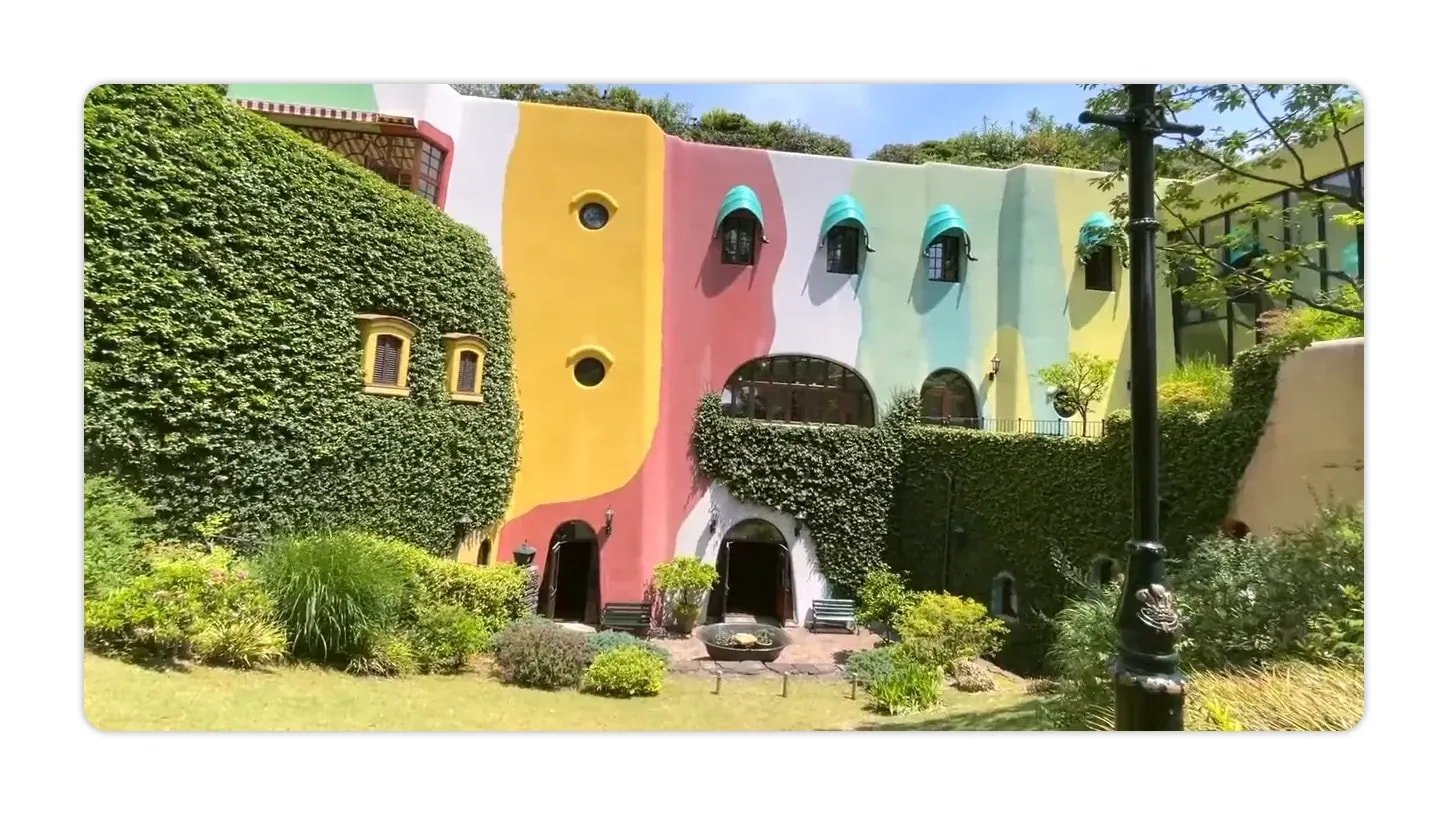
Getting there: Mitaka Station (JR Chuo Line) and a short walk or bus to Inokashira Park.
Top tips:
- Buy tickets in advance — tickets are date- and time-specific and often sell out months ahead.
- Arrive at your time slot and expect modest walking and stairs inside.
- No large photography in many exhibit areas; follow posted rules to preserve exhibits.
9. Comiket (Comic Market) — the largest doujinshi fair
What it is: A massive biannual event focused on self-published works, cosplay, and collectible fan merchandise. Takes place in summer and winter with huge crowds.

Getting there: Tokyo Big Sight (Odaiba area). Check dates and access info before attending.
Top tips:
- Plan logistics — bring water, wear comfortable shoes, and use a lightweight bag for purchases.
- Study the circle list (list of exhibitors) and make a route to avoid wasting time.
- Respect cosplay rules and only photograph with consent; large crowds can make movement slow.
10. Tokyo Character Street — curated character shops under Tokyo Station
What it is: An indoor shopping street located in Tokyo Station with dozens of officially licensed character stores from franchises like Sanrio, Pokémon, Sailor Moon, and Studio Ghibli.
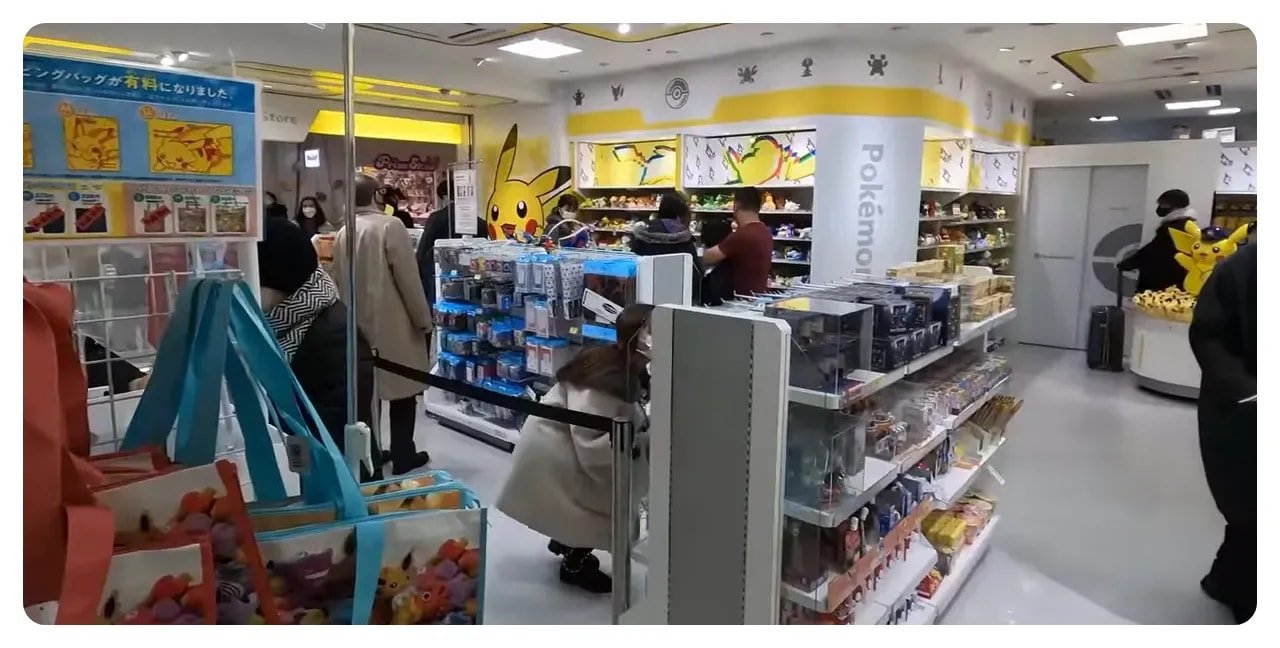
Getting there: Tokyo Station — Character Street is in the station basements; follow signage for “Character Street” or Yaesu underground passages.
Top tips:
- Great for limited edition items and souvenirs that are compact to carry.
- Combine with nearby transport for convenient transfers to other districts or long-distance trains.
Planning and logistics — how to make the most of your trip
Use these practical tips to plan an efficient itinerary and avoid common travel missteps.
Transport and timing
- Get an IC card (Suica or Pasmo) for seamless metro and bus travel.
- Use JR lines to move quickly between central hubs (Akihabara, Tokyo, Shinjuku, Ikebukuro).
- Schedule Ghibli and event days early — ticketed venues and seasonal events require advance reservations.
Money, purchases, and shipping
- Bring cash for smaller shops and secondhand stalls; major stores accept cards.
- Look for tax-free shopping when spending over the threshold and present your passport.
- Use international shipping from larger stores to avoid heavy luggage; many shops offer packing and shipping services.
Cosplay and photography etiquette
- Respect designated cosplay areas at events and public spaces; do not block pedestrian traffic in busy districts.
- Always ask before photographing people and follow store photo rules.
Language and communication
- English signage is common in major stores but less so in small doujin shops; translation apps help.
- Use polite language and basic Japanese phrases like “sumimasen” and “arigato” to make interactions smoother.
Common questions fans ask
Do I need to reserve Ghibli Museum tickets in advance?
Yes. Ghibli Museum tickets are sold for fixed dates and time slots and often sell out. Purchase through official distributors or authorized resellers for your country before you travel.
When is the best time to visit Akihabara and avoid crowds?
Weekday mornings are quieter than evenings and weekends. For specific store drops or events, check the store’s social channels and plan to arrive early.
Is Comiket open to foreigners and how crowded is it?
Comiket is open to everyone but expect extremely large crowds, especially on popular days. Plan your schedule, carry water, and prepare for long queues. Check the official Comiket site for entry rules and circle maps.
Pitfalls and mistakes to avoid
- Buying counterfeit or bootleg merchandise — purchase from official stores or reputable secondhand shops like Mandarake to ensure authenticity.
- Underestimating queue times for limited-edition releases and event-exclusive goods.
- Ignoring photo rules in museums and private shops, which can lead to confiscation of devices or being asked to leave.
- Packing too many fragile purchases — plan shipping or protective cases for delicate figures and statues.
One-day itineraries and sample plans
Akihabara + Nakano (collector’s day)
- Morning: Arrive in Akihabara, shop for figures and retro games.
- Lunch: Themed cafe or ramen nearby.
- Afternoon: Head to Nakano Broadway for secondhand finds and Mandarake.
- Evening: Return to Akihabara for night neon and photo ops.
Odaiba + Ikebukuro (family-friendly day)
- Morning: Odaiba — Gundam statue and DiverCity shopping.
- Afternoon: Tokyo Joypolis or teamLab exhibits for interactive entertainment.
- Evening: Ikebukuro for Otome Road and Pokémon Center (Sunshine City).
Quick packing and prep checklist
- Valid passport and printed event tickets
- IC card (Suica/Pasmo) loaded with initial funds
- Universal adapter and portable charger
- Lightweight tote for purchases and a small lockable suitcase
- Comfortable shoes and a refillable water bottle
Final takeaways
Tokyo is a layered destination for anime and manga fans: iconic flagship stores and museums coexist with underground doujin scenes and massive fan conventions. Plan reserved-ticket visits first, chip away at districts by theme (shops, events, studios), and prioritize items or exhibits that are limited or date-specific. With practical planning you can experience both the mainstream highlights and the niche corners that make Tokyo special for fans.
Use the checklist above, respect local rules and signage, and map out must-see shops or events before you go to get the most out of your trip.