
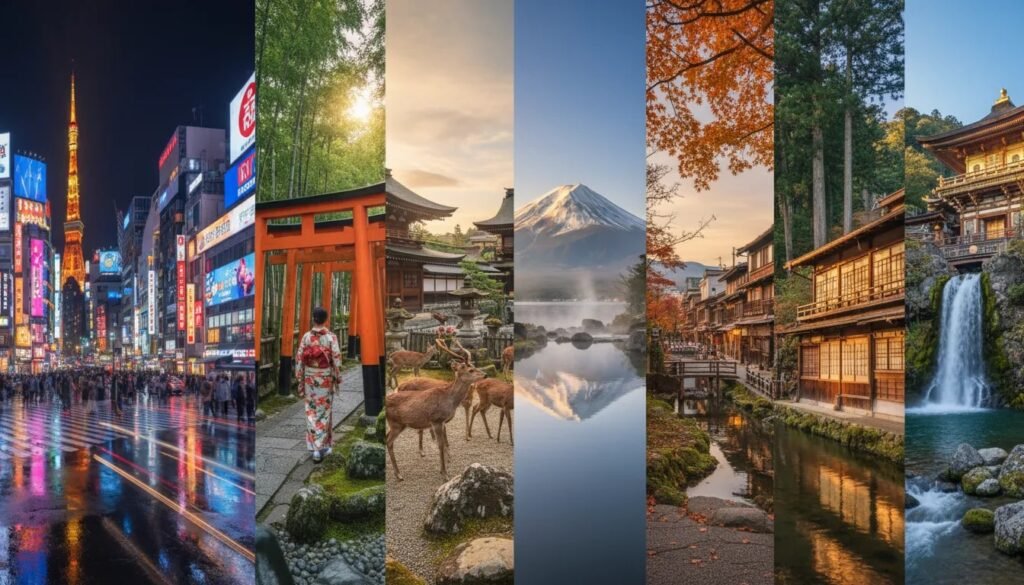

Japan blends buzzing neon cities, timeless temples and dramatic natural scenery into one unforgettable travel experience. Whether we want skyscrapers and cutting-edge technology, tranquil gardens and teahouses, or sun-soaked beaches and mountain hikes, there is something to suit every taste. Below we share the best places to visit in Japan, with what to see and practical tips to help plan an itinerary.
Quick snapshot
- Tokyo — Futuristic energy, temples, world-class food
- Kyoto — Historic shrines, geisha district and peaceful gardens
- Nara — Ancient temples and friendly deer
- Hakone — Hot springs and views of Mount Fuji
- Takayama — Edo-era townscapes in the Japanese Alps
- Nikko — Mountain temples, waterfalls and hot springs
- Kamakura — Coastal temples and the Great Buddha
- Hiroshima — A resilient city and gateway to Miyajima
- Ishigaki — Tropical beaches and island hopping
- Kanazawa — Samurai quarters and the Kenroku-en garden
Where to go: our top 10
10. Kanazawa
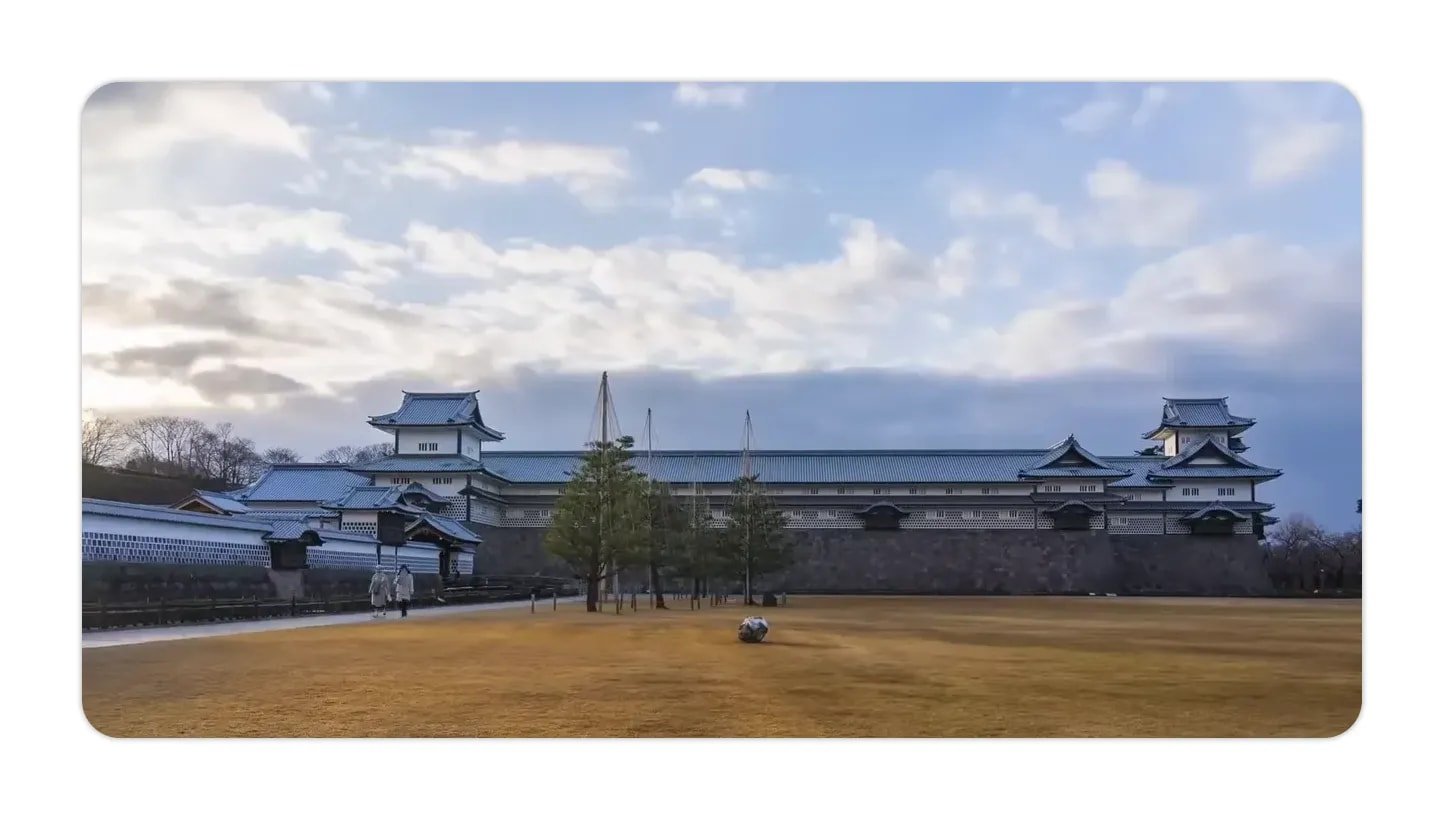
Set between the Sea of Japan and the Japanese Alps, Kanazawa feels like a preserved slice of history. We stroll through well-maintained samurai and geisha districts, sip tea in cosy teahouses and explore the impressive castle in the city centre. The jewel is Kenroku-en, one of Japan’s most beautiful landscaped gardens — perfect for quiet contemplation and seasonal photography.
9. Ishigaki
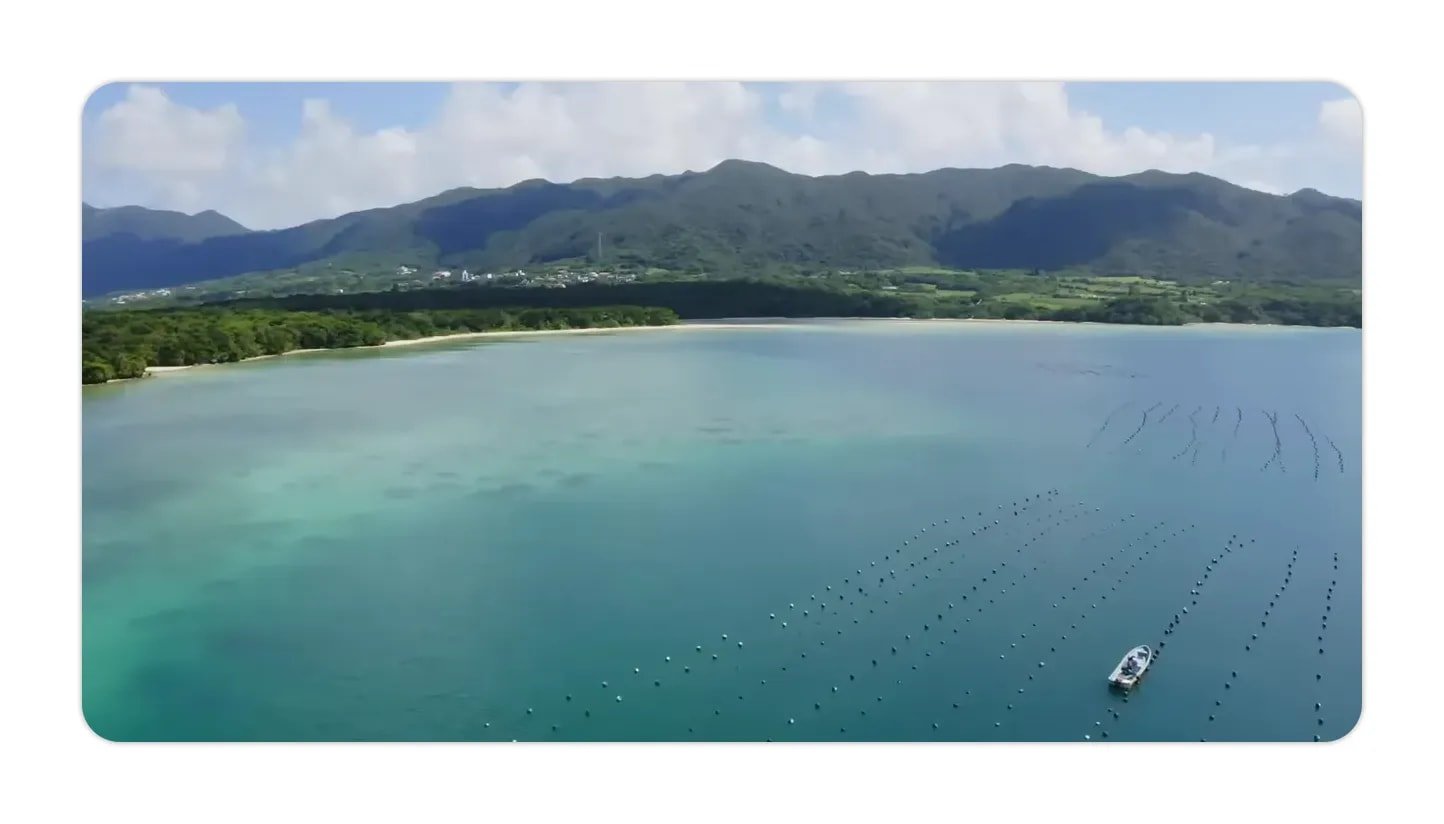
For sun, sand and coral reefs, Ishigaki is the place to go. Located west of Okinawa in the Yaeyama archipelago, it makes a great base for island hopping. Days here are for beachcombing, diving and hiking Mount Nosoko; nights offer a lively local scene for those with energy to spare.
8. Hiroshima
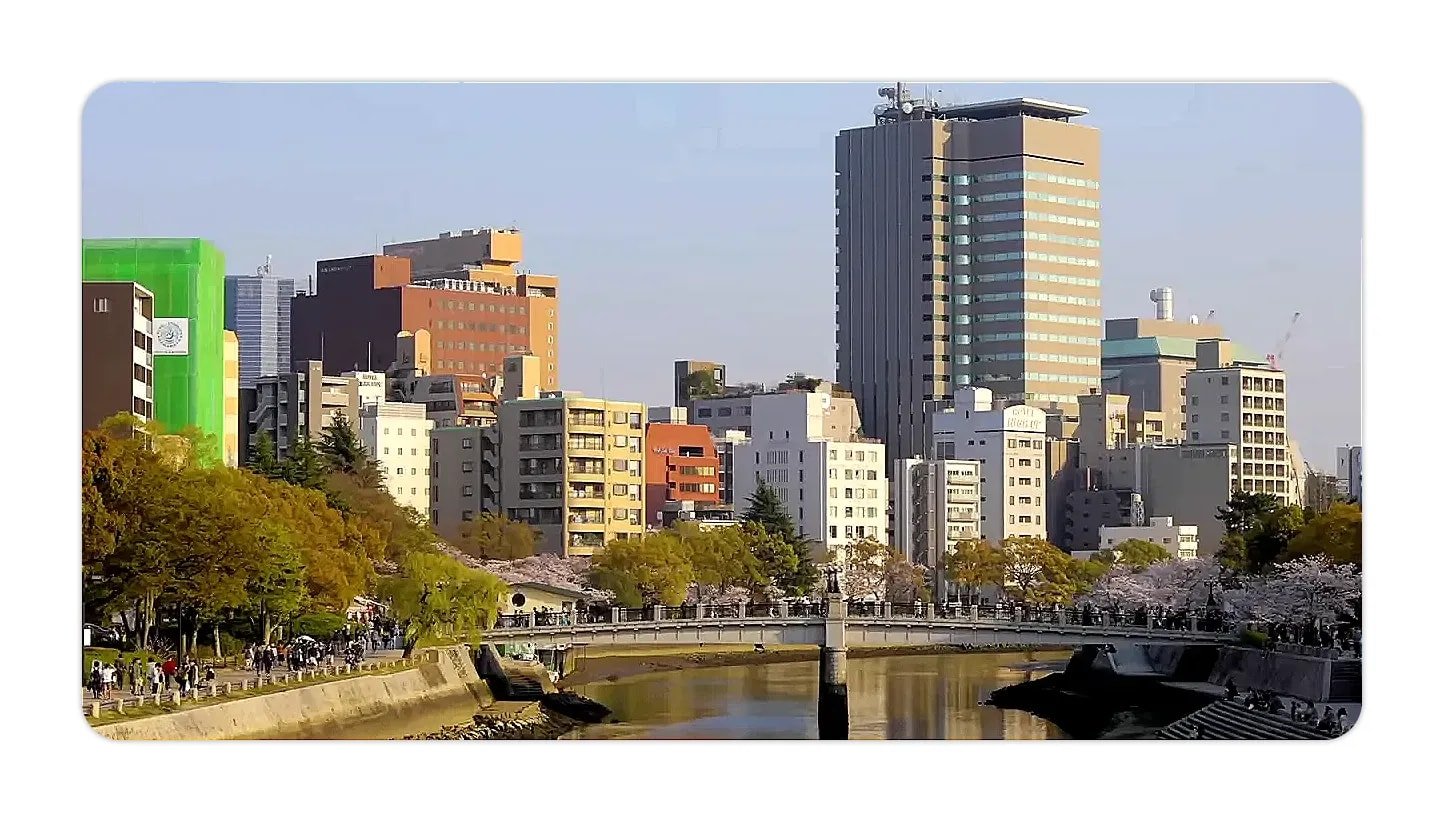
Hiroshima blends a tragic past with a vibrant present. We pay respects at the Peace Memorial Park and the A-Bomb Dome, then explore a rebuilt, bustling city with restaurants and museums. Nearby islands, especially Miyajima with its famous floating torii gate, make excellent day trips.
7. Kamakura
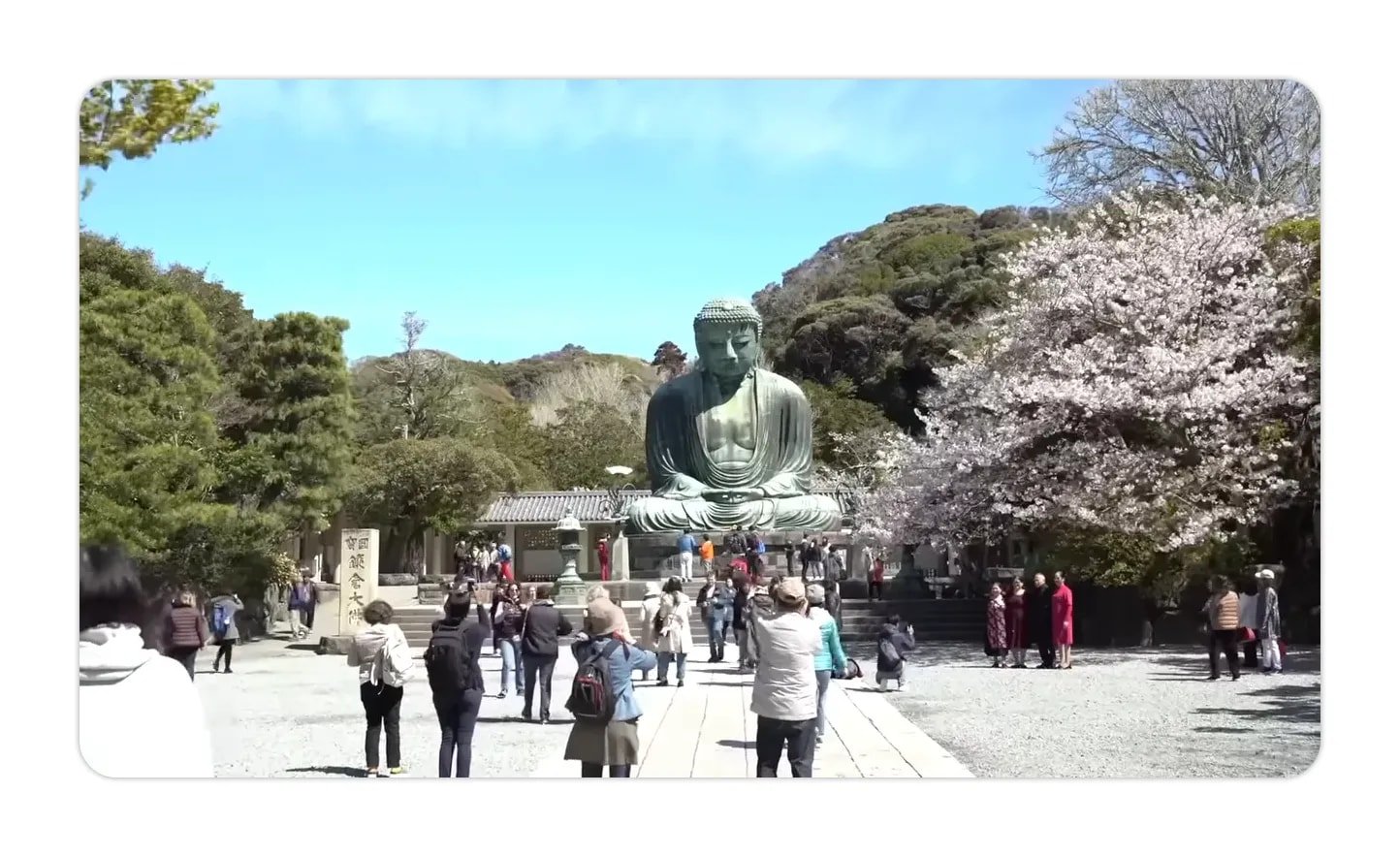
This coastal town on Sagami Bay was once Japan’s capital and still teems with historic charm. Highlights include numerous temples and shrines and the iconic bronze Great Buddha of Kamakura, almost 44 feet tall and endlessly photographed. The combination of shoreline and wooded hills makes Kamakura a relaxing escape from Tokyo.
6. Nikko
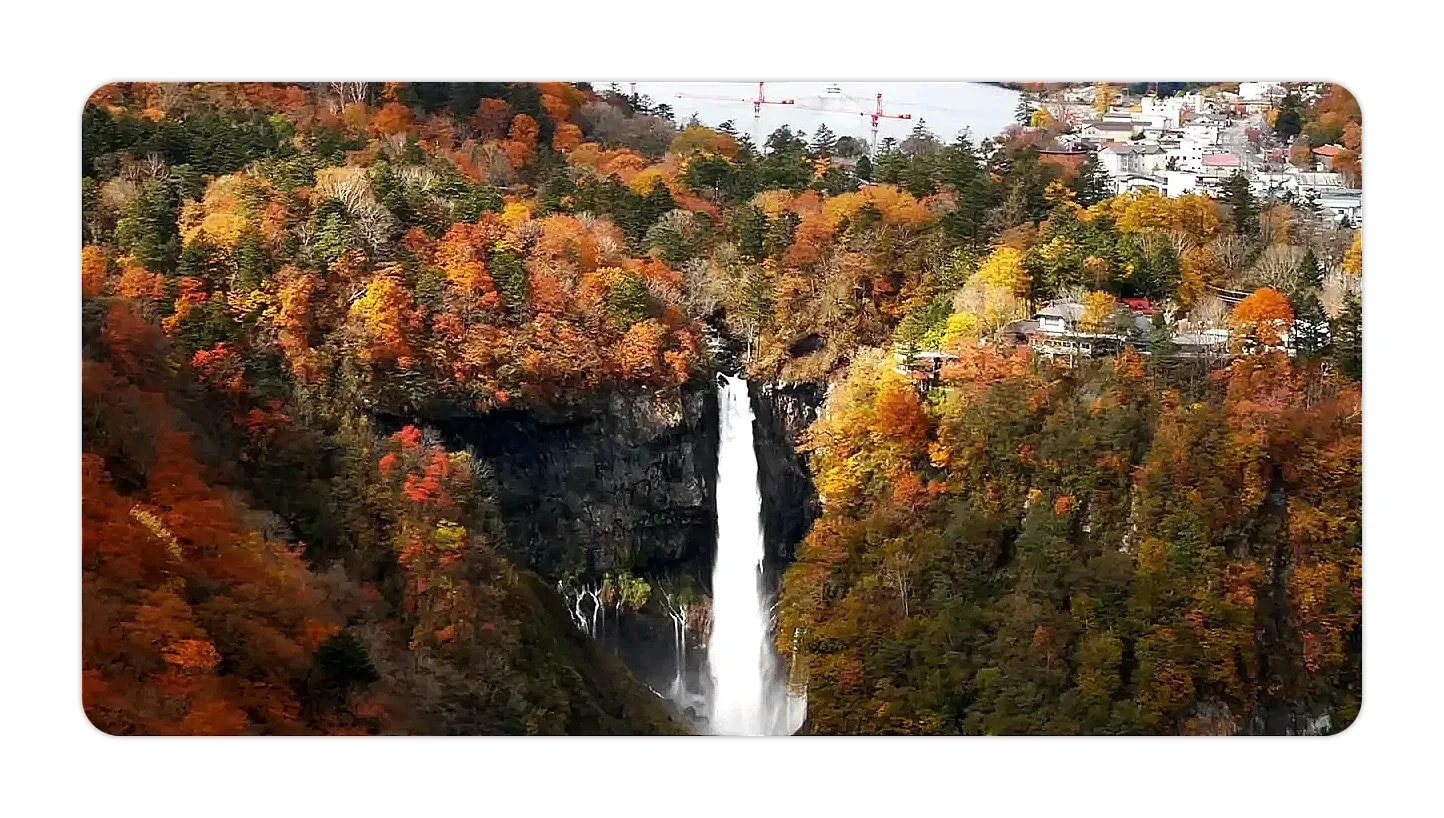
About two hours north of Tokyo, Nikko sits among forested mountains and is home to lavishly decorated Shinto shrines and Buddhist temples. The surrounding national park offers waterfalls, lakes and steaming hot springs, making Nikko ideal for combining culture with nature.
5. Takayama
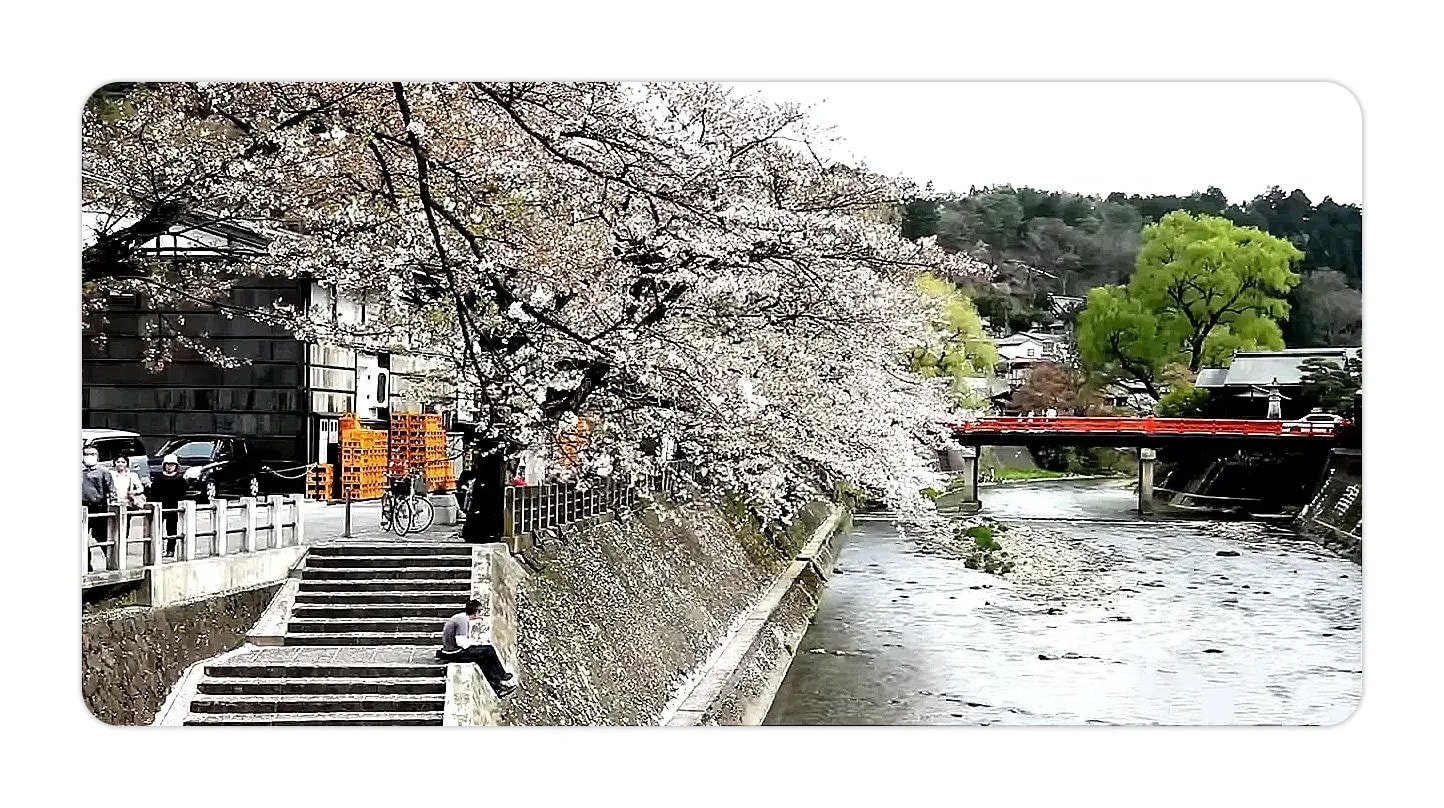
Tucked away in the northern Japanese Alps, Takayama showcases well-preserved Edo-era streets, morning markets and a charming riverside setting along the Miyagawa River. It’s a slower-paced town that rewards wandering and sampling regional cuisine like Hida beef.
4. Hakone
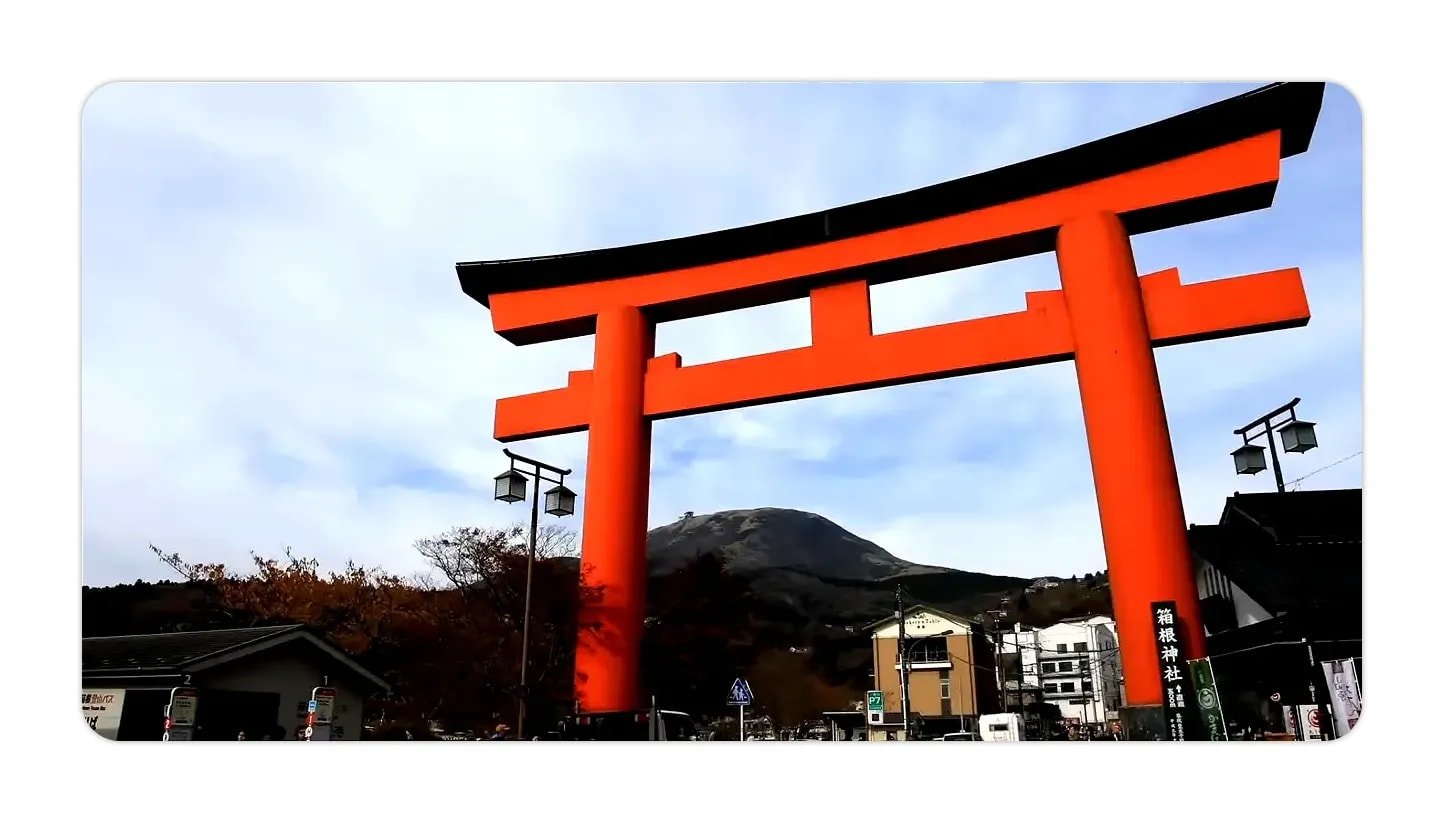
Close to Tokyo, Hakone is famous for hot springs, art museums and spectacular views of Mount Fuji. We recommend a boat ride on Lake Ashi — the novelty pirate ships add fun while offering scenic vantage points of the lake and, on clear days, the iconic volcano in the distance.
3. Nara
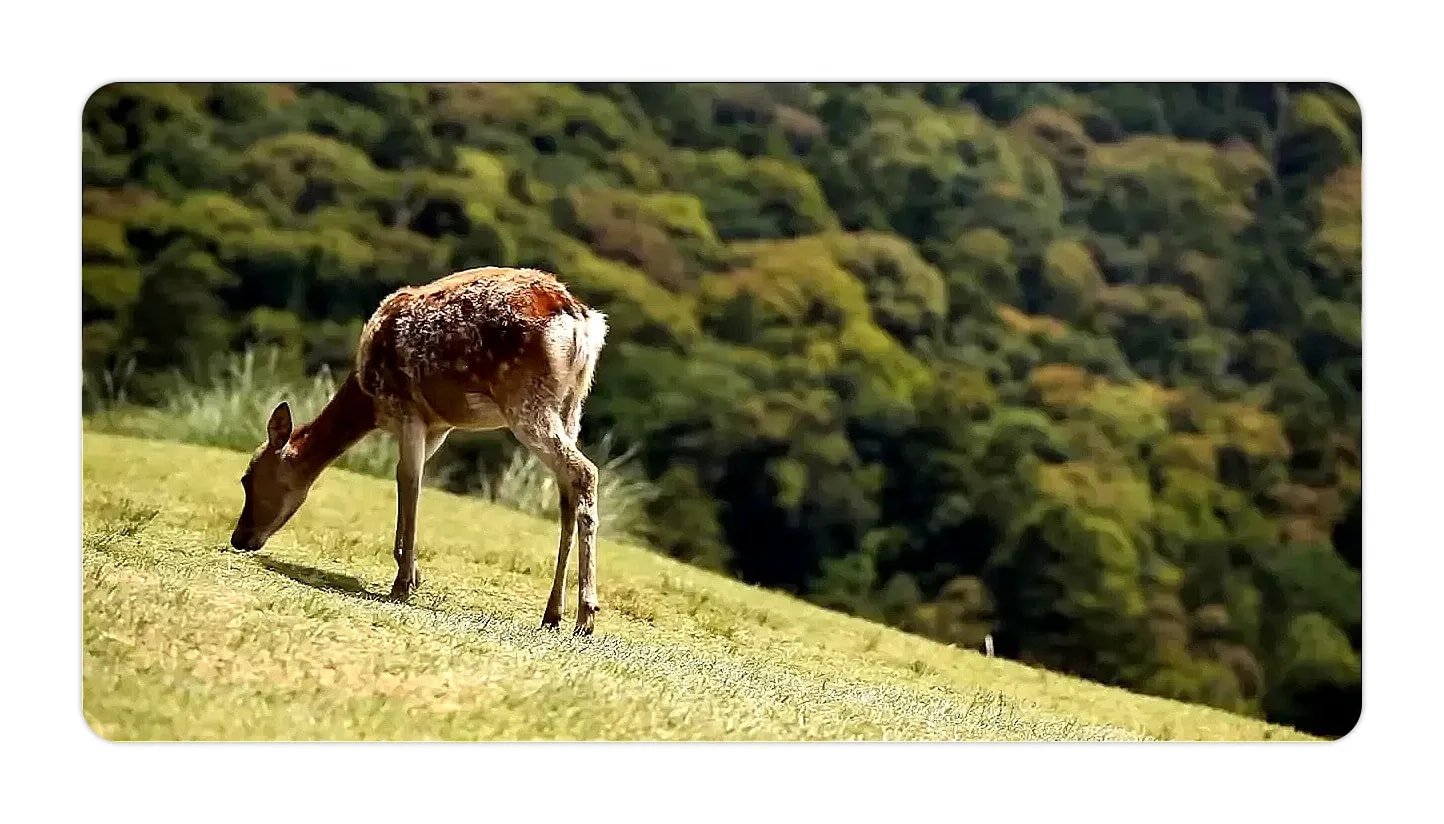
Often called the birthplace of Japanese civilisation, Nara is compact and easy to explore. Most attractions cluster in the lush Nara Park, where tame deer roam freely among multi-storey pagodas and stone lanterns. The crown jewel is Todai-ji Temple with its enormous Great Buddha statue.
2. Kyoto
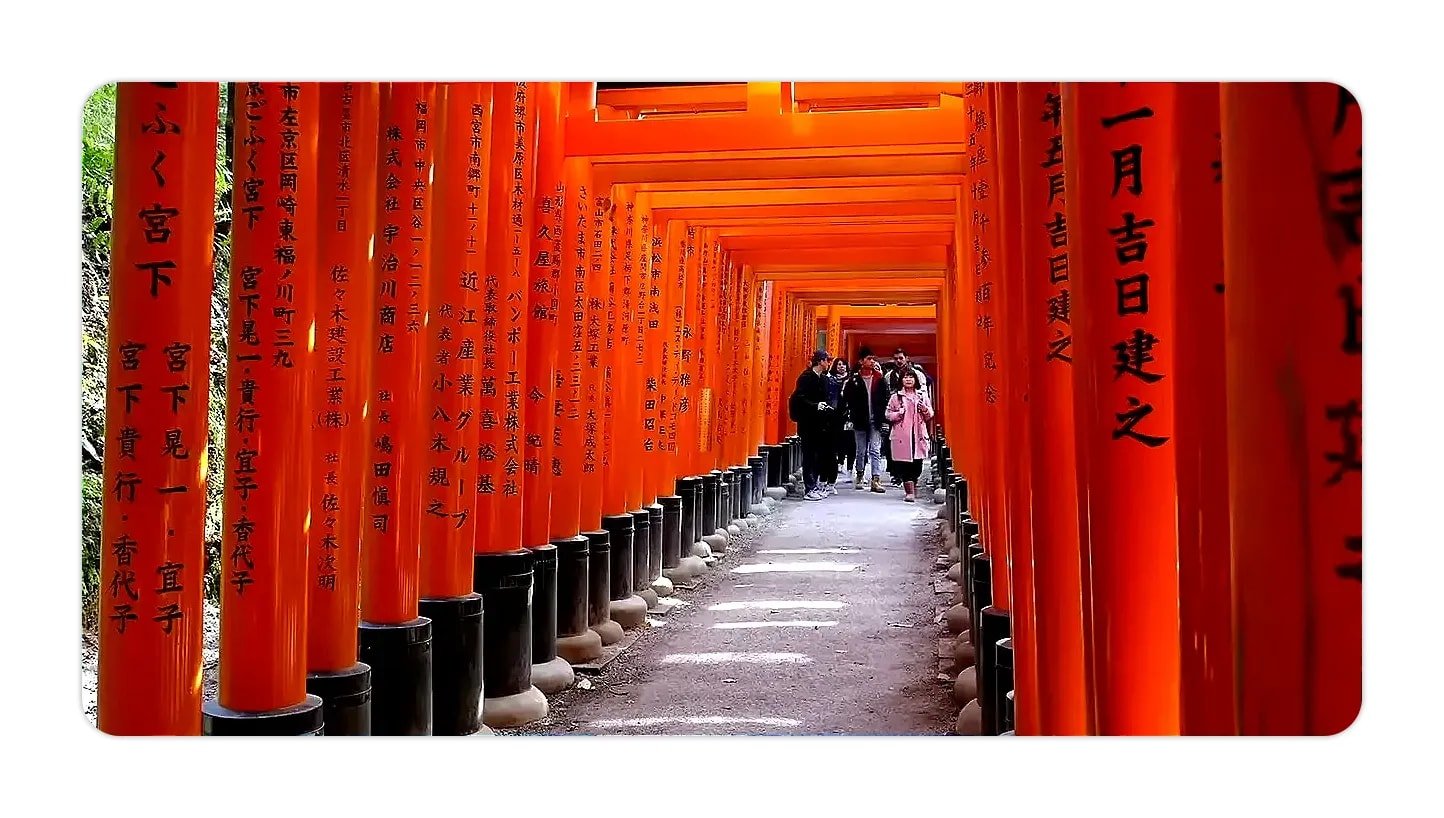
Kyoto is where tradition shines. The former imperial capital contains over a thousand years of history, with palaces, serene gardens and thousands of shrines and temples. We recommend spending time in the Gion district to glimpse geisha culture and visiting during cherry blossom season when the city becomes especially magical.
1. Tokyo
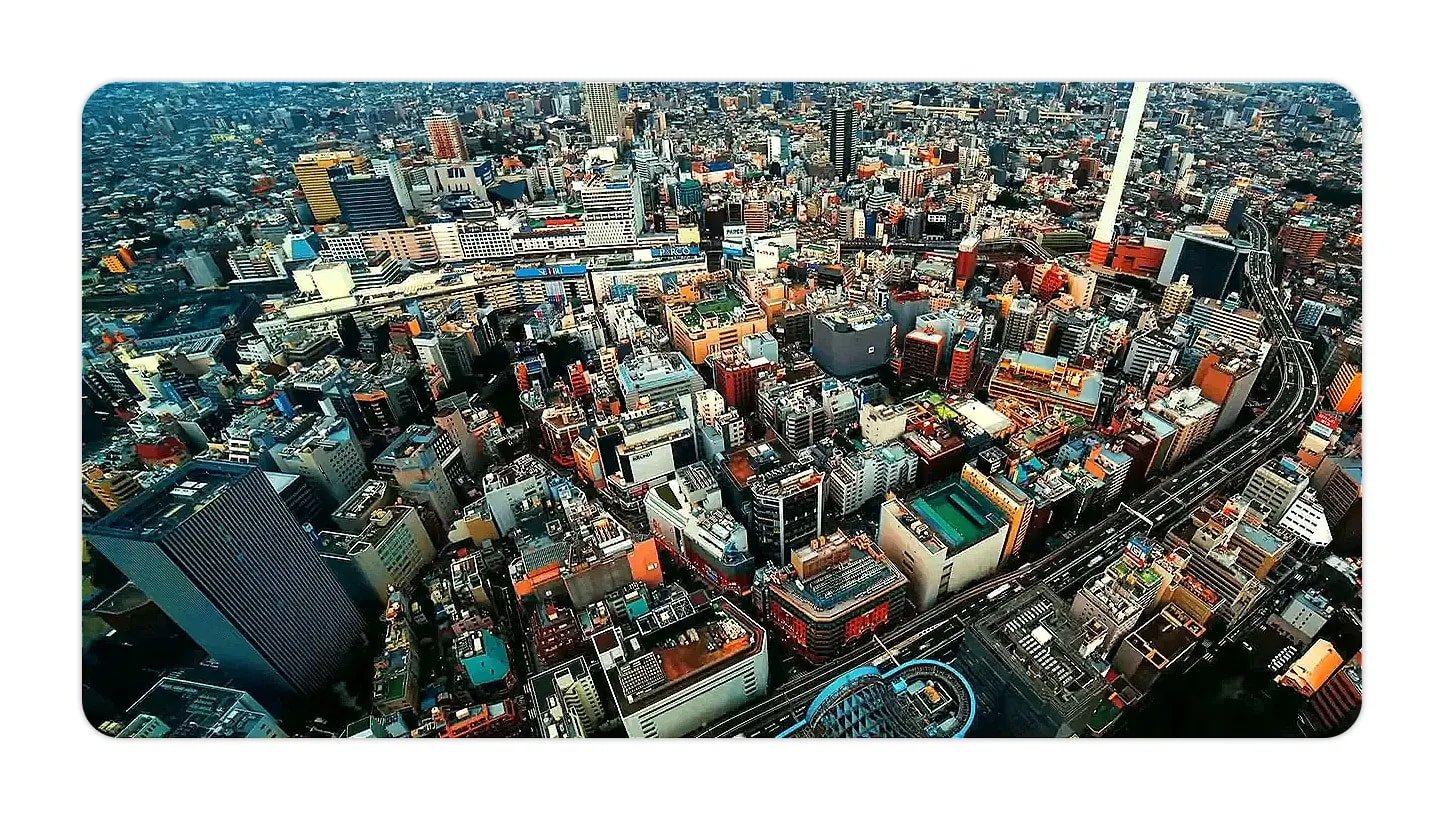
Tokyo sits at the centre of a vast metropolitan area and never fails to surprise. The skyline is defined by skyscrapers and neon, but tucked between the towers we find historic temples, museums and neighbourhoods each with their own personality. From futuristic technology and high-fashion districts to quiet parks and traditional crafts, Tokyo offers endless variety and energy.
Practical tips for planning
- When to go — Spring (cherry blossoms) and autumn (colours) are peak for scenery and comfortable weather.
- Getting around — The rail network is efficient; consider a regional or national rail pass if travelling between many cities.
- How long to stay — Allocate 3–4 days for Tokyo, 2–3 for Kyoto, and at least a day for nearby day trips like Nara, Hakone or Kamakura.
- Culture and etiquette — Basic politeness goes far: remove shoes where required, queue patiently and learn a few Japanese phrases.
Final thoughts
Japan’s strength is its variety. We can move from neon-lit cityscapes to hushed temple gardens, from alpine towns to tropical islands, all within a single trip. The places above highlight that range — each destination offers a different perspective on Japanese history, nature and modern life. Pack a flexible itinerary and leave room for small discoveries along the way.