
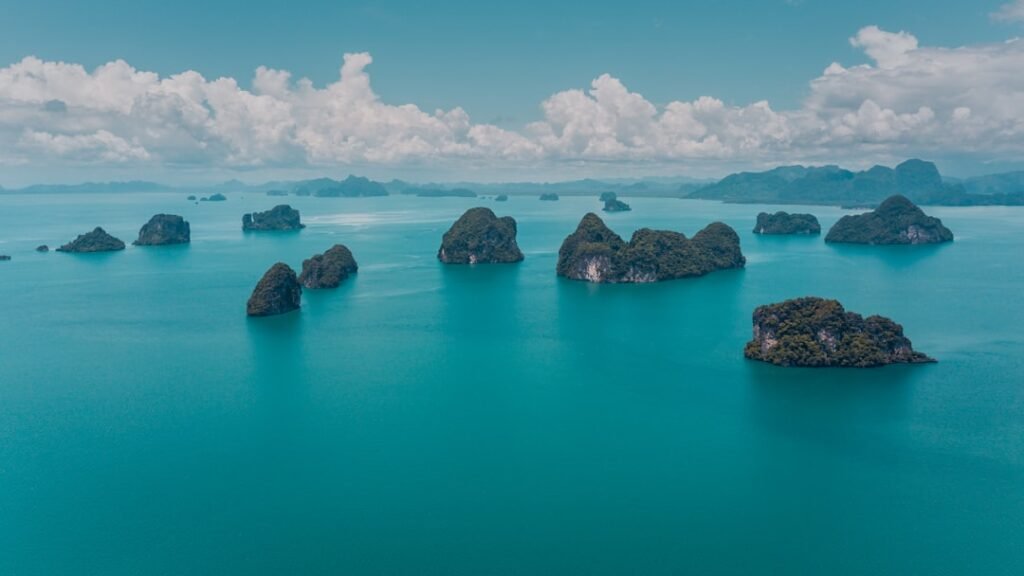

Asia, the largest and most diverse continent, offers a plethora of travel experiences that cater to every type of traveler. From the bustling streets of Tokyo to the serene beaches of Bali, Asia is a treasure trove of cultural richness, natural beauty, and culinary delights. The continent is home to some of the world’s most populous countries, each with its unique traditions, languages, and landscapes.
This diversity makes Asia an ideal destination for those seeking adventure, relaxation, or a deep dive into history and culture. Traveling through Asia can be an exhilarating experience, as it allows visitors to explore ancient temples, vibrant markets, and stunning natural wonders. The continent’s vastness means that there is something for everyone, whether you are a solo backpacker, a family on vacation, or a couple looking for a romantic getaway.
With its blend of modernity and tradition, Asia invites travelers to immerse themselves in its rich tapestry of experiences, making it a top choice for holidays.
Key Takeaways
- Asia offers a diverse range of holiday experiences, from beaches to cultural landmarks.
- Exotic beach destinations in Asia provide stunning scenery and relaxation opportunities.
- Rich cultural and historical sites are key attractions for travelers in Asia.
- Adventure activities and outdoor experiences cater to thrill-seekers across the continent.
- Asia’s culinary scene is vibrant, offering unique food experiences alongside luxury and family-friendly options.
Exotic Beach Destinations in Asia
When it comes to beach destinations, Asia boasts some of the most breathtaking coastlines in the world. The Maldives, often referred to as paradise on Earth, is renowned for its crystal-clear waters and luxurious overwater bungalows. Each island in this archipelago offers a unique experience, from vibrant coral reefs teeming with marine life to secluded beaches perfect for sunbathing.
The Maldives is not just about relaxation; it also provides opportunities for snorkeling and diving in some of the most pristine waters on the planet. Another gem in Asia’s beach offerings is Thailand’s Phuket Island. Known for its lively nightlife and stunning beaches like Patong and Kata, Phuket attracts millions of tourists each year.
Beyond the bustling beach scene, visitors can explore hidden coves and enjoy water sports such as jet skiing and parasailing. The island’s rich cultural heritage is also evident in its temples and local markets, providing a well-rounded experience that combines leisure with exploration.
Cultural and Historical Landmarks to Visit in Asia

Asia is steeped in history, with countless landmarks that tell the stories of ancient civilizations. The Great Wall of China stands as a testament to human ingenuity and perseverance. Stretching over 13,000 miles, this architectural marvel offers breathtaking views and a glimpse into China’s imperial past.
Walking along the wall allows visitors to appreciate not only its scale but also the stunning landscapes that surround it. In India, the Taj Mahal is another iconic symbol of love and architectural brilliance. Built by Emperor Shah Jahan in memory of his wife Mumtaz Mahal, this UNESCO World Heritage Site attracts millions of visitors each year.
The intricate marble inlay work and the symmetry of its design reflect the zenith of Mughal architecture. Exploring the Taj Mahal at sunrise or sunset provides an ethereal experience as the changing light casts different hues on its surface.
Adventure and Outdoor Activities in Asia
| Activity | Popular Destinations | Best Season | Difficulty Level | Average Duration | Key Attractions |
|---|---|---|---|---|---|
| Trekking | Himalayas (Nepal, India), Mount Fuji (Japan), Annapurna Circuit (Nepal) | Spring & Autumn | Moderate to Hard | 5-20 days | Mountain views, cultural villages, wildlife |
| Scuba Diving | Maldives, Thailand (Similan Islands), Philippines (Palawan) | November to April | Beginner to Advanced | Half-day to multiple days | Coral reefs, marine biodiversity, shipwrecks |
| Rock Climbing | Krabi (Thailand), Yangshuo (China), Hampi (India) | October to March | Intermediate to Advanced | Half-day to full-day | Limestone cliffs, scenic landscapes |
| White Water Rafting | Rishikesh (India), Bali (Indonesia), Bhutan | September to May | Moderate | 2-6 hours | River rapids, forested valleys |
| Paragliding | Bir Billing (India), Pokhara (Nepal), Da Nang (Vietnam) | September to November, February to April | Beginner to Intermediate | 15-30 minutes per flight | Mountain and lake views, aerial landscapes |
| Camping | Gobi Desert (Mongolia), Cameron Highlands (Malaysia), Jeju Island (South Korea) | Spring to Autumn | Easy to Moderate | 1-3 days | Star gazing, nature immersion |
For those seeking adventure, Asia offers an array of outdoor activities that cater to thrill-seekers. In Nepal, the Himalayas present unparalleled opportunities for trekking and mountaineering. The Annapurna Circuit is one of the most popular trekking routes in the world, offering stunning views of snow-capped peaks and a chance to experience local culture in remote villages.
Trekkers can encounter diverse flora and fauna while navigating through lush valleys and high-altitude landscapes. In Southeast Asia, Vietnam’s Ha Long Bay is a haven for kayaking enthusiasts. The bay’s emerald waters are dotted with thousands of limestone islands and islets, creating a surreal landscape that can be explored by kayak.
Paddling through hidden caves and floating fishing villages provides an intimate connection with nature and local life. Additionally, adventure seekers can partake in rock climbing in places like Krabi, Thailand, where limestone cliffs offer challenging routes against a backdrop of stunning scenery.
Top Food and Culinary Experiences in Asia
Asia is a culinary paradise that tantalizes taste buds with its diverse flavors and cooking techniques. Street food culture thrives in cities like Bangkok, where vendors serve up mouthwatering dishes such as Pad Thai and Som Tum (green papaya salad).
The vibrant atmosphere of these markets adds to the overall experience, making it not just about food but also about culture. In Japan, sushi is an art form that goes beyond mere sustenance. Visiting a traditional sushi restaurant in Tokyo can be a memorable experience as chefs skillfully prepare each piece with precision and care.
The freshness of the fish and the quality of the rice are paramount in creating an unforgettable meal. Additionally, participating in a cooking class can provide insights into Japanese culinary traditions while allowing visitors to create their own sushi masterpieces.
Luxury and Relaxation Retreats in Asia
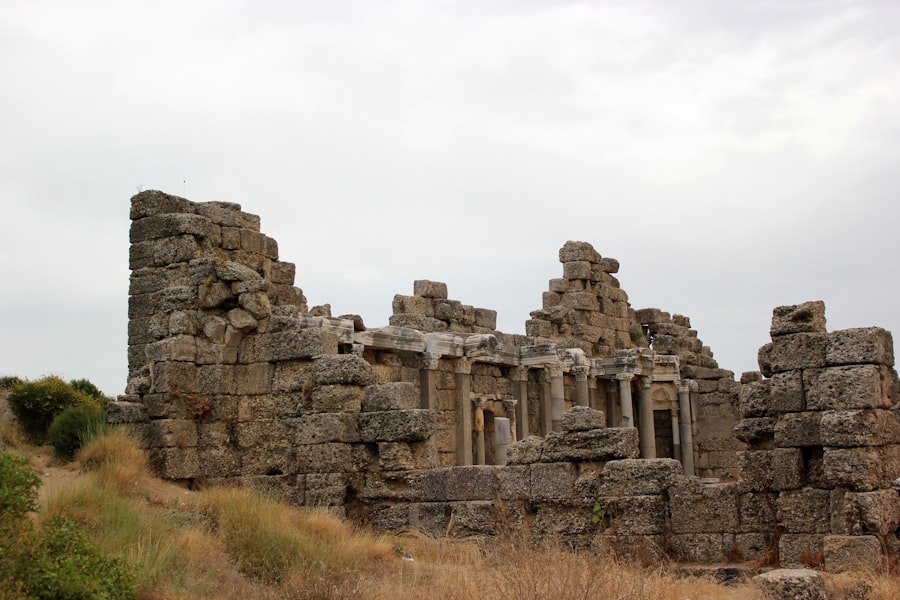
For those seeking luxury and relaxation, Asia offers an array of high-end resorts and wellness retreats that cater to discerning travelers. Bali is renowned for its luxurious villas and wellness spas that provide holistic experiences designed to rejuvenate both body and mind.
In Thailand, the island of Koh Samui is home to some of the world’s most exclusive resorts. These establishments often feature private beaches, infinity pools, and world-class dining options. Guests can unwind with spa treatments that incorporate traditional Thai techniques using local ingredients.
The serene environment combined with luxurious amenities creates an idyllic setting for relaxation.
Family-Friendly Destinations in Asia
Traveling with family can be an enriching experience, and Asia has numerous destinations that cater to families with children. Singapore stands out as a family-friendly city-state with attractions like Universal Studios Singapore and Sentosa Island. These entertainment hubs offer thrilling rides and interactive experiences that captivate children and adults alike.
Additionally, Singapore’s well-maintained parks and gardens provide ample opportunities for outdoor activities. In Japan, Tokyo Disneyland is another must-visit destination for families. This theme park combines Japanese hospitality with beloved Disney characters, creating a magical experience for visitors of all ages.
Beyond the theme parks, families can explore cultural sites such as temples and museums that offer educational experiences while keeping children engaged through interactive exhibits.
Tips for Planning Your Asia Holiday
Planning a holiday in Asia requires careful consideration to ensure a smooth and enjoyable experience. First and foremost, researching visa requirements is essential as they vary from country to country. Some nations offer visa-on-arrival options while others may require advance applications.
Understanding these regulations can save travelers from unexpected hassles upon arrival. Another important aspect is choosing the right time to visit specific destinations within Asia. For instance, Southeast Asia generally has a tropical climate with distinct wet and dry seasons; thus, planning trips during the dry season can enhance outdoor activities and sightseeing experiences.
Additionally, booking accommodations in advance can help secure better rates and availability during peak travel seasons. Travelers should also familiarize themselves with local customs and etiquette to show respect for cultural norms. Simple gestures such as removing shoes before entering homes or temples can go a long way in fostering positive interactions with locals.
Lastly, having a flexible itinerary allows for spontaneous adventures that often lead to unforgettable memories while exploring this diverse continent.
If you’re planning an unforgettable holiday in Asia, you might find inspiration in the article about the most beautiful cities around the world. Exploring vibrant urban landscapes can enhance your travel experience, and Asia is home to some of the most stunning cities. To learn more about these captivating destinations, check out the article here: Most Beautiful Cities in the World.
FAQs
What are the best times to visit Asia for holidays?
The best times to visit Asia vary by region, but generally, the months from November to March are ideal for most parts of Southeast Asia due to cooler and drier weather. For countries like Japan and South Korea, spring (March to May) and autumn (September to November) offer pleasant temperatures and beautiful natural scenery.
Which countries in Asia are popular holiday destinations?
Popular holiday destinations in Asia include Thailand, Japan, China, India, Indonesia (Bali), Vietnam, Malaysia, Singapore, South Korea, and the Maldives. Each offers unique cultural experiences, natural beauty, and diverse attractions.
Do I need a visa to travel to Asian countries?
Visa requirements vary depending on your nationality and the country you plan to visit. Some Asian countries offer visa-free entry or visa-on-arrival for certain nationalities, while others require advance visa applications. It is important to check the specific visa policies of the destination country before traveling.
What are some common cultural customs to be aware of when holidaying in Asia?
Cultural customs vary widely across Asia, but common practices include removing shoes before entering homes or temples, dressing modestly in religious sites, showing respect to elders, and using both hands when giving or receiving items. It is advisable to research local customs for the specific country you plan to visit.
Is it safe to travel to Asia for holidays?
Most popular tourist destinations in Asia are generally safe for travelers. However, it is important to stay informed about local conditions, follow travel advisories, take standard safety precautions, and respect local laws and customs to ensure a safe holiday experience.
What types of accommodation are available for holidays in Asia?
Asia offers a wide range of accommodation options, including luxury hotels, budget hostels, boutique guesthouses, traditional homestays, and resorts. Many destinations also offer unique stays such as ryokans in Japan or beach bungalows in Southeast Asia.
What are some must-try foods during an Asia holiday?
Asia is known for its diverse and flavorful cuisine. Must-try foods include sushi and ramen in Japan, street food like pad thai and mango sticky rice in Thailand, dim sum in China, biryani and curry in India, pho in Vietnam, and nasi goreng in Indonesia.
How can I get around when traveling in Asia?
Transportation options in Asia include domestic flights, trains, buses, taxis, ride-sharing services, and motorbike rentals. Many cities have efficient public transit systems such as subways and light rail. Travel methods depend on the country and region you are visiting.
Are there any health precautions to consider before traveling to Asia?
Travelers should check for recommended vaccinations and health advisories for their destination. Common precautions include vaccinations for hepatitis A and B, typhoid, and Japanese encephalitis in some areas. It is also advisable to drink bottled water and practice good hygiene to avoid foodborne illnesses.
What activities can I enjoy during an Asia holiday?
Asia offers a wide range of activities including cultural tours, temple visits, hiking and trekking, beach and water sports, wildlife safaris, shopping in vibrant markets, attending festivals, and exploring historical sites. The variety caters to all types of travelers and interests.