


Angkor Wat, a UNESCO World Heritage site, stands as a testament to the architectural brilliance and spiritual devotion of the Khmer Empire. Constructed in the early 12th century during the reign of King Suryavarman II, this sprawling temple complex was originally dedicated to the Hindu god Vishnu. Its design reflects the grandeur of classical Khmer architecture, characterized by intricate bas-reliefs and towering spires that symbolize Mount Meru, the center of the universe in Hindu cosmology.
The sheer scale of Angkor Wat is staggering; it covers an area of over 162 hectares, making it the largest religious monument in the world. Visitors are often captivated by the temple’s stunning sunrise views, where the first light of dawn casts a golden hue over its sandstone walls, creating a magical atmosphere that draws photographers and spiritual seekers alike. Exploring Angkor Wat is akin to stepping back in time.
The temple’s walls are adorned with elaborate carvings that depict scenes from Hindu mythology, including the famous Churning of the Ocean of Milk. These intricate artworks not only showcase the artistic prowess of the Khmer artisans but also serve as a narrative of the cultural and religious beliefs of the time. As one wanders through the vast corridors and chambers, it becomes evident that Angkor Wat is not merely a relic of the past; it is a living monument that continues to inspire awe and reverence.
The surrounding landscape, dotted with ancient trees and lush greenery, enhances the temple’s ethereal quality, making it a must-visit destination for anyone seeking to understand the rich history and spirituality of Cambodia.
Key Takeaways
- Angkor Wat in Cambodia offers a mesmerizing glimpse into ancient temple architecture.
- Tokyo’s lively streets showcase a blend of modernity and tradition.
- Bali’s beaches provide a peaceful retreat with natural beauty.
- The Great Wall of China stands as a monumental symbol of historical defense.
- Southeast Asia’s diverse cultures are reflected in vibrant traditions and unique cuisines.
The Bustling Streets of Tokyo, Japan
Tokyo, a city that seamlessly blends tradition with modernity, offers an exhilarating experience for those who traverse its bustling streets. The vibrant metropolis is a cacophony of sights and sounds, where neon lights illuminate the night sky and the aroma of street food wafts through the air. From the iconic Shibuya Crossing, one of the busiest pedestrian intersections in the world, to the serene gardens of the Imperial Palace, Tokyo presents a juxtaposition of frenetic energy and tranquil beauty.
The city’s neighborhoods each possess their own unique character; Harajuku is known for its youthful fashion culture, while Asakusa retains a sense of historical charm with its ancient temples and traditional markets. Navigating Tokyo’s intricate public transportation system can be an adventure in itself. The efficient trains and subways connect various districts, allowing visitors to explore everything from high-end shopping in Ginza to the quirky cafes of Akihabara.
The culinary scene is equally diverse, offering everything from Michelin-starred restaurants to humble ramen shops. A visit to Tsukiji Outer Market provides an opportunity to sample fresh sushi and seafood delicacies while immersing oneself in the local culture. As night falls, districts like Shinjuku come alive with izakayas (Japanese pubs) and karaoke bars, where locals and tourists alike gather to unwind and socialize.
Tokyo’s dynamic atmosphere ensures that there is never a dull moment, making it a city that captivates the hearts of all who visit.
The Serene Beaches of Bali, Indonesia
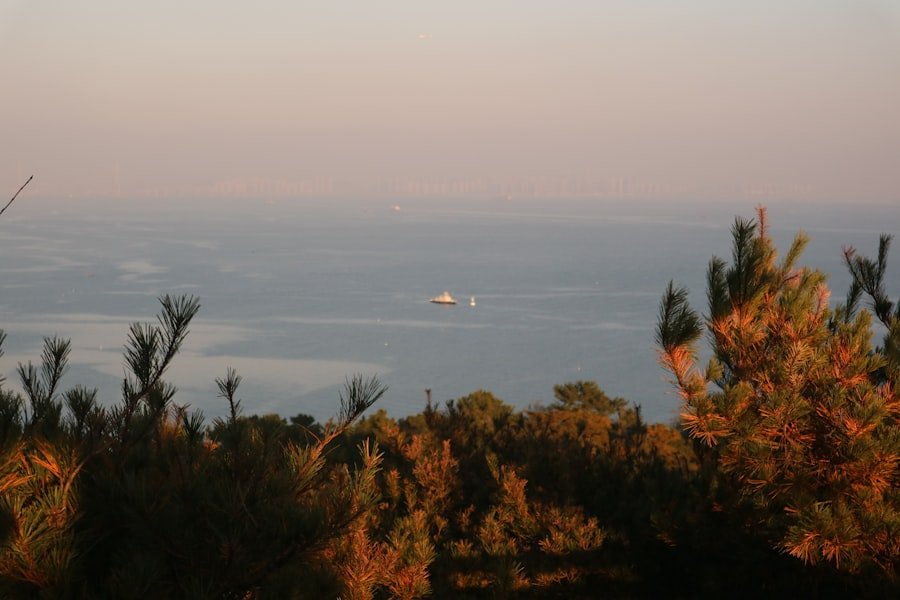
Bali, often referred to as the “Island of the Gods,” is renowned for its breathtaking beaches that attract travelers from around the globe. The island’s coastline is dotted with pristine stretches of sand, each offering its own unique charm and allure. From the lively shores of Kuta, where surfers ride the waves and beachgoers bask in the sun, to the tranquil beaches of Nusa Dua, known for their crystal-clear waters and luxurious resorts, Bali caters to every type of beach lover.
Beyond their natural beauty, Bali’s beaches are also steeped in cultural significance. Many coastal areas are home to ancient temples that overlook the ocean, such as Uluwatu Temple perched on a cliffside.
Visitors can witness traditional Kecak dance performances at sunset while enjoying panoramic views of the Indian Ocean. The island’s vibrant marine life invites snorkeling and diving enthusiasts to explore coral reefs teeming with colorful fish. For those seeking relaxation, beachside spas offer rejuvenating treatments inspired by traditional Balinese healing practices.
Whether indulging in water sports or simply lounging under a palm tree with a good book, Bali’s serene beaches provide an idyllic escape from the hustle and bustle of everyday life.
The Majestic Great Wall of China
| Metric | Details |
|---|---|
| Length | Approximately 21,196 kilometers (13,171 miles) |
| Construction Period | 7th century BC to 16th century AD |
| Primary Purpose | Defense against invasions and raids |
| Materials Used | Stone, brick, tamped earth, wood, and other materials |
| UNESCO World Heritage Site | Designated in 1987 |
| Average Height | 6 to 7 meters (20 to 23 feet) |
| Average Width | 4 to 5 meters (13 to 16 feet) |
| Number of Watchtowers | Approximately 25,000 |
| Location | Northern China, spanning multiple provinces |
The Great Wall of China stands as one of humanity’s most remarkable engineering feats, stretching over 13,000 miles across rugged terrain and steep mountains. Originally built to protect Chinese states from invasions during various dynasties, this monumental structure showcases not only military ingenuity but also cultural significance. Construction began as early as the 7th century BC, with various sections added over centuries using materials ranging from tamped earth to bricks and stone.
Today, parts of the wall have been restored and are accessible to visitors, allowing them to walk along its ancient pathways while taking in breathtaking views of the surrounding landscape. Walking along the Great Wall is an experience that evokes a sense of awe and wonder. Each step along its winding path reveals stunning vistas that change with every turn; lush valleys give way to rugged mountains as far as the eye can see.
The wall itself is adorned with watchtowers and fortifications that tell stories of battles fought and lives lost in defense of ancient China. Popular sections like Badaling are bustling with tourists eager to capture their moment on this iconic landmark, while more remote areas like Jinshanling offer solitude for those seeking a quieter experience. The Great Wall is not merely a physical barrier; it symbolizes China’s enduring strength and resilience throughout history.
The Vibrant Culture of India
India is a land rich in diversity, where vibrant cultures coexist harmoniously amidst a tapestry of languages, religions, and traditions. Each region boasts its own unique customs and practices that contribute to India’s kaleidoscopic identity. Festivals play a significant role in Indian culture; Diwali, known as the Festival of Lights, illuminates homes across the country with oil lamps and fireworks, while Holi celebrates love and spring with colorful powders thrown joyously among friends and family.
These celebrations are not just events; they embody the spirit of unity and joy that permeates Indian society. The arts also flourish in India, with classical dance forms such as Bharatanatyam and Kathak showcasing intricate movements that tell stories steeped in mythology. Music is equally integral to Indian culture; from classical ragas to contemporary Bollywood hits, melodies resonate through every corner of society.
Culinary traditions further reflect India’s cultural richness; each region offers distinct flavors and dishes that tantalize taste buds. From spicy curries in Rajasthan to sweet treats like rasgulla in West Bengal, Indian cuisine is a celebration of diversity on every plate. This vibrant cultural landscape invites exploration and appreciation from those who seek to understand its depth and complexity.
The Stunning Landscapes of Vietnam

Vietnam’s landscapes are nothing short of breathtaking, offering a diverse array of natural wonders that captivate travelers’ hearts. From the emerald waters of Ha Long Bay dotted with limestone karsts to the terraced rice fields of Sapa nestled in the northern mountains, Vietnam’s scenery is a feast for the eyes. Ha Long Bay, a UNESCO World Heritage site, is particularly famous for its dramatic seascape; cruising through its tranquil waters allows visitors to witness towering cliffs rising majestically from the sea while exploring hidden caves and floating fishing villages.
In contrast to Ha Long Bay’s coastal beauty, Vietnam’s interior boasts lush jungles and rolling hills that invite adventure seekers to explore on foot or by bike. The Mekong Delta presents another facet of Vietnam’s stunning landscapes; its intricate network of rivers and canals supports vibrant ecosystems and local communities engaged in agriculture and fishing.
Whether trekking through mountainous terrain or relaxing on pristine beaches, Vietnam’s diverse landscapes offer something for everyone seeking connection with nature.
The Rich History of South Korea
South Korea’s history is a tapestry woven with resilience and transformation, marked by periods of both turmoil and triumph. From its ancient kingdoms such as Goguryeo and Silla to its modern emergence as a global powerhouse, South Korea’s past is rich with stories that shape its present identity. Historical sites like Gyeongbokgung Palace in Seoul serve as reminders of royal heritage; built in 1395 during the Joseon Dynasty, this grand palace showcases traditional Korean architecture amidst beautiful gardens.
The Korean War (1950-1953) was a pivotal moment in shaping contemporary South Korea’s trajectory. Following years of conflict and division between North and South Korea, South Korea emerged as a democratic nation committed to economic development and technological advancement. Today, cities like Seoul are bustling metropolises filled with skyscrapers alongside preserved historical sites.
Museums such as the National Museum of Korea offer insights into this rich history through artifacts spanning thousands of years. South Korea’s ability to honor its past while embracing modernity creates a unique cultural landscape that continues to evolve.
The Exotic Cuisine of Thailand
Thai cuisine is celebrated worldwide for its bold flavors and aromatic ingredients that tantalize taste buds with every bite. Characterized by a harmonious balance between sweet, sour, salty, and spicy elements, Thai dishes reflect regional diversity influenced by geography and culture. Street food stalls line bustling markets offering an array of delectable options; from pad Thai stir-fried noodles garnished with peanuts to tom yum soup bursting with fragrant herbs like lemongrass and kaffir lime leaves.
The culinary experience in Thailand goes beyond mere sustenance; it embodies communal values where meals are often shared among family and friends. Traditional Thai dining involves an array of dishes served simultaneously—each contributing unique flavors that complement one another beautifully. Markets such as Chatuchak Weekend Market in Bangkok provide an opportunity for food enthusiasts to sample local delicacies while immersing themselves in vibrant market culture.
Cooking classes also allow visitors to learn about Thai culinary techniques firsthand while gaining insight into local ingredients’ significance within Thai culture. This rich gastronomic heritage invites exploration and appreciation from those eager to indulge their senses in Thailand’s exotic cuisine.
If you’re looking for the best destinations in Asia, you might also find inspiration in exploring Europe. For instance, the article on the best places to visit in Switzerland highlights stunning landscapes and charming cities that could complement your travel plans. Whether you’re drawn to the serene beauty of the Swiss Alps or the vibrant culture of its cities, this guide offers a glimpse into some of the most captivating spots in Europe.
FAQs
What are some of the best destinations to visit in Asia?
Some of the best destinations in Asia include Tokyo (Japan), Bangkok (Thailand), Bali (Indonesia), Seoul (South Korea), Singapore, Hong Kong, Beijing (China), and Delhi (India). Each offers unique cultural experiences, historical sites, and natural beauty.
Which Asian countries are known for their natural landscapes?
Countries like Nepal, Bhutan, Vietnam, Thailand, and Indonesia are renowned for their stunning natural landscapes, including mountains, beaches, rainforests, and national parks.
What is the best time to visit Asia?
The best time to visit Asia varies by region. Generally, the months from October to March are ideal for most parts of Southeast and South Asia due to cooler and drier weather. However, destinations like Japan and Korea are best visited during spring (cherry blossom season) or autumn (fall foliage).
Are there any UNESCO World Heritage Sites in Asia worth visiting?
Yes, Asia is home to numerous UNESCO World Heritage Sites such as the Great Wall of China, Taj Mahal in India, Angkor Wat in Cambodia, Historic Kyoto in Japan, and the Borobudur Temple in Indonesia.
Is Asia suitable for budget travelers?
Yes, many Asian destinations offer affordable accommodation, food, and transportation options, making it a popular choice for budget travelers. Countries like Vietnam, Cambodia, and India are particularly known for budget-friendly travel.
What cultural experiences can travelers expect in Asia?
Travelers can experience diverse cultures, including traditional festivals, local cuisine, ancient temples, bustling markets, and unique art forms. Asia’s cultural diversity ranges from the spiritual practices of India and Nepal to the modern urban culture of cities like Tokyo and Seoul.
Are there any travel restrictions or visa requirements for visiting Asia?
Visa requirements vary widely depending on the traveler’s nationality and the specific Asian country. It is important to check the latest visa policies and travel advisories before planning a trip.
What are some popular activities for tourists in Asia?
Popular activities include sightseeing historical landmarks, hiking and trekking, beach vacations, culinary tours, shopping in vibrant markets, attending cultural festivals, and exploring urban nightlife.
Is it safe to travel to Asia?
Most parts of Asia are safe for tourists, but safety can vary by country and region. It is advisable to stay informed about local conditions, follow travel advisories, and take standard precautions to ensure a safe trip.
How can travelers get around within Asian countries?
Transportation options include domestic flights, trains, buses, taxis, and ride-sharing services. Many countries have well-developed public transportation systems, especially in major cities.