

Embarking on a journey across Europe often conjures images of extravagant spending and depleted bank accounts. However, this continent, a tapestry woven with diverse cultures, breathtaking landscapes, and centuries of history, is not exclusively reserved for the affluent. As an avid traveler who meticulously plans every penny, I have discovered that exploring Europe on a budget is not merely a dream but a tangible reality for those who know where to look. My mission in this article is to shed light on some of the most budget-friendly European destinations, proving that an enriching travel experience doesn’t have to break the bank.
When I set my sights on budget-friendly European travel, Eastern Europe consistently emerges as a beacon of value. This region, often overlooked by mainstream tourism, offers a compelling blend of historical depth, vibrant culture, and surprisingly low costs. It’s a goldmine for travelers who seek authentic experiences without the premium price tag.
Poland: Where History Meets Hospitality
My adventures in Poland have always underscored its exceptional affordability. From its bustling cities to its serene countryside, Poland provides a rich travel experience without demanding a king’s ransom. I find that the currency, the Polish Złoty (PLN), stretches remarkably far compared to the Euro, making everyday expenses like food, accommodation, and transportation significantly cheaper.
Krakow: A Medieval Gem on a Modern Budget
Krakow, with its meticulously preserved medieval core, is a city I wholeheartedly recommend for budget travelers. My experiences there have consistently shown that even in a city so steeped in history and popular among tourists, costs remain manageable. The Old Town, a UNESCO World Heritage site, is a labyrinth of cobblestone streets, majestic churches, and charming cafes. I can spend hours wandering its precincts, soaking in the atmosphere, and rarely feel the pinch in my wallet.
- Accommodation: I typically find hostels in Krakow starting from as little as €10-€15 per night for a dorm bed, and even private rooms in guesthouses can be secured for €30-€40. Booking in advance, especially outside peak season, often yields even better rates.
- Food: Polish cuisine is both hearty and inexpensive. Milk bars (bar mleczny) are a personal favorite – Soviet-era cafeterias offering traditional Polish dishes like pierogi, gołąbki (cabbage rolls), and bigos (hunter’s stew) for a few euros. A substantial meal can easily be had for €5-€8, and even dining out in mid-range restaurants won’t deplete your resources dramatically. I’ve often enjoyed a delicious dinner with a drink for less than €15.
- Activities: Many of Krakow’s main attractions, such as the Wawel Royal Castle grounds and St. Mary’s Basilica (viewing from outside), are free to explore. Entry fees for museums and cathedrals are generally modest, often between €5-€10. I particularly enjoy the free walking tours that operate on a tip basis, providing insightful historical context without a fixed cost.
Warsaw: Resilience and Rebirth Without the Hefty Price Tag
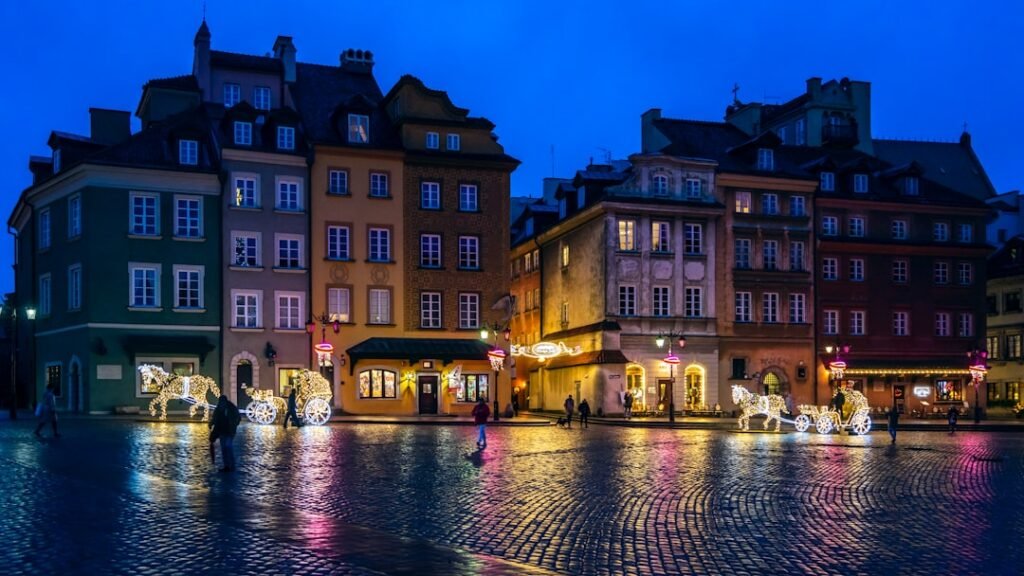
Warsaw, Poland’s capital, is another city that has surprised me with its affordability and vibrant energy. Rebuilt from the ashes of World War II, it’s a testament to human resilience. I find its modern architecture harmoniously coexisting with painstakingly reconstructed historical sites.
- Transportation: Warsaw boasts an excellent public transport system – trams, buses, and a metro – that is both efficient and affordable. I typically purchase a 24-hour ticket for around €4-€5, allowing unlimited travel. It’s a network that’s easy to navigate, reducing the need for expensive taxis.
- Culture: The city offers a plethora of free or low-cost cultural experiences. I often visit the Lazienki Park, a sprawling green oasis home to palaces, an amphitheater, and free Chopin concerts during summer. The numerous museums, such as the Warsaw Uprising Museum (free on certain days) and the POLIN Museum of the History of Polish Jews, offer profound insights for a modest entry fee.
- Nightlife: Warsaw’s nightlife scene, particularly in areas like Praga and around the Vistula River, is buzzing, yet drinks are noticeably cheaper than in Western European capitals. I’ve enjoyed cocktails for €5-€8, a far cry from the €15+ I might pay in London or Paris.
Hungary: The Pearl of the Danube on a Shoestring
Hungary, and particularly its capital Budapest, stands out as another highly affordable European destination. My trips there have always been characterized by striking beauty and surprisingly low expenses, making it an ideal choice for budget-conscious explorers. The Hungarian Forint (HUF) offers favorable exchange rates, translating into more bang for your buck.
Budapest: Thermal Baths and Ruin Bars for Less
Budapest, split by the majestic Danube River, is a city that never ceases to captivate me. Its imperial grandeur is accessible even to those with tight purse strings. I find its blend of historical architecture, vibrant cultural scene, and renowned thermal baths to be incredibly appealing, and all without excessive cost.
- Thermal Baths: No visit to Budapest is complete without experiencing its famous thermal baths. While some, like Szechenyi or Gellért, have entry fees ranging from €20-€30, I find these to be a worthwhile splurge for a unique cultural experience. However, there are smaller, less famous baths that offer a similar experience for a lower price.
- Food and Drink: Eating out in Budapest is exceptionally good value. Traditional Hungarian goulash, lángos (fried dough with various toppings), and chimney cake are not only delicious but also incredibly inexpensive. I frequently enjoy a filling meal at a local eatery for €6-€10. Supermarkets are an even cheaper option for self-catering, keeping my food budget firmly in check.
- Activities: Many of Budapest’s iconic sights, such as the Parliament Building (exterior views), Fisherman’s Bastion, and Chain Bridge, are free to admire. I often choose to walk across the bridges, savoring the panoramic views without spending a cent. Free walking tours are also available, and I find them an excellent way to gain local insights.
Romania: A Journey Through History and Nature for a Pittance
Romania is a country that has repeatedly surprised me with its dramatic landscapes, rich history, and incredibly low costs. It’s a destination that feels like stepping back in time in some regards, offering authentic experiences that are increasingly rare in more developed European nations, all at a fraction of the cost.
Transylvania: Castles and Untamed Beauty on a Budget
My explorations of Transylvania have been nothing short of magical, with ancient castles, medieval towns, and vast forests, all while adhering to a strict budget. It’s a less-trodden path that offers immense rewards for the frugal traveler.
- Accommodation: I consistently find hostels in cities like Brasov and Sibiu for €8-€12 a night. Even charming guesthouses in rural areas offer incredibly affordable private rooms for around €25-€35, often including breakfast.
- Transportation: Intercity travel in Romania, primarily by train or bus, is remarkably cheap. A train journey between major Transylvanian cities might cost €5-€15, depending on the distance. I always check train schedules in advance, as they can sometimes be slow, but the scenic routes offer their own rewards.
- Historical Sites: Entry fees for Dracula’s Castle (Bran Castle) or Peles Castle might be around €10-€15, which I consider a fair price for visiting such iconic landmarks. Many smaller churches and fortifications in medieval towns have much lower entry fees or are free to enter.
- Food: Romanian cuisine is hearty and inexpensive. Traditional dishes like sarmale (cabbage rolls), mici (grilled minced meat rolls), and soups are widely available and incredibly filling. I often enjoy a plentiful meal in a local restaurant for €5-€8.
If you’re looking for budget-friendly travel options in Europe, you might find it interesting to explore the 10 Most Underrated Capitals in Europe. This article highlights hidden gems that not only offer unique experiences but also tend to be more affordable than the usual tourist hotspots. By considering these lesser-known capitals, you can enjoy a rich cultural experience while keeping your travel costs low.
The Balkans: Unveiling Hidden Gems
The Balkan Peninsula, an area often characterized by its tumultuous past, now beckons with stunning natural beauty, ancient history, and an incredibly low cost of living. It’s a region I’ve come to appreciate deeply for its raw authenticity and the opportunities it presents for budget travel.
Bosnia and Herzegovina: A Tapestry of Cultures and Cost-Effectiveness
Bosnia and Herzegovina stands out as a country where diverse cultures converge, leaving behind a rich historical legacy that can be explored without extensive financial drain. My travels through this nation have been incredibly eye-opening, revealing its resilience and beauty.
Sarajevo: Where East Meets West Affordably
Sarajevo, often called the “Jerusalem of Europe,” is a captivating city where minarets and church spires dot the skyline. Its unique cultural blend, poignant history, and affordability make it a prime budget destination in my estimation.
- Accommodation: I can consistently find comfortable hostel beds in Sarajevo for €8-€15. Private rooms in guesthouses are also very reasonably priced, often around €25-€40.
- Food: Bosnian cuisine is delicious and very budget-friendly. Ćevapi (grilled minced meat) and Burek (savory pastry) are staples that can be had for just a few euros. I’ve enjoyed many satisfying meals for €5-€8, including a drink. The coffee culture is also strong, with excellent quality coffee for a minimal price.
- Sights and Sounds: Many of Sarajevo’s historical sites, such as the Baščaršija (Old Bazaar) and the Latin Bridge, are free to explore. The captivating War Childhood Museum has a modest entry fee, offering a profound and moving experience. I find the atmosphere of the city itself to be its greatest attraction, and soaking it in from a café or while wandering the streets costs nothing.
Albania: The Untamed Beauty of the Adriatic on a Budget
Albania, once an enigma behind an iron curtain, has opened its doors to reveal stunning coastlines, rugged mountains, and ancient ruins, all while maintaining an incredibly low cost of travel. It’s a country I find truly exciting for budget adventurers seeking something off the beaten path.
Tirana: A Colorful Capital’s Charms for Cheap
Tirana, Albania’s vibrant capital, has undergone a significant transformation and now boasts a colorful cityscape, lively cafes, and a youthful energy. It’s a fantastic starting point for exploring the country, and remarkably affordable.
- Accommodation: Hostel dorms in Tirana are among the cheapest in Europe, often starting from €6-€10. Even guesthouses and Airbnb private rooms are available for €20-€35, offering incredible value.
- Food: Albanian cuisine is a delightful blend of Balkan, Mediterranean, and Ottoman influences. I find that I can eat very well for very little. Delicious street food like freshly baked byrek or souvlaki can be found for €1-€2. A full restaurant meal with a drink rarely exceeds €10.
- Activities: Many of Tirana’s attractions, such as Skanderbeg Square and the Pyramid of Tirana, are freely accessible. Exploring the Blloku district, once an exclusive area for communist elites, now a hub of cafes and boutiques, is a fascinating walk. The Bunk’Art museums offer a unique insight into Albania’s communist past for a reasonable entry fee.
Albanian Riviera: Coastal Beauty Without the Mediterranean Price Tag
My journey along the Albanian Riviera has been a revelation, offering pristine beaches and turquoise waters comparable to those in Greece or Italy, but at a fraction of the cost. It’s truly a hidden gem for beach lovers traveling on a budget.
- Transportation: Intercity buses along the coast are incredibly affordable, making it easy to hop between charming towns like Saranda, Himara, and Dhermi. I typically budget €5-€10 for longer bus journeys.
- Accommodation: I often find guesthouses and small hotels in seaside towns for €25-€45 per night, even during the shoulder seasons. Camping is also a popular and very cheap option in many areas.
- Beach Access: The best part about the Albanian Riviera is that access to its stunning beaches is almost always free. I can spend my days lounging by the sea, swimming, and exploring coves without incurring any costs beyond my packed lunch and a bottle of water.
The Baltic States: Northern Charm at Southern European Prices

The Baltic States – Estonia, Latvia, and Lithuania – perched on the northeastern edge of Europe, offer a compelling blend of medieval history, stunning natural landscapes, and vibrant cultures. While their geographical position might suggest higher costs, I’ve found them to be surprisingly affordable, especially compared to their Scandinavian neighbors.
Lithuania: Amber Coast and Baroque Architecture on a Budget
Lithuania, the southernmost of the Baltic States, is a country rich in history and natural beauty, from its Baroque capital to its windswept Baltic coastline. My travels there have revealed a welcoming atmosphere and a cost of living that makes it very accessible for budget travelers.
Vilnius: A Baroque Masterpiece for Modest Means
Vilnius, with its sprawling Baroque Old Town (a UNESCO World Heritage site), is a city that has deeply impressed me with its architectural grandeur and laid-back atmosphere. It’s a city where I feel I can immerse myself in history and culture without constantly checking my finances.
- Accommodation: Hostels in Vilnius typically range from €10-€18 per night for a dorm bed. Even private rooms in guesthouses or budget hotels are available for €30-€50, offering excellent value in a capital city.
- Food and Drink: Eating out in Vilnius is delightfully inexpensive. Traditional Lithuanian dishes like cepelinai (potato dumplings) and šaltibarščiai (cold beet soup) are both delicious and very affordable, often costing €5-€8 for a substantial meal. Local beer is also significantly cheaper than in Western Europe.
- Free Activities: Most of Vilnius’s Old Town can be explored on foot for free. I particularly enjoy climbing Gediminas Hill for panoramic views of the city or wandering through the bohemian Republic of Užupis, a self-declared independent republic with its own constitution. Many churches are also free to enter and admire.
Latvia: Art Nouveau and Untouched Nature Affordably
Latvia, situated in the heart of the Baltics, offers a captivating mix of ornate Art Nouveau architecture, vast forests, and a rugged coastline. My experience in Latvia consistently shows it to be a destination where I can experience rich culture and natural beauty without a significant financial outlay.
Riga: Art Nouveau Splendor Without the Splurge
Riga, the capital of Latvia, is renowned for its stunning Art Nouveau architecture, particularly in the city center. Its beautifully preserved Old Town, another UNESCO site, is a joy to explore, and I find that its affordability only enhances the experience.
- Accommodation: Hostel prices in Riga typically fall within the €10-€20 range. Budget hotels and guesthouses offer private rooms for around €35-€55, which is quite reasonable for a European capital.
- Dining: Latvian cuisine is hearty and often features ingredients like potatoes, rye bread, and smoked meats. I can easily find a filling meal in a local eatery for €7-€12. The Central Market, Europe’s largest market, is a fantastic place to buy fresh produce, local delicacies, and enjoy inexpensive street food.
- Cultural Experiences: Many of Riga’s main attractions are free or have modest entrance fees. I enjoy strolling through the Art Nouveau district, admiring the intricate facades, or exploring the vast Riga Central Market. The Museum of the Occupation of Latvia provides a sobering but important historical insight for a small donation.
Iberia’s Frugal Corner: Portugal’s Underrated Value

While Spain often captures the spotlight when it comes to Iberian travel, I have consistently found that Portugal, its neighbor to the west, offers an equally rich cultural experience at a significantly lower cost. It’s a country that feels genuinely welcoming to budget travelers, with its stunning coastlines, historic cities, and delicious, affordable food.
Portugal: Sunshine, Seafood, and Savings
My journeys through Portugal have always been characterized by its stunning natural beauty, welcoming people, and excellent value for money. From its historic cities to its sun-drenched beaches, Portugal consistently delivers an authentic and affordable European experience.
Lisbon: Hills, Tram Rides, and Affordable Pleasures
Lisbon, Portugal’s hilly, coastal capital, is a city that has stolen my heart with its vibrant atmosphere, historic neighborhoods, and captivating Fado music. Crucially, it’s also remarkably affordable compared to other Western European capitals, allowing me to fully immerse myself without financial strain.
- Accommodation: Hostel dorms in Lisbon are typically €15-€25, which, while slightly higher than Eastern European counterparts, is still excellent value for a Western European capital. Budget hotels and guesthouses offer private rooms from €40-€70, especially if booked in advance or during the off-season.
- Food and Drink: Portuguese food is a highlight for me, and it’s incredibly budget-friendly. A “menu do dia” (dish of the day) at a local Tasca (traditional restaurant) often includes a main course, drink, and sometimes dessert or coffee for €8-€12. Pastel de Nata (custard tarts) are a delicious and cheap treat at around €1 each. I also find excellent quality wine for just a few euros a bottle in supermarkets.
- Transportation: Lisbon’s iconic trams and metro system are efficient and affordable. I often purchase a Viva Viagem card and load it with zapping credit, getting me around the city for a fraction of the cost of individual tickets. Walking, though sometimes vertical, is also a free and rewarding way to explore.
- Activities: Many of Lisbon’s most charming activities, like wandering through the Alfama district, admiring the views from various miradouros (viewpoints), or simply enjoying the street art, are completely free. Entry fees for historical sites like the Belém Tower and Jerónimos Monastery are modest, usually €6-€10.
Porto: Wine, Riverside Charm, and Wallet-Friendly Wonders
Porto, famous for its Port wine and picturesque Ribeira district, is another Portuguese gem that consistently proves itself to be an excellent budget destination. Its charming streets and vibrant atmosphere appeal immensely to me, especially knowing that my money goes further here.
- Accommodation: Similar to Lisbon, hostels in Porto are generally in the €15-€25 range. Guesthouses and budget hotels offer private rooms for €35-€60, providing comfortable stays without overspending.
- Food and Drink: Porto cuisine is hearty and delicious. The ubiquitous “francesinha” (a decadent sandwich) is a local specialty that can be a meal in itself for around €10. Fresh seafood and local wines are also surprisingly affordable. I often enjoy a delicious meal with a glass of vinho verde near the Douro River for less than €15.
- Free Exploration: The Ribeira district, a UNESCO World Heritage site, is free to explore on foot, providing stunning views of the Douro River and the Dom Luís I Bridge. I also enjoy simply wandering through the historic streets, soaking in the atmosphere. Many of the Port wine cellars offer tours with tastings for a reasonable price (€10-€20), which is a worthwhile cultural experience.
If you’re looking for affordable travel options in Europe, you might find it interesting to explore the most beautiful cities in the world, which often include hidden gems that won’t break the bank. These cities not only offer stunning architecture and rich history but also budget-friendly accommodations and dining options. For more inspiration on breathtaking destinations, check out this article on the most beautiful cities in the world that could complement your travel plans.
Navigating Budget Travel: My Personal Strategies
| City | Country | Average Daily Cost (Accommodation + Food + Transport) | Popular Attractions | Best Time to Visit |
|---|---|---|---|---|
| Budapest | Hungary | 40 | Thermal Baths, Buda Castle, Parliament Building | April to June, September to October |
| Krakow | Poland | 35 | Wawel Castle, Main Market Square, Auschwitz Museum | May to September |
| Lisbon | Portugal | 45 | Belem Tower, Alfama District, Jeronimos Monastery | March to May, September to October |
| Sofia | Bulgaria | 30 | Alexander Nevsky Cathedral, Vitosha Mountain, Boyana Church | May to September |
| Prague | Czech Republic | 40 | Charles Bridge, Prague Castle, Old Town Square | April to June, September to October |
| Riga | Latvia | 35 | Old Town, Art Nouveau District, Riga Central Market | May to September |
Beyond choosing the right destinations, my ability to travel Europe affordably hinges on a few core strategies that I consistently employ. Think of these as the compass and map for your budget adventure, guiding you away from financial reefs and towards smooth sailing.
Prioritizing Public Transportation and Walking
I always make public transportation my primary mode of getting around, both within cities and for intercity travel. Buses and trains are almost invariably cheaper than taxis or flights within a country (especially when accounting for baggage fees and airport transfers). Within cities, my two feet are my best friends. Walking not only saves money but also offers an unparalleled opportunity to discover hidden gems and truly immerse myself in the local culture. It’s like peeling back the layers of an onion, discovering new facets with every step.
Embracing Local Cuisine and Markets
One of the biggest budget drains can be food, especially if one succumbs to tourist traps. My strategy is to embrace local markets and street food vendors. These are not only significantly cheaper but also offer an authentic taste of the local culture. Dining at local “bar mleczny” in Poland, “tascas” in Portugal, or utilizing self-catering options from supermarkets are my go-to methods. Packing snacks and water bottles for day trips helps avoid overpaying at tourist hotspots.
Accommodation: Hostels, Guesthouses, and Off-Season Travel
Hostels are my bread and butter for accommodation, offering not just a bed but also a social atmosphere and often kitchen facilities. For private rooms, I look for small, locally-run guesthouses or budget-friendly Airbnb options, particularly outside the main tourist centers. Moreover, I plan my trips during the shoulder seasons (spring and autumn) or even the off-season. This not only results in significantly lower prices for flights and accommodation but also fewer crowds, making for a more enjoyable and authentic experience.
Free Activities and Maximizing Value
I diligently research free attractions before I arrive at a destination. Many cities offer free walking tours (operating on a tip basis), allowing me to learn about the city from a local perspective without a fixed cost. Parks, public squares, religious sites (where entry is free or by donation), and simply wandering through historic neighborhoods are all enriching and cost-free activities. I also look for museum free days or discounts. Every euro saved on an activity is a euro I can allocate to an authentic local meal or a unique cultural experience.
In conclusion, my personal experiences have unequivocally shown that Europe is far from an exclusive playground for the wealthy. Through meticulous planning, a willingness to explore beyond the most famous sites, and an embrace of local ways, the continent unveils its myriad wonders to the budget-conscious traveler. These destinations – from the historic streets of Krakow to the sunny shores of Albania – stand as testament to the fact that an enriching European adventure is within reach, requiring only curiosity, strategic planning, and a keen eye for value. The journey doesn’t have to be a debt sentence; it can be an accessible, unforgettable exploration.
FAQs
1. What are some of the cheapest countries to travel to in Europe?
Some of the cheapest countries to travel to in Europe include Bulgaria, Romania, Hungary, Poland, and Portugal. These countries offer affordable accommodation, food, and transportation options for budget travelers.
2. How can I save money on accommodation while traveling in Europe?
To save money on accommodation, consider staying in hostels, budget hotels, or guesthouses. Booking in advance, using platforms like Airbnb, or opting for shared dormitories can also reduce costs significantly.
3. What is the best time of year to visit Europe for budget travel?
The best time for budget travel in Europe is during the shoulder seasons—spring (April to June) and autumn (September to October). During these months, prices for flights and accommodation are generally lower, and popular tourist spots are less crowded.
4. Are public transportation options affordable in Europe?
Yes, public transportation in many European countries is affordable and efficient. Trains, buses, and trams offer cost-effective ways to travel between cities and within urban areas. Purchasing travel passes or discount cards can further reduce expenses.
5. Can I find cheap food options while traveling in Europe?
Absolutely. Many European cities have local markets, street food vendors, and budget-friendly restaurants where you can enjoy traditional meals at low prices. Cooking your own meals using groceries from supermarkets is another way to save money on food.