


My journey through Europe has been a tapestry woven with countless experiences, each thread a distinct color, a unique texture. It’s a continent that doesn’t just beckon; it whispers tales of history, cultures, and landscapes so diverse they can feel like stepping onto different planets within a few hours’ flight. I’ve stood in awe of ancient ruins that still echo with the footsteps of empires, navigated bustling metropolises that pulse with modern innovation, and found solace in quiet villages where time seems to have gracefully slowed. For anyone contemplating their next grand adventure across this magnificent landmass, I offer a curated selection of destinations that have left an indelible mark on my explorer’s heart. These are not just places on a map; they are portals to understanding, to wonder, and to a deeper connection with the world and with oneself.
Italy, for me, has always been a foundational piece of the European puzzle. It’s a country where history isn’t confined to museums but spills out onto the streets, where art is not just admired but is a living, breathing entity. The sheer weight of its cultural heritage is immense, a treasure chest that keeps revealing new wonders with every visit.
Rome: The Eternal City’s Enduring Appeal
Rome is an unparalleled repository of history, a city where layers of time are not just visible but palpable. To wander through the Roman Forum is to walk in the footsteps of emperors and senators, to imagine the roar of the crowds at the Colosseum is to feel the raw power of a bygone era. Every corner turned can reveal an ancient fountain, a Renaissance piazza, or a Baroque church, each a testament to centuries of artistic and architectural prowess. The Vatican City, an independent state within Rome, offers its own unique spiritual and artistic pilgrimage, with St. Peter’s Basilica and the Vatican Museums housing masterpieces that have shaped Western art.
The Echoes of Antiquity
My first encounter with the Pantheon was a moment of quiet reverence. The perfect dome, a feat of engineering that still baffles modern minds, allows a celestial spotlight to pierce the interior, a constant reminder of the ingenuity of Roman builders. The sheer scale of the Colosseum, even in its ruined state, is a stark reminder of the brutal entertainment and engineering marvels of the Roman Empire. It’s a place that demands reflection, a pause to consider the rise and fall of civilizations.
Renaissance Masterpieces and Baroque Grandeur
Beyond the gladiators and emperors, Rome is also a canvas painted with the brushstrokes of the Renaissance and Baroque periods. Piazza Navona, with its magnificent fountains by Bernini, is a vibrant hub of activity, alive with artists and musicians. The Trevi Fountain, a Baroque masterpiece, is a place of tradition and spectacle, where hopeful coins are tossed for a promised return to the Eternal City. And then there’s the Sistine Chapel, a sanctuary of artistic brilliance where Michelangelo’s ceiling and Last Judgment frescoes are a visual symphony that can leave you speechless.
Florence: The Birthplace of the Renaissance
Florence is more than just a city; it’s a living museum, the very crucible where the Renaissance was forged. The Arno River, a gentle artery, flows through its heart, reflecting the ochre hues of the palazzo and the elegant silhouette of the Ponte Vecchio. This is a place where art is woven into the fabric of daily life.
Artistic Titans and Architectural Wonders
The Uffizi Gallery is a pilgrimage for any lover of art, a veritable treasure trove of masterpieces by Botticelli, Leonardo da Vinci, Michelangelo, and Raphael. Standing before Botticelli’s “The Birth of Venus” is an experience that transcends mere observation; it’s an immersion into an ideal of beauty that has captivated humanity for centuries. The Duomo, Brunelleschi’s dome, dominates the skyline, an architectural triumph that symbolized a new era of human achievement and ingenuity. Climbing to the top offers a panoramic vista of the city, a reward for the effort and an unparalleled perspective on its layout and history.
Tuscan Flavors and Artisanal Crafts
Beyond the galleries and palaces, Florence offers a sensory delight of Tuscan cuisine. The scent of freshly baked bread and roasting meats wafts from trattorias, and the taste of Chianti wine is a quintessential experience. The Oltrarno district is home to generations of artisans, their workshops echoing with the sounds of hammer on metal and the whisper of fine leather. These traditions, passed down through families, are as much a part of Florence’s heritage as its artistic masterpieces.
Venice: The Serene City of Canals
Venice, a city built on water, is a place that defies conventional understanding. Its labyrinthine canals and silent gondolas create an atmosphere of ethereal beauty and timeless charm. It’s a city that has found a way to thrive against the tide, a testament to human adaptation and artistic vision.
The Grandeur of St. Mark’s Square
St. Mark’s Square, often referred to as the “drawing-room of Europe,” is a magnificent expanse that serves as the heart of Venice. The Basilica di San Marco, with its shimmering mosaics and Eastern influences, is a testament to Venice’s historical role as a bridge between East and West. The Doge’s Palace, a masterpiece of Gothic architecture, whispers tales of power, intrigue, and the unique governance of the Venetian Republic. Crossing the Bridge of Sighs, even as a modern visitor, evokes the somber journeys of prisoners from the palace to the adjacent jail, a poignant reminder of the city’s multifaceted history.
Navigating the Waterways and Hidden Gems
Exploring Venice by gondola is an iconic experience, a gentle glide through narrow canals that offer perspectives unseen from the bustling piazzas. Each bridge, each small, quiet waterway, reveals a new facet of the city’s character. Venturing beyond the main tourist paths leads to discovery of charming campi (squares) and local bacari (wine bars) where an authentic taste of Venetian life can be found. The islands of Murano and Burano, easily accessible by Vaporetto, offer their own unique allure, with Murano renowned for its glass-blowing traditions and Burano for its brightly colored houses and lacemaking.
If you’re looking for some hidden gems to explore during your travels in Europe, you might find inspiration in a related article that highlights some of the most underrated capitals on the continent. This piece showcases destinations that often fly under the radar but offer unique experiences and rich cultural heritage. To discover these lesser-known spots, check out the article here: 10 Most Underrated Capitals in Europe.
The Enduring Allure of the Iberian Peninsula: Spain and Portugal
The Iberian Peninsula, a sun-drenched expanse at the southwestern edge of Europe, offers a vibrant blend of cultures, a history rich with Moorish influence, and a passion for life that is infectious. My time here has been marked by the warmth of its people, the intensity of its festivals, and the breathtaking diversity of its landscapes, from arid plains to verdant coastlines.
Andalusia, Spain: Flamenco, Moorish Masterpieces, and Sun-Drenched Cities
Andalusia, the southern heartland of Spain, pulses with a rhythm all its own. It’s a region where Moorish architecture, the soulful cry of flamenco, and the bright Mediterranean sun converge to create an unforgettable experience. The scent of orange blossoms often mingles with the aroma of tapas, a sensory tapestry unique to this part of the world.
Seville: The Passionate Heart of Andalusia
Seville, its capital, is a city that breathes passion. The Alcázar of Seville, a royal palace, is a breathtaking example of Mudéjar architecture, a harmonious blend of Moorish and Christian styles that feels like stepping into an Arabian Nights tale. The flamenco shows in Seville are not just performances; they are visceral expressions of emotion, a raw and powerful storytelling tradition that captivated me from the first moment. The towering Giralda, once a minaret, now a bell tower, offers panoramic views of the city, a constant reminder of its layered history.
Granada: The Alhambra’s Enchantment
Granada is, for many, synonymous with the Alhambra. This magnificent palace and fortress complex, perched atop a hill overlooking the city, is a peerless testament to Islamic artistry and architecture. Wandering through its courtyards, admiring the intricate carvings and tranquil water features, is to enter a realm of unparalleled beauty and serenity. The Generalife, the summer palace with its stunning gardens, offers a peaceful escape, a place of quiet contemplation amidst breathtaking natural beauty.
Córdoba: A Testament to Tolerance and Architectural Fusion
Córdoba’s Mezquita-Cathedral is a singular architectural marvel, a sprawling mosque whose forest of arches and columns seamlessly integrates a Catholic cathedral. This structure is a powerful symbol of the city’s historically diverse population and the cultural exchange that once flourished here. The Jewish Quarter, with its narrow, winding streets and charming patios, offers a glimpse into another significant chapter of Córdoba’s past.
Lisbon, Portugal: Fado, Hills, and Coastal Charm
Lisbon, perched on seven hills overlooking the Tagus River, is a city imbued with a melancholic charm and an irrepressible spirit. The mournful strains of Fado music, the iconic yellow trams rumbling up steep inclines, and the scent of grilled sardines on the air create a uniquely captivating atmosphere.
Alfama: The Soulful Heartbeat of the City
The Alfama district, Lisbon’s oldest, is a warren of narrow, cobblestone streets that tumble down towards the river. It’s here that the true spirit of Fado resides, in the intimate taverns where singers pour their hearts out with every note. Getting lost in Alfama is not a mistake; it’s an opportunity to discover hidden courtyards, local bakeries, and breathtaking viewpoints offering sweeping vistas of the terracotta rooftops and the shimmering river.
Belém: Monuments to Exploration and Sweet Delights
The district of Belém stands as a monumental tribute to Portugal’s Age of Discovery. The Jerónimos Monastery, a UNESCO World Heritage site and a masterpiece of Manueline architecture, is an awe-inspiring structure adorned with intricate maritime motifs. Nearby, the Belém Tower, a fortified lighthouse, stands as an iconic symbol of Portugal’s seafaring past. And no visit to Belém is complete without indulging in the Pasteis de Nata, the city’s famous custard tarts, a delightfully sweet conclusion to any exploration.
Vestiges of Empires and Artistic Flourishing: Greece

Greece, the birthplace of democracy, philosophy, and Western civilization, offers a journey back in time, a chance to connect with the foundations of our modern world. Its ancient ruins stand stoic against the passage of millennia, while its islands offer havens of breathtaking beauty and relaxed island life.
Athens: The Enduring Legacy of the Acropolis
Athens is a city where the ancient and the modern coexist, where the spirit of antiquity pervades the bustling streets. The Acropolis, a rocky citadel overlooking the city, is a potent symbol of human achievement and a tangible link to the golden age of Athens.
The Acropolis: A Beacon of Classical Civilization
Standing before the Parthenon, even in its ruined state, is a humbling experience. This magnificent temple dedicated to the goddess Athena is a testament to the architectural genius and artistic sophistication of ancient Greece. The Erechtheion, with its famous Caryatids, and the Propylaea, the monumental gateway, all contribute to the overwhelming sense of history and grandeur. The Acropolis Museum, situated at the foot of the hill, provides invaluable context and houses many of the original artifacts, allowing for a deeper understanding of the site’s significance.
The Ancient Agora and Roman Footprints
Beyond the Acropolis, the Ancient Agora, the heart of public life in ancient Athens, invites exploration. Here, one can imagine Socrates debating and citizens gathering. The nearby Roman Agora and Hadrian’s Library offer further glimpses into the city’s evolution, showcasing the influence of Roman rule and culture. Walking through these ruins is like flipping through the pages of a history book, with each stone and column telling a story.
The Greek Islands: Aphrodite’s Scattered Gems
The Greek Islands are not merely destinations; they are archetypes of paradise, each with its own distinct character and charm. From the iconic white-washed villages of the Cyclades to the lush landscapes of the Ionian Sea, they offer a diverse range of experiences.
Santorini: Volcanic Beauty and Aegean Dreams
Santorini, with its dramatic caldera sculpted by a volcanic eruption, offers some of the most iconic views in the world. The villages of Oia and Fira, clinging to the cliffsides, boast striking white architecture set against the deep blue of the Aegean Sea. Sunsets here are legendary, painting the sky in hues of orange, pink, and purple, a truly unforgettable spectacle.
Crete: A Tapestry of Ancient Myths and Diverse Landscapes
Crete, the largest of the Greek islands, is a land of diverse landscapes and a rich history that stretches back to the Minoan civilization. The Palace of Knossos, a sprawling archaeological site, is thought to be the legendary labyrinth of King Minos. Beyond its historical significance, Crete offers rugged mountains, fertile valleys, and beautiful beaches, making it a diverse and rewarding destination for exploration.
The Artistic Heart of Europe: France
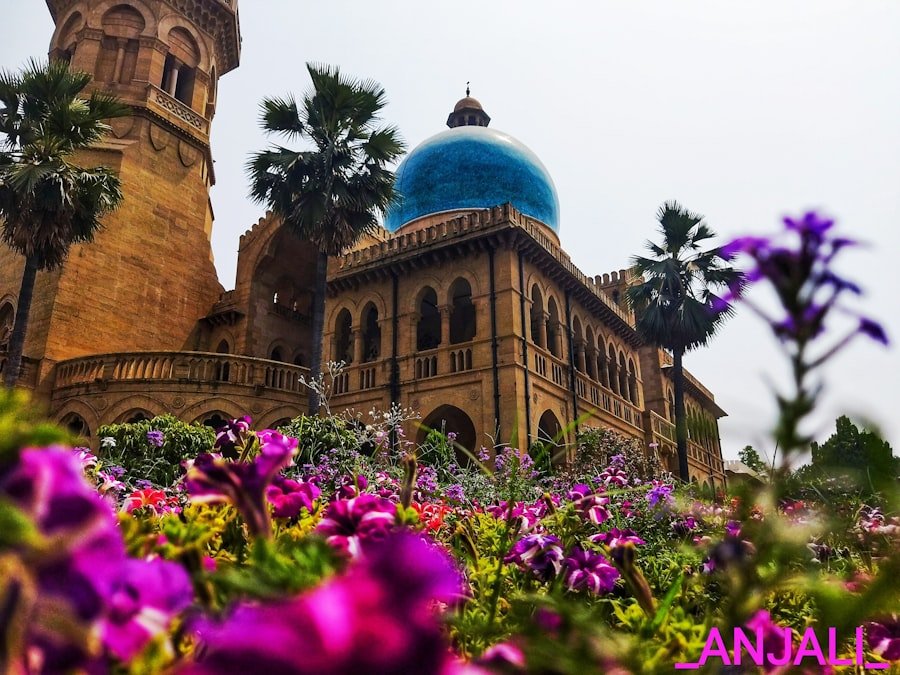
France, for me, has always been a symphony of culture, art, and gastronomy. It’s a country that champions elegance, intellectualism, and a profound appreciation for beauty in all its forms, from the grandest of museums to the humblest of bakeries.
Paris: The City of Light’s Timeless Allure
Paris is more than just a city; it’s an experience, an embrace of art, history, fashion, and cuisine. Its iconic landmarks are etched into the global consciousness, but it’s the subtle details, the charming quartiers, and the everyday rituals that truly capture the soul of the city.
The Louvre and Beyond: Artistic Treasures
The Louvre Museum is an institution that requires multiple visits to even scratch the surface of its vast collection. Home to the Mona Lisa, the Venus de Milo, and countless other masterpieces, it’s a sanctuary for art lovers. But Paris’s artistic offerings extend far beyond the Louvre. The Musée d’Orsay, housed in a former Beaux-Arts railway station, showcases an unparalleled collection of Impressionist and Post-Impressionist art. The Rodin Museum, with its beautiful sculpture garden, offers a serene encounter with the works of Auguste Rodin, including “The Thinker.”
Iconic Landmarks and Charming Neighborhoods
The Eiffel Tower, a symbol of Paris recognized worldwide, offers breathtaking views of the city. Montmartre, with its bohemian past and the Sacré-Cœur Basilica, provides a more intimate glimpse into Parisian life, with its winding streets, artist studios, and charming cafés. The Latin Quarter, known for its intellectual history and vibrant student life, offers a more youthful and dynamic energy. A leisurely stroll along the Seine, perhaps pausing to browse the booksellers’ stalls, is an essential Parisian ritual.
The Loire Valley: Castles Fit for Royalty
The Loire Valley, south of Paris, is a verdant region dotted with magnificent châteaux, remnants of a history steeped in royal intrigue and aristocratic grandeur. These castles, each with its own unique architectural style and story, are like jewels scattered across the landscape.
Château de Chambord: A Renaissance Masterpiece
Château de Chambord, the largest of the Loire Valley châteaux, is an imposing structure that exemplifies French Renaissance architecture. Its distinctive double-helix staircase, possibly designed by Leonardo da Vinci, is a marvel of engineering and design. The sheer scale of the château and its surrounding forest estate are awe-inspiring.
Château de Chenonceau: The Ladies’ Château
Château de Chenonceau, gracefully spanning the River Cher, is often referred to as the “Ladies’ Château” due to the influence of prominent women in its history. Its elegant architecture and its unusual setting over the water create a romantic and picturesque ambiance. The gardens, meticulously maintained, add to the château’s serene beauty.
If you’re looking for inspiration on good places to visit in Europe, you might find it interesting to explore scenic routes that offer breathtaking views and unique experiences. One such journey is highlighted in a recent article about a stunning road trip from Montreal to Quebec City, which showcases the beauty of the landscapes along the way. To read more about this captivating drive, check out the article here. Whether you’re planning a trip to Europe or just dreaming of your next adventure, the charm of scenic routes can provide a wonderful backdrop for your travels.
A Tapestry of Traditions: Germany and Austria
| City | Country | Top Attractions | Best Time to Visit | Average Temperature (°C) | Popularity (Visitors per Year) |
|---|---|---|---|---|---|
| Paris | France | Eiffel Tower, Louvre Museum, Notre-Dame | April to June, September to November | 12-20 | 30 million |
| Rome | Italy | Colosseum, Vatican City, Trevi Fountain | April to June, September to October | 15-25 | 25 million |
| Barcelona | Spain | Sagrada Familia, Park Güell, La Rambla | May to June, September to October | 16-24 | 20 million |
| Amsterdam | Netherlands | Canal Cruises, Van Gogh Museum, Anne Frank House | April to May, September to November | 10-18 | 19 million |
| Prague | Czech Republic | Charles Bridge, Prague Castle, Old Town Square | May to September | 14-22 | 8 million |
Germany and Austria, at the heart of Europe, offer a rich blend of history, imperial grandeur, and a deep appreciation for classical music and hearty traditions. My explorations here have been marked by grand imperial cities, picturesque alpine landscapes, and a rich culinary heritage.
Berlin: A City Forged in History, Reborn
Berlin is a city that wears its history on its sleeve, a place of immense resilience and dynamic transformation. From its imperial past to its divided present and its vibrant, modern evolution, Berlin is a captivating case study in history and human spirit.
Traces of the Past: The Brandenburg Gate and the Reichstag
The Brandenburg Gate stands as an enduring symbol of both division and reunification. Walking through it evokes a powerful sense of historical transition. The Reichstag building, with its modern glass dome offering panoramic views, is a powerful reminder of Germany’s democratic journey. Exploring remnants of the Berlin Wall, though sparse, serves as a stark and necessary reminder of the city’s recent past.
Museums and Modern Art Scenes
Berlin boasts a world-class museum landscape, particularly on Museum Island, a UNESCO World Heritage site housing five prominent museums. The Pergamon Museum, with its monumental reconstructions, and the Neues Museum, home to the bust of Nefertiti, are highlights. Beyond the classical, Berlin’s contemporary art scene is thriving, with numerous galleries and street art tours showcasing the city’s creative pulse.
Vienna: Imperial Elegance and Musical Grandeur
Vienna, the former imperial capital of the Austro-Hungarian Empire, exudes an air of regal elegance and a profound connection to classical music. Its opulent palaces, grand boulevards, and rich café culture create an unforgettable atmosphere.
Palaces of Power: Schönbrunn and the Hofburg
Schönbrunn Palace, the former imperial summer residence, is a magnificent Baroque masterpiece set amidst sprawling gardens. Exploring its lavish rooms and walking through the Gloriette offers a glimpse into the lives of the Habsburg emperors. The Hofburg Palace, the former principal imperial palace in the center of Vienna, now houses various museums and the Spanish Riding School, where the famous Lipizzaner stallions perform.
A Capital of Music: The Vienna State Opera and Mozart’s Legacy
Vienna is synonymous with classical music, and experiencing a performance at the Vienna State Opera is a quintessential Viennese experience. The city is also deeply intertwined with the legacy of composers like Mozart, Haydn, and Beethoven. Visiting their former residences and exploring the Zentralfriedhof (Central Cemetery), where many of them are buried, offers a profound connection to musical history. The ubiquitous coffee houses, like Café Central or Café Sacher, are institutions in themselves, offering not only delectable pastries and coffee but also a chance to soak in the city’s timeless ambiance.
My explorations across Europe have been a continuous unfolding, a process of discovery that continues to reward with every journey. This continent, a mosaic of cultures and histories, offers an endless array of experiences, each capable of enriching the traveler’s perspective. Whether you seek ancient wonders, artistic masterpieces, vibrant city life, or serene natural beauty, Europe stands ready to welcome you with open arms, its myriad destinations waiting to become the next chapter in your own grand adventure.
FAQs
What are some popular cities to visit in Europe?
Some popular cities to visit in Europe include Paris, Rome, Barcelona, Amsterdam, and Prague. Each city offers unique cultural experiences, historic landmarks, and vibrant local life.
Which European countries are known for their natural beauty?
Countries like Switzerland, Norway, Scotland, and Austria are renowned for their stunning natural landscapes, including mountains, fjords, lakes, and scenic hiking trails.
What is the best time of year to travel to Europe?
The best time to visit Europe generally depends on the region and activities planned, but late spring (May and June) and early autumn (September and October) are popular for pleasant weather and fewer tourists.
Are there budget-friendly destinations in Europe?
Yes, countries such as Portugal, Hungary, Poland, and the Czech Republic offer affordable accommodation, food, and attractions, making them great options for budget travelers.
What are some must-see historical sites in Europe?
Must-see historical sites include the Colosseum in Rome, the Acropolis in Athens, the Palace of Versailles in France, the Tower of London, and the Alhambra in Spain. These sites showcase Europe’s rich history and architectural heritage.