
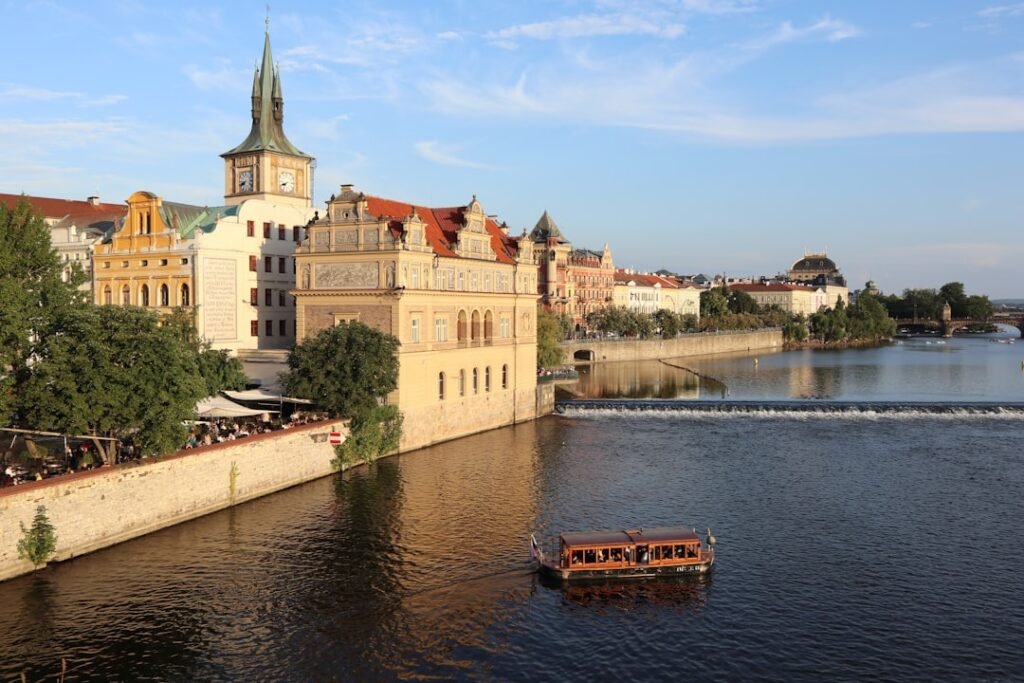

My fascination with European geography has been a lifelong pursuit, fueled by countless hours spent poring over maps and travel guides. Having traversed a substantial portion of the continent over the years, I’ve cultivated a deep appreciation for its multifaceted landscapes, rich historical tapestries, and diverse cultural expressions. This article, therefore, represents a distillation of my experiences and meticulous research, presenting a factual overview of some of Europe’s most compelling travel destinations. I aim to provide you, the discerning traveler, with an insightful compass for your own exploratory journeys.
My journey through the Iberian Peninsula has been one of constant revelation. These two nations, often viewed as a singular entity by the less informed, are in fact distinct universes, each offering a unique gravitational pull.
Spain: A Kaleidoscope of Cultures and Landscapes
My personal reflections on Spain invariably conjure a vibrant mosaic composed of historical grandeur, artistic brilliance, and a remarkable diversity of natural environments. To truly grasp Spain’s essence is to understand its regionalism, a characteristic born from millennia of distinct civilizations shaping its very fabric.
Andalusia: The Moorish Legacy and Flamenco’s Soul
My initial encounter with Andalusia was a profound immersion into a world where Islamic artistry and Christian fervor coalesce. The Alhambra in Granada, a palace and fortress complex, stands as an architectural zenith, its intricate stucco work and serene courtyards whispering tales of sultans and poets. I found myself perpetually drawn to the Patio de los Leones, its central fountain a timeless symbol of power and tranquility. Similarly, the Mezquita-Cathedral of Córdoba, once a grand mosque and now a cathedral, embodies this historical layering. Its forest of horseshoe arches, carved from marble and jasper, creates an ethereal atmosphere that transcends religious boundaries. Sevilla, with its Giralda bell tower and the Alcázar’s opulent gardens, further cemented my understanding of Andalusia’s unique identity. The visceral power of flamenco, which I witnessed in a small, intimate venue, solidified its reputation as a raw, emotional art form, a direct descendent of Romani traditions and Moorish influences.
Catalonia: Modernism, Mountains, and Mediterranean Shores
Moving northeastward, I discovered Catalonia, a region distinct in its language, culture, and aspirations. Barcelona, its capital, is an architectural laboratory, dominated by the visionary Antoni Gaudí. My hours spent inside the Sagrada Família, his unfinished masterpiece, were a testament to the boundless human imagination. The light filtering through its stained-glass windows paints shifting palettes on the intricate stone, a truly transcendent experience. Park Güell, another Gaudí creation, offers panoramic city views punctuated by whimsical, organic forms. Beyond the urban sprawl, the Montserrat mountain range, with its jagged peaks and the Benedictine monastery clinging to its cliffs, provides a spiritual and natural refuge. My excursions to the Costa Brava revealed a rugged coastline dotted with picturesque coves, a perfect counterpoint to the cultural intensity of the cities.
Madrid: The Royal Pulse and Artistic Treasures
My experiences in Madrid have consistently reaffirmed its status as the beating heart of Spain. As the capital, it serves as a central repository for the nation’s artistic and political heritage. The Prado Museum, housing an unparalleled collection of European art, including masterpieces by Goya, Velázquez, and El Greco, demands multiple visits for thorough appreciation. I always allocate significant time to Goya’s “Black Paintings,” their somber intensity a powerful reflection on humanity. The Royal Palace, a testament to Bourbon grandeur, allows for a glimpse into Spain’s monarchical past, its opulent chambers and vast courtyards a stark reminder of historical power. The Retiro Park offers a verdant escape, its boating lake and crystal palace providing a serene contrast to the city’s urban energy.
Portugal: Navigating the Edge of the Continent
My exploration of Portugal revealed a nation rich in maritime history, melancholic Fado music, and breathtaking coastal landscapes. Its geographical position, facing the Atlantic, has indelibly shaped its identity.
Lisbon: Hills, History, and Haunting Melodies
Lisbon, a city built on seven hills, has an undeniable charm that I found both captivating and slightly disorienting. Its narrow, winding streets, navigable by historic trams, lead to unexpected plazas and viewpoints. The Belém Tower and the Jerónimos Monastery, both UNESCO World Heritage sites, stand as enduring monuments to Portugal’s Age of Discoveries, their Manueline architectural style a testament to the nation’s pioneering spirit. My evenings spent listening to Fado in the Alfama district were particularly poignant. The mournful, soulful melodies resonated deeply, echoing centuries of saudade, a unique Portuguese term describing a profound, often melancholy, longing. The panoramic views from São Jorge Castle provided an overarching perspective of the city’s terracotta roofs and the shimmering Tagus River.
Porto: Wine, Bridges, and an Ancient Soul
My journey north led me to Porto, a city characterized by its dramatic riverside setting, iconic bridges, and, of course, its eponymous port wine. The Ribeira district, a UNESCO World Heritage site, with its colorful, tightly packed houses, evokes a sense of timelessness. I found the experience of crossing the Dom Luís I Bridge, a double-deck metal arch bridge, particularly exhilarating, offering stunning vistas of the Douro River and the city’s ancient contours. My visits to the port wine cellars in Vila Nova de Gaia, on the opposite bank of the Douro, were both educational and enjoyable, providing insights into the nuanced production of this fortified wine. The Livraria Lello, a magnificent neo-Gothic bookstore, its spiral staircase an artistic masterpiece, often draws comparisons to literary fantasy, further enriching Porto’s cultural tapestry.
If you’re looking to explore captivating travel destinations in Europe, you might find inspiration in the article about San Francisco’s top tourist attractions. This guide highlights the must-see spots in the iconic city, which can serve as a great contrast to the rich history and culture found across various European cities. To learn more about what San Francisco has to offer, check out the article here: San Francisco Top Tourist Attractions Guide.
Italy: A Symphony of Art, History, and Gastronomy
My expeditions through Italy have consistently affirmed its status as an unparalleled repository of cultural heritage. From ancient ruins to Renaissance masterpieces, every corner of this boot-shaped peninsula resonates with history and artistry.
Rome: The Eternal City’s Grandeur
My time in Rome has always felt like stepping into an open-air museum. The sheer concentration of millennia of history is simply astounding.
Ancient Rome: Echoes of an Empire
I remember my first awe-struck encounter with the Colosseum. Its colossal dimensions and the gladiatorial spectacles it once hosted are almost beyond human comprehension. Wandering through the Roman Forum, I felt a palpable connection to the architects of empire, walking the same roads as emperors, senators, and citizens. The Pantheon, a marvel of ancient engineering, with its unreinforced concrete dome and central oculus, remains a testament to Roman ingenuity, its perfect proportions defying time. My explorations of the Palatine Hill offered a panoramic vantage point over these ancient ruins, allowing me to visualize the sprawling city that once commanded the known world.
Vatican City: The Heart of Catholicism and Artistic Zenith
Within Rome’s embrace lies Vatican City, an independent city-state and the spiritual epicenter of the Catholic Church. My visits to St. Peter’s Basilica, its monumental scale and artistic treasures (such as Michelangelo’s Pietà) leaving an indelible impression, were always profound. The Vatican Museums, culminating in the Sistine Chapel, presented an artistic journey of staggering proportions. Michelangelo’s ceiling frescoes, particularly “The Creation of Adam,” are not merely paintings but narratives etched into the very fabric of human consciousness. I dedicated substantial time to absorbing every detail, a testament to the immersive power of these masterpieces.
Florence and Tuscany: Renaissance Splendor and Rolling Hills
My experience in Tuscany has always been synonymous with beauty, both man-made and natural. Florence, its capital, is a city born of the Renaissance, its streets a living testament to an era of unparalleled artistic and intellectual ferment.
Florence: The Cradle of the Renaissance
My explorations of Florence centered around its artistic treasures. The Uffizi Gallery, housing masterpieces by Botticelli, Leonardo da Vinci, and Michelangelo, demanded multiple visits. I recall lingering before Botticelli’s “The Birth of Venus,” its ethereal beauty a vision of classical idealism. Brunelleschi’s Dome of the Duomo, an engineering marvel of its time, still dominates the city skyline and offers breathtaking panoramic views. Standing within the Piazza della Signoria, contemplating Michelangelo’s David (a replica, with the original housed in the Accademia Gallery), I felt an invigorating connection to the forces that shaped Western art.
Tuscan Countryside: Vineyards and Hilltop Towns
Venturing beyond Florence into the heart of Tuscany, I discovered a landscape of unparalleled serenity. Rolling hills blanketed in vineyards and olive groves, punctuated by picturesque hilltop towns, provided a stark yet harmonious contrast to the urban intensity of Florence. My visits to Siena, with its uniquely shells-shaped Piazza del Campo, and San Gimignano, with its medieval towers, offered glimpses into a different historical rhythm, one governed by agriculture and local traditions. The slow pace of life, coupled with the region’s renowned culinary traditions and wines, made for deeply enriching experiences.
France: Elegance, Artistry, and Diverse Landscapes
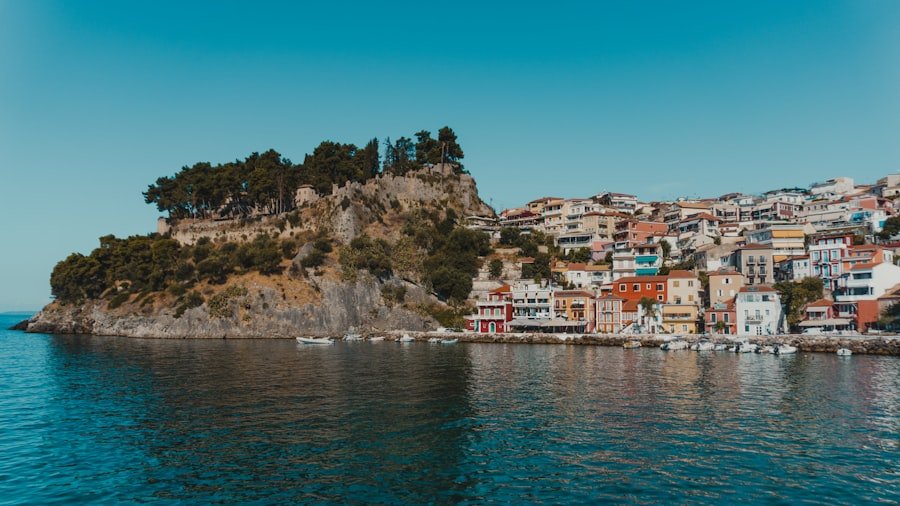
My travels through France have always been characterized by its inherent elegance, its unparalleled artistic heritage, and its remarkable geographical diversity, ranging from sun-drenched Mediterranean coasts to snow-capped Alps.
Paris: The City of Light
My relationship with Paris has been one of enduring admiration. It is a city that consistently delivers on its reputation for romance, culture, and architectural splendor.
Iconic Landmarks and Artistic Havens
My first glimpse of the Eiffel Tower, soaring majestically over the city, was a moment of pure distilled wonder. Ascending to its summit, the panoramic view of Paris spread out beneath me, a tapestry of boulevards and historic buildings, has become a cherished memory. The Louvre Museum, a former royal palace now home to an encyclopedic collection of art, demands days, perhaps even weeks, to fully appreciate. I recall my fascination with the Mona Lisa, its enigmatic smile drawing me in, as well as the sheer scale of the Winged Victory of Samothrace. Notre Dame Cathedral, despite the tragic fire, continues to stand as a testament to Gothic architectural brilliance, its enduring silhouette a symbol of Parisian resilience. My wanderings through Montmartre, with its bohemian past and the Sacré-Cœur Basilica offering sublime city views, always felt like stepping into an Impressionist painting.
Gastronomy and Parisian Life
My experiences in Paris have always been intrinsically linked to its culinary scene. From a simple croissant and coffee at a corner café to a multi-course gastronomic experience, Parisian food is an art form. The city’s numerous marchés (markets) offer a vibrant glimpse into daily life, their stalls laden with fresh produce, cheeses, and charcuterie. I particularly enjoy observing the nuanced social rituals of Parisian cafés, where conversation and contemplation flow as freely as the coffee.
Southern France: Lavender Fields and Azure Coasts
My excursions to the south of France have revealed a vastly different facet of the country, one defined by the sun, the sea, and a slower pace of life.
Provence: Perfumed Landscapes and Roman Echoes
Provence, with its iconic lavender fields blooming in summer, has consistently charmed me with its rustic beauty. The region’s connection to ancient Rome is evident in its well-preserved historical sites. I found the Pont du Gard, an ancient Roman aqueduct, to be a breathtaking feat of engineering, its arches spanning the Gardon River with incredible grace. The Roman amphitheater in Arles, still used for events today, speaks to the enduring legacy of classical civilization. The vibrant markets of Aix-en-Provence and Avignon, offering local produce, crafts, and the heady scents of herbs de Provence, provided an authentic taste of Provençal life.
French Riviera: Glitz, Glamour, and Azure Waters
My visits to the French Riviera, or Côte d’Azur, invariably evoke images of sun-drenched beaches, opulent yachts, and a distinctive sense of glamour. Nice, with its Promenade des Anglais and vibrant Old Town, offered a perfect blend of relaxation and cultural exploration. Monaco, a sovereign city-state known for its casinos and grand prix, presented a microcosm of luxury and extravagance. Cannes, famous for its film festival, exuded a sophisticated charm. While perhaps not my usual retreat, the sheer beauty of the coastline, with its azure waters and dramatic cliffs, is undeniable.
Germany and Austria: Alpine Majesty and Cultural Depth
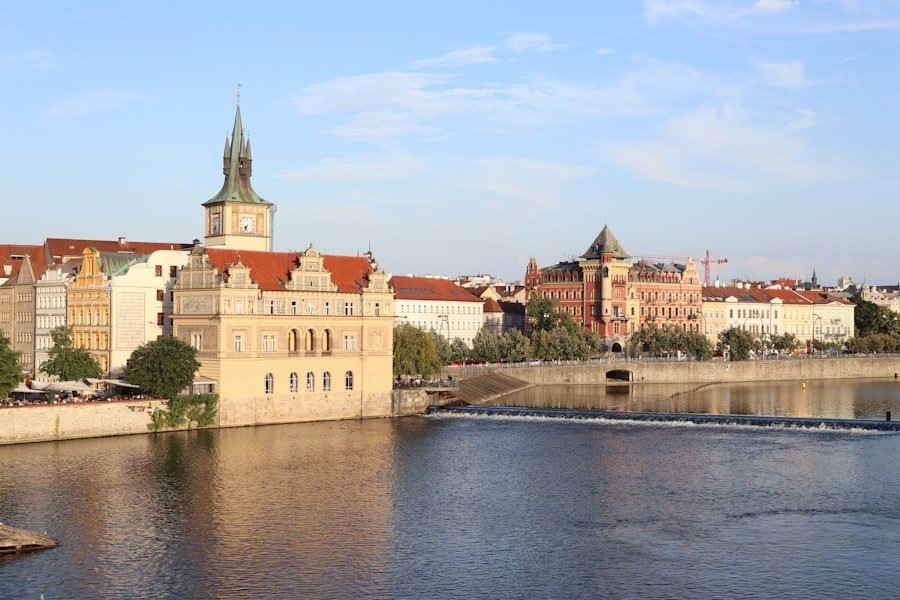
My explorations of Germany and Austria have consistently illuminated a fascinating interplay between majestic natural landscapes and profound cultural and intellectual legacies. These two nations, often intertwined historically, offer unique yet complementary travel experiences.
Germany: Castles, Innovation, and Verdant Forests
My encounters with Germany have revealed a nation of remarkable contrasts, from medieval fairytale castles to cutting-edge technological advancements, all nestled within diverse geographical settings.
Bavaria: Fairytale Castles and Alpine Splendor
My memories of Bavaria are dominated by its iconic castles and the grandeur of the Alps. Neuschwanstein Castle, Ludwig II’s fantastical creation, appears as if plucked from a storybook, its turrets and spires piercing the Bavarian sky. Despite its relatively recent construction, its romanticized medieval aesthetic is undeniably captivating. My ascent into the Bavarian Alps provided unparalleled vistas, clean air, and opportunities for hiking. The charming town of Garmisch-Partenkirchen, nestled amidst these peaks, served as an excellent base for exploring Zugspitze, Germany’s highest mountain. The Oktoberfest in Munich, while a colossal celebration of beer and Bavarian culture, is also a demonstration of meticulous organization and deep-seated tradition.
Berlin: A City Reborn, Rich in History
My visits to Berlin have always been characterized by a profound sense of historical weight and simultaneous renewal. The Brandenburg Gate stands as a potent symbol of German reunification and resilience. The remnants of the Berlin Wall, particularly the East Side Gallery, serve as a poignant reminder of the city’s divided past, its segments transformed into an open-air art gallery carrying messages of hope and freedom. My solemn reflection at the Memorial to the Murdered Jews of Europe emphasized the profound lessons of history that Berlin so openly confronts. The Reichstag Building, with its modern glass dome offering panoramic views, provides a contemporary counterpoint, symbolizing transparency and democracy. Berlin’s vibrant arts scene, eclectic neighborhoods, and innovative spirit mark it as a city continually reinventing itself.
Austria: Imperial Grandeur and Alpine Harmonies
My experiences in Austria have consistently highlighted its imperial past, embodied in its architectural splendor, and its deep connection to classical music, all set against the backdrop of breathtaking alpine scenery.
Vienna: Imperial Elegance and Musical Heritage
My time in Vienna has always felt like a waltz through history. The Schönbrunn Palace, the former imperial summer residence, with its opulent rooms and vast gardens, speaks to centuries of Habsburg rule. I dedicated hours to exploring its grounds, particularly the Gloriette, which offers a commanding view of the palace and the city beyond. The Hofburg Palace, the imperial winter residence, encapsulates the essence of Austrian grandeur, its numerous museums providing insight into imperial life. My visits to Vienna have always included an appreciation for its unparalleled musical legacy. Attending a classical concert, even a small chamber performance, in one of its historic venues, felt like a direct connection to the spirits of Mozart, Beethoven, and Strauss, who once walked these very streets.
Salzburg: Mozart’s Birthplace and Alpine Charms
My journey westward to Salzburg offered a delightful contrast to Vienna’s imperial scale. This charming city, nestled within the foothills of the Alps, is indelibly linked to Wolfgang Amadeus Mozart. My visit to his birthplace and residence provided a fascinating glimpse into his early life and musical development. The Hohensalzburg Fortress, perched high above the city, offered not only imposing medieval architecture but also breathtaking panoramic views of the surrounding mountains and the Salzach River. The whimsical trick fountains at Hellbrunn Palace provided a lighthearted, historical amusement. The Salzkammergut region, just beyond Salzburg, with its glittering lakes and picturesque villages, offered a tranquil escape into Austria’s natural beauty, reminiscent of a scenic painting.
If you’re looking for unique European travel destinations that offer a blend of history and culture, you might find inspiration in the fascinating article about the world’s greatest man-made wonders. Exploring these iconic sites can enhance your journey and provide a deeper understanding of the places you visit. For more insights, check out this intriguing piece on the 50 greatest man-made wonders that showcases remarkable achievements across the globe.
Conclusion: A Continent of Endless Discovery
| Destination | Country | Annual Visitors (Millions) | Top Attractions | Average Stay (Days) | Best Travel Season |
|---|---|---|---|---|---|
| Paris | France | 38 | Eiffel Tower, Louvre Museum, Notre-Dame | 3 | Spring, Fall |
| Rome | Italy | 27 | Colosseum, Vatican City, Trevi Fountain | 3 | Spring, Fall |
| Barcelona | Spain | 20 | Sagrada Familia, Park Güell, La Rambla | 2.5 | Spring, Summer |
| Amsterdam | Netherlands | 19 | Canals, Van Gogh Museum, Anne Frank House | 2 | Spring |
| London | United Kingdom | 30 | British Museum, Tower of London, Buckingham Palace | 3 | Summer |
| Prague | Czech Republic | 9 | Charles Bridge, Prague Castle, Old Town Square | 2.5 | Spring, Fall |
| Vienna | Austria | 7 | Schönbrunn Palace, St. Stephen’s Cathedral, Belvedere | 2 | Spring, Fall |
My personal voyages across Europe have been, without exception, journeys of profound discovery. Each destination, much like a carefully cut gemstone, reveals new facets upon closer examination. The continent is not a monolithic entity but a vibrant tapestry woven from countless threads of history, culture, and natural beauty. From the ancient echoes of Rome to the Renaissance brilliance of Florence, the artistic ferment of Paris to the imperial grandeur of Vienna, and the sun-drenched coasts of Portugal to the snow-capped peaks of Bavaria, Europe offers an almost inexhaustible array of experiences.
I have attempted to distil my observations and research into a factual framework, providing you, the prospective traveler, with a foundation for your own explorations. Understanding these destinations not merely as points on a map, but as complex ecosystems of human endeavor and natural splendor, allows for a richer, more meaningful engagement. Consider this article not as a definitive endpoint, but as a prologue to your own unfolding narrative of European discovery. The sheer depth and breadth of European culture, history, and natural beauty ensure that every return visit is a fresh revelation, a new chapter in an ongoing story of exploration. The continent beckons, its various treasures awaiting your personal appreciation.
FAQs
What are some popular European travel destinations?
Popular European travel destinations include cities like Paris, Rome, Barcelona, Amsterdam, and London, as well as regions such as the French Riviera, the Amalfi Coast in Italy, and the Greek Islands.
When is the best time to visit Europe?
The best time to visit Europe depends on the region and your preferences. Generally, late spring (May and June) and early autumn (September and October) offer pleasant weather and fewer crowds. Summer is popular but can be crowded and more expensive.
Do I need a visa to travel to Europe?
Visa requirements vary depending on your nationality and the countries you plan to visit. Many travelers from the US, Canada, Australia, and other countries can enter the Schengen Area visa-free for short stays up to 90 days. Always check the specific entry requirements before traveling.
What are some must-try foods when traveling in Europe?
European cuisine varies widely by country. Must-try foods include French pastries and cheese, Italian pasta and gelato, Spanish tapas, German sausages and beer, and Belgian chocolates and waffles.
How can I travel between European countries?
Europe has an extensive and efficient transportation network. Popular options include high-speed trains, budget airlines, buses, and car rentals. The Schengen Area allows for easy border crossing without passport checks between many countries.