
I aim to guide you through some of Europe’s most economically viable travel destinations. As a seasoned traveler, I’ve observed that the continent, despite its reputation for being expensive, harbors numerous regions where a well-planned budget can unlock rich experiences. My focus here is to present a comprehensive analysis, drawing on personal observations and readily available data, to illustrate how you can navigate Europe without depleting your financial reserves. Consider this not a mere list, but a navigational chart for the budget-conscious explorer, where each destination is a port of call offering unique cultural and historical freight.
Eastern Europe, often overlooked in favor of its Western counterparts, presents a compelling case for affordability. My experiences here have consistently demonstrated that one can enjoy a high quality of travel, from accommodation to cuisine, at a fraction of the cost found in Paris or Rome. This region, a tapestry of diverse cultures and histories, offers a refreshing perspective, often untouched by the mass tourism that defines some Western European cities.
Krakow, Poland
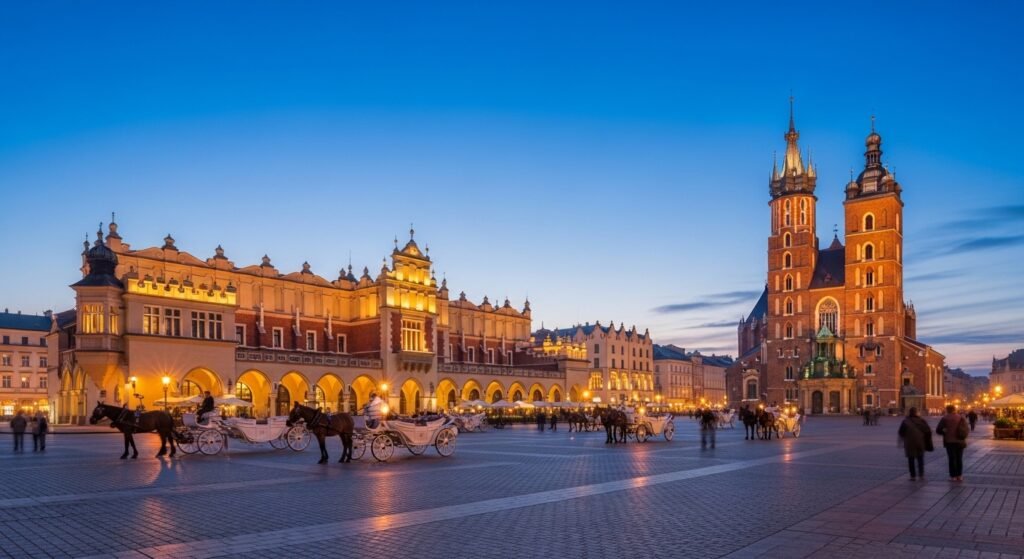
Krakow, a city I’ve frequented, stands as a testament to Poland’s appeal. Its historical core, a UNESCO World Heritage site, remains remarkably intact, having largely escaped the devastation of World War II. The cost of living here is significantly lower than in Western Europe. For instance, a hearty meal in a traditional pierogarnia can cost as little as €5-€10.
- Accommodation: My research indicates that a comfortable, centrally located Airbnb or hotel room can be secured for €30-€60 per night. Hostels offer even lower rates, often under €20.
- Transportation: The public transport system, encompassing trams and buses, is efficient and inexpensive. A single ticket typically costs around €1.
- Attractions: Many of Krakow’s main attractions, such as the Main Market Square and Wawel Castle grounds, can be explored without an entry fee. Museum prices are generally modest, ranging from €5-€15. The haunting Auschwitz-Birkenau Memorial and Museum is a profoundly impactful experience, with entry being free, though booking a guided tour often entails a fee.
- Cuisine: Polish cuisine, characterized by its hearty and flavorsome dishes, is remarkably affordable. Beyond pierogi, I recommend trying żurek (sour rye soup) and bigos (hunter’s stew), both widely available and budget-friendly.
Budapest, Hungary
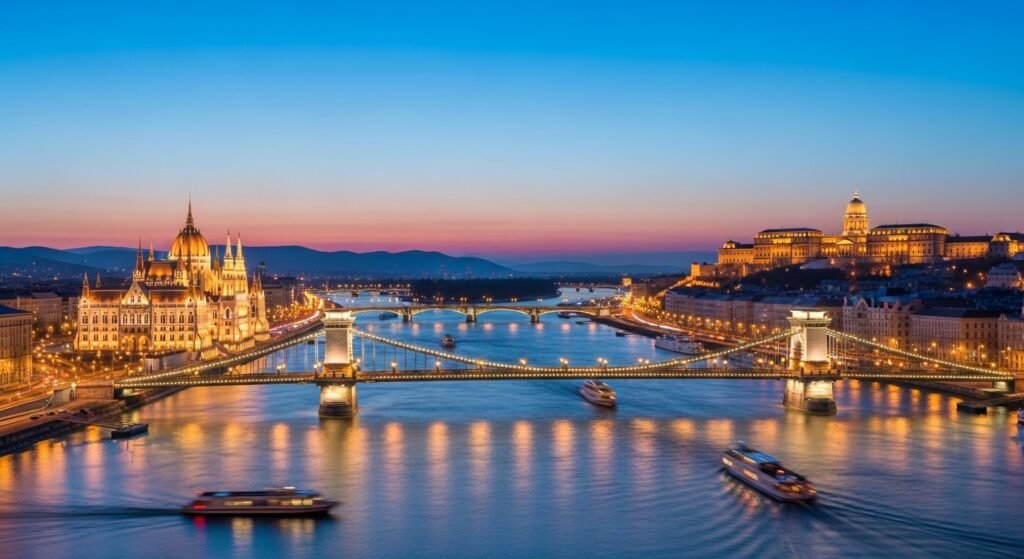
Budapest, the “Pearl of the Danube,” has always impressed me with its grand architecture and vibrant atmosphere, all while maintaining an accessible price point. The city’s thermal baths, ruin bars, and rich history offer a multifaceted experience.
- Accommodation: I’ve found that mid-range hotels and apartments in Budapest typically range from €40-€80 per night. Hostels, as expected, are even cheaper, often below €25.
- Transportation: Budapest boasts an extensive and integrated public transport network. A 24-hour travel card generally costs under €6, providing unlimited access to trams, buses, and the metro.
- Attractions: Many of Budapest’s most iconic landmarks, including the Chain Bridge, Parliament Building (exterior), and Fisherman’s Bastion, can be admired for free. Entry fees for museums and the famous thermal baths (e.g., Szechenyi or Gellert) generally fall between €15-€25.
- Cuisine: Hungarian food, known for its paprika-infused flavors, is both delicious and economical. I’ve enjoyed substantial goulash or langos for €5-€10. Local markets provide an even cheaper alternative for fresh produce and snacks.
If you’re looking for affordable travel options in Europe, you might find it interesting to explore some of the underrated capitals that offer both charm and budget-friendly experiences. For a deeper dive into these hidden gems, check out this article on the 10 Most Underrated Capitals in Europe, which highlights destinations that are often overlooked but provide unique cultural experiences without breaking the bank.
Balkan Bargains
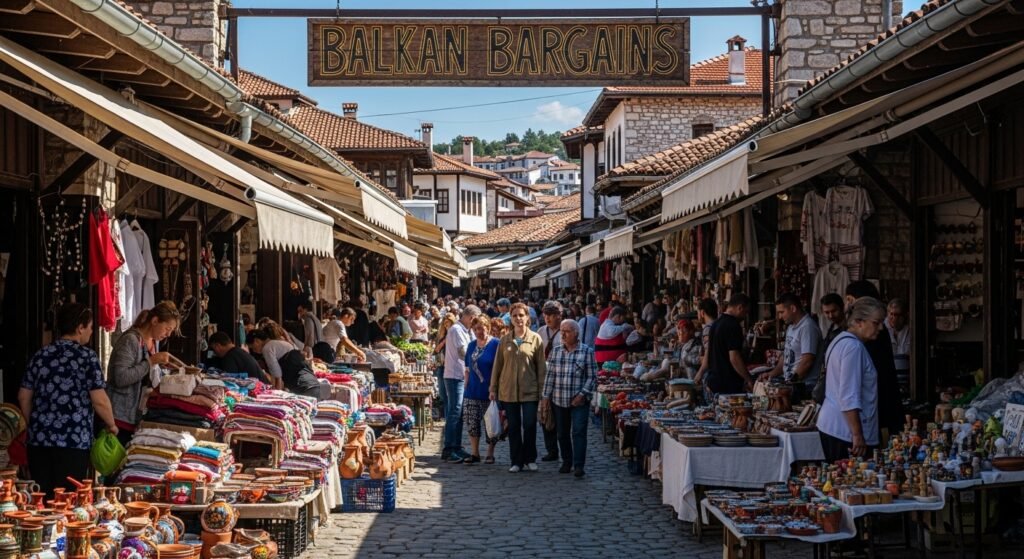
The Balkan region, a crossroads of empires and cultures, presents an abundance of natural beauty and historical sites at prices that consistently undercut Western European equivalents. My journeys through this area have always been marked by the hospitality of its people and the unspoiled character of its landscapes.
Sofia, Bulgaria
Sofia, Bulgaria’s capital, often feels like a palimpsest of empires, with Roman ruins juxtaposed against Ottoman mosques and Soviet-era monuments. I find its understated charm and historical depth to be captivating, and its affordability remains a significant draw.
- Accommodation: I have consistently found excellent value in Sofia. A well-rated hotel or guesthouse generally costs €30-€55 per night. Hostels are readily available for under €20.
- Transportation: The city’s modern metro system, supplemented by trams and buses, is highly efficient and inexpensive. A single journey costs around €0.80.
- Attractions: Many of Sofia’s principal attractions, such as the Alexander Nevsky Cathedral (exterior and main nave), Vitosha Boulevard, and the Borisova Gradina park, are free to explore. Museum entry fees typically range from €3-€10. The Vitosha Mountain, easily accessible by public transport, offers excellent hiking opportunities at no cost.
- Cuisine: Bulgarian cuisine, with its fresh salads, grilled meats, and dairy products, is both healthy and affordable. A traditional meal, including a main course and drink, can often be secured for €5-€10. Banitsa (a traditional cheese pastry) offers a delicious and inexpensive snack option.
Belgrade, Serbia
Belgrade, where the Sava meets the Danube, possesses an undeniable vibrancy. It’s a city that has risen from the ashes multiple times, each layer adding to its unique resilience and character. I see it as a city that truly lives, not just exists, and it does so without demanding an exorbitant financial commitment from its visitors.
- Accommodation: My experience indicates that Belgrade offers competitive accommodation prices. A decent hotel room can be found for €35-€65 per night, while hostel beds are routinely available for €15-€20.
- Transportation: The public transport system, primarily buses and trams, is affordable. A single ticket costs approximately €0.80. Taxis are also relatively inexpensive compared to Western European capitals.
- Attractions: Kalemegdan Fortress, the city’s most iconic landmark, offers extensive grounds and panoramic river views, all accessible for free. St. Sava Temple, one of the largest Orthodox churches in the world, is also free to enter. Museum fees generally range from €2-€8.
- Cuisine: Serbian cuisine is hearty and meat-centric, yet surprisingly economical. I’ve enjoyed substantial cevapi or pljeskavica meals for €5-€12. Local bakeries offer delicious and cheap pastries.
Iberian Allure (Budget Edition)
While Spain and Portugal can be popular and therefore pricier in some well-trodden areas, there are still pockets, especially away from the main tourist hubs or during off-peak seasons, where affordability can be surprisingly good. I find that careful planning and a willingness to explore beyond the obvious yields significant savings.
Lisbon, Portugal
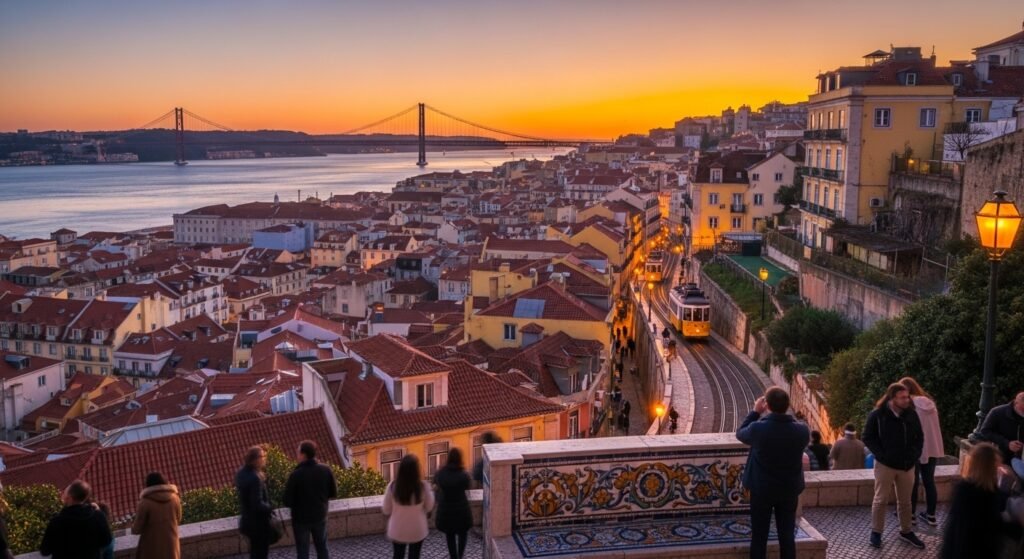
Lisbon, with its melancholic Fado music, historic trams, and stunning viewpoints, has a magnetic pull. While it has seen a surge in popularity, I’ve still managed to experience its charm without breaking the bank, particularly by focusing on local experiences and mindful spending.
- Accommodation: While some areas can be pricey, I’ve found good deals in guesthouses and smaller hotels in neighborhoods slightly outside the absolute center for €50-€90 per night. Hostels remain a reliable budget option, typically costing €20-€35.
- Transportation: The public transport system, including trams (like the iconic Tram 28), buses, and metro, is efficient. A 24-hour travel pass costs around €6.50. Walking, however, remains my preferred mode of transport for fully appreciating the city’s unique topography.
- Attractions: Many of Lisbon’s most beautiful spots, such as the historic Alfama district, countless miradouros (viewpoints), and walking the streets of Baixa and Chiado, are free. Entry to major attractions like São Jorge Castle or the Jerónimos Monastery ranges from €10-€15.
- Cuisine: Portuguese food is a highlight. I’ve enjoyed fresh seafood, bacalhau (codfish), and delicious pastries like pasteis de nata for remarkably reasonable prices, often €10-€15 for a main course in a local tasca. Supermarkets offer very affordable wine and cheese, perfect for self-catered meals.
Baltic States’ Quiet Charm
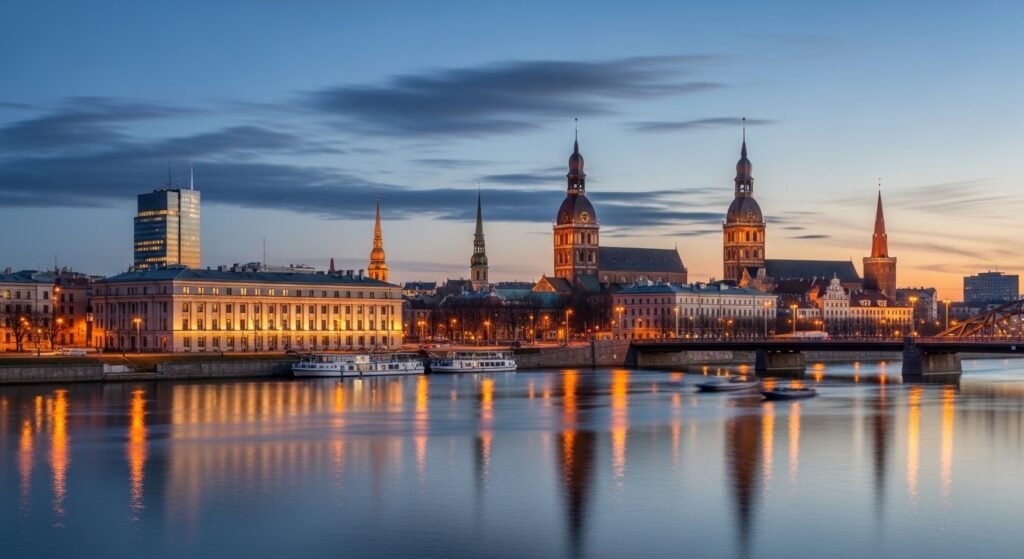
The Baltic States—Estonia, Latvia, and Lithuania—represent another compelling argument for affordable European travel. These nations, with their distinct cultures, medieval towns, and lush natural landscapes, offer a tranquil yet engaging experience, free from the throngs of tourists found elsewhere. I’ve often felt a sense of discovery here, as if uncovering hidden chapters of European history.
Riga, Latvia
Riga, the largest of the Baltic capitals, captivated me with its stunning Art Nouveau architecture and a vibrant, yet relaxed, atmosphere. Its Old Town is a UNESCO site, and the city’s cultural offerings are extensive, all against a remarkably accessible price background.
- Accommodation: I’ve found excellent value in Riga. A well-located hotel or an apartment can typically range from €40-€70 per night. Hostel beds are consistently available for under €20.
- Transportation: Riga’s public transportation (trams, trolleybuses, and buses) is efficient and affordable. A single ticket costs approximately €1.15. The city center is also quite walkable, allowing for further savings.
- Attractions: The Old Town itself, with its beautiful squares and medieval streets, is a free attraction. St. Peter’s Church (for its tower views) and the Riga Cathedral have modest entry fees (around €3-€9). The Central Market, one of Europe’s largest, is a free sensory delight and a source of cheap, fresh produce.
- Cuisine: Latvian cuisine, often featuring potatoes, rye bread, and various meats, is wholesome and inexpensive. I’ve enjoyed hearty meals with local beer for €8-€15. Traditional rye bread and smoked fish are also excellent, low-cost highlights.
If you’re looking for affordable travel options in Europe, you might find it interesting to explore some of the cheapest countries to visit, which can offer rich cultural experiences without breaking the bank. For a detailed guide on budget-friendly destinations, check out this article on top tourist attractions that can help you plan your next adventure. With careful planning, you can enjoy the beauty and history of Europe while keeping your expenses low.
Central European Hidden Values
| Country | Average Daily Cost (Accommodation + Food + Transport) | Popular Cities | Currency | Best Time to Visit |
|---|---|---|---|---|
| Bulgaria | 30 | Sofia, Plovdiv, Varna | Bulgarian Lev (BGN) | May to September |
| Romania | 35 | Bucharest, Brasov, Cluj-Napoca | Romanian Leu (RON) | April to October |
| Poland | 40 | Warsaw, Krakow, Gdansk | Polish Zloty (PLN) | May to September |
| Hungary | 38 | Budapest, Szeged, Debrecen | Hungarian Forint (HUF) | April to October |
| Portugal | 45 | Lisbon, Porto, Faro | Euro (EUR) | March to June, September to October |
| Serbia | 32 | Belgrade, Novi Sad, Niš | Serbian Dinar (RSD) | May to September |
| Ukraine | 28 | Kyiv, Lviv, Odessa | Ukrainian Hryvnia (UAH) | May to September |
Beyond the grand capitals of Western Europe, Central Europe reveals a landscape punctuated by charming towns, historical sites, and rolling natural scenery, all accessible on a modest budget. My travels through these regions have taught me that true cultural immersion often occurs in places less frequented.
Ljubljana, Slovenia
Ljubljana, a city where I’ve experienced a palpable sense of calm and green consciousness, operates on a different rhythm. This relatively compact capital, with its dragon-guarded castle and river winding through its pedestrianized center, feels like a carefully curated gallery of European charm, yet without the exorbitant entry fees.
- Accommodation: My research and personal stays indicate that mid-range accommodation in Ljubljana typically costs €50-€85 per night. Hostels are competitive, often offering beds for €20-€30.
- Transportation: Ljubljana is supremely walkable, rendering public transport largely unnecessary for exploring the city center. Should you venture further, the city’s bus system is inexpensive, with a single ride costing around €1.30 when purchased with a Urbana card.
- Attractions: The Ljubljanica River, Dragon Bridge, Triple Bridge, and the central Prešeren Square are all free to enjoy. A funicular ride to Ljubljana Castle costs an affordable €4-€6 return, with subsequent entry to the castle grounds often included or minimally priced. The city also hosts numerous free festivals and events, particularly during the summer.
- Cuisine: Slovenian cuisine, a blend of Alpine, Pannonian, and Mediterranean influences, offers excellent value. I’ve enjoyed hearty traditional dishes, such as kranjska klobasa (Carniolan sausage) or štruklji (rolled dumplings), for €10-€18 in local restaurants. The Central Market also provides an array of affordable local delicacies. Furthermore, Slovenia’s wine region is accessible and offers excellent, reasonably priced local wines.
Conclusion
My aim in detailing these destinations is to dismantle the pervasive notion that European travel must be a significant financial undertaking. As you now see, there exist numerous vibrant, culturally rich, and historically profound locations across the continent that welcome the budget-conscious traveler. The key, I’ve found, lies in strategic planning, a willingness to explore beyond the mainstream, and an embrace of local customs and smaller establishments.
Consider these destinations as springboards. Each offers a unique cultural prism through which to view Europe, delivering experiences that are as authentic as they are economical. My travels have shown me that the true value of a journey is not measured by the cost of its components, but by the depth of the insights gained and the richness of the memories forged. Go forth, explore, and let these affordable European destinations prove to be not just light on your wallet, but heavy on profound experiences. Your European adventure, unburdened by financial apprehension, awaits.
FAQs
Which European countries are considered the cheapest to visit?
Some of the cheapest countries to visit in Europe include Bulgaria, Romania, Hungary, Poland, and Portugal. These countries offer affordable accommodation, food, and attractions compared to Western Europe.
What factors make a country cheap to visit in Europe?
Factors include low cost of living, affordable public transportation, inexpensive accommodation options, budget-friendly dining, and free or low-cost tourist attractions.
Is it safe to travel to cheap countries in Europe?
Yes, many affordable European countries are safe for tourists. It is always recommended to follow standard travel safety precautions and stay informed about local conditions.
When is the best time to visit cheap European countries to save money?
Visiting during the shoulder seasons (spring and autumn) or winter can help save money on flights and accommodation, as prices tend to be lower than in the peak summer months.
Are there budget-friendly activities available in cheap European countries?
Yes, many cheap European countries offer free walking tours, inexpensive museums, beautiful natural parks, historic sites, and local markets that provide affordable entertainment options.