
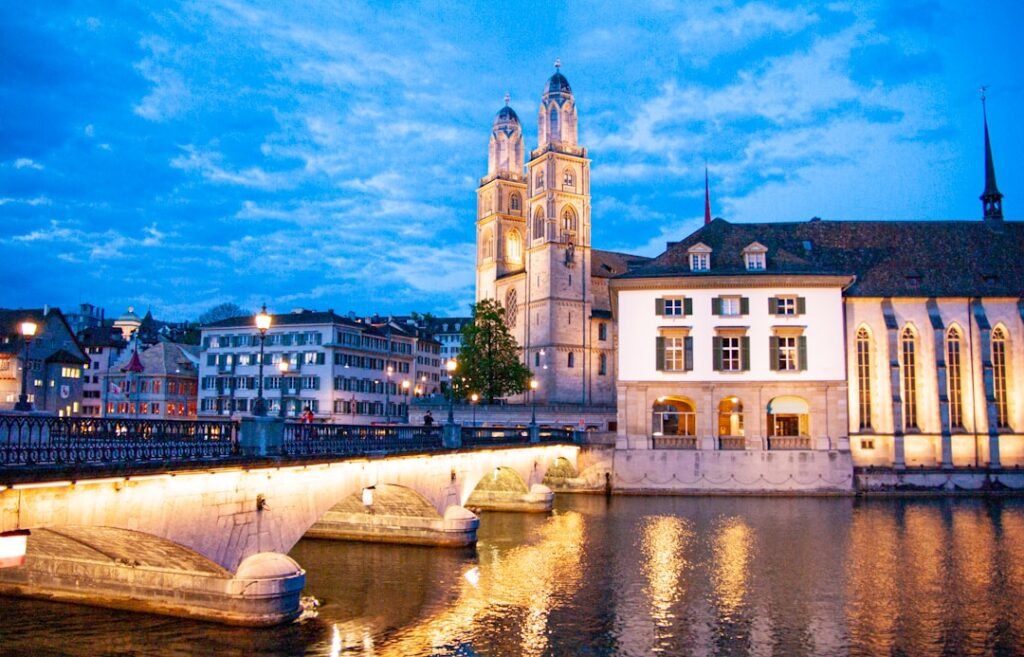

As a seasoned globetrotter on a budget, I’ve spent years navigating Europe’s vast and varied landscapes, always with an eye for value. My experiences have taught me that luxury isn’t always about price; it’s about the richness of the experience, and often, that richness can be found without emptying your wallet. In this article, I aim to be your compass, guiding you through some of Europe’s most captivating yet affordable destinations. I will present these locales not as mere tourist traps, but as vibrant tapestries woven with history, culture, and natural beauty, all accessible without a second mortgage.
My journeys through Eastern Europe have revealed a treasure trove of destinations that offer incredible value. This region, often overlooked in favor of its Western counterparts, is a vibrant mosaic of ancient traditions and modern life, all at prices that will make your wallet breathe a sigh of relief.
Poland’s Enduring Charm
When I first ventured into Poland, I was struck by its resilience and the profound sense of history that permeates its cities. My exploration began in its historic capital.
Kraków: A Royal Heartbeat
Kraków, in my estimation, is an undisputed jewel. Its Old Town, a UNESCO World Heritage site, is a testament to centuries of Polish history. Walking through the Main Market Square, a colossal medieval plaza, I felt transported back in time. The Sukiennice (Cloth Hall) stands proudly in the center, housing stalls selling amber jewelry, handicrafts, and souvenirs, and on its upper floor, the Rynek Underground Museum offers a fascinating glimpse into the city’s past beneath the surface. Wawel Castle and Cathedral, perched atop Wawel Hill, offer breathtaking views and a deep dive into Polish royalty. I found that entrance fees to most attractions are remarkably reasonable, and a hearty meal with a local beer can be enjoyed for less than €10. Accommodation, from boutique hotels to comfortable hostels, also remains surprisingly affordable. Public transportation is efficient, allowing me to explore beyond the immediate city center without incurring significant costs. For instance, a day trip to the Wieliczka Salt Mine, another UNESCO site, is easily achievable and an experience I highly recommend. The guided tour through the subterranean chambers, carved by hand over centuries, is awe-inspiring.
Gdańsk: Baltic Beauty and History
My journey then took me north to Gdańsk, a city with a distinct maritime character and a history of both commerce and profound political significance. The Long Market and Długi Targ (Long Street) are lined with colorful, reconstructed merchant houses, leading to the iconic Neptune’s Fountain. I found myself drawn to the amber shops, the city being a major hub for amber trade. The European Solidarity Centre, a museum dedicated to the Solidarity movement, is a powerful and moving experience, providing invaluable insight into Poland’s struggle for freedom. The historical significance of Westerplatte, where World War II began, also resonated deeply with me. Public transport is comprehensive, and the city’s culinary scene offers fresh seafood at competitive prices. My experience confirmed that Gdańsk offers a compelling blend of beautiful architecture, poignant history, and affordability.
Hungary: The Pearl of the Danube
My exploration of Hungary left an indelible impression, particularly its capital, a city that offers a dynamic fusion of history, thermal baths, and vibrant nightlife, all within a budget-friendly framework.
Budapest: A City of Two Sides
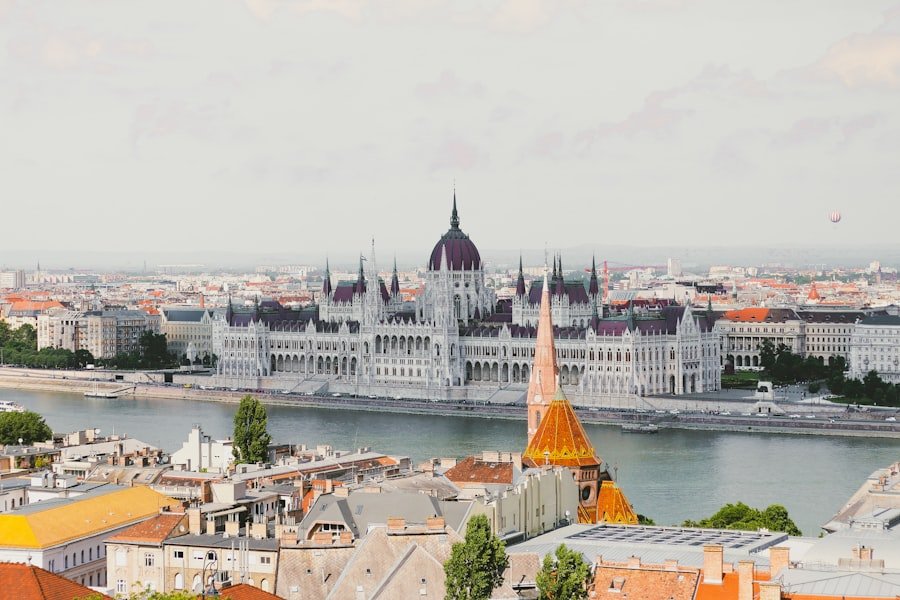
Budapest, bisected by the Danube River, is a tale of two cities – Buda, with its hilly, historic charm, and Pest, the bustling, flatter commercial and cultural hub. My preferred mode of navigating this metropolis was on foot, allowing me to fully appreciate the architectural grandeur. The Parliament Building, an architectural masterpiece, is a sight to behold, especially when illuminated at night. Visiting the Fisherman’s Bastion on Buda Castle Hill offered panoramic views of the entire city, a truly unforgettable vista. The city’s thermal baths, such as the Széchenyi Thermal Bath and Gellért Thermal Bath, are quintessential Budapest experiences, providing relaxation and a unique cultural insight. Entry prices are reasonable, particularly if you opt for weekday visits. Eating out can be surprisingly inexpensive, with “Lángos” (fried dough with various toppings) offering a delicious and filling snack for a few euros. The ruin bars in the Jewish Quarter, housed in derelict buildings, provide a unique nightlife experience with affordable drinks. My stay in Budapest confirmed its status as a city that generously offers diverse experiences without straining one’s finances.
If you’re looking for budget-friendly travel options in Europe, you might find it helpful to explore an article that discusses affordable destinations in South America as well. While Europe offers many cost-effective places to visit, South America also has its share of stunning locations that won’t break the bank. For more insights on exploring vibrant cities like Rio de Janeiro, check out this article: Explore Rio de Janeiro.
Discovering the Balkan Treasures
The Balkan Peninsula, for me, has always been an area of captivating contrasts – towering mountains, ancient coastlines, and cities brimming with character. It’s a region that has gracefully opened its doors to budget-conscious travelers.
Montenegro: A Fjord-Like Paradise
Montenegro, though small, packs an immense punch in terms of natural beauty and historical intrigue. Its rugged coastline and dramatic landscapes are a testament to nature’s artistry.
Kotor: A Walled City by the Bay
Kotor, nestled within a dramatic fjord-like bay, is a medieval marvel that, in my opinion, rivals any other walled city in Europe. The Old Town, a UNESCO World Heritage site, is a labyrinth of narrow streets, ancient churches, and charming squares. Scaling the city walls to the Fortress of San Giovanni is a challenging but incredibly rewarding experience, offering unparalleled views of the bay and the surrounding mountains. I found that wandering these ancient streets, soaking in the atmosphere, is an experience in itself, requiring no entry fee. Boat tours of the Bay of Kotor are remarkably affordable, allowing me to visit Our Lady of the Rocks and other picturesque islands. Accommodation, from guesthouses to apartments, is generally cheaper than in Western European coastal towns, and dining on fresh seafood in a local Konoba (tavern) is both delicious and economical. My time in Kotor reinforced my belief that some of Europe’s most stunning vistas are also its most accessible.
Budva: Coastal Charm and Nightlife
A short bus ride from Kotor brought me to Budva, a town that effortlessly blends ancient history with a lively modern vibe. The Old Town, though smaller than Kotor’s, is equally charming, with its stone walls and narrow alleys revealing hidden cafes and boutiques. Beyond the historical core, Budva boasts beautiful beaches and a burgeoning nightlife. During my visit, I discovered that while some of the more upscale beach clubs can be pricey, plenty of public beaches offer pristine sands and clear waters for free. Restaurants along the promenade often have reasonably priced menus, particularly if you venture slightly away from the main tourist areas. Accommodation options range from budget-friendly apartments to hostels near the bustling center. Budva, I concluded, provides an ideal balance for travelers seeking both historical exploration and a vibrant coastal atmosphere without overspending.
Bosnia and Herzegovina: A Bridge of Cultures
My journey through Bosnia and Herzegovina was deeply moving, revealing a country that has bravely rebuilt itself, boasting a rich cultural heritage and breathtaking landscapes.
Mostar: A Symbol of Resilience
Mostar, with its iconic Stari Most (Old Bridge), is a city that immediately captures the heart. Watching the professional divers plunge from the bridge into the Neretva River is a spectacle ingrained in my memory, a testament to courage and tradition. The Old Town, a UNESCO site, is a vibrant bazaar of artisan shops, cafes, and restaurants. I found the prices for handicrafts, such as copperware and rugs, to be excellent value. Traditional Bosnian cuisine, such as ćevapi (grilled minced meat) and burek (savory pastry), is both delicious and incredibly affordable. Walking through Mostar, I felt the echoes of Ottoman influence in its architecture and the resilience of its people. Accommodation in guesthouses and family-run hotels was exceptionally good value, often including a warm breakfast. My experience in Mostar highlighted a destination that offers profound cultural insight and historical significance without requiring a large budget.
Sarajevo: A City of Stories
Sarajevo, the capital, is another city that left a lasting impression on me. Often referred to as the “Jerusalem of Europe” due to its diverse religious architecture, it is a city where mosques, synagogues, Catholic churches, and Orthodox churches stand in close proximity. The Baščaršija (Old Bazaar) is the heart of the Ottoman-era old town, a bustling area where I enjoyed sipping Bosnian coffee and browsing for souvenirs. The city’s recent history, particularly the Siege of Sarajevo, is palpable, and visiting the Tunnel of Hope Museum offered a sobering yet essential understanding of the city’s endurance. I found the public transportation system to be efficient, and food prices in general are very reasonable. Accommodation, ranging from hostels to boutique hotels, is readily available at competitive rates. Sarajevo, in my estimation, offers a unique blend of poignant history, vibrant culture, and affordability that is hard to match.
The Baltic States: Northern Charms on a Budget
Venturing further north, my explorations led me to the Baltic States – Estonia, Latvia, and Lithuania. These former Soviet republics have gracefully transitioned into modern European nations, yet they retain a distinct character and, crucially for my budget-conscious approach, remain remarkably affordable.
Lithuania: A Land of Hill Forts and Amber
Lithuania, the southernmost of the Baltic States, surprised me with its lush landscapes, intricate history, and welcoming atmosphere.
Vilnius: Baroque Beauty and Bohemian Vibe
Vilnius, the capital, is a city that immediately charmed me with its expansive Baroque Old Town, another UNESCO World Heritage site. I found myself happily getting lost in its narrow, cobbled streets, discovering hidden courtyards and ornate churches around every corner. Visiting Gediminas’ Tower offers splendid views of the city, and the bohemian Republic of Užupis, with its quirky constitution and artistic flair, provides a unique cultural experience. Entry fees to most museums and galleries are very modest, and public transportation is both comprehensive and inexpensive. Lithuanian cuisine, though hearty, is also easy on the wallet, with traditional dishes like “cepelinai” (potato dumplings) offering a filling and authentic meal. Accommodation options, from central hostels to guesthouses, remain some of the best value I’ve encountered in Europe. My time in Vilnius showed me a city that effortlessly blends historical grandeur with a youthful, artistic energy, all without demanding a king’s ransom.
Southern Europe’s Hidden Gems
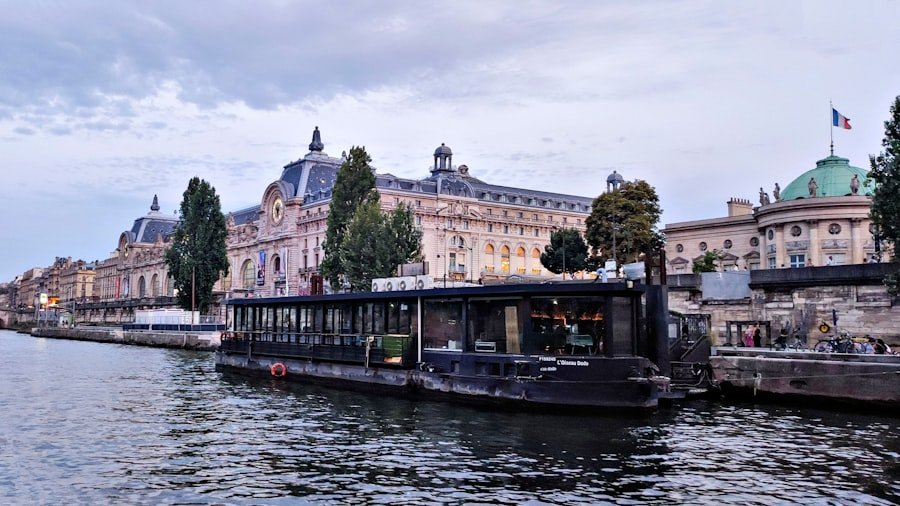
While many associate Southern Europe with expensive coastal resorts and crowded cities, my travels have consistently shown me that pockets of affordability and authentic experiences still exist beyond the well-trodden paths.
Portugal: Sun-Kissed Savings Beyond the Capital
Portugal has become a popular destination, and while Lisbon and Porto are fantastic, straying slightly from the main hubs reveals even greater value.
Nazaré: Atlantic Grandeur and Tradition
My journey along Portugal’s Silver Coast led me to Nazaré, a town renowned for its colossal waves and traditional fishing culture. While many flock to the capital, I found Nazaré to be a more grounded experience that offered excellent value. Watching the local women in their traditional seven-skirt attire, selling dried fish by the promenade, was a vivid cultural snapshot. The North Beach, known for its giant waves that attract big-wave surfers, is a magnificent natural spectacle, accessible for free. Taking the Funicular up to Sítio offered breathtaking panoramic views of the town and coastline. Seafood here is incredibly fresh and, outside of the peak tourist season, remarkably affordable. I discovered charming guesthouses a short walk from the beach at very reasonable rates. Nazaré offered me an authentic Portuguese coastal experience without the exorbitant prices sometimes associated with the Algarve or even Cascais.
Évora: Alentejo’s Ancient Heart
Venturing inland into the Alentejo region, I discovered Évora, a UNESCO World Heritage city that feels like an open-air museum. My self-guided walking tour through its historic center revealed Roman temples, medieval walls, and the unsettling yet fascinating Chapel of Bones. The slower pace of life here, compared to Lisbon, was a welcome change, and the cost of living reflected that. Entrance fees to attractions like the Cathedral of Évora were minimal, and the local Pousadas (traditional inns) offered comfortable and characterful accommodation at prices significantly lower than those found in larger cities. Alentejo wines are excellent and very affordable, and the local cuisine, rich in pork and olive oil, provided hearty meals without breaking the bank. My experience in Évora confirmed that Portugal’s interior offers a rich historical and cultural experience coupled with significant savings.
If you’re looking for budget-friendly travel options in Europe, you might find it interesting to explore some of the most affordable destinations available. For a broader perspective on travel, you can check out this insightful article about Argentina, which highlights various destinations that offer great experiences without breaking the bank. Discover more about these exciting places by visiting this guide that showcases top spots to consider for your next adventure.
Central Europe’s Underrated Charms
| City | Average Daily Cost (Accommodation, Food, Transport) | Popular Attractions | Best Time to Visit | Notes |
|---|---|---|---|---|
| Budapest, Hungary | 50 | Thermal Baths, Buda Castle, Parliament | April to June, September to October | Affordable public transport and food |
| Prague, Czech Republic | 55 | Charles Bridge, Old Town Square, Prague Castle | May to September | Many free walking tours available |
| Krakow, Poland | 45 | Wawel Castle, Main Market Square, Auschwitz Museum | April to October | Cheap local cuisine and accommodation |
| Lisbon, Portugal | 60 | Belem Tower, Alfama District, Tram 28 | March to May, September to October | Great budget-friendly seafood options |
| Riga, Latvia | 50 | Old Town, Art Nouveau District, Central Market | May to September | Low-cost accommodation and dining |
When people think of Central Europe, they often picture Prague or Vienna, and while those cities are magnificent, my travels have shown me that their neighbors offer equally compelling experiences at a fraction of the cost.
Slovenia: A Green Fairytale
Slovenia, a small yet stunning country, often gets overshadowed by its larger neighbors. However, I consistently find it to be a land of remarkable natural beauty and excellent value.
Ljubljana: A Lively Capital with Green Spaces
Ljubljana, Slovenia’s capital, struck me as a fairy-tale city, with its dragon-guarded bridges and a charming old town bisected by the Ljubljanica River. What impressed me most was its commitment to sustainability; it was awarded the European Green Capital title. The city center is largely pedestrianized, making it incredibly pleasant to explore on foot or by bicycle. Ascending to Ljubljana Castle via the funicular offers superb views of the city below. I found the food market by the river to be a treasure trove of fresh produce and local delights, offering delicious and affordable lunches. Accommodation, even in the heart of the city, was generally good value. I also discovered that day trips to stunning natural attractions like Lake Bled or Lake Bohinj are easily organized and very affordable via local buses, allowing me to experience Slovenia’s breathtaking landscapes without a rental car. My time in Ljubljana affirmed its position as a highly livable and budget-friendly capital that offers a rich cultural experience amidst beautiful green surroundings.
Piran: Adriatic Serenity
A short bus ride from Ljubljana brought me to Piran, a jewel on the Slovenian Adriatic coast that feels distinctly Venetian. It’s a town where cars are mostly excluded from the old town, encouraging leisurely strolls. Tartini Square, named after the violinist Giuseppe Tartini, is the heart of the town, surrounded by elegant Venetian Gothic buildings. Climbing to the top of the town walls provided panoramic views of the terracotta rooftops, the shimmering Adriatic, and even glimpses of Croatia and Italy on a clear day. I found that enjoying fresh seafood in one of the many waterfront restaurants was a delightful and affordable experience, especially when opting for the daily specials. Accommodation in Piran, primarily in small guesthouses or apartments, presents excellent value for a coastal destination, particularly compared to its Italian counterparts. Piran, in my view, offers a serene and picturesque coastal escape without the hefty price tag often associated with the Mediterranean.
In conclusion, my personal journey through Europe has been a testament to the fact that compelling travel experiences are not solely the domain of the affluent. These destinations, from the historic streets of Kraków to the dramatic coastlines of Montenegro and the green heart of Slovenia, offer a breadth of cultural immersion, natural beauty, and historical significance that can be enjoyed with thoughtful planning and a modest budget. The key, I’ve found, is to look beyond the immediate popular destinations, embrace local transport and cuisine, and allow yourself to be surprised by the generosity and charm of these less-heralded yet equally captivating European locales.
FAQs
1. What are some of the most affordable countries to visit in Europe?
Some of the most affordable countries to visit in Europe include Portugal, Hungary, Poland, Romania, and Bulgaria. These countries offer budget-friendly accommodation, food, and attractions.
2. When is the best time to travel to Europe for budget travelers?
The best time for budget travelers to visit Europe is during the shoulder seasons, typically from April to June and September to October. During these months, prices for flights and accommodations are lower, and popular tourist spots are less crowded.
3. How can I save money on accommodation while traveling in Europe?
To save money on accommodation, consider staying in hostels, budget hotels, or vacation rentals. Booking in advance and using platforms like Airbnb or Booking.com can also help find affordable options. Additionally, staying in smaller towns or outside major city centers can reduce costs.
4. Are public transportation options affordable in Europe?
Yes, public transportation in Europe is generally affordable and efficient. Many cities offer daily or weekly passes for buses, trams, and metros, which can save money. Additionally, budget airlines and trains provide economical options for traveling between cities and countries.
5. What are some tips for eating affordably while traveling in Europe?
To eat affordably, try local street food, visit markets, and dine at small family-run restaurants or cafes. Avoid tourist-heavy areas where prices tend to be higher. Cooking your own meals if staying in accommodations with kitchen facilities can also help reduce food expenses.