
I have always found Europe to be a continent of endless fascination, a vibrant tapestry woven from centuries of history, diverse cultures, and breathtaking landscapes. As a dedicated traveler, I have meticulously cataloged and analyzed numerous destinations, seeking out those that truly encapsulate the essence of European allure. My aim here is to present you, the discerning reader, with a curated selection of premier travel spots, destinations that stand as testaments to the continent’s enduring appeal. This is not an exhaustive list, but rather a handpicked collection of places I believe offer a profound and rewarding travel experience.
Western Europe, for me, has always been the continent’s accessible heart, a region brimming with iconic landmarks and deeply ingrained cultural traditions. It’s an ideal starting point for many, offering a comfortable blend of familiarity and discovery.
A. Paris, France: The City of Light
When I contemplate the quintessential European city, Paris inevitably comes to mind. It’s a metropolis that has, over centuries, perfected the art of urban living and architectural grandeur. My experiences there have consistently reaffirmed its status as an unparalleled cultural hub.
1. Architectural Grandeur and Historical Significance
The architectural landscape of Paris is a masterclass in urban planning and artistic expression. The Eiffel Tower, a wrought-iron lattice tower on the Champ de Mars, serves not merely as an observation deck but as a global emblem of France itself. Its construction for the 1889 World’s Fair, though initially met with some resistance, ultimately marked a pivotal moment in engineering and design. Similarly, the Notre-Dame de Paris, a medieval Catholic cathedral, stands as a profound testament to French Gothic architecture. Its intricate gargoyles, stained-glass windows, and formidable structure narrate centuries of religious and national history. The recent fire, while tragic, has initiated a meticulous restoration effort, highlighting the enduring value placed on this monument.
Beyond these two titans, there is the Louvre Museum, originally a royal palace, now a repository of some of humanity’s most prized artistic achievements. Its collection, spanning from antiquity to the 19th century, includes the Mona Lisa and the Venus de Milo, drawing millions annually. The museum’s sheer scale requires a strategic approach; attempting to see everything in one go is akin to trying to drink from a firehose. Proper planning and focused visits are essential.
2. Artistic and Culinary Pursuits
Paris’s artistic legacy extends far beyond its museums. The city has historically been a crucible for artistic movements, from Impressionism to Cubism. Montmartre, with its winding streets and the Sacré-Cœur Basilica, once served as a bohemian haven for artists like Picasso and Van Gogh. Its artistic spirit, though perhaps less overtly revolutionary today, still permeates the atmosphere, with street artists and portrait sketchers maintaining a vibrant presence.
French cuisine, too, is an art form, and Paris is its grand gallery. Michelin-starred restaurants dot the urban landscape, offering culinary experiences that transcend mere sustenance. However, the true essence of Parisian dining can also be found in its traditional bistros and patisseries. I have found immense satisfaction in a simple croque monsieur from a corner café or a freshly baked croissant enjoyed with robust coffee. The culture of the café, ingrained in Parisian life, provides an observation point to witness the city’s ceaseless rhythm.
B. Rome, Italy: The Eternal City
Rome, for me, is not just a city; it is a living museum, where layers of history are perpetually being unearthed and celebrated. Stepping into Rome is like walking through the pages of a textbook, where the past manifests itself in tangible, awe-inspiring forms.
1. Ancient Wonders and Roman Legacy
The Colosseum, an elliptical amphitheatre constructed during the Flavian dynasty, is perhaps the most potent symbol of ancient Rome’s engineering prowess and its societal structures. Its gladiatorial contests and public spectacles, though brutal by modern standards, offer a stark window into Roman entertainment and power dynamics. Standing within its immense structure, one cannot help but feel dwarfed by the sheer scale of ancient ambition.
The Roman Forum, a sprawling ruin of architectural fragments, once served as the heart of public life in ancient Rome. Temples, basilicas, and rostrums, though largely reduced to foundations and columns, still convey the immense political and social activity that once buzzed within its confines. My exploration of the Forum has always been a meditation on the cyclical nature of power and the ephemeral nature of human constructs.
The Pantheon, an exceptionally preserved ancient Roman temple, now a church, stands as a testament to Roman architectural genius, particularly its unsupported concrete dome with its central oculus. Its longevity and structural integrity, enduring for almost two millennia, challenge contemporary engineering norms.
2. Vatican City: A Sovereign Enclave
Within Rome’s embrace lies Vatican City, the smallest independent state in the world and the spiritual and administrative center of the Roman Catholic Church. St. Peter’s Basilica, a monumental Renaissance church, with its immense dome designed by Michelangelo, is breathtaking. Its interior is a repository of artistic masterpieces, including Michelangelo’s Pietà. The Vatican Museums, home to the Sistine Chapel with Michelangelo’s frescoes, are a pilgrimage for art lovers. Navigating the crowds, especially during peak seasons, requires patience and strategic planning, but the reward of witnessing such profound artistic and religious heritage is substantial.
If you’re looking for stunning travel spots in Europe, you might want to check out Croatia, which offers a blend of beautiful landscapes, rich history, and vibrant culture. For a comprehensive guide on the top places to visit in Croatia, you can read this article: Croatia Travel Guide: Top Places. This resource will help you discover hidden gems and popular destinations alike, making your European adventure unforgettable.
II. Embracing the Diversity of Central Europe
Central Europe, in my estimation, acts as a fascinating bridge between the west and east, presenting a compelling blend of imperial grandeur, complex histories, and burgeoning modernity. Its cities often bear the nuanced scars of past conflicts and celebrate periods of profound artistic and intellectual flourishing.
A. Prague, Czech Republic: The City of a Hundred Spires
Prague has consistently captivated me with its ethereal beauty and its palpable sense of history. It is a city that seems to whisper tales of emperors, alchemists, and artists through its cobblestone streets and Gothic architecture.
1. Medieval Majesty and Architectural Splendor
Prague Castle, a sprawling complex of palaces, churches, and gardens, dominates the city’s skyline. It has been the seat of Bohemian kings, Holy Roman Emperors, and presidents of Czechoslovakia and the Czech Republic. St. Vitus Cathedral, within the castle grounds, is a remarkable example of Gothic architecture, its stained-glass windows and intricate carvings narrating centuries of religious and royal history. Wandering through the castle district, I’ve always felt a profound connection to the historical figures who once walked those very paths.
The Charles Bridge, adorned with Baroque statues, links the Old Town and Lesser Town. It is not merely a pedestrian thoroughfare but an open-air gallery and a vibrant social hub, offering panoramic views of the Vltava River and the city’s iconic spires. Crossing it, especially at dawn or dusk, can be an almost meditative experience, a step back in time.
The Old Town Square, with its Astronomical Clock, is the historical heart of Prague. The clock, an intricate medieval marvel, provides an hourly animated procession, a small but charming spectacle that draws crowds. The architecture surrounding the square, a mixture of Gothic and Baroque, creates a picturesque backdrop for street performers and market stalls.
2. Cultural Resonance and Bohemian Spirit
Prague’s cultural scene is dynamic, reflecting both its rich historical past and its contemporary vibrancy. Classical music concerts are prevalent, often held in historic churches, offering an acoustically rich experience. The city has also fostered a strong literary tradition, being the birthplace of Franz Kafka and a frequent setting for works by other prominent authors.
The city’s Bohemian spirit, once associated with artistic and intellectual rebellion, still subtly informs its atmosphere. There is a perceptible sense of resilience and creative energy that manifests in its numerous art galleries, independent theaters, and lively café culture. The confluence of historical gravity and modern bohemianism makes Prague a truly unique destination.
B. Vienna, Austria: The Imperial Capital
Vienna, for me, is synonymous with imperial elegance, classical music, and intellectual discourse. It is a city that has refined the art of sophisticated living, offering a glimpse into the grandeur of the Habsburg Empire.
1. Habsburg Legacy and Grand Palaces
The Schönbrunn Palace, the former imperial summer residence, is a Baroque masterpiece with over 1,441 rooms, extensive gardens, and a glorious past. Its opulent interiors, from the state rooms to the private apartments, provide a lavish insight into the lives of European royalty, most notably Empress Maria Theresia. The palace’s gardens, including the Orangery and the Gloriette, invite leisurely strolls and offer panoramic city views.
The Hofburg Palace, located in the city center, served as the principal imperial palace for centuries. Today, it houses various museums, including the Imperial Apartments, the Sisi Museum, and the Spanish Riding School. My visits there have always been an immersive journey into the daily lives and ceremonial duties of the Habsburg monarchs and their court.
St. Stephen’s Cathedral, a towering Gothic structure, stands as Vienna’s most important religious building and an iconic symbol of the city. Its intricate roof tiles, depicting the imperial double-headed eagle and the coat of arms of the City of Vienna, are particularly striking. Climbing its South Tower offers a comprehensive view of the city’s historic core.
2. Musical Heritage and Café Culture
Vienna’s musical legacy is profound and undeniable. It was the cradle for many of the greatest composers, including Mozart, Beethoven, Strauss, and Schubert. The Vienna State Opera House, a magnificent structure, hosts world-class opera and ballet performances. Attending a performance here is not merely entertainment; it is an immersion in centuries of artistic excellence.
The Viennese café culture, listed as an intangible cultural heritage by UNESCO, is another cornerstone of the city’s identity. These elegant establishments, with their marble tables and plush seating, are not just places to drink coffee; they are extended living rooms, offices, and intellectual salons. I’ve often spent hours in Viennese cafés, absorbing the atmosphere, reading, and contemplating, understanding that these spaces are crucial to the city’s social fabric.
III. Discovering the Allure of Southern Europe
Southern Europe, in my experience, pulsates with a vibrant energy, characterized by its sun-drenched landscapes, ancient civilizations, and a palpable zest for life. The pace often feels more relaxed, inviting contemplation and enjoyment of the moment.
A. Santorini, Greece: The Volcanic Jewel of the Aegean
Santorini, for me, is a visual symphony, a place where nature’s dramatic hand has sculpted a landscape of breathtaking beauty and iconic charm. Its unique geology has created a canvas unlike any other in the world.
1. Caldera Views and Whitewashed Villages
The caldera in Santorini, the remnant of a massive volcanic eruption, is the island’s most defining feature. The villages of Fira, Oia, and Imerovigli cling to the cliffs, their whitewashed buildings and blue-domed churches contrasting vividly with the deep blue of the Aegean Sea. The panoramic views, especially during sunset, are frequently photographed, yet no photograph truly captures the immersive experience of being there. Observing the sun dip below the horizon, painting the sky in fiery hues, is a communal ritual that transcends mere tourism.
The architecture, characterized by cave houses carved into the volcanic rock, is both aesthetically pleasing and functionally adaptive to the local climate. These traditional dwellings offer a unique blend of simplicity and comfort. Exploring the narrow, winding pathways of Oia, with its elegant boutiques and art galleries, is to me always a delightful experience.
2. Unique Beaches and Volcanic Landscapes
Santorini’s beaches are distinct, reflecting its volcanic origins. The Red Beach, with its striking red sand and towering cliffs, derives its color from iron-rich volcanic rocks. Perissa and Perivolos beaches, known for their black volcanic sand, offer a contrasting experience with their lively beach bars and watersports. These geological anomalies provide a fascinating backdrop for relaxation and exploration, reinforcing the island’s unique character.
A boat trip to the Nea Kameni volcano, an active but dormant crater in the center of the caldera, offers a tangible connection to the island’s geological forces. Climbing to the crater and feeling the warmth of the earth beneath one’s feet provides a powerful reminder of nature’s formidable power and role in shaping this idyllic destination.
B. Lisbon, Portugal: The City of Seven Hills
Lisbon, in my frequent visits, has always presented itself as a city of captivating contrasts, where historic neighborhoods meet contemporary urban life, and the melancholic strains of Fado music intertwine with the bustling energy of its streets.
1. Historic Neighborhoods and Architectural Eclecticism
Lisbon’s topography, built on seven hills, offers constant visual surprises and dramatic vistas. The Alfama district, the oldest neighborhood, is a labyrinth of narrow, winding streets, ancient houses, and small squares. Its Moorish heritage is evident in its street plan and architectural details. Exploring Alfama feels like entering a different era, a tangible connection to the city’s medieval past. The Castelo de São Jorge, perched atop one of Lisbon’s highest hills, provides historical context and sweeping views of the city and the Tagus River.
The Belém district is a testament to Portugal’s Age of Discovery. The Belém Tower, a fortified tower that served as a point of embarkation and disembarkation for Portuguese explorers, and the Jerónimos Monastery, a magnificent Manueline-style monastery where Vasco da Gama once prayed, are both UNESCO World Heritage Sites. These monuments speak volumes about Portugal’s maritime prowess and its historical impact on global exploration.
2. Culinary Delights and Fado Culture
Lisbon’s culinary scene is a vibrant reflection of its coastal location and its historical influences. Fresh seafood is paramount, with bacalhau (codfish) prepared in myriad ways being a national dish. Pastéis de Nata, the iconic Portuguese custard tarts, are a ubiquitous and essential culinary experience. The city’s numerous mercados, like Mercado da Ribeira, now Time Out Market, offer a contemporary dining experience, showcasing local flavors in a dynamic setting.
Fado, a traditional Portuguese musical genre, characterized by its melancholic melodies and lyrical themes of longing and fate, is deeply ingrained in Lisbon’s cultural identity. Experiencing a live Fado performance in a traditional Fado house, particularly in Alfama or Bairro Alto, is more than just listening to music; it is an emotional immersion into the Portuguese soul. The raw, passionate vocal delivery, often accompanied by Portuguese guitars, is profoundly moving.
IV. Beyond the Beaten Path: Emerging European Gems
While the classic destinations hold undeniable appeal, my passion for exploration has always drawn me toward places that are perhaps less overtly commercialized, yet offer equally rich and authentic experiences. These emerging gems often provide a fresh perspective on Europe’s diverse offerings.
A. Ljubljana, Slovenia: The Green Capital
Ljubljana, in my observations, presents itself as a charming and remarkably green city, often overlooked in favor of its more prominent European counterparts. It combines a sense of historical quaintness with a focused commitment to sustainability.
1. Baroque Beauty and Riverside Charm
Ljubljana’s city center is a pedestrian-friendly zone, characterized by Baroque architecture and vibrant street art. The Ljubljanica River meanders through the heart of the city, lined with picturesque cafés and triple bridges. The Dragon Bridge, adorned with green dragon statues, has become an emblem of the city, symbolizing power, courage, and greatness. My walks along the river have consistently been peaceful and scenic, a welcome respite from larger, more frenetic capitals.
Ljubljana Castle, perched on a hill overlooking the city, offers commanding views and a rich history. While its current appearance largely dates from the medieval period, its strategic location has been utilized since Celtic times. The castle serves as a cultural hub, hosting exhibitions and events, adding another layer to the city’s cultural tapestry.
2. Sustainable Living and Natural Proximity
Ljubljana has been recognized for its commitment to environmental sustainability, earning the title of European Green Capital in 2016. Its extensive network of parks and green spaces, coupled with a well-developed public transport system and a strong emphasis on cycling, truly sets it apart. This dedication to eco-consciousness extends to its culinary scene, with a focus on local produce and farm-to-table dining experiences.
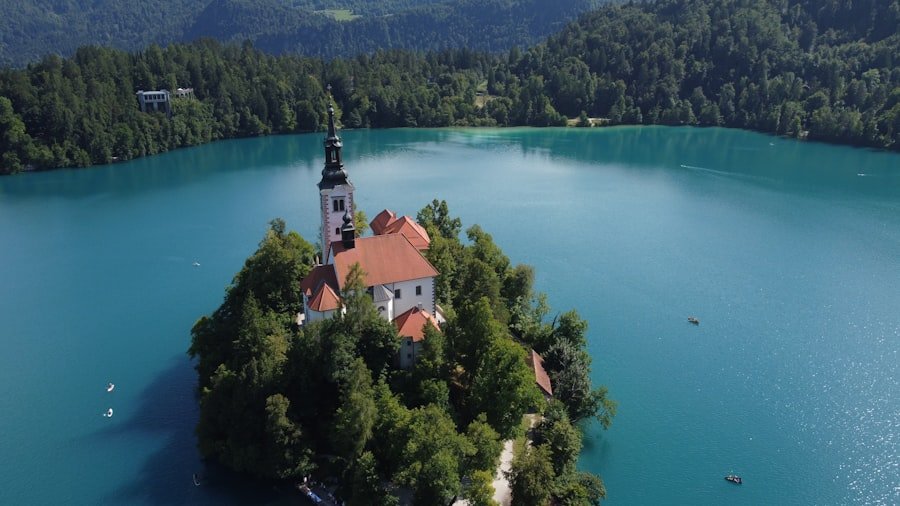
The city’s proximity to stunning natural landscapes is another significant draw. The Julian Alps, with their pristine lakes like Lake Bled and Lake Bohinj, are easily accessible for day trips, offering opportunities for hiking, swimming, and various outdoor activities. This blend of urban charm and immediate access to nature makes Ljubljana a uniquely appealing destination.
If you’re planning a trip to Europe and want to discover some hidden gems, you might find inspiration in this article about underrated capitals. Exploring these lesser-known destinations can provide a unique perspective on European culture and history. For more insights, check out this informative piece on 10 most underrated capitals in Europe that highlights some fantastic travel spots beyond the usual tourist trails.
V. Navigating European Travels: Essential Considerations
| Travel Spot | Country | Annual Visitors (Millions) | Top Attraction | Best Visiting Season |
|---|---|---|---|---|
| Paris | France | 30 | Eiffel Tower | Spring (April-June) |
| Rome | Italy | 10 | Colosseum | Fall (September-November) |
| Barcelona | Spain | 12 | Sagrada Familia | Summer (June-August) |
| Amsterdam | Netherlands | 8 | Canal Cruises | Spring (April-May) |
| Prague | Czech Republic | 7 | Charles Bridge | Spring & Fall |
| Vienna | Austria | 6 | Schönbrunn Palace | Fall (September-November) |
| London | United Kingdom | 20 | British Museum | Summer (June-August) |
Throughout my extensive travels across Europe, I have learned that meticulous planning and a flexible mindset are invaluable assets. While spontaneity has its place, particularly in discovery, certain pragmatic considerations can significantly enhance the overall experience.
A. Transportation and Connectivity
Europe’s extensive rail network is, in my assessment, one of its greatest strengths for travelers. High-speed trains connect major cities efficiently, offering comfortable journeys with scenic views. Passes like the Eurail Pass can be cost-effective for multi-country trips, though individual point-to-point tickets might be more suitable for shorter, more localized itineraries. My preference often leans towards trains for inter-city travel, minimizing the environmental impact and maximizing my personal comfort.
Budget airlines have also revolutionized intra-European travel, making many destinations more accessible. However, it is crucial to be aware of their baggage restrictions and airport locations, which are often further from city centers. For shorter distances and specific rural areas, renting a car can provide invaluable freedom and flexibility, allowing for exploration of smaller towns and scenic routes off the main arteries.
B. Accommodation Options
Europe offers a diverse array of accommodation, catering to every budget and preference. From luxury hotels in historic buildings to boutique guesthouses, hostels, and vacation rentals, the options are extensive. I have found that balancing location with budget is often the primary concern. Staying in centrally located accommodations, even if slightly more expensive, can significantly reduce travel time and costs within a city, allowing for more immersive exploration.
For longer stays or for those seeking a more authentic local experience, vacation rentals (e.g., via platforms like Airbnb) can provide insight into local living, often equipped with kitchens for self-catering. Hostels, while commonly associated with younger travelers, have evolved, with many offering private rooms and a social atmosphere without sacrificing comfort.
C. Cultural Etiquette and Local Immersion
Engaging with local cultures respectfully is, for me, a fundamental aspect of responsible travel. Learning a few basic phrases in the local language, even simple greetings and polite requests, demonstrates respect and can significantly enhance interactions. Observing local customs, such as appropriate dress codes when visiting religious sites or understanding tipping etiquette, contributes to a smoother and more immersive experience.
Exploring local markets, attending regional festivals, and eating at restaurants frequented by locals rather than solely tourist traps are strategies I consistently employ to gain a deeper understanding of a place. These moments of genuine connection and sensory immersion are often the most memorable elements of any journey. Europe is not a monolithic entity; each country, each region, possesses its own unique character, and embracing these nuances enriches the travel narrative immeasurably.
FAQs
What are some must-visit travel spots in Europe?
Some must-visit travel spots in Europe include Paris (France), Rome (Italy), Barcelona (Spain), Amsterdam (Netherlands), and Prague (Czech Republic). Each city offers unique cultural experiences, historic landmarks, and vibrant local life.
When is the best time to travel to Europe?
The best time to travel to Europe is generally from late spring (May and June) to early autumn (September and October). During these months, the weather is pleasant, and many tourist attractions are open with fewer crowds compared to peak summer months.
Do I need a visa to travel to Europe?
Visa requirements depend on your nationality and the countries you plan to visit. For short stays in the Schengen Area (most EU countries), many travelers from visa-exempt countries do not need a visa for up to 90 days. It is important to check specific visa rules before traveling.
What are some popular activities to do in European travel spots?
Popular activities include sightseeing historic landmarks, visiting museums and art galleries, enjoying local cuisine, attending cultural festivals, exploring natural landscapes, and shopping in local markets.
How can I travel between different European cities?
Europe has an extensive and efficient transportation network. Travelers can use trains, buses, domestic flights, and car rentals to move between cities. The high-speed train networks, such as the Eurostar and TGV, are popular for quick and comfortable travel.