
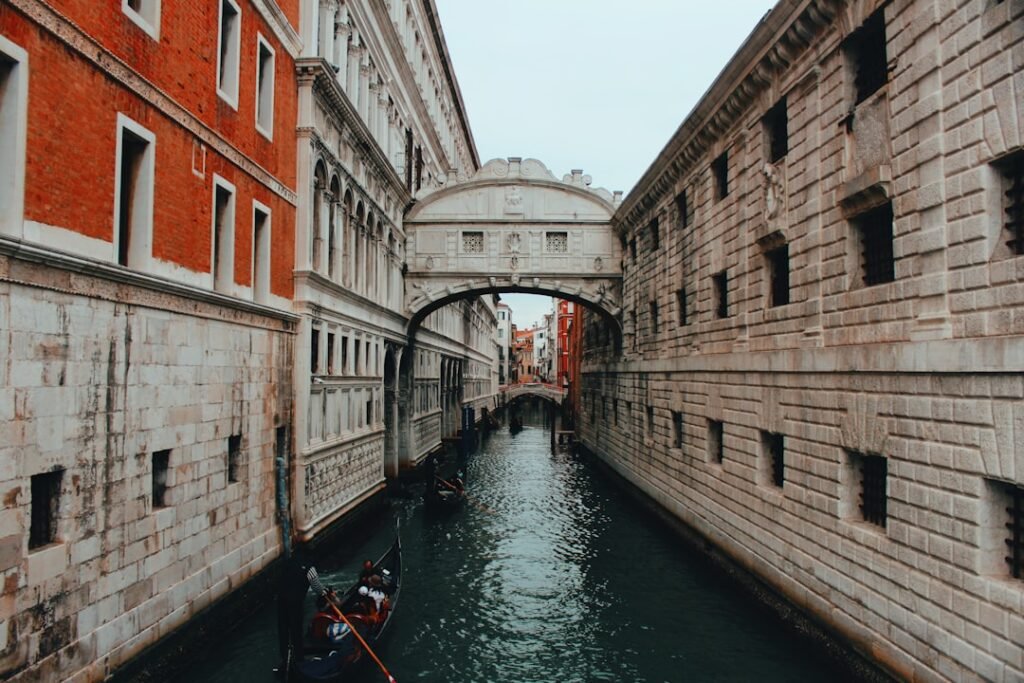

My exploration of European travel destinations, as I perceive them, offers a glimpse into the continent’s multifaceted allure. My perspective, largely informed by extensive personal travel and research, focuses on practical insights rather than effusive praise. I aim to provide a factual, objective overview, much like an encyclopedia entry, for those contemplating their next journey.
When I consider Western Europe, I see a tapestry woven with historical grandeur and modern vibrancy. These cities, in my experience, serve as accessible entry points for many travelers, offering a blend of well-established infrastructure and iconic landmarks.
Paris: The Enduring Metropolis
My engagement with Paris has always been one of intellectual curiosity. This city, often romanticized, indeed possesses a unique character. My observations point to its continued relevance as a center for art, fashion, and intellectual discourse.
- Architectural Grandeur: I find the Parisian architecture to be a testament to centuries of design evolution. From the Gothic intricacies of Notre Dame Cathedral (currently undergoing significant restoration, a monumental undertaking I’ve followed with interest) to the Haussmannian boulevards that define much of the city’s urban fabric, the visual narrative is compelling. The Louvre, as an example, isn’t merely a museum; it’s a palatial complex that houses a monumental collection, each piece a whisper from the past.
- Cultural Institutions: My visits to Parisian museums and galleries are always an immersion. Beyond the Louvre, the Musée d’Orsay, housed in a former railway station, offers a comprehensive collection of Impressionist and Post-Impressionist masterpieces. The Pompidou Centre, with its distinctive ‘inside-out’ architecture, consistently showcases contemporary art and design. I observe that these institutions are not static repositories but dynamic spaces for intellectual engagement.
- Culinary Landscape: The Parisian culinary scene, in my assessment, extends beyond stereotypes. While the Michelin-starred establishments represent the pinnacle, I have found equal satisfaction in exploring the city’s diverse range of bistros, boulangeries, and marché offerings. The emphasis on fresh, seasonal ingredients remains a cornerstone of its gastronomic identity.
- Urban Experience: Navigating Paris, I’ve noted the efficiency of its metro system, a vital artery for the city. The city’s parks, such as the Jardin du Luxembourg and the Tuileries Garden, serve as important public spaces, offering respite from the urban hustle. My perception is that these spaces contribute significantly to the livability of the city.
Amsterdam: A Northern European Synthesis
My experiences in Amsterdam reveal a city that skillfully balances its historical legacy with a progressive, contemporary ethos. It’s a city I perceive as a well-oiled machine, despite its tranquil canals.
- Canal System and Architecture: I find the network of canals in Amsterdam to be more than just picturesque waterways; they are historical thoroughfares that sculpted the city’s development. The gabled houses lining these canals are not simply quaint; they are architectural relics, each telling a story of the city’s mercantile past. My explorations by foot and by boat have offered differing perspectives on this unique urban layout.
- Museum Quarter: The Museumplein, housing the Rijksmuseum, Van Gogh Museum, and Stedelijk Museum, represents a concentrated hub of cultural significance. I have spent considerable time in the Rijksmuseum, observing its vast collection of Dutch Golden Age art, and in the Van Gogh Museum, appreciating the comprehensive presentation of the artist’s tumultuous life and prolific work. These institutions, in my view, are critical to understanding Dutch cultural heritage.
- Intellectual and Liberal Climate: Amsterdam, in my opinion, has historically fostered a climate of intellectual freedom and tolerance. This ethos is palpable in its diverse population and its approach to social issues. I observe that this openness is a defining characteristic of the city.
- Cycling Culture: My encounters with Amsterdam’s cycling culture highlight its pragmatism. Bicycles are not merely leisure vehicles; they are the primary mode of transport for a significant portion of the population, a testament to sustainable urban planning. I’ve noted the dedicated infrastructure and the harmonious (mostly) coexistence of cyclists, pedestrians, and vehicles.
If you’re looking for inspiration on the best places to travel in Europe, you might also find interest in exploring some of the world’s greatest man-made wonders. For a deeper dive into remarkable architectural feats and historical sites that showcase human ingenuity, check out this article on the 50 Greatest Man-Made Wonders. It highlights extraordinary landmarks that are not only visually stunning but also rich in cultural significance, making them must-visit destinations on your European adventure.
Southern European Charms: Sun-Drenched Coasts and Ancient Reverberations
My observations of Southern Europe reveal a different cadence, one often imbued with a sense of ancient history and a lifestyle more closely tethered to the rhythm of the sun. The landscapes here, to me, feel older, more weathered, carrying the echoes of millennia.
Rome: The Eternal City’s Layers
My engagement with Rome is always an intricate archaeological excavation. This city, I contend, is not simply ancient; it is a layered construct where new builds upon old, creating a perpetual dialogue between eras.
- Ancient Roman Heritage: My primary focus in Rome often turns to its unparalleled collection of ancient Roman structures. The Colosseum, in my estimation, is more than a ruin; it is a monumental amphitheater that speaks volumes about Roman engineering and societal structures. The Roman Forum, a sprawling complex of ruins, offers a tangible connection to the political, religious, and commercial heart of ancient Rome. My studies have taught me that these sites are not just attractions but open-air archives.
- Vatican City: My visits to Vatican City, an independent city-state within Rome, are always a profound experience. St. Peter’s Basilica, with its immense dome and intricate interior, is a marvel of Renaissance architecture. The Vatican Museums, home to the Sistine Chapel, present an incomparable collection of art and artifacts, reflecting centuries of papal patronage. I approach these sites with respect for their immense historical and religious significance.
- Baroque and Renaissance Influence: Beyond the ancient, Rome is also a city heavily influenced by the Baroque and Renaissance periods. The Trevi Fountain, while often crowded, is a powerful example of Baroque artistry, its theatricality captivating. My observations suggest that this blend of periods contributes to Rome’s unique visual character.
- Contemporary Roman Life: Despite its historical weight, Rome is a living, breathing city. I find its distinct neighborhoods, such as Trastevere, offer a more intimate glimpse into contemporary Roman life, with its trattorias, artisan shops, and lively piazzas. My perception is that the Romans navigate their city with a pragmatic embrace of both past and present.
Santorini: An Aegean Icon
My assessment of Santorini, while acknowledging its popularity, focuses on its unique geological and aesthetic qualities. I see it as a visual spectacle, a testament to volcanic forces and architectural adaptation.
- Volcanic Caldera: My understanding of Santorini begins with its geological origins. The crescent-shaped island is essentially the rim of a submerged caldera, a dramatic landscape created by a massive volcanic eruption. The cliffsides, plunging into the Aegean Sea, are themselves a geological narrative. My interest lies in how human habitation has adapted to this raw, natural drama.
- Whitewashed Villages: The iconic whitewashed villages of Oia and Fira, clinging to the caldera Cliffs, are a defining characteristic. This architectural style, practical for deflecting sunlight, also creates a striking contrast against the deep blue of the sea. I observe that this harmony between natural and man-made elements is central to Santorini’s aesthetic appeal.
- Aegean Light and Views: The quality of light in the Aegean, particularly at sunrise and sunset, is a significant element of Santorini’s allure. The unobstructed views across the caldera, encompassing the volcano and the scattered islands, are, in my opinion, unparalleled. My personal documentation of these moments reflects a sense of being in a truly unique visual environment.
- Tourism Infrastructure: I note that Santorini’s significant tourist influx has led to a highly developed infrastructure, particularly in the hospitality sector. While this can lead to crowded periods, it also ensures a high level of service and accessibility for visitors. My experience suggests that strategic planning can mitigate some of the challenges of high tourism volume.
Central European Enigmas: Imperial Capitals and Mountainous Retreats
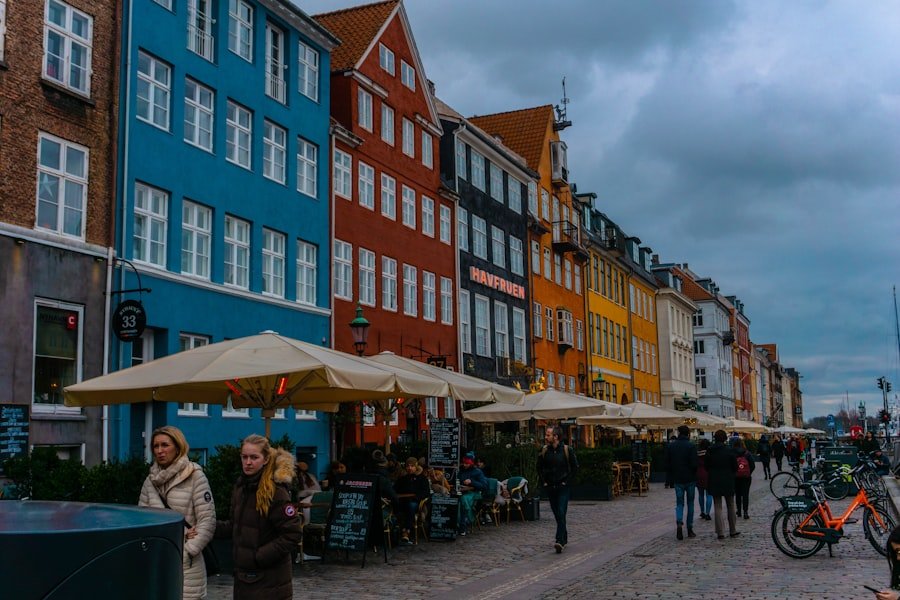
My perspective on Central Europe reveals a region shaped by complex historical narratives, defined by the rise and fall of empires, and characterized by a diverse blend of urban sophistication and natural beauty. These are places I find rich in historical layers and cultural cross-currents.
Vienna: Imperial Elegance and Cultural Depth
My explorations of Vienna consistently underscore its role as a grand imperial capital, meticulously preserved and infused with a deep appreciation for the arts. I perceive Vienna as a city where history is not merely recounted but actively inhabited.
- Habsburg Legacy: My understanding of Vienna is inextricably linked to the Habsburg dynasty. The Schönbrunn Palace, the Hofburg Imperial Palace, and St. Stephen’s Cathedral are not just buildings; they are monumental testaments to centuries of imperial power and architectural ambition. I find the sheer scale and opulence of these structures to be awe-inspiring, a physical manifestation of a bygone era.
- Music and Arts: Vienna’s reputation as a city of music is well-deserved, in my assessment. From Mozart to Strauss, the city has been a cradle for numerous musical geniuses. I have found attending a performance at the Vienna State Opera or a classical concert to be an essential part of understanding the city’s cultural soul. Its numerous museums, such as the Kunsthistorisches Museum, house collections that rival the world’s best, further solidifying Vienna’s cultural standing.
- Coffee House Culture: My observations of Viennese life include a distinct coffee house culture. These establishments are more than just places to consume beverages; they are social hubs, extensions of living rooms, and informal intellectual forums. I have spent many hours in these institutions, absorbing the atmosphere and engaging in the quiet observation of local life.
- Green Spaces and Quality of Life: Despite its imperial grandeur, Vienna also boasts numerous green spaces, such as the Prater amusement park and the Vienna Woods, which contribute to its high quality of life. I perceive a balance between urban sophistication and accessible nature, which I believe is a significant factor in the city’s appeal.
Prague: Bohemian Rhapsody of History
My experiences in Prague present a city that feels like a meticulously crafted historical diorama, each cobblestone and spire whispering tales of a rich, often turbulent, past. I see it as a city that has retained its historical integrity with remarkable tenacity.
- Gothic and Baroque Architecture: My primary focus in Prague is often on its architectural diversity. The Charles Bridge, adorned with statues, is more than a river crossing; it’s an open-air gallery and a vital historical artery. Prague Castle, a sprawling complex of palaces, churches, and gardens, dominates the skyline and represents centuries of Bohemian and Holy Roman Empire rule. St. Vitus Cathedral, a Gothic masterpiece within the castle complex, commands particular attention for its intricate façade and stained-glass windows.
- Old Town Square: The Old Town Square, in my assessment, is the heart of Prague. Surrounded by historical buildings, including the Old Town Hall with its astronomical clock, it serves as a vibrant public space that has witnessed centuries of markets, celebrations, and upheavals. My observations suggest that this square acts as a focal point for both residents and visitors alike.
- Jewish Quarter (Josefov): My visits to the Jewish Quarter, Josefov, offer a poignant glimpse into Prague’s complex history. The Old Jewish Cemetery, the synagogues, and the Jewish Museum collectively provide a powerful narrative of resilience and cultural preservation. I approach this district with a sense of historical reverence.
- Vltava River and Bridges: The Vltava River, winding through the city, is an integral element of Prague’s landscape. The various bridges, beyond the Charles Bridge, offer differing perspectives of the city and contribute to its overall charm. My exploration by river cruise has provided a unique vantage point from which to appreciate Prague’s distinct topography.
Northern European Frontiers: Of Fjords, Forests, and Design
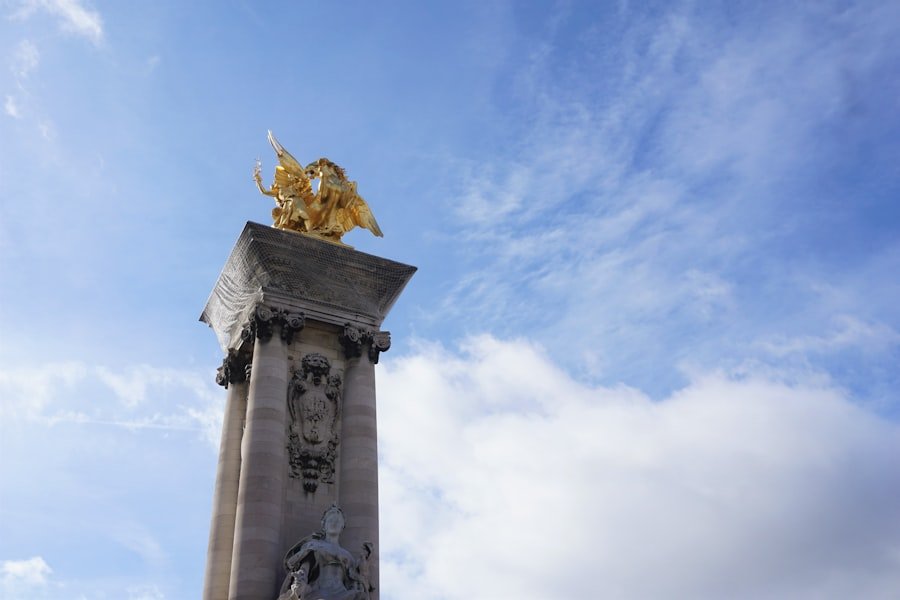
My analysis of Northern Europe invariably leads me to landscapes shaped by glaciers, where human ingenuity often manifests in practical design and a deep respect for the natural environment. I view these areas as compelling examples of harmonious coexistence between nature and civilization.
Oslo: A Fusion of Nature and Urban Innovation
My encounters with Oslo reveal a city that skillfully integrates its natural surroundings with a forward-thinking urban design and a commitment to sustainability. I perceive it as a city that looks to the future while respecting its foundational elements.
- Fjord and Forest Proximity: My appreciation for Oslo often stems from its unique geographical position. The Oslofjord and the surrounding forests (Nordmarka) are not distant panoramas; they are directly accessible and integral to the city’s recreational life. I have found that this close relationship between urban and natural environments is a defining characteristic of Oslo.
- Modern Architecture and Urban Planning: Oslo, in my estimation, has embraced modern architectural principles and innovative urban planning. The Oslo Opera House, with its distinctive ‘iceberg’ design, is a prime example of this. The waterfront redevelopment, including the Aker Brygge area, demonstrates a commitment to creating vibrant public spaces. I observe a deliberate effort to create an aesthetically pleasing and functional urban environment.
- Museums and Cultural Institutions: My interest in Oslo extends to its significant cultural institutions. The Viking Ship Museum (currently undergoing reconstruction, a project I am following) and the Munch Museum are examples of institutions that preserve and showcase Norway’s rich history and artistic contributions. The National Gallery, housing a comprehensive collection of Norwegian art, also offers valuable insights.
- Sustainability and Green Initiatives: My research and observations indicate that Oslo prioritizes sustainability. Its extensive public transport network, commitment to renewable energy, and numerous green spaces contribute to its reputation as a leading green city. I believe this focus on environmental responsibility is a defining feature of contemporary Oslo.
If you’re looking for unique travel experiences in Europe, you might want to explore some of the hidden gems that often go unnoticed by tourists. A great resource for this is an article that highlights the most underrated capitals in Europe, showcasing destinations that offer rich culture and history without the crowds. These lesser-known cities can provide a refreshing alternative to the typical tourist hotspots, making your European adventure even more memorable.
Eastern European Resilience: Unveiling Historical Narratives
| City | Country | Top Attractions | Best Time to Visit | Average Temperature (°C) | Popularity Rank |
|---|---|---|---|---|---|
| Paris | France | Eiffel Tower, Louvre Museum, Notre-Dame | April to June, September to November | 12-20 | 1 |
| Rome | Italy | Colosseum, Vatican City, Trevi Fountain | April to June, September to October | 15-25 | 2 |
| Barcelona | Spain | Sagrada Familia, Park Güell, La Rambla | May to June, September to October | 16-24 | 3 |
| Amsterdam | Netherlands | Canals, Van Gogh Museum, Anne Frank House | April to May, September to November | 10-18 | 4 |
| Prague | Czech Republic | Charles Bridge, Prague Castle, Old Town Square | May to September | 14-22 | 5 |
| Vienna | Austria | Schönbrunn Palace, St. Stephen’s Cathedral, MuseumsQuartier | April to June, September to October | 13-23 | 6 |
| Lisbon | Portugal | Belém Tower, Jerónimos Monastery, Alfama District | March to May, September to October | 17-26 | 7 |
| Edinburgh | Scotland | Edinburgh Castle, Royal Mile, Arthur’s Seat | May to September | 11-19 | 8 |
| Budapest | Hungary | Parliament Building, Buda Castle, Thermal Baths | April to June, September to October | 14-24 | 9 |
| Florence | Italy | Uffizi Gallery, Duomo, Ponte Vecchio | April to June, September to October | 15-25 | 10 |
My perspective on Eastern Europe is one of discovering regions that, despite periods of intense historical upheaval, have preserved their unique cultural identities and are now revealing themselves as increasingly accessible and captivating destinations. I see them as places that have stories to tell, often with remarkable fortitude.
Budapest: The Pearl of the Danube
My experience in Budapest consistently reveals a city of striking beauty, geographically bisected by the Danube River, and marked by a rich, complex history that is evident in its diverse architectural styles. I perceive it as a city with a distinctly elegant, yet robust, character.
- Danube River and Bridges: The Danube River is, in my opinion, the heart of Budapest. The Chain Bridge, a symbol of the city, and the other bridges connecting Buda and Pest are not just functional crossings; they are architectural landmarks that offer splendid views of the city’s two distinct halves. My boat trips on the Danube have provided a panoramic perspective of the city’s grandeur.
- Architectural Diversity: Budapest, in my assessment, showcases a fascinating blend of architectural styles, reflecting its multifaceted history. From the Gothic Revival of the Parliament Building, a truly magnificent structure, to the Art Nouveau elements found throughout the city, and the Roman and Turkish influences, the visual landscape is incredibly varied. I find this architectural eclecticism to be a compelling aspect of the city.
- Thermal Baths: My visits to Budapest inevitably include its renowned thermal baths, such as Széchenyi and Gellért. These are not merely recreational facilities; they are integral to the city’s social fabric and a legacy of its Ottoman past. I observe that these baths serve as community hubs and offer a unique cultural experience.
- Historical Echoes: My engagement with Budapest often involves acknowledging its historical complexities. Sites like the House of Terror Museum, while somber, provide crucial insights into the 20th century totalitarian regimes that impacted the city and the nation. I find that these stark reminders are important for understanding the full historical narrative of Budapest.
- Culinary and Wine Traditions: My exploration of Budapest’s culinary scene highlights the influence of various cultures. From traditional Hungarian goulash to its growing fine dining scene, there’s a richness to its gastronomy. The country’s wine regions are also noteworthy, and I have found the opportunity to sample local wines to be a rewarding experience.
In essence, my approach to these European destinations is one of careful observation and factual assessment. Each city and region, in my considered opinion, offers a distinctive narrative, a unique combination of history, culture, and contemporary life that warrants exploration. The continent, as I have come to know it, is not a monolithic entity but a vibrant mosaic of contrasts and continuities.
FAQs
1. What are some of the best cities to visit in Europe?
Some of the best cities to visit in Europe include Paris, Rome, Barcelona, Amsterdam, and Prague. These cities are known for their rich history, stunning architecture, vibrant culture, and excellent cuisine.
2. When is the best time to travel to Europe?
The best time to travel to Europe is generally during the spring (April to June) and fall (September to October) when the weather is mild, and tourist crowds are smaller. Summer is popular but can be crowded and more expensive.
3. What are some must-see landmarks in Europe?
Must-see landmarks in Europe include the Eiffel Tower in Paris, the Colosseum in Rome, the Sagrada Familia in Barcelona, the Acropolis in Athens, and Neuschwanstein Castle in Germany.
4. Is it easy to travel between European countries?
Yes, traveling between European countries is relatively easy due to well-connected train networks, budget airlines, and extensive bus services. The Schengen Area also allows for passport-free travel between many European countries.
5. What types of accommodations are available for travelers in Europe?
Europe offers a wide range of accommodations including hotels, hostels, vacation rentals, bed and breakfasts, and boutique guesthouses, catering to various budgets and preferences.