

When contemplating a journey through Italy, the sheer volume of potential destinations can feel like a vast, glittering tapestry, each thread beckoning with its own unique history and charm. My purpose here is to guide you, the discerning traveler, through some of Italy’s most compelling urban landscapes, offering a factual and insightful look into what each city presents. I aim to provide a compass, not a rosy filter, for your exploration of this historically rich and culturally vibrant nation.
My initial encounter with Rome was not unlike stepping onto a stage that had been meticulously set over millennia. It is a city that bears the weight of empires, where every cobblestone whispers tales of emperors, gladiators, and artists. To navigate Rome is to walk through layers of history, each epoch leaving an indelible mark.
Historical Significance
Rome’s historical importance is, by common consensus, unparalleled. As the capital of the Roman Empire, it was the epicenter of a civilization that shaped Western law, architecture, and governance. I consider the Colosseum, for instance, not merely as a ruin but as a colossal testament to human engineering and entertainment, a venue where spectacles unfolded that captured the imagination of millions. The Roman Forum, a sprawling archaeological complex, functions as an open-air museum, its fragmented columns and arches forming the skeletal remains of a once-vibrant public square. Here, political discourse, legal proceedings, and religious ceremonies once transpired, and as I walk amidst these remnants, I can almost sense the echoes of their clamor. The Pantheon, a marvel of ancient Roman architecture, with its unreinforced concrete dome and oculus, stands as a testament to the ingenuity of its builders. Its sheer longevity and structural integrity are engineering wonders that continue to impress me.
Architectural Triumphs
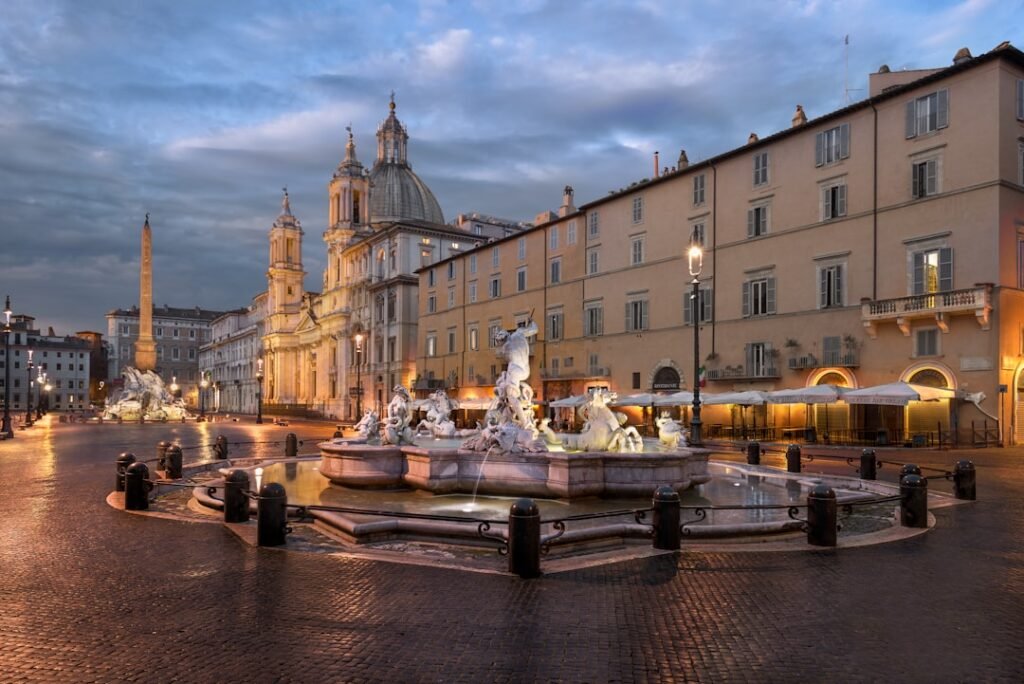
Beyond the ancient, Rome’s architectural landscape is a palimpsest of styles. The Baroque period, in particular, left an indelible impression on the city. I find Bernini’s Piazza Navona, with its Fountain of Four Rivers, to be a theatrical masterpiece, an urban design that blends sculpture, water, and space into a cohesive artistic statement. The Spanish Steps, a grand staircase connecting the Piazza di Spagna with the Trinità dei Monti church, serve as a monumental urban embellishment, a place where people gather and observe the flow of city life. Vatican City, an independent city-state within Rome, presents St. Peter’s Basilica, a monumental structure whose sheer scale and intricate detailing, particularly Michelangelo’s Pietà and the dome, command profound respect.
Cultural Tapestry
Rome’s cultural offerings are as diverse as its history. The Vatican Museums, housing collections amassed by the Popes over centuries, contain works of art that are pivotal to understanding Western civilization, with the Sistine Chapel being a culmination of Renaissance artistic achievement. I also recognize Rome’s contribution to cinema, particularly the “Cinecittà” studios, which have been the backdrop for numerous iconic films. The city’s culinary scene, while not as overtly innovative as some other Italian metropolises, adheres to traditional Roman cuisine, providing straightforward and robust flavors that speak to the city’s pragmatic character. I have always appreciated the simplicity and quality of dishes such as cacio e pepe and carbonara, which I consider foundational to Italian gastronomy.
If you’re planning a trip to Italy and looking for the best cities to explore, you might find it interesting to compare your options with another beautiful destination. For instance, Argentina offers a rich cultural experience and stunning landscapes, which you can read about in this article: Top 12 Destinations in Argentina: A Comprehensive Guide. While Italy is renowned for its historic architecture and delicious cuisine, Argentina boasts vibrant cities and breathtaking natural wonders, making both countries worthy of your travel itinerary.
Florence: The Cradle of the Renaissance
My explorations led me next to Florence, a city that, unlike Rome’s ancient grandeur, feels like a finely crafted jewel box, brimming with artistic treasures. Florence, for me, is the physical embodiment of the Renaissance, a period of unparalleled human endeavor and intellectual awakening.
Artistic Legacy
Florence’s preeminence during the Renaissance is undeniable. I consider the Uffizi Gallery to be a repository of some of the most significant works of art in Western history. Here, I have encountered masterpieces such as Botticelli’s “Birth of Venus” and “Primavera,” which I view as not merely paintings but as visual representations of a paradigm shift in human thought. Michelangelo’s “David,” housed in the Accademia Gallery, is another monumental achievement, a heroic sculpture that embodies the Renaissance ideal of human perfection and classical revival. Brunelleschi’s Dome of the Florence Cathedral (Duomo), an architectural feat of extraordinary ambition, stands as a symbol of human ingenuity. Its construction, without central scaffolding, represented a triumph of engineering and artistic vision that I find truly inspiring.
Urban Planning and Design
Florence’s urban fabric reflects its mercantile past and its status as a cultural hub. The Ponte Vecchio, a medieval bridge lined with shops, particularly jewelers, is an iconic structure that has withstood centuries of floods and conflicts. I appreciate its practicality and its aesthetic contribution to the cityscape. Palazzo Pitti, once the residence of the Medici family, and the adjacent Boboli Gardens, exemplify the opulent lifestyle and artistic patronage that characterized Renaissance Florence. The Palazzo Vecchio, the city’s town hall, with its imposing tower, serves as a testament to the power of the Florentine Republic.
Cultural Innovations
Beyond the visual arts, Florence was a crucible of intellectual and scientific advancements. I acknowledge the contributions of figures like Leonardo da Vinci, whose multifaceted genius, though not exclusive to Florence, was undoubtedly nurtured by its intellectual climate. The city’s impact on literature, particularly through Dante Alighieri, is also significant. I consider his “Divine Comedy” a cornerstone of Italian literature. The Florentine dialect, furthermore, became the basis for modern Italian, a linguistic transformation that I find fascinating in its historical development. I also observe that Florence continues to uphold traditions of craftsmanship, particularly in leather goods and elaborate paper production, which I view as a direct lineage from its artisanal past.
Venice: The Republic of Canals
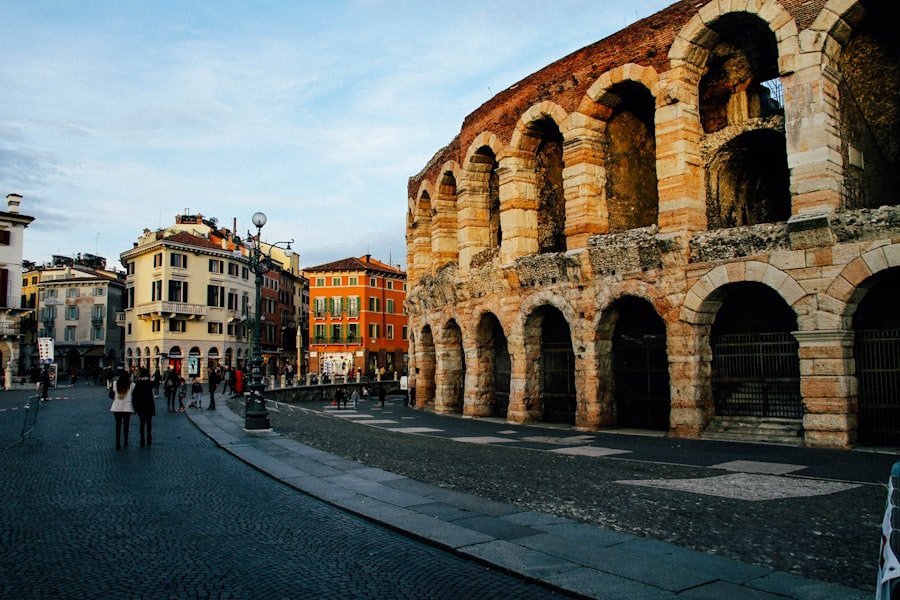
My journey to Venice was an immersion into a city unlike any other, a labyrinth of waterways and ancient buildings seemingly floating on the Adriatic. Venice, for me, is a testament to human adaptability, a metropolis built against all odds, where water is not a barrier but an intrinsic element of its identity.
Unique Geography and Architecture
Venice’s most defining characteristic is its network of canals, which serve as its primary thoroughfares. I view the Grand Canal as the city’s main artery, a liquid highway flanked by magnificent palaces that reflect centuries of wealth and power. Gondola rides, while often romanticized, provide a practical and intimate way to experience the city’s unique geography. The Rialto Bridge, a prominent stone arch bridge, acts as a nexus of activity, connecting different parts of the city and offering panoramic views. St. Mark’s Square, the Piazza San Marco, is the city’s ceremonial heart, a grand open space that epitomizes Venetian civic pride and its connection to the sea. The architecture, predominantly Byzantine and Gothic, evokes a sense of timelessness and exoticism, an amalgamation of Eastern and Western influences that I find architecturally significant.
Historical Role as a Maritime Power
Venice’s history as a powerful maritime republic, “La Serenissima,” is intimately linked to its geography. I acknowledge its role as a crucial trading post between Europe and the East, facilitating the exchange of goods, ideas, and cultures. The Doge’s Palace, an opulent Gothic structure, was the seat of Venetian government and the residence of the Doge, symbolizing the Republic’s authority and splendor. The arsenal, a complex of shipyards and armories, was a marvel of pre-industrial manufacturing, where innovative assembly line techniques were employed to construct naval vessels. I consider these elements vital to understanding Venice’s historical prominence and its enduring legacy.
Cultural and Artistic Heritage
Venice’s artistic contributions are significant, particularly in the realm of painting, with masters like Titian, Tintoretto, and Veronese shaping the High Renaissance and Mannerist movements. The Peggy Guggenheim Collection, a modern art museum, offers a contrast to the city’s ancient artistic heritage, showcasing works from the 20th century. The Biennale, a prestigious international art exhibition, further establishes Venice as a contemporary cultural center. I also recognize the city’s distinctive traditions, such as its elaborate Carnival, which showcases unique masks and costumes, reflecting a rich history of public celebration and anonymity. The Murano glass industry, renowned for its exquisite craftsmanship, stands as a testament to the city’s persistent artisanal traditions.
Milan: The Fashion and Financial Capital
My visit to Milan presented a stark contrast to the historical weight of Rome or the artistic gravitas of Florence. Milan, I found, is a city that pulsates with a distinctly modern energy, a hub of commerce, design, and contemporary culture. It is a city that looks forward as much as it acknowledges its past.
Economic and Financial Hub
Milan’s status as Italy’s economic powerhouse is undeniable. I recognize its role as a major financial center, housing the Borsa Italiana (Italian stock exchange). The city’s robust industrial sector, spanning from automotive to pharmaceuticals, contributes significantly to the national economy. This pragmatic orientation differentiates Milan from other major Italian cities, presenting a more business-centric atmosphere. I perceive Milan as an engine of Italian industry and innovation, a city where progress is continually sought.
Global Fashion and Design Influence
Milan’s prominence in the global fashion industry is a defining characteristic. I acknowledge its position as one of the “big four” fashion capitals, hosting internationally renowned fashion weeks that dictate global trends. The Quadrilatero della Moda, or “Fashion Quad,” is a district where luxury boutiques and designer showrooms are concentrated, representing the pinnacle of high fashion. Furthermore, Milan is a capital of design, particularly in furniture and industrial design. The Salone del Mobile, an annual furniture fair, showcases cutting-edge design and attracts professionals from around the world. I consider this emphasis on design and aesthetics to be a pervasive aspect of Milanese culture.
Architectural Landmarks
While often perceived as less historically grand than other Italian cities, Milan boasts significant architectural landmarks. The Milan Cathedral, or Duomo, is a colossal Gothic structure, characterized by its intricate spires and detailed façade. Its construction spanned centuries, resulting in a unique blend of architectural styles. La Scala, one of the world’s most famous opera houses, is a testament to Milan’s deep appreciation for performing arts. I consider its historical significance in the world of opera to be profound. The Galleria Vittorio Emanuele II, a 19th-century shopping arcade with a glass roof, is an architectural marvel that combines commercial function with artistic grandeur, a precursor to modern shopping malls. The city also features modern architectural developments, such as the Porta Nuova district, which showcases contemporary skyscrapers and urban regeneration projects, demonstrating Milan’s commitment to modernization.
If you’re considering a trip to Italy, you might also find it interesting to explore some of the ancient wonders of Jordan. A related article highlights the captivating history and stunning landscapes of this Middle Eastern gem, which can complement your travels in Europe. Discover more about these ancient treasures and how they can enhance your travel experiences by checking out this insightful piece on Jordan’s ancient treasures.
Naples: The Heart of Southern Italy
| City | Region | Top Attractions | Best Time to Visit | Average Temperature (°C) | Popularity Rank |
|---|---|---|---|---|---|
| Rome | Lazio | Colosseum, Vatican City, Trevi Fountain | April to June, September to October | 12-25 | 1 |
| Florence | Tuscany | Uffizi Gallery, Duomo, Ponte Vecchio | May to September | 13-28 | 2 |
| Venice | Veneto | Grand Canal, St. Mark’s Basilica, Rialto Bridge | April to June, September to November | 10-27 | 3 |
| Milan | Lombardy | Duomo, Sforza Castle, La Scala | April to June, September to October | 11-26 | 4 |
| Naples | Campania | Pompeii, Naples National Archaeological Museum, Mount Vesuvius | March to May, September to October | 13-29 | 5 |
| Bologna | Emilia-Romagna | Piazza Maggiore, Two Towers, Basilica of San Petronio | April to June, September to October | 12-27 | 6 |
| Verona | Veneto | Arena di Verona, Juliet’s House, Piazza delle Erbe | May to September | 12-28 | 7 |
My final destination in this overview brings me to Naples, a vibrant and sometimes chaotic city that offers a raw and unfiltered glimpse into Southern Italian life. Naples, for me, is a city of intense contrasts, where ancient history coexists with contemporary street life, and grandeur is often found alongside grit.
Historical Depth and Archaeological Proximity
Naples’ history is profound, tracing its origins back to ancient Greece. I acknowledge its role as Neapolis (“new city”) and its later influence under various empires and kingdoms. The Naples National Archaeological Museum houses an unparalleled collection of artifacts from nearby Pompeii and Herculaneum, Roman cities preserved by the eruption of Mount Vesuvius. I consider these artifacts to be invaluable windows into daily life in the Roman Empire. The subterranean city of Napoli Sotterranea reveals layers of Roman and Greek history hidden beneath the modern streets, an experience that provides a tangible link to the past. The presence of Mount Vesuvius itself, an active volcano, looms over the city, a constant reminder of both geological power and historical tragedy.
Culinary Epicenter
Naples is widely recognized as the birthplace of pizza. I consider the Neapolitan pizza, with its simple ingredients and traditional preparation methods, to be a culinary institution. The city’s culinary scene extends beyond pizza, however, with a rich tradition of street food and seafood-based dishes that reflect its coastal location. Neapolitan pastries, such as sfogliatella and baba, are also testament to a vibrant dessert culture. I value Naples for its commitment to gastronomic authenticity and its role in shaping Italian cuisine.
Vibrant Street Life and Culture
Naples possesses a distinct and energetic street culture. The Spanish Quarters, a dense network of narrow streets, offer a glimpse into local life, characterized by bustling markets, small shops, and an expressive populace. The city’s strong sense of community and its lively atmosphere contribute to its unique character. Naples is also a significant center for traditional Neapolitan music, particularly the canzone napoletana, which I find to be an enduring element of its cultural identity. The Teatro di San Carlo, one of the oldest working opera houses in the world, reflects Naples’ historical patronage of the performing arts. The city, despite its challenges, embodies a resilient spirit and a deep connection to its historical and cultural roots, which I find genuinely compelling.
FAQs
1. What are some of the best cities to visit in Italy?
Some of the best cities to visit in Italy include Rome, Florence, Venice, Milan, and Naples. Each city offers unique historical sites, cultural experiences, and culinary delights.
2. Which Italian city is known for its art and Renaissance architecture?
Florence is renowned for its art and Renaissance architecture. It is home to famous landmarks such as the Uffizi Gallery, the Florence Cathedral, and the Ponte Vecchio.
3. What makes Venice a popular travel destination in Italy?
Venice is popular for its unique canals, historic architecture, and romantic gondola rides. The city’s landmarks include St. Mark’s Basilica, the Grand Canal, and the Rialto Bridge.
4. Is Rome a good city for historical sightseeing?
Yes, Rome is an excellent city for historical sightseeing. It features iconic sites such as the Colosseum, the Roman Forum, the Vatican Museums, and the Pantheon.
5. Which Italian city is famous for fashion and shopping?
Milan is famous for fashion and shopping. It is considered one of the fashion capitals of the world and hosts major events like Milan Fashion Week.