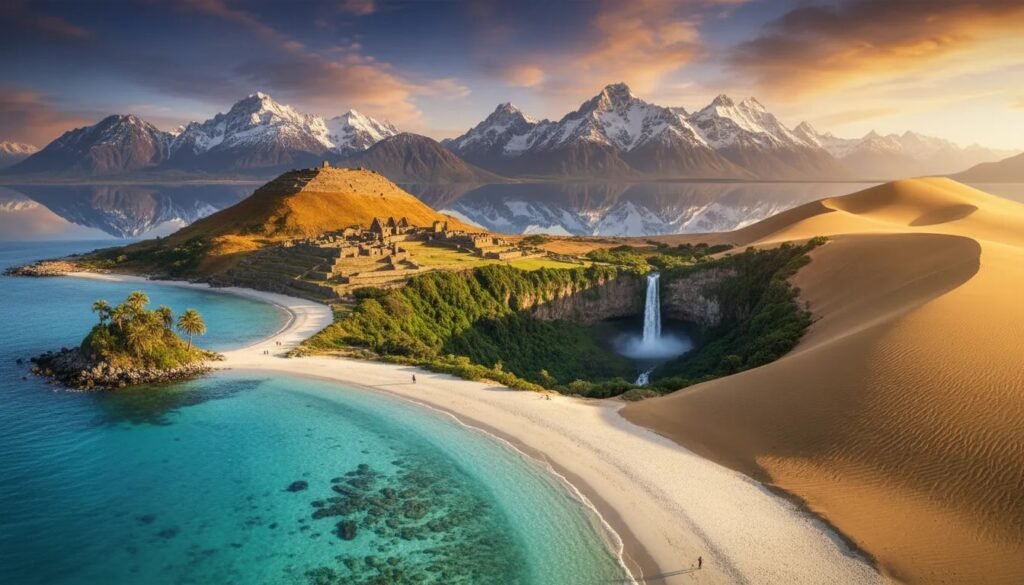

From jagged mountain peaks and emerald lagoons to ancient cities and surreal deserts, the world contains hundreds of sites that leave a lasting impression. This guide groups 50 of the planet’s most beautiful places by landscape type, offers practical visiting tips, and gives quick-reference ideas to help plan a trip or shortlist destinations for photography, adventure, or relaxation.
How this guide helps you
We organise the list by landscape and travel purpose so you can quickly find destinations that match your interests. For each highlighted place we include:
- Why it’s remarkable
- Best time to visit
- Practical tip (access, permits, or must-do)
Islands, beaches and turquoise lagoons
These destinations are ideal for beach lovers, snorkelers, and photographers seeking vibrant water and sand contrasts.
Palawan, Philippines
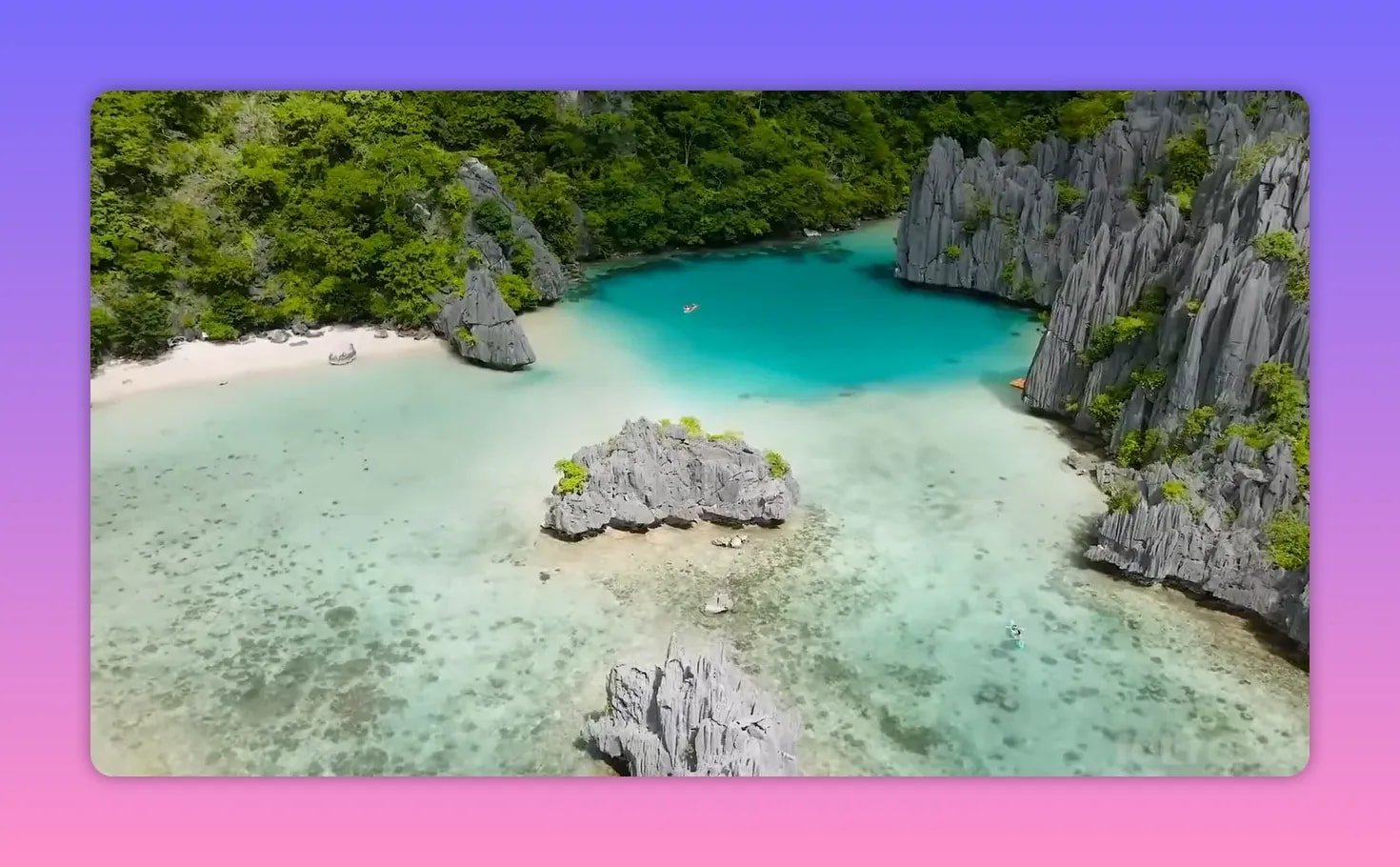
Why visit: Limestone karsts, hidden lagoons and world-class diving. Best time: November to May. Tip: Book island-hopping tours for El Nido and Coron in advance during high season.
Whitehaven Beach, Australia
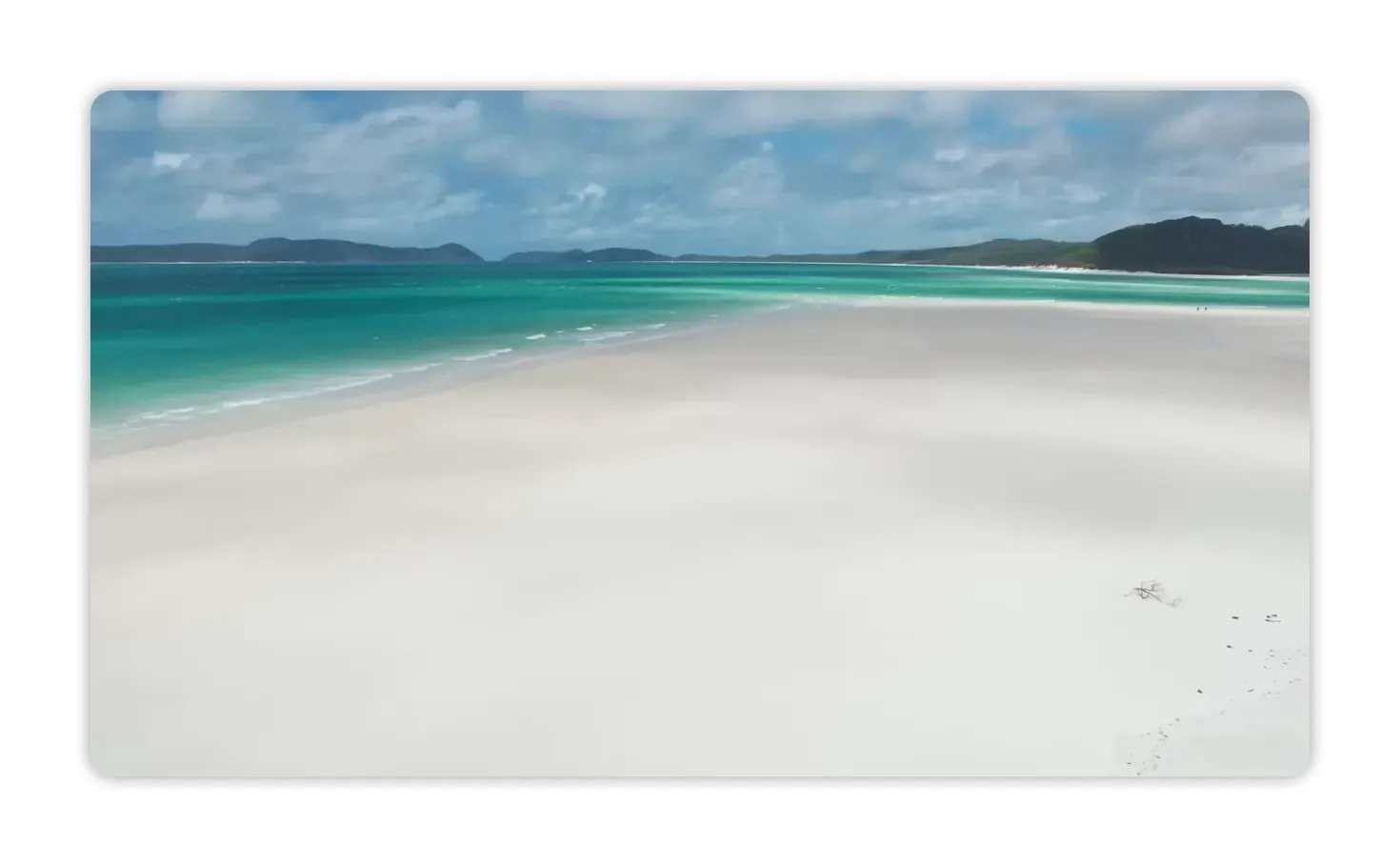
Why visit: Exceptionally white silica sand and clear blue water on Whitsunday Island. Best time: March to September for calm seas. Tip: Combine with a day sail from Airlie Beach for reef snorkelling.
Bora Bora, French Polynesia
Why visit: Overwater bungalows, turquoise lagoon and coral gardens. Best time: May to October. Tip: Consider a lagoon tour that includes a shark and ray feeding experience.
Raja Ampat, Indonesia
Why visit: Among the richest coral ecosystems on Earth. Best time: October to April. Tip: Liveaboard diving is the easiest way to reach remote reefs.
Komodo National Park, Indonesia
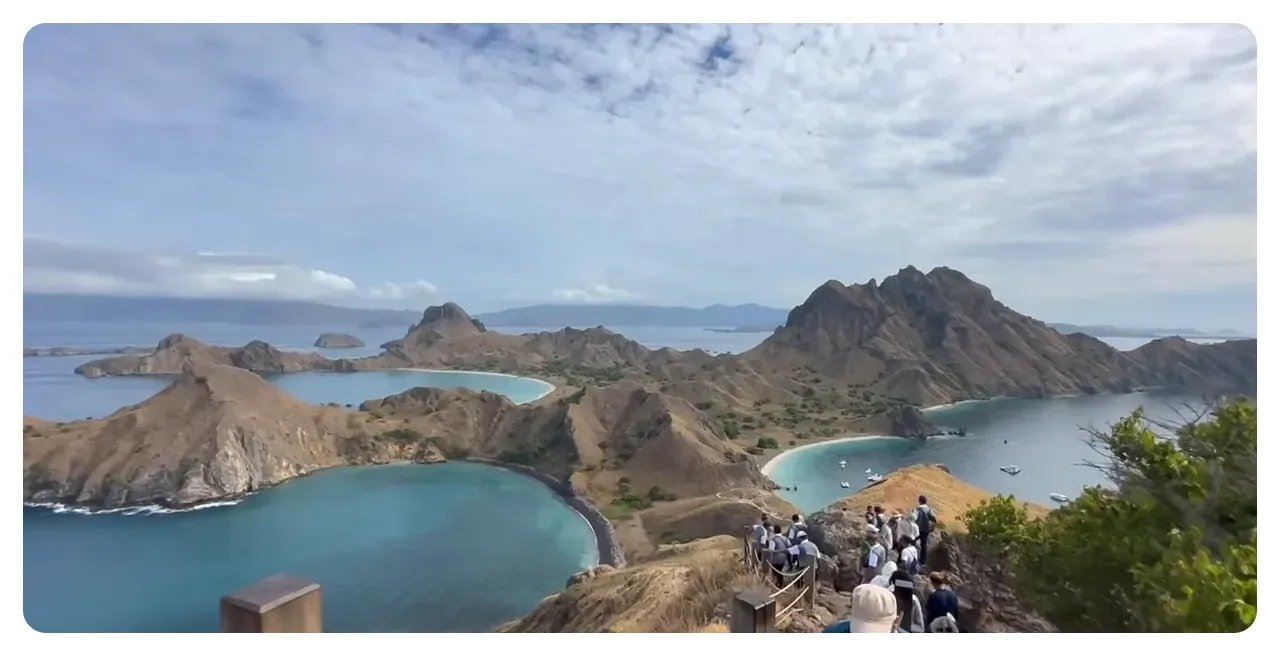
Why visit: Komodo dragons, pristine reefs and dramatic islands. Best time: April to December. Tip: Always visit with a licensed guide for safety around Komodo dragons.
Dramatic coastlines and sea stacks
Cliffs, basalt columns and winding coastal roads that reward patient travellers with spectacular viewpoints.
Reynisfjara (Black Sand Beach), Iceland
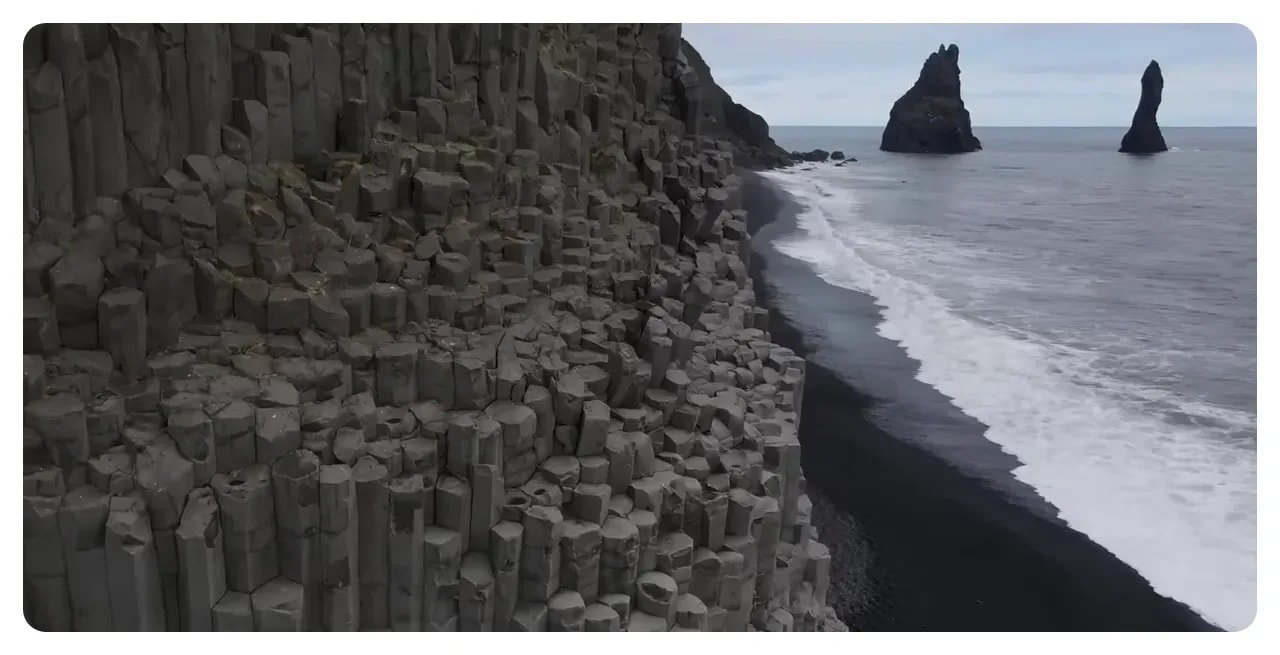
Why visit: Black volcanic sand, basalt columns and powerful Atlantic waves. Best time: Summer months for milder weather, but winter brings dramatic light. Tip: Stay well back from sneaker waves; they can be lethal.
Santorini, Greece
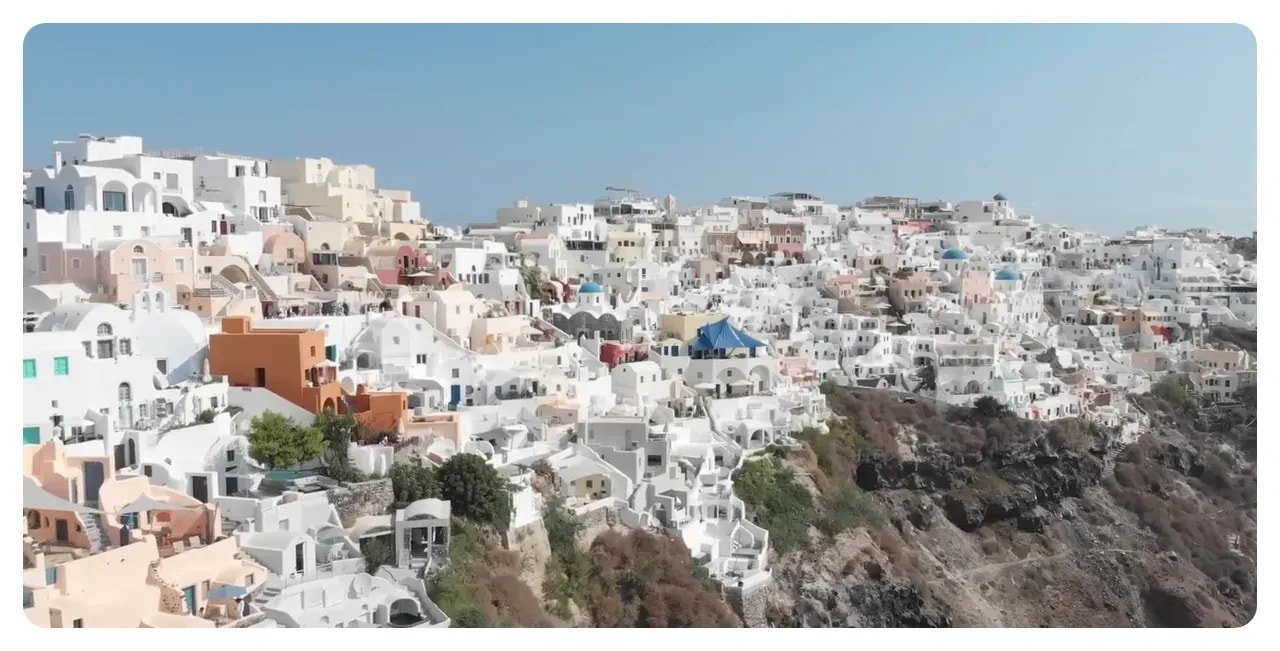
Why visit: Whitewashed cliff-top towns, caldera views and iconic sunsets. Best time: April–June or September–October. Tip: Book sunset terraces early—peak season fills quickly.
Cinque Terre, Italy
Why visit: Colourful coastal villages clinging to steep terraces and a scenic seaside trail. Best time: May–June and September. Tip: Buy the Cinque Terre Card for trail access and transport between villages.
Mountains, plateaus and alpine vistas
Torres del Paine National Park, Chile
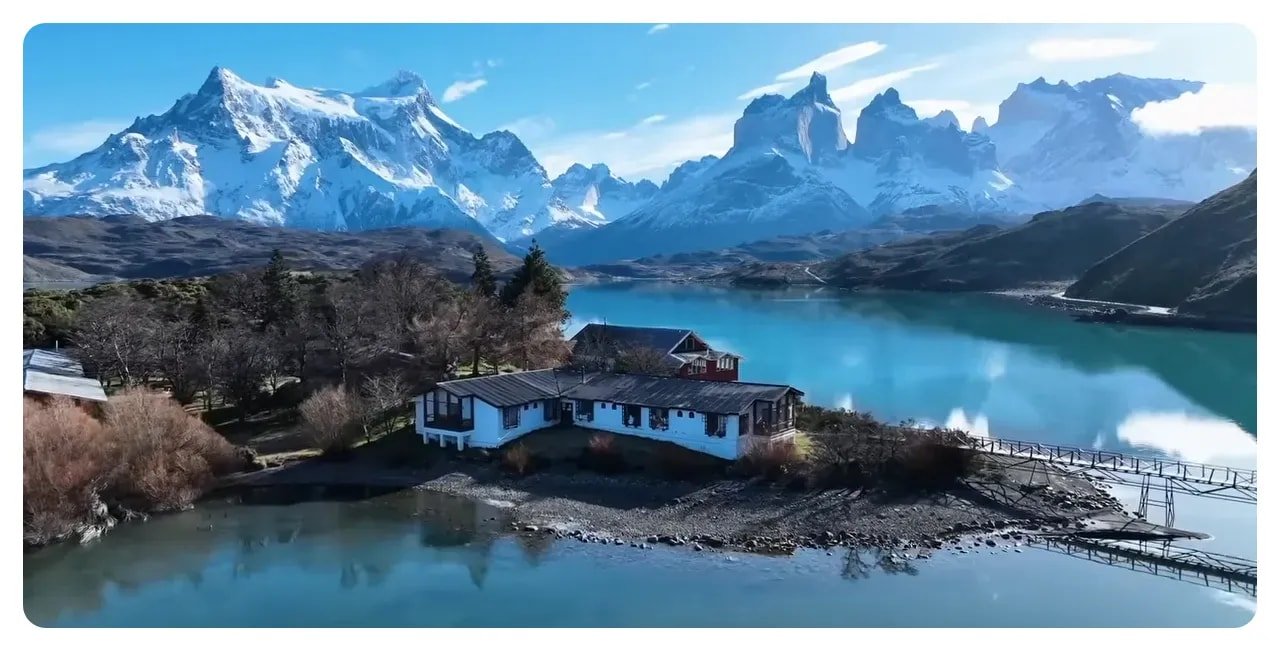
Why visit: Granite towers, glaciers and dramatic Patagonian scenery. Best time: October to April (southern hemisphere spring and summer). Tip: Weather changes rapidly; plan extra days to allow for disruptions.
Denali National Park, Alaska
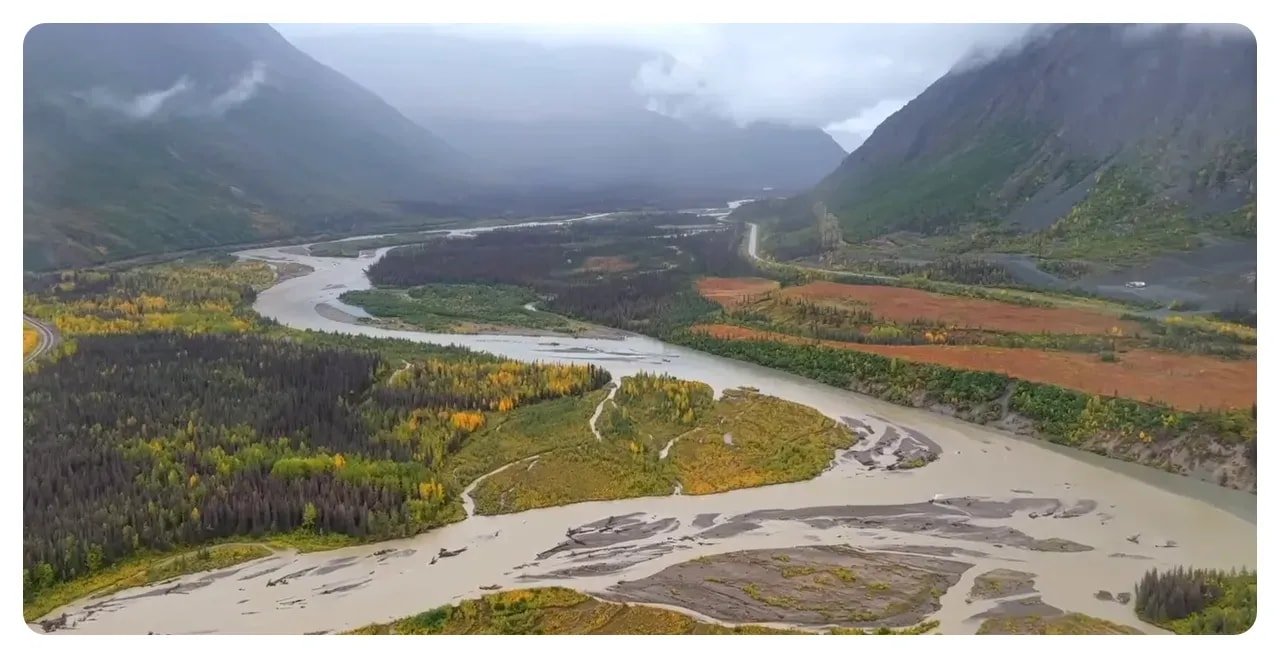
Why visit: Denali (20,310 ft) dominates a vast wilderness of tundra and boreal forest. Best time: June to August for wildlife and long daylight. Tip: Road access is limited; book shuttle buses or guided tours early.
Mount Roraima, Venezuela / Guyana / Brazil
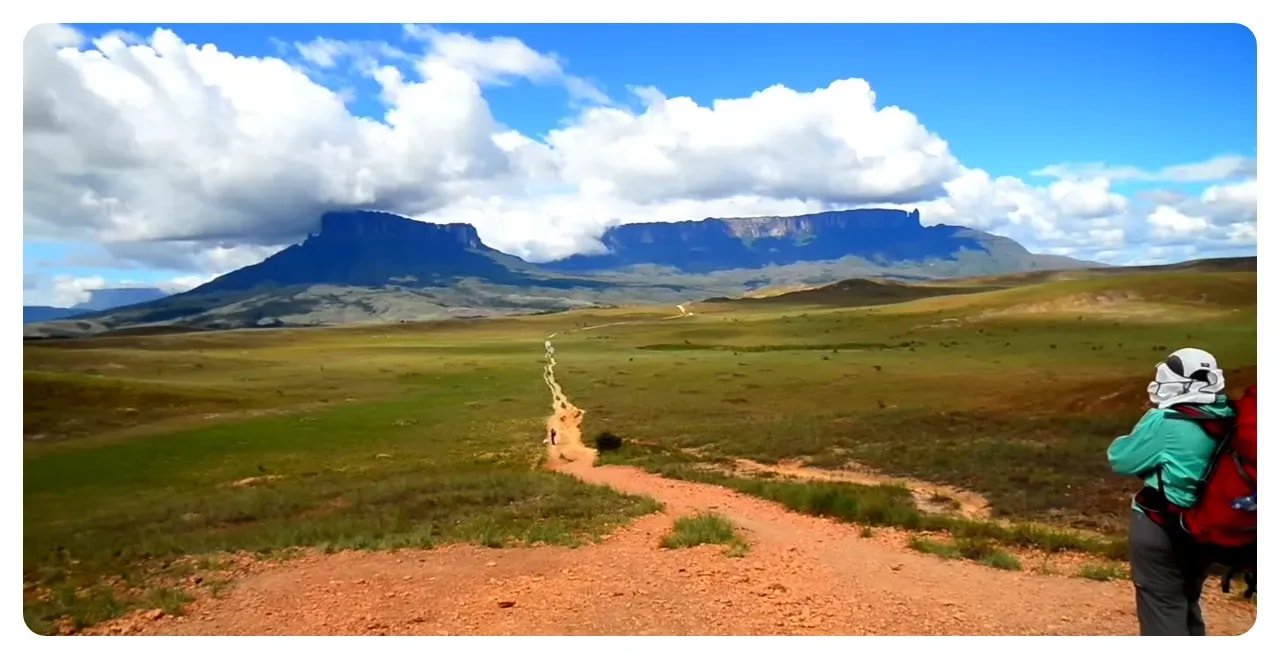
Why visit: Flat-topped tabletop mountain with surreal cliffs and cloud inversions. Best time: Dry season (December to March). Tip: Treks can take multiple days; go with an experienced operator.
Waterfalls, canyons and river-carved wonders
Victoria Falls, Zambia / Zimbabwe
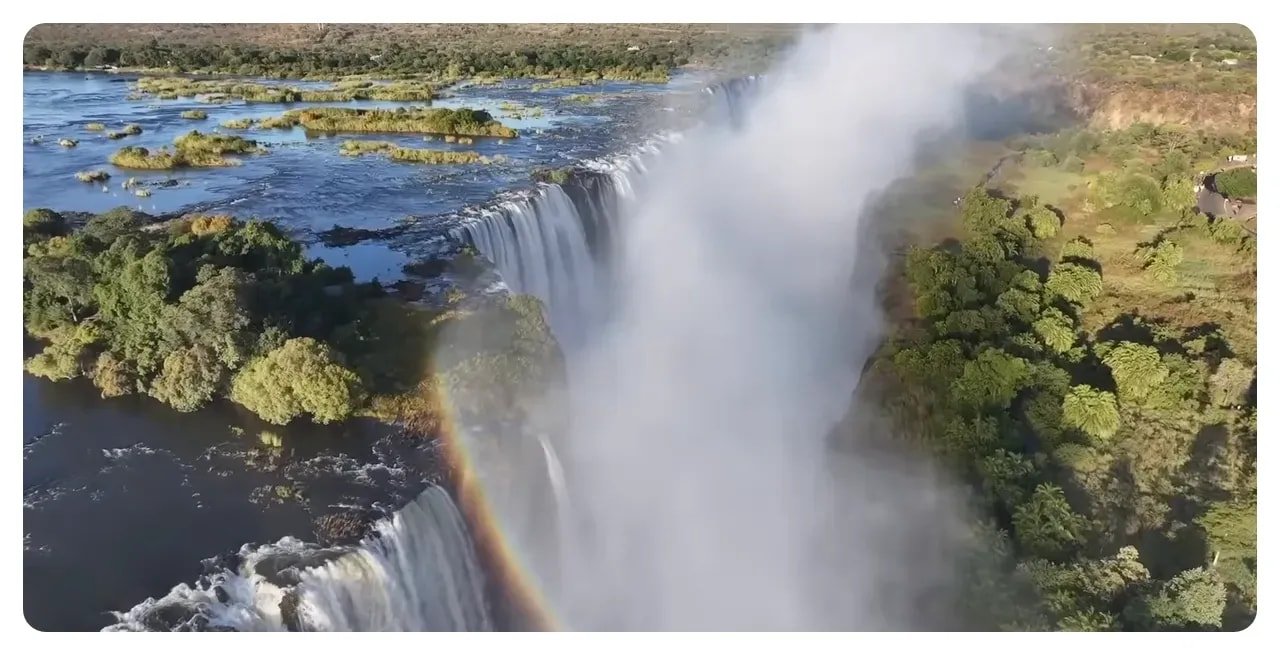
Why visit: One of the largest and most powerful waterfalls on Earth. Best time: February–May for largest flow; September–December for clearer views. Tip: Expect spray; waterproof gear and camera protection are essential.
Iguazu Falls, Argentina / Brazil
Why visit: Hundreds of cascades set within subtropical rainforest. Best time: March–May or August–October. Tip: Visit both the Argentine and Brazilian sides—each offers unique perspectives.
Antelope Canyon, USA
Why visit: Narrow slot canyon with flowing sandstone forms and light beams in the upper canyon. Best time: Late spring to early autumn for sunlight beams. Tip: Access is by guided tour only; midday visits deliver the famous beams.
Horseshoe Bend, USA
Why visit: Dramatic river meander carved by the Colorado River. Best time: Sunrise or sunset for softer light. Tip: Bring sun protection and water—there is little shade at the overlook.
Fjords, glaciers and cold-light landscapes
Milford Sound / Fiordland, New Zealand
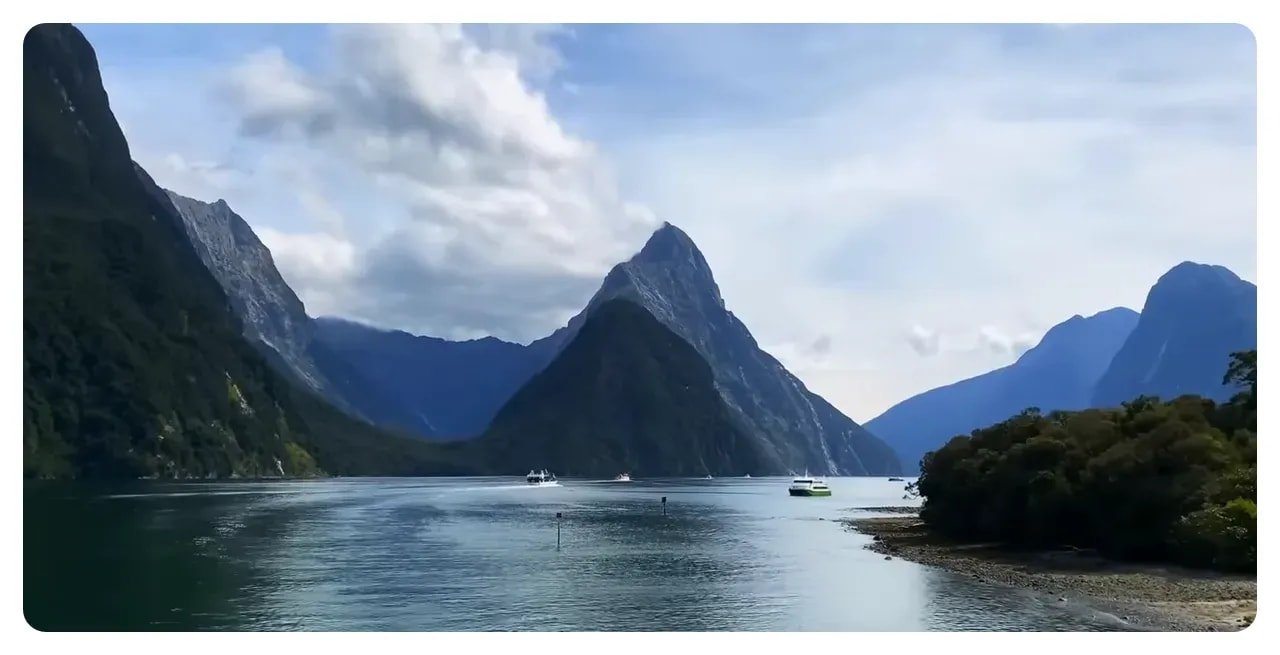
Why visit: Sheer cliffs, waterfalls and fjords carved by glaciers. Best time: Year-round; expect rain. Tip: A cruise or kayak is the best way to experience the Sound up close.
Greenland
Why visit: Ice-filled fjords, towering icebergs and Arctic light. Best time: June to August for boat access and long days. Tip: Plan remote logistics early and pack for cold conditions even in summer.
Unique and otherworldly landscapes
Lençóis Maranhenses, Brazil
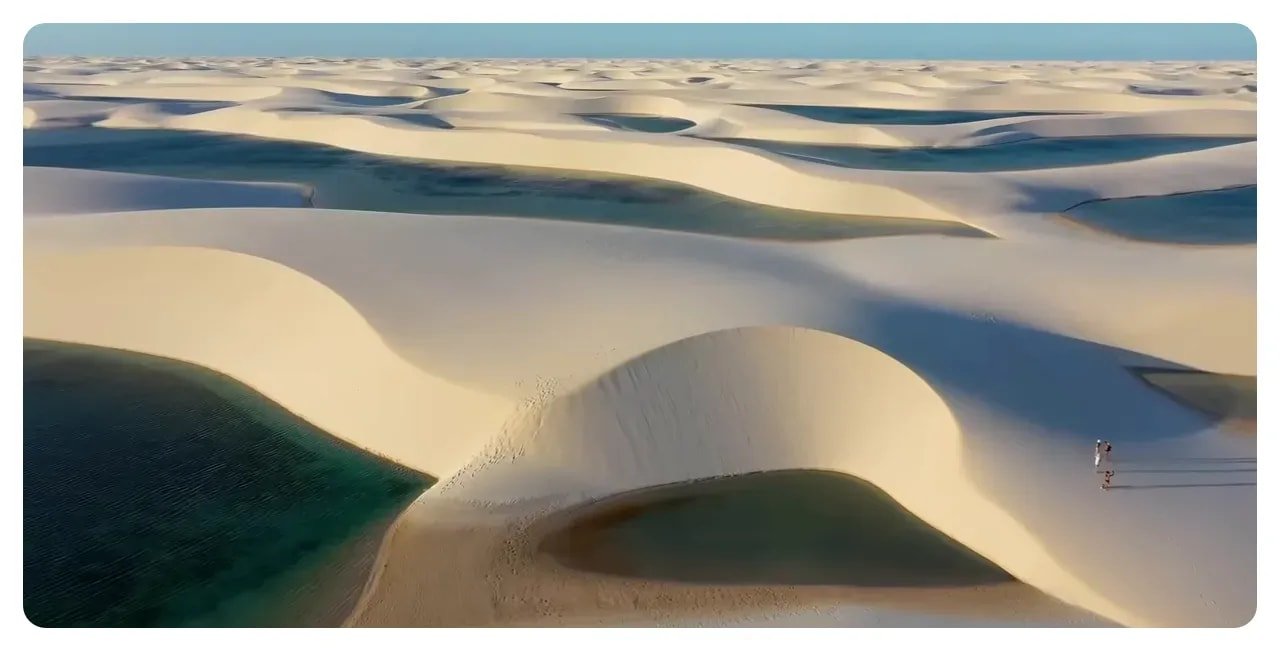
Why visit: Rolling white sand dunes punctuated by seasonal turquoise lagoons. Best time: July to September when lagoons are full. Tip: Reach the park from São Luís with a 4×4; hire a local guide to find the best lagoons.
Valle de la Luna, Atacama Desert, Chile
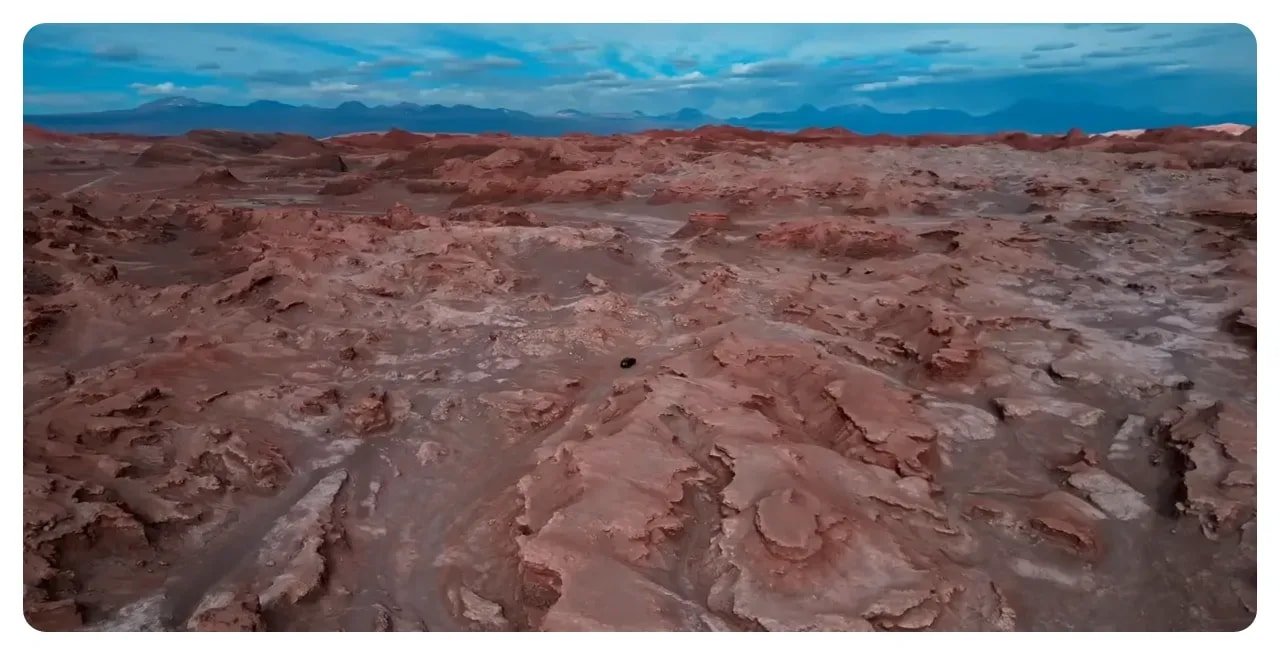
Why visit: Wind-sculpted salt and rock formations that glow at sunset. Best time: Year-round; nights are cold. Tip: Stay hydrated and protect skin from strong sun and glare.
Deadvlei, Namibia
Why visit: Ancient, sun-bleached camelthorn trees set against red dunes and a white clay pan. Best time: Morning or late afternoon for dramatic light. Tip: Combine with Sossusvlei for the iconic dune photographs.
Forests, cloud forests and pillars
Zhangjiajie National Forest Park, China
Why visit: Towering sandstone pillars that inspired floating mountains in cinema. Best time: April to October for clearer trails. Tip: Use cable cars and prepared trails to navigate this popular park.
Monteverde Cloud Forest, Costa Rica
Why visit: Mist-shrouded forest with abundant wildlife and canopy trails. Best time: January to April for less rain; evenings are still humid. Tip: Book guided birdwatching at dawn to increase chances of spotting rare species.
Iconic historic and cultural sites
Angkor Wat, Cambodia
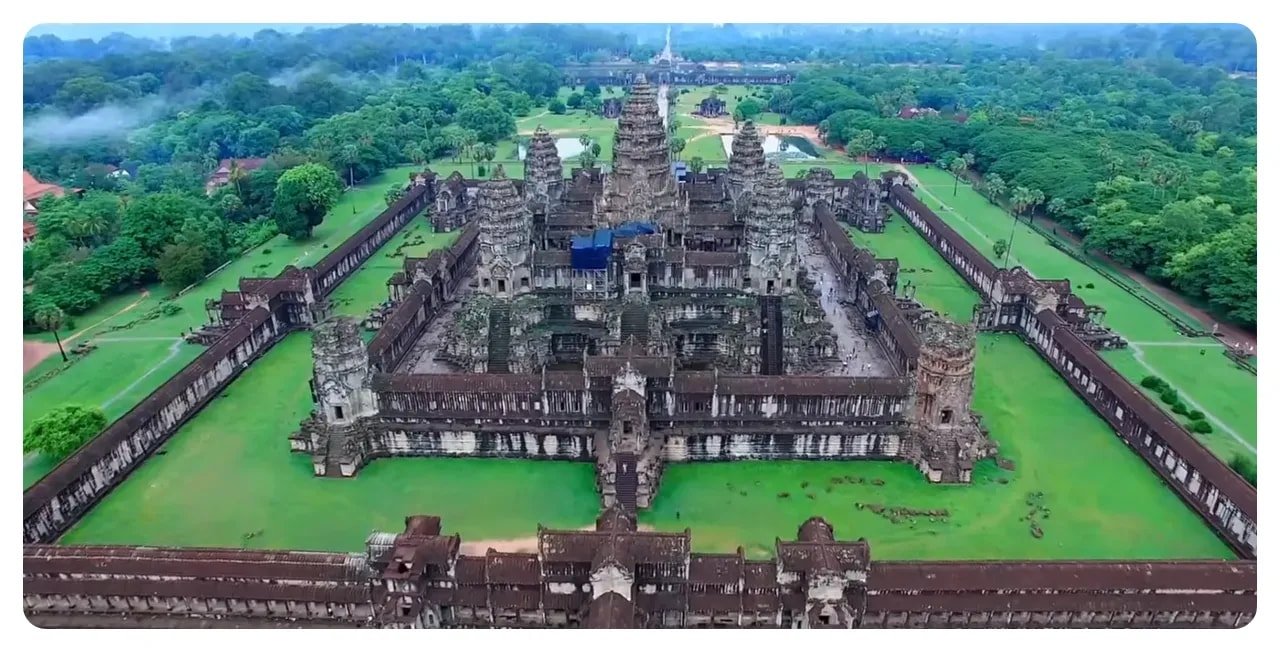
Why visit: Largest religious monument complex in the world, rich in architecture and stone reliefs. Best time: November to February for cooler weather. Tip: Buy a multi-day Angkor pass and arrive before sunrise to avoid crowds.
Machu Picchu, Peru
Why visit: Remarkable Inca citadel set on an Andean ridge. Best time: April to October (dry season). Tip: Permits are limited for the Inca Trail—book months ahead if you plan to trek.
Petra, Jordan
Why visit: Ancient city carved into rose-coloured sandstone cliffs. Best time: March–May and September–November. Tip: Explore Petra by walking through the Siq early, and book a night tour for lit-atmosphere photography.
Mont Saint-Michel, France
Why visit: Tidal island with a medieval abbey that appears to float at high tide. Best time: Spring and autumn for fewer tourists. Tip: Check tide times—access is spectacular during high tide.
Outstanding wildlife and remote ecosystems
Ngorongoro Crater, Tanzania
Why visit: Largest intact volcanic caldera with dense wildlife in a fenced ecosystem. Best time: June to October (dry season). Tip: Early morning game drives offer the best wildlife activity.
Socotra, Yemen
Why visit: Alien-looking dragon’s blood trees and unique endemic flora. Best time: October to April. Tip: Political and safety conditions can change—check travel advisories and travel with reputable operators.
Quick-reference: 50 beautiful places (grouped)
The following numbered list gives a one-line reference for each of the 50 places mentioned above and elsewhere. Use this to build a travel shortlist.
- Ngorongoro Crater, Tanzania
- Cinque Terre, Italy
- Petra, Jordan
- Cinque Terre (listed again as group entry) — see above
- Torres del Paine, Chile
- Palawan, Philippines
- Angkor Wat, Cambodia
- Plitvice Lakes National Park, Croatia
- Reynisfjara (Black Sand Beach), Iceland
- Big Sur, California, USA
- Santorini, Greece
- Cenotes of the Yucatán, Mexico
- Cappadocia, Turkey
- Whitehaven Beach, Australia
- Faroe Islands
- Ha Long Bay, Vietnam
- Fiordland / Milford Sound, New Zealand
- Ella, Sri Lanka
- Nā Pali Coast, Kaua‘i, Hawaii
- Valle de la Luna, Atacama, Chile
- Raja Ampat, Indonesia
- Scottish Highlands, UK
- Greenland (coastal fjords)
- Meteora, Greece
- Denali National Park, Alaska, USA
- Lençóis Maranhenses, Brazil
- The Pitons, St Lucia
- Victoria Falls, Zambia / Zimbabwe
- Mont Saint-Michel, France
- Bora Bora, French Polynesia
- Antelope Canyon, USA
- Machu Picchu, Peru
- Monteverde Cloud Forest, Costa Rica
- Picos de Europa, Spain
- Cliffs of Moher, Ireland
- Zhangjiajie / Wulingyuan, China
- Ubud, Bali, Indonesia
- La Brévine Valley / Swiss Alps (Alpine valleys)
- Bay of Kotor, Montenegro
- Deadvlei / Sossusvlei, Namibia
- Sagarmatha (Everest) National Park, Nepal
- Mount Roraima, Venezuela / Guyana
- Avenue of the Baobabs, Madagascar
- Neuschwanstein Castle, Germany
- Horseshoe Bend, Arizona, USA
- Namib / Wildflower bloom regions (Namaqualand), South Africa
- Komodo National Park, Indonesia
Practical planning checklist
- Decide purpose: Photography, wildlife, hiking or rest will determine the season and equipment.
- Check seasons: Many iconic effects are seasonal—lagoons, light beams, blooms and wildlife migrations each have narrow windows.
- Book permits and entry passes early: Examples include heritage sites, guided treks and national-park permits.
- Local transport: Some places require small planes, ferries or 4×4 transfers—factor costs and time into plans.
- Insurance and safety: Remote areas, boat travel and wildlife viewing often need comprehensive trip insurance and vaccination checks.
Common mistakes and pitfalls
- Overpacking camera gear: Choose versatile lenses and protect equipment from water, sand and dust.
- Ignoring weather windows: Poor timing can mean closed access or reduced spectacle (for example, dry lagoons or impassable trails).
- Underestimating travel times: Many beautiful sites are remote; a short distance on a map can become a long multi-leg journey.
- Overtourism: Travelling at peak times can undermine the experience; consider shoulder seasons or less-visited alternatives.
- Not respecting local rules: Many natural and cultural sites restrict drones, require guides or have strict conservation rules—ignore them at your peril.
Photography and experience tips
- Shoot the golden hours: Sunrise and sunset provide soft light and richer colours.
- Use a polariser: It reduces reflections and enhances blues and greens on water and foliage.
- Pack weather protection: Rain covers and lens cloths are essential in wet, sandy or misty environments.
- Consider a tripod: For low light, long exposures (waterfalls at dawn/dusk) and nightscapes.
- Respect wildlife: Stick to viewing distances and follow guide instructions to avoid disrupting animals.
Packing checklist for varied climates
- Lightweight layers, waterproof shell and insulated mid-layer
- Comfortable hiking boots and sandals for water sites
- Sun protection: hat, sunglasses and high-SPF sunscreen
- First-aid kit and any personal medications
- Portable battery pack and universal plug adapter
- Camera essentials: spare batteries, memory cards and lens cleaning kit
Final takeaways
Beauty on Earth takes many forms. Choosing where to go depends on what moves you most: dramatic geology, quiet beaches, ancient human creations or rare wildlife. Prioritise seasons, permits and responsible travel practices to make the most of each destination. With careful planning and respect for local environments and cultures, visiting these places can be a once-in-a-lifetime experience that stays with you long after you return home.