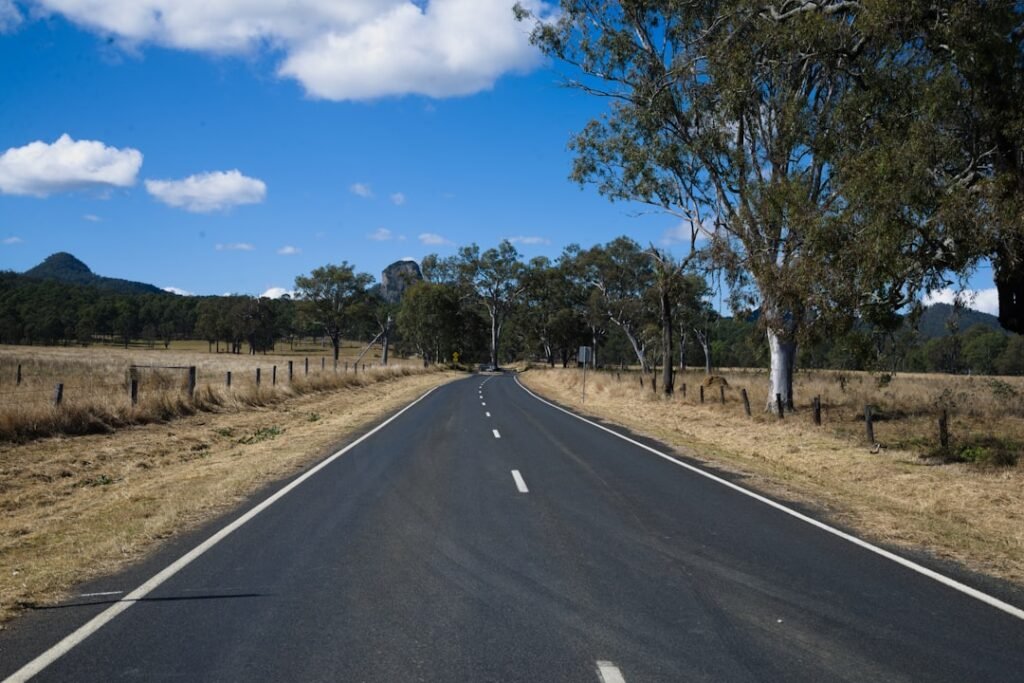

Australia, a vast and diverse continent, offers an unparalleled road trip experience that beckons adventurers from around the globe. With its stunning landscapes, vibrant cities, and rich cultural heritage, the country is a treasure trove of experiences waiting to be uncovered. From the sun-kissed beaches of the Gold Coast to the rugged outback of the Northern Territory, an Australian road trip allows travelers to immerse themselves in the natural beauty and unique charm of this remarkable land.
The ultimate itinerary is not just about the destinations; it’s about the journey itself, filled with spontaneous detours, local encounters, and unforgettable memories. Embarking on a road trip across Australia is akin to stepping into a living postcard. The sheer scale of the country means that each region boasts its own distinct character and attractions.
Whether you are drawn to the cosmopolitan allure of Sydney, the historical significance of Melbourne, or the breathtaking vistas of the Great Ocean Road, there is something for everyone. This article will guide you through planning your route, packing essentials, budgeting, safety tips, accommodation options, and how to fully embrace the unique wildlife and natural wonders that Australia has to offer.
Key Takeaways
- Australia offers an ultimate road trip experience with diverse landscapes and attractions.
- Plan your route to include must-see destinations and hidden gems for a well-rounded experience.
- Pack essentials like sunscreen, water, and a first aid kit for a successful road trip.
- Budget for fuel, accommodation, and activities to make the most of your Australian adventure.
- Drive safely in Australia by following road rules and being aware of wildlife on the roads.
Planning Your Route: Must-See Destinations and Hidden Gems
When planning your Australian road trip, it is essential to map out a route that encompasses both iconic landmarks and lesser-known treasures. Starting in Sydney, you can explore the iconic Sydney Opera House and take a stroll across the Sydney Harbour Bridge. From there, head south along the coast to discover the breathtaking scenery of the Royal National Park and the picturesque beaches of Wollongong.
Continuing on to Jervis Bay, you’ll find some of the whitest sands in the world at Hyams Beach, perfect for a refreshing swim or a leisurely picnic. As you venture further along the coast, make sure to stop at Batemans Bay and Narooma, where you can indulge in fresh seafood and enjoy stunning coastal views. For those seeking adventure, a detour to Kangaroo Valley offers opportunities for hiking and kayaking amidst lush rainforests.
Further south lies the charming town of Merimbula, known for its beautiful beaches and vibrant marine life. This route not only showcases Australia’s coastal beauty but also allows for exploration of quaint towns and local culture. Heading inland, consider a journey through the Snowy Mountains region, where you can experience Australia’s alpine scenery and perhaps even some skiing in winter.
The historic town of Cooma serves as a gateway to this stunning area. As you continue your journey, make your way to Canberra, Australia’s capital city, where you can visit national institutions such as the Australian War Memorial and the National Gallery of Australia. Each stop along your route offers a unique glimpse into Australia’s diverse landscapes and rich history.
Packing Tips and Essentials for a Successful Road Trip
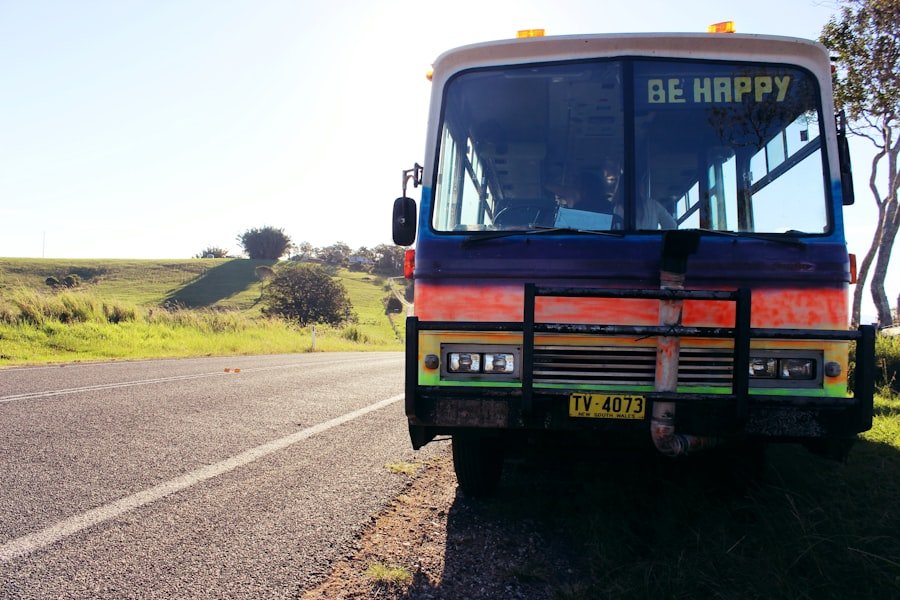
Packing for an Australian road trip requires careful consideration of both climate and activities. Given Australia’s varied weather conditions, it is crucial to pack layers that can accommodate everything from warm days to cool evenings. Lightweight clothing made from breathable fabrics is ideal for daytime wear, while a warm jacket or fleece is essential for cooler nights, especially in regions like Tasmania or the Blue Mountains.
In addition to clothing, don’t forget to pack essential items such as sunscreen, insect repellent, and a first-aid kit. The Australian sun can be intense, so high-SPF sunscreen is a must to protect your skin during outdoor activities. Insect repellent will help keep pesky bugs at bay, particularly in rural areas or during warmer months.
A well-stocked first-aid kit can be invaluable in case of minor injuries or ailments while on the road. For those planning to camp or spend time in nature, packing camping gear such as a tent, sleeping bag, and cooking equipment is essential. A portable stove or grill can enhance your outdoor cooking experience, allowing you to enjoy meals under the stars.
Additionally, consider bringing along a cooler for perishable food items and plenty of water bottles to stay hydrated during your travels. A good camera or smartphone with ample storage will help capture the stunning landscapes and memorable moments along your journey.
Budgeting for Your Australian Adventure
| Expenses | Average Cost |
|---|---|
| Accommodation | 100 – 200 per night |
| Food | 20 – 50 per day |
| Transportation | 50 – 100 per week |
| Activities | 50 – 100 per activity |
| Travel Insurance | 50 – 100 per month |
Budgeting for an Australian road trip involves careful planning to ensure that you can enjoy all that this incredible country has to offer without breaking the bank. Start by estimating costs for fuel, accommodation, food, activities, and any entrance fees for national parks or attractions you plan to visit. Fuel prices can vary significantly depending on location; therefore, it’s wise to keep an eye on fuel prices along your route and fill up when prices are lower.
Accommodation costs can also vary widely based on location and type. Camping is often the most budget-friendly option, with many national parks offering affordable campsites. Alternatively, hostels provide a cost-effective way to meet fellow travelers while enjoying basic amenities.
If you prefer more comfort, consider booking budget hotels or motels in advance to secure better rates. Websites and apps that compare accommodation prices can help you find deals that fit your budget. Food expenses can add up quickly if you dine out for every meal.
To save money, consider preparing some meals yourself using local produce from markets or grocery stores. Packing snacks for the road can also help curb hunger without resorting to expensive convenience store purchases. Additionally, look for free or low-cost activities such as hiking trails or beach visits that allow you to experience Australia’s natural beauty without spending a fortune.
Safety Tips and Precautions for Driving in Australia
Driving in Australia presents unique challenges that require awareness and preparation. One of the most critical safety tips is to familiarize yourself with local driving laws and regulations. In Australia, vehicles drive on the left side of the road, which may be unfamiliar for travelers from countries where driving is on the right.
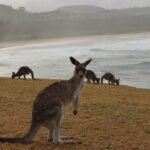
It’s essential to adjust your driving habits accordingly and remain vigilant at all times. Wildlife encounters are another significant consideration when driving in Australia. Many rural roads are frequented by kangaroos and other animals that may unexpectedly cross your path, particularly at dawn and dusk when they are most active.
To minimize risks, reduce your speed in rural areas and remain alert for wildlife signs indicating potential crossings. If you do encounter an animal on the road, it’s crucial to brake gently rather than swerving abruptly, which could lead to loss of control. Additionally, ensure that your vehicle is well-maintained before embarking on your journey.
Check tire pressure, fluid levels, and brakes to avoid breakdowns in remote areas where assistance may be limited. Carrying a spare tire and basic tools can be invaluable in case of emergencies. It’s also wise to have a roadside assistance plan in place should you encounter any issues while on the road.
Accommodation Options: Camping, Hostels, and Hotels
Australia offers a diverse range of accommodation options catering to various budgets and preferences. For those seeking an immersive experience in nature, camping is an excellent choice. National parks across Australia provide campgrounds equipped with basic facilities such as toilets and showers.
Popular camping spots include Uluru-Kata Tjuta National Park in the Northern Territory and Grampians National Park in Victoria. Camping allows travelers to connect with nature while enjoying stunning views right outside their tent. Hostels are another popular option among budget-conscious travelers looking for social interaction and camaraderie.
Many hostels offer dormitory-style accommodations as well as private rooms at affordable rates. They often feature communal kitchens where guests can prepare their meals and common areas for socializing with fellow travelers. Cities like Melbourne and Sydney boast numerous hostels that cater to different preferences and budgets.
For those who prefer more comfort or privacy during their stay, hotels and motels provide a range of amenities from basic accommodations to luxurious experiences. Major cities offer everything from boutique hotels with unique character to large chains with familiar comforts. Booking accommodations in advance can help secure better rates and ensure availability during peak travel seasons.
Exploring Australia’s Unique Wildlife and Natural Wonders
Australia is renowned for its extraordinary wildlife and natural wonders that captivate visitors from around the world. The Great Barrier Reef stands as one of the most iconic natural attractions globally, offering unparalleled opportunities for snorkeling and diving among vibrant coral reefs teeming with marine life. The reef stretches over 2,300 kilometers along Queensland’s coast and is home to thousands of species of fish, corals, and other marine organisms.
Inland adventures reveal Australia’s unique fauna through encounters with kangaroos, koalas, wombats, and more in their natural habitats. National parks such as Kangaroo Island provide opportunities for wildlife spotting while exploring stunning landscapes ranging from rugged cliffs to pristine beaches. The island is home to sea lions basking on sandy shores and diverse bird species soaring overhead.
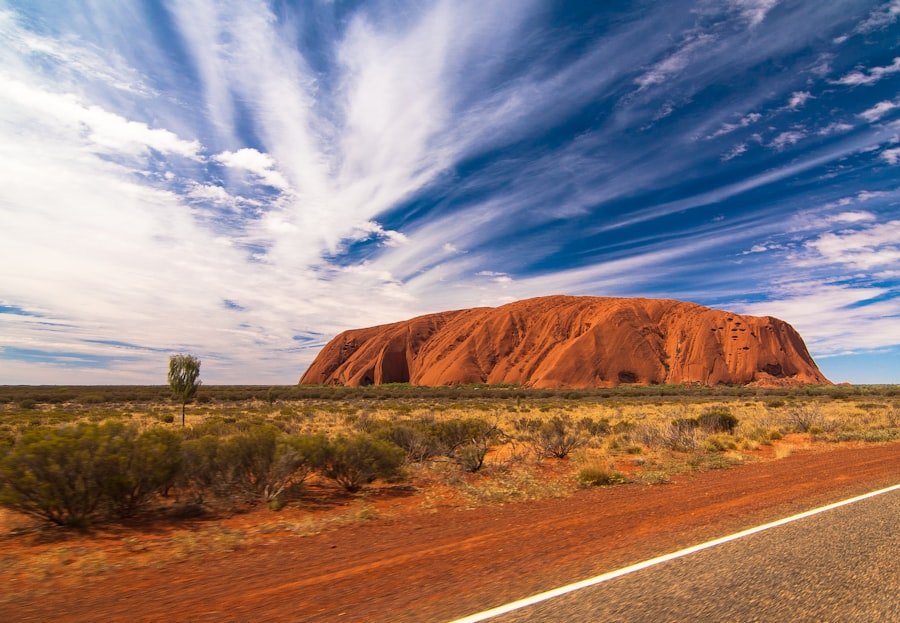
The Outback presents its own set of natural wonders with vast deserts like Uluru (Ayers Rock) standing as a sacred site for Indigenous Australians. Visitors can witness breathtaking sunrises and sunsets casting vibrant hues across this iconic monolith while learning about its cultural significance through guided tours led by local Indigenous guides. Exploring these natural wonders not only enriches your travel experience but also fosters a deeper appreciation for Australia’s unique ecosystems.
Tips for Making the Most of Your Road Trip Experience
To truly make the most of your Australian road trip experience, embrace spontaneity and allow yourself time to explore off-the-beaten-path destinations along your route. While having a planned itinerary is essential for covering key attractions, some of the best memories often come from unplanned stops at quirky roadside attractions or charming small towns that may not be on your radar. Engaging with locals can also enhance your journey significantly; they often have insider knowledge about hidden gems or local events worth experiencing.
Whether it’s striking up conversations at cafes or joining community events in towns you pass through, these interactions can lead to unexpected adventures that enrich your understanding of Australian culture. Lastly, take time to disconnect from technology during your travels; while navigation apps are helpful for getting around, immersing yourself in nature without distractions allows for deeper connections with your surroundings. Consider keeping a travel journal or capturing moments through photography instead of relying solely on social media updates.
This mindful approach will help you savor each moment of your journey across this magnificent continent.
If you’re planning an unforgettable road trip across Australia, you might also be interested in exploring other breathtaking destinations around the world. For instance, after experiencing the diverse landscapes and vibrant cities of Australia, consider venturing to Europe for a different kind of adventure. Check out this article on the top 10 destinations in Switzerland for inspiration. From the majestic Swiss Alps to the charming villages, Switzerland offers a unique blend of natural beauty and cultural richness that could be the perfect follow-up to your Australian journey.
FAQs
What is a road trip itinerary?
A road trip itinerary is a detailed plan of the route, stops, and activities for a road trip. It includes information on the destinations to be visited, the duration of the trip, and the accommodations along the way.
What are some popular destinations for a road trip in Australia?
Popular destinations for a road trip in Australia include the Great Ocean Road, the Red Centre, the East Coast, the Outback, and the Great Barrier Reef.
How long does a typical road trip in Australia last?
The duration of a road trip in Australia can vary depending on the route and the number of destinations. A typical road trip can last anywhere from a few days to several weeks.
What are some important things to consider when planning a road trip in Australia?
When planning a road trip in Australia, it is important to consider the driving distances, the weather conditions, the availability of accommodations, and the attractions and activities along the route.
What are some must-see attractions on a road trip in Australia?
Must-see attractions on a road trip in Australia include the Twelve Apostles, Uluru, the Sydney Opera House, the Great Barrier Reef, and the Daintree Rainforest.
What are some tips for a successful road trip in Australia?
Some tips for a successful road trip in Australia include planning the route in advance, packing essential supplies, checking the vehicle’s condition, and being prepared for long stretches of driving.