
Cities built on high plateaus and mountain slopes offer dramatic scenery, deep cultural history and experiences you cannot find at sea level. If you are researching the highest cities in the world to visit, this guide lists the top nine, explains practical risks of altitude, and gives precise tips on how to prepare, acclimatise and make the most of each place.
Why elevation matters for travellers
Elevation affects weather, oxygen availability and how your body performs. Above about 2,500 metres (8,200 feet) many people begin to notice shortness of breath, headaches and reduced exercise capacity. High-altitude cities also tend to have cooler daytime temperatures and strong sunlight due to thinner air. Knowing what to expect helps you plan itineraries, avoid common mistakes and enjoy your trip safely.
How I ranked these cities
I focused on permanent, populated urban centres with official elevations commonly cited by geographers and travel authorities. The list below goes from lower high-elevation cities to the highest city on Earth, with short practical notes for visitors.
Top 9 highest cities to visit (elevation in metres and feet)
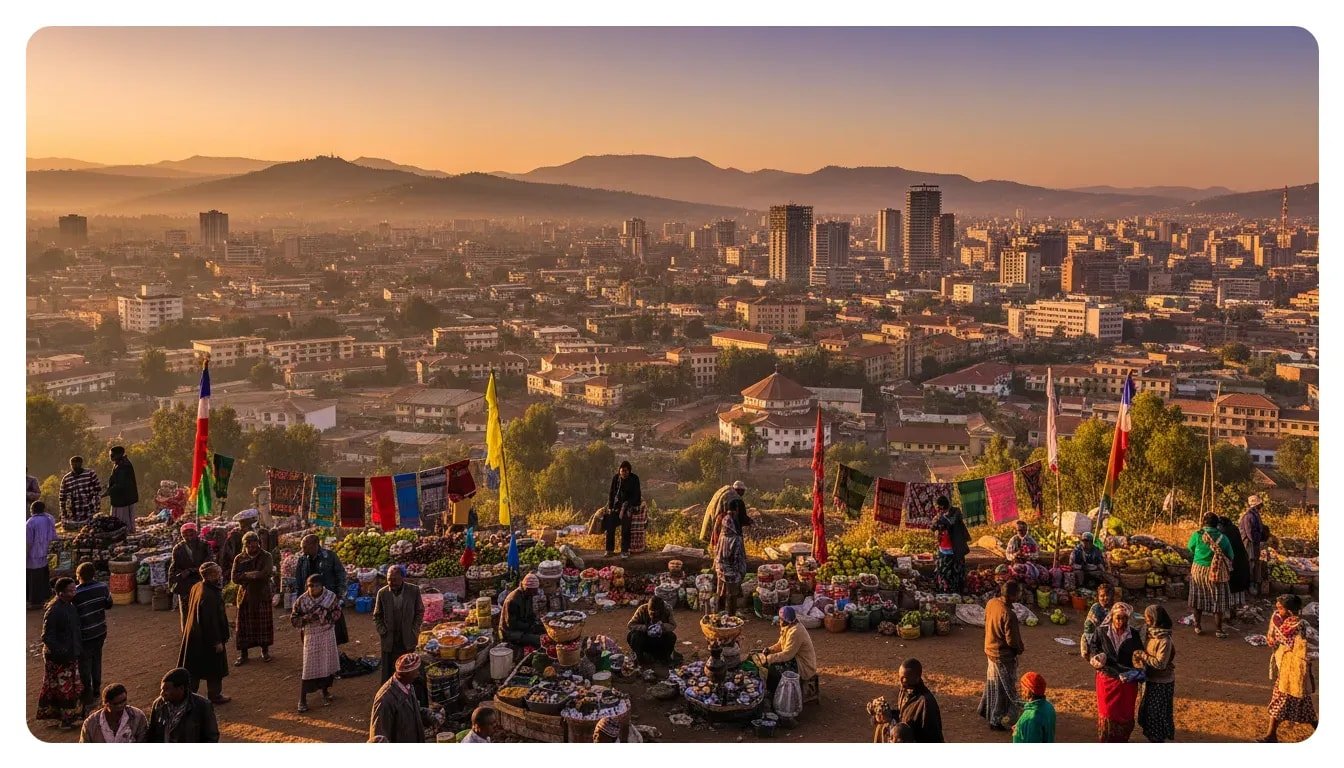
Addis Ababa, Ethiopia — approx. 2,355 m (7,726 ft)
Quick facts: Ethiopia’s capital sits on a high plateau and is the country’s political, cultural and economic centre. You will find lively markets, traditional cuisine and historic churches alongside modern infrastructure.
Why go: For cultural immersion: markets, museums and a distinct historic atmosphere away from coastal climates.
Tip: Expect cooler evenings than lowland Africa and give yourself a day to adjust if arriving from much lower altitudes.
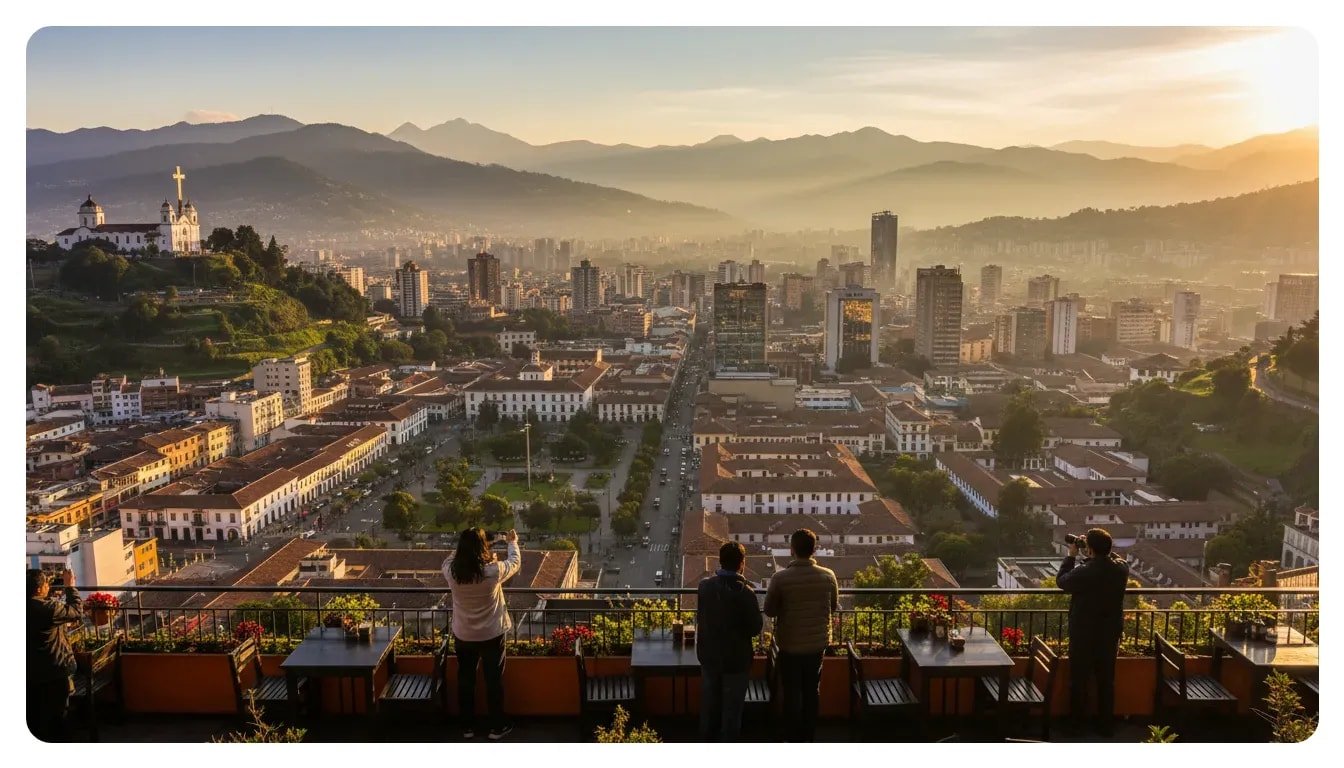
Bogotá, Colombia — approx. 2,640 m (8,660 ft)
Quick facts: Nestled in the Eastern Cordillera of the Andes, Bogotá combines modern museums with colonial plazas and nearby mountain sanctuaries.
Why go: Museums, cafés, and day hikes to viewpoints and mountain churches on Monserrate and Guadalupe.
Tip: Walk slowly the first 24–48 hours and keep activities light; the city’s altitude makes stair climbs more demanding than they appear.
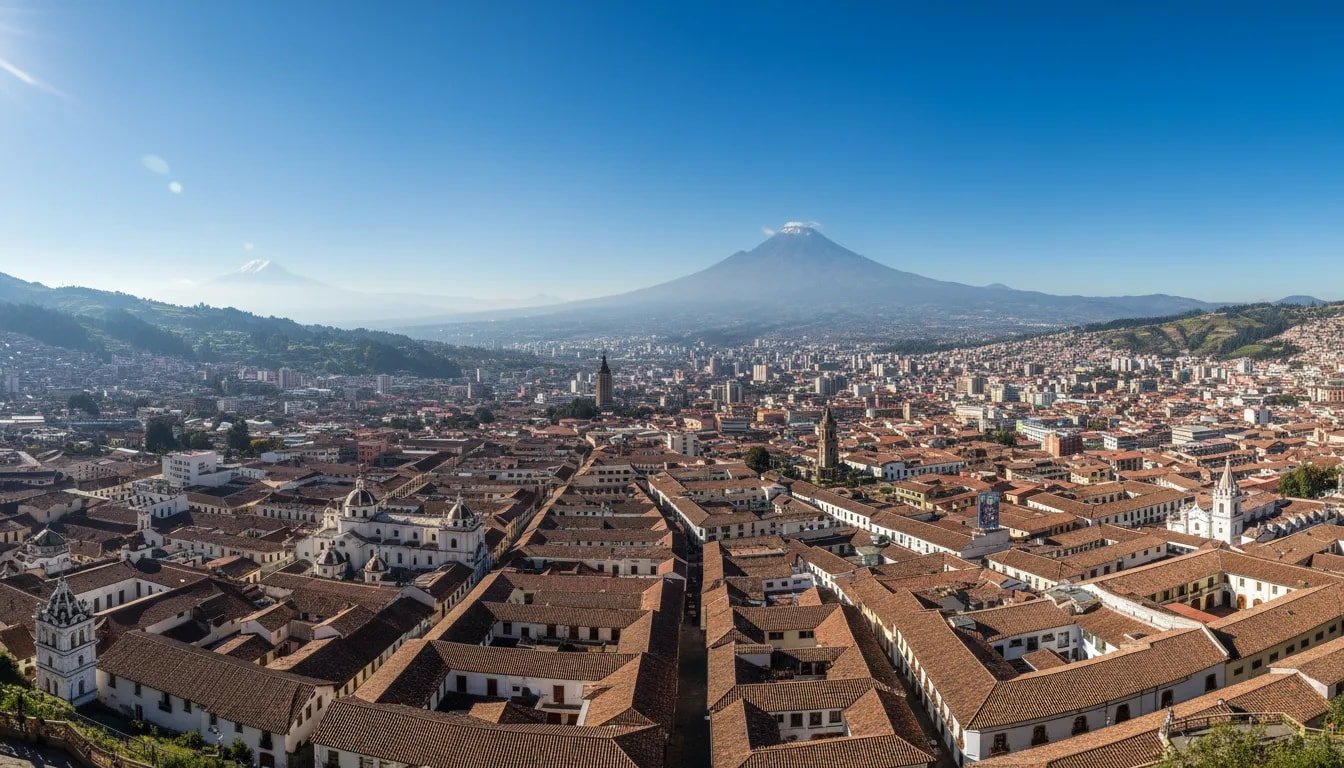
Quito, Ecuador — approx. 2,850 m (9,350 ft)
Quick facts: Quito is one of the world’s highest national capitals and lies in a valley surrounded by active volcanoes. Its compact historic centre is a UNESCO World Heritage Site.
Why go: Colonial architecture, rich museums and easy access to Andean landscapes and cloud forests.
Tip: Sun protection is essential—UV intensity is higher at altitude even on cool days.
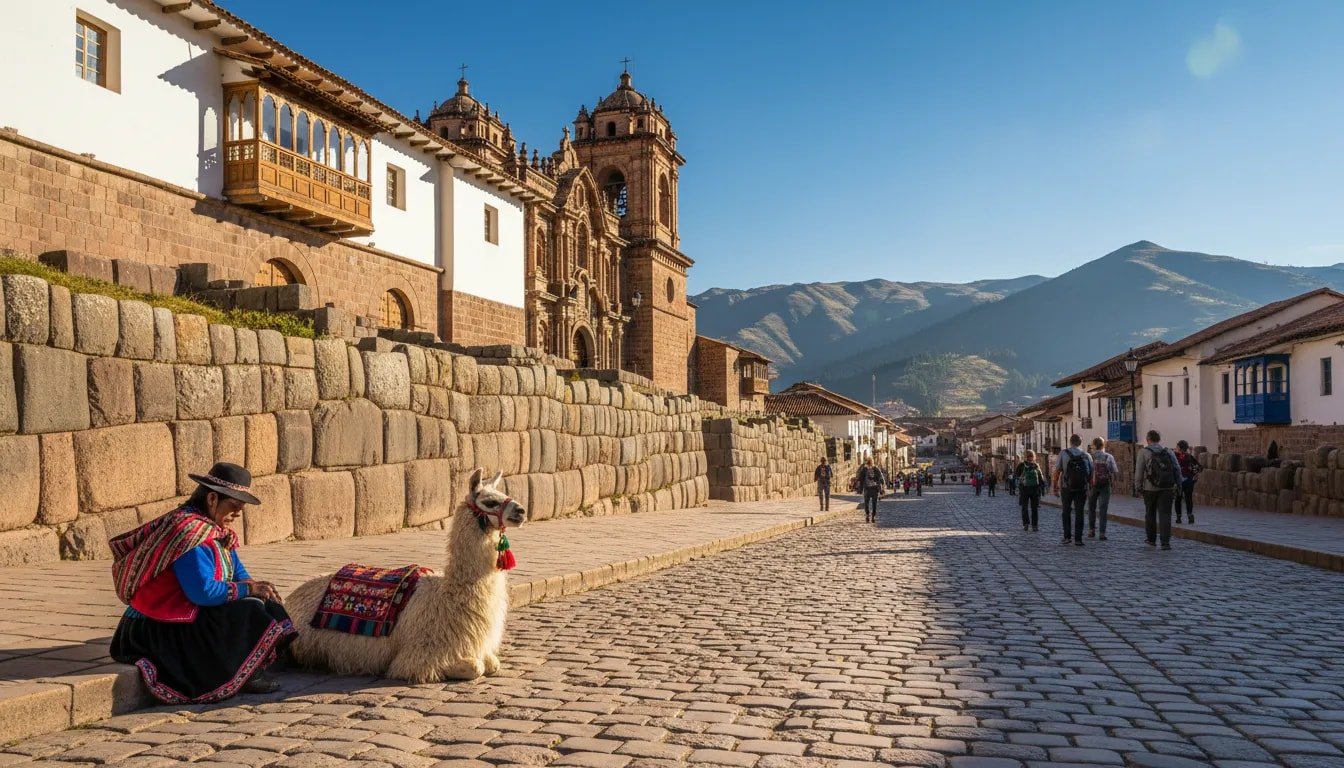
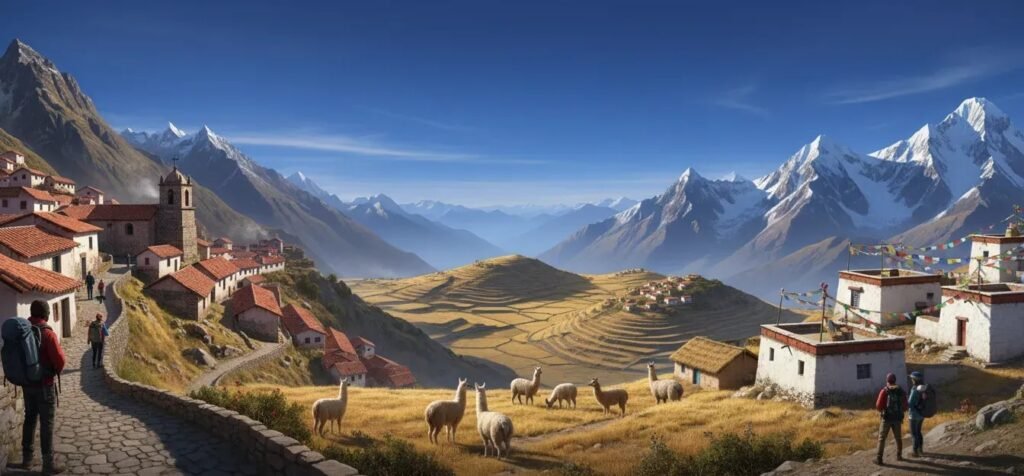
Cusco, Peru — approx. 3,399 m (11,152 ft)
Quick facts: Once the capital of the Inca Empire, Cusco is the doorway to the Sacred Valley and Machu Picchu. Expect cobbled streets, Inca stonework and colonial churches built atop ancient foundations.
Why go: Markets, archaeological sites and multi-day treks that begin right from the city.
Tip: Avoid strenuous hikes the day you arrive. Try coca tea and rest; if you plan a trek to Machu Picchu, allow at least two full days in Cusco to acclimatise.
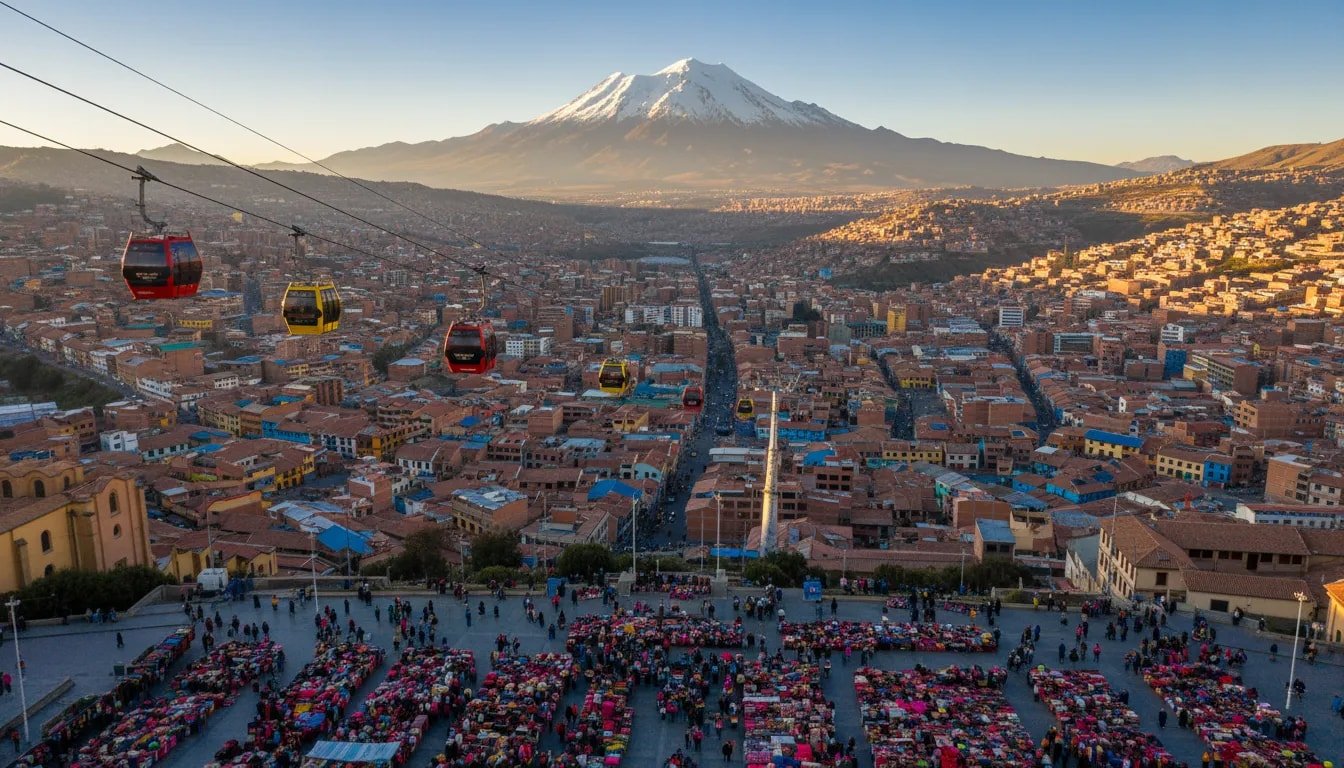
La Paz, Bolivia — approx. 3,640 m (11,942 ft)
Quick facts: La Paz sits in a steep valley with neighbourhoods climbing the surrounding hills; the adjacent El Alto plateau is even higher. Urban cable cars are a common and efficient way to move around.
Why go: Indigenous markets, colonial museums and unique transport systems set against dramatic Andean scenery.
Tip: If you need medical care, plan for longer transit times; some services are concentrated in lower-altitude hospitals outside the steep central area.
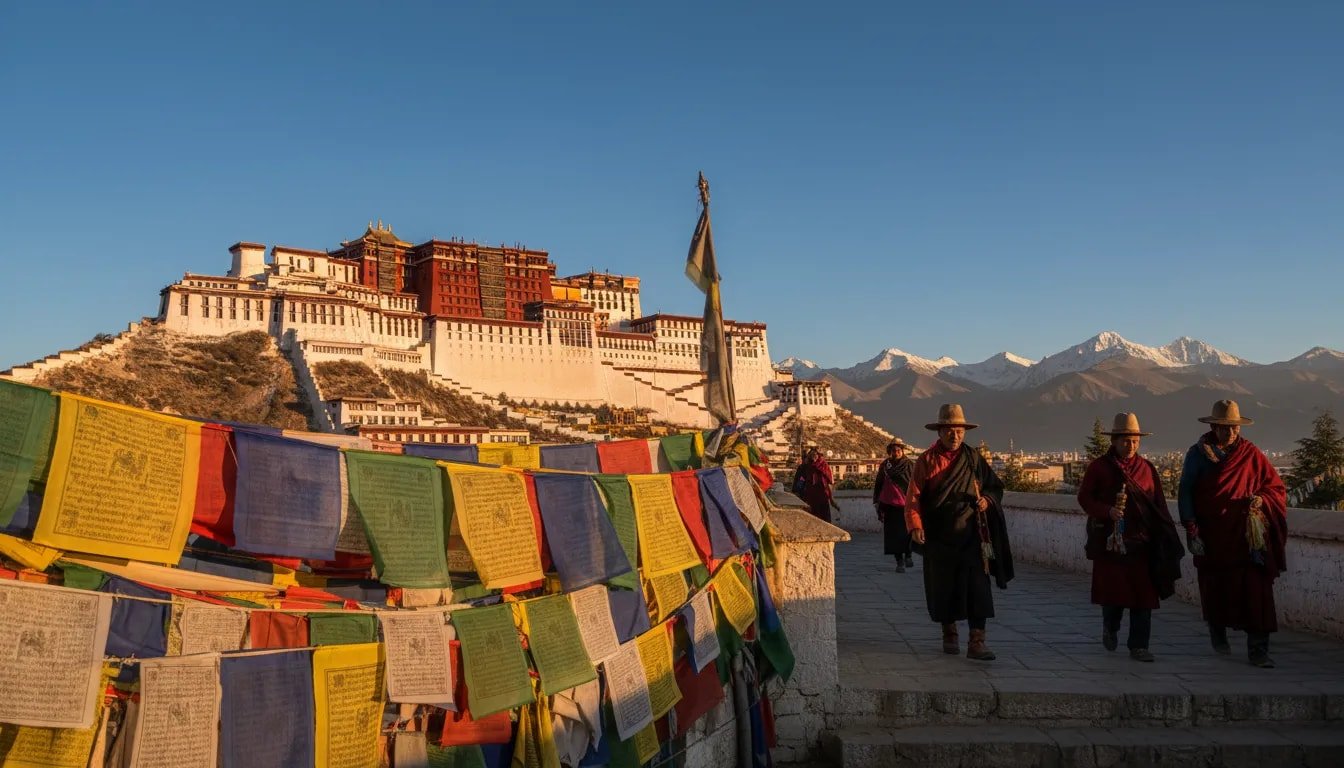
Lhasa, Tibet — approx. 3,656 m (12,001 ft)
Quick facts: As the spiritual heart of Tibetan Buddhism, Lhasa is renowned for its monasteries, prayer flags and the Potala Palace. The city is high on the Tibetan Plateau with very thin air compared with lowland cities.
Why go: To experience Tibetan religious culture, historic sites and unique highland landscapes.
Tip: Travel permits may be required for foreign visitors. Spend several days acclimatising and avoid heavy exertion initially.
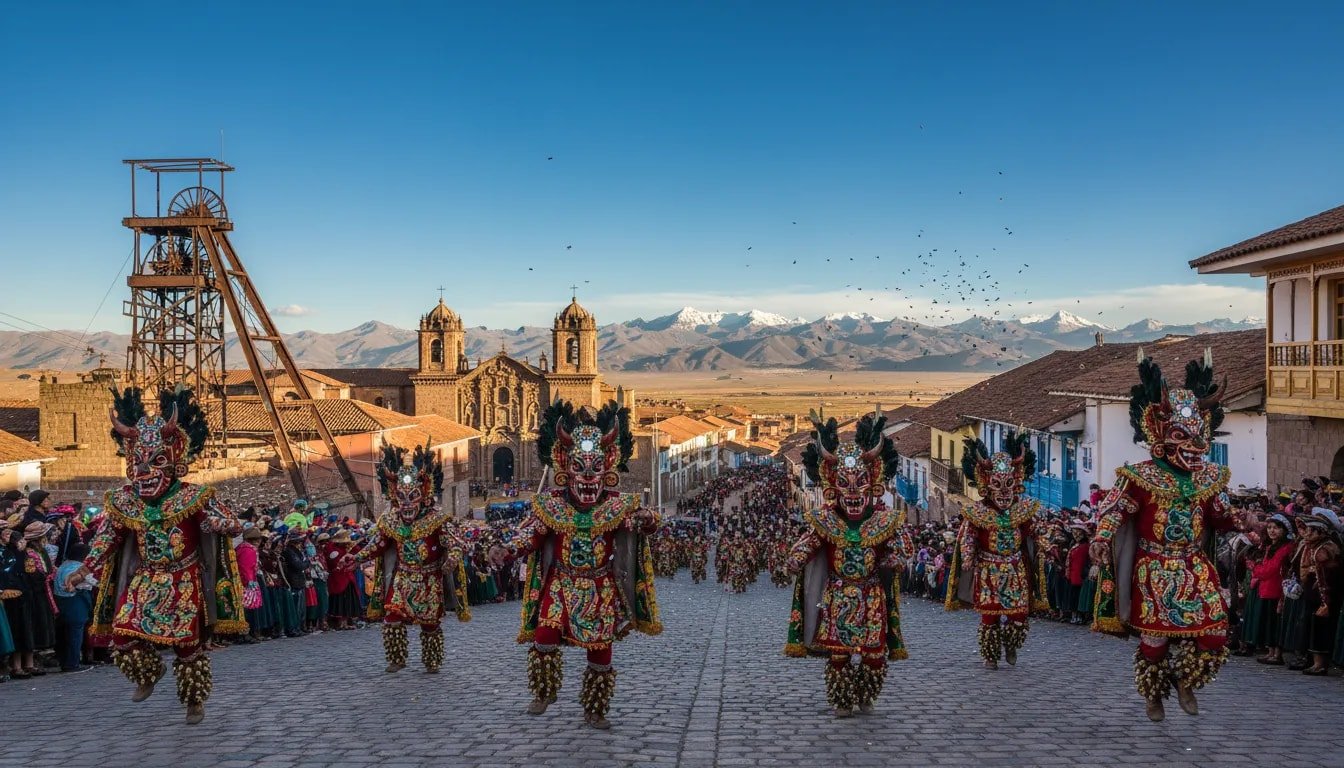
Oruro, Bolivia — approx. 3,705 m (12,159 ft)
Quick facts: Historically a silver-mining centre, Oruro hosts one of South America’s most famous carnivals and retains colonial architecture and mining-era heritage.
Why go: For cultural events such as the Oruro Carnival and to explore the Altiplano’s striking landscapes.
Tip: If you travel during Carnival, book accommodation months in advance. Bring layers—nights remain cold at altitude.
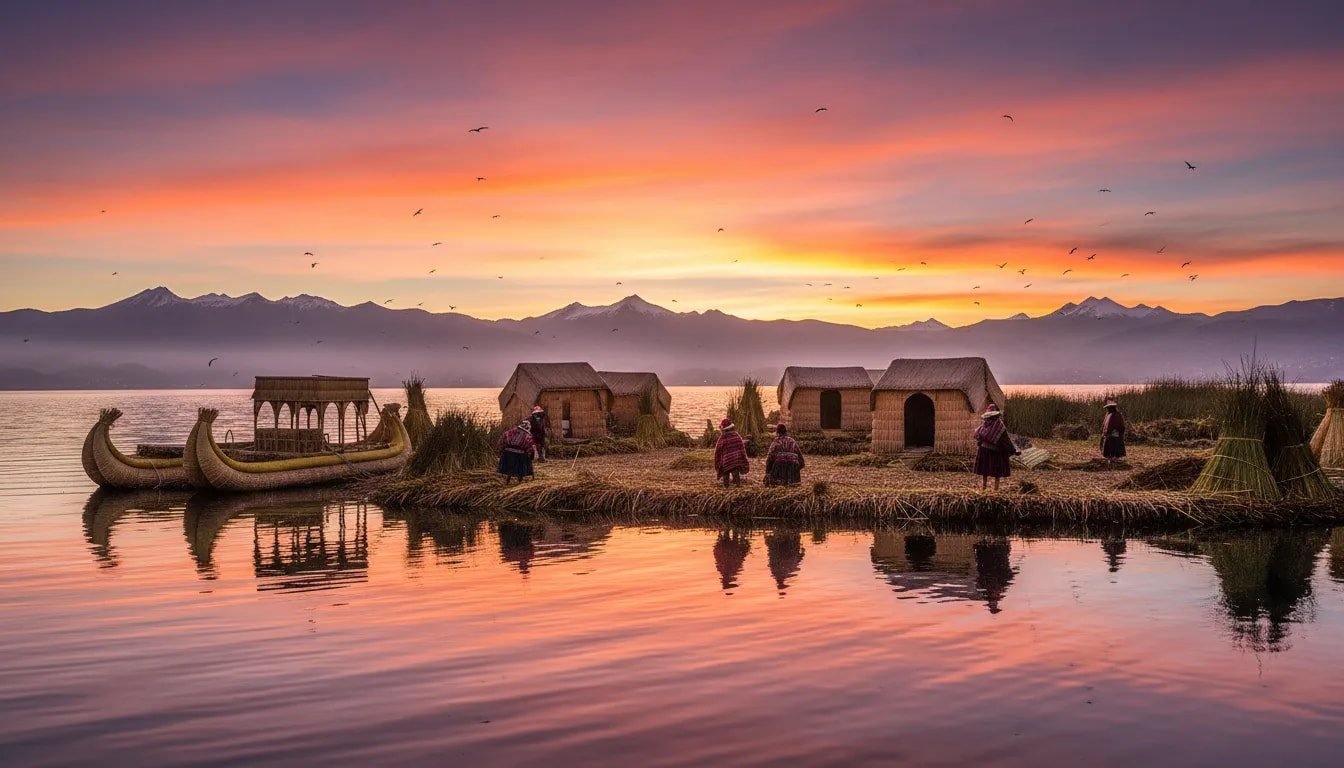
Puno (gateway to Lake Titicaca), Peru — approx. 3,827 m (12,530 ft)
Quick facts: Puno overlooks Lake Titicaca, the world’s highest navigable lake, and serves as a base to visit the famous man-made reed islands and communities that still practise traditional livelihoods.
Why go: For indigenous culture, lake excursions and spectacular highland sunsets.
Tip: Some streets are extremely steep; pace yourself and wear sturdy shoes for walking on uneven terrain.
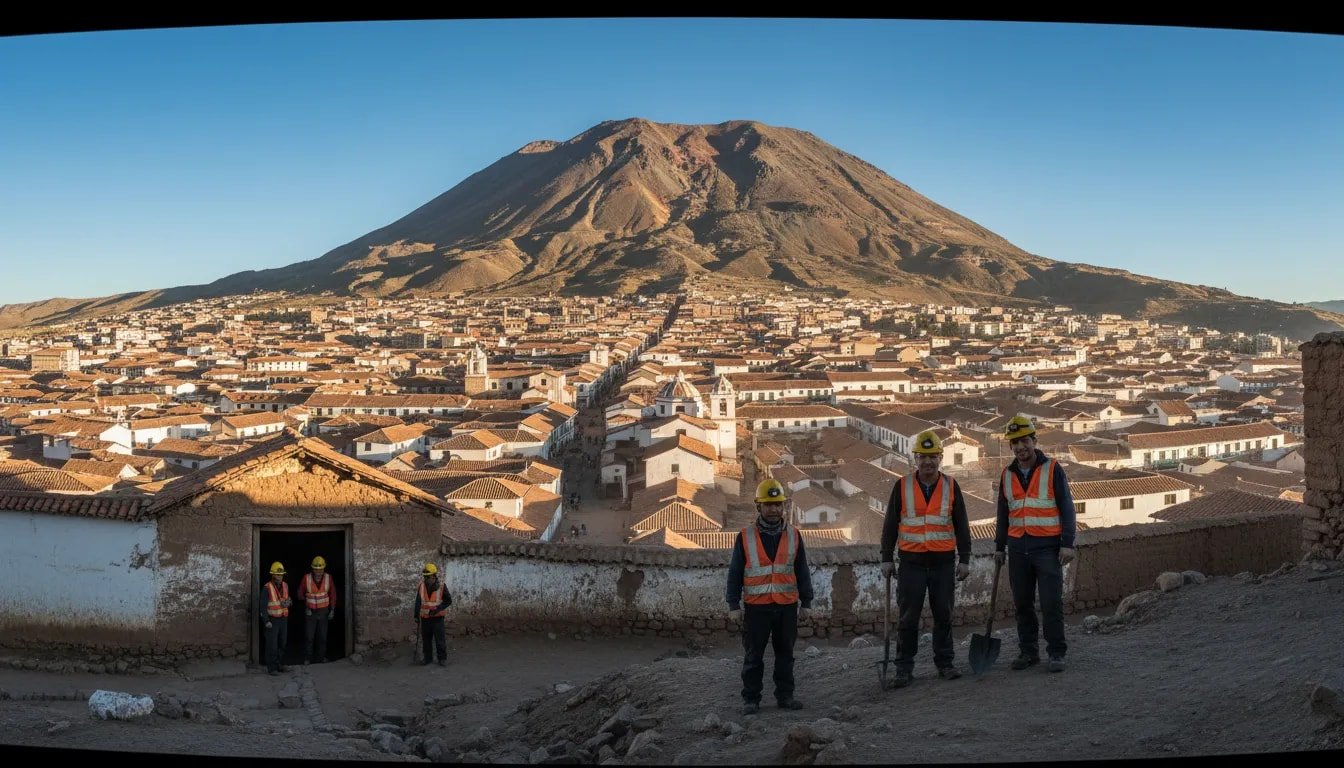
Potosí, Bolivia — approx. 4,090 m (13,419 ft)
Quick facts: Potosí sits at the foot of a mountain once famed for its silver mines. Its elevation places it among the highest permanent urban communities in the world.
Why go: Mine tours, colonial architecture and the history of mining that shaped global economies.
Tip: At this elevation, even short walks are taxing for many travellers. I recommend visiting mines only with guides and avoiding prolonged exposure to dust or poor ventilation underground.
How to prepare: Acclimatisation and practical steps
High-altitude travel requires a deliberate approach. Use these practical steps I recommend to reduce the risk of altitude illness and improve comfort.
- Ascend slowly: If possible, gain no more than 300–500 metres of sleeping altitude per day above 3,000 metres. Insert a rest day every 1,000 metres.
- Hydrate and eat lightly: Drink more water than usual; avoid excessive alcohol and heavy meals in the first 48 hours.
- Move gently: Avoid vigorous exercise for 24–48 hours after arrival; reserve hikes and stair-heavy walking until you feel steady.
- Recognise symptoms: Headache, nausea, dizziness and extreme fatigue are early signs. Mild symptoms often resolve with rest and fluids; worsening breathing difficulty or reduced consciousness needs urgent medical attention.
- Medications: Acetazolamide (Diamox) can help prevent acute mountain sickness for some travellers. Consult a doctor before departure.
- Plan logistics: Check local health-care access, altitude of transport hubs and allow flexible itineraries to accommodate slower acclimatisation.
Packing checklist for high-altitude cities
- Layered clothing: Temperatures swing between sunny days and cold nights.
- Sunscreen and sunglasses: Stronger UV exposure at altitude.
- Reusable water bottle: Staying hydrated is essential.
- Prescription medicines and basic first aid: Include medications for headaches and nausea.
- Sturdy walking shoes: Many streets are uneven or steep.
- Altitude medication if prescribed: Carry documentation and dosage instructions.
Common mistakes and how to avoid them
- Underestimating altitude: Treat a high-altitude town the same as a low-altitude one and you risk sickness. Build in extra rest time.
- Pushing too hard too fast: Doing strenuous hikes the first day is a frequent cause of prolonged illness.
- Ignoring weather variability: High-altitude sun is intense but weather can change quickly; always carry windproof layers.
- Assuming transport is straightforward: Roads can be narrow, steep and slow. Allow more travel time between destinations.
Short checklist before you travel
- Check current elevation for cities you will visit and plan gradual gains.
- Speak with a travel clinic about vaccinations and altitude medications.
- Purchase travel insurance that covers high-altitude activities if you plan trekking.
- Book flexible accommodation for your first nights in high towns in case you need extra rest.
FAQ
How high is too high for casual travellers?
People vary, but many start noticing effects above 2,500 metres. With proper acclimatisation, casual travellers can visit cities up to and over 3,500 metres. Above 4,000 metres the likelihood of significant symptoms grows, so take extra precautions and consult a doctor beforehand.
What are the early signs of altitude sickness?
Common early signs are headache, nausea, dizziness, loss of appetite and trouble sleeping. If symptoms worsen—severe breathlessness, confusion or inability to walk—seek immediate descent and medical help.
Can I prevent altitude sickness with medication?
Acetazolamide can reduce the risk and severity of acute mountain sickness for some travellers. It should be taken under medical advice with correct dosing instructions and consideration of contraindications.
Are services and hospitals reliable in high-altitude cities?
Many high-altitude cities have good medical facilities, but quality and access vary widely. Research local hospitals, emergency contacts and evacuation options for remote destinations before you go.
Is it safe to travel to high-altitude cities if I have heart or lung conditions?
Pre-existing heart or lung disease increases risk at altitude. Consult your physician and a travel medicine specialist; they may recommend testing, medication adjustments or avoiding high elevations.
Final takeaway
High-altitude cities deliver unforgettable landscapes, cultural richness and experiences that are distinct from lowland travel. I recommend careful planning: ascend slowly, stay hydrated, protect yourself from strong sun and allow time to acclimatise. With sensible precautions you can safely enjoy some of the world’s most extraordinary urban highlands.